Wildberry Cookie Toppings Build — The Wall That Punches Back
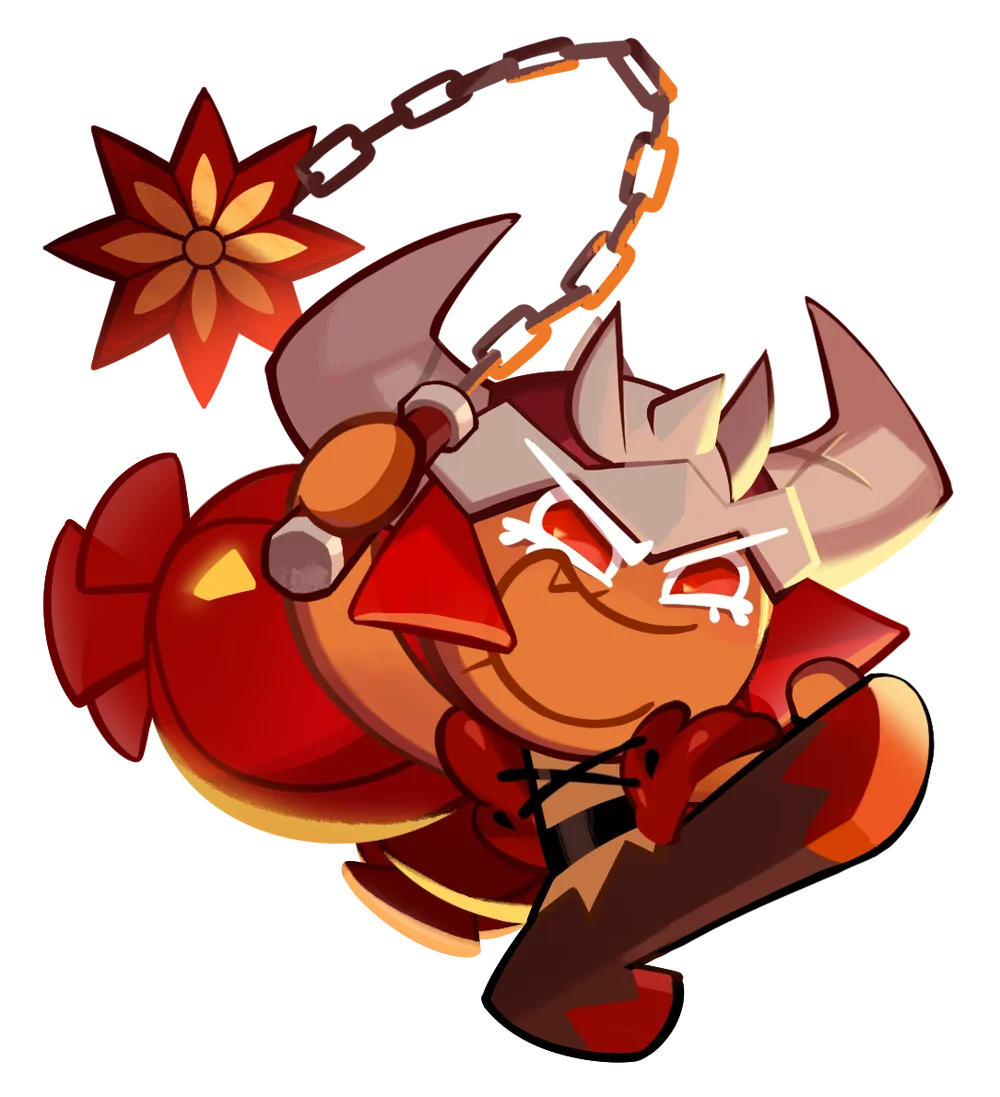
Wildberry Cookie is a farmable Epic bruiser: the more you hit him, the harder his final blow lands. Here's the HP-and-DMG-Resist build that turns him into a wall that hits back.
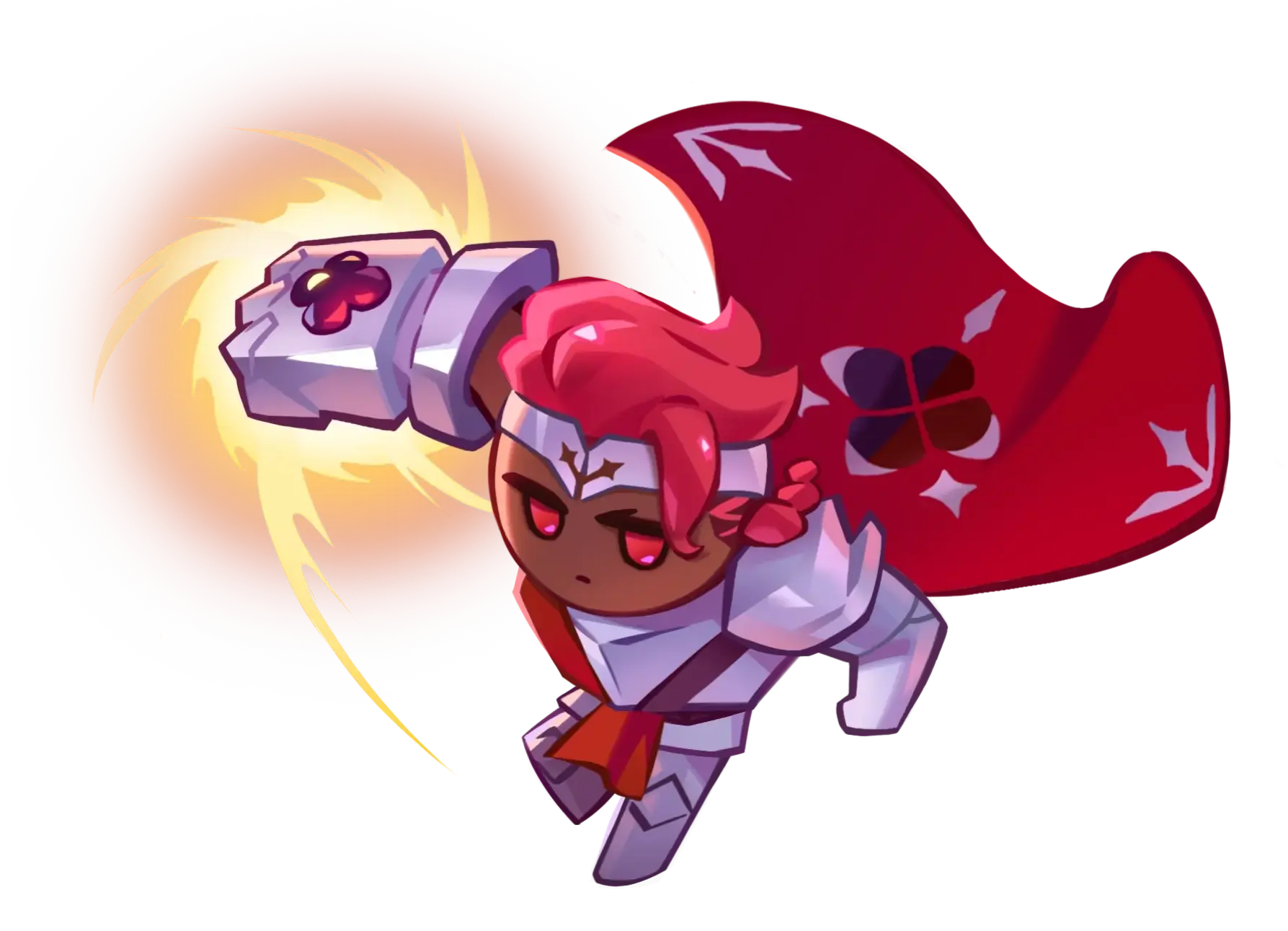
Wildberry Cookie's gimmick still slaps. He wants to get hit: once his skill fires, every hit he takes stacks his Wild buff, and the more stacks he's carrying when his final blow lands, the harder it detonates. He is, mechanically, a wall that punches back, and a big slice of that final blow scales off his own Max HP — so his main tank stat also feeds his biggest hit.
That's the whole reason his toppings aren't a boring "stack DMG Resist" job. You're building a bruiser, not a doormat. This is the full build guide: the wiki-recommended set, why HP pulls double duty on him specifically, the substats to chase, the full-Peanut-versus-split question, where he still earns a slot years after release, his Magic Candy, and how to get him. Skill numbers below are cookierun.wiki's max-level values; his kit was last changed on June 4, 2025.
The wall that punches back
The vitals first, because they set the plan. Wildberry Cookie is an Epic, Defense-type, Front-position cookie with the Steel element, and he carries the Brawny and Serene traits. Front position means he's a literal frontliner soaking hits; Steel element ties him to Steel-damage synergies; and Defense-type means his job is to hold the line. So far, standard tank.
Where he stops being standard is that he's a large Cookie, which the game treats as a real mechanical advantage: he's less affected by Knockback and Flying effects. In a game where getting yeeted across the arena or lifted out of position wrecks front lines, a tank who is harder to displace is quietly valuable. Pair that with his hit-me-harder Wild mechanic and you've got a frontliner with an identity, not just a health bar. He sits in S tier on our tank tier list.
What Wildberry Cookie actually does
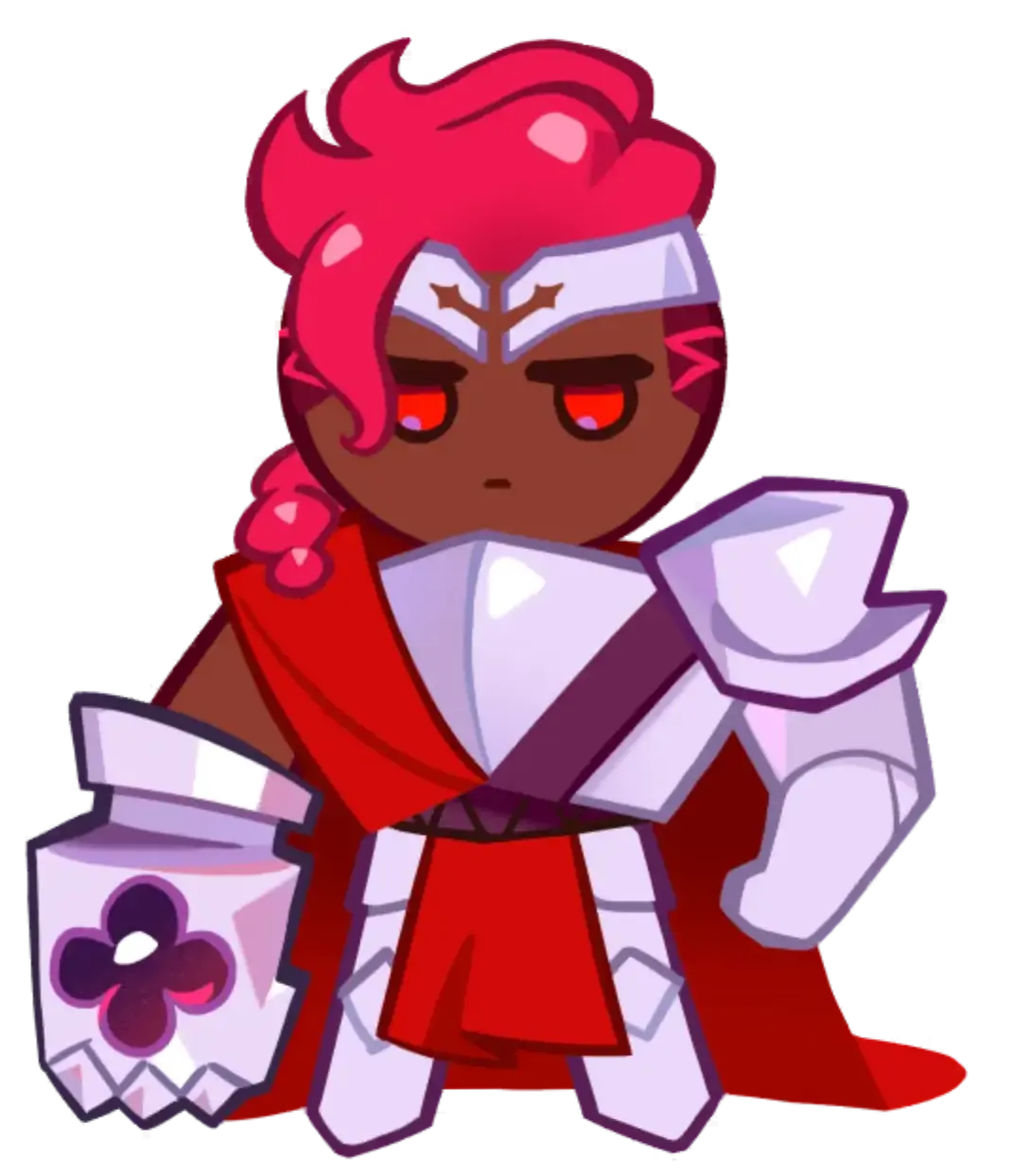
His skill is Wild Punch, and it runs a fast 10-second base cooldown. When it fires, Wildberry unleashes an 8-second Battle Rage, activating his Wild buff — which, crucially, cannot be dispelled. During Battle Rage he throws more powerful attacks, and at the end he winds up for an uppercut and a final blow. Here's the payoff mechanic: the Wild buff stacks every time Wildberry takes a hit, each stack adding 10% of his own Max HP to the final blow, up to 15 stacks (+150% Max HP). On top of that, the final blow carries a flat 21.1% of his Max HP as extra damage and a 2.5-second Stun, so a beefier Wildberry literally punches harder.
A few more concrete details that shape how you use him:
- Each Battle Rage hit deals 423.5% Steel damage and lands a 1.5-second Stun — real crowd control, not just chip damage.
- During Battle Rage he gets DMG Resist +30%, and every ally gets DMG Resist +17%. That team buff is undispellable unless he is defeated.
- His Battle Rage hits and uppercut deal extra damage to Knockback-resisting enemies (an extra 100% of ATK as Steel damage).
- While delivering the uppercut and final blow, he's resistant to interrupting effects, so you can't easily cancel his payoff.
So he's a tank who soaks hits from the front, shares damage reduction with the whole team, converts the punishment he absorbs into damage, stuns, and is less affected by the displacement that ruins other frontliners. That's a lot of identity for an Epic, and it's why he's No. 2 on our best beginner cookies list.
The recommended build: Healthy Peanut and Solid Almond
The wiki-recommended setup for Wildberry is a mix of Healthy Peanut (HP) and Solid Almond (DMG Resist), with his recommended stats listed as HP, DMG Resist, and Steel DMG. That combination is telling: HP and DMG Resist are pure tank stats, but Steel DMG sneaks in because his final blow actually wants to hurt.
The cleanest execution is a durability core built on those two toppings — either a full 5x Healthy Peanut for maximum HP (which, remember, feeds his final blow), or a 3 Healthy Peanut / 2 Solid Almond hybrid if you want more percentage damage reduction. Both fit his recommended stats. If you're still learning how set bonuses and substats work, run through the toppings guide first so you're not burning pieces on the wrong rolls.
Why HP does double duty on Wildberry
This is the part that makes Wildberry different from a generic wall, so it's worth being explicit. On a pure wall, HP is purely defensive — it's a bigger bucket to drain. On Wildberry, HP is both his defense and part of his offense, because his final blow's Wild bonus (up to +150% Max HP) and its flat extra damage (21.1% Max HP) both scale off his Max HP. Every point of HP you stack does two jobs: it keeps him standing longer to accumulate more Wild stacks, and it directly makes the final blow those stacks power up hit harder.
That double-scaling is why Healthy Peanut (HP) is his marquee topping rather than a pure DMG Resist wall build. You're not just trying to survive — you're trying to survive while turning yourself into a bomb. His tank stat also feeds his biggest hit, which makes gearing him refreshingly straightforward: pile on HP, let him eat hits, and cash it out on the final blow.
Which substats to chase
Whichever topping split you run, the substats decide whether he's a good Wildberry or a great one. His recommended stats are HP, DMG Resist, and Steel DMG, but only the first two can roll as Topping substats:
- HP — the priority, for the double-duty reason above. More survivability and a bigger final blow.
- DMG Resist — percentage reduction that keeps him alive through sustained damage so he reaches his payoff wind-up.
- Steel DMG — not a Topping substat; Toppings can't roll element damage. It comes from his Beascuit slot instead: an elemental Beascuit always drops with Element DMG as its first bonus effect, so a Steel-element Hard Beascuit (the Defense type) is where you get it. It's the offensive kicker, and since all of his damage is Steel, it pushes his Battle Rage hits and final blow harder.
Note what's not there: Cooldown isn't on his recommended list — his 10-second cooldown is already short, and his value is the accumulate-then-detonate loop, not machine-gun recasting. ATK isn't on the list either. It does feed his Battle Rage hits, but HP feeds both his survival and the Max-HP portion of his final blow, so HP gets the substat slots first. Gear him like the bruiser he is, not like a glass cannon.
Full Peanut vs a DMG Resist split
The real debate on Wildberry is how much DMG Resist to fold in, and it depends on what content you're clearing. Full Healthy Peanut maximizes his HP pool, which means the biggest final blow and the biggest health bar. A Healthy Peanut / Solid Almond split trades a slice of that HP — and with it a slice of final-blow damage — for percentage damage reduction.
My read: for most PvE and general use, lean full Healthy Peanut — the HP-into-final-blow scaling is his whole appeal, and you don't want to dilute it. Reach for a Solid Almond split when keeping him alive matters more than the size of his final blow, or when you specifically need him to survive a long grind. Neither is wrong, which is why the wiki lists both HP and DMG Resist as recommended — but if you only have one clean set of pieces, HP-first is the safer default on him. Whatever you do, don't gear him for pure damage and forget the tank job; a Wildberry who dies before his final blow is a wasted topping investment.
Where Wildberry fits on a team
Wildberry is a front-line bruiser-tank, so he plays the same role a wall plays: he stands up front, soaks hits, and buys your backline time. What sets him apart is that he does it while dealing meaningful damage and stunning, while handing every ally +17% DMG Resist during Battle Rage, and while being less affected by the Knockback and Flying that displace other tanks. Slot him into:
- Beginner and mid-game PvE teams, where a durable, self-scaling frontliner is exactly what a young roster needs. He's a cornerstone pick before you've pulled and built a Super Epic or Ancient tank (the Defense class has no Legendaries).
- Steel-type comps — Aegis Hollyberry's Rally Effect applies only to Steel-type allies, and Wildberry is one, with all of his damage dealt as Steel.
- Anywhere Knockback and Flying are a problem, since his large-Cookie resistance keeps him planted more reliably when other frontliners get thrown around.
He is not a healer and not a backline carry, and in his base kit his only team buff is that Battle Rage DMG Resist. Pair him with a dedicated healer, or with Financier, whose skill heals and shields her protected ally, and let him do the one thing he's great at: hold the line and hit back.
His Magic Candy: Royal Bodyguard
Wildberry has a Magic Candy, Royal Bodyguard, added on June 21, 2023 and buffed on July 17, 2024. Like every Magic Candy it unlocks at Cookie Lv.50. It adds two things to Wild Punch, plus a bonus at each milestone:
| Magic Candy level | Effect |
|---|---|
| Base | Team-wide HP Shield blocking 3% of Max HP for 5 sec; Final Blow extra damage 175% (Steel) |
| Max | Team-wide HP Shield blocking 15% of Max HP for 5 sec; Final Blow extra damage 175% (Steel) |
| +10 | Ally CRIT Resist +25% for 10 sec |
| +20 | Ally CRIT Resist +30% for 10 sec |
| +30 | Ally CRIT Resist +35% for 10 sec |
That turns him from a DMG Resist sharer into a shield-and-resist sharer, and it makes the final blow hit harder still, so it's the natural next investment once his toppings are done. The Magic Candy priority guide covers the material costs and where he sits in the queue.
How to get Wildberry Cookie
Wildberry Cookie is a standard Epic gacha cookie, so he can drop from the Cookie Gacha like other standard Epics. To target him directly, his Soulstones are farmable from Dream Express Dark Mode 15-21, so you can grind toward unlocking and Promoting him rather than relying purely on gacha RNG, and his Soulcores (for Ascension) come from Tainted Forest Master Mode 5-10. If you're deciding where your pulls and Soulstone farming should go, the cookie rarity explainer helps set expectations for what Epics can and can't do.
Is Wildberry worth building in 2026?
For newer and mid-game players, absolutely. Pocket Gamer's Cookie Run: Kingdom tier list (updated October 16, 2026) rates him S+ in PvE and A in PvP, and Devsisters' own Decadent Choco Cake Tower recommends him on two trays (9 and 42). His self-scaling final blow means he keeps contributing damage instead of just soaking hits, and you can farm his Soulstones without gambling for them.
The honest caveat: that PvP rating sits two tiers below his PvE one, and once you've built a Super Epic or Ancient tank, his front-line slot is up for debate. Short of that, a full-Healthy-Peanut Wildberry with HP substats stacked high, DMG Resist behind it, and a Steel-DMG Beascuit is a rock-solid, budget frontline that punches well above its Epic rarity. Build him.
Quick Action Checklist
- Treat him as a bruiser-tank: he wants to get hit, then cash it out on his final blow
- Equip 5x Healthy Peanut for maximum HP, the default build
- Run a 3 Healthy Peanut / 2 Solid Almond split when keeping him alive matters more than final-blow size
- Chase HP substats first — HP is both his survivability and his final-blow damage
- Then prioritize DMG Resist substats, and get the Steel DMG kicker from a Steel-element Hard Beascuit, not from Toppings
- Skip Cooldown and ATK substats — neither is on his recommended stat list
- Put him on the front line to soak hits and exploit his Knockback and Flying resistance
- Pair him with a healer, or Financier for heals and shields on her protected ally — he has no healing of his own
- Once he hits Lv.50, craft his Magic Candy, Royal Bodyguard, for a team HP Shield and a bigger final blow
- Farm his Soulstones from Dream Express Dark Mode 15-21 to Promote him without gacha luck, and his Soulcores from Tainted Forest Master Mode 5-10
Frequently Asked Questions
What are the best toppings for Wildberry Cookie?
Why do you build Wildberry Cookie for HP?
Is Wildberry Cookie still good?
What does Wildberry Cookie's skill do?
Does Wildberry Cookie have a Magic Candy?
How do you get Wildberry Cookie?
Keep Reading
Related Guides

Squid Ink Cookie Toppings Build — The Crybaby Kraken
Squid Ink Cookie sobs constantly, turns into a kraken, and takes up to 72% less damage while doing it. Here's the toppings build that makes the whole trick work.
Espresso Cookie Toppings Build — Whirlwind That Still Clears
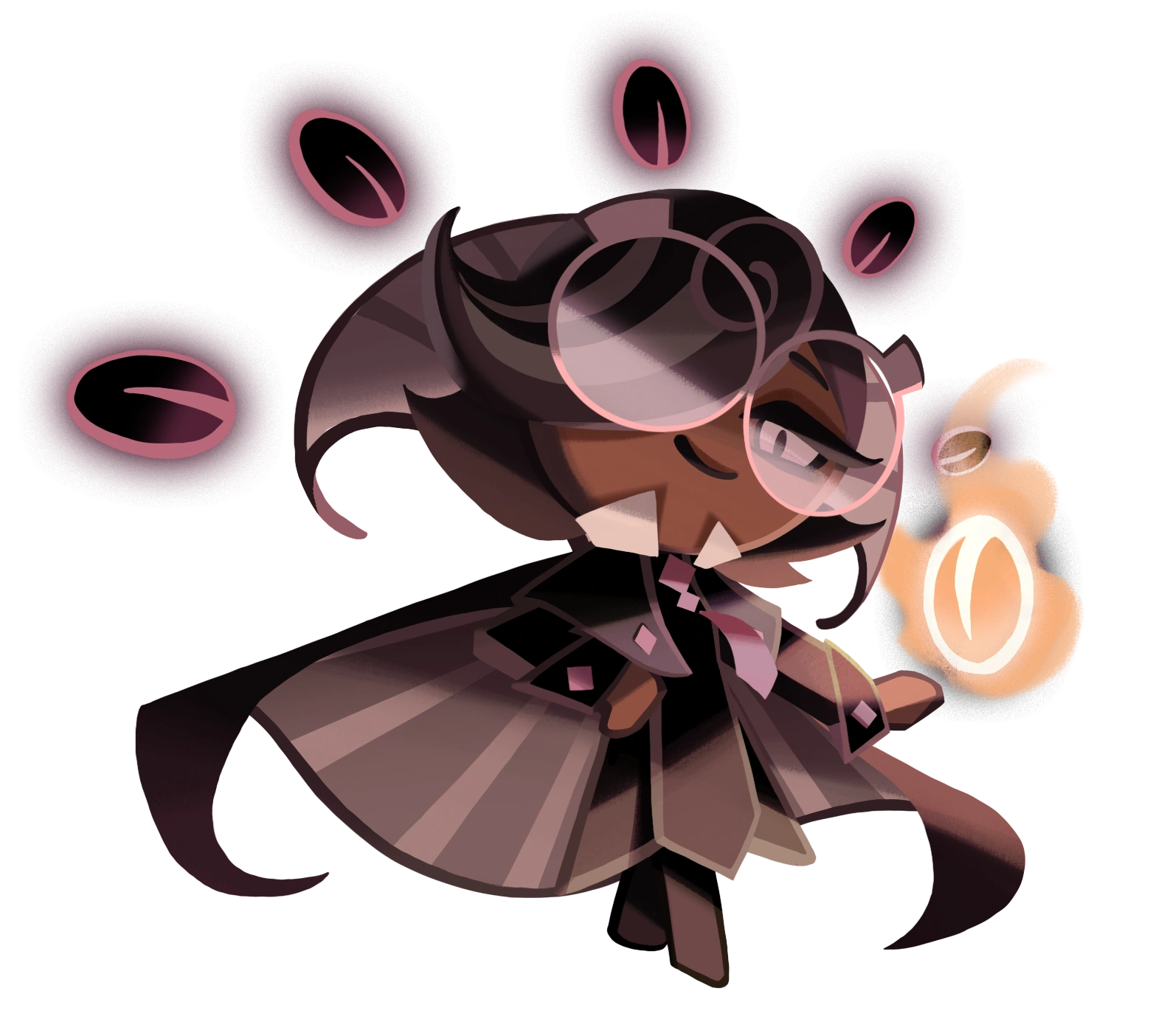
Espresso Cookie is the Epic Magic DPS whose coffee whirlwind still handles story-mode PvE years after release — if you build him Cooldown-forward. Here's the full toppings setup.

Cream Puff Cookie Toppings Build: CRIT Breakpoints
Cream Puff is the rare Epic whose entire build is decided by one number. At Magic Candy 30 she caps her team-wide ATK buff at 38% CRIT and her CRIT DMG buff at 50% — everything past that is for her own spell. Here's the full sheet.
Mala Sauce Cookie Toppings Build: Built Around Her Burn
Mala Sauce's mace does 149.7% Fire damage at max. Her Burn does 777.6% over six seconds — about 61% of her skill output — and her Magic Candy turns her into a team-wide CRIT battery on top of it.

CRK Tier List — PvE & PvP Rankings (Timeline of Fate)
Timekeeper rewrote the Arena rulebook, Ash Salt is bullying World Exploration, and Eternal Sugar finally dropped a tier. Here is the CRK tier list for the Timeline of Fate meta, sorted for PvE, PvP, and Guild Battle, with the F2P investment picks that actually matter.
CRK Toppings Guide — Standard Sets, Sub-Stats & Rerolls
Here is every Cookie Run: Kingdom topping type, the hard caps on what sub-stats can reach, the best set for each role, and the reroll math that tells you when "good enough" actually wins.