Fortnite Weak Spots & Aiming Guide: Where to Aim
Two players land the same shots and one does way more damage. The difference isn't aim — it's where they're aiming. Here's the where: headshots and weak spots, crosshair centering, pre-aiming, tracking vs flicking, and aiming the gaps in someone's build.
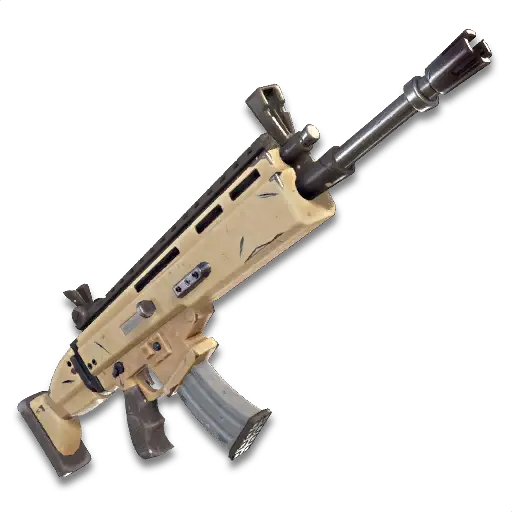
Take two players who land the exact same number of bullets in a fight. One of them wins it in half the time and walks away with shield to spare. The other reloads and dies. The difference usually isn't aim in the way people mean it — they hit the same shots. The difference is where those shots landed. One player was hitting heads and gaps; the other was peppering chests and walls. Same accuracy, wildly different damage, because Fortnite doesn't reward hitting the enemy — it rewards hitting the right part of them.
This is the half of aiming that pure sensitivity-and-reflexes guides skip. Hitting a target is mechanics; hitting the weak spot on a moving target while they juke behind builds is the skill that actually decides fights. This guide is all about the where: headshots and weak spots and the damage they multiply, centering your crosshair so you're already near the head, pre-aiming the angle before you peek, tracking versus flicking, and aiming the gaps in someone's build instead of plinking their wall. None of it depends on the current season's loot — it's where you point the gun, which is the same whether you're holding an AR, a shotgun, or a sniper.
Where you aim matters more than whether you hit
Most players, when they want to "get better at aiming," grind a tracking trainer until they can keep a reticle on a bot. That's useful — keeping the crosshair on target is a real, trainable skill — but it's only half the job. The other half is that two shots that both connect are not worth the same. A bullet to the head does meaningfully more than a bullet to the body, and over the course of a full magazine, that gap is the difference between a knock and an enemy who heals up and wins the rematch.
So the mental model to install: don't aim at the enemy, aim at the enemy's weak spot. Your target isn't the whole player silhouette, it's the head. Your crosshair's home position isn't "somewhere on the body," it's head height. When you reframe aiming this way, a lot of downstream habits — crosshair placement, pre-aiming, which gap you shoot through — suddenly have an obvious right answer, because they're all in service of getting your shots onto the part that hurts.
This is also why a player with "worse aim" sometimes out-damages a player with cleaner tracking. The cleaner tracker is keeping the crosshair on center mass; the other player is keeping it on the head. Over a fight, head placement wins. Aim is a where problem at least as much as a how-steady problem.
Headshots and weak spots: the damage multiplier
The mechanic underneath all of this is the headshot multiplier. In Fortnite, a hit to the head deals more damage than a hit to the body — the head is the weak spot, and landing your shots there is the single biggest free damage increase available to you. It costs nothing extra: same gun, same bullet, you just put it higher.
A few honest notes, because this is where bad guides go wrong by quoting numbers that rot:
- The multiplier exists, but the exact figure varies and changes. Different weapon classes apply the headshot bonus differently, and Epic adjusts these values across patches. Anyone telling you "headshots do exactly X%" for all guns is feeding you a number that's either weapon-specific or already out of date. The reliable, evergreen truth is the one that matters: heads take more, so aim high.
- Snipers and high-damage weapons reward headshots the most. With a one-shot-capable weapon, the gap between a body hit and a headshot is often the gap between a knock and a chunked-but-alive enemy. This is why sniper practice is almost entirely about head placement — the body shot frequently isn't good enough.
- Spray weapons reward it cumulatively. With an AR or SMG, no single bullet is decisive, but pulling your spray up toward the head over a magazine adds up fast. Controlling recoil so your shots climb into the head rather than over it is a big part of this.
- It applies to the enemy whether they know it or not. They can't armor their head. The only counter to your headshots is them breaking line of sight — which is exactly why the build-gap aiming later in this guide matters.
If you internalize one thing here, it's that "improve my aim" should mostly mean "land more of my shots on heads." That's the lever with the biggest payoff, and it's entirely in your control.
Center your crosshair at head level

Crosshair placement is the most underrated mechanical skill in the game, and it's almost free once you build the habit. The idea: your crosshair should already be at head height before you ever see the enemy. Most players walk around with their reticle pointed at the floor, then have to drag it all the way up to the head when a fight starts — that drag is slow, and it's why their first shots miss high or low.
The fixes:
- Keep the crosshair at head level as you move. Roughly where a standing player's head would be at the range you expect to fight. When an enemy appears, your reticle is already on or near the weak spot, and your "aim" is a tiny adjustment instead of a full swing.
- Pre-place it on edges and corners. As you approach a doorway, a build, or a corner, put your crosshair on the exact spot the enemy will appear, at head height. When they peek, you're already there.
- Don't ground-stare. Watching your feet or the loot on the floor means your crosshair is parked somewhere useless. Eyes and reticle up, scanning at head level.
- A clean, high-contrast crosshair helps. You can't place what you can't see — pick a reticle that reads against any background. (Our best Fortnite settings guide covers reticle and visibility settings.)
Good crosshair placement turns hard flicks into easy micro-adjustments, which is the whole game. Half of what looks like "great aim" in clips is just a player whose crosshair was already in the right place when the fight started.
Pre-aiming: do the work before the peek
Pre-aiming is crosshair placement applied to a specific known angle, and it's how good players seem to win fights before they start. The principle: point your gun where the enemy is going to be, then peek — don't peek and then look for them.
How it plays out:
- Peeking a known position. If you know an enemy is behind a particular wall, rock, or build, place your crosshair on the exact edge they'll appear from, at head height, before you step out. When you peek, you don't have to find them — you just shoot.
- Holding an angle. When you're defending, your crosshair lives on the most likely entry point, pre-aimed at head level. The enemy who pushes you is fighting a gun that's already pointed at them.
- Peeking your own edits. When you open a window or door edit to take a shot, your crosshair should be on the target as the edit clears, not searching afterward. The edit window is short; your aim has to be ready inside it. (If your edits aren't fast yet, the editing guide covers the edit-on-release timing that makes that window survivable.)
Pre-aiming is mostly about discipline, not reflexes. It's the difference between reacting to the enemy and waiting for them with the gun already trained on their head. The slower your reactions, the more pre-aiming matters — it does the hard part before the clock starts.
Tracking vs flicking: aim with the shot
The two ways you'll move your crosshair onto a weak spot are tracking and flicking, and where you're aiming changes which one the situation calls for.
- Tracking is keeping your crosshair glued to a moving target over sustained fire — and in weak-spot terms, it means staying on the head as the enemy strafes. Spray weapons live here: an AR or SMG fight is you matching their movement while keeping the reticle pulled up toward the head, not letting it drift down to the body or off the target entirely.
- Flicking is snapping onto a target — and onto the head specifically — in one fast movement. Shotguns and snipers live here: you catch the peek, flick to the head, fire once, reset. The flick isn't just "get on the body," it's "get on the weak spot," which is why flick practice should always target heads.
Train whichever you're weaker at — most players are naturally better at one — and train it with head placement baked in, not as an abstract "stay on the dot" drill. (For a full practice routine, the aim training guide breaks down how to drill both on Creative maps.) The point that ties back to this whole guide: tracking and flicking are just two ways of getting your shot onto the weak spot. The destination is always the head.
Aiming the gaps in someone's build
Here's the aiming problem that's unique to Fortnite and that no other shooter's aim trainer prepares you for: your target keeps hiding behind walls they build in real time. The aim that wins build fights isn't about the head being exposed for long — it's about being ready to put a shot through the gap the instant one opens.
- Aim at the gap, not the wall. When an enemy is boxed up, your damage comes from the brief openings — an unfinished edit, the seam as a wall replaces, the moment they peek to shoot back. Park your crosshair on the likely gap (at head height) and fire the instant it opens, rather than chipping uselessly at solid builds.
- Watch their edits. A player about to peek you usually telegraphs it — an edit highlights, a wall goes from full to editing. Pre-aim that exact spot. The shot is won before they finish the edit.
- Take the high ground and aim down. From above, you're shooting at the tops of their builds and over their walls, where gaps are more exposed and the head is easier to reach. Height isn't just a positioning advantage, it's an aiming advantage — it changes which weak spots you can see. (Our high ground retake guide covers getting up there.)
- Punish the rebuild delay. When you break an enemy's wall, there's a beat before they replace it. That beat is your shot — crosshair already on the gap, at head level, ready. Box-fighting is largely a contest of who's pre-aimed on the next gap. (The box fighting guide digs into the wall-and-peek timing.)
This is the aiming skill that separates Build-mode players from people who can aim but can't close. The head doesn't stay exposed — your job is to have your gun on the gap before it appears, so the half-second the weak spot is visible is enough.
Aiming different weapons: where each one wants to go
Where you aim shifts a little by weapon class, because each one's payoff for a weak-spot hit is different:
- Assault rifles. Aim head height and pull your spray up into the head as recoil climbs. The first couple of shots are most accurate, so a tapped or short-bursted AR landing heads beats a full-auto spray climbing into the sky. Control the recoil toward the weak spot.
- SMGs. Close-range, fast-moving fights — this is tracking the head while both of you strafe. The fire rate is high, so even partial head tracking racks up damage fast; the trick is not letting the spray drift down to the legs.
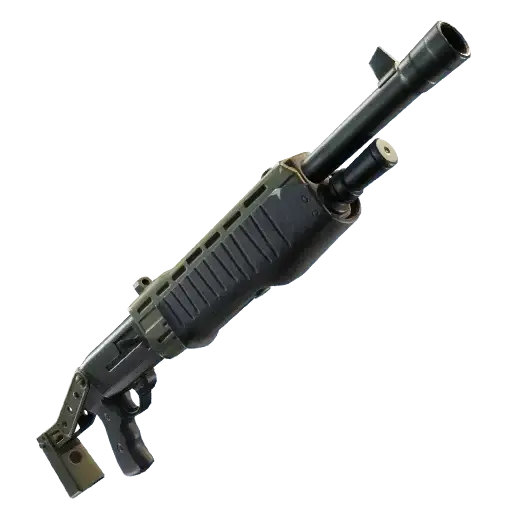
- Shotguns. Flick to the head and fire once. A close-range shotgun headshot is dramatically better than a body shot, so the difference between a good and bad shotgunner is largely head placement on the flick. Aim center-head as you peek, not center-mass.
- Snipers and marksman weapons. Pure head placement, often with lead time on a moving target. The body shot frequently isn't good enough on a high-HP enemy, so snipers are the weapon where "aim at the weak spot" is least optional. Pre-aim the lane and flick up to the head.
The through-line across all of them: the weapon changes how you deliver the shot — spray control, a single flick, a tracked burst — but the destination never changes. You're always trying to put it on the head. (For which guns are worth holding in the first place, see the weapon tier list.)
Quick Action Checklist
The where-to-aim habits that actually raise your damage:
- Aim at the weak spot, not the silhouette — your target is the head, not "the enemy"
- Know the headshot multiplier exists and aim high; don't trust exact damage numbers that change per patch
- Keep your crosshair at head level as you move, so aiming is a micro-adjustment, not a full swing
- Pre-aim the angle before you peek — point at where they'll be, then step out
- Track the head on spray weapons; flick to the head on shotguns and snipers
- Aim the gaps in builds, not the walls — be ready the instant an opening appears
- Take and use high ground so you're shooting down into exposed weak spots
- Pull AR spray up into the head; flick shotguns center-head; lead snipers onto the head
- Run a clean, high-contrast crosshair so you can actually see where you're placing it
Frequently Asked Questions
Where should you aim in Fortnite to do the most damage?
How much extra damage do headshots do in Fortnite?
What is crosshair placement in Fortnite?
How do you aim in Fortnite build fights?
What is the difference between tracking and flicking for aim in Fortnite?
Keep Reading
Related Guides

Fortnite Third-Partying Guide: When to Push, When to Hold
Third-partying is the most reliable way to win a fight without earning it — you let two players gut each other, then collect. But the same logic points back at you the second you start shooting. Here's how to be the third party instead of the corpse two of them split.

Fortnite Duos & Trios Strategy: How to Win in Small Teams
Duos and Trios aren't just Squads with empty slots. With fewer guns, every knock swings the math harder, every res is riskier, and one bad split loses the game. Here's how to play 2s and 3s — roles, comms, trading, reboots, shared loot, and third-partying as a small unit.
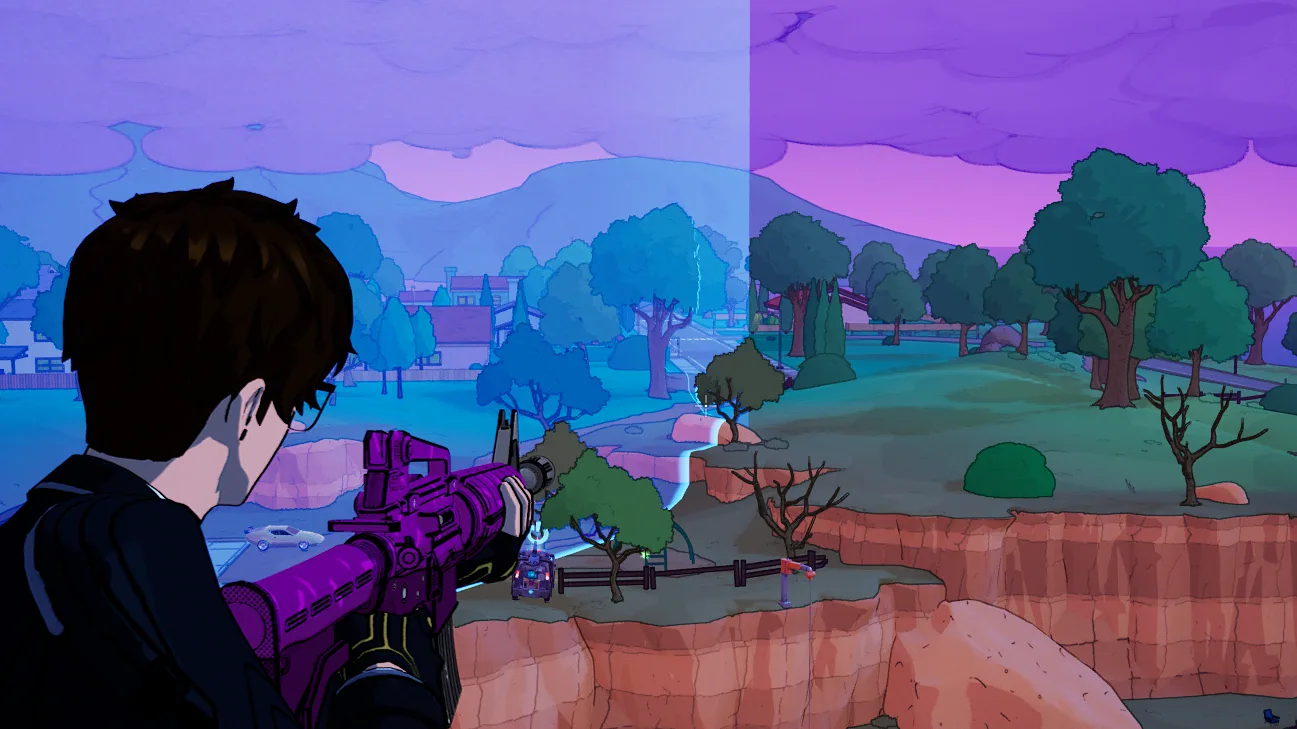
Fortnite Tunneling Guide: Cross Open Ground Without Dying
Tunneling is how good players cross open ground while being shot at and live to fight in the next zone. It's the move-and-rebuild rhythm that turns a death-march across a field into a moving box nobody can crack. Here's how to actually do it.
Fortnite High Ground Retake Guide: Take Back the Top
High ground wins fights, and losing it doesn't have to lose them. The high ground retake is the set of moves that take the top back when someone builds over you — the cone-rush, the wall-and-ramp, the 50/50 — plus how to survive on low ground long enough to do it. Here's how.
Fortnite Weapon Tier List: How to Rank Any Loot Pool
Any Fortnite tier list is stale the second a patch drops. So instead of memorizing this season's gun names, learn how to rank weapons by class and role — the framework that's S-tier in every season.
Best Fortnite Settings for PC & Console
Half your settings menu is noise; a handful of options decide whether you can see, aim, and build. Here's what to change on PC and console, why, and the one number nobody else can pick for you.