Best Fight and Bite Removal in MTG, Ranked
Green doesn't get to Murder things — it makes its big creatures do the killing. Here are the best fight and bite removal spells in Magic, ranked, from the one-sided bites to the repeatable fight engines that answer the board green isn't supposed to be able to touch.
Green doesn't get to point a card at a creature and say "that dies now." That's white's job, and black's, and to a lesser extent red's. What green gets instead is a whole subgenre of removal that reads like a nature documentary: your biggest creature and their biggest creature are put in a room, and only one walks out. Fight and bite spells are how green kills things, and once you have a fat creature on the board they can be some of the most mana-efficient removal in the format — a single green mana turning your 8/8 into a repeatable assassination tool.
The catch is that these spells are conditional in a way a straight Murder never is: you need a creature already in play, and with true fight spells your creature takes damage right back. A ranking of green's creature-based removal has to weigh that risk against the efficiency. This is that ranking — the one-sided bites that dodge the damage-back problem, the repeatable engines that answer threat after threat, and the mass-fight blowouts. Every card here has been checked against Scryfall for exact cost, text, and Commander legality. No made-up cards, no wishful oracle text.
What fight and bite actually mean
There are two mechanics doing similar work here, and they are not the same thing. Getting the difference right is the whole point of building good green removal.
Fight is a symmetric mechanic. When two creatures fight, each deals damage equal to its power to the other. Prey Upon is the textbook version: "Target creature you control fights target creature you don't control." Your 5/5 fights their 4/4, your creature deals 5 (their 4/4 dies), and their creature deals 4 right back to yours. You get the kill, but your creature eats the return damage and can die if it was already hurt or if the other creature is big enough.
Bite is the newer, one-sided version. Rabid Bite reads: "Target creature you control deals damage equal to its power to target creature you don't control." Notice what's missing — there's no "each" and no damage coming back. Your creature deals its power to theirs and takes nothing. It's strictly better than fight for the same mana, which is why Wizards started printing bite spells with slightly tighter costs or extra riders instead of just reprinting Prey Upon endlessly.
Both mechanics scale with your board. The bigger your creature's power, the more removal you're holding. A deck with a couple of trampling fatties or a +1/+1 counters theme turns every one of these spells into a two-mana "destroy target creature." For the full rundown of how combat damage, deathtouch, and first strike interact with all of this, our combat rules explainer covers the timing that makes fight math work.
Fight vs bite: the damage-back problem
The single most important thing to internalize about this style of removal: fight can kill your own creature, bite can't.
Say you attack with a 3/3, it survives, and now on the next turn you want to kill their fresh 4/4. If you Prey Upon (fight), your 3/3 deals 3 — not enough to kill the 4/4 — and takes 4 back, so your creature dies and theirs lives. Total disaster. If you Rabid Bite (bite) that same 4/4, your 3/3 deals 3 and takes nothing; the 4/4 lives but your creature is fine, and you've wasted a card but not a creature. Bite fails more gracefully.
That asymmetry is why the one-sided bites sit at the top of this ranking and the true fight spells sit lower, even when the fight spell is cheaper. Fight is only "fine" when your creature massively outsizes the target, or when it has deathtouch (any damage kills, and the return damage doesn't matter because you'd trade a fresh creature anyway), or when it has enough toughness to shrug off the return hit. Deathtouch plus fight, in particular, is a green removal cheat code: a 1/1 deathtoucher can Prey Upon the scariest creature at the table and kill it outright. Pair fight effects with deathtouch sources and the damage-back problem disappears.
There's a third wrinkle worth knowing: fight and bite both do damage, not destruction. That means indestructible creatures survive (unless you have deathtouch), damage prevention shields the target, and the creature has to actually be there — you can't fight an empty board. It's removal that plays by combat rules, which is exactly why it slips past the protection and indestructibility that stops targeted destroy effects... and also exactly why it whiffs on the ones with hexproof-adjacent tricks.
The best fight and bite removal, ranked
Ranked on efficiency, how cleanly they dodge the damage-back problem, and whether they bring anything extra to the table. Costs and text verified on Scryfall.
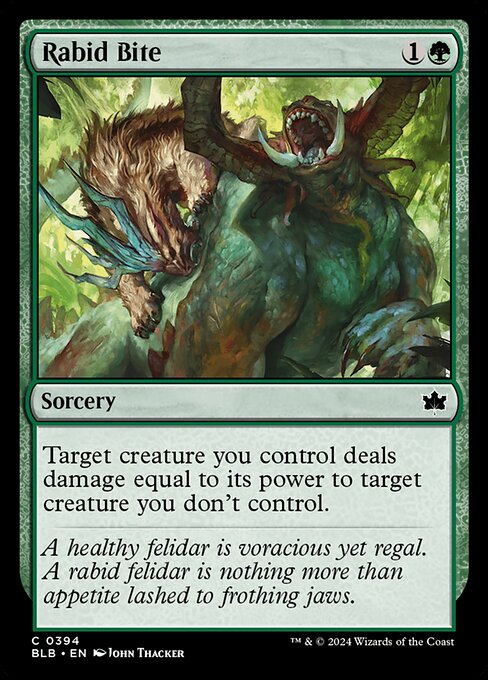
- Ram Through — {1}{G}. Instant-speed bite with a bonus: your creature deals its power to theirs, and if your creature has trample, the excess damage hits their controller instead. One-sided, so no damage back, and in a trample deck it's removal that also throws four or five to the face. Instant speed means you can hold it up as a combat trick or an end-step answer. The best bite in the game if your creatures trample.
- Rabid Bite — {1}{G}. The clean, no-frills one-sided bite. Two mana, sorcery speed, your creature deals its power to a creature you don't control, nothing comes back. It's the baseline every green deck should consider, and it's a common so it costs pennies. The reliable workhorse.
- Bite Down — {1}{G}. Rabid Bite at instant speed that also hits planeswalkers. That flexibility is worth a lot — being able to bite down a threatening planeswalker or ambush an attacker mid-combat makes it the most versatile two-mana bite. A clear upgrade over Rabid Bite in most lists.
- Ulvenwald Tracker — {G}. Not a spell but an engine: a one-mana 1/1 with "{1}{G}, {T}: Target creature you control fights another target creature." Repeatable fight, every single turn, for the rest of the game. It's a true fight (damage comes back), so run it alongside deathtouch or big creatures — but a repeatable removal engine on a one-drop body is absurd value and a real removal magnet.
- Setessan Tactics — {1}{G}. The mass-fight blowout. Strive lets you target any number of your creatures; each gets +1/+1 and gains "{T}: This creature fights another target creature." Untap a wide board with this and you can fight down the entire opposing team in one shot. It's the green answer to a developed board — a one-card multi-kill in a go-wide deck.
- Prey Upon — {G}. The cheapest fight in Magic: one green mana, your creature fights theirs. It's a true fight so both take damage, but at one mana with deathtouch backup it's the most efficient removal green has. Pure rate — you just have to respect the damage-back math.
- Nature's Way — {1}{G}. A one-sided bite that also gives your creature vigilance and trample until end of turn. So you bite something down and then swing with a now-trampling attacker that stays back to block. Two effects on one card, and the trample plays beautifully with the rest of a stompy deck.
- Pounce — {1}{G}. A plain instant-speed fight. Nothing fancy — your creature fights theirs at instant speed — but the instant timing lets it double as a combat trick, killing a blocker or an attacker on their turn. A fine budget include when you want the flexibility of instant speed and don't mind the damage-back.
- Hunt the Weak — {3}{G}. A slower fight with a rider: put a +1/+1 counter on your creature, then it fights. The counter means your creature is bigger before the fight, so it survives more exchanges and hits harder — a partial fix for the damage-back problem baked into the card. Overcosted at four mana, but the permanent buff has value in a counters deck.
- Contested Cliffs — Land. A colorless removal engine you don't even have to spend a card slot on the same way: "{R}{G}, {T}: Target Beast you control fights target creature." In a deck with enough Beasts it's repeatable land-based removal. Narrow, but free-roll removal off a land is worth knowing about for tribal Beast builds.
Honorable mention: Time to Feed ({2}{G}) is a fight that gains you 3 life and only works when a creature you don't control has died — awkward timing, but a fine budget lifegain-adjacent option in a pinch.
Building around fight removal
Fight and bite removal is only as good as the creatures backing it, so the deckbuilding is a little different from just jamming Swords to Plowshares.
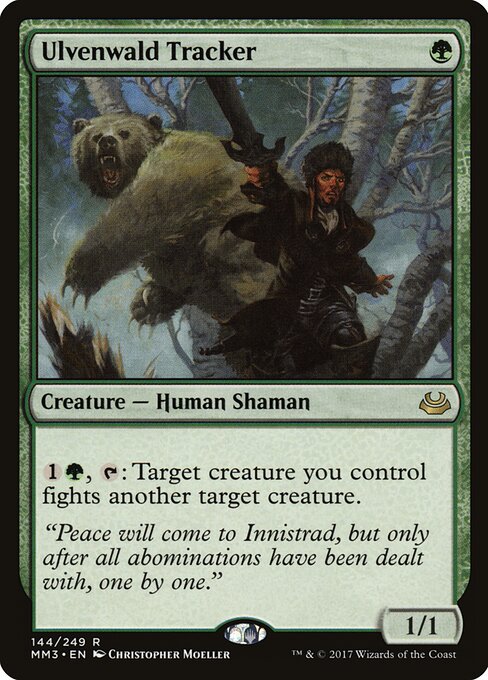
Run deathtouch enablers. This is the biggest force-multiplier. A single source of deathtouch — an aura, an equipment, or a creature that grants it — turns every fight and bite into "destroy target creature," because one point of damage now kills anything. Deathtouch plus a repeatable fight engine like Ulvenwald Tracker is a soft-lock on the board: every turn, one of their creatures dies, guaranteed.
Lean into power, not toughness. These spells scale with your creature's power, so a deck built around big attackers — trample stompy, +1/+1 counters, or landfall payoffs that pump your team — turns fight removal into overkill. The trample overlap with Ram Through and Nature's Way is not a coincidence; green wants both.
Don't run only fight removal. Green's biggest deckbuilding weakness is that fight can't answer a board it can't out-size, and it does nothing to noncreature threats. Any serious green deck should splash a little real interaction — that's why green pairs so well in two-color decks. A dash of white or black gives you access to the unconditional removal spells and board wipes that fight spells can't replicate, while green does the creature-fighting. If you're building mono-green, fill the gaps with artifact-based answers and keep your fatties bigger than the table's.
For the wider toolbox of what green does best — ramp, card advantage off creatures, and the fatties that make all this fight removal lethal — our roundup of the best green cards is the companion piece, and the Commander staples list covers the colorless glue every deck wants.
Where fight removal falls short
Be honest about the weaknesses, because they decide how many of these you actually run.
It's dead with no board. Every card here needs a creature you control. Draw your removal when your board is empty — after a wipe, in your opening hand — and it's a blank. Straight destroy spells never have this problem. Keep your fight count reasonable so you're not clutching bites you can't cast.
It can't touch noncreatures. Enchantments, artifacts, planeswalkers (except Bite Down), and the general problem of "their engine is a permanent, not a creature" are all invisible to fight removal. Green already struggles with noncreature permanents; leaning too hard on fight makes that worse.
Indestructible and hexproof still matter. Fight does damage, so indestructible creatures shrug it off without deathtouch, and hexproof/ward creatures dodge the targeting entirely. The scariest commanders often have exactly these keywords.
The damage-back math punishes greedy fights. Cast Prey Upon into a bigger creature and you lose your own guy for nothing. Bite spells and deathtouch fix this, but true fight always carries the risk. Count to make sure your creature survives — or that you don't care if it doesn't.
None of this sinks the archetype. It just means fight and bite are the green half of a removal suite, not the whole thing. Run four to six of the best ones, back them with deathtouch and big power, and splash a couple of unconditional answers for everything green can't fight.
Quick Action Checklist
- Prioritize one-sided bite (Ram Through, Bite Down, Rabid Bite) over true fight — no damage comes back to your creature
- Run at least one deathtouch source to turn every fight and bite into "destroy target creature"
- Build with high-power creatures; these spells scale with your creature's power, not toughness
- Add Ulvenwald Tracker or Contested Cliffs for repeatable, every-turn removal engines
- Keep Setessan Tactics for the go-wide blowout that fights down an entire opposing board
- Splash white or black for unconditional removal and board wipes — fight can't answer noncreatures
- Don't overload on fight spells; they're dead with no creature in play
- Verify exact power interactions and Commander legality on Scryfall before finalizing the list
Frequently Asked Questions
What is the difference between fight and bite in MTG?
What is the best fight or bite removal spell in Commander?
How do I stop my creature from dying to a fight spell?
Can fight removal kill indestructible or planeswalkers?
Is fight removal good enough to build a Commander deck around?
Keep Reading
Related Guides
Best Cost Reducers in MTG Commander, Ranked
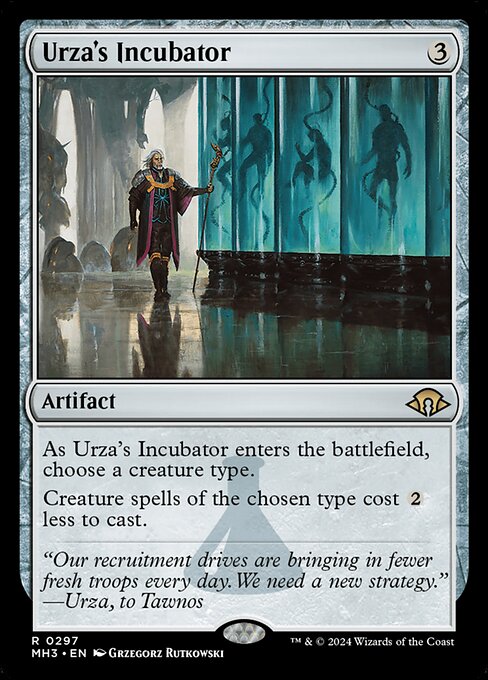
A Sol Ring gives you two mana once. Urza's Incubator gives you two mana on every creature spell you cast for the rest of the game. Here are the best cost reducers in Commander, ranked — and the honest math on when they beat a mana rock and when they are a trap.
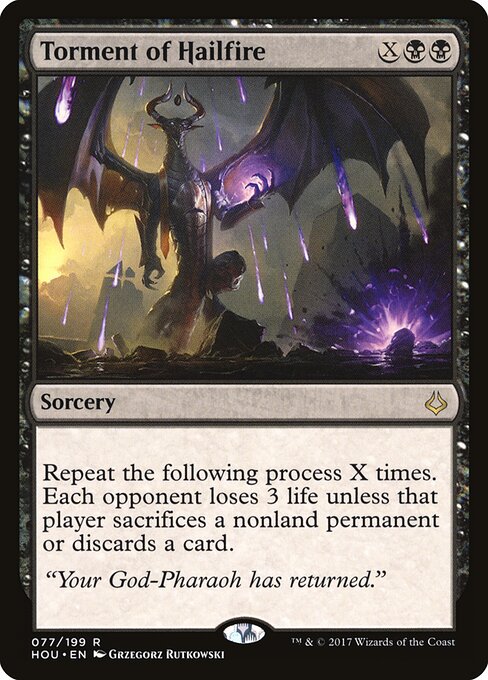
Best Mana Sinks in MTG Commander, Ranked
Ramp is only half the plan — you need something to actually dump all that mana into. Here are the best mana sinks in Commander, ranked: the X-spell finishers and repeatable activated abilities that turn a flooded board, or a pile of infinite mana, into a dead table.
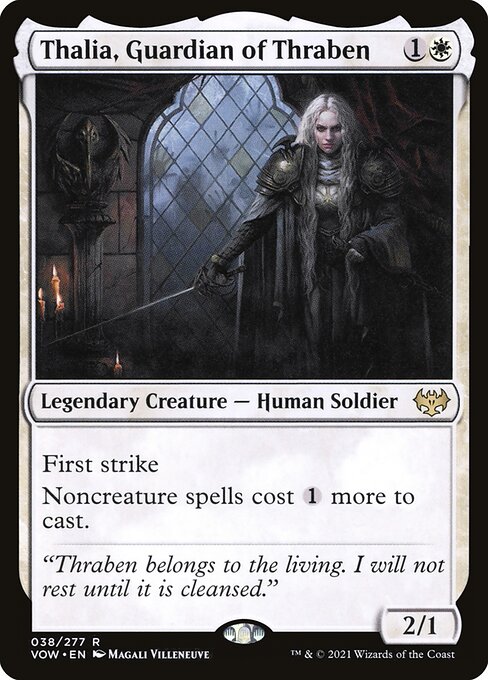
Best Hatebears in MTG Commander, Ranked
A hatebear is a two-mana creature that costs your opponents more than it cost you. Here are the best of them, ranked — the taxers, the lockdown pieces, and the ones that quietly delete an entire deck at the table.
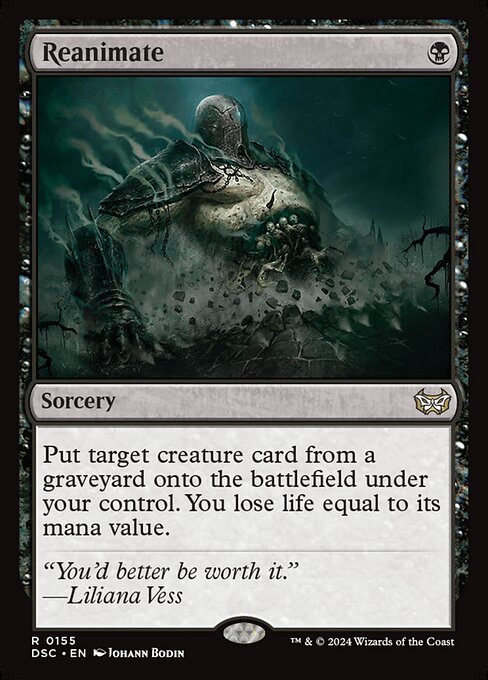
Best Reanimation Spells in MTG Commander, Ranked
One mana. That is what it costs to put a ten-mana creature onto the battlefield with Reanimate. Reanimation is the most efficient cheat in Commander, and here are the spells that do it best, ranked, with the enablers that make them live.
MTG Commander Format Guide — How to Start Playing EDH (2026)
Commander is the most-played MTG format on the planet and the easiest one for new players to start in. The rules look intimidating on paper. They are not. Here is the full beginner guide.

Best Commander Staples Every Deck Wants, Ranked
There's a short list of cards that show up in basically every Commander deck regardless of theme — the silent 25 that make the splashy 75 work. Here are the staples worth a slot in almost any list, sorted by the job they do, with the legality double-checked.