Roblox Trading & Limiteds: How the Item Economy Really Works
Roblox has a real secondary economy bolted onto a kids' game, and most guides either oversell it as free money or hand-wave the scams. Here's how Limiteds, the trade window, the Robux tax, and the Premium gate actually work — and how to not get fleeced.
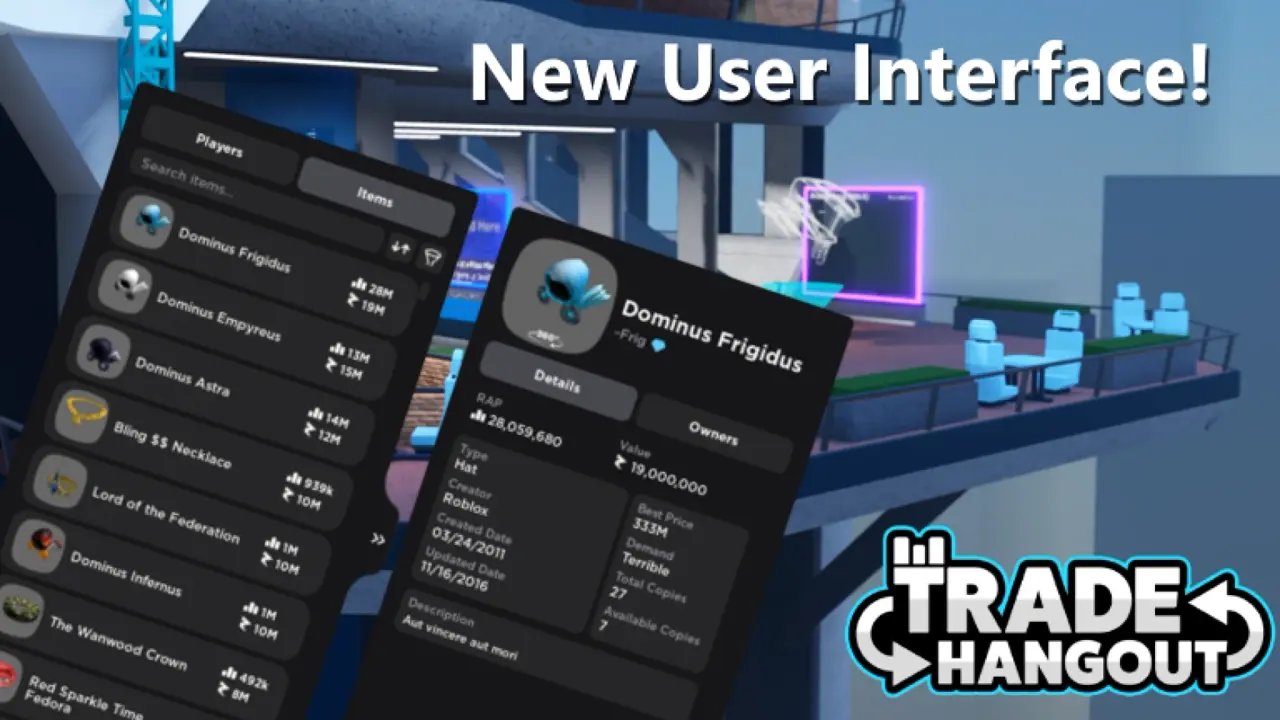
Roblox has a real, money-adjacent economy bolted onto a platform a lot of people still think of as a kids' game, and that disconnect is exactly why so many players get burned. Rare avatar items change hands for tens of thousands of Robux. People treat them like stocks. And the scam ecosystem built around all of it is older than most of the players falling for it. This is the part of Roblox nobody explains to you on the way in.
So let's actually explain it. Trading on Roblox isn't complicated once you understand four things: what's even tradable, how the trade window works, the cut Roblox takes, and the handful of scams that have worked for a decade and still work today. Get those right and you can dabble in the item economy without lighting your account on fire. Get them wrong and you're a cautionary tale in someone's "I got scammed" video.
What trading on Roblox actually is
Trading on Roblox means swapping avatar items between accounts, sometimes with Robux thrown in to balance the deal. We are not talking about in-game items inside a specific experience — your Blox Fruits or Adopt Me pets live inside those games and follow their own rules (Adopt Me's in-game trading is a whole separate world). Roblox's platform trade system is strictly about catalog items that sit on your avatar: hats, faces, gear, bundles, and the rare ones people actually care about.
And here's the catch that trips up every new player: the overwhelming majority of catalog items can't be traded at all. A normal item you buy from the Marketplace is yours to wear, not to flip. Only a specific class of item — the ones flagged as Limited — can be moved between accounts through the trade system. If an item isn't a Limited, there's no trading it, full stop. So when people talk about "Roblox trading," they almost always mean trading Limiteds.
The one-sentence version: trading on Roblox is the swapping of Limited avatar items (optionally plus Robux) between two accounts that both have the system unlocked. Everything else you "own" is just yours to wear.
Limiteds vs. UGC Limiteds
A Limited is a catalog item with a capped supply. Roblox releases a finite number of copies, and once they're gone, the only way to get one is to buy it off another player on the resale market — which is what makes them tradable and what gives them a fluctuating value. Classic Limiteds are the old-guard collectibles: things like the legendary Dominus hats, which became status symbols precisely because so few exist and the people holding them have been around forever.
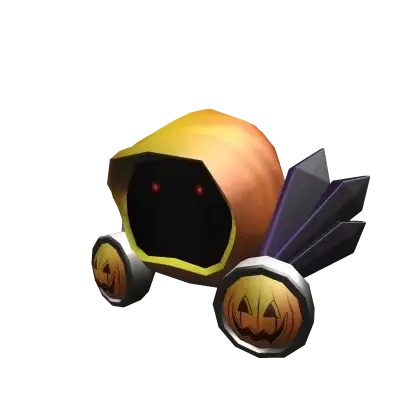
The modern twist is UGC Limiteds — user-generated Limiteds. Roblox opened the creation of capped-supply items to community creators, so now independent designers can mint their own Limiteds with set quantities, and those enter the same resale-and-trade economy. This massively expanded what's tradable and dropped a flood of new items into the market. The upside is more variety and more accessible entry points. The downside is that a lot of UGC Limiteds are minted in big enough quantities that they hold little to no value over time — supply is the whole game, and "limited to 50,000 copies" is barely limited at all.
The practical read: classic, genuinely scarce Limiteds are the blue-chip end of the market. Most UGC Limiteds are the penny stocks — a few moon, most quietly bleed value. Don't assume "Limited" means "valuable." It means "tradable, with a supply cap that may or may not actually be small."
How the trade window works
Mechanically, trading is straightforward. You go to another player's profile, send a trade request, and if they accept, you both get a trade window. Each side adds the Limiteds they're offering, you can sweeten or balance the deal with Robux, and both players have to explicitly confirm before anything moves. Nothing leaves your inventory until you hit accept on the final state of the offer.
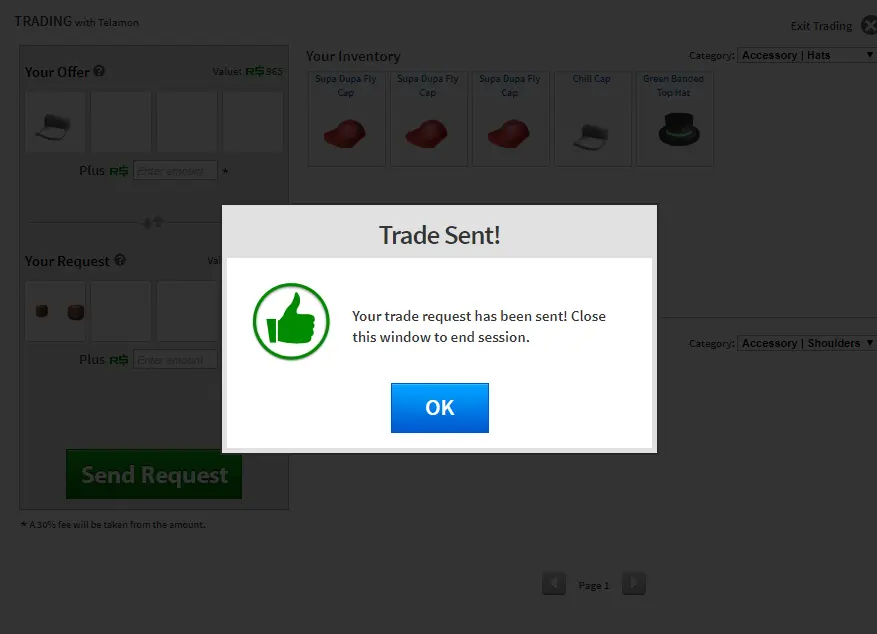
That mutual-confirmation step is the single most important safety feature on the platform, and it's also where scammers do their work — not by breaking the system, but by manipulating you into confirming a bad deal. The system itself won't let someone reach into your inventory and take an item. Every legitimate transfer requires you to look at exactly what you're giving and getting and click yes. We'll come back to how scammers exploit the human side of that in a minute.
A few mechanics worth knowing before you ever open a window:
- You can decline or counter. Sending a trade isn't a commitment; neither is receiving one. Reject anything lopsided without a second thought.
- Inbound trades pile up. Active traders get spammed with offers. Most are junk. Learning to glance and dismiss is a real skill.
- What you see is what you get — read it. The window shows item-for-item plus any Robux. Read the actual line items, not the vibe of the deal.
The Premium gate and the Robux tax
Two rules quietly govern the entire economy, and new players slam into both.
First: you generally need a Roblox paid subscription (Premium) to trade and to buy/sell Limiteds. This isn't a minor footnote — it's a hard gate. The trading system and the Limited resale market are Premium features, so a free account can own a Limited it happened to get but can't really participate in the trade economy around them. If you're serious about trading, a subscription is the price of admission, and that's by design — it keeps a floor under who's in the market.
Second: Roblox takes a cut. When you sell a Limited or otherwise move Robux through the resale market, the platform skims a marketplace fee off the transaction — historically a hefty percentage. So if you "sell" an item for a given Robux price, you don't pocket the whole number; the tax comes off the top. Factor that into every flip. A trade that looks like a small profit on paper can be a net loss once the fee lands, and that fee is exactly why "buy low, sell high" is much harder than the flipping videos make it look.
| Rule | What it means | Why it matters |
|---|---|---|
| Premium requirement | You generally need a paid subscription to trade and to buy/sell Limiteds | A free account is largely locked out of the economy |
| Marketplace tax | Roblox takes a percentage cut on resale transactions | Your real proceeds are less than the sale price |
| Tradable = Limited only | Only Limited (and UGC Limited) items can be traded | Most of your inventory isn't tradable at all |
| Mutual confirmation | Both players must accept the final offer | The system is safe; the social engineering around it is not |
Put those together and the honest framing is this: the Roblox item economy is a pay-to-enter market with a built-in house cut. It can be fun, and a small number of people genuinely profit, but it is structurally tilted, and anyone selling you "easy Robux through trading" is skipping the parts where Roblox takes its slice and the market eats your bad buys.
How item value actually works
There's no official price tag on a Limited. Value is whatever someone will trade for it, and it floats constantly. The Roblox catalog shows a recent average price for Limiteds based on actual sales, which is the closest thing to an objective number — but the community value, the "this is worth X" that traders quote, is a separate, informal thing built on demand, scarcity, and hype. Third-party value lists exist for exactly this reason, and they're useful, but treat them as opinion, not gospel.
What actually drives a Limited's value, in rough order:
- Genuine scarcity. Low real supply is the biggest single factor. A truly rare item with a couple hundred copies behaves nothing like a "Limited" with fifty thousand.
- Demand and clout. Some items are valuable because people want them — iconic looks, status pieces, nostalgia. Hype is real value right up until it isn't.
- Projecting. A "projected" item has been artificially inflated by a scammer dumping Robux into fake high sales to make it look more valuable than it is. Buy a projected item at its fake price and you eat the loss when it corrects.
- Age and provenance. Old, OG items from eras that can't be recreated carry a premium that new mints simply can't buy.
The takeaway: I'm deliberately not quoting you exact Robux values, because they move and because any specific number I print today is wrong by next month. Check the catalog's recent average, cross-reference a couple of community value sources, and assume anything that looks like a screaming deal is either projected, a scam, or something you don't understand yet. In a market this informal, "too good to be true" is the most reliable signal you'll get.
The scams, and how to not fall for them
Here's the part that matters more than any value chart. The Roblox trade system is technically safe — the scams are social. They work by getting you to either hand over your item voluntarily or give up your account. These are the evergreen ones:
- Trust trades. "You go first, I'll send mine after." You send your item; they vanish. There is no such thing as a legitimate trust trade. Everything goes through the trade window simultaneously, or it doesn't happen. Anyone who asks you to "go first" outside the window is robbing you.
- "I'll hold your item for you." A friend or "trusted middleman" offers to hold a valuable item. They keep it. Real trades don't require custody hand-offs.
- Fake middlemen. For genuinely complex cross-game deals people use middlemen, and scammers impersonate well-known ones (or invent fake reputations) to take both sides' items. If you can't independently verify a middleman, don't use one.
- Projected-item dumps. As above — someone trades you an item at an inflated "value" they manufactured. You overpay massively for something worth a fraction.
- Phishing and fake sites. "Free Robux," "trade value checker," "claim your limited" links that steal your login. Roblox will never ask for your password outside the official login. Every off-platform "deal" site is a trap.
- Off-platform real-money deals. Selling Limiteds for real cash through Discord or third-party sites is against Roblox's terms, rife with chargebacks and theft, and a fast way to lose your account and your items with zero recourse.
The defense is boring and total: everything happens inside the in-game trade window, simultaneously, with both sides confirming what's actually on the table — and nothing else. No going first. No holding. No off-platform "deals." No links. And turn on two-factor authentication, because a stolen account means a stolen inventory, and that's irreversible. If you're new to locking your account down, our Roblox beginner's guide walks through 2FA and the safety settings that matter.
If a deal can't survive happening entirely inside the trade window with both people confirming at once, it's not a deal — it's a setup. That one rule kills 90% of trading scams.
Should you even bother trading?
Straight answer: for most players, no — and that's fine. Trading is a niche, collector-and-investor corner of Roblox with a paywall (Premium), a house cut (the marketplace tax), a volatile market, and a predator problem. If you just want to play good games, you can ignore the entire Limited economy forever and lose nothing. Plenty of long-time players never touch it.
It's worth dabbling in if you genuinely enjoy the collecting — the hunt for an OG item, the satisfaction of a clean trade, the meta-game of value. That's a real hobby and some people love it. Just go in clear-eyed: you'll probably spend more than you make once the tax and your early mistakes are counted, the "value" of your collection is whatever the market says today, and you are a target the moment you hold anything good. If you want to spend your Robux on something with a guaranteed payoff instead, our how to get Robux safely guide and the actual best Roblox games are a better use of the money than a speculative Limited.
Trade because you like trading, not because you think it's free money. The people telling you it's free money are usually the ones about to take yours.
Quick Action Checklist
Before you make a single trade:
- Understand that only Limited (and UGC Limited) items can be traded — most of your inventory can't
- Know you generally need Premium to trade and to buy/sell Limiteds
- Factor in the marketplace tax — Roblox takes a cut, so your real proceeds are less than the sale price
- Check the catalog's recent average price plus a couple of community value sources before valuing anything
- Assume cheap UGC Limiteds with huge supply will hold little value — scarcity is the whole game
- Do everything inside the in-game trade window, simultaneously, with both sides confirming
- Never "go first," never let anyone "hold" your item, never use an unverifiable middleman
- Turn on two-factor authentication — a stolen account is a stolen collection
- Never click "free Robux," "value checker," or "claim your limited" links — they're phishing
- Treat trading as a collector hobby, not an income stream
Frequently Asked Questions
What are Limiteds on Roblox?
How do you trade on Roblox?
Do you need Premium to trade on Roblox?
Does Roblox take a cut when you sell a Limited?
What is the most common Roblox trading scam?
Keep Reading
Related Guides
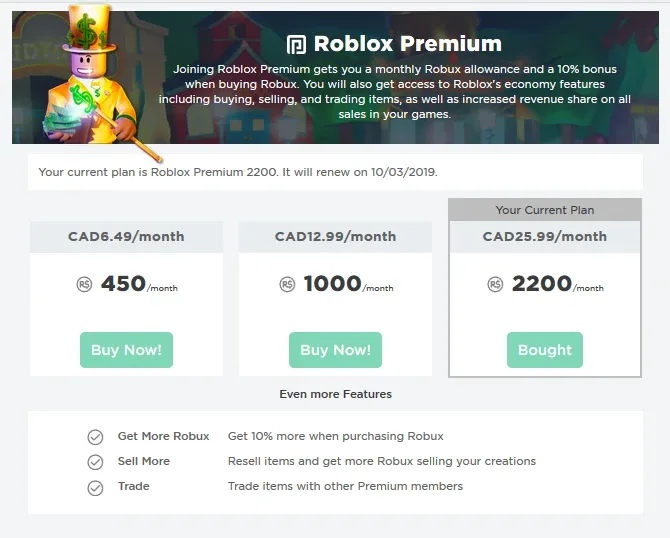
Roblox Premium & Robux Value Guide: Is It Worth It?
Roblox Premium dangles a monthly Robux stipend, a marketplace discount, trading access, and Premium Payouts — but the math only works if you spend every month. Here's exactly what you get, how Robux pricing really works, and when the subscription pays for itself versus when a gift card on sale is the smarter buy.

Roblox Safety & Parental Controls Guide
Roblox is reasonably safe if you configure it and a minefield if you don't. This is the practical guide for parents and players alike: the account-security, parental-control, chat, and spending settings that actually matter — plus how to spot the scams that target Roblox accounts every single day.
Beginner's Guide to Roblox: Everything a New Player Needs
Roblox isn't a game — it's a launcher for millions of games, most of which are bad. This is how to set up your account safely, skip the slop, and figure out what Robux is actually for before you spend a dime.
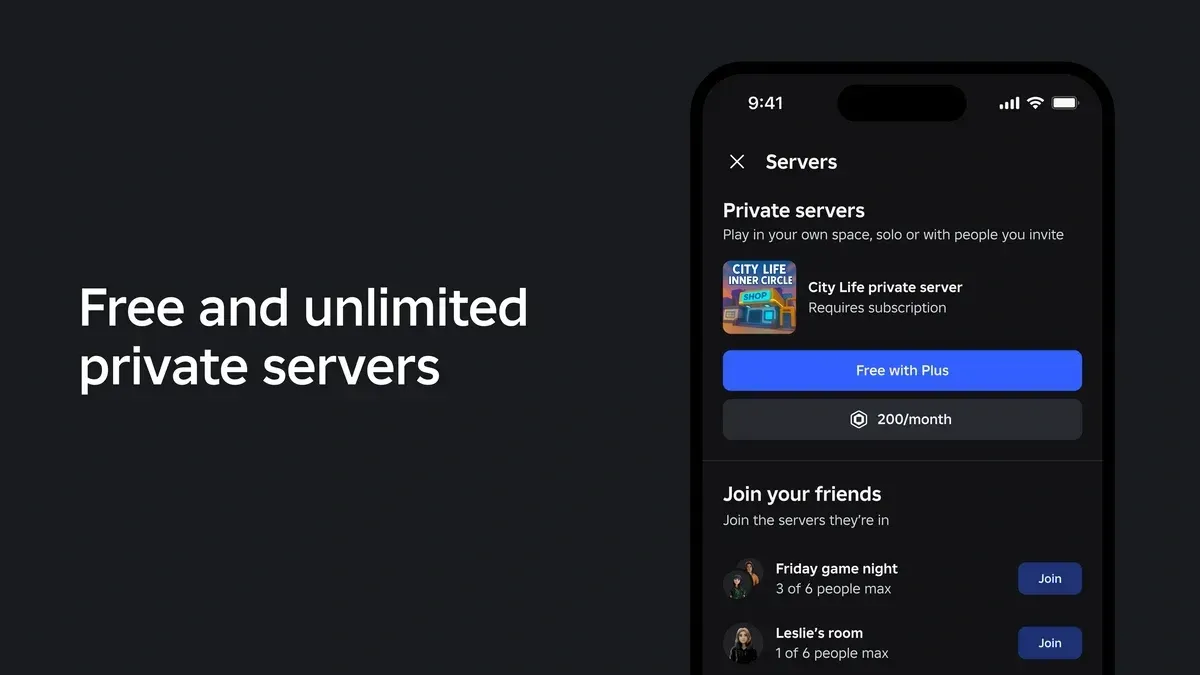
Roblox Plus Private Servers: What's Changing Sept 24
Roblox Plus launched with unlimited free private servers. On September 24, 2026, that drops to one per game. Here's exactly which server you keep, what expires, what still costs Robux, and why Roblox says it's doing this now.
Best Roblox Games to Play in 2026
Roblox's front page is engagement bait. This is the filtered version: the games with real, sustained player counts and actual staying power, sorted by what you're in the mood for.
How to Get Robux Safely (Legit Ways + Scams to Avoid)
There is no free Robux generator. There never was. Here are the actual legit ways to get Robux without overpaying, the earning methods that really work, and the scams that exist purely to steal your account.