The Last of Us Ending Explained: The Lie, The Cure, The Choice
Joel kills a surgeon, shoots Marlene twice and lies to a sixteen-year-old about it. Here is what the last hour of The Last of Us actually says, backed by the recorders most players walk past.
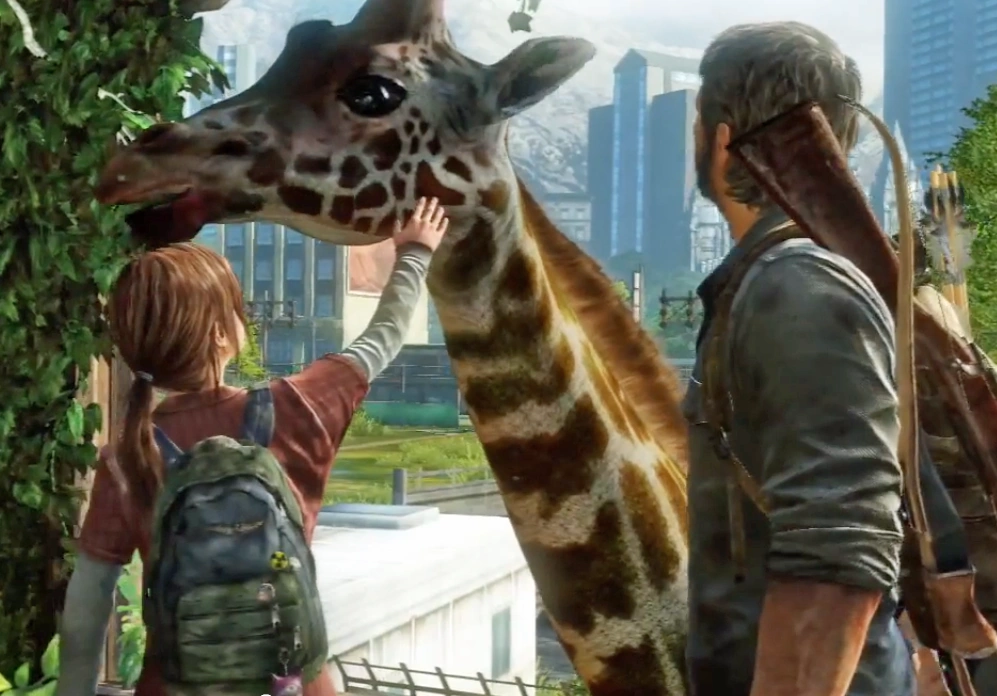
Joel does not hesitate. That is the detail people lose in a decade of arguing about this ending. There is no long deliberation in the hospital corridor, no scene where he weighs a cure for humanity against one kid. He hears the word surgery, does the math on where cordyceps grows, and about ninety seconds later he is torturing a guard for a floor number. Everything after that is a man who already decided.
Full spoilers below for The Last of Us and light spoilers for Part II. If you are mid-playthrough, go read the The Last of Us infected guide instead and come back.
What actually happens in the last hour
The endgame runs on a single date: April 28, 2034. Joel and Ellie reach Salt Lake City, get separated in a flooded tunnel, and Ellie nearly drowns. A Firefly patrol finds Joel giving her CPR and knocks him out.
He wakes up in a bed at Saint Mary's Hospital with Marlene standing over him, telling him she has good news and bad news in the same breath. Ellie is alive. Ellie is also already being prepped for surgery. Marlene explains the finding: the cordyceps in Ellie's brain mutated, that mutation is the reason she never turned, and the doctors want to reverse-engineer a vaccine from it.
Joel gets there before she says it out loud. The fungus grows all through the brain. You cannot harvest it from a living patient. He says find someone else. Marlene has a guard, Ethan, march him toward the exit with orders to shoot if he tries anything, which he does roughly four steps later.
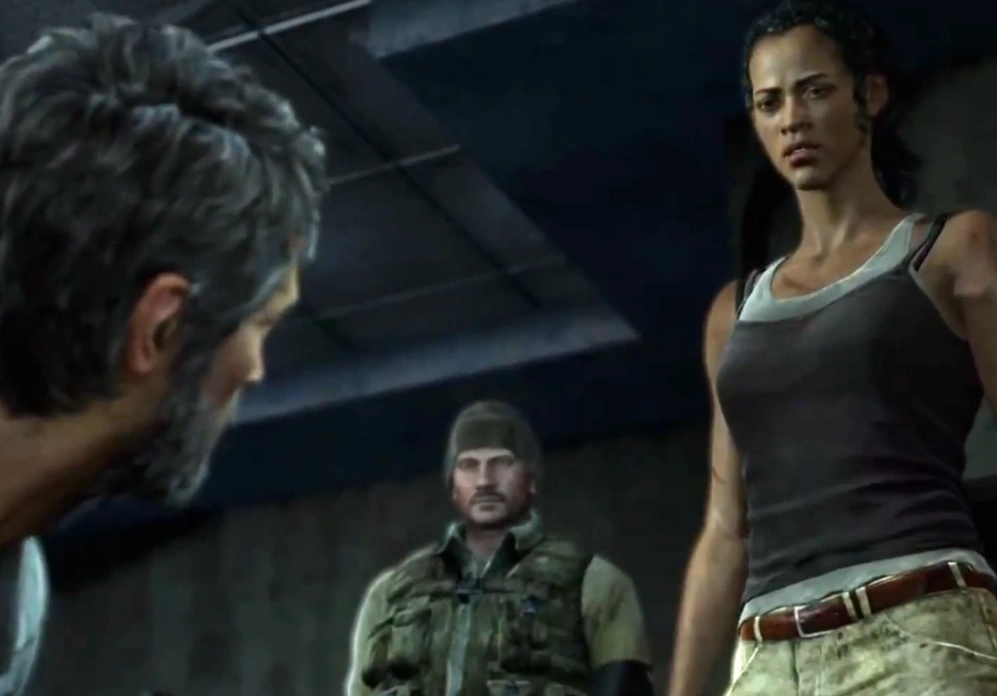
From there it is a straight line: top floor, operating room, one dead surgeon, one unconscious teenager over his shoulder, an elevator, a parking garage, and Marlene with a gun on him. She makes the last argument. He shoots her mid-sentence. Then, when she is on the floor asking to be let go, he shoots her again, because a living Marlene would come looking.
Why the Fireflies had to kill Ellie
The game does not just assert this in a cutscene. It leaves the evidence on countertops, in the recorders most players sprint past on their way to the boss fight that never comes.
Marlene's recorder 1, sitting next to a computer in her office, is timestamped 5:30 PM on April 28. She had just finished yelling at her head surgeon, and she summarizes his answer in the bluntest line in the game: there is no way to extricate the parasite without eliminating the host. Her own translation follows immediately, and it is not clinical.
That recorder does something important. It kills the reading where the Fireflies are cartoon villains harvesting a kid without a second thought. Marlene raised Ellie's mother's daughter on a promise. She spends her final recording exhausted, talking to a dead friend, saying her daughter will be with her soon. She authorized it anyway, which is worse and much better writing.
If you want the full set of these — recorders, notes, Firefly pamphlets across the whole game — our collectibles guide covers what is worth stopping for.
Would the vaccine have actually worked
This is the argument that will outlive all of us, and the honest answer is that the game refuses to settle it. What it does give you is one artifact: the surgeon's recorder, dictated by the doctor Joel is about to kill.
His assessment is specific and it is worth reading properly. Ellie's blood cultures grow cordyceps in the lab like anyone else's. Her antigenic titers are high in both serum and cerebrospinal fluid. But her white blood cell counts are completely normal, there is no elevation of pro-inflammatory cytokines, and an MRI shows no fungal growth in the limbic regions — the growth that normally produces the aggression stage. She is thoroughly infected and her body simply refuses to react. He calls the cause of her immunity uncertain, says he needs to replicate the state under laboratory conditions, and then compares what is about to happen to the discovery of penicillin.
So: a doctor with no working cure after years of trying, no idea what mechanism he is even looking for, a sample size of one, and a plan that consumes the sample. That is not a cure. That is a hypothesis with a body count. The counter-argument is just as fair — he is the most qualified person alive on this specific question, and Joel is a smuggler who lasted twenty years by being good at killing people.
Here is where I land. The game deliberately makes the odds unknowable so you cannot launder Joel's decision through math. If the vaccine were guaranteed, he is a monster. If it were guaranteed to fail, he is a hero and the scene is meaningless. Leaving it at maybe is the entire point, and any confident answer in either direction is you writing a version of the ending you are more comfortable with.
Joel was never going to say yes
The setup for this decision is in the first ten minutes of a twelve-hour game. Joel loses Sarah to a soldier following orders, in the dirt, a few feet away from him. Twenty years later he is standing in a hospital while people in scrubs follow orders about a girl on a table. He does not resolve his grief over the course of the journey. He replaces the object of it.
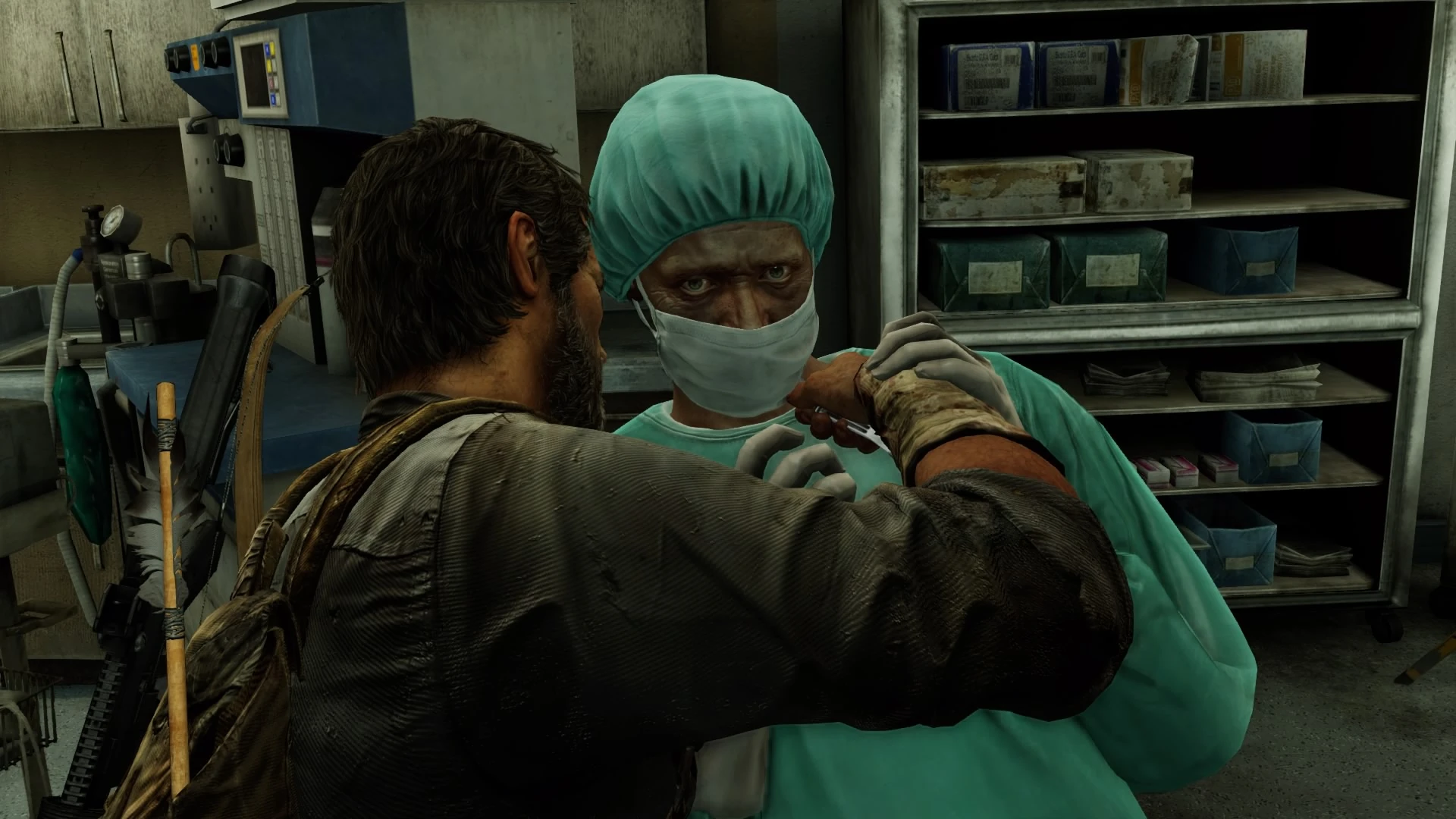
Naughty Dog underlines this mechanically. The operating room is the one moment in the game where the story takes the choice out of your hands: you cannot talk the surgeon down, sneak past him, or spare him. His death is scripted. Meanwhile the two assistants standing beside him are optional, and every Firefly between the ground floor and the top can be avoided if you are patient. The game hands you a stealth toolkit it has spent the entire runtime teaching you, then removes it for exactly one kill.
That is not sloppy design. It is the game refusing to let you feel clean. You do not get to play a version of Joel who saves Ellie without becoming the thing that took Sarah from him.
The lie and the word Okay
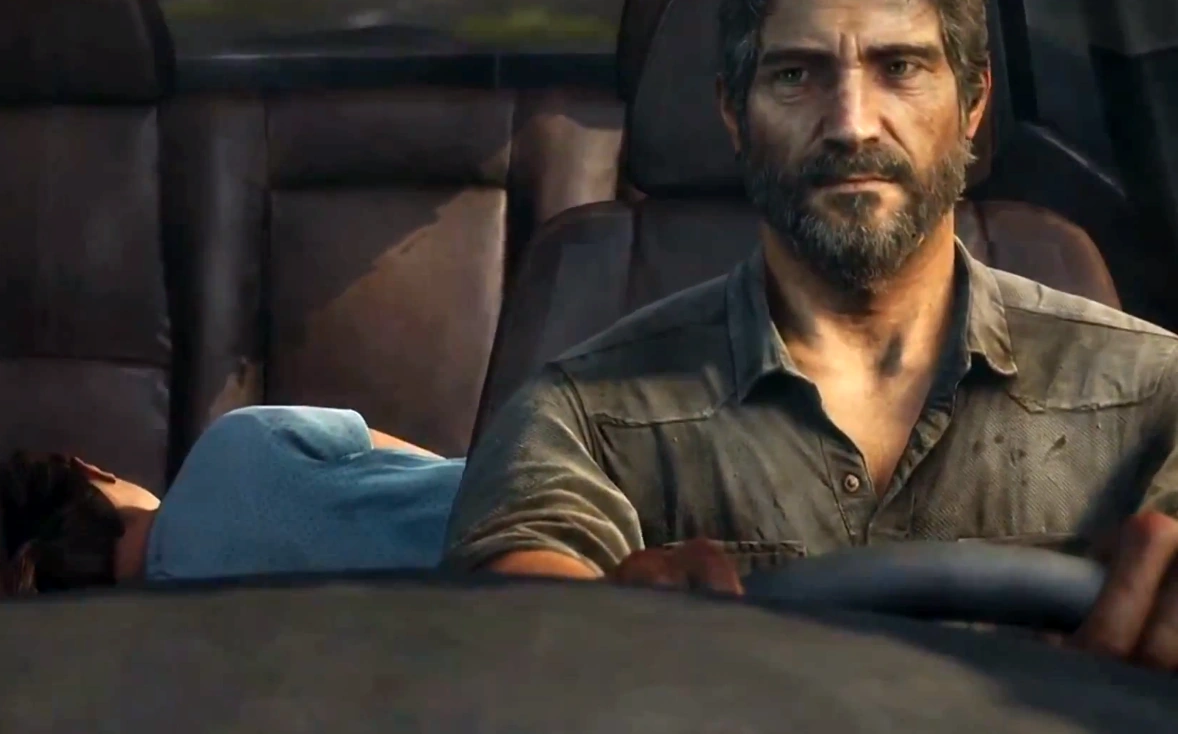
Cut to a truck on a highway. Ellie wakes up in the back seat and asks what happened. Joel tells her the Fireflies have plenty of immune people, dozens of them, that none of it did any good, and that they have stopped looking for a cure altogether. He says it steadily, because he has had a few hours to build it.
Then the walk to Jackson. Ellie stops him and lists the dead — Riley first, then Tess, then Sam — and tells him that everyone she has cared about has either died or left her, except him. She is carrying survivor's guilt she has never once put down, and the vaccine was going to be the receipt that made it mean something. She asks him to swear that everything he said about the Fireflies is true.
He says: I swear.
She looks at him for a beat and says: Okay.
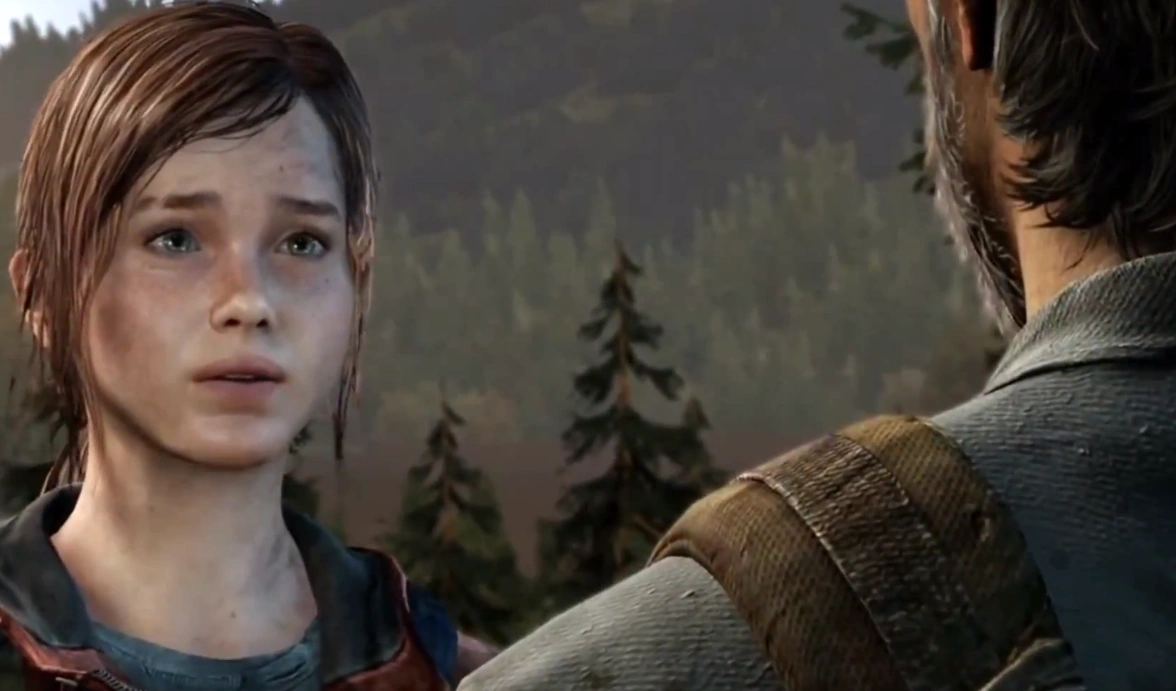
Then the game cuts to black on that word. Not on a kiss, not on a sunset, on a teenager deciding whether to accept a story she does not believe. Read her face — the flat delivery, the way she breaks eye contact first. She is not convinced. She is choosing not to have the fight, which is the most adult thing anyone does in this game.
Why Ellie is angrier than she looks
The reason this lands so hard is that the DLC sets it up. Left Behind shows the night Ellie got bitten in the Boston mall alongside Riley Abel — both of them bitten, both of them deciding to wait it out together rather than take the easy way. Riley turned. Ellie did not.
That is the wound. Ellie's immunity is not a superpower to her; it is the reason she watched her best friend die and got nothing but three weeks of confused survival out of it. The hospital was supposed to convert that into a purpose. Joel took the purpose and gave her a lie instead, and the lie is transparently designed for his comfort, not hers.
Worth noting the game never explains why she is immune. Marlene only says the cordyceps somehow mutated. Every fan theory about her mother is filling a gap the first game deliberately leaves open.
What the ending sets up in Part II
Part II picks up four years later, in 2038, and it does the one thing the original ending made inevitable: it makes Joel pay. Ellie learns the truth. The surgeon turns out to have a name and a daughter — Jerry Anderson and Abby — and Abby has spent those four years looking for the man who walked into her father's operating room.
If you found the sequel cruel, it is worth sitting with the fact that everything in it is the invoice for a decision you personally executed with a controller in 2013. Joel did not spare Ellie's life for humanity. He spared it for himself, and he knew it, which is why he lied.
For more on the run that gets you here, we have a Grounded mode guide and a difficulty modes breakdown. Everything else lives on the The Last of Us coverage hub and the wider Mythras blog.
Quick Recap of the Ending
- On April 28, 2034, Joel and Ellie reach Saint Mary's Hospital in Salt Lake City; Ellie is already being prepped for surgery when Joel wakes up.
- The cordyceps in Ellie's brain mutated, and removing it for study would kill her. Marlene's recorder confirms the surgeon told her there was no way to separate the parasite from the host.
- Joel fights to the operating room, kills the head surgeon in the game's one scripted, unavoidable kill, and carries Ellie out.
- He shoots Marlene twice in the parking garage — the second time so she cannot follow them.
- He tells Ellie the Fireflies found dozens of immune people and gave up on a cure. It is a complete fabrication.
- Ellie asks him to swear it is true. He does. She says "Okay" and the game ends on her not believing him.
- The surgeon's recorder makes the vaccine's odds genuinely uncertain, which is the point — the ending refuses to give you the math that would let you off the hook.
- Part II, set four years later in 2038, is built entirely on the fallout: Ellie learns the truth, and the surgeon's daughter comes looking for Joel.
Frequently Asked Questions
Why did Joel lie to Ellie at the end of The Last of Us?
Would the Fireflies actually have made a cure from Ellie?
Does Joel kill Marlene at the end?
What does Ellie mean when she says "Okay" at the end?
Why is Ellie immune in The Last of Us?
When does Ellie find out Joel lied?
Keep Reading
Related Guides
The Last of Us Part 2 Crafting Guide: All 12 Recipes
Part II has twelve crafting recipes and neither character gets all of them. Here is every ingredient list, which recipes are locked behind a skill, what one craft yields, and where the ingredients collide.
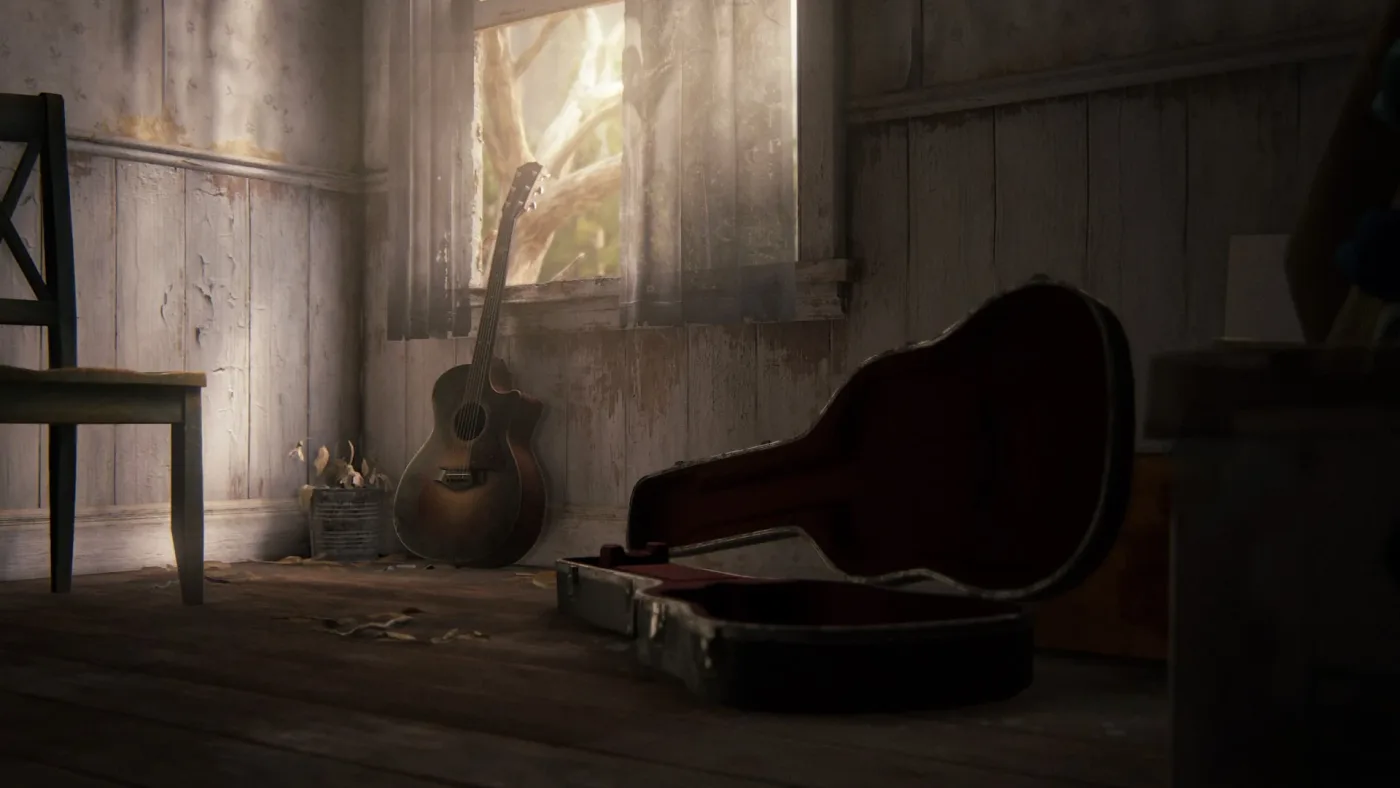
The Last of Us Part 2 Ending Explained
Ellie has Abby underwater, both hands locked around her throat, and every reason in the world to finish it. She lets go anyway. Here is the complete chain of events from the golf club in Jackson to the guitar Ellie can no longer play — verified chapter by chapter.
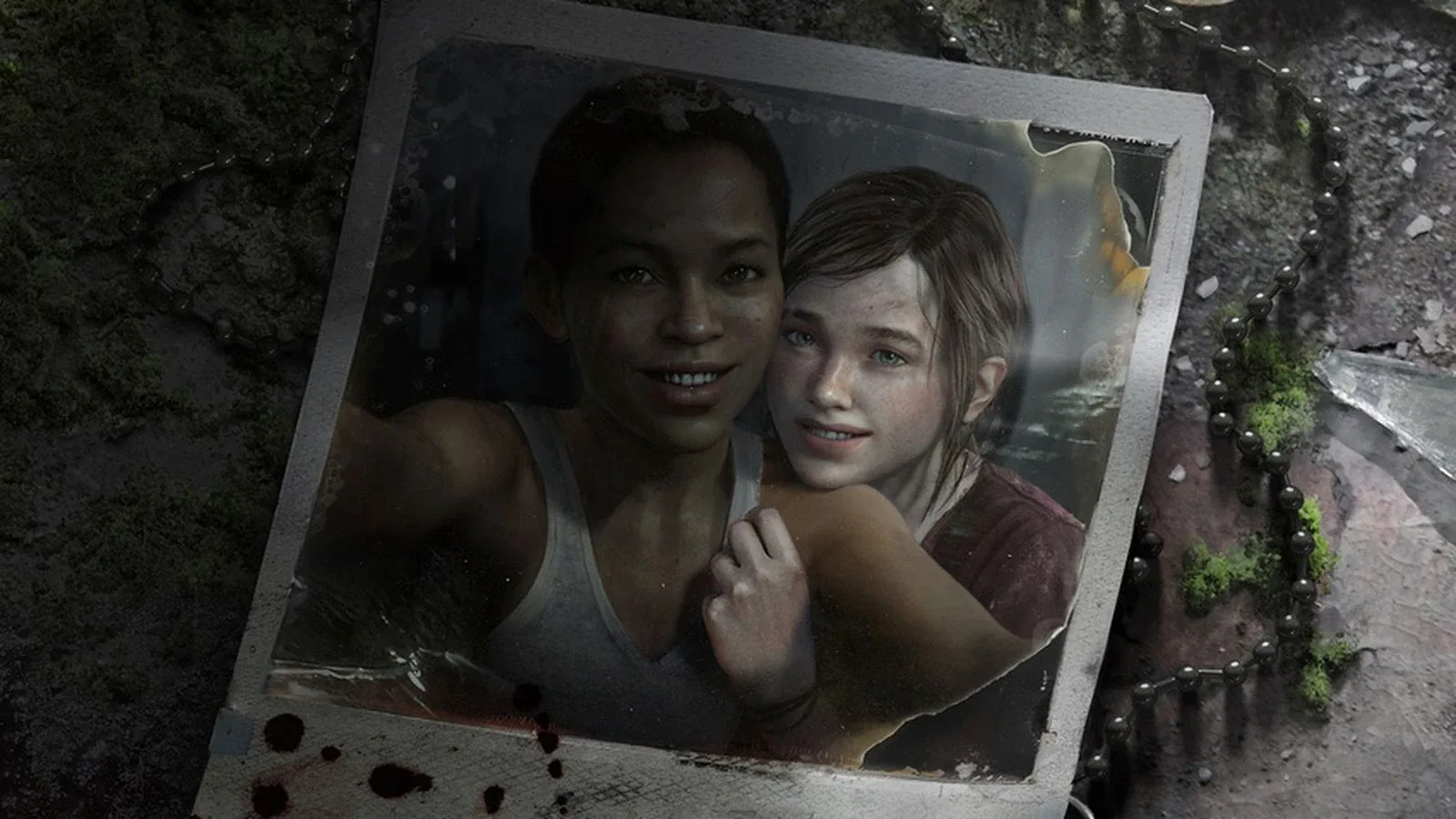
The Last of Us Left Behind Guide: Every Missable and Artifact
Left Behind is two hours long and hides more missable trophies per minute than the entire 15-hour campaign. Here is the chapter order, all 14 artifacts, every interaction you only get one shot at, and why one fight in this DLC quietly became the blueprint for Part II.

The Last of Us Photo Mode Guide: Every Version Compared
Photo Mode has shipped in four Last of Us releases and the toolkit is different in each. How to open it, what each Part II tab does, what Part I and Part II Remastered added, and the slider settings Naughty Dog's own staff use.
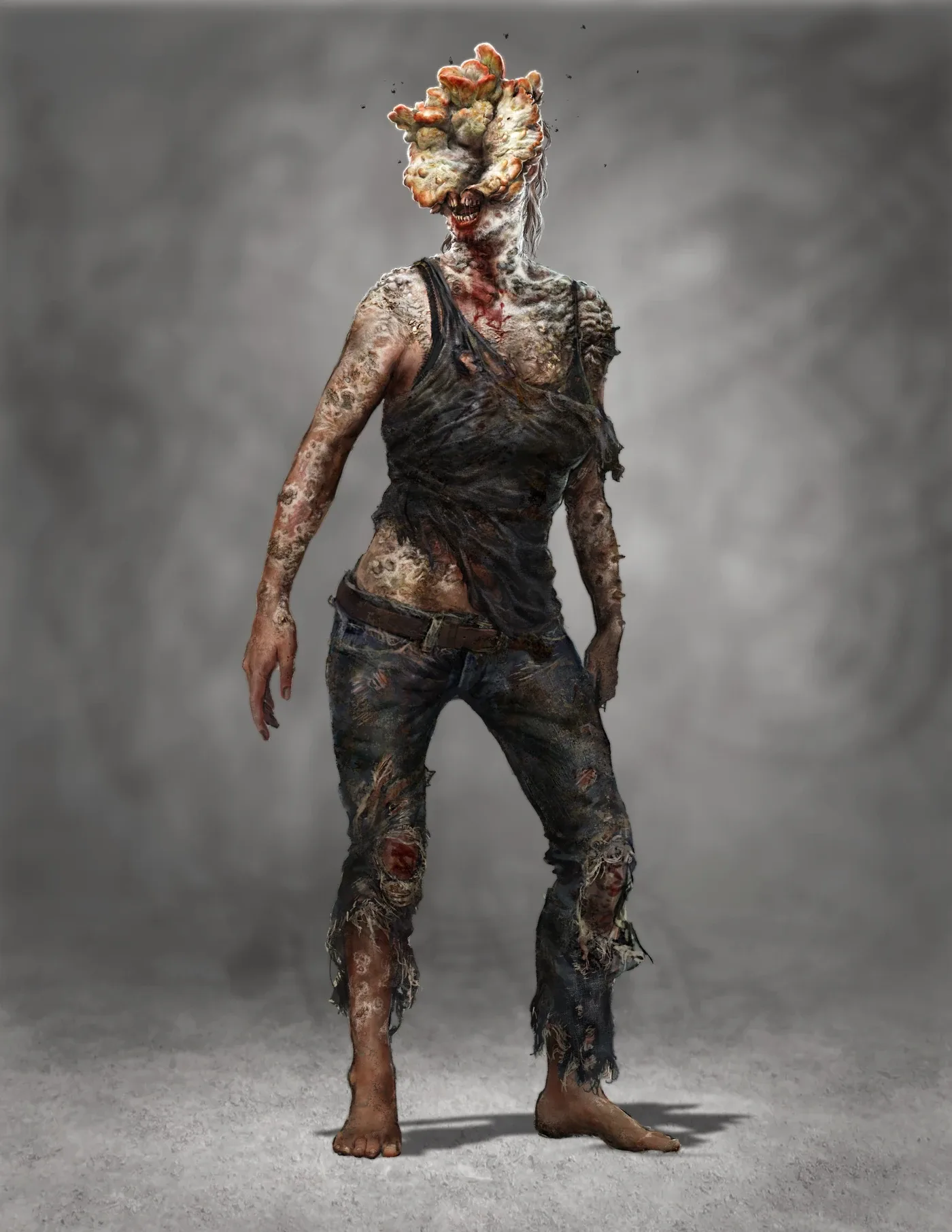
The Last of Us Infected Guide: How to Beat Every Type
A clicker cannot see you and cannot be strangled. Those two facts decide more encounters than any gun you own. Here is how all four infected stages actually work, and what to spend on each.

The Last of Us Part 1 Skins: All 55 and What They Cost
Part I kept all 21 skins from the 2013 game, added 18 outfits and 16 weapon skins, and put the lot in one points shop. Here is the listed price of each skin, filter and modifier, what the Digital Deluxe Edition actually unlocks, and the two Steam-only shirts.