The Last of Us Collectibles Guide: What Actually Matters
There are more than 150 things to pick up in The Last of Us, and exactly one type makes Joel stronger. Everything else is for you, not your character. Here is how to collect all of it without a wasted second playthrough.
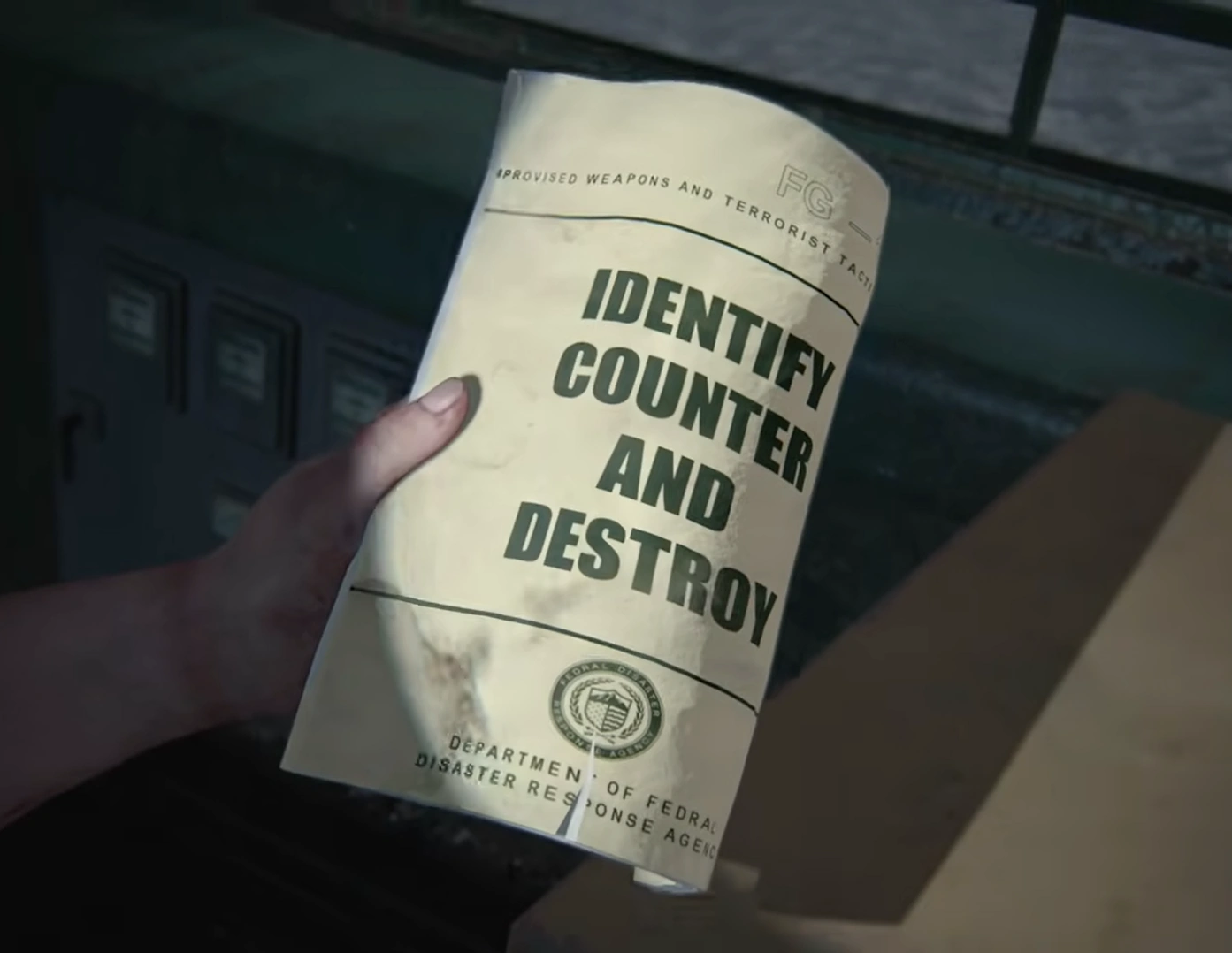
Here is the thing nobody tells you before you start hunting every pickup in The Last of Us: only one kind of collectible makes Joel stronger. Just one. You can walk past all thirty Firefly pendants, ignore every comic, and never read a single note, and your combat power is exactly the same. Collect all twelve training manuals, though, and your health kits heal more, your shivs bite harder, and your bombs cover more ground. That split is the whole point. One collectible type is for your character. The rest are for you.
Once you internalize that, collectible hunting stops being a checklist chore and becomes two separate jobs with different urgency. The training manuals you want early, because their upgrades compound over the rest of the run. Everything else you can mop up whenever — including after the credits roll.
This guide covers the collectibles in the first game: The Last of Us Part I, the 2022 remake, with notes where the original 2013 release and its Remastered version differ. It does not touch Part II. New to the series here? Start at our The Last of Us coverage hub or the broader Mythras blog.
The four collectibles that count toward the platinum
Four collectible categories have trophies attached, and Part I tracks each of them on a per-chapter basis so you always know what a level is still holding.
| Collectible | Total in Part I | "Find one" trophy | "Find all" trophy | Gameplay effect |
|---|---|---|---|---|
| Training Manuals | 12 | Self-Help | Something to Fight For | Yes — permanent crafting upgrades |
| Firefly Pendants | 30 | Fallen Firefly | Look for the Light | None |
| Comics | 14 (1 automatic, 13 to find) | Savage Starlight Fan | Endure and Survive | None |
| Artifacts | 97 | — | Chronicles | None |
A quick honesty note on numbers, because collectible counts are exactly the kind of thing bad guides fudge. The 97-artifact figure is the Part I total; the original 2013 game shipped with fewer, and it also counted optional conversations differently. Firefly pendants have been a rock-solid 30 across every version, and training manuals have always been 12. If you are playing the remake — which is what most people mean now when they say "The Last of Us" — the table above is your target.
The pattern to hold in your head: three of the four types are pure lore and trophy fuel, and one of them is a genuine power system. Prioritize accordingly.
Training manuals: the only collectible that changes how you play
Twelve training manuals are scattered across the campaign, and each one you read permanently improves a category of crafted gear. Better health kits that restore more health, sharper shivs, molotovs and nail bombs with a bigger blast, smoke bombs that last longer — the manuals are how those items scale from "serviceable" to "run-defining." Two come to you through unavoidable story progression; the rest you have to actually find.
Here is why they belong at the top of your priority list and the pendants do not: an upgrade you unlock in chapter three benefits every encounter in chapters four through twelve. A pendant you grab in chapter three benefits nothing. So when you are sweeping a level, a training manual is the one pickup worth backtracking through a spore room for. Everything else can wait for a cleanup pass.
The manuals plug directly into the game's crafting economy, and that economy is deceptively brutal once you understand that alcohol and rags feed both health kits and molotovs. If you have not wrapped your head around those ingredient overlaps yet, our crafting and upgrade guide breaks down every recipe and exactly what each manual improves — it is the companion piece to this one, and reading them together is how you stop wasting supplies.
The stakes on manuals climb sharply with difficulty. On the higher settings, a fully-upgraded health kit is often the margin between surviving an ambush and reloading a checkpoint. If you are eyeing the hardest run, our Grounded mode guide explains why manual hunting stops being optional and becomes the difference between a viable build and a doomed one.
Firefly pendants: 30 dog tags and a running argument
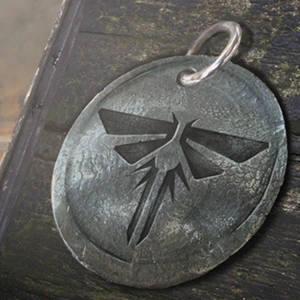
There are 30 Firefly pendants, and they are dog tags — each one belongs to a dead member of the Fireflies, the militia group fighting the military quarantine zones. Every pendant is engraved with a name and an ID number, so collecting them is less like grabbing loot and more like walking a graveyard. When Ellie is nearby and you pick one up, she often has something to say about it, and those little asides do quiet, effective character work.
Mechanically, they do nothing. There is no pendant-driven upgrade, no unlock gated behind them beyond the trophies — Fallen Firefly for your first, Look for the Light for the full set of 30. What they are is the game's most efficient piece of environmental storytelling. Every tag is proof the Fireflies bled long before you showed up, which makes the group's desperation land harder when the plot finally puts them front and center.
Because they carry no gameplay weight, pendants are the textbook cleanup collectible. Do not detour into danger for one. If you spot the faint glint mid-encounter, note the room and come back once it is clear, because dying to a clicker while reaching for a keepsake is a genuinely stupid way to lose progress — and clickers do not forgive noise, as our infected guide lays out in detail.
Comics: Savage Starlight and the Part II breadcrumb
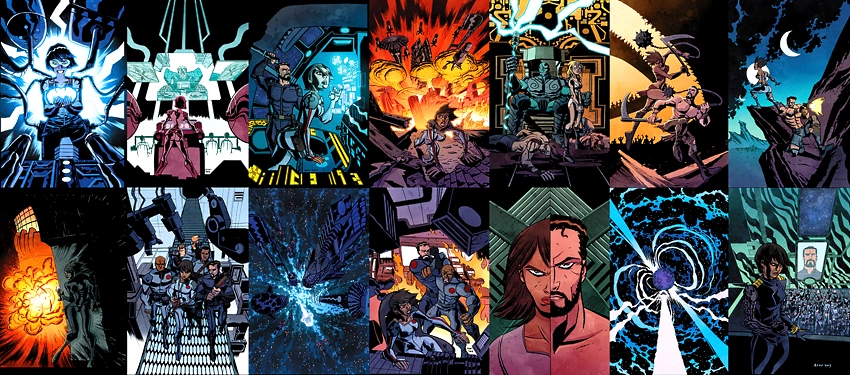
The comics all belong to a single fictional sci-fi series, Savage Starlight, and they are Ellie's, not Joel's. She reads them during downtime, quotes them, and clearly loves them, which is one of the few bits of pure teenager the game lets her be. There are 14 issues in total, but one — Force Carrier — lands in your inventory automatically at the start of Pittsburgh, so you only ever have to find 13. Collecting the set earns Endure and Survive — a title lifted straight from the comic's own catchphrase, which tells you how much this series means to her.
Like pendants, comics have zero combat impact. Their payoff is entirely thematic, and it is a long game: the Savage Starlight motif carries forward and pays off in the sequel, so if you are the kind of player who wants the full emotional arc, these are worth grabbing rather than sprinting past. If you just want the platinum, they are a checklist item — one that, again, never requires taking a risk to complete.
Artifacts: the 97 notes that carry the real story
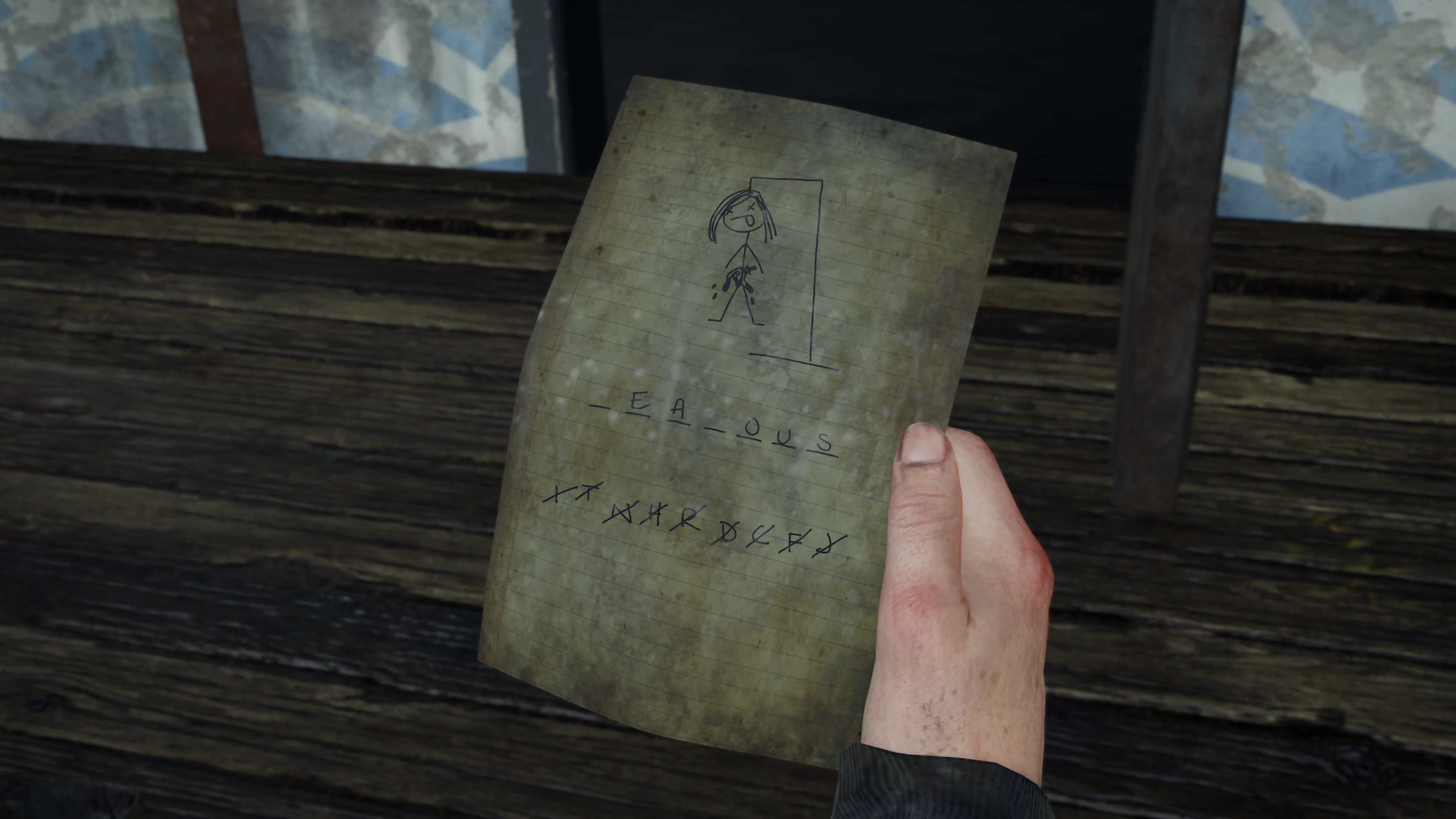
Artifacts are the big one by volume — 97 of them in Part I — and they are the collectible most players undervalue. They are notes, letters, maps, recorded pleas, and scribbled warnings left behind by survivors you never meet. The full set earns Chronicles, but the trophy is beside the point. The artifacts are the actual worldbuilding.
Read them and the outbreak stops being backdrop. You get the timeline of how a suburb fell, the last texts between a couple who did not make it, the slow math of a quarantine zone running out of food. The game trusts you to find this stuff, which means the version of The Last of Us you experience by ignoring artifacts is meaningfully thinner than the one you get by reading them. This is the one "lore" collectible I would argue is worth grabbing in the moment rather than saving for cleanup, simply because the note reads better in the room where you found it.
They are also the easiest to miss precisely because there are so many, and a lot of them sit slightly off the critical path — behind a door you did not check, on a desk in a side office, in the glovebox of an abandoned car. Slow down in explorable areas and the count climbs on its own.
Conversations, jokes and workbenches: the ones people forget
Beyond the big four, Part I tracks a few more categories that trip up platinum hunters:
- Optional Conversations (60). These are the prompts to talk to your companion — press the button when it appears and Joel and Ellie have an exchange. The trophy is Getting to Know You. Miss the window by walking too far and the conversation is gone until a replay.
- Ellie's Jokes (6). A subset tied to a joke book Ellie carries. She reads a groaner, Joel grumbles, and you get closer to the That's All I Got trophy. Small, easy to skip, easy to mop up.
- Workbenches (11). Not a "collectible" in the lore sense, but they are tracked, and reaching all of them earns Prepared for the Worst. Workbenches are where you spend parts on weapon upgrades, so unlike pendants they very much do affect your run — never walk past one with parts in your pocket. Our crafting and upgrade guide covers the parts economy and which weapon upgrades are worth buying first.
The original 2013 release counted conversations differently and did not carve out the jokes as their own trophy, so if you are chasing an older platinum, check that game's list specifically rather than assuming these totals.
How to collect everything without a second full playthrough
The single most useful fact for completionists: you do not need to restart to clean up. Part I's Chapter Select remembers what you have already found and shows you the outstanding count per chapter, so once you finish the story you can drop into any level and grab exactly what is missing. Anything you already collected stays collected.
The efficient route looks like this:
- First playthrough, hunt manuals live. Training manuals are the only pickups worth interrupting your pace for, because their upgrades compound. Grab them as you go.
- Read artifacts in the moment. They read better in context and there are 97 of them, so front-loading the volume saves a brutal cleanup later.
- Note pendants and comics, do not risk them. If you see a glint mid-fight, remember the room. Never trade a checkpoint for a keepsake.
- Use Chapter Select for the gaps. After the credits, open the collectible tracker, sort by what each chapter still owes you, and do targeted runs. A guide with location lists turns this from hours into minutes.
One caution if you are combining collectible cleanup with a hard difficulty: grabbing pickups mid-encounter is far deadlier when a single grab kills you, so on the toughest setting do your collecting on a lower difficulty first and save the hard run for combat. There is no trophy penalty for gathering lore on Easy.
Quick Action Checklist
- Remember the split: only training manuals change your gameplay. Pendants, comics and artifacts are lore and trophies.
- Prioritize the 12 training manuals on your first pass — their upgrades benefit every encounter that follows.
- Never walk past a workbench with parts to spend; it is tracked and it upgrades weapons.
- Read artifacts where you find them. There are 97, and they are the game's real worldbuilding.
- Treat the 30 Firefly pendants and 14 comics (13 findable — one is automatic) as pure cleanup. Do not die reaching for one.
- Watch for the button prompt on the 60 optional conversations and 6 of Ellie's jokes; missed windows only come back on a replay.
- Use Chapter Select after the credits — it tracks per-chapter gaps and keeps everything you already grabbed.
- On Grounded or higher, gather collectibles on an easier run first and reserve the hard difficulty for combat.
Frequently Asked Questions
How many collectibles are in The Last of Us Part I?
Which collectibles actually affect gameplay?
What are the Firefly pendants in The Last of Us?
What are the comics for?
Do I have to replay the whole game to get all collectibles?
Should I hunt collectibles on Grounded difficulty?
Which collectibles should I prioritize on a first playthrough?
Keep Reading
Related Guides
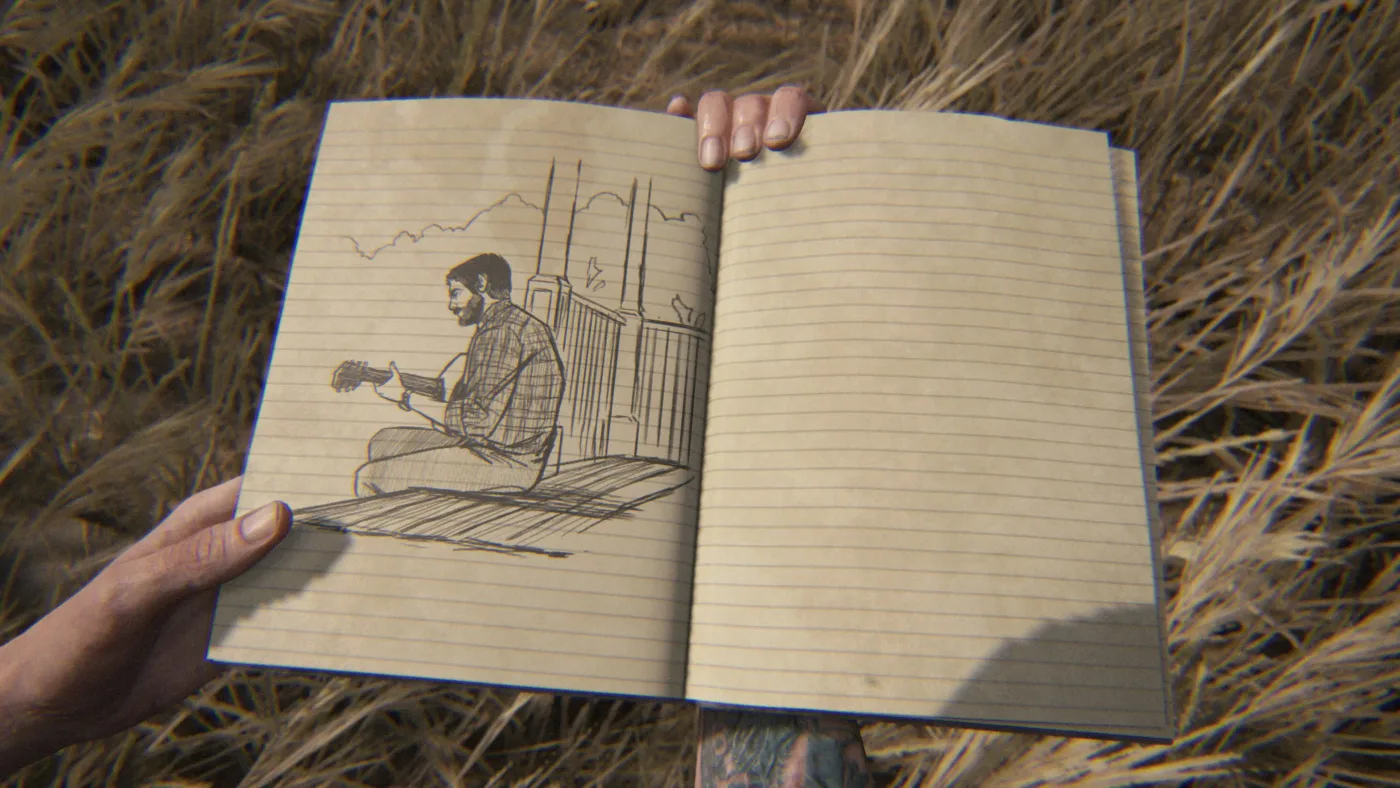
The Last of Us Part 2 Collectibles: All 286 by Type
Part II counts 286 collectibles, but only 215 of them are what the wiki files as collectibles. The rest are journal entries, workbenches, safes and guns. Here is the full split by type, which of the two protagonists can physically pick up each one, and the twelve trophies that hang off finding them.
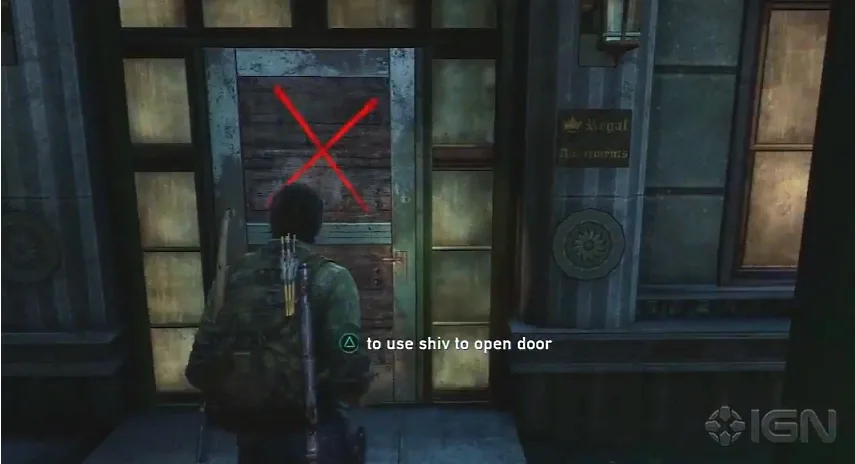
The Last of Us Part 1 Shiv Doors and Safes: All Locations
Out of 1,620 parts in a Last of Us campaign, 660 sit behind locks — 460 behind thirteen shiv doors and 200 inside four safes. The game tells you none of their locations. Here is every door, every safe, every combination, and exactly how many parts each lock is holding.

The Last of Us Part 2 Skills Guide: Every Branch and Cost
Fifty player upgrades, ten branches, 1,900 supplements — and Ellie and Abby spend from completely separate wallets. Here is every branch with its real cost, all eight training manual locations, the cheapest route to the Specialist trophy, and the four upgrades worth buying in your first hour of Seattle.
The Last of Us Part 2 Safe Codes: All 14 Combinations
Fourteen combination locks stand between you and the Safecracker trophy, and Naughty Dog turned nearly every one into a tiny story — a wedding date, a dog's Employee of the Month photo, two apartment numbers. Here is every code, where each clue actually lives, and the sound trick that opens all of them.
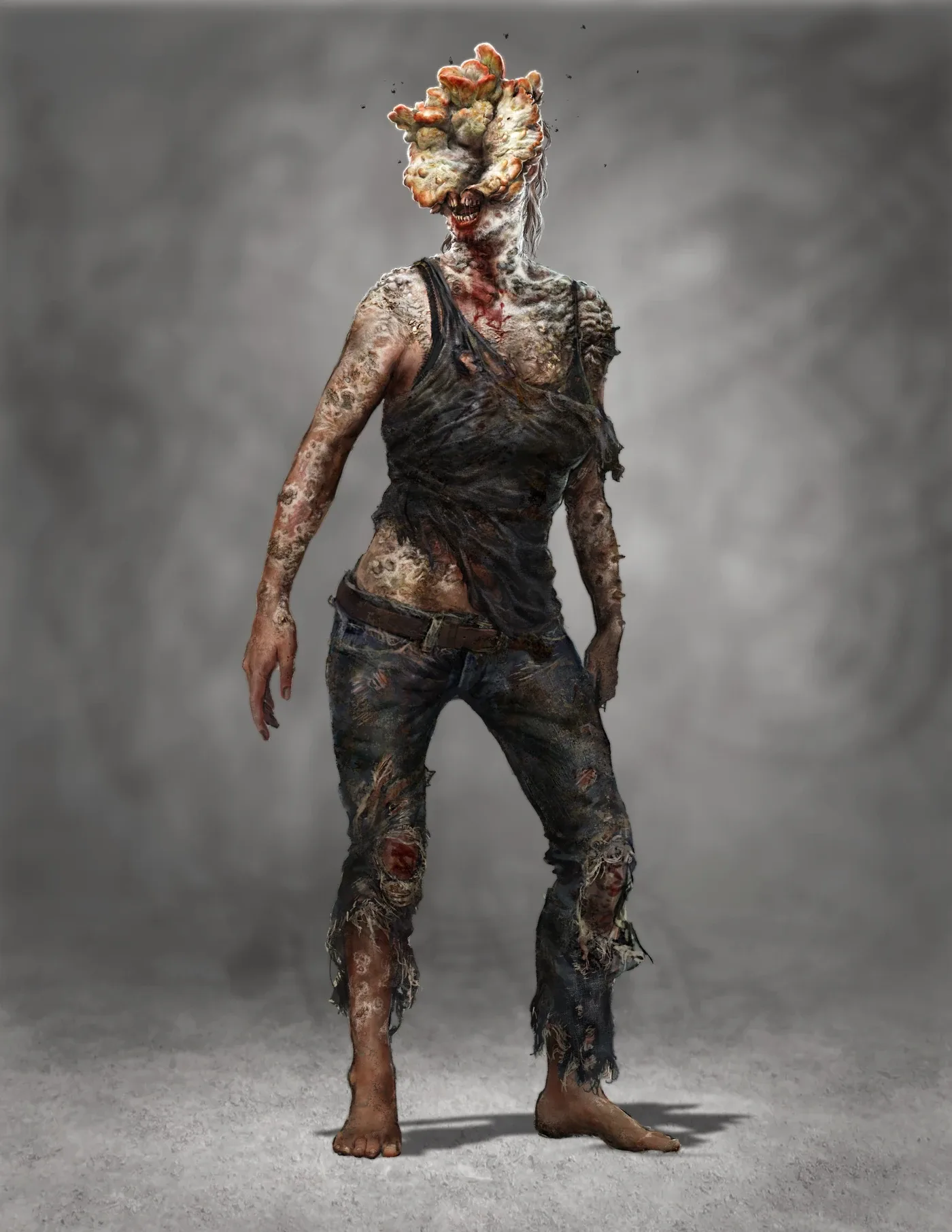
The Last of Us Infected Guide: How to Beat Every Type
A clicker cannot see you and cannot be strangled. Those two facts decide more encounters than any gun you own. Here is how all four infected stages actually work, and what to spend on each.

The Last of Us Left Behind Guide: Every Missable and Artifact
Left Behind is two hours long and hides more missable trophies per minute than the entire 15-hour campaign. Here is the chapter order, all 14 artifacts, every interaction you only get one shot at, and why one fight in this DLC quietly became the blueprint for Part II.