PUBG Beginner's Guide: Survive Your First Matches
Your first 30 PUBG matches will mostly end with a parachute, ten seconds of panic, and a death screen. Here's how to stop dying in the first five minutes and actually start playing the game.
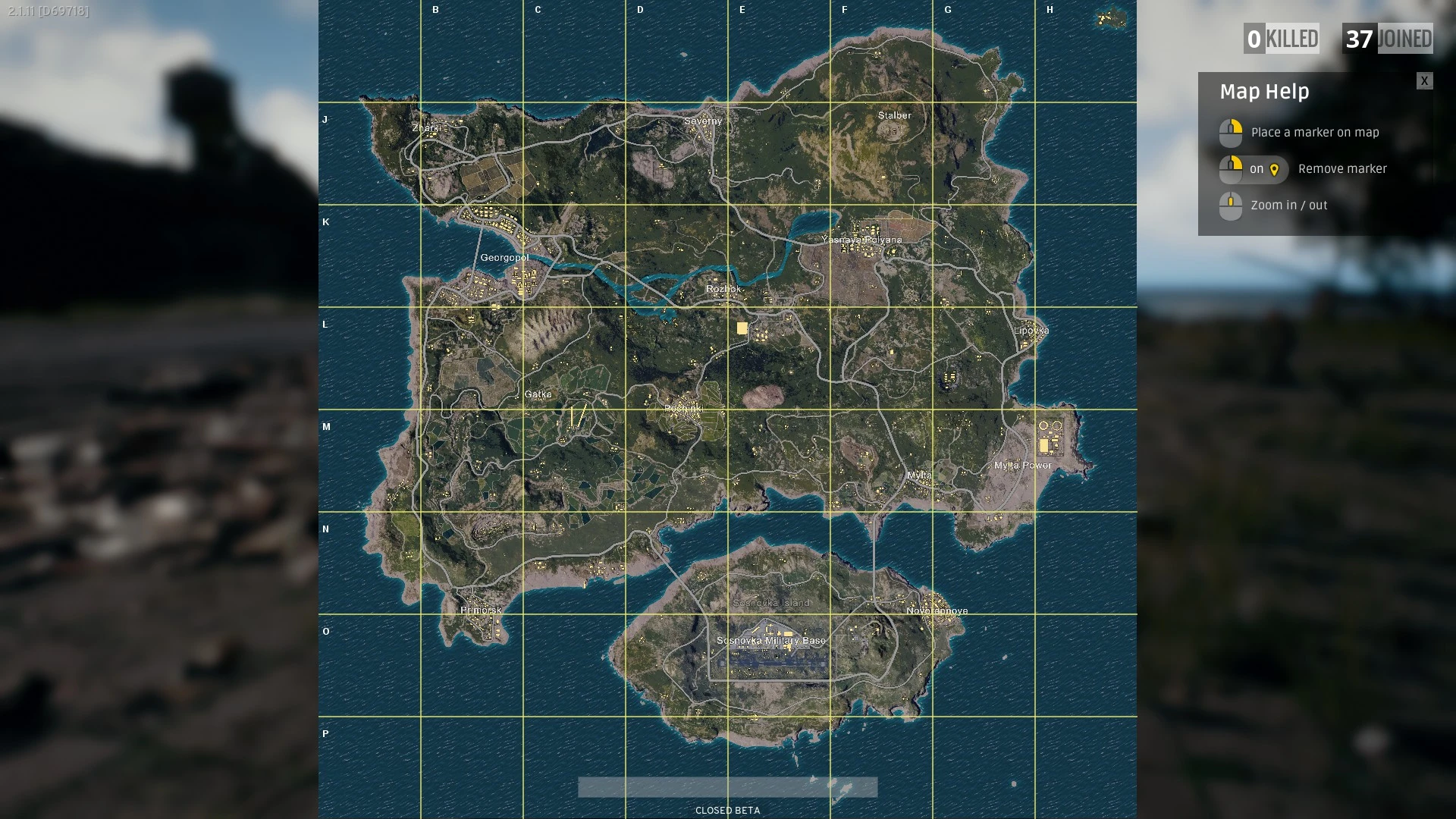
Your first 30 PUBG matches will mostly end the same way: a parachute, ten frantic seconds in a house, a gun you barely loaded, and a death screen telling you that "Player_4471" got you from a window you never saw. Welcome. Everyone starts here.
PUBG: Battlegrounds is the slow-burn granddaddy of the battle royale genre, and it does not hold your hand. There's no build mode to bail you out, no respawn token, no ping system babysitting your aim. It's 100 players, one shrinking map, and a brutal honesty about positioning and patience that newer BRs sanded down. That's exactly why it's worth learning. This guide is the stuff nobody tells you in the tutorial — the habits that get you past minute five and into the part of the game where you're actually playing, not just landing and dying.
We're talking about the PC and console version here, not PUBG Mobile — they're different games with different balance, so ignore mobile tier lists when you're learning gun feel on PC.
Why PUBG kills you in the first five minutes
Most new-player deaths aren't aim problems. They're decision problems. You land in the busiest town on the map next to four other parachutes, sprint into the first building you see, and start picking up loot while your back is to an open doorway. Someone with a pistol clicks on you. Game over, 90 seconds in.
The fix isn't "get better aim." It's understanding that PUBG is a positioning game first and a shooting game second. The best players in your lobby aren't out-aiming everyone — they're choosing fights they've already won before the first bullet, and skipping fights they'd lose. You can copy that on day one.
If you take one thing from this guide: most of the time, the player who shoots second wins. They saw you first, they had cover, and they let you walk into their crosshair. Slow down and be that player.
The drop: where you land decides the match
When the plane crosses the map, you see the flight path. Your landing spot is the single most important decision you make all match, and as a beginner you should be deliberately boring about it.
Land at the edges of named towns, not the dead center. A hot drop — Pochinki on Erangel, Pecado on Miramar — dumps you into an instant fistfight with a dozen other players, and that's where experienced players go to farm kills. As a new player, you want to land on the outskirts: a cluster of houses a few hundred meters off the main town. You get real loot, you get a minute to gear up, and you get to pick your fights. Which exact towns count as the "hot" ones shifts as the map pool and player habits change, so the principle matters more than any one name — drop off the busiest center and check where the crowd is going before you commit.
Start on Erangel. It's the original 8x8km map, the most balanced, and the one every guide and pro VOD uses as a reference. Learn its towns, its bridges, and its ridgelines first. Sanhok is smaller and faster (good for practicing gunfights), and Miramar is a sprawling desert that punishes bad positioning. PUBG runs a rotating selection of maps, so which ones you can actually queue into depends on the current rotation and your region — don't be surprised when the lineup changes.
For a full breakdown of where to drop on each map, see our PUBG landing spots guide.
Looting without getting lost in a house
You have a loot priority, and it's short. Memorize it:
- A gun. Any gun. A pistol beats fists. Grab the first one you see and keep moving.
- Armor. A helmet and a vest. Even Level 1 armor turns a one-shot kill into a survivable hit. Armor reduces damage and degrades as it absorbs it.
- A backpack. More carry space means more ammo, heals, and attachments. Upgrade it whenever you find a higher level.
- Heals and boosts. First aid kits, bandages, energy drinks, painkillers. You will not win a late-game fight at 40% health.
- Attachments. A compensator, a grip, a scope. These turn a usable gun into a good one — more on that in the PUBG loadouts guide.
The mistake every beginner makes is over-looting. You do not need three of every consumable and a fourth scope. Once you have a primary weapon, armor, a few heals, and enough ammo, leave the building. Time spent rummaging is time spent not watching the map, not moving toward the circle, and not hearing the squad creeping up on you.
The blue zone is the real enemy
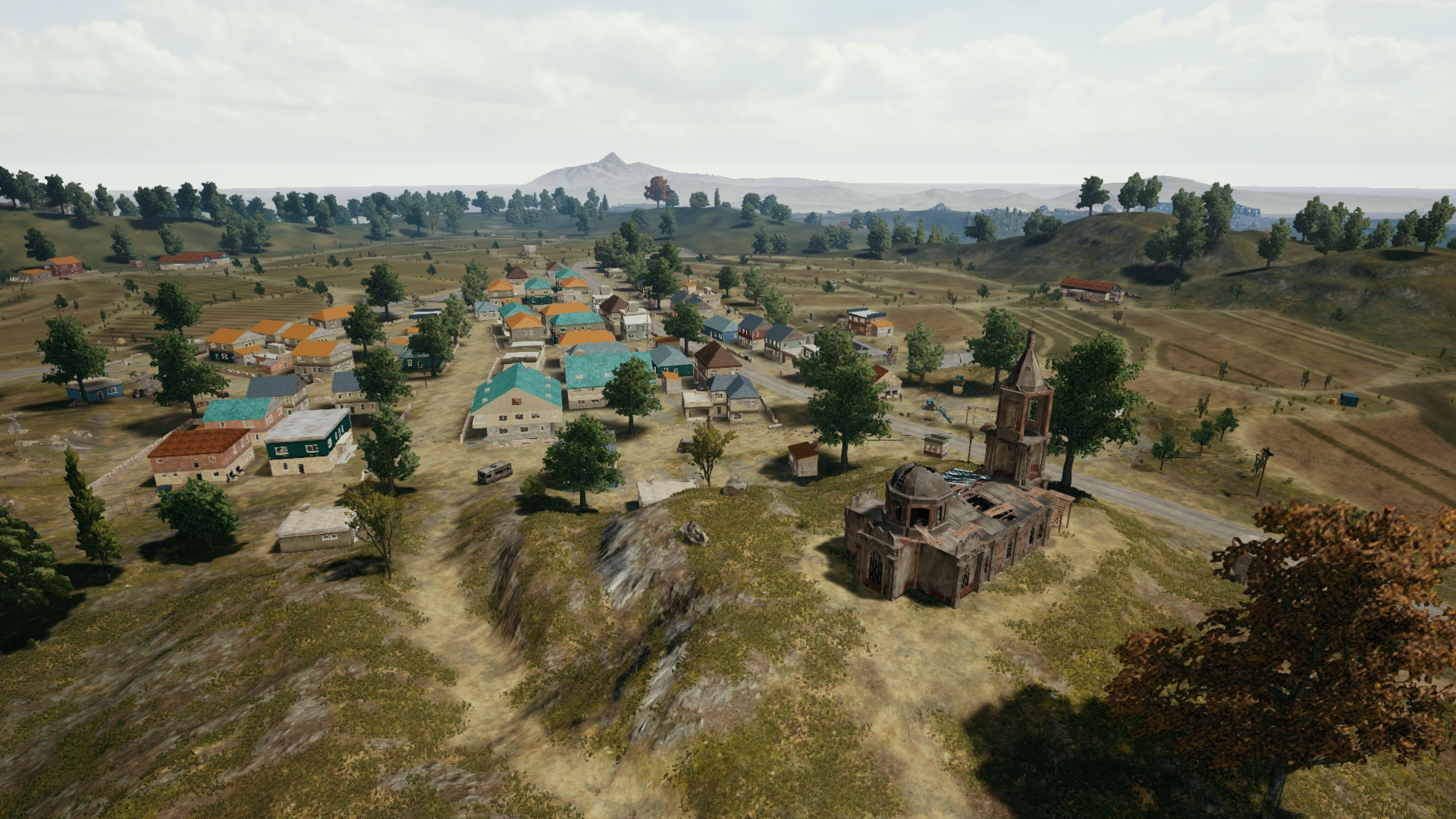
The white circle on your map is the next safe zone. The blue wall closing in behind it is the play zone shrinking, and standing in the blue damages you over time. Early circles do light damage and you can tank them briefly to loot or reposition. Late circles do brutal damage that can delete a full-health player in seconds.
The rookie trap is treating the blue zone as a suggestion. It is not. Every phase, the circle shrinks and the timer counts down to the next move. Your job is to be already inside the next circle before it starts closing, not sprinting through the blue at the last second while everyone safely inside picks you off.
Watch the timer, not just the circle. The dangerous moment isn't when the zone is small — it's the transition, when half the lobby is rotating through the same chokepoint at the same time. Move early, hold the high ground, and let the latecomers run into your sights.
A good rule: when the timer hits its final stretch, you should already be moving, not deciding to move. Energy drinks and painkillers fill your boost bar, which gives you passive health regen and a small sprint-speed bump — pop them before a long rotation so you're healing as you run.
Sound is half the game
PUBG has some of the best directional audio in any shooter, and beginners ignore all of it. Footsteps, doors opening, vehicles, gunshots, the rustle of someone in grass — every one of those is information, and the in-game sound indicator on your minimap points you at it.
Put on headphones. Not optional. You will hear an enemy walk up a staircase, hear a door you didn't open swing shut, hear a distant scope shot tell you which direction has players. Learn to stop moving and listen. A footstep through a wall is the difference between pre-aiming a doorway and getting clapped through it.
The flip side: you make sound too. Sprinting is loud. Opening doors is loud, and leaving them open tells the next person someone's been through. Vehicles are a siren announcing your position to half the map. When you're close to the circle edge or think enemies are near, walk, crouch, and close doors behind you.
Your first gunfight and how to not lose it
When the shooting starts, three things win fights for beginners, none of which is raw aim:
Cover. Never fight in the open if there's a tree, rock, wall, or vehicle nearby. Take the fight from behind cover, peek to shoot, and duck back to reload or heal. Players who fight in the open lose to players who don't.
Don't peek the same spot twice. Once someone knows where your head pops out, they're pre-aimed at it. Peek a different angle, or push while they're reloading. Predictable peekers die.
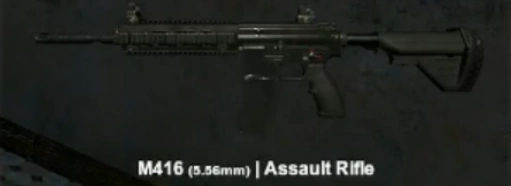
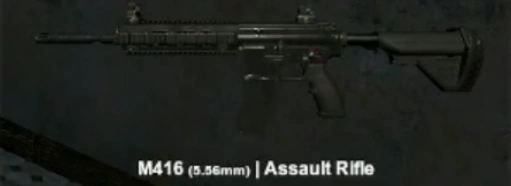
Pick a forgiving gun. As a new player, an assault rifle like the M416 is your best friend — it's a 5.56mm all-rounder with manageable recoil that works close and mid-range. Gun balance gets tuned with patches, so the exact best beginner AR can change over time; the durable point is that a low-recoil AR beats a high-recoil one while you're learning. Spray control matters: in full-auto, recoil climbs, so pull your mouse down (or stick down) to counter it, and fire in short bursts at range instead of holding the trigger.
If you're outgunned or outnumbered, the right move is often to not fight. Break line of sight, reposition, and re-engage on your terms — or don't engage at all. Third-partying (waiting for two squads to fight, then cleaning up the survivors) is a completely legitimate, very effective beginner strategy. For which guns to prioritize, our PUBG weapons tier list ranks them by how much they reward a new player versus a veteran.
The habits that separate survivors from feeders
The players who consistently finish in the top 10 do a handful of unglamorous things every single match:
- They land with a plan and don't fight unless they have an advantage.
- They heal in cover, never in the open, never mid-rotation if they can help it.
- They watch the circle timer and move early, taking the high ground inside the next zone.
- They keep their boost bar topped so they're always healing and moving slightly faster.
- They check their corners — every doorway, every window, every ridgeline — before they expose themselves.
- They don't loot dead bodies in the open. That crate is bait, and the player who killed your teammate is watching it.
None of that requires good aim. It requires patience and discipline, and it's why a methodical new player can outplace a twitchy one. Aim comes with reps. Survival comes with habits, and you can install the habits today. Once they're automatic, dial in your hardware with our PUBG settings and sensitivity guide.
Quick Action Checklist
Run this for your next ten matches and watch your average placement climb.
- Queue Erangel and land at the edge of a named town, not the busiest center
- Loot in order: gun, armor, backpack, heals, attachments — then leave
- Stop over-looting; a primary, armor, heals, and ammo is enough to move
- Wear headphones and stop to listen for footsteps, doors, and distant shots
- Close doors behind you and walk when you think enemies are near
- Move into the next circle early; never sprint through the blue at the last second
- Pop energy drinks/painkillers before long rotations to keep your boost bar full
- Fight from cover, peek different angles, and burst-fire at range
- When outnumbered, reposition or third-party instead of forcing a fight
Frequently Asked Questions
What is the best map for a PUBG beginner?
How do I stop dying in the first five minutes of PUBG?
What is the blue zone in PUBG?
Do I need headphones to play PUBG?
What should I loot first in PUBG?
Is it better to fight or avoid enemies as a beginner in PUBG?
Is PUBG on PC the same as PUBG Mobile?
Keep Reading
Related Guides
Is PUBG Cross-Platform? Who You Can Play With
PUBG runs two separate crossplay systems that do not connect. One puts Steam and Epic Games Store on the same server; the other puts PlayStation and Xbox in the same matchmaking pool. Here is exactly who can queue with whom, why the PC-console gap is structural rather than stubborn, and which consoles can still launch the game at all.
Is PUBG Free to Play? Battlegrounds Plus Explained
PUBG stopped costing money in 2022, but the fine print — what a free account can and cannot do, and what the Battlegrounds Plus upgrade actually unlocks — quietly changed again this June. The cash price is gone; you can now buy your way into Ranked with BP you earned by playing.
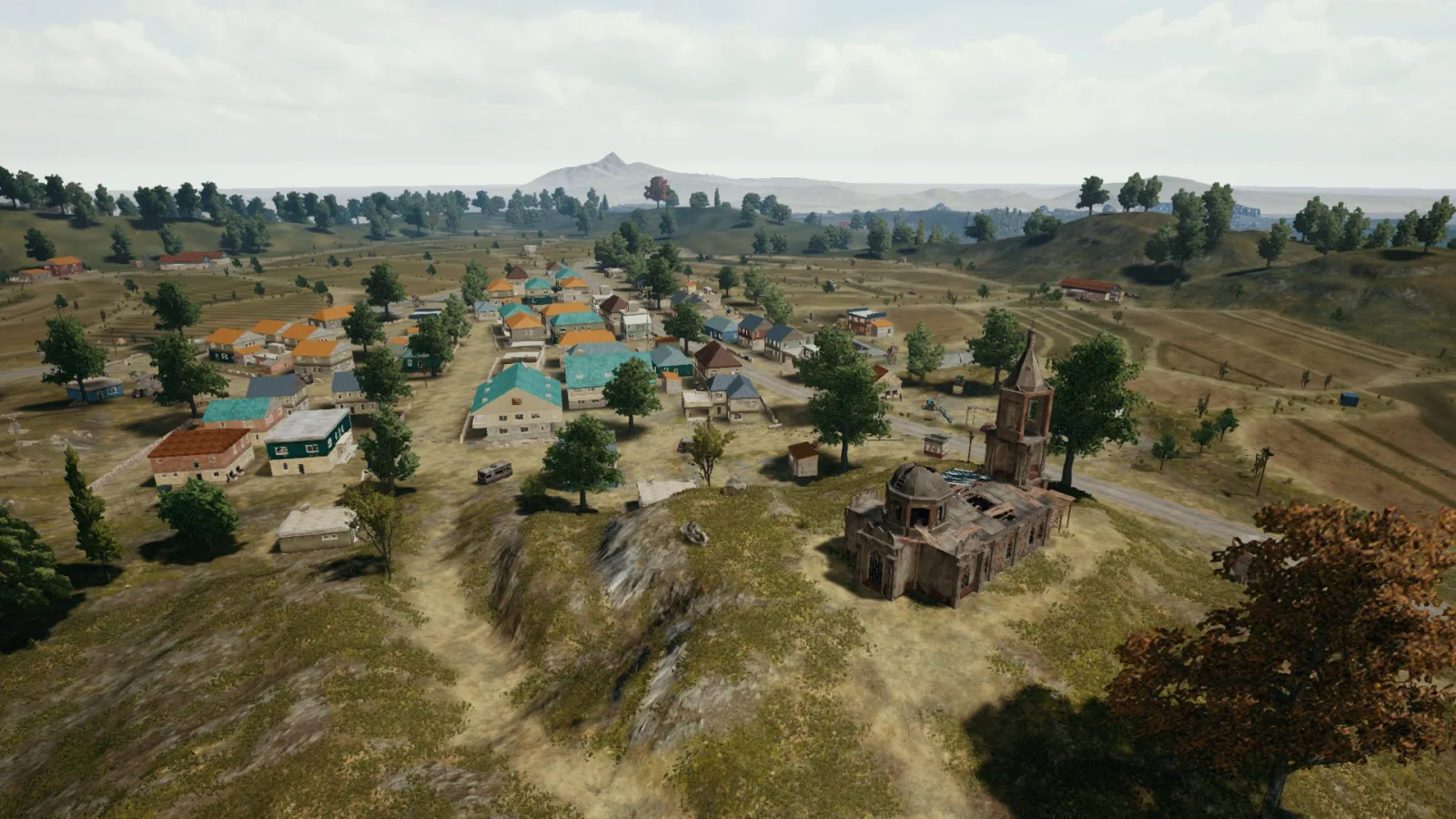
PUBG Callouts and Terms Glossary for Squad Play
Your squad isn't yelling random words at you — they're using a shared language, and not knowing it gets you killed. Here's every PUBG callout and term that matters, in plain English, so you can actually communicate instead of guessing.
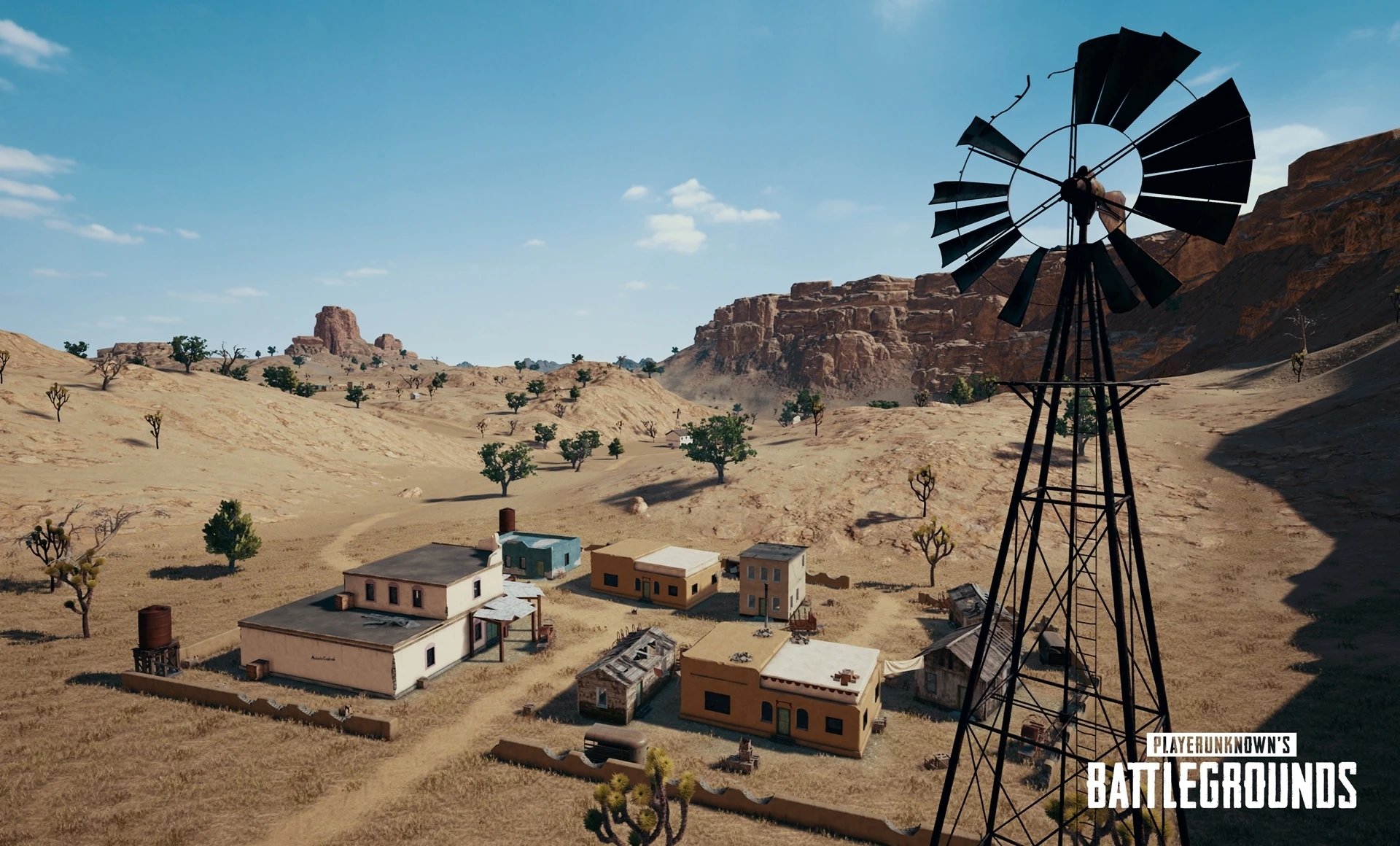
PUBG TPP vs FPP: Which Mode Should You Play?
TPP lets you see over a wall without exposing yourself. FPP makes you earn every look. That one camera difference reshapes how every fight in PUBG plays out — here's which mode to actually queue, and why.
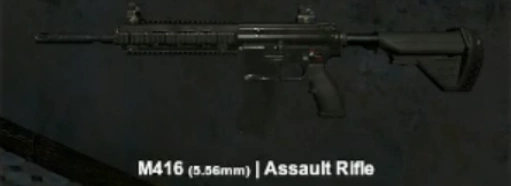
Best Weapons in PUBG: Tier List
Every PUBG tier list is out of date the moment a balance patch drops. So here's the list, ranked by role, plus the durable logic to re-tier any gun yourself when the next patch shakes things up.
Best PUBG Loadouts & Attachments
A naked M416 and a fully kitted M416 are basically two different guns. Here's how to build the strongest two-gun loadouts in PUBG and the attachment priority that turns loot into recoil control.