Best Baldur's Gate 3 Classes for Beginners, Ranked
Fighter gets four feats by level 12 while everyone else gets two, and it never runs out of resources. That is the whole beginner-class argument in one sentence. Here is the full ranking, with the numbers behind each call.
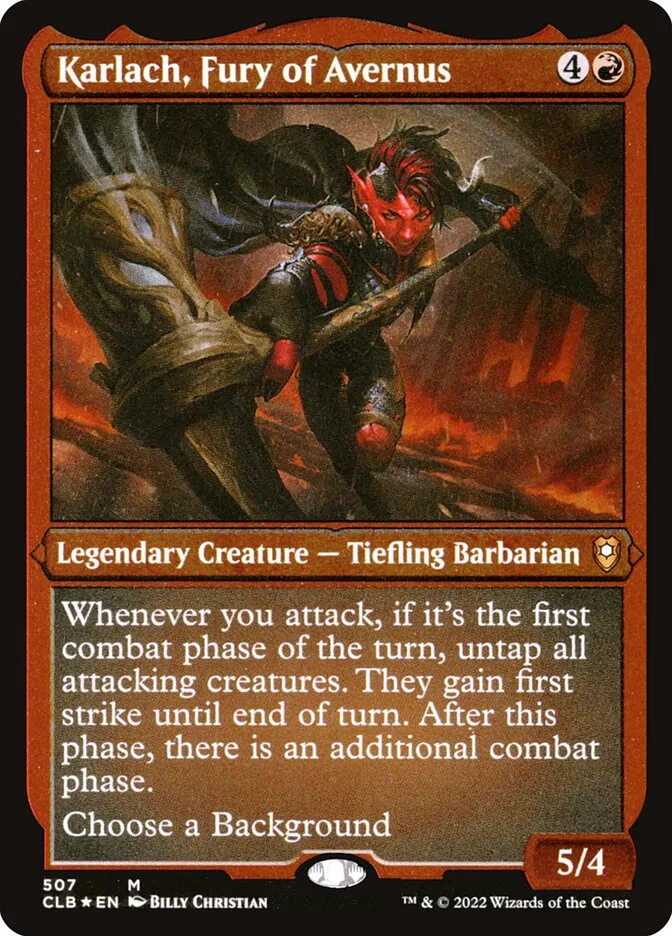
Fighter picks up a feat at levels 4, 6, 8, and 12. Every other class in Baldur's Gate 3 gets two feats over the same span. That is a 100% advantage in the game's single most build-defining resource, handed to the class that also has the highest armour proficiency, the best hit die among martials, and a level 2 button that gives it a second full action.
If you want the short version of this ranking, that is it: Fighter is the best beginner class and it is not particularly close.
But "beginner-friendly" is not the same as "strong," and a few classes that veterans rate near the top are genuinely miserable to learn on. So here is all twelve, ranked on how forgiving they are across a first playthrough, with the actual mechanical reasons rather than vibes.
What actually makes a class beginner-friendly
Four criteria, weighted roughly in this order:
- Resource resilience. A Fighter who swings badly loses nothing. A Wizard who fumbles a level 5 spell slot has burned a scarce, long-rest-only resource on nothing.
- Decision count per turn. Three good options beat twenty conditional ones. Nobody learns a game well while paralysed by a spell list.
- Front-loading. The level cap is 12, so a class that comes online at level 5 is dramatically better than one whose payoff lands at 10.
- Failure tolerance. Withers respecs any character for 100 gold, so this matters less than it feels like — but a class that punishes you between respecs is still worse to learn on.
S-tier: start here
Fighter
Hit die: 10 at level 1, then 6 + Constitution modifier per level. Saves: Strength and Constitution. Proficiencies: all armour including heavy, shields, simple and martial weapons. Subclass at level 3.
Fighter is the answer to "I want to hit things and not think about it," but calling it simple undersells the raw power it packs.
- Action Surge at level 2 grants an entire extra action, recharging on a short rest — and you get two per long rest.
- Extra Attack at level 5 doubles your attacks per action, so an Action Surge turn is four weapon swings.
- Four feats by level 12 (at 4, 6, 8, and 12) versus two for nearly everyone else. Great Weapon Master, Sharpshooter, Ability Improvements — you take all of them.
For a first run, Champion is the lowest-effort subclass and Battle Master the most rewarding, adding manoeuvres that trip, push, and disarm. Both are correct. Eldritch Knight and Arcane Archer are more interesting on a second playthrough.

Cleric
Hit die: 8 at level 1, then 5 + Constitution per level. Spellcasting: Wisdom. Saves: Wisdom and Charisma. Domain chosen at level 1.
Cleric is the most underrated first-run pick, and the reason is armour. Base Cleric gets light and medium armour plus shields, but the Life, Nature, Tempest, and War domains each grant heavy armour proficiency on top. You are a full caster — same spell progression as a Wizard — standing in the front line in plate.
You also get Channel Divinity: 1 charge at level 2, 2 at level 6, replenished on a short rest. Short-rest resources are forgiving for new players because a mistake costs minutes, not a full rest cycle.
The domain locks at level 1, which is the thing to be careful about. For a first playthrough: Life for the safest experience, Light for damage (Warding Flare makes enemies miss you), Tempest for the flashiest button, since its Channel Divinity maximises lightning and thunder damage.
Warlock
Hit die: 8 at level 1, then 5 + Constitution. Spellcasting: Charisma. Saves: Wisdom and Charisma. Patron chosen at level 1.
Warlock is the "caster for people who do not want to manage a caster." Here is the trick: Warlocks do not use normal spell slots. They use Pact Magic, which gives you 1 slot at level 1, 2 slots at level 2, and 3 at level 11 — and those slots recharge on a short rest and are always cast at your highest available spell level.
Two slots sounds terrible until you realise you get them back three times per long rest cycle and they are always maximally upcast. Meanwhile your at-will damage comes from Eldritch Blast, and Agonizing Blast — one of the Eldritch Invocations you pick up at level 2 — adds your Charisma modifier to each beam's damage. You get 2 invocations at level 2, then one more at levels 5, 7, 9, and 12.
For beginners that means an unlimited ranged attack that never runs out, plus a handful of powerful spells you can throw without guilt. Charisma casting also makes your Warlock the party face. Pact Boon arrives at level 3 (Blade, Chain, or Tome) and Deepened Pact at level 5 upgrades it — the Blade version grants Extra Attack.

A-tier: strong with one caveat
Paladin
Hit die: 10 at level 1, then 6 + Constitution. Spellcasting: Charisma. Armour: light, medium, heavy, shields. Oath chosen at level 1.
Mechanically Paladin belongs in S-tier. Divine Smite at level 2 adds 2d8 radiant damage to a weapon hit, plus 1d8 more against Fiends and Undead, scaling by 1d8 per slot level above first — capped at 5d8, so a 4th-level slot is your ceiling. Aura of Protection at level 6 gives you and nearby allies a bonus to all saving throws equal to your Charisma modifier, one of the strongest defensive effects in the game. Plus heavy armour, Extra Attack at 5, and Lay on Hands from level 1.
The caveat is the Oath. Break it — and this game constantly presents morally messy options — and you lose your Channel Oath abilities and get visited by the Oathbreaker Knight. You can convert permanently into the Oathbreaker subclass, or pay a restoration fee of 1,000 to 10,000 gold. For a new player who does not yet know which dialogue options count as oath-breaking, that is a real tax. Ancients and Vengeance are the most forgiving; Devotion is the strictest.
Barbarian
Hit die: 12 at level 1, then 7 + Constitution — the highest in the game. Saves: Strength and Constitution. Subclass at level 3.
Rage at level 1 gives +2 damage on melee and improvised weapon attacks, resistance to physical damage, and advantage on Strength checks and saving throws. Halving the most common damage type in the game, stacked on the biggest HP pool available, is enormous.
You get 2 Rage charges at level 1, 3 at level 3, 4 at level 6, and 5 at level 12, all on a long rest. Reckless Attack at level 2 trades advantage on your melee attacks for enemies having advantage against you — with resistance and a d12 hit die, usually a trade you want. Unarmoured Defence adds your Constitution modifier to AC when unarmoured, and Feral Instinct at level 7 grants +3 initiative plus immunity to surprise.
The caveat: Barbarian does almost nothing outside combat. No spells, no strong skill list. Fine in a four-person party, but as your protagonist you will hand every conversation to someone else.
Sorcerer
Hit die: 6 at level 1, then 4 + Constitution — tied for the lowest. Spellcasting: Charisma. Saves: Constitution and Charisma. Subclass at level 1.
Sorcerer earns its A-tier slot on Metamagic, specifically Quickened Spell, which turns an action-cost spell into a bonus action. Combined with Sorcery Points equal to your Sorcerer level and the ability to convert points into spell slots and back via Font of Magic, you get the most explosive turns available to a caster. You pick 2 Metamagic options at level 2, and gain one more at level 3 and again at level 10.
The caveats: a d6 hit die means you die if anything touches you, and Sorcerer knows very few spells compared to a Wizard. On the upside, Charisma casting makes you the party face, and Draconic Bloodline adds your draconic damage type bonus plus extra HP, which patches the survivability problem.
B-tier: good classes, worse first runs
Rogue
Hit die: 8 at level 1, then 5 + Constitution. Saves: Dexterity and Intelligence. Subclass at level 3.
Rogue has the best out-of-combat kit in the game — 4 skill proficiencies at level 1 (more than any other class), plus Expertise on 2 skills at level 1 and 2 more at level 6, which doubles your proficiency bonus on those checks. Cunning Action at level 2 gives you Dash, Disengage, and Hide as bonus actions. Uncanny Dodge at level 5 halves damage from a hit.
The problem is damage. Sneak Attack scales as 1d6 at level 1, 2d6 at 3, 3d6 at 5, 4d6 at 7, 5d6 at 9, and 6d6 at 11 — but it requires advantage and triggers once per turn, and Rogue never gets Extra Attack. Compare a level 5 Fighter making two attacks plus Action Surge to a level 5 Rogue making one attack plus 3d6, and the gap is obvious.
Rogue is excellent as a three-level dip and merely fine as a full class. Thief at level 3 is the standout, granting Fast Hands: "You gain an extra Bonus Action, which you can use with any of your existing Bonus Actions."
Ranger and Bard
Both are strong classes carrying real complexity taxes. Ranger is a half-caster with a companion, favoured enemy choices, and terrain features that reward system knowledge you do not have yet. Bard is arguably a top-three class in the whole game — full caster, best Charisma checks, Bardic Inspiration recharging on a short rest from level 5 — but it wins through knowing exactly which control spell to use in which situation. That is expert play, not beginner play.
Save these for run two
Wizard
Hit die: 6 at level 1. Spellcasting: Intelligence. Subclass at level 2.
Wizard is the most powerful class in the game in trained hands and the most punishing in untrained ones. Largest spell list, learns spells from scrolls, and by Act 3 it ends encounters before they start.
It also has a d6 hit die, no armour proficiency, and a spell list where roughly a third of the entries are traps for players who do not yet understand concentration, saving throw types, and enemy resistances. Every wasted slot is a long-rest-only resource gone. Come back to it.
Druid and Monk
Druid asks you to learn two games — spellcasting and Wild Shape, where every form has its own stat block, attacks, and HP pool. Monk has the most demanding action economy in the game, spending Ki on bonus-action flurries while depending on both Dexterity and Wisdom for its AC, which makes its ability spread the tightest of any class.
Both are excellent. Neither is where you learn what a concentration save is.
The ability spread that carries every class
Whatever you pick, the character creation maths is the same: 27 points, scores capped at 15 during point-buy, then a +2 and a +1 you assign yourself. Race does not grant ability scores in Baldur's Gate 3.
The default spread that works for nearly every beginner build:
- Primary ability: 17 (15 from point-buy plus your +2). It hits 19 with your first Ability Improvement feat at level 4 and 20 with your second.
- Constitution: 14 or 15. HP per level scales with your Constitution modifier on every class, and concentration saves are Constitution saves.
- Dexterity: 14 if you are not in heavy armour, for AC and initiative. Dump it to 10 if you are in plate.
- Dump stat: 8. Every class has one ability it genuinely does not use.
If you want the wider onboarding — resting, positioning, and the systems that decide fights — start with our Baldur's Gate 3 beginner guide. Once you know which class you like, our multiclassing guide covers which dips are worth taking within the 12-level cap.
Quick Action Checklist
- Pick Fighter if you want the most forgiving strong start — Action Surge at 2, Extra Attack at 5, and four feats by level 12.
- Pick Cleric for a full caster in heavy armour: choose Life, Nature, Tempest, or War domain to get heavy armour proficiency at level 1.
- Pick Warlock if you want a caster that never runs dry — Pact Magic recharges on a short rest, and Agonizing Blast adds your Charisma modifier to every Eldritch Blast beam.
- Avoid Wizard, Druid, and Monk on a first run — d6 hit dice, dual stat dependencies, and spell lists full of situational traps.
- Choose a Cleric domain, Warlock patron, Paladin Oath, or Sorcerer subclass carefully — all four lock in at level 1.
- Set your primary ability to 17, Constitution to 14 or 15, and dump one stat to 8.
- Take Ability Improvement at level 4 to hit 19 in your primary, then again for 20.
- Remember Withers respecs anyone for 100 gold, so no class choice is permanent.
Frequently Asked Questions
What is the best class for a beginner in Baldur's Gate 3?
Which Baldur's Gate 3 classes lock in their subclass at level 1?
Is Wizard bad in Baldur's Gate 3?
How does Warlock Pact Magic differ from normal spell slots?
What ability scores should a beginner set in Baldur's Gate 3?
Keep Reading
Related Guides

Baldur's Gate 3 Patch 8 Subclasses: Which of the 12 Survive the Level Cap
Patch 8 gave every class a new subclass. The level cap is still 12, and three of those subclasses put their signature feature at level 11 — so you get it for the last two levels of a hundred-hour campaign. Here is all twelve, sorted by when they actually pay you.
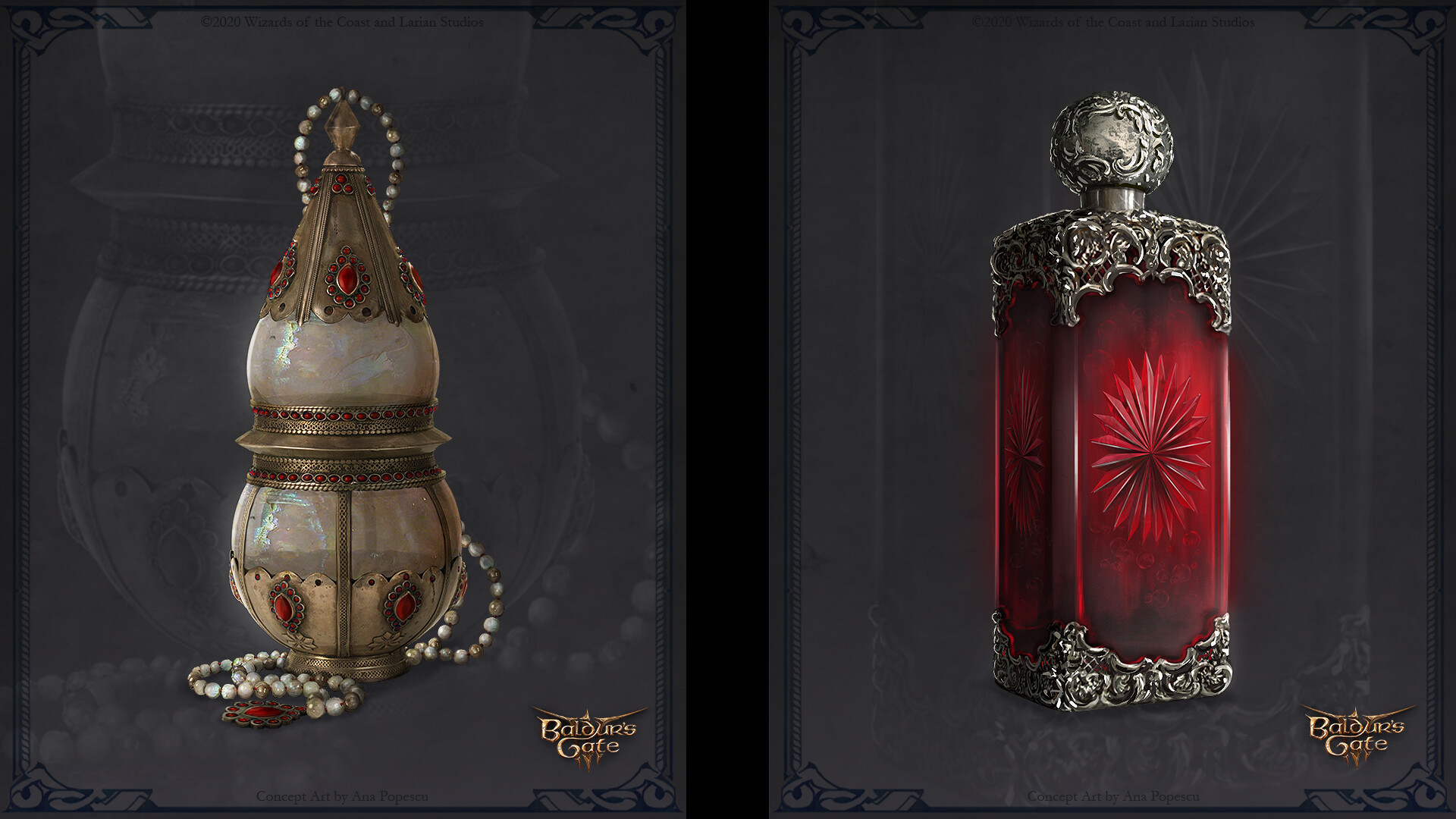
Baldur's Gate 3 Elixirs and Potions Guide: The Buff Slot You Are Wasting
Every elixir in the game ends with the same line: replaces effects from other elixirs when drunk. That makes your elixir slot a loadout choice, not a consumable — and a 30-gold bottle can outperform a rare weapon on the right character.

Baldur's Gate 3 Multiclassing Guide: Rules and Real Builds
BG3 dropped the ability score prerequisites tabletop 5e uses, which means nothing stops you from building a Barbarian who casts. The level 12 cap is the only real brake — and understanding Effective Spellcaster Level is what separates a build from a mess.

Baldur's Gate 3 Best Races Guide: A Tier List That Respects Your Time
Since BG3 detached ability scores from race, the only thing a race gives you is a bundle of traits — free armour proficiency, a Misty Step, an extra weapon die on crits. Some of those bundles quietly reshape a build. Most do nothing. Here is which is which.

Baldur's Gate 3 Beginner Guide: What Nobody Tells You
The tutorial teaches you to move and attack. It does not teach you that advantage is worth more than any weapon you will find in Act 1, or that Withers will rebuild your entire character for 100 gold. Here is the actual onboarding.
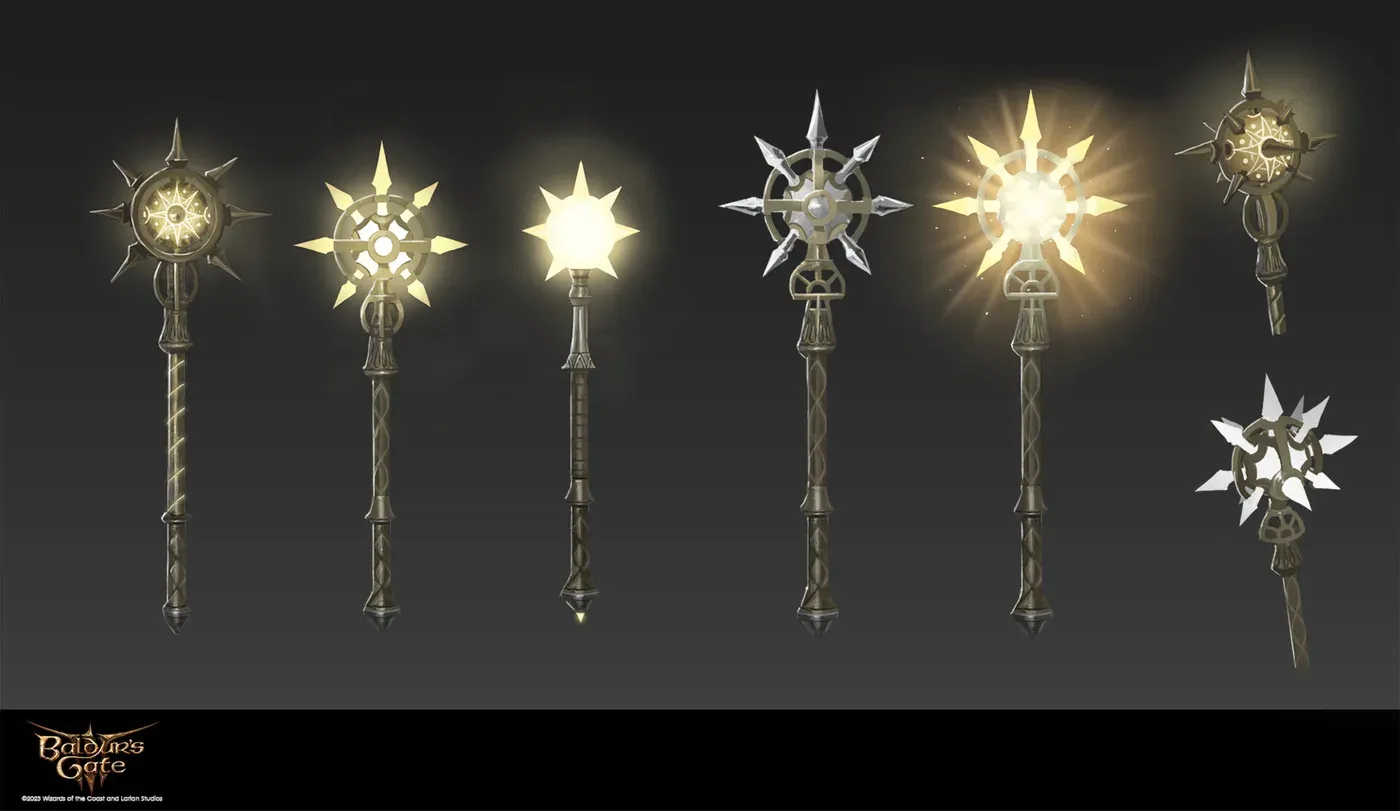
Baldur's Gate 3 Weapon Actions: One Use Per Short Rest
The little icons under your attack button are not free. Unless the action says otherwise, a weapon action in Baldur's Gate 3 is capped at one use per short rest, the charge belongs to the character rather than the weapon, and it is spent even when the attack misses. Here is what each weapon type actually hands you, and which of them are worth the charge.