CS2 Rank System Explained: CS Rating, Skill Groups, and How to Climb
CS2 runs two completely different ranking systems at once, and most players never learn which one their friends are talking about. Here is the CS Rating number, the seven color tiers, all 18 Skill Groups, and what actually moves the needle.
Someone in your lobby says they are "10k." Someone else says they are "DMG." Those two sentences describe two entirely different ranking systems that CS2 runs side by side, and the fact that Valve never bothered to explain the difference is why half the arguments in Counter-Strike voice chat are people comparing numbers that were never meant to line up. One is a single global rating. The other is a stack of per-map medals. You are almost certainly grinding one of them without fully understanding how it decides where you land.
Here is the whole system, both halves, with the actual numbers and the parts that move them.
Two ranking systems wearing the same badge
CS2 ranks you two ways, and they do not talk to each other.
Premier hands you one number, your CS Rating, that spans your whole account. You play the game with a pick/ban map veto like the pros, on the current competitive map pool, and every match nudges that single number up or down. This is the ladder almost everyone means when they talk about "rank" in CS2.
Competitive is the older mode, and it ranks you the CS:GO way: with a named Skill Group — Silver 1 up through Global Elite — except CS2 made those ranks per-map. Your Mirage rank and your Nuke rank are separate medals earned separately.
If you only remember one thing: the CS Rating number and the Skill Group name are not convertible. A "Gold Nova on Ancient" and a "12,000 in Premier" are measuring different pools of players in different modes. Stop trying to translate between them.
Premier and the CS Rating number
Premier is the flagship. You draft into a match through a map veto, play a full MR12 game — the same 12-rounds-per-half format the whole CS2 economy is built around — and your CS Rating adjusts based on the result. New accounts play a run of placement matches (commonly cited as ten) before the number is revealed, so a fresh grey rating is not a judgment yet, it is the game still collecting data on you.
Premier also runs in seasons. When a season rolls over, Valve applies a soft reset that drags everyone back toward the middle before you re-climb, which is why the same player's "peak" can read differently depending on which season they are quoting.
The seven color tiers
The rating itself is a raw number, but CS2 buckets it into seven colors so a glance tells you roughly who you are playing with. The bands are clean and evenly spaced:
| Color tier | CS Rating range |
|---|---|
| Grey | 1,000 – 4,999 |
| Light Blue | 5,000 – 9,999 |
| Blue | 10,000 – 14,999 |
| Purple | 15,000 – 19,999 |
| Pink | 20,000 – 24,999 |
| Red | 25,000 – 29,999 |
| Gold (Yellow) | 30,000+ |
Every band except gold is exactly 5,000 wide. Gold has no ceiling — the leaderboard chase lives up there, and the gap between a 30,100 player and the region's number-one seed is enormous even though they share a color. Most of the active player base sits in the light-blue-to-purple stretch, so if you are hovering around 10,000 you are closer to the median than the name "Blue" makes it sound.
How the number actually moves
CS Rating is not a fixed +25 per win the way some ladders are. Two things scale the swing:
- Who you beat. The system estimates both teams' strength going in. Beating a lobby rated well above you pays out more; losing to a lobby you were favored against costs more. Win the games you are supposed to win and you tread water — you climb by beating people the system did not expect you to.
- The round differential. A 13-3 stomp moves your rating more than a 13-11 nailbiter. Margin of victory is baked in, which is the single most misunderstood part of Premier. Closing a round out 13-4 instead of casually trading down to 13-9 is worth real rating, so there is a concrete reason to keep the throttle down after the win is secured rather than ego-peeking for a few extra frags.
That round-differential rule is why individual mechanics still matter even in a team game. Winning your duels with clean spray control does not just win the round — a wider round gap literally pays more rating than a narrow one.
The map veto nobody prepares for
Premier makes you veto maps before the match, and this is free rating that most players throw away. You ban into a pool you did not choose, on maps you may not practice, and then act surprised when you get run over on the one map you never learned.
Two habits fix it. First, actually have a first-ban and a comfort pick in mind before the veto screen appears, instead of clicking whatever is highlighted. Second, learn the default setups on at least three maps in the active pool well enough that you are never the player asking "where do we go" on the buy of round one. The veto is a strategic phase; treating it as a loading screen is a self-inflicted rating loss.
Competitive Skill Groups and why they went per-map
Competitive is the mode that still uses the classic named ranks, and it is the better place to learn a single map because the matchmaking pins you to the map you queued. The headline change from CS:GO is that your Skill Group is now map-specific. You can be Master Guardian on Overpass and Gold Nova on Vertigo at the same time, and the game will not average them into one badge.
Earning your first Skill Group on a map still takes 10 wins, and CS2 keeps the daily brake from CS:GO: you can only bank two competitive wins per day, so a fresh map rank takes at least five days of winning to unlock. That pacing is deliberate — it stops a single all-nighter from smurfing you into a rank you cannot hold.
All 18 ranks in order
There are 18 Skill Groups, grouped into six tiers. From the bottom up:
| Tier | Skill Groups |
|---|---|
| Silver | Silver 1, Silver 2, Silver 3, Silver 4, Silver Elite, Silver Elite Master |
| Gold Nova | Gold Nova 1, Gold Nova 2, Gold Nova 3, Gold Nova Master |
| Master Guardian | Master Guardian 1, Master Guardian 2, Master Guardian Elite, Distinguished Master Guardian |
| Legendary Eagle | Legendary Eagle, Legendary Eagle Master |
| Supreme | Supreme Master First Class |
| Global | The Global Elite |
The distribution is the part people forget: the population is not spread evenly across those 18 groups. The Silver-through-Gold-Nova stretch holds the bulk of players, which is why "Silver" gets used as an insult even though a true Silver 1 is genuinely in the bottom slice of the ladder. Getting called Silver when you are actually a Master Guardian is the Counter-Strike version of trash talk, not a real read.
Wingman and the modes that do not rank you
Wingman is the 2v2 mode on cut-down maps, and it carries its own separate Skill Group ladder using the same 18 names — a rank that has nothing to do with your Premier CS Rating or your 5v5 Competitive groups. It is a legitimate way to warm up aim and clutch reps with a duo, just do not treat a Wingman rank as a stand-in for your real 5v5 level.
Everything else — Casual, Deathmatch, Arms Race, the community servers — does not rank you at all. That matters more than it sounds, because those unranked modes have a lower money cap and looser rules than Premier, so the economy discipline you build there does not always map onto a ranked buy. Warm up in Deathmatch, learn your buys in ranked.
What your rank actually measures
A rank is a measurement of results, not of talent, and CS2's two systems are honest about that in a way players resist hearing. The rating moves on wins, losses, and round differential — not on your K/D. You can top-frag every game and sink like a stone because you are dying for space your team cannot convert, and you can post modest fragging numbers and climb steadily because you trade well, use utility on time, and do not throw rounds in the buy menu.
This is the useful reframe: your rank is roughly where the system thinks you win more than you lose. If you are stuck, you are not being robbed — you are winning about as often as you are losing at that number, which is the definition of being correctly placed. Moving up means changing the results, and results in Counter-Strike come from the boring fundamentals more than the highlight ones. The player who lands their utility on the same timing every round wins more rounds than the player with slightly better aim and no smokes.
How to actually climb
The climb advice that survives contact with a real ladder is short and unglamorous:
- Pick a mode and a map, and stop mode-hopping. Competitive on one map builds a rank you can read and a map you actually know. Premier builds the number your friends recognize. Grinding both at once means you improve at neither fast.
- Warm up before you queue, not during round one. Ten minutes of Deathmatch or an aim map means your first ranked duel is not also your first shot of the session.
- Play to the round differential. Close rounds out decisively. In Premier the margin is literally worth rating, and even in Competitive a snowball is a snowball.
- Fix the buy menu before you fix your aim. A team that never half-buys itself into a broken economy wins more rounds than a team with slightly better crosshairs. The economy is the cheapest rating you can buy.
- Solo-queue with a plan, or five-stack. The single biggest variance killer at every rank below the top colors is playing with people who communicate. If you cannot five-stack, at least call your own info clearly and consistently.
None of that is a trick. It is just the difference between playing 200 games and drifting, and playing 200 games and climbing.
For the mechanical and economic foundations that actually move the number, the Counter-Strike 2 hub has the companion pieces: the economy guide for the buys that quietly decide half your rounds, the utility guide for the smokes and flashes that win the rest, and the spray control guide for hitting the shots the rating rewards.
Quick Action Checklist
- Know which system you are quoting: Premier CS Rating is one global number, Competitive Skill Groups are per-map medals. They do not convert.
- Memorize the color bands: Grey under 5k, Light Blue 5–10k, Blue 10–15k, Purple 15–20k, Pink 20–25k, Red 25–30k, Gold at 30k+.
- Premier scales rating by opponent strength and round differential — beat lobbies above you and win by wide margins.
- Treat the map veto as a strategy phase, not a loading screen. Have a first-ban and a comfort map ready.
- Competitive: 10 wins for a first rank on a map, capped at two wins per day.
- There are 18 Skill Groups across six tiers, Silver 1 to The Global Elite, and most of the population sits in the Silver-to-Gold-Nova range.
- Wingman has its own separate ladder; Casual and Deathmatch rank you not at all.
- Your rank measures results, not K/D. Fix your buys and your utility timing before you blame your aim.
Frequently Asked Questions
What are the CS2 Premier rank colors and their rating ranges?
How many ranks are in CS2 Competitive?
Is CS Rating the same as a Skill Group?
How many wins do you need to rank up in CS2?
Why am I stuck at the same CS2 rank?
Does round differential affect CS2 rating?
Does Wingman have its own rank in CS2?
Keep Reading
Related Guides
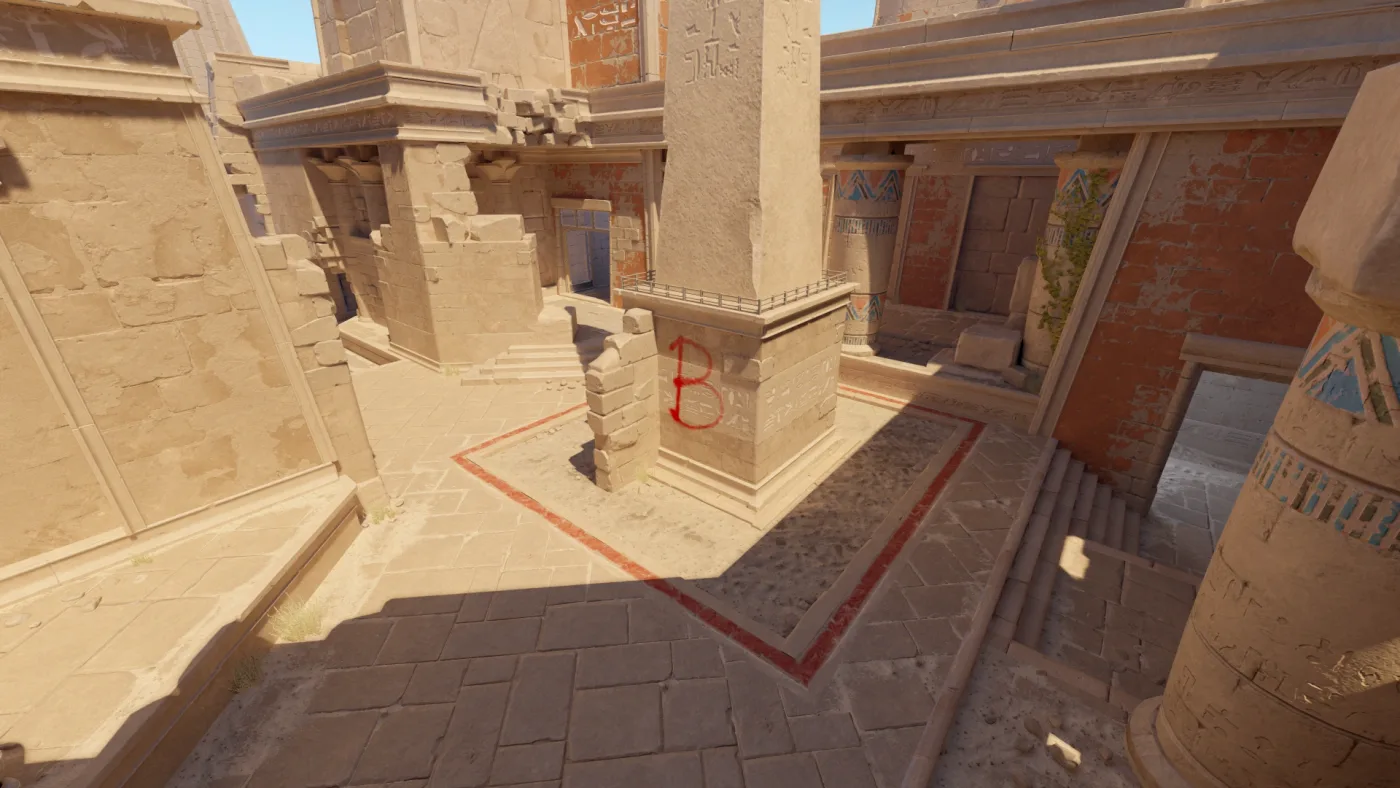
CS2 Anubis Callouts: Every Name on de_anubis
Anubis came back to Active Duty on January 21, 2026, and Valve rewired part of the map on the same day it did — a bridge drop moved, the mid doors flipped, and a hole opened between something called E-box and the back of bombsite B. E-box is not on the community callout map at all. Here is the wiki's full 47-marker set for Anubis, checked line by line against what Valve has actually written down.
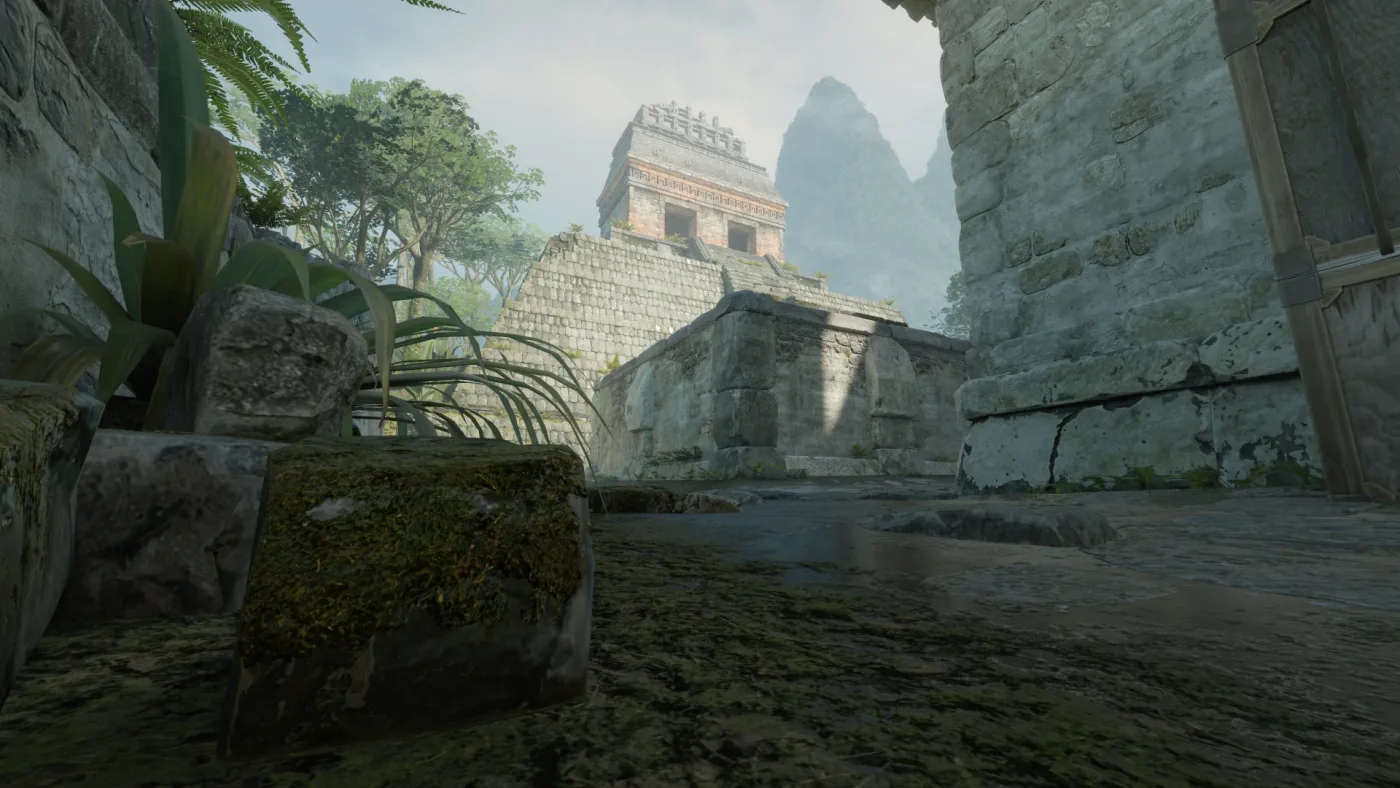
CS2 Ancient Callouts: Every Name on de_ancient
Ancient signposts its own bombsites: the site walls read PLAZA A in amber and PLAZA B in pale blue. Everything else you have to learn from other players. The Counter-Strike Wiki callout map places 30 markers on de_ancient, two of them carrying an A-site label at B-site coordinates, and its update list is at least 13 Valve patches behind. Here is the whole vocabulary, area by area, with the patch-note paper trail.
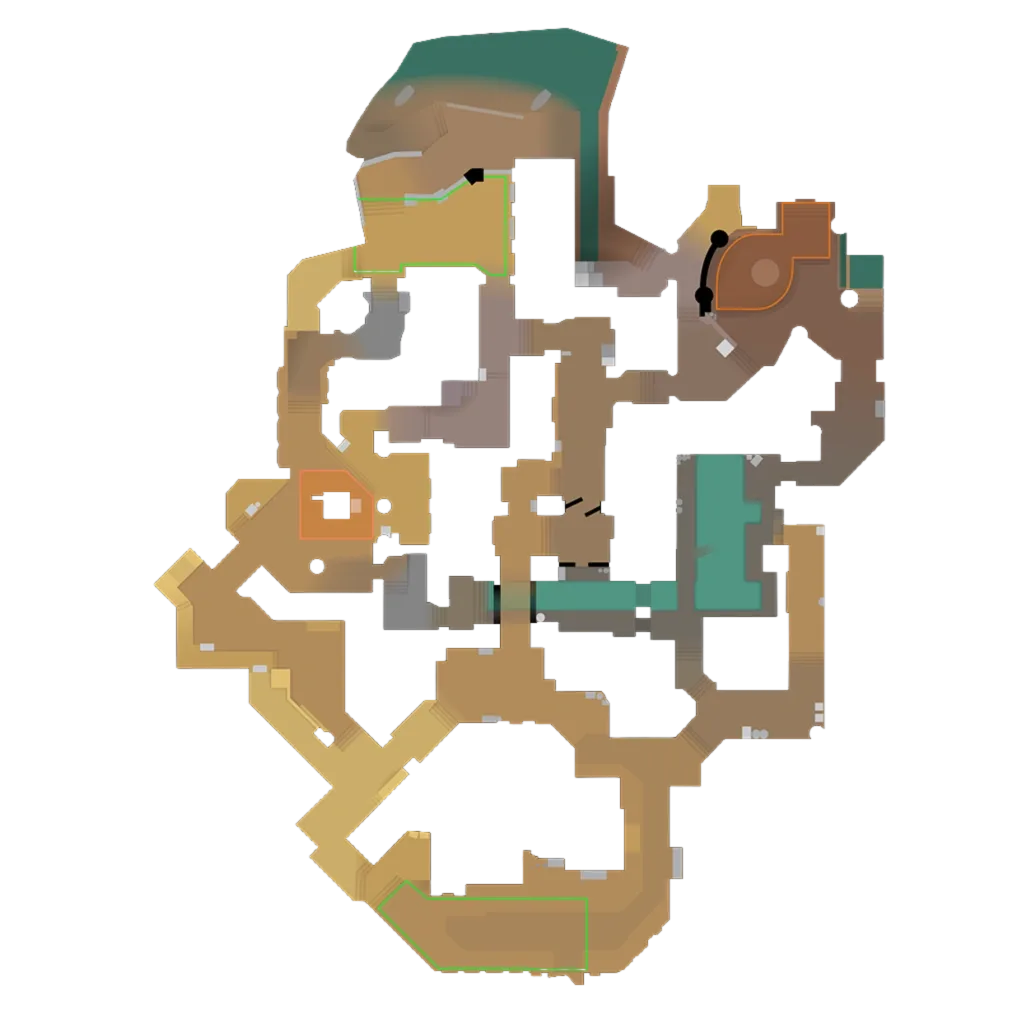
CS2 Map Pool: Every Active Duty Swap Since Launch
Counter-Strike 2 has run on seven Active Duty maps every day of its life, and Valve has changed that seven exactly five times. Every change was a straight one-in, one-out, four of the five landed on the first day of a Premier season, and you can rebuild the launch pool from the release notes alone. Here is the whole timeline, dated.
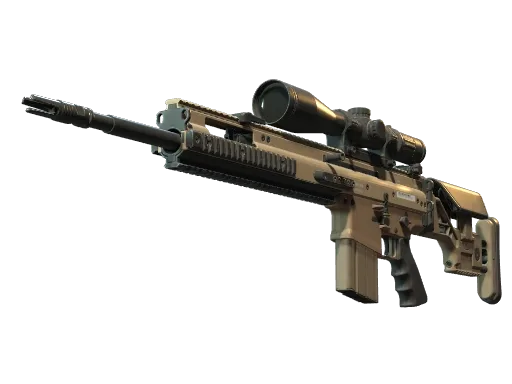
CS2 SCAR-20 vs G3SG1: The $5,000 Two-Shot Autosnipers
The SCAR-20 and G3SG1 are the same rifle in Counter-Strike 2's weapon file except for three values: reload time, recoil, and the flinch numbers behind tagging. Both cost $5,000, pay $300 a kill, kill with any two hits and one-tap a helmet at any range. Here is the pair from the game files, what March 2026 did to their ammo, and how the money compares with the AWP.
CS2 Economy Guide: Buy Rounds, Loss Bonus, and MR12
Half the rounds you lose in CS2 are lost in the buy menu, before anyone fires a shot. Here are the exact payout numbers, the loss bonus ladder, and the force-buy math that decides whether your next three rounds are winnable.
CS2 Zeus x27: Range, Recharge and the $100 Kill
The Zeus x27 does 500 damage, ignores armor completely and reaches about 120 units, roughly 2.3 metres. Since February 2024 it recharges instead of disappearing, and since April 2024 a kill pays $100. Here is the whole weapon, from Valve's release notes and the game's own files: reach, recharge, money, purchase limits by mode, and every Zeus line in CS2's release notes.