Crimson Desert Combat Guide: Parry, Counter, Watch & Learn
Crimson Desert is not a Souls game wearing a bigger map. It is closer to a fighting game, and the players bouncing off it are all making the same three mistakes.

Why Crimson Desert combat feels wrong for your first ten hours
The first time a raider slammed me into a wall outside Hernand, I did exactly what fifteen years of Souls-likes trained me to do. Roll. Wait. Poke once. Roll again. I died with my stamina bar full and my dignity somewhere in the dirt.
That is the trap. Crimson Desert looks like a Souls-like — third-person, stamina bar, big scary enemies with wind-ups — but it does not play like one. Reviewers kept reaching for the same comparison for a reason: this is closer to a fighting game than an action-RPG, with different button combinations producing genuinely different moves rather than a two-button light/heavy system with a dodge bolted on. Pearl Abyss built Kliff a movelist, not a rotation.
Once that clicks, the game stops feeling clumsy and starts feeling absurd in the best way. Until it clicks, you will spend hours convinced the combat is janky. It is not janky. You are playing it like a different game.
Here is the version of this guide I wish someone had handed me at hour one.
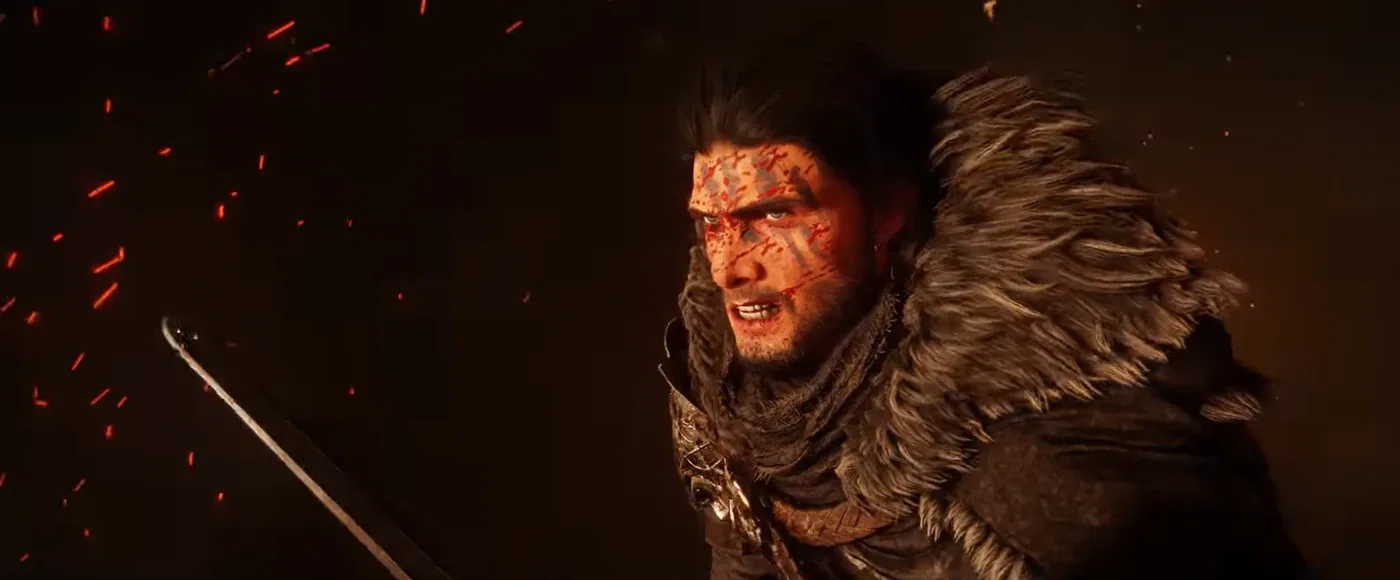
The three resources: Health, Stamina, and Spirit
Most of the early confusion comes from misreading the bars. Crimson Desert runs Kliff on three resources, and they are not interchangeable.
Health is health. Stamina covers movement and effort. Spirit is the magic-adjacent pool that pays for your flashier skills. The reason this matters is that the skill tree is colour-coded to those resources — and if you do not know which pool a skill drinks from, you will build a loadout that runs dry in the middle of every fight.
Stamina is a movement budget, not an attack budget
This is the single most useful fact in the game and almost nobody tells you: normal light attacks do not consume Stamina.
Stamina is spent on sprinting, dodging, climbing, swimming, blocking, gliding, heavy attacks, and most melee skills. Light attacks are free. That is a deliberate design choice and it completely changes how you should behave in a fight.
In a Souls-like, a full stamina bar is permission to attack. In Crimson Desert, a full stamina bar is permission to move. Your light-attack string is the thing you fall back on when the bar is low, not the thing that drains it. If you find yourself out of stamina mid-boss and panicking, the answer is usually that you have been spamming heavies and dodges when a free light string would have kept pressure on.
Blocking has a second wrinkle: it drains Stamina in proportion to the damage absorbed, and if the bar empties while you are holding block, Kliff staggers and eats the follow-up. Turtling against a heavy-hitter is not a defensive strategy, it is a delayed death.
Spirit is your skill currency
Spirit is the pool your green-branch skills pull from. It is finite, it does not refill as generously as Stamina, and the fastest way to top it up mid-fight is not a potion.
It is a parry. Which brings us to the actual point of this guide.
Parry: the green flash that pays you back
Parry is available to Kliff from the start — you do not unlock it, you just have to learn to use it. Press guard right as an enemy attack is about to land. Time it correctly and the game gives you unmistakable feedback: a brief slowdown and a green flash around your character.
That green flash is the confirmation signal for the entire defensive system, and it shows up again on perfect dodges. Train your eye to it. If you are not seeing green, you are not parrying, you are blocking — and blocking costs Stamina while parrying refunds it.
Because that is the real payoff. A successful parry does three things at once:
- Negates the damage without the Stamina bleed that blocking causes.
- Instantly regenerates both Stamina and Spirit. This is your primary resource economy. Skilled play is not "manage your bars carefully," it is "parry more."
- Fills the enemy's stagger meter. Stack enough parries and the enemy is stunned outright, which opens the window where your expensive combos actually land uninterrupted.
That third point is the one that reframes boss fights. You are not chipping a health bar down over eight minutes. You are farming parries to force a stagger, then dumping everything you have into the stun window. Damage in Crimson Desert is bursty and conditional, and the condition is defensive competence.
Counter: parry's meaner sibling
Once you are hitting parries consistently, the upgrade is Counter — unlocked at Keen Senses Level 3 in the skill tree.
Counter is not a defensive input. Instead of guarding as the attack lands, you attack at the exact moment the enemy strikes. Land it and Kliff neutralises the incoming attack and deals damage in the same beat. The timing window is noticeably tighter than parry, which is the tradeoff.
Keen Senses is the parent node for the whole defensive suite — Counter, plus parry and dodge refinements hang off it. If you are wondering where to sink early Abyss Artifacts, this is a defensible answer: Keen Senses improves the thing you will do ten thousand times, and it gates the mechanic that makes aggressive play viable.
Practical framing: use parry as your default, use Counter when you have an enemy's rhythm memorised. Against a boss you have fought three times, Counter. Against a new mob type, parry until you know the timings.
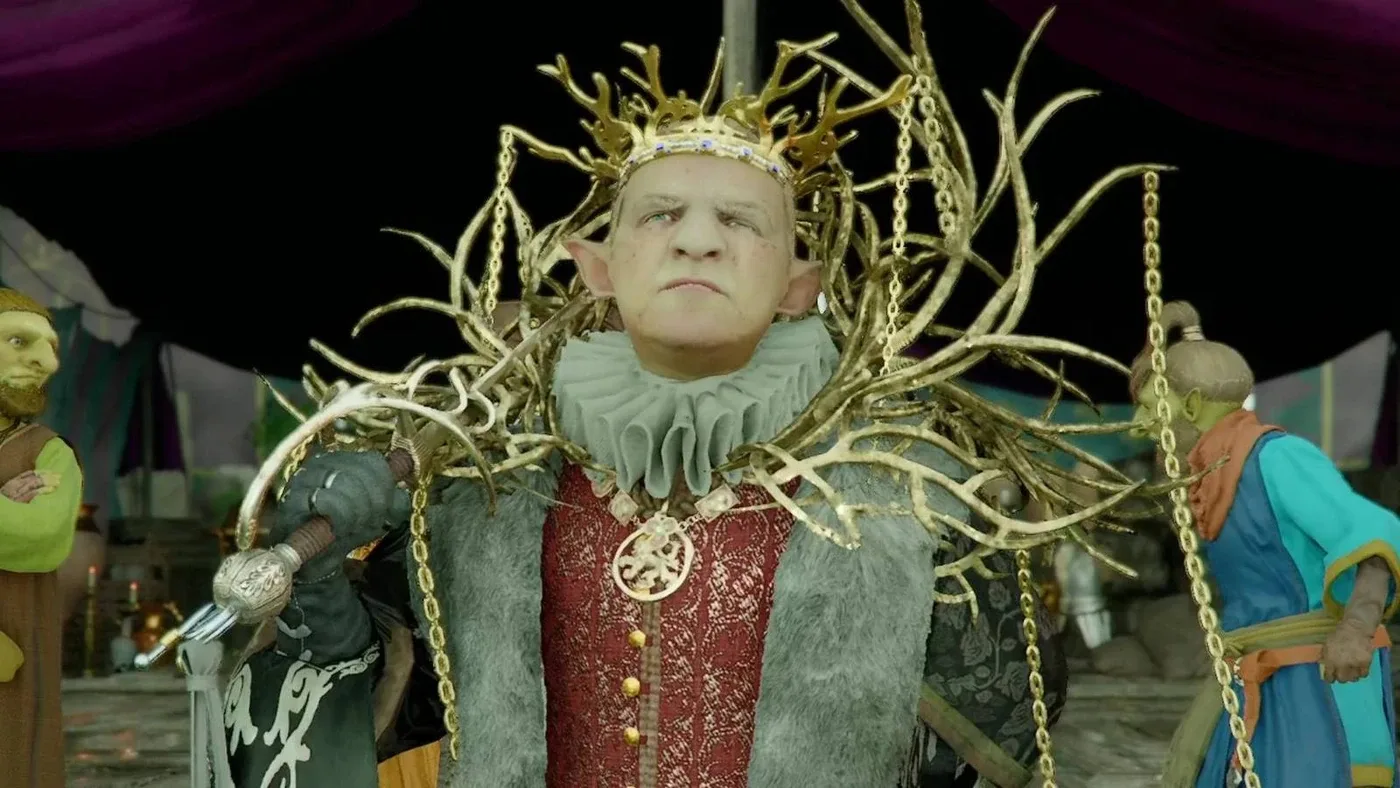
Red attacks and why parrying them gets you killed
Here is where a lot of new players die repeatedly without understanding why.
Some attacks glow red. Red attacks cannot be parried. They are used most often by bosses, and if you throw out your normal parry input against one, you eat the hit, lose the Stamina, and hand the boss a free follow-up.
The answer to red is Perfect Dodge. Press evade at the last possible moment after the enemy commits, and you get the same green flash confirmation — the game is consistent about telling you when your defensive timing was correct.
So the read is binary and you have to make it fast:
- Normal attack (no glow): parry, or counter if you know it.
- Red glow: perfect dodge. Do not touch the guard button.
This is the mechanical skill ceiling of Crimson Desert's combat in one sentence. Everything else is decoration. Players who can hold that distinction under pressure clear content that stonewalls everyone else, regardless of the gear and Abyss Core sockets they are running.
Watch and Learn: free skills from the people trying to kill you
This is the most interesting system in the game and it is easy to miss entirely.
When an enemy performs a skill Kliff does not know but could know, the game flags it: time slows and the enemy glows blue. That is the Watch and Learn trigger. Survive the fight while they repeat the move — generally a couple of times — and Kliff learns it. For free.
Two reasons to care:
It saves Abyss Artifacts. Artifacts are the upgrade currency for the skill tree, earned through combat, exploration, quests, bosses, and puzzles. Every skill you absorb by watching is a skill you did not have to buy. Early on, when Artifacts are scarce, this is a meaningful economy.
Some skills are only obtainable this way. Not everything in Kliff's kit is purchasable. Certain abilities are acquired purely through observation, whether from enemies or from specific story sequences.
The behavioural change: when an enemy starts glowing blue, stop killing them. Every instinct you have says burst them down while they are telegraphing. Resist it. Let the fight run, let them show you the move again, then finish. A trash mob that teaches you a skill is worth more than the loot from three that did not.
This is also the best argument for fighting things you could have avoided. Crimson Desert's world is enormous and skipping encounters is easy, but a player who engages varied enemy types ends up with a materially larger movelist than one who beelines objectives.
Reading the skill tree by color
Kliff's skill tree is organised by which resource a skill consumes, and the colour coding is the fastest way to read it at a glance:
- Blue skills consume Stamina.
- Red skills consume Health.
- Green skills consume Spirit.
Yes, red skills cost you health. That is not a bug, it is a risk-reward branch, and it is exactly the kind of thing you want to know before you commit points.
The tree covers more ground than most players expect. Melee is only one branch — there is ranged combat (Marksmanship, and variants like Evasive Shot, Multishot and Charged Shot), grappling (which opens up throws, lariats and giant swings), unarmed combat with kicks and takedowns, Axiom Force abilities for aerial manoeuvres, defensive nodes under Keen Senses, and elemental work through Imbue Elements.
The grappling branch deserves a specific callout because it is the thing that most separates Crimson Desert from its obvious comparisons. Kliff can switch weapon types freely, mix unarmed grabs directly into weapon combos, and layer elemental effects onto attacks in real time. That is the fighting-game DNA. A player who only ever presses light-light-heavy is using maybe a third of the character.
Most skill enhancements cost at least one Abyss Artifact, with higher levels opening sub-branches and proficiency upgrades. Spend deliberately. Broad and shallow is worse than narrow and deep in the early chapters.
The five habits that fix your combat
If you take nothing else from this, take these.
1. Watch for the glow, not the animation. Green means your defensive timing was right. Red means do not parry. Blue means a free skill is on offer. The game is talking to you in colour.
2. Treat Stamina as movement, not damage. Light attacks are free. When the bar is low, keep pressure with light strings instead of standing still to regenerate.
3. Parry for resources, not just for safety. Parries refund Stamina and Spirit and build stagger. Your economy problem is a parry problem.
4. Let blue-glowing enemies live. A skill you learn for free is worth more than the two seconds you saved by bursting them.
5. Buy Keen Senses early. It gates Counter and refines parry and dodge — the three inputs you will use for the entire game.
Give it ten hours with those habits and the combat that felt stiff will start feeling like the best thing in the game. That is not hyperbole on my part; it is roughly the consensus arc in the review coverage, where multiple critics described combat as the thing carrying them through the campaign's rougher patches, and one called it the best combat system in an open-world game to date. It just takes a while to earn.
Once your fundamentals are solid, the next thing gating your damage is the socket system — see our Abyss Cores build guide. And if you want somewhere to practise these timings while seeing the world, the Pywel exploration guide covers where the interesting enemy variety lives.
Quick Action Checklist
- Learn the green flash. It confirms both parry and perfect dodge.
- Never parry a red-glowing attack. Perfect dodge instead.
- Remember light attacks cost no Stamina. Use them when the bar is low.
- Stop killing enemies that glow blue until they repeat the move.
- Put early Abyss Artifacts into Keen Senses to unlock Counter at Level 3.
- Check a skill's colour before buying it: blue costs Stamina, red costs Health, green costs Spirit.
- Do not hold block against heavy hitters. Empty Stamina while blocking means a stagger.
- Farm parries to force a stagger, then dump your combo in the stun window.
- Fight varied enemy types deliberately. Enemy variety equals movelist size.
- Use the grappling and unarmed branches. Weapon-only play wastes most of Kliff's kit.
Frequently Asked Questions
Do light attacks use stamina in Crimson Desert?
How do you parry in Crimson Desert?
Why can I not parry some attacks in Crimson Desert?
What is the Watch and Learn system in Crimson Desert?
What is the difference between Stamina and Spirit in Crimson Desert?
Keep Reading
Related Guides
Crimson Desert Boss Rematch: Reminisce vs Resonate
Beat a boss once and its Memory Fragment lets you fight it again, as any of the three characters, in one of two modes. Here is how Rematch works, why it pays nothing, and what 1.07.00 and 1.13.00 moved.
Crimson Desert 2.0 Reset Your Skills: Abyss Link Explained
The Enhanced update shipped on August 25 and the first thing it did was empty your skill tree. That is not a bug — Pearl Abyss rebuilt the skill economy around a new resource called Abyss Link, refunded everything you had spent, and made resets per-character. Here is the new arithmetic, and the eight skills Kliff can now buy.
Is Crimson Desert a Sequel to Black Desert Online?
It started as a Black Desert Online prequel, shipped as something else entirely, and Pearl Abyss has been fairly clear about the split. Here is the confirmed version.
Crimson Desert Fishing Guide: Rods, Legendary Fish, Pond
Crimson Desert fishing in one place: how to learn it, the four rods and how to get each, the spots two guides agree on, all five legendary fish, the camp pond, and the May patch that made legendary fish unsellable while a March guide still lists a sell price for them.
Crimson Desert Achievements: All 34, Rarity and Missables
Five of Crimson Desert's 34 achievements come from the story and camp. The other 29 each ask for a whole family of Challenges. Here is every one with its Steam unlock rate, the Sealed Abyss Artifact rule, and the missables list rechecked against Pearl Abyss's patch notes.
Crimson Desert Re-Blockade: How to Stop Forts Being Retaken
Enemies back on a fort you cleared weeks ago is not a bug. It is Re-blockade, switched on by default since May. Here is how the setting, Protection and the 1.10.00 stages actually work.