Crimson Desert Abyss Cores Guide: Sockets and Build Order
Crimson Desert hides its real build system behind five chapters of story. Once Elowen opens the workshop, socket costs decide your power curve — here is how to spend.
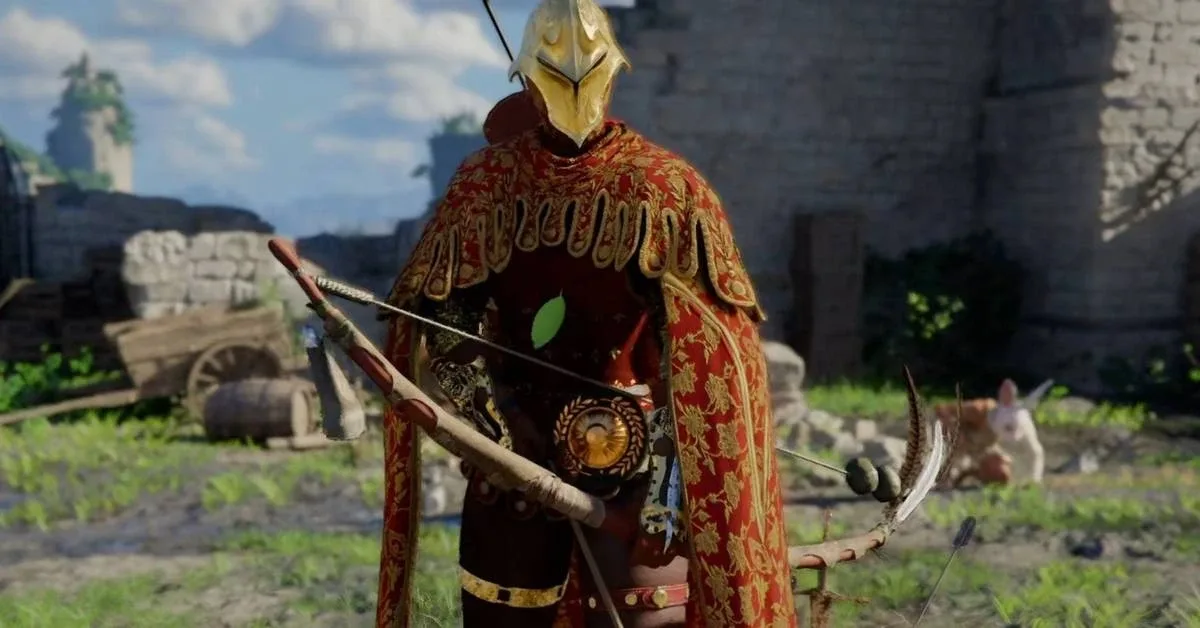
The build system is locked behind five chapters of story
There is a moment in Crimson Desert, somewhere north of twenty hours in, where the game finally shows you its actual progression system — and a lot of players have already formed an opinion about the game by then.
That is the structural problem with Abyss Cores. They are the closest thing Crimson Desert has to a real build system, the thing that turns Kliff from a guy with a sword into a guy with a build, and the game does not hand them over until you have cleared Chapter 5. Reviewers noticed. More than one review landed on the same observation: the combat is excellent but it takes many hours, a pile of Abyss Cores, and a spread of unlocked abilities before it truly clicks.
So if you are twelve hours deep wondering why your damage feels flat and your gear feels interchangeable — it is not you. The system that makes gear matter has not opened yet.
Here is how it works, and more importantly, how to spend into it without setting your silver on fire.
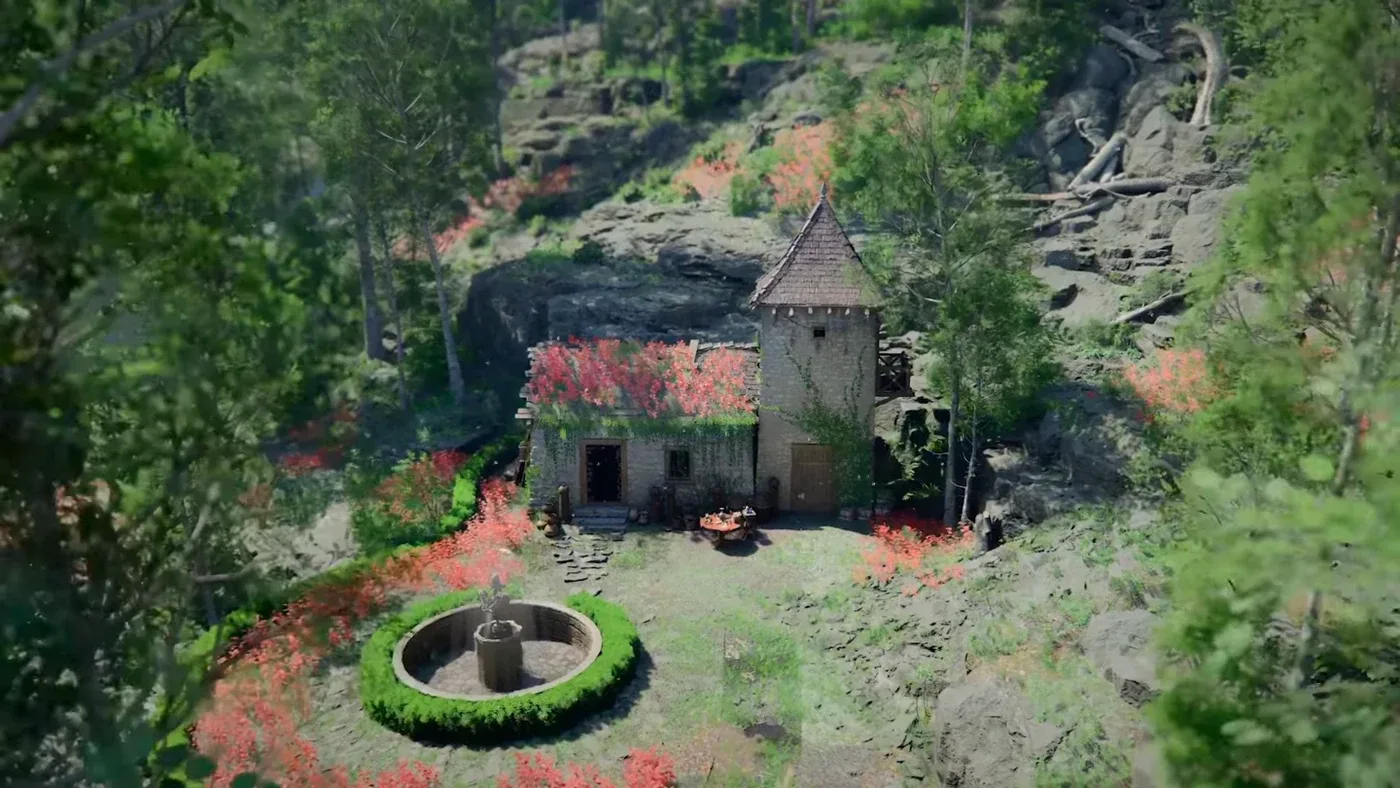
How to actually unlock Abyss Cores
The chain is specific and there is no way to skip it.
- Complete Chapter 5, "Guest Unbidden." This is the gate. Nothing about the core system is available before it.
- Start the Witch of Wisdom faction questline, which becomes available once that chapter is done.
- Meet Elowen during the first Witch of Wisdom quest. She is the NPC who runs the workshop and handles every core-related service in the game — socket creation, embedding, extraction, and synthesis.
Elowen's workshop is your single point of contact for the whole system. There is no field crafting, no menu-based socketing from your inventory. If you want to change your build, you go see the witch.
One practical consequence: do not rush past the Witch of Wisdom questline once it opens. It is presented like a faction side-thread among many, and Crimson Desert has a lot of those competing for your attention. This one is not optional in any meaningful sense. It is the tutorial for the mechanic that carries the back half of the game.
Sockets are the real currency
Here is the thing that reframes the entire system once you understand it.
Cores are not the bottleneck. Sockets are.
Embedding a core into a socket costs nothing. Extracting a core costs nothing. You can swap your entire configuration as often as you like, for free, forever. What costs money is creating the socket in the first place, via the Create Socket option in Elowen's workshop — and socket costs escalate with each additional socket you add to a piece of gear.
That escalation is the whole game. Your first socket on an item is cheap. Your fifth is not. And since the cost curve is per-item, spreading sockets thinly across every piece of gear you own is dramatically more expensive per unit of power than concentrating them.
The socket caps that decide your build order
Each equipment type has a hard ceiling on how many sockets it can hold, and these numbers should drive your spending:
| Equipment type | Max sockets |
|---|---|
| Two-handed weapon | 5 |
| Ranged weapon | 5 |
| One-handed weapon | 3 |
| Body armor | 3 |
| Head, off-hand, gloves, boots | 1 to 2 each |
Read that table as a spending priority list, because that is what it is. A two-handed weapon holds nearly three times the cores of your boots. If you are running a two-hander build, the weapon is where concentrated investment pays, and the small slots are where you take the cheap first socket and stop.
What you cannot socket
Cloaks and accessories cannot take cores at all. Not "they have fewer slots" — they are outside the system entirely.
This matters for how you evaluate loot. A cloak or accessory is worth exactly its base stats and nothing more, which makes those slots far more straightforward to optimise. Do not sit on a mediocre cloak hoping to make it work with cores later. It will never happen.
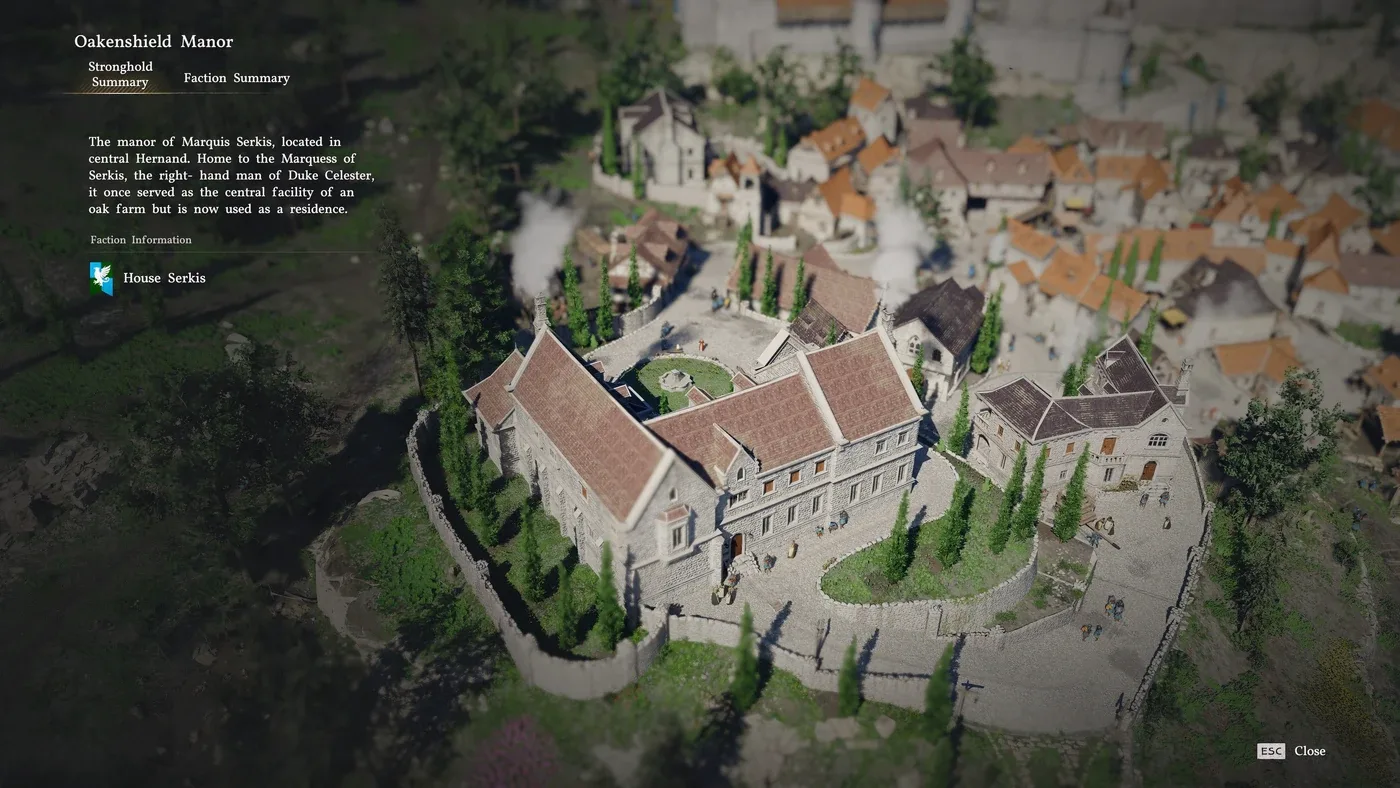
Embedding and extraction are free, so stop hoarding
I watched a friend sit on eleven cores for six hours because he was "saving them for better gear."
Do not do this. Since extraction is free, there is no downside to running a core the moment you get it. If you find better gear tomorrow, you pull the core out at zero cost and move it over. The only thing hoarding accomplishes is denying yourself several hours of stat bonuses you already own.
The same logic applies in reverse to experimentation. Because swapping costs nothing, Abyss Cores are the one part of Crimson Desert's progression where you should be aggressively willing to try things. Committed to a defensive setup and hit a boss that punishes it? Pull everything, reconfigure for damage, go again. The system is built to permit this and most players never use the flexibility.
The only irreversible spend in the entire system is socket creation. Everything downstream of that is a sandbox.
Where cores actually come from
Four sources, and they are not equally efficient:
Boss drops. The most reliable source of high-value cores. Bosses in Crimson Desert are hand-built encounters and they pay accordingly.
Extraction from enemy equipment. You can strip cores off enemies — and this is guaranteed if you disarm them with a shield bash. More on that in a second, because it is the most underused farming technique in the game.
Challenge rewards. The world is dense with optional objectives that pay out cores.
Crafting and synthesis through Elowen. She can create cores from Abyss Cells plus specific stones and insects. Yes, insects. Crimson Desert runs fishing, hunting, cooking and crafting systems alongside the combat, and they feed into this. The hunting and gathering you dismissed as filler is a core supply line.
Shield bash is a farming tool
This deserves its own heading because almost nobody treats it this way.
Shield bash disarms enemies, and a disarmed enemy's equipment can be extracted from guaranteed. Not a drop chance. Guaranteed.
That converts shield bash from a situational stagger tool into a farming input. If you are fighting a well-equipped enemy type and you want their gear, the play is not to kill them efficiently — it is to disarm them first, then kill them. It costs a few seconds per enemy and it turns a random loot roll into a deterministic one.
Build the habit early. Over a full playthrough the difference in core volume between a player who bashes and a player who does not is not subtle.
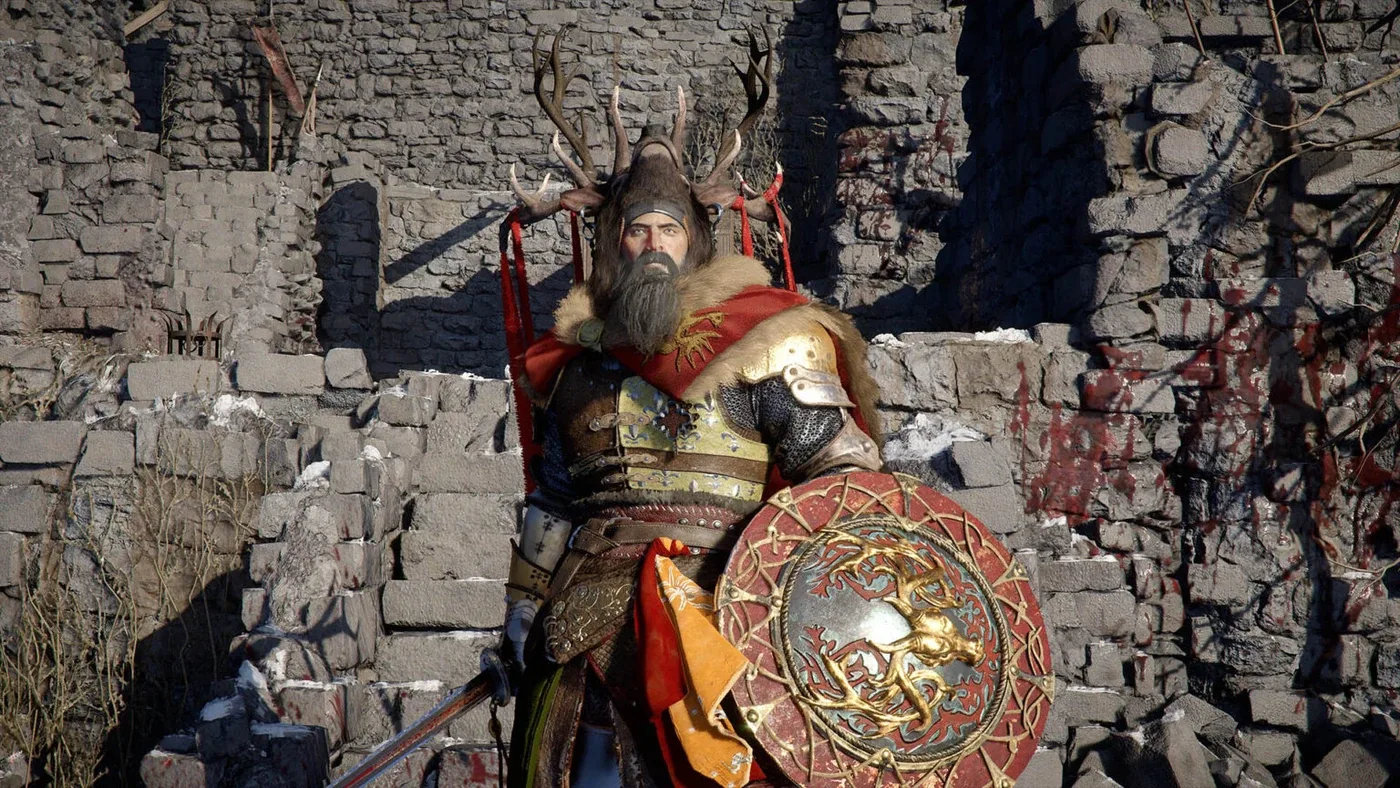
A build order that does not waste silver
Putting the above together into an actual sequence:
Step 1 — Socket your main weapon first, and go deep. Whatever weapon you actually use, this is where sockets convert to power most efficiently. If it is a two-hander or a ranged weapon, you have five slots to work toward. Buy them in order and do not stop at two.
Step 2 — Take the cheap first socket on every small slot. Head, gloves, boots and off-hand cap at one or two. That first socket is at the bottom of the cost curve. Buy it everywhere. Do not buy the second one yet.
Step 3 — Body armor to two sockets, then reassess. Body armor holds three, but the third is priced like a weapon socket without the weapon's damage scaling behind it. Two is the efficient stopping point until silver stops being scarce.
Step 4 — Cover survivability and damage before anything exotic. Get your defensive and offensive fundamentals socketed before you start chasing situational effects. A flat damage reduction core working in every fight beats a status-effect core that shines in one.
Step 5 — Only then go hunting for niche cores. Status effects, unusual actives, build-defining oddities. These are real and they are fun, but they are a luxury purchase and they perform badly as a foundation.
Step 6 — Revisit everything when you find a new weapon. Extraction is free. When you upgrade weapons, pull the cores, and remember the sockets do not transfer — the new weapon needs its own. Factor that cost in before you swap weapons late in the game. A slightly worse weapon with five sockets can beat a slightly better weapon with zero.
That last point catches people out constantly. Weapon upgrades in Crimson Desert are not free — the sticker price is the silver you spend re-socketing.
The mistakes that cost people their first hundred thousand silver
Socketing everything the day you unlock the witch. The most common one. You get access to a shiny new system and immediately buy sockets across your whole loadout. Because costs escalate per item and cores are limited early, you end up with a lot of empty holes and no silver. Go narrow first.
Buying high-tier sockets on body armor before the weapon is maxed. Damage scales with your weapon. Body armor does not carry an Attack stat — gloves and footwear do, but their Attack only applies to unarmed punches and kicks, so the chest piece you are tempted to socket first buys you no weapon damage at all.
Chasing a niche core before the basics are covered. A core that inflicts an interesting status is not a substitute for reliable damage and survivability. Foundation first.
Forgetting sockets do not transfer with cores. Cores move for free. Sockets are property of the item. Plan weapon swaps around this.
Ignoring synthesis. If you have been skipping the hunting and gathering systems entirely, you are cutting yourself off from Elowen's crafting options. The insects are not a joke.
How cores change the combat loop
Worth saying plainly: this system does not just make your numbers bigger. Some cores grant abilities, not stats — sweeping area attacks and similar actives that add options to Kliff's kit rather than multiplying existing ones.
That interacts directly with what makes Crimson Desert's combat interesting in the first place. The game already lets you switch weapon types freely, mix unarmed grapples into weapon strings, and layer elemental effects onto attacks in real time. Cores extend the movelist further. A properly socketed Kliff is not a stronger version of an unsocketed one; he has more answers.
Which is exactly why the Chapter 5 gate stings. The version of the game most people bounce off is the version without this system running. If you are on the fence, the honest advice is to push through to the Witch of Wisdom questline before you decide — the fundamentals covered in our combat guide will carry you there, and there is plenty of world worth seeing along the way in our Pywel exploration guide.
Quick Action Checklist
- Clear Chapter 5, "Guest Unbidden," then start the Witch of Wisdom questline immediately.
- Find Elowen. Her workshop is the only place cores can be managed.
- Remember embedding and extraction are free. Only socket creation costs silver.
- Socket your main weapon first and work toward its cap of 5 (two-handed or ranged) or 3 (one-handed).
- Buy the cheap first socket on head, gloves, boots and off-hand, then stop.
- Take body armor to two sockets before considering the third.
- Do not plan around cloaks or accessories. They cannot be socketed at all.
- Shield bash to disarm enemies before killing them for guaranteed equipment extraction.
- Run every core you own immediately rather than saving them for future gear.
- Cover survivability and damage fundamentals before chasing status-effect or niche cores.
- Budget for re-socketing before committing to a late-game weapon swap.
- Feed Elowen's synthesis with hunting and gathering materials instead of skipping those systems.
Frequently Asked Questions
How do you unlock Abyss Cores in Crimson Desert?
How many sockets can each item hold in Crimson Desert?
Does it cost anything to swap Abyss Cores?
Where do Abyss Cores drop in Crimson Desert?
Do sockets transfer when you change weapons in Crimson Desert?
Keep Reading
Related Guides

Crimson Desert 2.0 Reset Your Skills: Abyss Link Explained
The Enhanced update shipped on August 25 and the first thing it did was empty your skill tree. That is not a bug — Pearl Abyss rebuilt the skill economy around a new resource called Abyss Link, refunded everything you had spent, and made resets per-character. Here is the new arithmetic, and the eight skills Kliff can now buy.
Crimson Desert Armor Guide: Refinement, Sets and Stats
The weapons guide covered the six slots you swing. This covers the five you wear — with the actual Defense and Attack numbers from +0 to +10, the material bill at every step, the 30 Abyss Artifacts a full loadout quietly costs you, and why the tier badge on a piece does not predict its defence.
Crimson Desert Chapters and How Long It Takes to Beat
Crimson Desert withholds its build system until Chapter 5 and its real ending until long after the credits. Here is the full chapter map, the honest hour count, and where the gates actually sit.
Crimson Desert Weapons Guide: Every Weapon Type and What It Is Actually For
Crimson Desert lets you carry six things at once and then never mentions it again. Here is what each weapon category is genuinely good at, and why the sword you started with is not the problem.
Crimson Desert Combat Guide: Parry, Counter, Watch & Learn
Crimson Desert is not a Souls game wearing a bigger map. It is closer to a fighting game, and the players bouncing off it are all making the same three mistakes.

Crimson Desert Achievements: All 34, Rarity and Missables
Five of Crimson Desert's 34 achievements come from the story and camp. The other 29 each ask for a whole family of Challenges. Here is every one with its Steam unlock rate, the Sealed Abyss Artifact rule, and the missables list rechecked against Pearl Abyss's patch notes.