Best Elden Ring Starting Class: All 10 Origins Ranked
Every Elden Ring origin has exactly the same number of attribute points for its level — the only thing you are really choosing is where those points sit and what gear you get for free. Here is what that actually means for your first twenty hours.
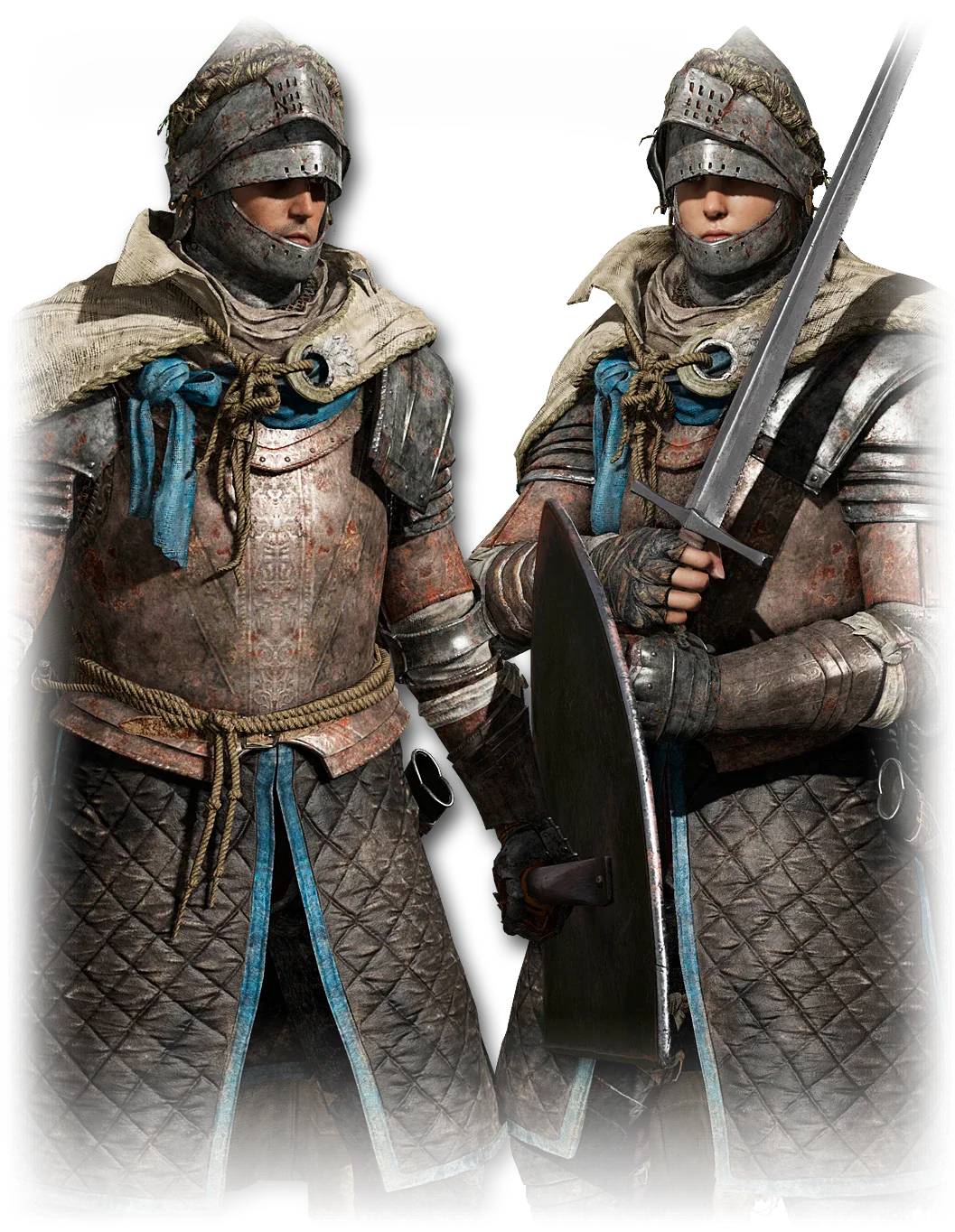
The Vagabond starts with 522 HP. The Astrologer starts with 396. That is a 126-point gap in a game where Margit's charged overhead will remove roughly a third of your health bar in one swing, and it is the single most honest argument anyone can make about which Elden Ring class is "best."
But it is also, over a full playthrough, almost meaningless. Because by hour thirty both of those characters can be level 90 with 40 Vigor and identical HP, wielding whatever they want. The starting class question is really a question about the first fifteen hours — the stretch where you cannot afford a wasted level and every point of survivability is load-bearing.
So that is how this is ranked: how good is this origin at getting you through Limgrave and Stormveil. Not "which class is strongest at level 150," because the answer to that is "all of them, identically."
Your class is a starting position, not a class
Elden Ring does not have classes in the RPG sense. Nothing is locked. A Vagabond can cast Comet Azur. A Prophet can two-hand a Greatsword. There are no skill trees, no gated abilities, no respec penalties beyond the finite supply of Larval Tears. What you pick during Character Creation is three things:
- A starting level, which ranges from 1 (Wretch) to 10 (Confessor).
- A stat distribution across Vigor, Mind, Endurance, Strength, Dexterity, Intelligence, Faith, and Arcane.
- A free gear package — weapons, armor, a shield, and in some cases a catalyst and starting spells.
Number three is quietly the most impactful and almost nobody talks about it. The Astrologer's Glintstone Pebble is a functioning ranged attack from minute one. The Vagabond's Halberd and Heater Shield let you turtle through content that will otherwise kill you. The Wretch has a club.
Every origin is the same pile of points
Here is the falsifiable claim that reframes the whole discussion: every origin in Elden Ring has exactly 79 attribute points plus its starting level. Not roughly. Exactly.
Check it yourself. The Vagabond starts at level 9 with 15/10/11/14/13/9/9/7 — that sums to 88, which is 79 + 9. The Wretch starts at level 1 with straight 10s across the board, which sums to 80, which is 79 + 1. The Confessor is level 10 and sums to 89. There is no free lunch and no trap option; FromSoftware balanced this to the point.
| Origin | Lv | Vig | Mind | End | Str | Dex | Int | Fai | Arc | HP |
|---|---|---|---|---|---|---|---|---|---|---|
| Vagabond | 9 | 15 | 10 | 11 | 14 | 13 | 9 | 9 | 7 | 522 |
| Warrior | 8 | 11 | 12 | 11 | 10 | 16 | 10 | 8 | 9 | 434 |
| Hero | 7 | 14 | 9 | 12 | 16 | 9 | 7 | 8 | 11 | 499 |
| Bandit | 5 | 10 | 11 | 10 | 9 | 13 | 9 | 8 | 14 | 414 |
| Astrologer | 6 | 9 | 15 | 9 | 8 | 12 | 16 | 7 | 9 | 396 |
| Prophet | 7 | 10 | 14 | 8 | 11 | 10 | 7 | 16 | 10 | 414 |
| Samurai | 9 | 12 | 11 | 13 | 12 | 15 | 9 | 8 | 8 | 455 |
| Prisoner | 9 | 11 | 12 | 11 | 11 | 14 | 14 | 6 | 9 | 434 |
| Confessor | 10 | 10 | 13 | 10 | 12 | 12 | 9 | 14 | 9 | 414 |
| Wretch | 1 | 10 | 10 | 10 | 10 | 10 | 10 | 10 | 10 | 414 |
What the table really tells you is which origin wastes the fewest points on stats your build will never touch. A Strength build starting as an Astrologer carries 16 Intelligence it will never use — roughly seven levels of dead weight it cannot recover without a Larval Tear.
The two stats that decide your first ten hours
Vigor and Endurance. That is the whole early game.
Vigor drives HP, and the numbers are steep where it counts. At 15 Vigor you have 522 HP. At 30 you have 994. At 40 — the first soft cap, after which gains fall off hard — you have 1,450. Going from 15 to 30 nearly doubles your health bar for fifteen levels, which in Limgrave is genuinely affordable. Almost every "this boss is impossible" complaint from a new player is a Vigor problem wearing a boss's face.
Endurance governs stamina, Equip Load, and Robustness (resistance to Hemorrhage and Frostbite). Stamina soft caps at 15, 30, and 50; Equip Load at 25 and 60. Robustness gains do not start until 31 Endurance, so early points here are purely about how many swings you get and whether you can wear armor without fat-rolling.
The origins that start higher in these two — Vagabond at 15 Vigor, Hero at 14, Samurai at 13 Endurance — are handing you free levels of the thing you were going to buy anyway.
The most common mistake I see in first playthroughs is dumping ten levels into Strength or Intelligence before touching Vigor because the damage number goes up. Damage is not what kills you. Getting one-shot is what kills you.
All ten origins ranked
Ranked for a blind or semi-blind first playthrough. If you are on your fourth run and know exactly where the Meteorite Staff is, ignore all of this and pick whatever looks coolest.
S-tier — Vagabond, Astrologer, Samurai
Vagabond. The highest starting Vigor in the game at 15, plus 14 Strength and 13 Dexterity — a stat line that can pick up basically any early melee weapon and use it. It comes wearing real armor with a Halberd, a Longsword, and a Heater Shield at 100% physical block. It is the "the game will stop bullying you" option, and there is no shame in it.
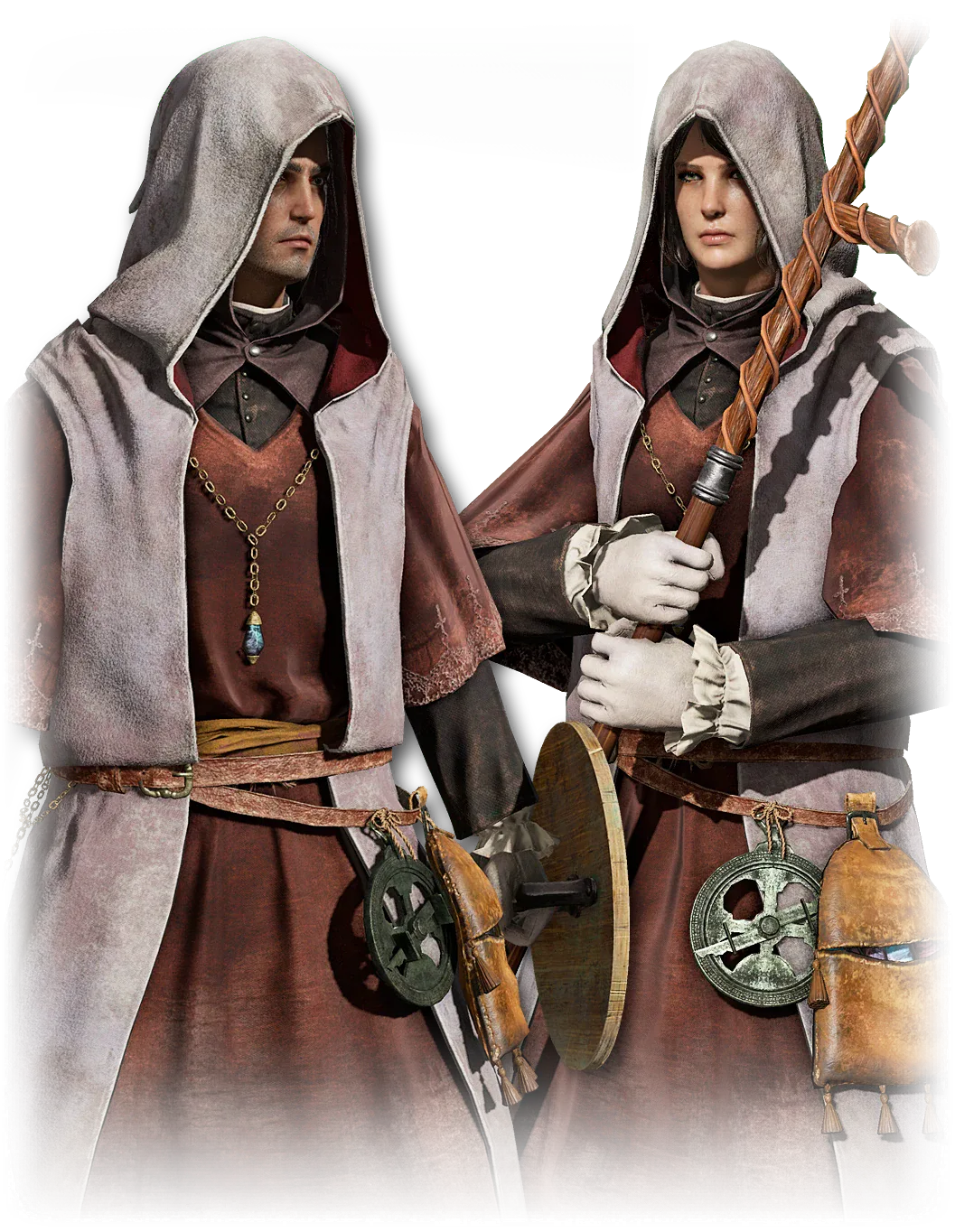
Astrologer. The strongest opening in the game if you are willing to play at range. 16 Intelligence, 15 Mind, and Glintstone Pebble lets you kill things from across a courtyard while melee players learn Margit's dagger toss the hard way. The catch is real: 396 HP is the lowest in the game and 9 Endurance means fat-rolling in anything heavier than a robe. Sorcery is not easy mode, it is a different mode.
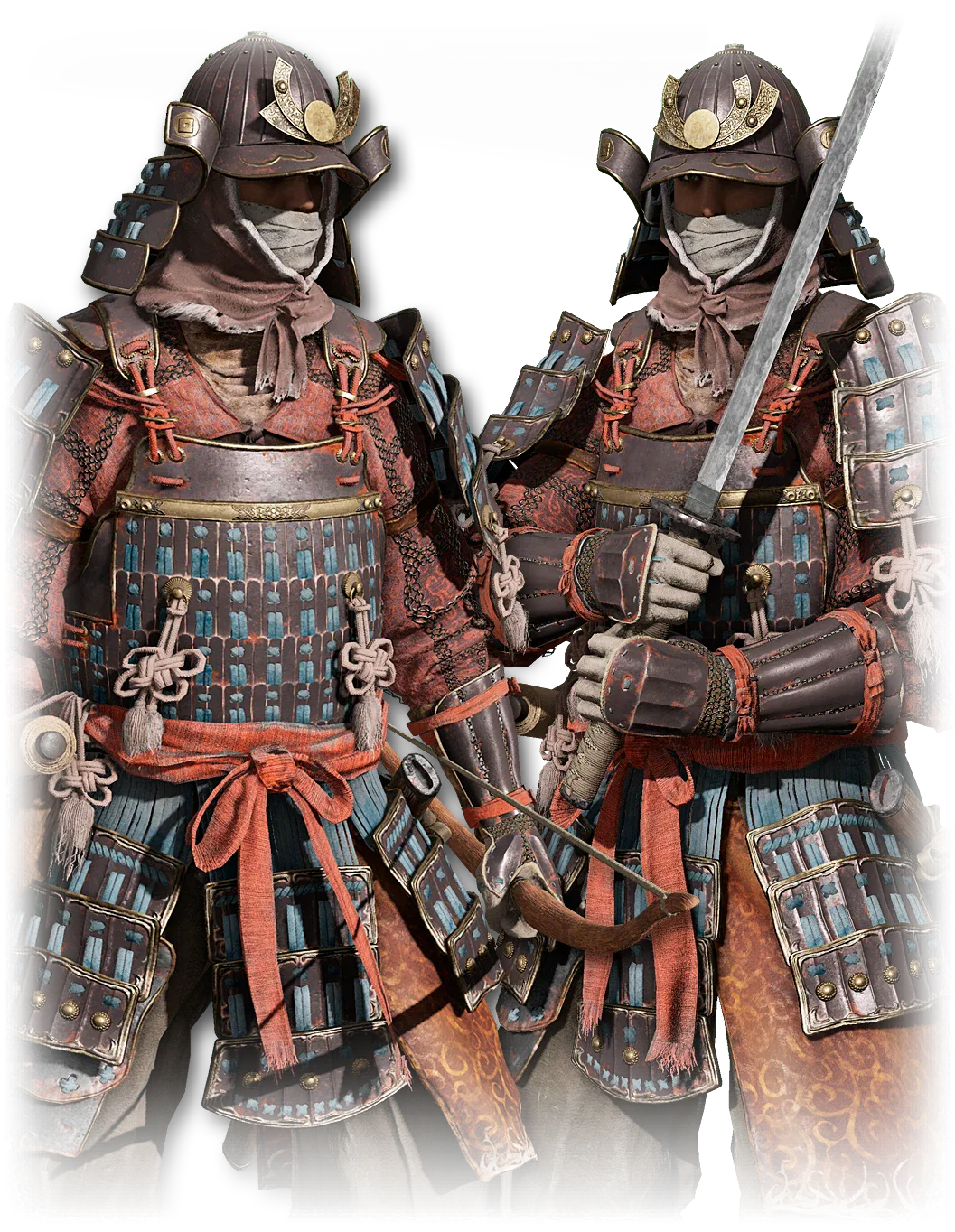
Samurai. The best-designed starting package in the game, full stop. The Uchigatana has the Unsheathe skill and innate Blood Loss buildup, the Longbow gives you free pulls on every dangerous group in Limgrave, and 12 Vigor / 13 Endurance is a comfortable body. If someone asks for one answer with no follow-up questions, it is Samurai.
A-tier — Confessor, Prisoner, Bandit
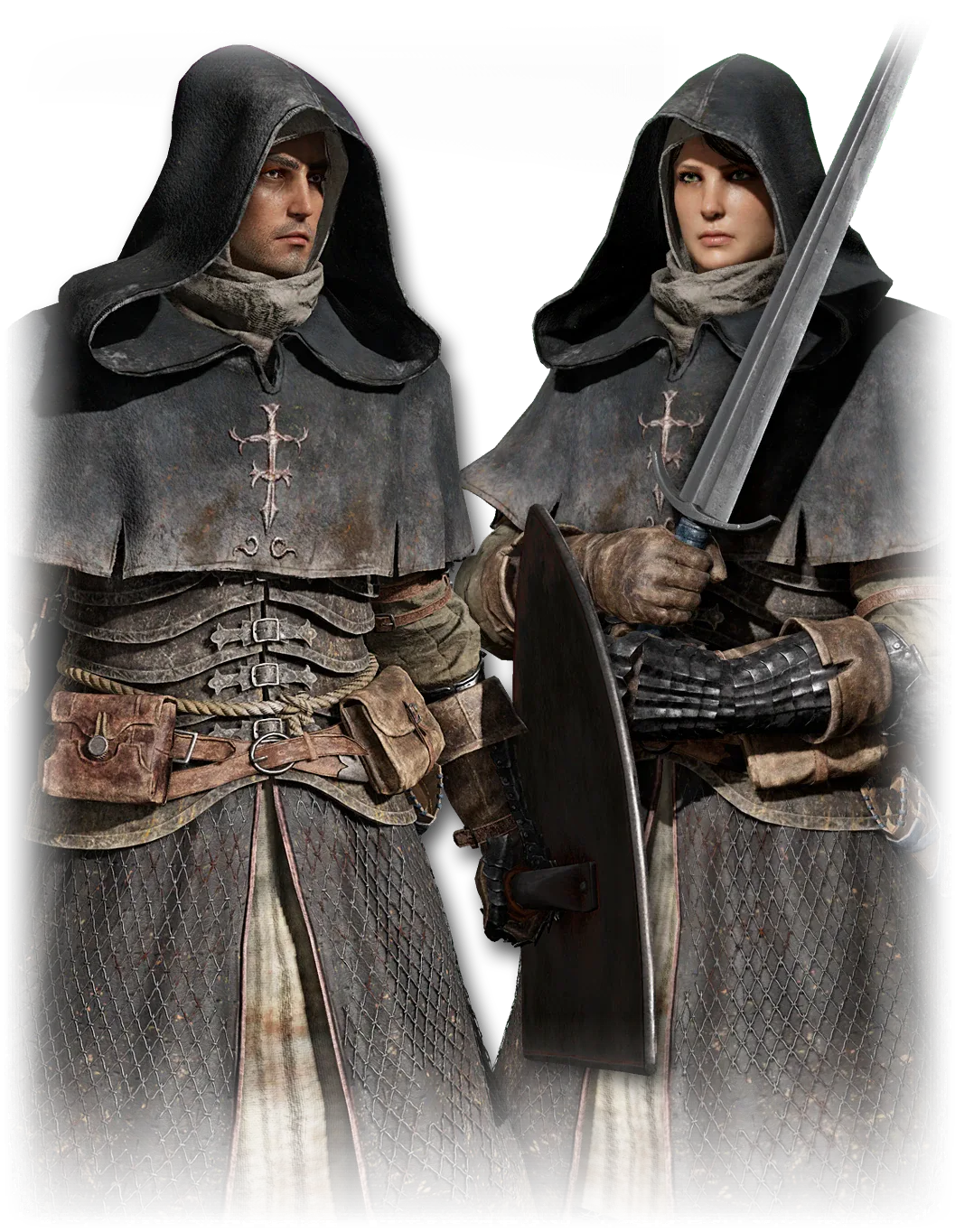
Confessor. The highest starting level at 10, which means the most total attribute points on the board. 14 Faith, 13 Mind, 12 Strength, 12 Dexterity — a genuine hybrid that swings a Broadsword and casts Urgent Heal in the same fight. Its weakness is that it is good at everything and best at nothing.
Prisoner. The Intelligence hybrid. 14 Int and 14 Dex with a Glintstone Staff and an Estoc lets you poke with a thrusting sword and open with Magic Glintblade. 11 Vigor is thin but survivable. Wear the iron mask forever, it is the best-looking helmet in the game and I will not be taking questions.
Bandit. The stealth pick, and the highest starting Arcane at 14. Arcane governs Discovery — item drop rate — and scales Blood Loss, Poison, and certain spells, so a Bandit rolling into an Occult or bleed build has a genuine head start. It starts at level 5 with 10 Vigor and a Great Knife, which is fragile, but it has the most room to grow: fewer starting levels means fewer points already spent for you.
B-tier — Warrior, Hero, Prophet
Warrior. 16 Dexterity, dual Scimitars, power stancing from minute one. Fun and fast, with 11 Vigor and no shield worth the name — you will learn bosses at 434 HP with no panic button. Excellent for someone who already knows the fight, rough for anyone else.
Hero. 16 Strength, 14 Vigor, 499 HP and a Battle Axe. That reads like a great beginner class, and it is only B-tier for one reason: 9 Mind and 7 Intelligence make it a fine chassis for a pure Strength build and a bad chassis for anything else.
Prophet. 16 Faith with Heal and Catch Flame is genuinely strong — Catch Flame does real damage to early bosses and Heal saves flasks. But 8 Endurance is the lowest in the game, meaning very little stamina and almost no Equip Load. Faith builds come online hard later; the Prophet just has a bumpier ride there.
The Wretch is not a tier
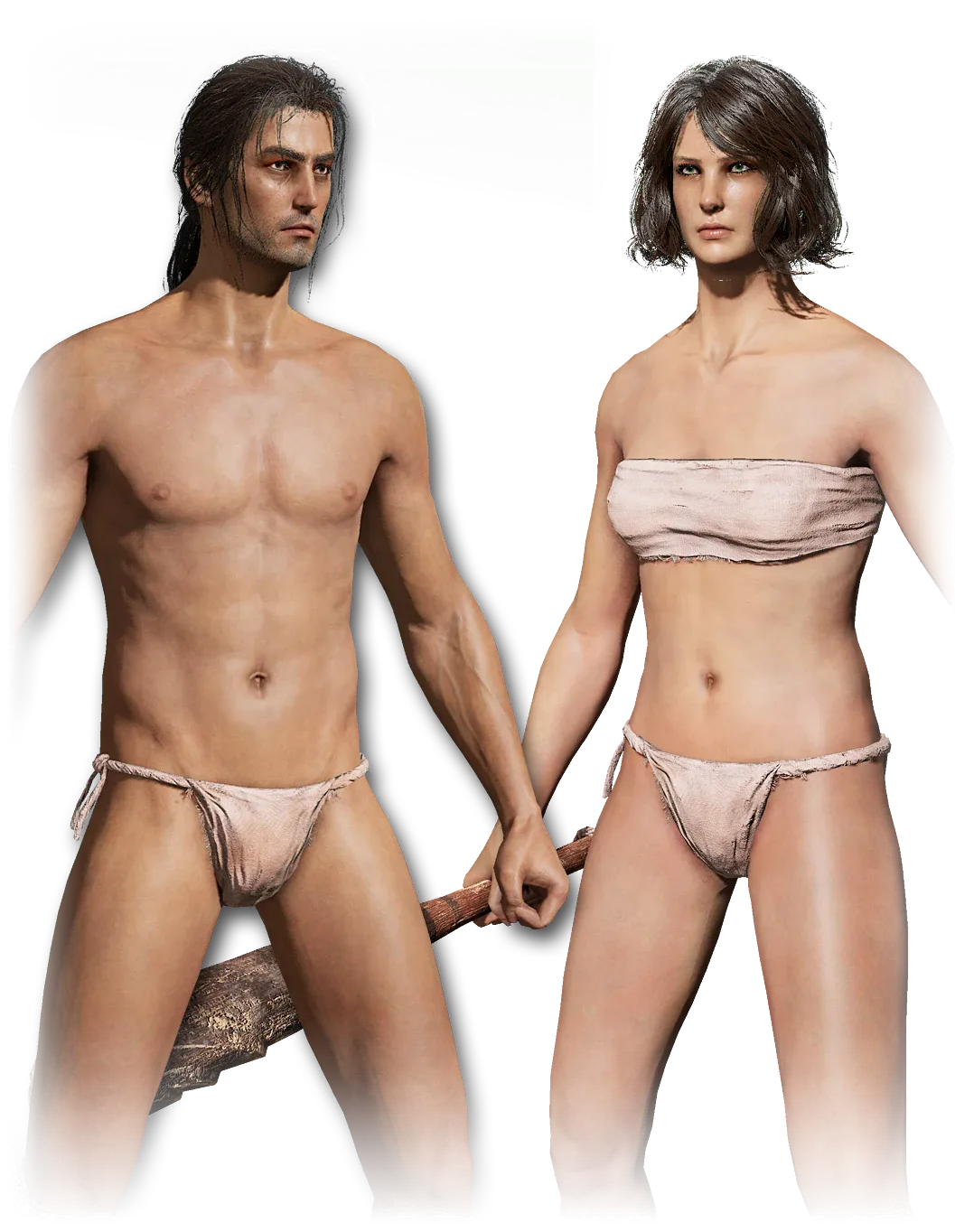
Straight 10s, level 1, a club, and no clothes. The Wretch is not a beginner class and it is not a hard mode meme either — it is a build-planner's class. A perfectly flat level-1 spread means zero wasted points, which is mathematically the cleanest slate available for a low-level run or a precise PvP meta build.
For a first playthrough it is a bad idea. 414 HP and a club is a rough three hours and you learn nothing extra for the trouble.
Picking by the build you actually want
Cut through the tiers with this instead. Decide what you want to be doing at hour forty, then pick the origin that has the fewest wasted points pointing away from it — and once you know your damage stat, how weapon scaling turns it into damage is what decides how far to push it:
- Strength / colossal weapons — Hero or Vagabond. Hero if you want pure Strength, Vagabond if you want Strength with a functioning shield.
- Dexterity / katanas and bleed — Samurai. Not close.
- Quality (Str + Dex split) — Vagabond or Samurai. Both start with usable values in both.
- Pure sorcery — Astrologer. The 16 Int meets the requirement for a lot of early sorceries out of the box.
- Battlemage (Int + melee) — Prisoner.
- Pure Faith / incantations — Prophet.
- Faith hybrid / paladin — Confessor.
- Arcane, bleed, Occult, dragon incantations — Bandit.
- Precise level-1 build planning — Wretch.
- Dual-wield Dexterity — Warrior.
None of this is permanent. After you defeat Rennala, Queen of the Full Moon in the Academy of Raya Lucaria, you can rebirth and redistribute every attribute point for one Larval Tear. A "wrong" pick costs you an item, not a playthrough.
Which keepsake to take
The keepsake is a smaller decision than the origin but it is the one people agonize over, so: Golden Seed. It gives you an extra Flask charge immediately, and in a game where your entire early-game survivability is measured in flask sips, one more sip in Limgrave is worth more than anything else on the list.
The two defensible alternatives are the Crimson Amber Medallion, a talisman that raises max HP and stays useful for a long time, and Stonesword Key ×2 if you already know exactly which two Imp Statues you want to open. Shabriri's Woe attracts enemy aggression and is a deliberate hard-mode pick — take it only if you know why you want it. Skip the Fanged Imp Ashes: Renna hands you the Spirit Calling Bell and the Lone Wolf Ashes within the first hour anyway.
If you want the full opening sequence — where Torrent comes from, which Limgrave stops matter and in what order — that is covered in the early game route guide.
Quick Action Checklist
- Pick Samurai if you want the single most forgiving all-round start, Vagabond if you want armor and a shield, Astrologer if you want to play at range.
- Remember every origin has 79 attribute points plus its level — nobody is getting a better deal than you.
- Take Golden Seed as your keepsake unless you have a specific reason not to.
- Level Vigor to 30 before anything else. 522 HP to 994 HP costs fifteen levels and it is the best fifteen levels you will ever spend.
- Do not put a single point into a stat below its weapon requirement threshold — unmet requirements cost you a flat 40% damage penalty on the relevant scaling.
- Stop obsessing. Rennala can rebirth you after the Academy of Raya Lucaria for one Larval Tear.
Frequently Asked Questions
What is the best starting class in Elden Ring for beginners?
Do Elden Ring starting classes actually matter?
Which Elden Ring class has the most HP?
Is the Wretch a good class in Elden Ring?
Which keepsake should I choose in Elden Ring?
Keep Reading
Related Guides
Best Elden Ring Weapons: 10 That Carry Any Build
A "best weapon" in Elden Ring is really a best weapon skill attached to a stat line you can afford. Here are the ten that do the most work, what they actually require, and where to grab them.
Elden Ring Memory Stones: All 8 Locations and Max Slots
Every character starts with two memory slots, and Comet Azur alone needs three. Here are all eight Memory Stones, the tortoise puzzles and missable gesture that guard them, the talisman that takes you to twelve, and the spells that cost more than one slot.
Elden Ring Respec Guide: All 27 Larval Tear Locations
Every Rebirth at Rennala costs one Larval Tear, and a Journey only holds 27 of them. Here is where all 18 base-game tears and all nine Shadow of the Erdtree tears are, what the Rebirth menu will and will not let you change, and why eight of the eighteen wait behind Starscourge Radahn.
Elden Ring New Classes: Heavy Knight and Idus Knight Stats
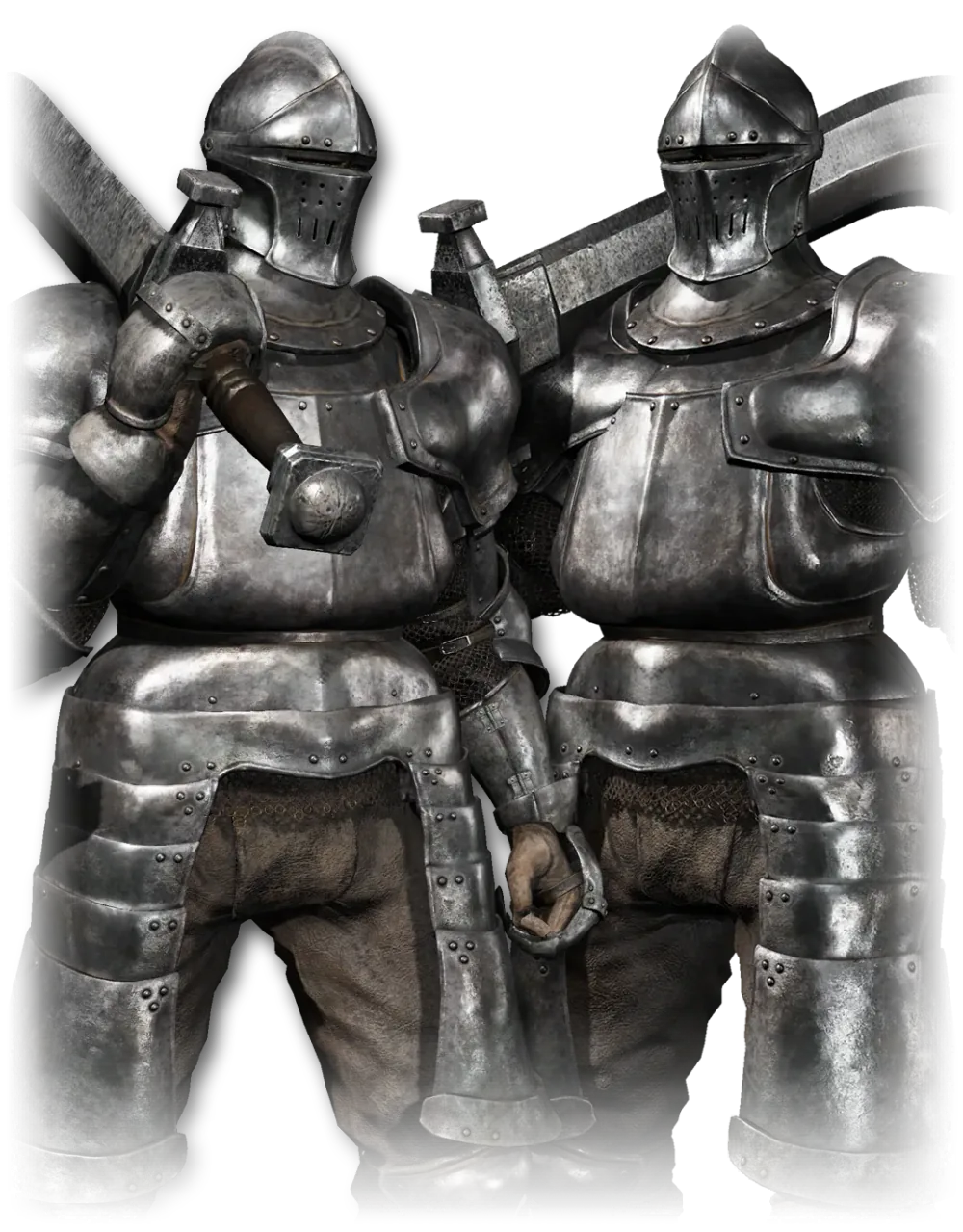
Elden Ring had ten origins for four and a half years. Since 28 August it has twelve. Here are the exact stat lines for the Heavy Knight and the Idus Knight, how they sit against the other ten, what the Tarnished Pack costs, and the one piece of its content you can lock yourself out of.
Elden Ring Buff Stacking: Which Buffs Cancel Each Other
Two +20% buffs should give you +44%. If both are Body buffs, the second one deletes the first and you get +20%. Elden Ring sorts temporary buffs into four exclusive categories, tells you nothing about it, and the difference between a routine that works and one that does not is invisible.
Elden Ring Equip Load: Roll Breakpoints and Real I-Frames
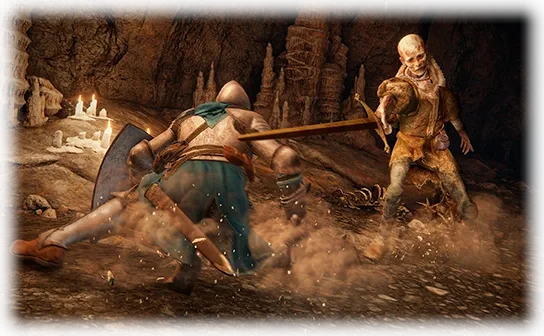
The difference between 69.9% and 70.0% equip load is one tenth of a percentage point, and it doubles your roll recovery. Here are the exact breakpoints, the i-frame numbers behind each roll type, and how much Endurance each armor budget actually costs.