Best Card Draw Spells in Commander, Ranked
In a 40-life format, the deck that draws the most cards usually wins — it is that simple. Here is the best repeatable and burst card draw in Commander, ranked, with the color and downside that decides whether it belongs in your deck.
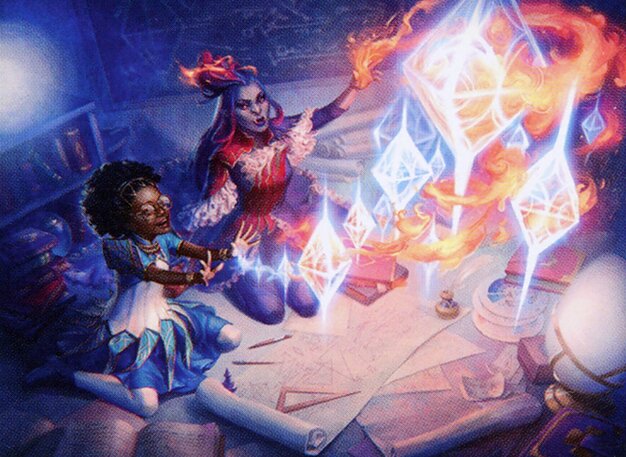
In a 40-life format that goes 8 to 12 turns, the deck that draws the most cards usually wins. Not always — a fast combo deck can ignore the math — but for the 90% of Commander games decided by attrition, card advantage is the resource everything else is downstream of. Removal trades one-for-one. Card draw refills the hand you spent on removal. The player who keeps drawing two and three cards a turn while everyone else draws one is playing a different game.
So the question is not "is card draw good." It is "which draw, in which colors, at what cost." Repeatable engines that draw every turn beat one-shot burst spells over a long game, but a burst spell that refills an empty hand at instant speed wins the game burst is better at. Blue is the king of card advantage, but black, green, and even white have premier engines now. This is the ranked breakdown, with the color and the real downside baked in.
Every card here has been legality-checked and is currently legal in Commander. Where a card carries a meaningful risk — a life cost, a "draws everyone cards" symmetry, a fragile body — I will flag it, because in Commander the downside is often what decides whether a draw engine is a staple or a trap.
Why card draw wins Commander games
Commander is a grind. You start at 40 life, the board gets wiped, threats trade, and games routinely run past turn ten. Over that long a game, the natural one-card-per-turn draw step is a trickle, and the player who supplements it pulls ahead a little more every turn until the gap is decisive.
Three jobs card draw does that nothing else can:
- It out-resources removal. Every pod runs piles of removal and board wipes. If you cannot refill after a wipe, you lose to the player who can. Draw engines are how you rebuild faster than the table can tear you down.
- It finds your pieces. Combo and synergy decks need to assemble specific cards. The more you draw, the more consistently you hit your engine, your wincon, or the answer you need right now.
- It converts excess mana into action. Once your mana rocks and lands outpace your spells, draw turns that surplus into a steady stream of new things to do. A draw engine is the best mana sink most decks have.
The trap is treating card draw as free. It is not — you spend a card and mana to play the engine, and some engines cost life or hand off symmetry to the table. The best ones recoup that cost in a turn or two. The worst ones are durdle that never pays you back.
The untouchable tier
These are the engines that go in nearly every deck of their color, full stop. If you are in the color and not running these, you usually need a specific reason.
| Card | Cost | Color | Why it is here |
|---|---|---|---|
| Rhystic Study | {2}{U} | Blue | Draws a card every time an opponent casts unless they each pay 1. In a four-player game that is a flood |
| Mystic Remora | {U} | Blue | Draws on most opponent spells unless they pay 4. Insane early; you let it die when upkeep gets expensive |
| Sylvan Library | {1}{G} | Green | Look at the top three each turn; draw extras by paying 4 life each. The best green engine in the format |
Rhystic Study is the most famous "tax" engine in Commander for a reason. In a four-player pod, opponents cast a lot of spells, and they will not pay the extra mana every time — so you draw, and draw, and draw. The card is so oppressive that "do you pay the one?" is a running joke in the format. It is the single best repeatable draw enchantment blue has.
Mystic Remora is Rhystic Study's hyper-aggressive little sibling: one mana, taxes 4 instead of 1, and has cumulative upkeep so the cost to keep it climbs each turn. Played turn one, it can draw you four-plus cards before you happily let it fall off. It is the best one-mana investment in blue and a staple of competitive pods.
Sylvan Library is green's answer and arguably the best draw engine outside blue. Every upkeep you look at the top three cards of your library; you can draw two of them for 4 life each. In a 40-life format, paying 8 life to draw two extra cards is a fine rate when you are ahead, and even if you draw zero extra, the card sculpts every draw step. It is a near-auto-include in any green deck.
The best repeatable engines by color
Past the untouchable tier, the best draw is the engine that draws you a card every single turn for as little upkeep as possible. Here are the premier repeatable engines color by color.
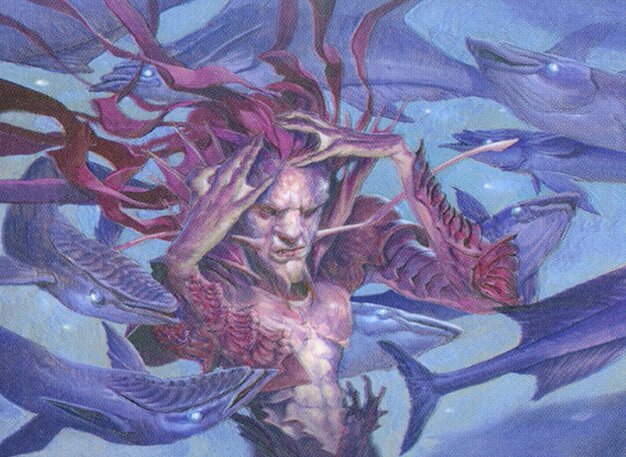
White — Esper Sentinel ({W}). White was the worst color at card advantage for the entire history of the format until this one-mana 1/1 Human arrived. It taxes opponents' first noncreature spell each turn, and if they do not pay, you draw. On a one-drop body, in the color that needed help most, it is a genuine staple and the best card-advantage card white has ever had.
Black — Phyrexian Arena ({1}{B}{B}). The classic black engine: draw an extra card every upkeep, pay 1 life for it. In a 40-life format, 1 life a turn is almost nothing, and a guaranteed extra card every turn with no opponent interaction is rock-solid. Reliable in a way the "tax" engines are not, because nobody can choose to turn it off.
Blue — Rhystic Study and Mystic Remora carry the color, covered above. Beyond them, blue has the deepest bench of any color: cantrips, wheels, and the burst spells below.
Green — Sylvan Library, Beast Whisperer, Guardian Project, Toski, The Great Henge. Green draws off creatures. Beast Whisperer ({2}{G}{G}) and Guardian Project ({3}{G}) draw a card each time you cast or play a creature; in a creature-heavy deck that is a torrent. Toski, Bearer of Secrets ({3}{G}) is an indestructible, can't-be-countered engine that draws whenever your creatures connect. The Great Henge ({7}{G}{G}, but it gets dramatically cheaper with a big creature out) ramps, gains life, and draws on every creature you play — a one-card engine that does three jobs.
Colorless — Reckoner Bankbuster ({2}) and Skullclamp ({1}). Two of the best draw artifacts go in any deck. Skullclamp gets its own discussion below because it is borderline broken. Reckoner Bankbuster is a slower, fairer artifact that grinds out cards and eventually makes a threat — great in decks short on color-based draw.
The best creature-based draw
If your deck plays a lot of creatures, the most efficient draw is draw that triggers off them, because you were casting those creatures anyway. The engine is "free" — it rides along on the board you were building regardless.
The green creature-payoffs — Beast Whisperer, Guardian Project, Toski, Bearer of Secrets, and The Great Henge — are the headliners and turn a typical creature deck into a card-advantage machine. White picked up a strong one in Welcoming Vampire ({2}{W}), which draws when a small creature enters, perfect for go-wide and token decks.
And then there is the artifact that does it best of all.
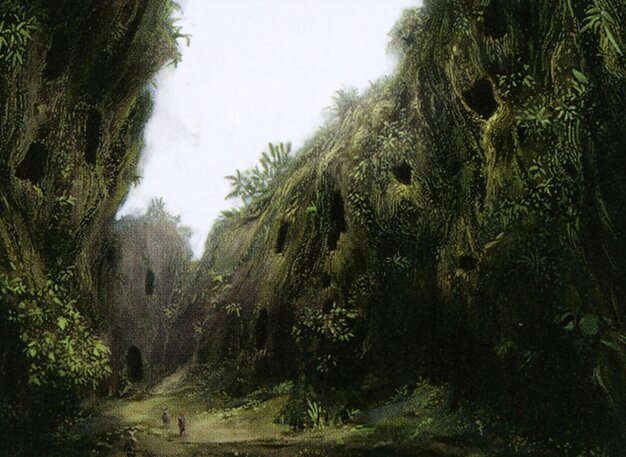
Skullclamp ({1}) is the most efficient draw engine in the entire format and it is colorless, so every deck can run it. Equip it for one mana, your creature gets +1/-1, and a one-toughness creature dies on the spot — drawing you two cards. In a tokens deck, or any deck full of one-toughness bodies, Skullclamp turns every creature into "pay 1, draw 2." It is banned in older constructed formats for exactly this reason; in Commander it is legal and it is the best creature-based draw there is. If your deck makes small creatures, it is close to mandatory.
The best burst draw
Repeatable engines win long games, but burst draw — refill your whole hand in one spell — wins the specific moments where you are empty and need gas now, often at instant speed on an opponent's end step.
- Treasure Cruise ({7}{U}, delve). Draw three for as little as one blue mana if you can exile cards from your graveyard. The best rate on a burst draw blue has, and it is legal in Commander even though it is restricted or banned in some 60-card formats.
- Mind's Desire and the big "draw X" spells. Blue and the "draw seven" wheels (Wheel of Fortune effects, Windfall) refill your hand and often empty opponents' too. Wheels are burst draw that doubles as disruption.
- Reconnaissance Mission ({2}{U}{U}). Draw a card for each creature that deals combat damage. In a deck that attacks with several creatures, it is a one-card hand refill stapled to your combat step.
- Fact or Fiction ({3}{U}). An opponent splits your top five into two piles; you keep one. Reliable instant-speed advantage that has been a blue staple for two decades.
Burst draw is the supplement, not the foundation. Run a couple as a way to break open a stalled game or rebuild after a wipe, but lean on the repeatable engines for your steady-state advantage.
Draw that comes with a real cost
Some of the most powerful draw in the format is powerful precisely because it ignores the normal rules — and the downside is the whole point. These are the high-ceiling, high-risk picks.
Necropotence ({B}{B}{B}) is, in raw power, arguably the best card-draw spell ever printed. Pay 1 life, set aside a card, draw it at end of turn — as many times as you want, every turn. Your life total is your hand size. In a dedicated deck it draws absurd numbers of cards; played carelessly it kills you or leaves you wide open. It skips your normal draw step and the cards come at end of turn, which takes practice. A format-warping engine for the player who can manage the life total, a trap for the player who can't.
Phyrexian Arena ({1}{B}{B}), covered above, is the safe, steady version of paying life for cards — 1 life a turn, no decisions to mess up.
The "everyone draws" symmetric pieces deserve a flag too. Cards that draw the whole table — group-hug staples — give you cards but hand your opponents just as many, which is usually a bad trade unless your deck is built to exploit the symmetry. In a normal deck, prefer draw that only benefits you.
The rule on costly draw: the life or symmetry cost is fine only if your deck is built to absorb it. Necropotence in a deck with no lifegain and a low curve is great; the same card in a slow deck that needs its life total is how you deck-build yourself to death.
How much card draw should you run
This is the question that actually matters for deckbuilding. Too little and you run out of gas and lose to attrition; too much and you durdle drawing cards you never cast.
- Baseline: 8 to 12 dedicated card-advantage pieces in a typical Commander deck. That is a mix of repeatable engines and burst spells, not counting cantrips and minor card selection.
- Lean into your color. Blue and green decks can support the high end easily; white and red decks historically had less, though Esper Sentinel and red's impulse-draw and Treasure-fueled draw have closed the gap.
- Count creature payoffs. If you are a green or token deck running Beast Whisperer, Guardian Project, and Skullclamp, those count as draw even though they are creatures and artifacts. Do not double up past what you can cast.
- Match draw to your mana. Drawing cards you cannot pay for is wheel-spinning. If your draw outpaces your mana, add ramp; our best mana rocks in Commander guide covers the artifact ramp that turns extra cards into extra spells.
Aim for the floor first: get to roughly 8 to 10 real card-advantage sources before you add the eleventh removal spell. A deck that draws will out-grind a deck that does not, almost every game.
For the rest of the staples that make a Commander deck tick, see our breakdowns of the best removal spells, best board wipes, and best counterspells.
Quick Action Checklist
Use this as a starting card-draw package for any Commander deck. Adjust to your colors.
- In blue: run Rhystic Study and Mystic Remora. They are the best repeatable draw in the format.
- In green: run Sylvan Library, plus creature payoffs like Beast Whisperer, Guardian Project, Toski, or The Great Henge.
- In white: run Esper Sentinel — the best card advantage white has, on a one-drop body.
- In black: run Phyrexian Arena for steady draw; add Necropotence only if your deck can manage the life cost.
- In any deck with small creatures: run Skullclamp. Pay 1, draw 2, every time a one-toughness body dies.
- Add a couple of burst spells (Treasure Cruise, a wheel, Fact or Fiction) to refill after a board wipe.
- Avoid symmetric "everyone draws" effects unless your deck exploits the symmetry.
- Run roughly 8 to 12 dedicated draw pieces, and match your draw to your mana so you can actually cast what you draw.
Frequently Asked Questions
What is the best card draw in Commander?
How much card draw should I run in a Commander deck?
Is Necropotence good in Commander?
Why is Skullclamp so good in Commander?
What is the best card draw for white in Commander?
Should I run symmetric card draw that benefits everyone?
Keep Reading
Related Guides
Best Cost Reducers in MTG Commander, Ranked
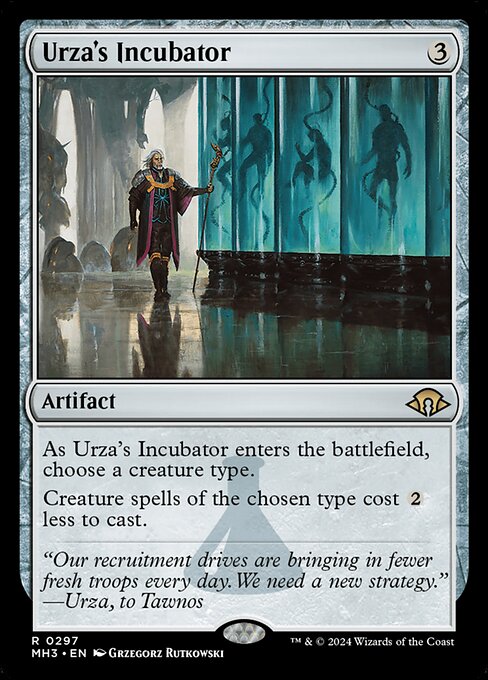
A Sol Ring gives you two mana once. Urza's Incubator gives you two mana on every creature spell you cast for the rest of the game. Here are the best cost reducers in Commander, ranked — and the honest math on when they beat a mana rock and when they are a trap.
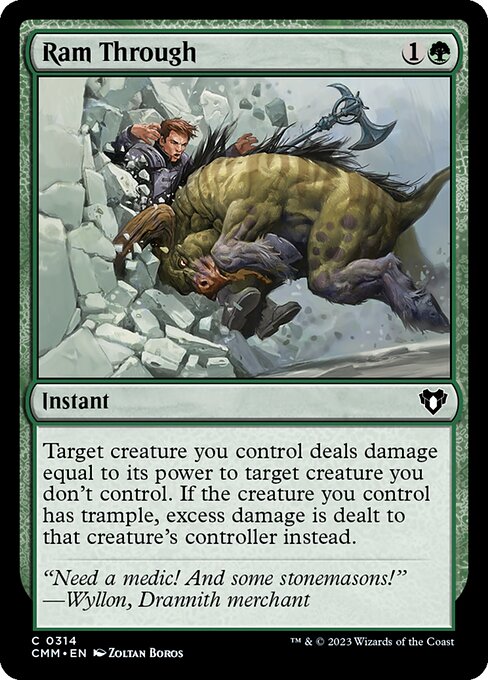
Best Fight and Bite Removal in MTG, Ranked
Green doesn't get to Murder things — it makes its big creatures do the killing. Here are the best fight and bite removal spells in Magic, ranked, from the one-sided bites to the repeatable fight engines that answer the board green isn't supposed to be able to touch.
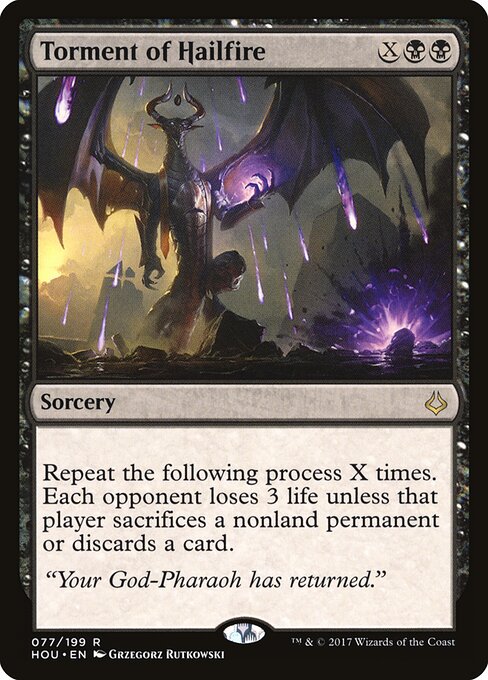
Best Mana Sinks in MTG Commander, Ranked
Ramp is only half the plan — you need something to actually dump all that mana into. Here are the best mana sinks in Commander, ranked: the X-spell finishers and repeatable activated abilities that turn a flooded board, or a pile of infinite mana, into a dead table.
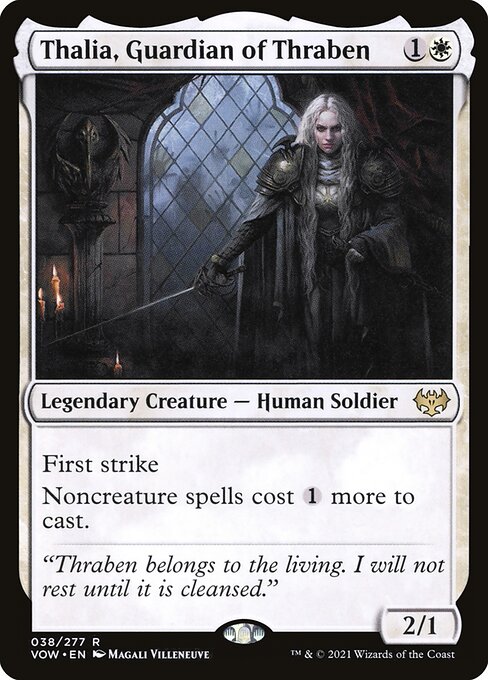
Best Hatebears in MTG Commander, Ranked
A hatebear is a two-mana creature that costs your opponents more than it cost you. Here are the best of them, ranked — the taxers, the lockdown pieces, and the ones that quietly delete an entire deck at the table.
MTG Commander Format Guide — How to Start Playing EDH (2026)
Commander is the most-played MTG format on the planet and the easiest one for new players to start in. The rules look intimidating on paper. They are not. Here is the full beginner guide.

Best Commander Staples Every Deck Wants, Ranked
There's a short list of cards that show up in basically every Commander deck regardless of theme — the silent 25 that make the splashy 75 work. Here are the staples worth a slot in almost any list, sorted by the job they do, with the legality double-checked.