Best Mana Rocks in MTG Commander, Ranked
Sol Ring is in your opening hand or it isn't, and the game usually goes the way that coin flips. Here are the mana rocks worth running, ranked by what they actually do for your deck.

Sol Ring is in your opening hand or it isn't, and the game usually goes the way that coin flips. That is the uncomfortable truth at the center of every Commander game: the format runs on artifact ramp, and the player who deploys a turn-one rock is playing a different, faster game than everyone else.
Mana rocks are the artifacts that tap for mana. They get a deck out ahead on the curve, fix colors a three-color manabase can't, and rebuild your mana after a board wipe in a way that lands on the battlefield never will. Green decks get away with fewer of them because green ramps with creatures and lands. Everyone else leans on rocks hard.
This is the working list. Not a 1-to-50 ranking, because rankings in a category this deep are noise. Instead: which jobs do mana rocks do, and which rocks do each job best. We're sticking to artifacts that tap for mana — no Dark Ritual one-shots, no land-based ramp, no green sorceries. Just the rocks.
Why mana rocks decide games
Commander is a 40-life format that almost always plays out over 8 to 12 turns. The decks that win are usually the ones that spent the early turns deploying mana while everyone else durdled. A turn-one Sol Ring on the play means you cast your turn-three plays on turn two. Over a full game that compounds into an extra spell or two, and an extra spell or two is the difference between landing your engine before someone wipes the board and landing it after.
Three things rocks do that lands can't:
- They beat the one-land-per-turn cap. You can only play one land a turn. A rock is a second mana source that ignores the rule.
- They survive what kills lands but die to what kills lands rarely gets played. Most pods run far more creature and enchantment removal than artifact removal, so a rock often sticks longer than you'd think — until someone fires a Vandalblast and you lose all of them at once. That's the tradeoff.
- They fix colors. A three- or five-color deck physically cannot function without rocks that produce off-color mana. Signets, Talismans, and Chromatic Lantern are the glue.
The mana-rock question isn't "are they good" — it's "how many before I'm running so many that I flood out on rocks and have no actual spells to spend the mana on." That ceiling is real and we'll get to it.
The untouchable tier
Sol Ring is the one true auto-include. Its old partner in this tier, Mana Crypt, was banned in Commander in September 2024 — more on that in a second.
| Card | Cost | Produces | Why it's here |
|---|---|---|---|
| Sol Ring | {1} | {C}{C} | One mana in, two mana out, every single turn. The most-played card in Commander, full stop |
Sol Ring is the most-played card in the entire format and it isn't close. One mana for an artifact that taps for two colorless is the most efficient ramp Magic has ever printed at common power level. A turn-one Sol Ring lets you cast a three-drop on turn two. The card is so good that the entire format's pacing assumes it exists. If your deck can run Sol Ring, it runs Sol Ring.
A word on Mana Crypt. For years this was Sol Ring's zero-cost partner here — two colorless for free, with a coin-flip 3-damage downside. The Commander Rules Committee banned it in September 2024 (alongside Jeweled Lotus, Dockside Extortionist, and Nadu) to rein in explosive starts, so it is no longer legal in the format. If you own one it still plays in Legacy and Vintage — but for Commander, skip it and build around the legal rocks below.

The two-mana workhorses

This is where the real deckbuilding happens. The two-mana slot is the sweet spot — cheap enough to deploy on turn two and ramp into a turn-three four-drop, but producing meaningful mana.
| Card | Cost | Produces | Notes |
|---|---|---|---|
| Arcane Signet | {2} | Any one color in your commander's identity | The cleanest fixing rock. No drawback, no tap-in cost |
| Fellwar Stone | {2} | One mana of any color an opponent's land can make | Free fixing in most pods since someone always shares your colors |
| Mind Stone | {2} | {C} | Taps for one, then sacrifices to draw a card late. Flood insurance |
| Talisman of Dominance | {2} | {C} or one color (deals 1 damage) | The Talisman cycle: taps for colorless free or a color for 1 life |
| Thought Vessel | {2} | {C} | Taps for one and gives you no maximum hand size. Great in draw-heavy decks |
Arcane Signet is the no-brainer. It taps for any color in your commander's identity, enters untapped, and has zero downside. Every multicolor deck runs it. The original Signet cycle (Izzet Signet, Golgari Signet, and the rest) is nearly as good — those tap for two colors but cost a mana to activate, which is a real tempo hit on the turn you play them.
The Talisman cycle (Talisman of Dominance and its nine friends) is the two-color fixing backbone. Each taps for colorless for free or for one of its two colors at the cost of 1 life. In a 40-life format, paying 1 life for fixing is rounding error. Run the Talismans that match your colors.
Mind Stone and Thought Vessel earn their slots through flexibility. Mind Stone cashes itself in for a card when you're flooded late. Thought Vessel removes your maximum hand size, which is quietly huge in a deck that draws a lot of cards and hates discarding down to seven.
The utility rocks
Once you climb past two mana, a rock needs to earn the slot with extra fixing or upside. Pure colorless three-drops that just tap for three are rarely worth it.
- Chromatic Lantern. Three mana. Every land you control taps for any color, and the Lantern itself taps for any color. This is the five-color manabase fixer. If your deck plays four or five colors and you're tired of getting color-screwed, the Lantern fixes it permanently. In two-color decks it's overkill.
- Coalition Relic. Three mana. Taps for any one color, or charges up to produce two mana next turn. Slow but powerful in decks that want a big payoff turn.
- Smothering Tithe. Not technically an artifact, but the best "rock-adjacent" ramp in white. It prints a Treasure off every opponent's draw step unless they pay 2, and nobody pays. We cover it in the white guide; mentioning it here because it out-ramps most actual rocks in a four-player game.
- Talismans you don't have colors for. Skip them. A rock that taps for colors your deck can't use is a worse Sol Ring.
The honest rule for three-plus-mana rocks: they need to fix colors you genuinely struggle to produce, or generate card advantage, or both. A vanilla three-mana rock that taps for three colorless (like a Worn Powerstone or a Hedron Archive without the draw mode) is usually a worse play than just running another two-drop.
Rocks that are traps
Some mana rocks look fine and aren't. These are the ones to cut first when you're tightening a list.
| Card | Cost | The problem |
|---|---|---|
| Manalith | {3} | Three mana for one mana of any color. You're paying a full turn for fixing a Talisman does for two |
| Darksteel Ingot | {3} | Indestructible is cute, but it's still a three-mana one-color rock. Slow |
| Worn Powerstone | {3} | Enters tapped and only pays for noncreature spells. Real restriction in creature decks |
| Commander's Sphere | {3} | The sacrifice-to-draw mode is fine; the three-mana cost to deploy is not, in most lists |
The pattern is the same every time: three mana for one mana of fixing is a bad rate. Two-mana rocks that tap for one or fix a color do the same job a full turn faster. Unless a three-mana rock comes with a real bonus — Chromatic Lantern fixing your whole board, Coalition Relic's charge mode, a draw effect — it's a trap that bloats your curve and gives you nothing in the late game.
The exception is colorless or eldrazi-style ramp decks built specifically to abuse big rocks. If your commander is Urza or you're playing a stax/artifacts shell, the math changes. For the other 95% of decks, cap your rocks at the two-mana slot plus a fixer or two.
How many mana rocks should you run
This is the question that actually matters. The answer depends on your colors and your average mana value.
- Mono-color decks: 4-6 rocks. You don't need fixing, so you only want rocks for raw acceleration. Sol Ring, a couple of two-drops, and you're done.
- Two-color decks: 6-8 rocks. Sol Ring, Arcane Signet, both relevant Talismans/Signets, and a couple of flex picks.
- Three-color decks: 8-10 rocks. Now fixing is a real concern. Signets and Talismans pull double duty as ramp and color fixing.
- Four and five-color decks: 10-12 rocks plus Chromatic Lantern. You physically cannot cast your spells without this much fixing.
Run too few rocks and you stumble on color and curve. Run too many and you draw a hand of rocks with no payoff — all dressed up with nowhere to go. The sweet spot scales with your color count and how greedy your manabase is.
The deeper principle: rocks are part of your total ramp count, not a separate budget. A green deck running 12 ramp creatures and a Cultivate package wants fewer rocks than a mono-blue control deck that has no other way to accelerate. Count all your ramp together and aim for roughly 10-12 total acceleration pieces in most decks. For the land half of that equation, our best Commander lands guide covers the manabase that goes underneath the rocks.
Budget and cuts
Mana rocks are one of the most budget-friendly upgrade paths in Commander, because the best ones are cheap. Sol Ring comes in nearly every precon. Arcane Signet is a few dollars. The Talisman and Signet cycles are bulk. The one rock that ever cost real money was Mana Crypt — and now that it's banned in Commander, that question is moot. Everything you actually run in the format is cheap.
If you're building lean, here's the budget core that costs less than a single premium card:
- Sol Ring (you already own three from precons)
- Arcane Signet
- The two Talismans or Signets matching your colors
- Fellwar Stone and Mind Stone as colorless flex
- Chromatic Lantern only if you're three-plus colors
That's a complete, competitive rock package for roughly $20 in most color combinations (prices vary). You never needed Mana Crypt to have a functioning mana base, and now that it's banned in Commander the point is settled — you need Sol Ring, your fixing, and the discipline to stop adding rocks once your curve is covered. For the broader cheap-deck approach, see our budget Commander decks under $100 breakdown.
Quick Action Checklist
Use this as a starting rock package for any Commander deck. Adjust the count to your color identity.
- Sol Ring. Always. No exceptions if it's legal in your pod
- Arcane Signet in every multicolor deck
- Both Talismans (or Signets) matching your two main colors
- Fellwar Stone and/or Mind Stone as colorless flex ramp
- Chromatic Lantern only if you're playing four or five colors
- Cut every three-mana rock that taps for one color with no upside
- Count rocks as part of your total ramp — aim for ~10-12 acceleration pieces overall
- If you're flooding on rocks with nothing to cast, you ran too many. Trim to the workhorses
Frequently Asked Questions
How many mana rocks should I run in a Commander deck?
What is the best mana rock in Commander?
Is Arcane Signet better than the original Signets?
Are three-mana mana rocks worth running?
Do green decks need mana rocks?
Is Mana Crypt still legal in Commander?
Keep Reading
Related Guides
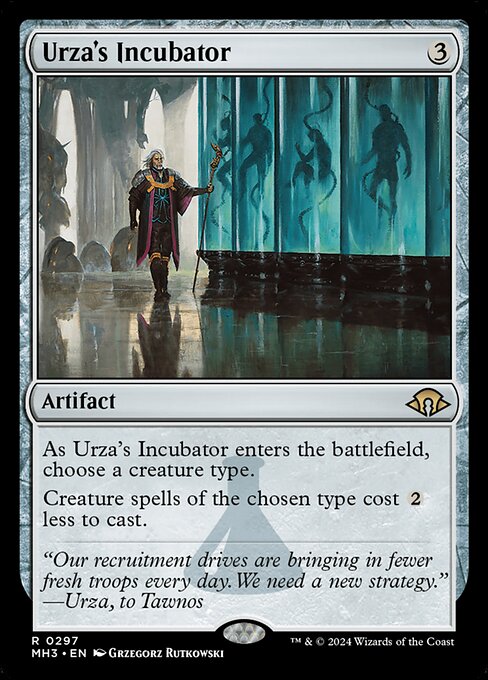
Best Cost Reducers in MTG Commander, Ranked
A Sol Ring gives you two mana once. Urza's Incubator gives you two mana on every creature spell you cast for the rest of the game. Here are the best cost reducers in Commander, ranked — and the honest math on when they beat a mana rock and when they are a trap.
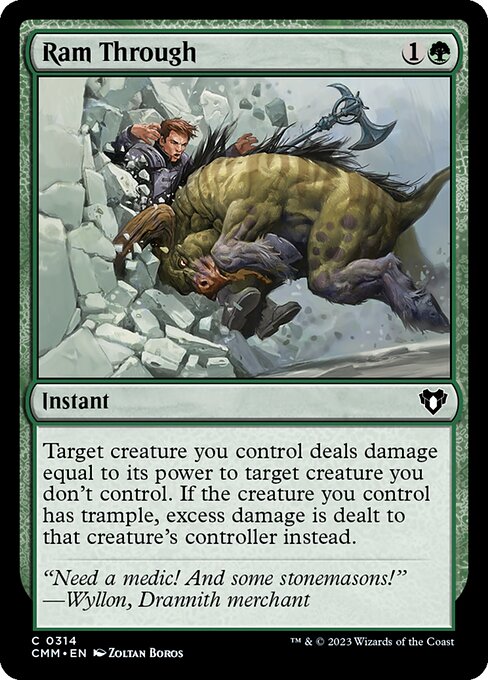
Best Fight and Bite Removal in MTG, Ranked
Green doesn't get to Murder things — it makes its big creatures do the killing. Here are the best fight and bite removal spells in Magic, ranked, from the one-sided bites to the repeatable fight engines that answer the board green isn't supposed to be able to touch.
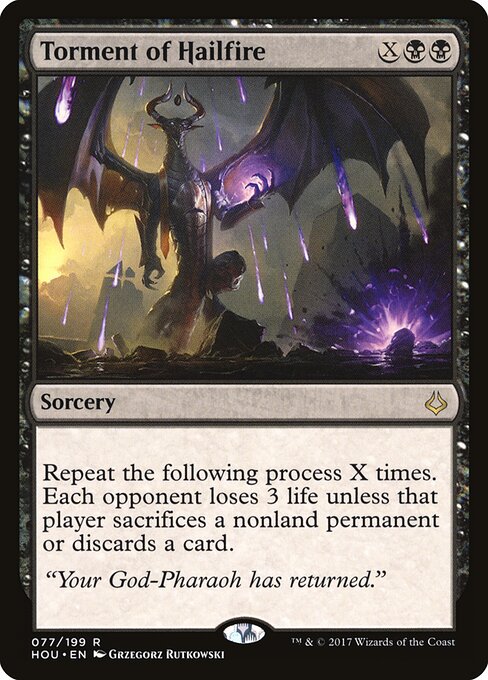
Best Mana Sinks in MTG Commander, Ranked
Ramp is only half the plan — you need something to actually dump all that mana into. Here are the best mana sinks in Commander, ranked: the X-spell finishers and repeatable activated abilities that turn a flooded board, or a pile of infinite mana, into a dead table.
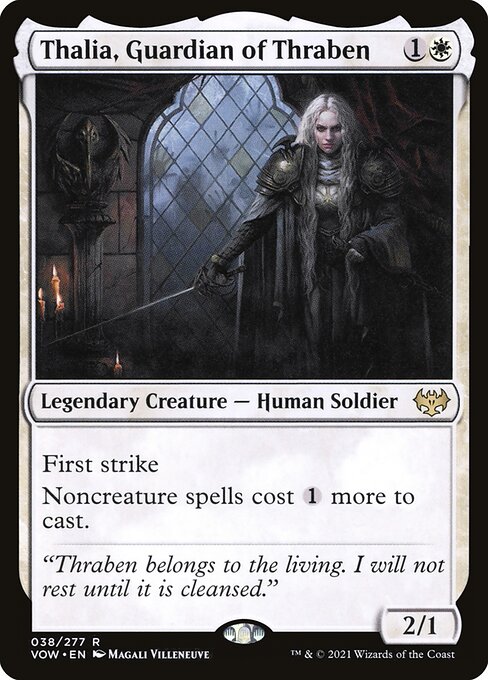
Best Hatebears in MTG Commander, Ranked
A hatebear is a two-mana creature that costs your opponents more than it cost you. Here are the best of them, ranked — the taxers, the lockdown pieces, and the ones that quietly delete an entire deck at the table.
MTG Commander Format Guide — How to Start Playing EDH (2026)
Commander is the most-played MTG format on the planet and the easiest one for new players to start in. The rules look intimidating on paper. They are not. Here is the full beginner guide.

Best Commander Staples Every Deck Wants, Ranked
There's a short list of cards that show up in basically every Commander deck regardless of theme — the silent 25 that make the splashy 75 work. Here are the staples worth a slot in almost any list, sorted by the job they do, with the legality double-checked.