Best Mana Dorks in Commander, Ranked
A turn-one mana dork is the fastest ramp Magic has — until someone fires a board wipe and your whole acceleration plan dies in one card. Here are the dorks worth running, ranked, and when to play one over a rock.
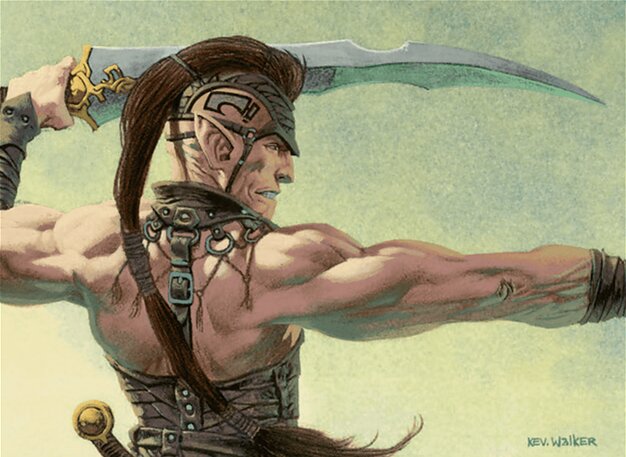
A turn-one mana dork is the fastest acceleration in Magic. Drop a Llanowar Elves on turn one and your turn-three play happens on turn two — you are a full turn ahead of everyone who just played a land and passed. No artifact does that for one mana. No ramp spell does that for one mana. The dork does, and it does it the moment the game starts.
Then someone casts a board wipe and your entire ramp plan dies in a single card. That is the deal you sign every time you run dorks: the cheapest, fastest mana in the format, attached to the most fragile body in the format. A mana dork is a creature that taps for mana, which means it eats removal, chump-blocks itself into the graveyard, and evaporates to any Wrath of God, Blasphemous Act, or random Pyroclasm that hits the table.
This is a ranked breakdown of the dorks actually worth a slot, verified for card name and Commander legality against Scryfall, plus the part most lists skip: when a one-mana dork is a better play than a Sol Ring, and when it absolutely is not. We are ranking by what each dork does for a real Commander deck, not by raw power in a vacuum.
What a mana dork actually is
A mana dork is a creature whose main job is to tap for mana. The classic shape is a one-mana 1/1 that taps for a single mana, but the category sprawls from there into two-mana fixers, dorks that tap for more than one, and dorks that come with a payoff stapled on.
What separates a dork from the other two kinds of ramp matters for deckbuilding:
- A mana rock is an artifact (Sol Ring, Arcane Signet). It dodges creature removal and board wipes but dies to artifact destruction, which most pods run less of.
- A ramp spell is a sorcery or instant that usually fetches a land (Cultivate, Nature's Lore). The mana it makes sits on lands that survive almost everything.
- A mana dork is a creature. It is the cheapest and fastest of the three, and the most fragile. It dies to everything that kills creatures, which in Commander is a lot.
The single honest fact about dorks: they are a tempo bet. You are spending a card on turn one to be ahead on turn two, gambling that you cash in that lead before the board gets wiped. In a fast, low-curve deck that bet pays. In a slow durdle deck that expects three wraths a game, you are feeding the graveyard.
The upside is real, though. A dork that survives even two turns has already paid for itself, and the fixers in particular — the dorks that tap for any color — are the best turn-one color fixing the game has.
The one-mana elite
These are the dorks you build around. Every one of them costs a single mana and accelerates you into a turn-two three-drop.
| Card | Cost | Taps for | Why it's elite |
|---|---|---|---|
| Birds of Paradise | {G} | Any one color | The gold standard. Fixes any color in the game on turn one, and it flies |
| Llanowar Elves | {G} | {G} | The cleanest mono-green acceleration ever printed |
| Elvish Mystic | {G} | {G} | Functionally identical to Llanowar Elves — run both |
| Fyndhorn Elves | {G} | {G} | A third copy of the Llanowar Elves effect for green decks that want redundancy |
| Avacyn's Pilgrim | {G} | {W} | One-mana fixing into white, great in Selesnya and Abzan shells |
| Birds of Paradise (foretold) | {G} | Any one color | Same card; the any-color tap is what keeps it #1 |
Birds of Paradise sits at the top and it isn't close. One green mana for a flying 0/1 that taps for any color is the best turn-one fixing play in the format. In a three-, four-, or five-color deck, a turn-one Birds means every color of mana is online from turn two, which no other one-drop can promise. The flying body even chump-blocks an evasive attacker in a pinch.
Llanowar Elves and Elvish Mystic are the mono-color speed kings. Both are {G} 1/1s that tap for a single green, both are functionally the same card, and because they have different names, the singleton rule lets a green deck run all of them — Llanowar Elves, Elvish Mystic, and Fyndhorn Elves are effectively three copies of the best one-drop dork. If your deck is mono-green or green-heavy and doesn't need off-color fixing, this trio is your acceleration.
Birds of Paradise vs the Elves
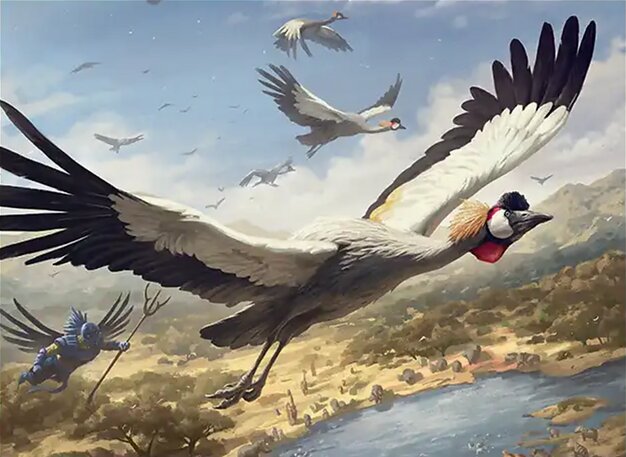
This is the question every green deckbuilder hits, so let's settle it. Birds of Paradise and the Llanowar Elves package do the same headline thing — tap for one mana on turn two — but they are not interchangeable.
- Run Birds of Paradise when you need fixing. If your deck is three or more colors, the any-color tap is the whole point. A turn-one Birds turns a greedy manabase into a functioning one. The flying body is a minor bonus.
- Run the Elves when you're one or two colors. If your deck only needs green mana (or green plus one easy splash), an Elf does the exact same job and you don't pay anything for the fixing you aren't using. In mono-green, the Elves are strictly your dorks.
- Run both when you can. A green-heavy three-color deck wants Birds and the Elves. The Birds fixes the splash, the Elves provide redundancy, and the total dork count gets you the early-game starts that justify playing creatures for ramp at all.
The trap is running Birds of Paradise in a mono-green deck because it "looks better." In mono-green, Birds taps for the exact same green mana an Elf does, and it costs more money for zero extra function. Save the Birds for the decks that actually cash the any-color fixing.
The best two-mana dorks
Once you climb to two mana, a dork needs to do more than tap for one to earn the slot over a two-mana rock or ramp spell. The good ones tap for two, fix multiple colors, or come attached to a relevant body.
| Card | Cost | Taps for | Notes |
|---|---|---|---|
| Ignoble Hierarch | {G} | {B}, {R}, or {G} | A one-drop, not a two-drop — Jund fixing plus exalted. Elite in those colors |
| Noble Hierarch | {G} | {G}, {W}, or {U} | The Bant counterpart. Same exalted upside, Bant colors |
| Paradise Druid | {1}{G} | Any one color | Hexproof while untapped, so it dodges spot removal. Sturdier Birds |
| Sakura-Tribe Elder | {1}{G} | (sac for a land) | Not a true dork — sacrifices for a basic land, so the ramp survives wipes |
| Wood Elves | {2}{G} | (fetches a land) | A 1/1 that fetches a Forest or dual untapped. Resilient creature ramp |
| Devoted Druid | {1}{G} | {G} (untaps itself) | Combo-piece dork that can untap for extra mana with a counter |
One clarification: Ignoble Hierarch and Noble Hierarch are one-mana dorks, not two-drops — they're grouped here because they round out a three-color fixing package, but they cost a single green. Ignoble taps for black, red, or green (Jund); Noble taps for green, white, or blue (Bant). Both grant exalted, which is minor in most pods but free. In a deck that runs their colors, a Hierarch is roughly a Birds of Paradise that fixes three relevant colors — excellent.
Paradise Druid is the sturdy pick: two mana for an any-color tap is a worse rate than Birds, but hexproof while untapped lets it dodge the spot removal that picks off one-drops. In a pod that targets your dorks, the Druid sticks where the Birds dies.
Sakura-Tribe Elder earns a mention even though it's barely a dork. You sacrifice it to fetch a basic land, so the ramp ends up on a land that survives board wipes — it plays more like a ramp spell, but don't count it as a pure dork.
The payoff dorks
A handful of dorks bring more than mana, which bends the "fragile, one-and-done" knock against the category.
- Priest of Titania. {1}{G} and taps for green equal to the number of Elves everyone controls. The classic Elfball engine piece — explosive in an Elf deck, taps for nothing outside one.
- Elvish Archdruid. {1}{1}{G} for a lord that pumps your other Elves and taps for green equal to the Elves you control. Build-around only.
- Bloom Tender. {1}{G} and taps for one mana of each color among permanents you control — two mana off one creature in a two-color deck, a one-card rainbow in five.
- Devoted Druid. A combo staple that untaps for infinite mana with a counter-manipulation effect. Relevant as a piece, not as ramp.
The honest read: payoff dorks are deck-defining where they belong and filler everywhere else. Run them only when your deck is built to make them tap for four-plus, not as generic acceleration.
When dorks beat rocks (and when they don't)
This is the section the topic actually turns on. Dorks and rocks both get you a mana ahead; they fail to completely different things.
Dorks beat rocks when:
- You're in green and want the cheapest turn-one acceleration. A {G} dork is online a full turn before a two-mana Arcane Signet.
- You need one-mana color fixing. Birds of Paradise and the Hierarchs fix colors on turn one for a single mana; no rock does that.
- Your deck has creature synergies — sacrifice outlets, blink, +1/+1 counters, convoke, "creatures you control" payoffs. A dork feeds all of that on top of making mana. A rock just makes mana.
Rocks beat dorks when:
- Your pod wraths early and often. A rock dodges creature removal and most board wipes; your dork dies the moment a Wrath resolves.
- You're not in green. Outside green the dork pool thins out fast, so your acceleration is mostly Sol Ring and the Signet/Talisman package anyway.
- You want acceleration that rebuilds after a wipe. Rocks survive and keep producing; you have to recast the dork.
The cleanest framing: dorks are aggressive ramp, rocks are resilient ramp. A creature-heavy green aggro deck wants dorks because it's racing and reuses creatures. A grindy control deck — even a green one — leans on rocks and land ramp because it expects the board to get swept. Most green midrange decks run a mix.
The other tiebreaker is your commander. If it cares about creatures (counters, sacrifice, tokens, ETBs), dorks pull double duty and win. If it's an artifact or spellslinger payoff, rocks fit better.
How many dorks should you run
Dorks are a slice of your total ramp count, not a separate budget. Count them alongside your rocks and ramp spells.
- Mono-green / green aggro: 4-8 dorks. The Llanowar/Mystic/Fyndhorn trio plus a couple more. You want a turn-one dork in most opening hands.
- Green midrange (2-3 colors): 3-5 dorks, weighted toward the fixers (Birds, a Hierarch, Paradise Druid). The rest of your ramp is land-fetch spells and a couple rocks.
- Green control / slow decks: 0-3 dorks. You expect wraths, so lean on rocks and land ramp. Maybe a Birds for fixing and nothing else.
- Non-green decks: roughly zero. The green-free dork pool isn't worth it — run rocks.
- Elfball / creature-synergy decks: as many as the synergy supports. Here the payoff dorks (Priest of Titania, Elvish Archdruid) flip from filler to engine.
The overall target is the one every ramp guide lands on: roughly 10-12 total acceleration pieces (dorks + rocks + ramp spells) in a typical midrange deck, then tune the mix to your speed and how much your pod wraths.
For the artifact side of that count, see the best mana rocks guide. For the green sorceries and the full ramp picture, the best ramp spells guide covers Cultivate and friends.
Quick Action Checklist
Use this as a starting dork package and adjust to your colors and curve.
- Birds of Paradise in any deck three colors or wider — best turn-one fixing in the game
- Llanowar Elves, Elvish Mystic, and Fyndhorn Elves in mono-green or green-heavy decks (run all three)
- Ignoble Hierarch (Jund) or Noble Hierarch (Bant) for one-mana three-color fixing
- Paradise Druid when your pod targets your dorks — hexproof keeps it alive
- Sakura-Tribe Elder for wipe-proof creature ramp (it's barely a dork, but run it anyway)
- Payoff dorks (Priest of Titania, Elvish Archdruid) only in Elf/creature-synergy decks
- Lean on rocks instead of dorks if your pod wipes the board early and often
- Count dorks as part of ~10-12 total acceleration pieces — don't double up past your curve
Frequently Asked Questions
What is the best mana dork in Commander?
Birds of Paradise or Llanowar Elves — which should I run?
When should I play a mana dork instead of a mana rock?
Do mana dorks work outside of green?
Are Ignoble Hierarch and Noble Hierarch one-mana or two-mana dorks?
How many mana dorks should I run in a Commander deck?
Keep Reading
Related Guides
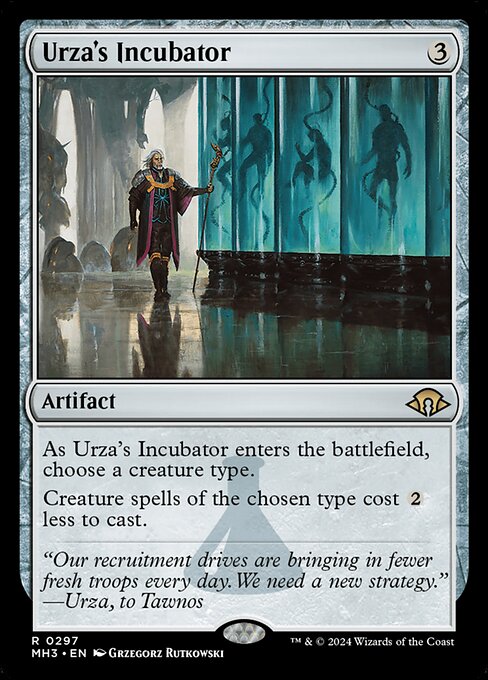
Best Cost Reducers in MTG Commander, Ranked
A Sol Ring gives you two mana once. Urza's Incubator gives you two mana on every creature spell you cast for the rest of the game. Here are the best cost reducers in Commander, ranked — and the honest math on when they beat a mana rock and when they are a trap.
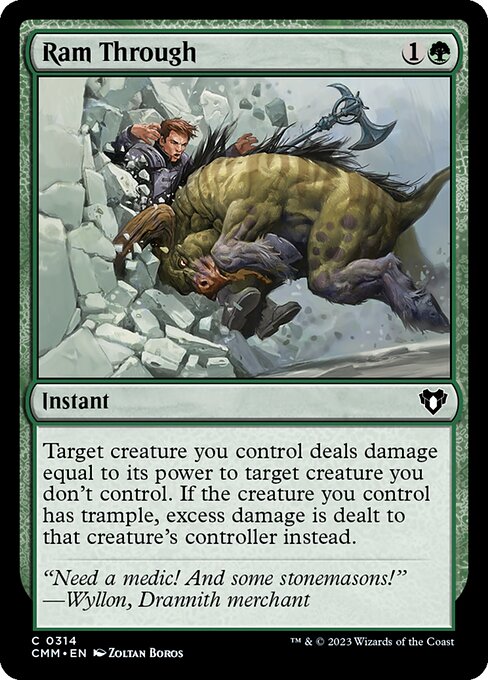
Best Fight and Bite Removal in MTG, Ranked
Green doesn't get to Murder things — it makes its big creatures do the killing. Here are the best fight and bite removal spells in Magic, ranked, from the one-sided bites to the repeatable fight engines that answer the board green isn't supposed to be able to touch.
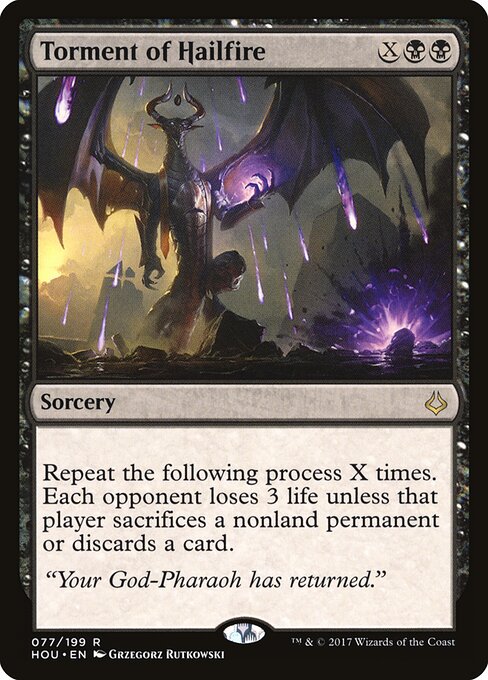
Best Mana Sinks in MTG Commander, Ranked
Ramp is only half the plan — you need something to actually dump all that mana into. Here are the best mana sinks in Commander, ranked: the X-spell finishers and repeatable activated abilities that turn a flooded board, or a pile of infinite mana, into a dead table.
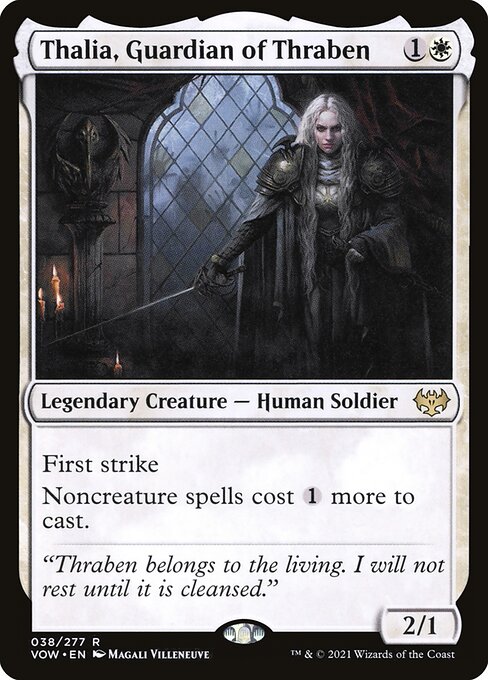
Best Hatebears in MTG Commander, Ranked
A hatebear is a two-mana creature that costs your opponents more than it cost you. Here are the best of them, ranked — the taxers, the lockdown pieces, and the ones that quietly delete an entire deck at the table.
MTG Commander Format Guide — How to Start Playing EDH (2026)
Commander is the most-played MTG format on the planet and the easiest one for new players to start in. The rules look intimidating on paper. They are not. Here is the full beginner guide.
Best Commander Staples Every Deck Wants, Ranked
There's a short list of cards that show up in basically every Commander deck regardless of theme — the silent 25 that make the splashy 75 work. Here are the staples worth a slot in almost any list, sorted by the job they do, with the legality double-checked.