Best MTG Win Conditions for Commander, Ranked
A deck that never actually kills the table is just a very expensive durdle. Here are the strongest ways to end a Commander game — combat finishers, X-spell drains, and "you win the game" cards — ranked, with the deck context that decides which one closes your list.

A deck that never actually kills the table is just a very expensive durdle. You can draw the whole game, ramp into eight mana, and answer every threat — and none of it matters if you can't convert that advantage into three dead opponents before someone else does. The single most common flaw I see in homebrew Commander lists isn't bad card choices or a shaky mana base. It's that the deck has no plan for how it wins. It's a machine with no off switch.
So this is a ranking of the strongest ways to close a game in Commander, sorted by how reliably they turn a good board state into an actual win. Combat overruns, X-spell drains, and the "you win the game" cards each solve a different problem, and the right finisher depends entirely on what your deck is already doing. Every card here has been legality-checked on Scryfall, and I'll flag where a finisher is a trap.
What counts as a win condition
A win condition is any card or line that takes you from "ahead" to "the game is over." That's a narrower category than it sounds, because most cards that feel powerful don't close games — they set up the card that does.
Three things separate a real finisher from a value engine:
It ends the game in one resolution, or close to it. Craterhoof Behemoth doesn't make your board a little better; it usually kills a player outright the turn it lands. That's the bar. A card that "helps you win eventually" is a value piece, not a win condition.
It scales with what your deck is already doing. The best finishers are payoffs for your deck's whole plan. A token deck wants an overrun. A big-mana ramp deck wants an X-spell it can dump ten mana into. Bolting a random combat finisher onto a control deck with three creatures does nothing.
It's resilient, or it's fast enough that resilience doesn't matter. Some finishers win at instant speed with no board (Thassa's Oracle). Some need a battlefield full of creatures and survive one turn of removal (Craterhoof). Know which kind you're running, because the fragile ones need protection.
Combat finishers vs alternate win conditions
Two broad families, and most decks want one or the other as their primary line.
Combat finishers turn a board of creatures into lethal damage in a single attack. Craterhoof Behemoth, Overwhelming Stampede, Triumph of the Hordes — they take a wide or tall board and push it over the top with a pump-and-trample effect. Their strength is that they scale absurdly with a deck already built to make creatures, and they double as removal-resistant because they resolve and swing before opponents get another turn. Their weakness: they need a board, so a wrath the turn before turns your finisher into a blank.
Alternate win conditions ignore combat entirely. Torment of Hailfire drains life. Approach of the Second Sun and Thassa's Oracle literally read "you win the game." These win from an empty board, which makes them the go-to for control, spellslinger, and combo decks that don't want to durdle behind a creature stall. The trade-off is that the flashy "you win" cards paint a target on you — the table knows to hold up interaction the moment you tap out.
The rule of thumb: build your primary win around what your deck already does, then add one finisher of the other type as a backup. A creature deck runs an overrun and packs one drain spell for the game where the board gets wrathed. A control deck runs an alternate win and keeps one combat finisher in reserve.
The best Commander win conditions, ranked
Ranked on how reliably each one closes a game across the decks that want it. Context matters more than raw power here, so read the "who runs it" note, not just the number.
- Craterhoof Behemoth — 5GGG. The definitive one-card kill in green. When it enters, your creatures get +X/+X and trample where X is your creature count, and it has haste so it swings the same turn. On a board of even five or six creatures, that's lethal at the whole table. Every creature-based deck that can reach eight mana runs it, and it's the payoff token generators are built to enable.
- Torment of Hailfire — XBB. The premier big-mana finisher in black. Repeat X times: each opponent loses 3 life or sacrifices a permanent or discards. Dump twelve-plus mana into it and opponents simply run out of things to give up and die. It wins from an empty board, which makes it the best non-combat finisher in the game.
- Thassa's Oracle — UU. The cleanest combo win in blue. When it enters, if your library is empty (or nearly), you win the game. Two mana, wins at instant speed off a self-mill or draw engine, and dodges the graveyard hate that Laboratory Maniac fears. It's the default finisher in cEDH combo decks for a reason.
- Finale of Devastation — XGG. Tutor plus finisher in one card. Grab any creature with mana value X or less; if X is 10 or more, your whole team gets +X/+X, haste, and trample. It fetches Craterhoof at low X or just is the Craterhoof at high X. Two win conditions in one slot.
- Exsanguinate — XBB. Each opponent loses X life and you gain it all. Simpler and more mana-hungry than Torment of Hailfire — it needs to hit lethal all at once rather than grinding — but the lifegain buys time and it's a staple drain payoff in mono-black and Golgari lists.
- Approach of the Second Sun — 6W. Cast it once, then cast it a second time and you win, no board required. The catch is the seven-mana cost twice and the tell — the table gets a full turn cycle of warning. Still, in a controlling white deck that survives to the late game, it's a near-inevitable win.
- Expropriate — 7UU. A council's-dilemma bomb: take an extra turn for each "time" vote and steal a permanent for each "money" vote. It rarely says "you win the game," but a deck that resolves it usually chains extra turns into an actual kill. Nine mana is the price of admission.
- Aetherflux Reservoir — 4. Gain life per spell cast, then pay 50 life to deal 50 damage to anything. In a spellslinger or storm shell it goes from a value piece to a table-ending laser. Fragile — it dies to artifact removal — but the payoff is the whole table at once.
- Insurrection — 5RRR. Untap and steal every creature on the battlefield with haste until end of turn. In a pod full of fat creatures, you swing with the entire table's board and give it all back to nobody. A blowout in creature-heavy metas, dead against control.
- Triumph of the Hordes — 2GG. Your creatures get +1/+1, trample, and infect. Ten poison counters is a much lower bar than 40 life, so this kills through lifegain and out of nowhere off a modest board. The infect angle makes it hated at the table, which is exactly why it works.
The best combat finishers
If your deck makes creatures, your primary win almost always lives here. These reward a board and end the game before opponents untap.
- Craterhoof Behemoth — 5GGG. The gold standard, covered above. If you can cast it, run it.
- Overwhelming Stampede — 3GG. The budget Craterhoof: +X/+X and trample where X is your greatest power, not your creature count. Weaker on a wide token board, but excellent when you have one big creature to set the floor. Two mana cheaper, too.
- Finale of Devastation — XGG. Doubles as a tutor; the most flexible finisher green has. See the main list.
- Triumph of the Hordes — 2GG. The infect finisher — kills through 10 poison instead of 40 life, so it needs far less board than a damage overrun. Cheapest reliable one-card kill in the category.
The through-line: combat finishers scale with board width and power, so pair them with a deck that floods the battlefield. They're also the most removal-resilient wins in the format because they resolve and attack in one turn — but they're dead the turn after a board wipe, so hold them until you can win on the spot.
The best drain and X-spell finishers
These win from nothing. No board, no combat — just mana and a big X. They're the answer for control and ramp decks that get wrathed out of combat plans.

- Torment of Hailfire — XBB. The best of them. It grinds every opponent out of resources and life simultaneously. At X of 10 or higher against players near 20 life, it's usually game over. The premier mana sink finisher in black.
- Exsanguinate — XBB. Straight life drain with lifegain attached. Needs to hit lethal in one cast rather than grinding, so it wants more mana, but the life swing is real insurance.
- Aetherflux Reservoir — 4. The spellslinger finisher; 50 damage to one target once you've built the life total. Best in decks casting five-plus spells a turn.
The honest caveat on X-spell drains: they're only as good as your biggest mana turn. If your deck can't reliably reach ten-plus mana, a drain spell is a win-more card that sits dead in your hand. Pair them with serious ramp, or don't run them.
Alternate you-win-the-game cards
The literal "you win the game" cards. They range from genuinely strong to cute-but-fragile, so know what you're signing up for.

- Approach of the Second Sun — 6W. The strongest of the bunch. It needs no board and no combo — just the mana to cast it twice and enough interaction to survive the turn between. A control-deck inevitability button.
- Thassa's Oracle — UU. Wins on an empty library at instant speed. The cEDH default combo finish; pair it with a way to empty your deck.
- Laboratory Maniac — 2U and Jace, Wielder of Mysteries — 1UUU. The redundancy for Thassa's Oracle: both convert "draw from an empty library" into a win. Maniac is fragile to removal in response; Jace survives as a planeswalker and doubles as card advantage.
- Felidar Sovereign — 4WW. Win at your upkeep with 40+ life. A real payoff in a dedicated lifegain deck, a dead card anywhere else.
- Simic Ascendancy — GU. Win with 20 growth counters. Slow but genuinely threatening in a +1/+1 counters deck that piles counters fast.
- Revel in Riches — 4B. Win at your upkeep with 10 Treasures. Realistic in a Treasure or aristocrats build; a novelty otherwise.
- Maze's End — a land. Win by controlling ten Gates and sacrificing it. A dedicated Gates deck's whole reason to exist and unplayable outside one.
- Mortal Combat — 2BB and Coalition Victory — 3WUBRG. Filed under "technically win conditions." Mortal Combat needs 20 creatures in your graveyard; Coalition Victory needs all five basic land types and a creature of each color. Fun build-arounds, not reliable finishers — Coalition Victory is even banned in some rules-committee-era lists' spirit, so read the room.
The pattern: the best alternate wins (Approach, Thassa's Oracle) need almost no setup beyond mana or an empty library. The build-around ones (Felidar Sovereign, Maze's End, Simic Ascendancy) only earn a slot in a deck constructed around their condition. Don't run them as a splash.
How many win conditions to run
More than you think, but fewer than you'd guess.
For a focused deck with a clear plan, two to four dedicated finishers is the sweet spot. One primary win your whole deck enables — an overrun for creatures, a drain for ramp, a combo for control — plus one or two backups of a different type so a single wrath or counterspell doesn't lock you out. Any fewer and you brick when your one finisher gets exiled. Any more and you're drawing redundant win-more cards instead of the ramp, card draw, and interaction that get you there.
Two more rules that matter more than the count:
- Tutors are win conditions too. If your deck runs creature or general tutors, you effectively have more copies of your finisher than the slots suggest. Finale of Devastation is great precisely because it's both.
- Protect the fragile ones. Thassa's Oracle, Aetherflux Reservoir, and any combo finish want a counterspell or protection spell backing them up. A win condition you can't protect is a win condition your opponents get to say no to.
Quick Action Checklist
Use this when you're deciding how your Commander deck actually closes a game:
- Name your primary win condition out loud — if you can't, the deck doesn't have one
- Match the finisher to your plan: overrun for creatures, X-spell drain for ramp, combo for control
- Run 2-4 dedicated finishers, including one of a different type as a backup
- If you run an X-spell drain (Torment of Hailfire, Exsanguinate), make sure the deck actually reaches 10+ mana
- Combat finishers need a board — hold them until you can win on the spot, not the turn before a wrath
- Protect fragile wins (Thassa's Oracle, Aetherflux Reservoir) with a counter or protection spell
- Count tutors as extra copies of your finisher
- Only run build-around alt-wins (Maze's End, Felidar Sovereign) in a deck built around their condition
- Double-check every card's legality on Scryfall before sleeving it up
Frequently Asked Questions
What is the best win condition in Commander?
How many win conditions should a Commander deck run?
What is the difference between a combat finisher and an alternate win condition?
Is Craterhoof Behemoth worth it in a token deck?
What is a good budget alternative to Craterhoof Behemoth?
Do I need an X-spell like Torment of Hailfire to be big to win?
Are alternate win conditions like Approach of the Second Sun good?
Keep Reading
Related Guides
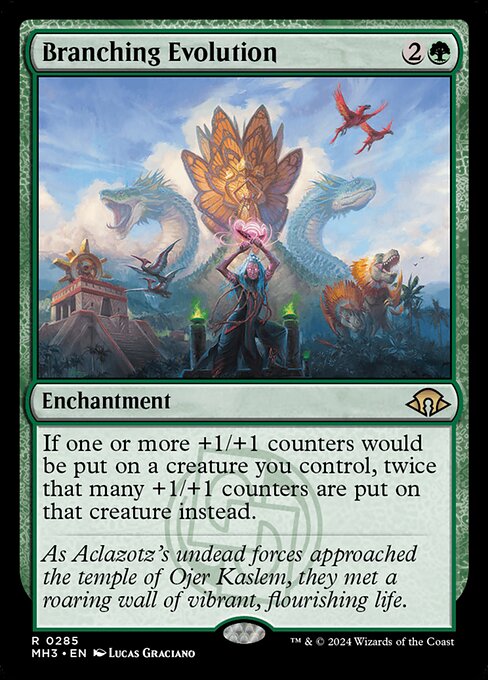
Best +1/+1 Counter Cards in MTG Commander, Ranked
Kill the anthem and the board shrinks. Kill the creature that placed a +1/+1 counter and nothing changes — the counter is already part of the creature. Here are the best +1/+1 counter payoffs and multipliers in Commander, ranked, plus the stacking order that turns one counter into eight.
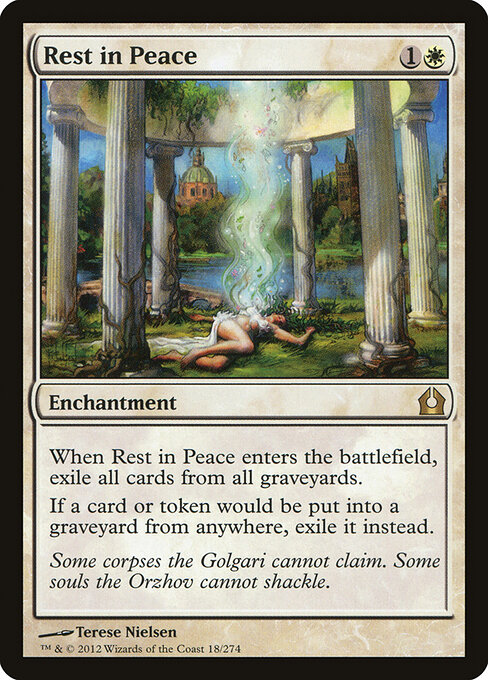
Best Graveyard Hate Cards in MTG Commander, Ranked
Every Commander pod has a reanimator deck, an aristocrats deck, and a guy whose commander says "return target creature card from your graveyard." Here is the best graveyard hate in the format, ranked — and the timing rules that separate a blowout from a wasted card.
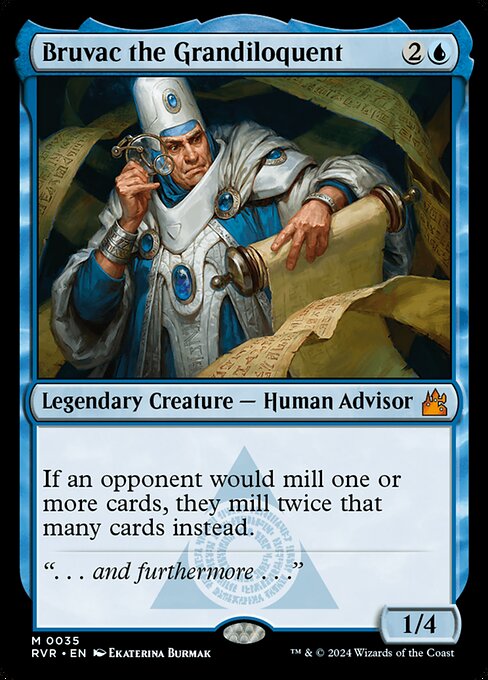
Best Mill Cards in MTG Commander, Ranked
Milling one player out is a chore. Milling three at once, before they punch your face in, is a real deck. Here are the best mill cards in Commander, ranked — plus the doublers and win conditions that make 300 total cards of library actually beatable.

Best Politics Cards in MTG Commander, Ranked
Politics isn't a personality trait, it's a card slot. Here are the strongest political cards in Commander — vote spells, monarch, tempting offers, deterrents and gifts — ranked by how much table time they actually buy you.

MTG Commander Format Guide — How to Start Playing EDH (2026)
Commander is the most-played MTG format on the planet and the easiest one for new players to start in. The rules look intimidating on paper. They are not. Here is the full beginner guide.

Best Commander Staples Every Deck Wants, Ranked
There's a short list of cards that show up in basically every Commander deck regardless of theme — the silent 25 that make the splashy 75 work. Here are the staples worth a slot in almost any list, sorted by the job they do, with the legality double-checked.