Best Tutors in Commander, Ranked
A tutor turns your 100-card singleton deck into a deck that draws the right card on cue. Here are the best tutors in Commander, ranked by power and flexibility — and the difference between a tutor that wins games and one that just digs.

Here is the dirty secret about a tutor: it does not actually do anything. It does not deal damage, make a blocker, or counter a spell. What it does is collapse the randomness of a 100-card singleton deck into a guarantee — you draw the exact card you need, on the turn you need it, every game. In a format defined by variance, the card that defeats variance is quietly one of the most powerful things you can run.
That is also why tutors are the single biggest swing in how consistent and how powerful your deck feels. A casual deck with two tutors plays smoother. A high-power deck with eight tutors finds its combo and its protection on cue, which is exactly why tutors are the dividing line between "fun precon" and "this table needs to know what they signed up for." Use them with that in mind.
This is a ranking of the best tutors in Commander by raw power and flexibility, with the legality of every card confirmed against Scryfall — every tutor here is Commander-legal, none are banned, so you can build with the whole list. The ranking also explains the thing most lists skip: where a tutor puts the card matters as much as what it can find.
What a tutor actually does for your deck
A tutor searches your library for a card and does something with it — usually puts it in your hand, on top of your deck, or directly onto the battlefield. The value comes from three levers that trade against each other constantly.
Flexibility — what can it find? The best tutors say "search for any card." Lesser ones restrict you to a card type (a creature, an artifact, an enchantment) or a category. The narrower the search, the lower the ceiling, because the whole point of a tutor is answering whatever the game throws at you.
Mana cost. A tutor spends a card and mana to find another card you then have to cast. That is card disadvantage with a tempo cost baked in. The cheaper the tutor, the less it sets you back, and the more likely you can tutor and cast the thing in the same window. One- and two-mana tutors are the gold standard; anything four-plus has to be finding something game-ending to justify the turn.
Where it puts the card. This is the lever everyone underrates. A tutor that puts the card in your hand lets you use it now. A tutor that puts it on top of your library makes you draw it next turn — a full turn of delay and a dead draw step. A tutor that drops it straight onto the battlefield skips casting it entirely. Same "search your library," wildly different power.
The honest test for any tutor: after you resolve it, are you ahead, even, or behind on the turn? A two-mana tutor-to-hand for a three-mana answer leaves you behind this turn but ahead overall. A four-mana tutor-to-top leaves you behind on both counts. Cheap and to-hand is the dream.
To hand vs to top vs to battlefield
Before the rankings, internalize the three destinations, because it reorders the whole list.
| Destination | Example | Tempo cost | Best for |
|---|---|---|---|
| To hand | Demonic Tutor | Low — usable immediately | Any answer, combo piece, or bomb you want now |
| To top of library | Vampiric Tutor, Mystical Tutor | Medium — costs your next draw | Cheap instants, end-of-turn setup, low-mana decks |
| To battlefield | Diabolic Intent (via sacrifice on creatures) | Varies — skips the cast | Permanents, especially expensive ones |
To hand is the most flexible and the most expensive to print, which is why Demonic Tutor at two mana is so beloved — it finds anything and you can cast it the same turn if you have the mana. To top is cheaper to print, so the to-top tutors tend to cost only one mana, but they eat your next draw step, so they shine in decks that can pass the turn and crack the card on the opponent's end step or untap into it. To battlefield skips the cast entirely, which is enormous for pricey permanents but usually comes attached to a cost like sacrificing a creature.
The practical upshot: a one-mana to-top tutor and a two-mana to-hand tutor are closer in power than they look, because the to-top version is really "one mana now, plus your next draw." Count the draw.
The best black tutors
Black owns tutoring the way green owns ramp. If you are in black and you want consistency, these are the headliners.
| Card | Cost | What it does | Why it ranks |
|---|---|---|---|
| Demonic Tutor | {1}{B} | Search any card, to hand | The gold standard. Any card, to hand, two mana. Nothing is more flexible |
| Vampiric Tutor | {B} | Search any card, to top, lose 2 life | One mana at instant speed for anything; you pay a draw and 2 life |
| Imperial Seal | {B} | Search any card, to top, lose 2 life | Sorcery-speed Vampiric Tutor. Same effect, only the timing is worse |
| Diabolic Intent | {1}{B} | Sacrifice a creature, search any card, to hand | Demonic Tutor that costs a creature instead of generic mana |
| Grim Tutor | {1}{B}{B} | Search any card, to hand, lose 3 life | A pricier Demonic with a life cost; fine when you want a third copy of the effect |
Demonic Tutor is the best tutor in the format, full stop. Two mana, finds literally any card, puts it in your hand. There is no rider to play around and no restriction to dodge — it is the cleanest possible version of the effect, and every black deck that wants consistency runs it.

Vampiric Tutor is the next rung and arguably the better card in the right deck. One mana, instant speed, finds anything — but it goes to the top of your library and costs 2 life, so you draw it next turn instead of getting it now. The instant-speed flexibility is the draw: cast it on an opponent's end step to set up your turn, or in response to a threat to grab the answer. In a deck that is happy to spend one mana now and its next draw, Vampiric is sometimes better than Demonic. Imperial Seal is functionally a sorcery-speed Vampiric Tutor — same effect, you just cannot do it at instant speed, which is a real downgrade but still a fine third tutor.
Diabolic Intent is Demonic Tutor that costs a creature instead of one generic mana. In a deck with expendable bodies — tokens, a sacrifice theme, creatures that already did their job — that is often a better rate than Demonic, because creatures are cheaper than a card. In a creature-light deck it is worse. Grim Tutor rounds out the black package as a pricier, life-paying Demonic for decks that want a fourth or fifth any-card tutor.
The best restricted tutors

Outside black, tutors get restricted to a card type — but a one-mana tutor that finds your best spell of a type is still excellent, and these give non-black decks real consistency.
- Mystical Tutor — {U}, instant, finds an instant or sorcery and puts it on top. One mana at instant speed for your best removal, counter, draw spell, or combo piece. The blue answer to Vampiric Tutor, and a staple in spell-heavy decks.
- Enlightened Tutor — {W}, instant, finds an artifact or enchantment and puts it on top. White's premier tutor, and it is better than it looks because so many bombs, lock pieces, and combo enablers are artifacts or enchantments.
- Worldly Tutor — {G}, instant, finds a creature and puts it on top. Green's classic tutor; one mana to set up your bomb creature or combo piece for next turn at instant speed.
- Eladamri's Call — {G}{W}, instant, finds a creature, to hand. Costs an extra mana over Worldly Tutor but goes to hand instead of top, so you can cast it immediately — a meaningful upgrade in a Selesnya-or-wider deck.
- Sylvan Tutor — {G}, sorcery, finds a creature to top. A sorcery-speed Worldly Tutor; fine as a second green creature-tutor.

The pattern across colors: black gets "any card," and everyone else gets "a card of this type." That restriction is the price of admission outside black, and it is usually fine — a Sultai control deck does not mind that Mystical Tutor only finds spells, because spells are what it wants to find. The to-top versions (Mystical, Enlightened, Worldly) all share Vampiric's quirk: one mana, but they cost your next draw. Eladamri's Call is the outlier worth highlighting — paying one extra mana to put the creature in hand instead of on top is often worth it, because it skips the turn of delay.
The best creature and permanent tutors
Some tutors find a card and cheat it onto the battlefield, or chain into multiples. These play differently — they are closer to "free spell" than "find a card."
- Tutors-to-battlefield like the ones that fetch a creature or artifact directly into play (the Birthing-Pod-style and reanimation-adjacent effects) skip casting entirely, which is why a four-mana version can outperform a two-mana to-hand tutor when it is dropping a six-drop into play. The cost is usually a sacrifice or a graveyard setup.
- Beseech the Mirror — a black tutor-to-hand that, with its Bargain cost paid, lets you cast the found card for free that turn. It is a combo-deck favorite because it both finds and deploys the piece.
- Fabricate — {2}{U}, finds an artifact to hand. Three mana is a steep rate, but in a deck built around a key artifact (a combo piece, a powerful equipment, a mana engine) it is the most reliable way to assemble it in blue.
The takeaway: a tutor that puts the card onto the battlefield or lets you cast it for free is doing two jobs at once, and that justifies a higher mana cost. Judge these by the total of "find plus deploy," not the tutor's printed cost alone. In a dedicated combo deck, a four-mana find-and-cast tutor can be better than Demonic Tutor, because Demonic still leaves you needing the mana to cast what you found.
Tutors that are overrated
Not every tutor earns its slot, and some get run on reputation. These are the ones to scrutinize before you sleeve them up.
| Card / type | The problem |
|---|---|
| Four-plus-mana any-card tutors with no upside | If it is not putting the card onto the battlefield, four mana to find a card you then have to cast is a brutal tempo hit. Cheap tutors do the same job better |
| Random-element tutors | Tutors that find a card but with a downside like revealing or risking the card to the graveyard introduce exactly the variance a tutor is supposed to remove. Run them only when the rate is unbeatable |
| To-top tutors in topdeck-mode decks | A to-top tutor is great when you can pass the turn, terrible when you are flooding and every draw matters. In an aggressive deck that wants gas every turn, the lost draw stings |
| Narrow type-tutors in off-theme decks | Enlightened Tutor in a deck with three artifacts is a near-dead card. The restricted tutors are only as good as your density of targets |
The pattern: a tutor's value is entirely contextual. The same Enlightened Tutor that is an all-star in an enchantress deck is unplayable in a creature-heavy aggro list. And the cardinal sin is the expensive any-card tutor with no battlefield upside — by the time you can afford a four-mana tutor, you would rather just be casting your bomb. The cheap tutors win because they leave you the mana to actually use what you found.
How many tutors should you run
This is the question that actually decides your deck's feel, and the answer is about power level and intent, not a magic number.
- Casual / precon-level decks: 0-3 tutors. A couple of tutors smooths the deck without making every game feel the same. More than that and you are pulling the same combo or bomb every game, which gets stale at a casual table fast.
- Focused midrange decks: 3-6 tutors. Enough to find your key piece or an answer when you need it, not so many that the deck plays identically every game. This is the sweet spot for most "I want my deck to be consistent but not oppressive" builds.
- High-power / combo decks: 6-10+ tutors. When the deck has a specific game-winning combo, you tutor to assemble it and to find protection. This is where tutor density becomes a power lever — and where you should make sure the rest of the table is playing at the same level.
The social note that matters: tutors are a major reason a "casual" deck can feel oppressive. Finding the same bomb or combo every single game flattens the variety that makes Commander fun for the other three players. Run the count that matches your pod, not the maximum your colors allow.
The deeper principle: every tutor you run is a card that is not itself an answer or a threat — it is a pointer to one. A deck that is 30% tutors is really a much smaller deck pretending to be 100 cards, which is consistent but repetitive. Match your tutor count to how consistent you actually want to be.
For the cards your tutors will be finding, our best removal spells guide and best counterspells guide cover the interaction worth fetching, the best ramp spells guide covers the acceleration, and the how to build a Commander deck post puts the whole 100-card package together.
Quick Action Checklist
Use this as a starting tutor package and dial the count to your power level.
- If you are in black, run Demonic Tutor and Vampiric Tutor first — any card, cheap, the gold standard
- Add Imperial Seal and Grim Tutor only if you want a third or fourth any-card tutor
- Run Diabolic Intent if your deck has expendable creatures or a sacrifice theme
- Outside black, use the one-mana type-tutors: Mystical (spells), Enlightened (artifacts/enchantments), Worldly (creatures)
- Prefer Eladamri's Call over Worldly Tutor when you can afford the extra mana — to hand beats to top
- Match a restricted tutor to your target density; Enlightened Tutor is dead in a deck with three artifacts
- Favor to-hand and battlefield tutors in fast decks; to-top tutors cost you a draw step
- Casual deck: cap at 0-3 tutors. Focused deck: 3-6. Combo deck: 6-10+
- Remember the social cost — tutoring the same bomb every game flattens the table's fun
Frequently Asked Questions
What is the best tutor in Commander?
Demonic Tutor or Vampiric Tutor — which is better?
Why does it matter whether a tutor goes to hand or to the top of my library?
What are the best tutors outside of black?
How many tutors should I run in a Commander deck?
Are any of the best tutors banned in Commander?
Keep Reading
Related Guides
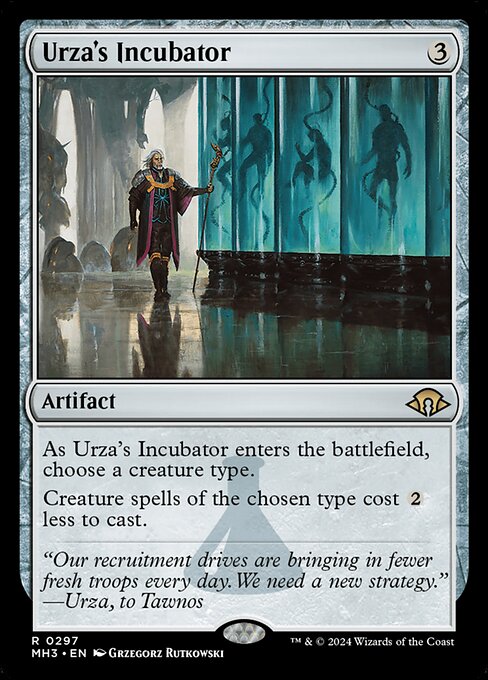
Best Cost Reducers in MTG Commander, Ranked
A Sol Ring gives you two mana once. Urza's Incubator gives you two mana on every creature spell you cast for the rest of the game. Here are the best cost reducers in Commander, ranked — and the honest math on when they beat a mana rock and when they are a trap.
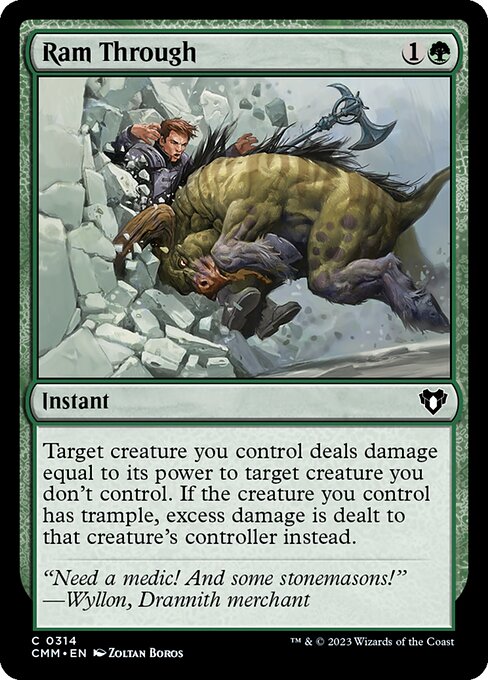
Best Fight and Bite Removal in MTG, Ranked
Green doesn't get to Murder things — it makes its big creatures do the killing. Here are the best fight and bite removal spells in Magic, ranked, from the one-sided bites to the repeatable fight engines that answer the board green isn't supposed to be able to touch.
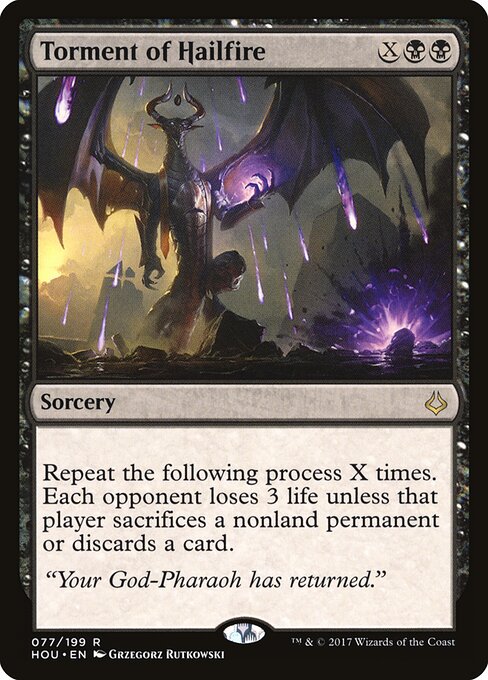
Best Mana Sinks in MTG Commander, Ranked
Ramp is only half the plan — you need something to actually dump all that mana into. Here are the best mana sinks in Commander, ranked: the X-spell finishers and repeatable activated abilities that turn a flooded board, or a pile of infinite mana, into a dead table.
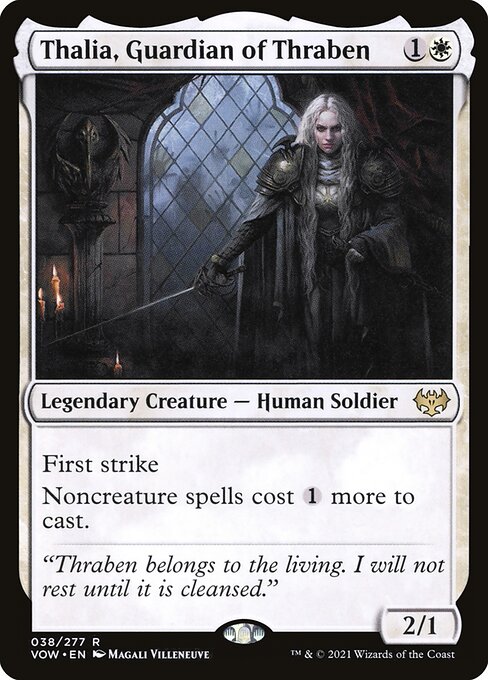
Best Hatebears in MTG Commander, Ranked
A hatebear is a two-mana creature that costs your opponents more than it cost you. Here are the best of them, ranked — the taxers, the lockdown pieces, and the ones that quietly delete an entire deck at the table.

MTG Commander Format Guide — How to Start Playing EDH (2026)
Commander is the most-played MTG format on the planet and the easiest one for new players to start in. The rules look intimidating on paper. They are not. Here is the full beginner guide.

Best Commander Staples Every Deck Wants, Ranked
There's a short list of cards that show up in basically every Commander deck regardless of theme — the silent 25 that make the splashy 75 work. Here are the staples worth a slot in almost any list, sorted by the job they do, with the legality double-checked.