Best Ramp Spells in Commander, Ranked
Green doesn't get to be the best color in Commander by accident — it gets there by playing turn-three spells on turn two. Here is the ramp worth running, ranked, with the difference between a ramp spell, a rock, and a dork made clear.
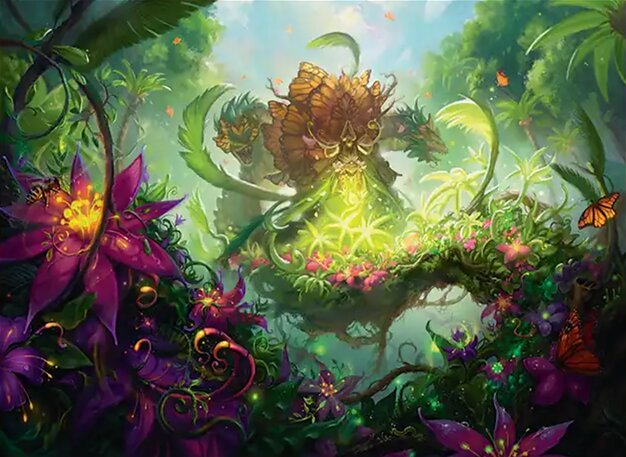
Green didn't earn its spot as the best color in Commander by drawing the most cards or casting the best removal. It earned it by playing turn-three spells on turn two, over and over, until the rest of the table is a full turn behind. That is what ramp does, and green does ramp better than every other color combined.
Here is the part that trips people up: not all ramp is the same, and the word "ramp" gets thrown at three completely different kinds of cards. A ramp spell is a sorcery or instant that puts extra mana into play, usually by fetching a land. A mana rock is an artifact that taps for mana. A mana dork is a creature that taps for mana. They overlap in what they do — get you ahead on mana — but they fail to different things and belong in different decks.
This guide ranks the ramp worth running, focuses on the green ramp spells and dorks that are the backbone of the format, and tells you exactly how many ramp pieces to run before you flood out with nothing to cast. We're verifying card types and costs against Scryfall, because half the "best ramp" lists online call Sol Ring a ramp spell. It isn't. It's a rock, and that distinction matters.
Why ramp wins Commander games
Commander is a 40-life format that almost always plays out over 8 to 12 turns. The decks that win are the ones that spent the early turns deploying mana while everyone else played a single land and passed. A turn-two ramp spell means your turn-five plays happen on turn four. Over a full game that compounds into an extra spell or two, and an extra spell or two is usually the gap between landing your engine before a board wipe and landing it after.
Ramp does three things that just playing lands off the top can't:
- It beats the one-land-per-turn cap. You can only play one land a turn. A Cultivate puts a land into play and stocks another in hand, so you're effectively two lands ahead with one card.
- It fixes colors. Most green ramp spells fetch any basic — or with the better ones, any land type including duals. That turns a three-color manabase from a coin flip into a machine.
- It rebuilds after a wipe. Land-based ramp survives a Wrath of God. The lands stay on the battlefield. A board of mana dorks does not, which is the single biggest knock against creature ramp and the reason land ramp sits above it in this ranking.
The honest test for any ramp card: does it leave you with more usable mana next turn than just playing a land would? If it taps for one and dies to a stiff breeze, it had better be cheap. If it permanently adds lands to your board, it can cost a little more.
Ramp spell vs mana rock vs mana dork
Before the rankings, get this straight, because it changes which cards belong in which deck.
| Type | Card type | Example | Survives a board wipe? | Best in |
|---|---|---|---|---|
| Ramp spell | Sorcery / instant | Cultivate, Nature's Lore | Yes (the lands stay) | Green decks, midrange, big-mana |
| Mana dork | Creature | Birds of Paradise, Llanowar Elves | No (dies to creature wipes) | Aggressive green, early-game decks |
| Mana rock | Artifact | Sol Ring, Arcane Signet | Mostly (dies to artifact wipes) | Every color, especially rockless control |
Sol Ring is a mana rock, not a ramp spell. It's the best ramp card in the format and it goes in nearly every deck, but it's an artifact that taps for mana — it lives in the rock conversation, not this one. If you want the full rundown on the artifact side of ramp, that's its own guide. This piece is about the spells and creatures, where green dominates.
The practical upshot: land-based ramp spells are the most resilient because the mana they make is on lands that survive almost everything. Dorks are the cheapest and fastest but the most fragile. Rocks sit in the middle and go in any color. A good deck runs a mix weighted toward whatever its colors can support — and green decks lean hardest on the spells below.
The S-tier green ramp spells
These are the green sorceries that anchor the format. Every one of them is an instant-or-sorcery that fetches lands, which means the mana sticks around through a board wipe.
| Card | Cost | What it does | Why it's S-tier |
|---|---|---|---|
| Cultivate | {2}{G} | Search two basics, one to battlefield tapped, one to hand | Ramps you and fixes the next land drop. Card-neutral |
| Kodama's Reach | {2}{G} | Same as Cultivate, functionally identical | The other half of the best ramp pair in the format |
| Three Visits | {1}{G} | Search a Forest or dual land type to battlefield untapped | Two mana, fetches shocklands and Triomes, enters untapped |
| Nature's Lore | {1}{G} | Search a Forest or dual land type to battlefield untapped | Functionally identical to Three Visits |
| Farseek | {1}{G} | Search a Plains/Island/Swamp/Mountain type to battlefield tapped | Grabs shocks and duals in three-plus colors |
Cultivate and Kodama's Reach are the gold standard. Both cost {2}{G}, both grab two basic lands — one onto the battlefield tapped, one to your hand — and both are functionally the same card. They don't lose you a card (you trade one card for two lands), they fix your colors, and the ramp is permanent. Run both in any green deck that wants three-plus colors.
The two-mana fetchers are arguably better in a tuned manabase. Three Visits and Nature's Lore are identical: {1}{G} to search out a Forest or any land with the Forest land type or other basic land type, and crucially it enters untapped. That means they grab shocklands (Temple Garden, Stomping Ground) and Triomes — real dual lands, not just basics — and you get to use the mana the same turn. Farseek does the same trick but specifically grabs a card with the Plains, Island, Swamp, or Mountain type (not Forest), so it's the green ramp spell that pulls non-green duals into a four-color deck. The one catch: Farseek's land enters tapped.
The rule of thumb: in a two-color basics-heavy deck, Cultivate and Kodama's Reach are your best ramp because the extra card in hand matters more than untapped mana. In a three-plus-color deck with shocklands and Triomes, Three Visits and Nature's Lore pull ahead because they fetch your actual fixing lands untapped.
The best mana dorks

Mana dorks are creatures that tap for mana. They are the fastest ramp in the game — a turn-one dork means a turn-two three-drop — but they die to every board wipe, every Pyroclasm, every random ping. Run them in decks that want to be ahead early, not in slow control shells where they'll just get swept.
- Birds of Paradise — {G}, taps for one mana of any color. The best one-mana dork ever printed because it fixes any color in the game. A turn-one Birds in a three-color deck is the single best fixing play available.
- Llanowar Elves / Elvish Mystic — {G}, taps for {G}. Functionally the same card; both are one-mana 1/1s that tap for a green. The cleanest acceleration in any green deck. Run both — they're not the same card name, so the singleton rule lets you.
- Sakura-Tribe Elder — {1}{G}, a 1/1 you sacrifice to fetch a basic land to the battlefield tapped. This one's special: it's a creature, but the ramp is a land, so it survives a board wipe by virtue of having already cracked itself. Also a free chump-blocker. One of the best two-drops in green, full stop.
- Wood Elves — {2}{G}, a 1/1 that fetches a Forest or dual land type to the battlefield untapped when it enters. Slower than the others, but the land-search makes the ramp resilient and it grabs your shocklands.

Sakura-Tribe Elder deserves its own callout. It's technically a creature, but you almost never leave it on the board — you block with it, sacrifice it for the land, and walk away with permanent ramp and a soaked-up combat hit. That's why it plays more like a ramp spell than a dork, and why it dodges the "dies to a wipe" problem that drags the rest of the category down.
The honest take on dorks: they're explosive but fragile. If your pod fires off two or three board wipes a game, your turn-one Birds is dead weight by turn five. Lean on dorks in aggressive, creature-heavy green decks. Lean on land ramp in slower decks that expect to get wiped.
Ramp outside green

Green owns ramp spells. The other colors get scraps, and they mostly ramp through artifacts (rocks) instead. But a few non-green options are worth knowing:
- Mana rocks are the answer for non-green decks. Sol Ring, Arcane Signet, the Talisman and Signet cycles — these are how a mono-blue or mono-white deck accelerates, and they go in any color. A rockless non-green deck is a slow deck.
- Smothering Tithe (white enchantment) isn't a ramp spell in the traditional sense, but it out-ramps most actual ramp in a four-player game by printing a Treasure off every opponent's draw step unless they pay 2. Nobody pays.
- Treasure and ritual effects (red's Dockside-style payoffs, black's Dark Ritual one-shots) generate burst mana but don't stick — they're acceleration for a specific explosive turn, not a steady ramp engine.
The takeaway: if you're not in green, your "ramp spells" are mostly mana rocks, and you build differently. Green is the only color where the spells themselves — sorceries that fetch lands — carry the ramp load. That's the entire reason green-based decks can run 36 lands and still never miss a land drop, while a mono-blue control deck has to lean on eight rocks to keep pace.
Ramp that is overrated
Some ramp looks fine and isn't. These are the ones to cut first when you're tightening a list.
| Card | Cost | The problem |
|---|---|---|
| Rampant Growth | {1}{G} | Fetches one basic to the battlefield tapped. Fine, but it's strictly a worse Nature's Lore in a deck with duals, and it's card-disadvantage compared to Cultivate |
| Explosive Vegetation | {3}{G} | Four mana for two tapped basics. The payoff is real but the cost is steep — you're spending turn four to ramp instead of doing something |
| Skyshroud Claim | {3}{G} | Four mana for two untapped Forests/duals. Strong in a deck built around it, clunky everywhere else |
| Manalith-style three-mana rocks | {3} | Three mana for one mana of fixing is a bad rate. A two-mana Talisman does the same job a turn faster |
The pattern: four-mana ramp spells have to fight for their slot because by the time you can cast them, you'd rather be deploying threats. Explosive Vegetation and Skyshroud Claim are genuinely good in big-mana decks that want to hit eight-plus mana fast — but in an average midrange deck, that turn-four slot is better spent on a payoff. Rampant Growth isn't bad, it's just outclassed: it ramps one land at card-disadvantage, where Cultivate ramps and replaces itself for the same color cost plus one.
The trap is treating ramp as free value. Every ramp card you run is a card that isn't a threat, removal, or card draw. Past a certain count, more ramp just means you have a beautiful manabase and nothing to spend it on.
How much ramp should you run
This is the question that actually matters, and the answer scales with your colors and curve.
- Aggressive low-curve green decks: 8-10 ramp pieces, weighted toward cheap dorks (Birds, Llanowar Elves, Sakura-Tribe Elder). You want to be ahead by turn three.
- Midrange green decks: 10-12 ramp pieces, weighted toward land ramp (Cultivate, Kodama's Reach, the two-mana fetchers). Resilient and color-fixing.
- Big-mana / ramp-payoff decks: 12-14 ramp pieces, including the four-mana spells (Explosive Vegetation, Skyshroud Claim). You're building to dump a huge spell, so over-ramping is the plan.
- Non-green decks: 8-10 ramp pieces, but these are almost all mana rocks, not spells. See the rock guide.
The deeper principle: ramp is part of your total acceleration count, and it competes with your land count. A green deck running ten ramp spells can shave to 35-36 lands because so many of its spells are lands in disguise. A rockless control deck running zero ramp spells needs 37-38 lands plus eight rocks. Count it all together and aim for the curve, not a magic number.
For the manabase those ramp spells fetch, our best Commander lands guide covers the duals and utility lands worth running. For the artifact side of acceleration, the best mana rocks guide handles Sol Ring and the rock package.
Quick Action Checklist
Use this as a starting ramp package for a green Commander deck. Adjust the count to your curve and colors.
- Run Cultivate and Kodama's Reach in any green deck playing three-plus colors
- Run Three Visits and Nature's Lore if your manabase has shocklands or Triomes — they fetch them untapped
- Birds of Paradise for any-color fixing on turn one; Llanowar Elves and Elvish Mystic for mono-green and two-color speed
- Sakura-Tribe Elder in every green deck — it's ramp, a blocker, and wipe-proof
- Add Farseek if you're four colors and need to fetch non-green duals
- Cap the four-mana ramp (Explosive Vegetation, Skyshroud Claim) to big-mana decks only
- Aim for 8-10 ramp in aggressive decks, 10-12 in midrange, 12-14 in big-mana
- Remember: Sol Ring is a rock, not a ramp spell — count it, but build it like a rock
- If you're flooding on ramp with nothing to cast, you ran too much. Cut to the land-fetchers
Frequently Asked Questions
What is the best ramp spell in Commander?
Is Sol Ring a ramp spell?
What's the difference between a ramp spell, a mana rock, and a mana dork?
How much ramp should I run in a Commander deck?
Are mana dorks worth it if they die to board wipes?
Cultivate or Three Visits — which ramp spell is better?
Keep Reading
Related Guides
Best Cost Reducers in MTG Commander, Ranked
A Sol Ring gives you two mana once. Urza's Incubator gives you two mana on every creature spell you cast for the rest of the game. Here are the best cost reducers in Commander, ranked — and the honest math on when they beat a mana rock and when they are a trap.
Best Fight and Bite Removal in MTG, Ranked
Green doesn't get to Murder things — it makes its big creatures do the killing. Here are the best fight and bite removal spells in Magic, ranked, from the one-sided bites to the repeatable fight engines that answer the board green isn't supposed to be able to touch.
Best Mana Sinks in MTG Commander, Ranked
Ramp is only half the plan — you need something to actually dump all that mana into. Here are the best mana sinks in Commander, ranked: the X-spell finishers and repeatable activated abilities that turn a flooded board, or a pile of infinite mana, into a dead table.
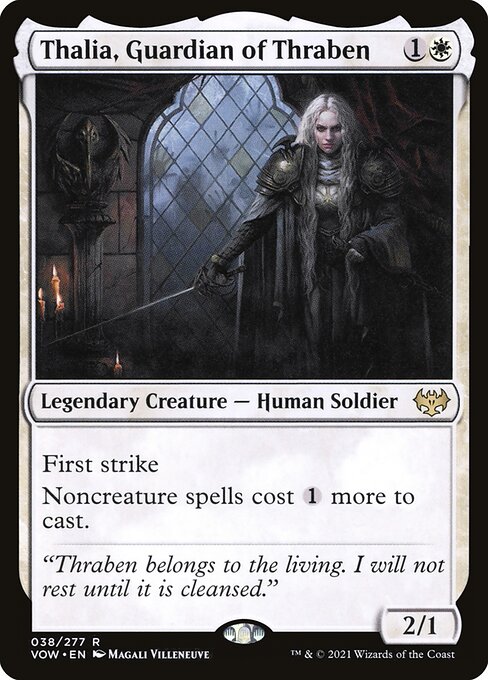
Best Hatebears in MTG Commander, Ranked
A hatebear is a two-mana creature that costs your opponents more than it cost you. Here are the best of them, ranked — the taxers, the lockdown pieces, and the ones that quietly delete an entire deck at the table.

MTG Commander Format Guide — How to Start Playing EDH (2026)
Commander is the most-played MTG format on the planet and the easiest one for new players to start in. The rules look intimidating on paper. They are not. Here is the full beginner guide.

Best Commander Staples Every Deck Wants, Ranked
There's a short list of cards that show up in basically every Commander deck regardless of theme — the silent 25 that make the splashy 75 work. Here are the staples worth a slot in almost any list, sorted by the job they do, with the legality double-checked.