Magic: The Gathering Pioneer Format Guide: Where to Start
Pioneer is the format for people who want a deep, non-rotating card pool without the Modern Horizons arms race. Here is what Pioneer actually is, the archetypes that define it, and how a newcomer gets in without overpaying.
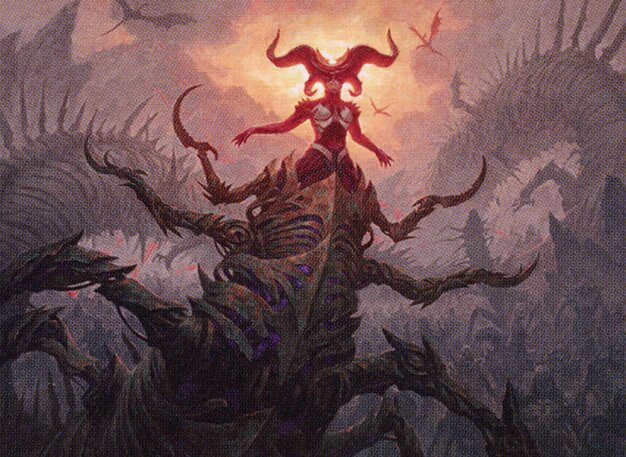
Pioneer is the format for the player who looked at Modern, saw decks built around cards that were printed straight into the format and never sold at a normal pack price, and thought "no thanks." It is a non-rotating constructed format with a card pool that stops at Return to Ravnica (2012) and runs forward — no Modern Horizons supplemental sets, no Reserved List dual lands, no fetchland tax from a decade of supplemental product. Just real Standard-legal sets, frozen into a permanent pool.
That single design choice is the whole pitch. Pioneer gives you a deep, powerful, non-rotating format where almost every card was once a Standard card you could open in a booster. The power level is high but the entry cost is the lowest of any non-rotating 60-card format, and that is exactly why it has become the go-to "I want a real format but I am not made of money" option for a lot of players.
Here is what Pioneer actually is, the card pool and banned list that define it, the archetype families everything sorts into, and a realistic plan for getting in. Every card and legality call here has been checked against Scryfall's current data, because Pioneer's banned list is busier than people expect and plenty of old "best Pioneer cards" lists are recommending cards that have since been banned.
What is Pioneer in MTG
Pioneer is a 60-card constructed format. You build a minimum 60-card deck plus a 15-card sideboard, run up to four copies of any non-basic card, and play one-on-one, usually best-of-three with sideboarding between games. Structurally it is identical to Standard and Modern — the only thing that changes between those formats is which cards are legal.
The defining trait is the card pool. Pioneer is non-rotating: once a set is in the pool, its cards are legal forever unless they get banned, exactly like Modern. Where it differs from Modern is the size and source of that pool. Modern goes back to 2003 and includes Modern Horizons sets printed directly into the format. Pioneer starts later, at Return to Ravnica, and includes only cards that were legal in a Standard-legal set — no direct-to-Modern injections, no supplemental-only power cards.
That puts Pioneer squarely in the middle of the format ladder. Standard is the smallest, newest pool and rotates every year. Pioneer is bigger and permanent. Modern is bigger still. Legacy and Vintage use nearly the whole history of the game. Pioneer is the sweet spot for players who want their collection to stop expiring without committing to the power level — and price tag — of Modern.
The card pool: Return to Ravnica forward
Pioneer's pool starts at Return to Ravnica (October 2012) and includes every Standard-legal set released since. The October 2012 cutoff was chosen deliberately: it is roughly where the modern manabase template settled, specifically the shockland cycle (the original ten "pay 2 life or it enters tapped" duals, reprinted in Return to Ravnica) that gives Pioneer its mana fixing. There are no fetchlands in Pioneer, which is a feature, not an oversight — it keeps the manabase affordable and the games a touch slower than Modern.
The thing to internalize is that Pioneer is built entirely from cards that passed through Standard. If you have played Magic at any point since 2012, you have probably opened Pioneer staples in packs. Sheoldred, the Apocalypse from Dominaria United, Collected Company from Dragons of Tarkir, Greasefang from Kamigawa: Neon Dynasty, Slickshot Show-Off from Outlaws of Thunder Junction — these were all chase Standard cards in their day, and they did not vanish when they rotated out of Standard. They flowed straight into Pioneer.
The practical upshot: your old Standard collection is the cheapest on-ramp to Pioneer there is. If you have a few years of rotated-out Standard cards in a box, you already own a chunk of a Pioneer deck. That is a luxury Modern simply does not offer, because so much of Modern lives in supplemental sets you had to buy specifically.
The banned list and why it matters
Pioneer has a banned list that Wizards updates several times a year, and for a "younger" format it is surprisingly active. When a card or a combo warps the metagame — too fast, too consistent, too oppressive — it gets banned, and the format resets around the hole.
This matters more than anything else in this guide, because a banned card is not a deck you can build. Plenty of stale "best Pioneer cards" lists online still recommend cards that have since been banned. As of mid-2026 the banned list includes a long roster of former format pillars — among them Karn, the Great Creator (which broke the format alongside artifact lock pieces), Geological Appraiser (a free-spell combo enabler), Sorin, Imperious Bloodlord, Winota, Joiner of Forces, Expressive Iteration, Field of the Dead, and the Amalia Benavides Aguirre combo that dominated before its ban. Several of those were the best card in their archetype right up until the announcement.
The lesson is simple: always confirm a card's current Pioneer legality on Scryfall before you buy a playset. Famous and expensive does not mean legal. Follow the Wizards banned and restricted announcements so a ban never catches you mid-purchase.
The flip side is that a busy banlist is Wizards actively keeping any one deck from running away with the format, which is what you want in a format you plan to invest in for years. When a ban lands, expect a few weeks of metagame churn, then a new equilibrium.
What makes Pioneer tick
Three things define how Pioneer games actually play out, and understanding them beats memorizing any single decklist.
It is fast, but not Modern-fast. Without fetchlands and Modern Horizons free spells, the format runs about a turn slower than Modern. The good decks are doing powerful things by turn three or four, and the fastest aggro can close around turn four, but you generally have a little more room to set up than you would in Modern. That extra breathing room is why a lot of players find Pioneer more forgiving to learn.
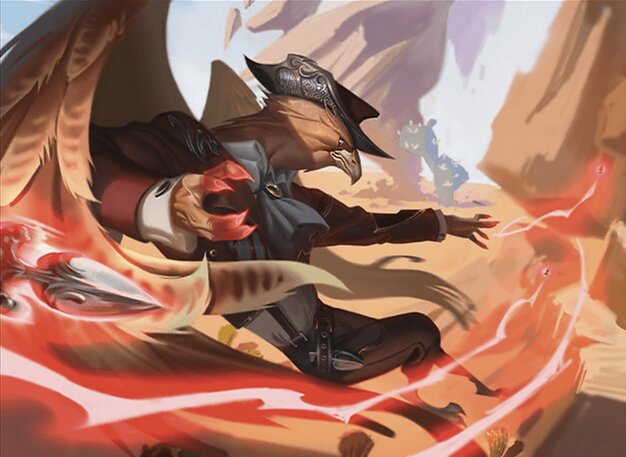
Creatures and midrange set the pace. Pioneer has historically been a creature-forward format. The lack of the cheapest, most degenerate interaction means efficient creatures — and the removal that answers them — define the fair side of the format. Cards like Sheoldred, the Apocalypse sit at the center of the metagame precisely because a sticky, game-warping four-drop is exactly the kind of card a creature format rewards.
Combo is real but checkable. Pioneer has genuine combo decks — graveyard reanimator shells, creature-combo lists, prison decks — but the banlist keeps the truly broken ones in check. The format's health depends on the fair decks having enough cheap removal and disruption to punish the unfair ones before they go off, and the unfair decks being consistent enough to punish a slow draw. That tension is the heart of the format.
The archetype families
Almost every Pioneer deck sorts into one of five families. Learning these is more durable than learning any single list, because specific decks rise and fall with each set and ban while the families stay constant.
Aggro. Cheap creatures, cheap burn or evasion, end the game fast. Pioneer aggro spans mono-red burn-and-haste shells, white-based "go wide" decks, and spell-based decks built around prowess threats like Slickshot Show-Off that turn a hand of cheap spells into a lethal flier. Aggro punishes slow, greedy decks and is consistently the cheapest archetype to build.
Midrange. The "good cards, good removal, grind you out" decks, and historically the backbone of Pioneer. These run efficient threats, a full removal suite, and a sticky bomb or two like Sheoldred, the Apocalypse, then win by trading one-for-one until card quality pulls ahead. Black-based midrange (Rakdos and mono-black variants) is a perennial pillar because its interaction is the cheapest and most flexible.
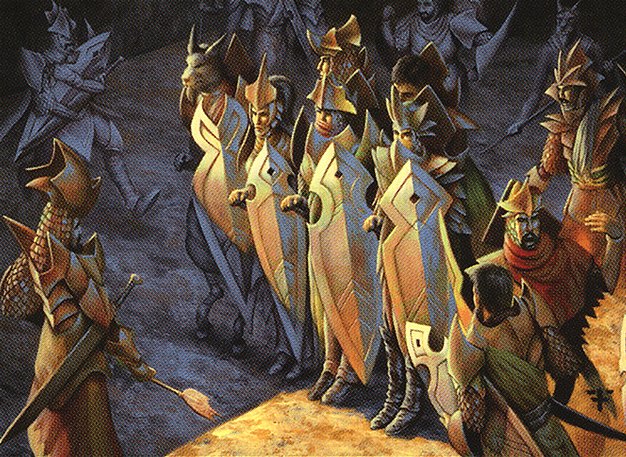
Control. Counterspells, removal, card advantage, and a small set of finishers. Pioneer control is usually blue-based — Azorius or a three-color build — and wins by answering everything and closing late with a couple of threats or a planeswalker. It is the hardest family to pilot well because every turn is a decision tree, but it is enormously rewarding once it clicks.
Combo. Decks built to assemble a specific game-winning interaction rather than win through combat. Pioneer's headliners include Greasefang reanimator (cheat a giant vehicle into play and swing) and creature-combo shells that chain off Collected Company. Combo punishes decks that lack disruption and folds to cheap interaction and graveyard hate.
Ramp / big mana. Decks that accelerate on mana to cast things ahead of curve — green-based ramp into giant threats and planeswalkers, plus the occasional devotion shell that pours mana into a single payoff. They go over the top of fair decks but stumble against fast aggro and disruption.
If you only remember one thing: Pioneer is a creature-and-removal format with combo as the spice. Aggro punishes the durdly decks, midrange grinds out the aggro, control answers the midrange, and the cheap interaction keeps the combo decks honest.
How to pick your first deck
Pick by how you like to win, not by what won the last big event. The most common new-player mistake is buying the format's most expensive top deck, piloting it badly, and bouncing off the format.
- If you like attacking and want to spend the least, start aggro. Mono-red and other aggressive shells are the cheapest competitive archetypes, the games are short, and the decisions are forgiving. You learn the format's clock from the front foot.
- If you like grinding and trading resources, start midrange. Black-based midrange is the most flexible "good cards" deck, it teaches you the format's removal and threats, and it stays relevant through bans because cheap interaction never gets banned out.
- If you like answering everything, start control — but know it is the hardest to pilot. Save it for your second deck unless you already love control in other formats.
- If you like puzzles and explosive turns, start a combo deck like Greasefang. These reward repetition: once you know the lines you pilot them on autopilot, which makes them great for grinders.
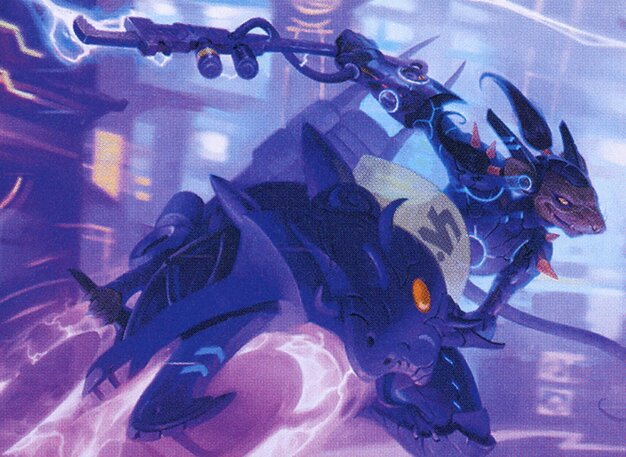
Whatever you pick, play 20 to 30 games before you judge it. Every archetype has a learning curve, and the first ten games are mostly you learning what your own deck does.
Getting in without going broke
Cost is Pioneer's biggest selling point over Modern, so here is the honest plan.
- Aggro is the cheap entry point. A competitive mono-red or aggressive deck is consistently among the least expensive ways into the format, because its threats and burn are commons and uncommons rather than chase mythics.
- Mine your rotated Standard cards first. Pioneer is built from Standard-legal sets, so anything you opened since 2012 is potentially legal. Before you buy anything, dig through your old Standard boxes — you may already own half a deck.
- The manabase is shocklands, not fetchlands. Pioneer's fixing is the shockland cycle plus pain lands and creature lands, which is meaningfully cheaper than Modern's fetch-and-shock manabase. Shocklands hold value and go in many decks, so they are a smart long-term buy.
- Proxy to test, then buy what you keep. Trial a list on a free simulator or with proxies in casual play before you spend. Buy paper only once you know you like the deck.
- Buy a known list, not a brew. For your first deck, copy a proven tournament list from a results site rather than home-brewing. You will lose less, learn faster, and avoid buying cards that turn out to be traps.
- Watch for bans before big purchases. Never buy a four-of right before a banlist announcement if the card is a format pillar. Check the official banned list first.
Like Modern, Pioneer's cost is front-loaded and then it stops: you pay once, the cards never rotate, and barring a ban you are set for years. Unlike Modern, the bill is smaller and a lot of it may already be in your collection.
Common new-player mistakes
- Assuming it is just "cheap Modern." Pioneer is its own format with its own pace and metagame. It is slower and more creature-centric, and the decks that win Modern often do not exist in Pioneer because their key pieces predate Return to Ravnica or live in Modern Horizons.
- Playing a stale list. The format moves with every set and ban. A list from a year ago may be running banned cards or be a tier behind. Check recent results before you build.
- Ignoring the sideboard. Best-of-three means the sideboard is a third of your deckbuilding. Plenty of matchups — especially against combo and ramp — are decided in games two and three by your sideboard cards.
- Skimping on the manabase. It is tempting to run basics to save money, but a creature-and-removal format punishes color screw hard. Get your shocklands; they are the part that holds value anyway.
- Buying the most expensive deck first. Top-tier price does not mean beginner-friendly. The hardest decks to pilot are often the priciest, which is the worst combination for a new player.
If you are coming from another format, our Modern format guide and Commander format guide cover those entry points, the Limited draft guide covers drafting, and the MTG deck archetypes explained post breaks the aggro/midrange/control/combo families down in more depth.
Quick Action Checklist
- Decide how you like to win: attacking (aggro), grinding (midrange), answering (control), or comboing off (combo/ramp).
- For a cheap, forgiving start, pick a mono-red or aggressive deck.
- Dig through your rotated-out Standard cards first — Pioneer is built from Standard-legal sets, so you may already own a chunk of a deck.
- Copy a proven tournament list from a recent results site instead of brewing your own.
- Check every card's current Pioneer legality on Scryfall before buying — the banlist is more active than people expect.
- Build your shockland manabase; it is the most reusable, value-holding part of any deck.
- Build the sideboard, not just the main 60. Best-of-three rewards it.
- Test on a free simulator or with proxies before spending real money.
- Play 20 to 30 games before judging the deck — every archetype has a learning curve.
Frequently Asked Questions
What is the Pioneer format in MTG?
How is Pioneer different from Modern?
What sets are legal in Pioneer?
What is the cheapest Pioneer deck for a beginner?
What are the main Pioneer archetypes?
Does Pioneer have a banned list?
Keep Reading
Related Guides
MTG Arena Competitive Brawl: Rules and Banned Commanders
On October 12, 2026, Wizards banned three more commanders in Competitive Brawl and moved nine cards, Oko and Ragavan among them, from fully banned to banned only as your commander. Here is what Competitive Brawl is, how it differs from the Brawl queue next to it, the full list, and the one card the official page has gone quiet on.
MTG Planechase Rules: Planar Die, Planes and Phenomena
Your first roll of the planar die each turn is free. The sixth costs five mana on its own, and the six together cost fifteen. Here is how Planechase actually works, from the planar deck and the starting plane to the die, chaos, phenomena and Commander pods, checked against the Comprehensive Rules effective September 25, 2026.
MTG Arena Is Retiring Alchemy: Dates and What You Keep
Wizards announced on September 11, 2026 that the Alchemy format is being retired from MTG Arena on February 2, 2027, alongside the 2027 Standard rotation. The shutdown runs in three dated stages, and the first one lands on September 22 — every rebalanced version of a tabletop card reverts to its paper printing across every format, and five cards get banned in Historic as a direct consequence. Here is the timeline, what happens to the cards you already own, and what none of it changes.
MTG Commander Banned List: Every Card and Why
Wizards' banned list page gives Commander 42 card names and four lines of small print. Scryfall says the real number is 83. The gap is 41 cards banned by category rather than by name — Conspiracies, ante cards, and the seven banned everywhere for offensive content. Here is the entire list, grouped by what each card actually does, plus the one change the Commander Format Panel made this year.
MTG Commander Format Guide — How to Start Playing EDH (2026)
Commander is the most-played MTG format on the planet and the easiest one for new players to start in. The rules look intimidating on paper. They are not. Here is the full beginner guide.

Best Commander Staples Every Deck Wants, Ranked
There's a short list of cards that show up in basically every Commander deck regardless of theme — the silent 25 that make the splashy 75 work. Here are the staples worth a slot in almost any list, sorted by the job they do, with the legality double-checked.