MTG Two-Headed Giant Format Guide: Rules and Strategy
Two-Headed Giant is the best way to play Magic with a friend instead of against everyone. Shared life, shared turns, one game plan between two players. Here are the real rules and the strategy that actually wins 2v2 games.
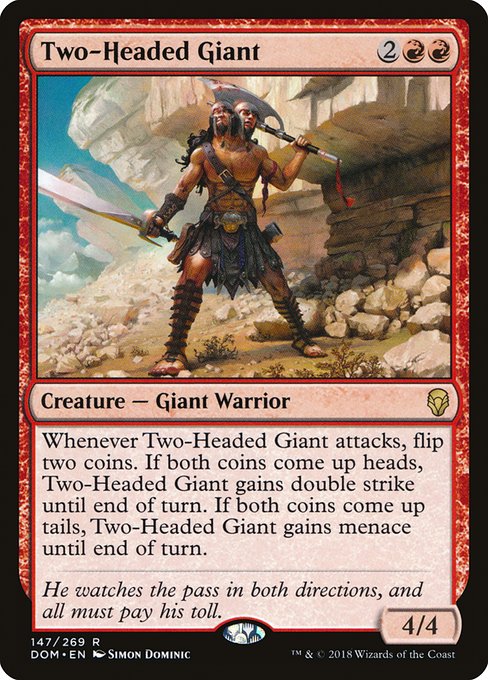
Two-Headed Giant is the best way to play Magic with a friend instead of against everyone. Most multiplayer Magic is a free-for-all where your closest ally is whoever isn't attacking you this turn. 2HG flips that: you and a teammate share one life total, take one turn together, and win or lose as a single unit. It's the format for the person who wants to scheme with a buddy across the table instead of negotiating temporary truces in a four-player politics knife-fight.
It's also the most popular team format Wizards officially supports — it shows up at prereleases, Grand Prix side events, and kitchen tables constantly. The catch is that the rules changes are bigger than they look. "Two players on a team" sounds simple until you hit the shared turn, the way damage doubles against you, and the combat rules that let your teammate block for you. Get those wrong and you'll misplay the format badly. Here's how 2HG actually works, and how to win it.
What Two-Headed Giant is
Two-Headed Giant is a two-versus-two team format. Four players, two teams of two, sitting on opposite sides of the table. Each team is treated as a single "head" in a lot of rules-relevant ways: one shared life total, one shared turn, one team that wins and one that loses.
You can play it with any deck type. Constructed 2HG uses 60-card decks, Limited (the most common way it's played, at prereleases) uses 40-card decks, and there's even a Commander variant with 99-card singleton decks. The format layers on top of whatever you're already playing — the deck rules don't change, only the game rules do.
The teamwork is real and structural, not just vibes. You and your teammate share a life total, take your turns at the same time, and can freely tell each other your plans and even what's in your hands (in casual play). Your cards are still yours — your teammate can't cast spells from your hand or use your mana — but you're building toward one shared win condition. That's the whole appeal.
The rules that actually change
Before the deep dives, here's the cheat sheet of everything 2HG changes versus a normal game. These are the rules people get wrong:
- Each team shares one life total, starting at 30 (Constructed and Limited). The Commander 2HG variant starts each team at 60.
- Both teammates take their turn simultaneously — your team gets one shared turn, and you both untap, upkeep, draw, play, and attack together within it.
- The team that goes first skips its first draw step (just like the starting player in a normal game).
- A team loses at 0 or less life, 15 or more poison counters, or 21 or more combat damage from a single commander (in Commander 2HG).
- Each player gets one free mulligan, and teammates decide whether to mulligan at the same time.
- "Each opponent" and "each player" effects hit both members of a team separately — which means a lot of symmetric damage and drain effects double up against the opposing team.
That last one is the sneaky one, and it's where the strategy lives. Hold onto it.
Shared life and the loss conditions
The defining rule: your team shares a single 30-life pool. Damage to either player, life loss from either player's cards, life paid for either player's spells — it all comes out of the same 30. When that pool hits 0 or less, the whole team loses, regardless of which player "took" the damage.
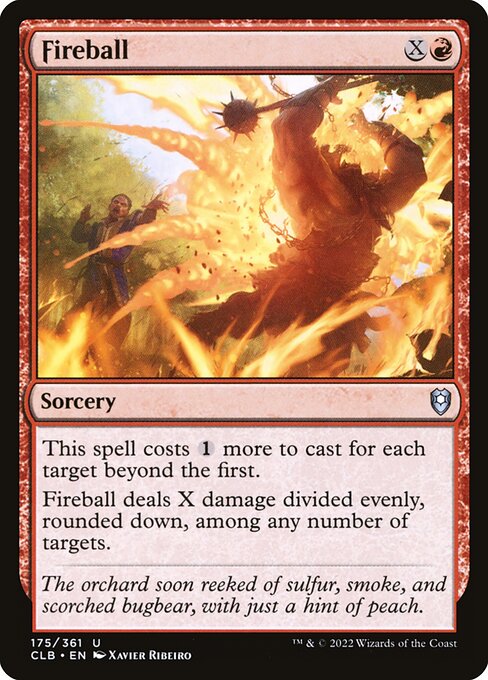
That shared pool changes the math on damage in a way you have to internalize. Because effects that hit "each opponent" or "each player" affect both teammates separately, a symmetric burn spell or drain can deal double the life loss to the opposing team's single pool. A spell that reads "deals 3 damage to each opponent" does 6 to the enemy team's life total. That's why burn, drain, and "each opponent loses life" effects are quietly some of the strongest cards in 2HG — the shared pool turns them into double-rate damage.
The other loss conditions scale for the team, too:
- Poison: 15 counters. A team loses when it accumulates 15 or more poison counters, up from the usual 10. Infect and toxic decks need to do half-again as much work to kill a 2HG team.
- Commander damage (Commander 2HG only): 21. A team loses if it's taken 21 or more combat damage from a single commander, the same number as a normal Commander game — but it's tracked per team, against the team's shared pool of "damage from that commander."
- "You lose the game" effects still only knock out the player they hit, not the teammate — but losing one player on a team usually means that team loses, since the survivor is now playing two-on-one with the team's shared life.
The shared turn: how 2HG actually plays
This is the rule that feels weird until it clicks. The two players on a team take their turn at the same time. Your team doesn't get two turns in a round — it gets one shared turn that you both participate in.
Concretely: on your team's turn, both teammates untap simultaneously, both have their upkeep, both draw (except on the very first turn of the game, when the team going first skips its draw). Then you share the main phases — either player can cast spells and play lands during the team's main phase, you sort out the order between yourselves, and you attack together in one combat. When your team passes, the other team takes its single shared turn.
So a full round is two turns total, not four: Team A's shared turn, then Team B's shared turn. Triggers that key off "your turn" or "the beginning of your upkeep" happen once for the team turn, and effects that care about "the beginning of each upkeep" will see each teammate's upkeep. The starting team skipping its first draw step is the only first-turn quirk to remember.
The practical upshot is that mana and timing are shared resources to coordinate. You can't pool mana — your lands tap for your spells only — but you can sequence around each other: one of you holds up interaction while the other commits the threat, or one ramps while the other deploys. Two hands of cards working in one turn is a lot of power if you sequence it well.
Combat: attacking and blocking as a team
Combat is where the teamwork gets tactical, and the rules are very team-friendly.
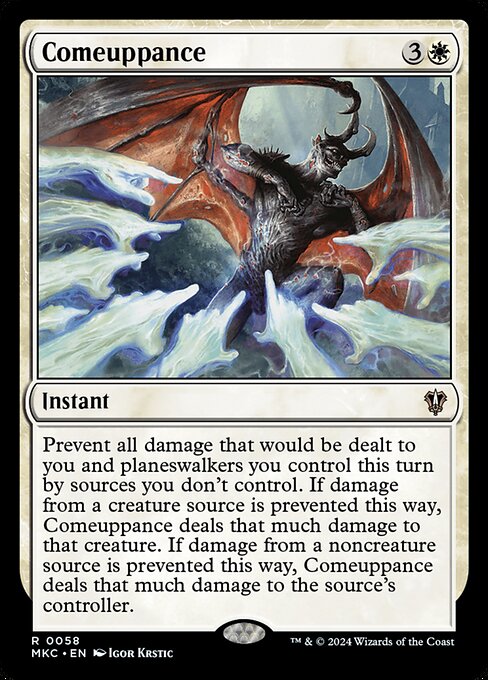
Attacking. On your team's shared turn, both teammates can attack in the same combat. Attackers are declared together as a team, and each attacker is assigned to attack a specific opposing player or one of their planeswalkers. You and your teammate coordinate the whole assault as one combat phase.
Blocking. This is the big one: you can block attackers that are attacking you or your teammate. Creatures either defending player controls can block any attacker hitting the team. So if your teammate is getting swung at and you've got the bigger blockers, you cover for them. The team's creatures defend the team. That's a massive shift from free-for-all multiplayer, where you can only block creatures attacking you.
Because blocking is a team effort, the format rewards a deliberate "shield and sword" split. One player can run the wall of blockers and protection spells while the other plays the threats — the defensive teammate covers both life totals (it's one pool anyway) while the aggressive teammate closes the game. Combat tricks and fogs protect the whole team's board, so a single well-timed protection spell can save both of you.
How to start: deckbuilding and setup
Getting a 2HG game going is straightforward once you know the setup steps.
Setup:
- Four players, two teams of two, sitting across from your teammate's opponents (teammates on the same side).
- Each team starts at 30 life (Constructed/Limited) or 60 (Commander).
- Randomly determine which team goes first; that team skips its first draw step.
- Each player draws a 7-card opening hand and may take one free mulligan (teammates decide together).
Deckbuilding: You're each building your own legal deck for the format you're playing — 60 cards Constructed, a 40-card Limited pool, or a 99+commander Commander deck. The trick is to build the two decks to complement each other rather than as two independent good decks:
- Don't double up on do-nothing-alone cards. If you both bring slow value engines, you'll get run over before either comes online. Stagger your curves.
- Split the roles. One control/defensive deck plus one aggressive/threat-dense deck is a classic 2HG pairing — the controller protects the pool while the beater ends it.
- Lean into "each opponent" effects. Burn, drain, and group-damage cards punch above their rate because they hit both opposing players' shared pool. Load up.
- Value team-wide protection. Fogs, mass protection, and instant-speed answers cover both of you at once and are worth more here than in 1v1.
What changes strategically
The shared everything rewrites how you evaluate cards and lines.
Symmetric and "each opponent" damage is premium. As covered, anything that hits each opponent doubles against the enemy team's single life pool. A "deal 2 to each opponent" effect is a Lightning Bolt-and-a-half against the team. Conversely, symmetric effects that hit each player also hurt you and your teammate — a board wipe or a "each player loses life" symmetric effect costs your team double too, so weigh them carefully.
Big, splashy threats are safer. In a four-player free-for-all, the player who taps out for the giant haymaker often gets ganged up on. In 2HG there are only two opposing decks, your teammate is helping, and you can afford to commit harder. The format rewards proactive, powerful plays more than cagey politics.
Removal and protection get pulled in two directions. You've got two opponents' boards to answer, but also two of your own to protect. Interaction that can cover the whole team — flexible removal, team-wide combat tricks, counterspells held up for the scary spell — is worth more than narrow, single-target tech.
Coordinate your turn like one player with two hands. The best teams sequence their shared turn deliberately: ramp before threats, hold up the answer while the partner commits, and decide together who attacks and who holds back blockers. Talking through the turn is not just allowed, it's the skill.
Common mistakes
- Forgetting damage comes out of one pool. New 2HG players track "their" life and "their teammate's" life separately. There is one 30-life pool. Plan defense around the team total, not your half.
- Underrating "each opponent" effects. That symmetric burn or drain spell you'd cut in 1v1 is a premium card here because it doubles against the enemy team. Don't leave them in the binder.
- Building two greedy decks. Two slow value piles get steamrolled. Make sure at least one deck can apply early pressure or protect the pool while the other sets up.
- Blocking only for yourself. You can block attackers hitting your teammate. If you've got the better blockers, cover for your partner — the creatures defend the team, not the individual.
- Misplaying the first turn. The team going first skips its first draw step. Don't forget the skip, and don't forget your teammate still draws on a normal turn.
- Tapping out blind. Because you share a turn, coordinate who holds up interaction. Two players tapping out into the same turn with no answers up is how teams lose to one big spell.
Quick Action Checklist
- Remember the core numbers: 30 shared life (60 in Commander), 15 poison to lose, 21 commander damage to lose.
- The team going first skips its first draw step; each player gets one free mulligan.
- Take your turn together — coordinate mana and sequencing like one player with two hands.
- Block for your teammate: any creature your team controls can block any attacker hitting the team.
- Prioritize "each opponent" burn and drain — it doubles against the enemy team's single life pool.
- Build complementary decks, not two greedy piles; a defensive deck plus an aggressive deck is the classic split.
- Hold up team-wide protection and flexible removal so one of you can always answer the scary play.
- Talk through every turn with your teammate — communication is the format's real skill.
Frequently Asked Questions
What is Two-Headed Giant in MTG?
How much life do you start with in Two-Headed Giant?
How do turns work in Two-Headed Giant?
Can you block for your teammate in Two-Headed Giant?
How many poison counters does it take to lose in Two-Headed Giant?
Why are "each opponent" effects so strong in Two-Headed Giant?
Keep Reading
Related Guides
MTG Arena Competitive Brawl: Rules and Banned Commanders
On October 12, 2026, Wizards banned three more commanders in Competitive Brawl and moved nine cards, Oko and Ragavan among them, from fully banned to banned only as your commander. Here is what Competitive Brawl is, how it differs from the Brawl queue next to it, the full list, and the one card the official page has gone quiet on.
MTG Planechase Rules: Planar Die, Planes and Phenomena
Your first roll of the planar die each turn is free. The sixth costs five mana on its own, and the six together cost fifteen. Here is how Planechase actually works, from the planar deck and the starting plane to the die, chaos, phenomena and Commander pods, checked against the Comprehensive Rules effective September 25, 2026.
MTG Arena Is Retiring Alchemy: Dates and What You Keep
Wizards announced on September 11, 2026 that the Alchemy format is being retired from MTG Arena on February 2, 2027, alongside the 2027 Standard rotation. The shutdown runs in three dated stages, and the first one lands on September 22 — every rebalanced version of a tabletop card reverts to its paper printing across every format, and five cards get banned in Historic as a direct consequence. Here is the timeline, what happens to the cards you already own, and what none of it changes.
MTG Commander Banned List: Every Card and Why
Wizards' banned list page gives Commander 42 card names and four lines of small print. Scryfall says the real number is 83. The gap is 41 cards banned by category rather than by name — Conspiracies, ante cards, and the seven banned everywhere for offensive content. Here is the entire list, grouped by what each card actually does, plus the one change the Commander Format Panel made this year.
MTG Commander Format Guide — How to Start Playing EDH (2026)
Commander is the most-played MTG format on the planet and the easiest one for new players to start in. The rules look intimidating on paper. They are not. Here is the full beginner guide.

Best Commander Staples Every Deck Wants, Ranked
There's a short list of cards that show up in basically every Commander deck regardless of theme — the silent 25 that make the splashy 75 work. Here are the staples worth a slot in almost any list, sorted by the job they do, with the legality double-checked.