Fortnite Movement Guide: Sprint, Mantle, Slide, and Reset
Good movement wins fights and rotations before you ever fire a shot. Here's the full Fortnite toolkit — tactical sprint, mantling, sliding, hurdling, and jump-resets — and how to chain them so you're a harder target moving than your opponent is standing still.
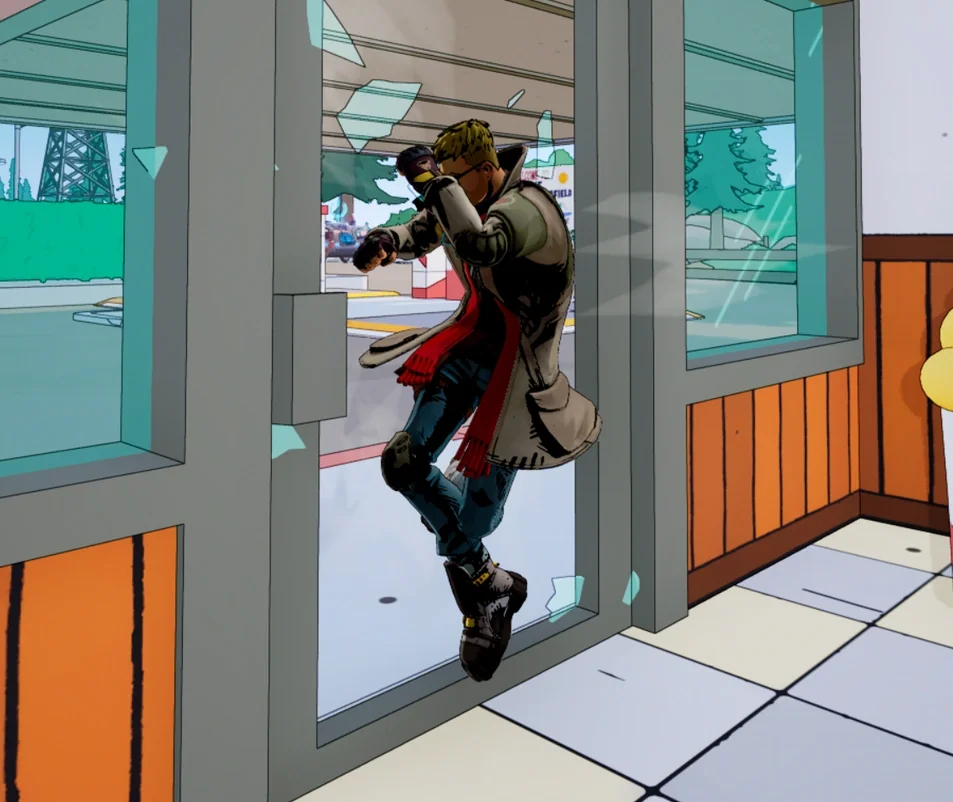
The players who feel impossible to kill usually aren't out-aiming you — they're out-moving you. They cross open ground faster, they vault a wall instead of running around it, they slide into cover and pop up at an angle you weren't tracking, and by the time you've adjusted they've already won the trade. Aim gets all the attention, but movement is the layer underneath every fight and every rotation, and it's a skill you can train just like building.
Fortnite's movement toolkit is bigger than "hold W." There's tactical sprint, mantling and hurdling, sliding, and the jump-reset trick that keeps you unpredictable in a duel. Each one does a specific job, each one has a cost, and the players who chain them fluidly are a much harder target than someone running in a straight line. This guide breaks down the whole kit, when each tool is worth using, and how to string them together — and because these are core engine mechanics, it holds up season after season no matter what's in the loot pool.
Movement wins fights before you fire
Here's the thing most players miss: a fight is usually decided by positioning before the first shot, and positioning is movement. The player who reaches cover first, takes the high ground, or closes the gap on their terms starts the fight ahead. Aim only resolves the fight — movement sets it up.
Movement does three jobs that win games:
- It makes you a harder target. A player sprinting, sliding, and changing levels is far harder to track than one walking a straight line. Every meter of unpredictable motion is damage you don't take.
- It controls distance. Closing on a sniper or backing out of a shotgun range you don't want is movement. Picking the range a fight happens at is a huge edge, and your legs decide it.
- It speeds up rotations. Crossing the map ahead of the storm, getting to cover before the open ground gets you killed — that's movement doing the quiet work that keeps you alive to the fights that matter.
The mistake is treating movement as just "getting from A to B." Treat it as a fighting tool — something you actively use to take angles, dodge shots, and dictate range — and your win rate moves before your aim ever improves.
Tactical sprint speed with a cost
Tactical sprint is your burst of extra speed — a faster sprint on top of normal running that lets you close gaps, cross open ground, and reposition in a fight quickly. The catch is the cost: tactical sprint drains a stamina meter, and when that meter's empty you slow down and have to let it recover before you can burst again. It's a resource, not a free toggle.
How to use it well:
- Sprint the dangerous stretches, not the whole map. Burn tac-sprint to cross open ground where you're exposed, then ease off to let stamina recover under cover. Sprinting everywhere means you're caught at walking speed exactly when you need the burst.
- Mind your stamina before a fight. Pushing a fight with an empty stamina bar means you can't reposition or disengage at speed. Arrive at fights with gas in the tank.
- It feeds the rest of the kit. Tactical sprint is what powers a hurdle over an obstacle and a slide into cover — the burst sets up the next move. A sprint that flows straight into a vault or slide covers ground far faster than running and stopping.
Think of tac-sprint as a short-burst tool you spend deliberately: use it to win a specific stretch — a gap, a push, an escape — and bank it the rest of the time. The players who get caught out are usually the ones who sprinted into the open with no stamina left to get back out.
Mantling and hurdling climbing without stopping
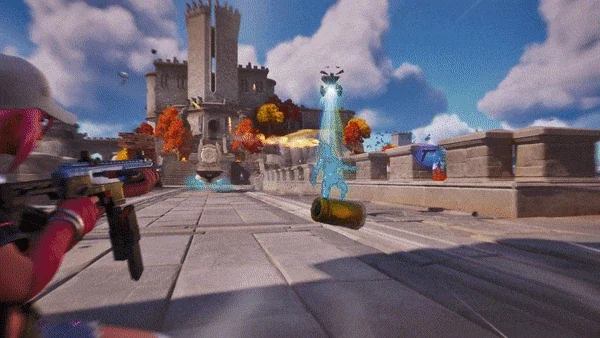
Mantling and hurdling are how you stop letting terrain slow you down. Mantling is grabbing a ledge and pulling yourself up onto it — climbing onto a roof, a rock, or a window you couldn't otherwise reach. Hurdling is vaulting cleanly over a low obstacle — a fence, a low wall, a window frame — without breaking stride. Both let you treat the environment as something to flow through instead of around.
Why they matter more than they look:
- They keep your momentum. Running up to a fence and stopping is dead time you're exposed for. Hurdling straight over it keeps your speed and your unpredictability — you're already moving when you land.
- They open routes opponents don't expect. Mantling onto a roof or through a high window gets you to angles and high ground that a player stuck on the ground can't quickly reach. Surprise height wins fights.
- They beat the long way around. Why run around a building when you can vault through it? Cutting corners with hurdles and mantles is free distance on every rotation, and distance is time you're not in the open.
The habit to build: stop seeing low obstacles as walls and start seeing them as things you flow over. When you're rotating or pushing, look for the vault and the climb instead of the detour — you'll arrive faster and from an angle they weren't watching.
Sliding cover distance and a smaller hitbox
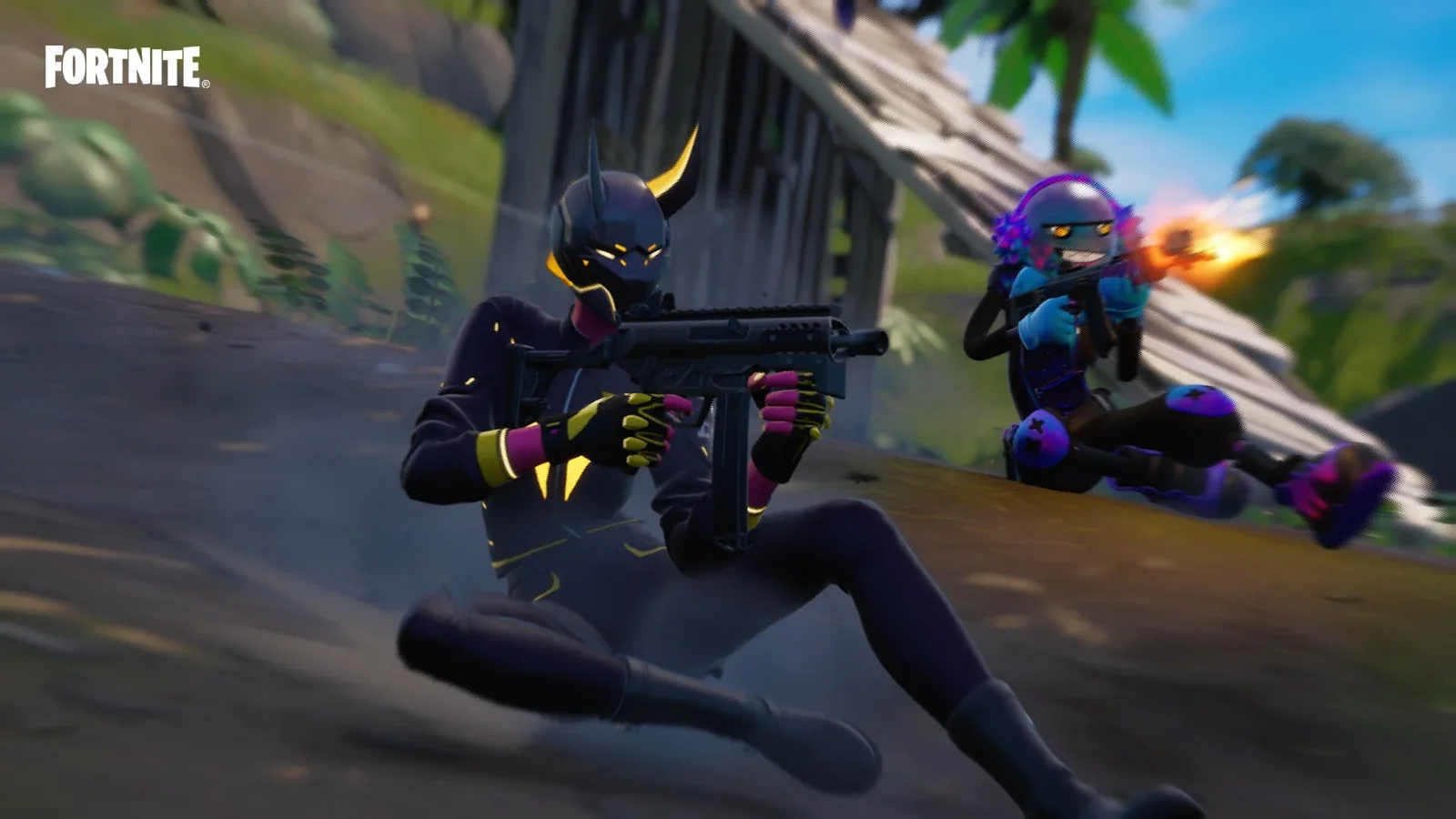
Sliding is the most underused tool in the kit. Coming out of a sprint, you drop into a slide that carries your momentum forward while lowering your profile — you cover ground fast, you're a smaller target while you do it, and you can slide right into cover or down a slope to pick up speed. It's part movement, part defense.
When sliding earns its keep:
- Sliding into cover. Sprinting up to a wall and stopping leaves you a full-size target for the last second; sliding the final stretch shrinks your hitbox and tucks you behind cover faster. Slide the dangerous last few meters into safety.
- Downhill speed. Sliding down a slope carries momentum and covers distance quickly — great for fast downhill rotations where you want to cover ground while staying low.
- Repositioning mid-fight. A quick slide changes your position and your hitbox height at once, which throws off someone tracking your head. It's a small dodge that buys you a moment.
- Breaking a tracking shot. Dropping into a slide drops your hitbox suddenly. Against someone tracking center-mass, that sudden height change can be enough to make them miss.
Sliding isn't something you spam in the open — it's a deliberate tool for the last stretch into cover, a downhill burst, or a quick reposition. Used right, it's the difference between reaching cover at full size and reaching it as a small, fast, hard-to-hit target.
Jump-resets and staying unpredictable in a fight
The jump-reset is the close-range trick that keeps you from being an easy target: while fighting, you jump and crouch (or jump and re-aim) to break up your hitbox's predictable up-and-down rhythm, so the opponent tracking you can't settle their crosshair. Pair it with strafing — moving side to side rather than standing still — and you become genuinely annoying to hit.
The principles behind staying unpredictable:
- Never fight standing still. A stationary player is a free headshot. Strafe left and right while you trade shots so their aim has to keep correcting.
- Jump and crouch to break tracking. Mixing in a jump, then a crouch, changes your hitbox height unpredictably. Someone tracking your head suddenly has to find it again. Don't bunny-hop in a fixed rhythm, though — a predictable jump pattern is as easy to track as standing still.
- Mix strafe directions. If you strafe the same way every time, good players read it and pre-aim where you'll be. Vary it — change direction, throw in a crouch, slide — so there's no pattern to predict.
- Movement is defense and offense at once. Every bit of unpredictable motion makes you harder to hit while you're putting shots into them. Standing still to aim "better" trades a tiny accuracy gain for being a stationary target — almost never worth it.
The goal isn't flashy movement for its own sake — it's denying your opponent a clean, predictable target. A player who strafes, jumps, crouches, and slides unpredictably forces misses that a stationary player just eats.
Chaining it together the movement flow
Individually these tools are useful; chained together they're what makes a player look untouchable. The flow is: tactical sprint to build speed, hurdle or mantle over obstacles without losing it, slide into cover at the end, and jump-reset and strafe once the fight is on. Each move sets up the next.
A concrete rotation example: you need to cross open ground to a building. You tac-sprint across the gap, hurdle the fence in your path without slowing, mantle up onto the building for height, and slide the last stretch into cover — all in one fluid motion, never stopping, never a stationary target. Compare that to the player who runs in a straight line, stops at the fence, runs around the building, and walks into the door. You arrived faster, from height, and you were never an easy shot.
In a fight, the chain becomes: slide into cover, pop up strafing, jump-reset to break their tracking, reposition with a quick slide or sprint to a new angle. You're never the still target their crosshair wants. The whole skill is stitching these moves into one continuous flow instead of using them one at a time with dead stops in between — and like building, it becomes reflex with reps. Good movement also makes your rotations safer, which our Fortnite rotation guide builds on directly.
Movement in Build vs Zero Build
Movement matters in both modes, but it carries more weight in Zero Build — and here's why. In Build mode, you can throw up a wall to block a shot or a ramp to take height instantly; building covers for a lot of positional mistakes. In Zero Build, there are no walls to save you, so your movement and the natural cover are your only defense — which makes the entire toolkit above the difference between living and dying.
- Zero Build leans on the whole kit. With no building, sprinting to cover, sliding behind it, mantling to height, and jump-resetting in fights are the defensive tools. Mastering them is non-negotiable in Zero Build — there's no wall to fall back on.
- Build mode integrates movement with building. You still sprint, slide, and reset, but you also have builds, so movement and construction interleave — you might slide into cover, then box up, then push out with a sprint. Our Zero Build guide goes deeper on the no-build defensive game.
- Both modes reward the same instincts. Don't run straight lines, use cover and terrain, stay unpredictable in fights. Those habits win in either mode; Zero Build just punishes ignoring them harder.
If you mainly play Zero Build, treat movement as your primary defensive skill — it's literally replacing the walls you don't have. If you play Build, movement is the connective tissue that gets you to the spots where your building wins.
Quick Action Checklist
Train these and you'll move like a harder target:
- Treat movement as a fighting tool — use it to take angles, control range, and dodge, not just to travel
- Spend tactical sprint on the dangerous stretches, bank stamina under cover, arrive at fights with gas left
- Hurdle and mantle over obstacles instead of stopping or going the long way around
- Slide the last stretch into cover to shrink your hitbox, and slide downhill for free speed
- Never fight standing still — strafe, and mix in jump-resets and crouches to break tracking
- Vary your patterns — predictable jumping or strafing is as easy to hit as standing still
- Chain the tools — sprint into a hurdle into a slide into cover, one continuous flow
- Lean on movement hardest in Zero Build — with no walls, it's your main defense
Frequently Asked Questions
What is tactical sprint in Fortnite?
What is the difference between mantling and hurdling in Fortnite?
How does sliding help in Fortnite?
What is a jump-reset in Fortnite?
Does movement matter more in Zero Build?
How do I get better at movement in Fortnite?
Keep Reading
Related Guides

Fortnite Third-Partying Guide: When to Push, When to Hold
Third-partying is the most reliable way to win a fight without earning it — you let two players gut each other, then collect. But the same logic points back at you the second you start shooting. Here's how to be the third party instead of the corpse two of them split.

Fortnite Duos & Trios Strategy: How to Win in Small Teams
Duos and Trios aren't just Squads with empty slots. With fewer guns, every knock swings the math harder, every res is riskier, and one bad split loses the game. Here's how to play 2s and 3s — roles, comms, trading, reboots, shared loot, and third-partying as a small unit.
Fortnite Weak Spots & Aiming Guide: Where to Aim
Two players land the same shots and one does way more damage. The difference isn't aim — it's where they're aiming. Here's the where: headshots and weak spots, crosshair centering, pre-aiming, tracking vs flicking, and aiming the gaps in someone's build.
Fortnite Tunneling Guide: Cross Open Ground Without Dying
Tunneling is how good players cross open ground while being shot at and live to fight in the next zone. It's the move-and-rebuild rhythm that turns a death-march across a field into a moving box nobody can crack. Here's how to actually do it.
Fortnite Weapon Tier List: How to Rank Any Loot Pool
Any Fortnite tier list is stale the second a patch drops. So instead of memorizing this season's gun names, learn how to rank weapons by class and role — the framework that's S-tier in every season.

Best Fortnite Settings for PC & Console
Half your settings menu is noise; a handful of options decide whether you can see, aim, and build. Here's what to change on PC and console, why, and the one number nobody else can pick for you.