Fortnite Zero Build Guide: How to Win Without Building
Zero Build isn't Build mode with the builds turned off — it's its own game with its own meta. Cover is the terrain, mobility is your wall, and the player who reads cover and shields wins. Here's how to actually win it.
Zero Build is not Build mode with the building removed. That's the mental model that gets people killed. When Epic made it a permanent, always-on playlist instead of a limited-time event, they didn't just delete a mechanic — they handed the game a completely different rulebook, and the cover, mobility, and shield systems all quietly rewrote themselves around it. The players who treat it like "regular Fortnite but I forgot how to build" lose to the players who understand it's a separate game with its own meta.
Here's the core swap: in Build mode, you make your cover and make your high ground out of thin air. In Zero Build, the map already decided where the cover and the high ground are, and your entire job is reading it faster than the other guy. Aim still matters, but positioning matters more than it ever did with walls in the game. This guide is the no-build meta from the ground up — how to use cover, how the mobility tools replace building, how to actually manage your shields, and where Zero Build's rules diverge hard from the version you may have learned first.
Zero Build is its own game
The most important thing to internalize: Zero Build is permanent. It's not a rotating event you wait out. It has its own ranked queue, its own pacing, and a meta that's been refined for years now. That means the skills are worth investing in for their own sake, not as a placeholder until you learn to build.
What changes when nobody can build:
- Engagements last longer. Without instant walls, you can't reset a fight in a quarter-second. Damage sticks. A fight you start at half-shield is a fight you're probably losing.
- Positioning is permanent, not disposable. In Build mode, a bad position is one ramp away from being fixed. In Zero Build, if you get caught in the open, you stay caught until you physically move to cover.
- The high ground is a place, not a build. You can't ramp up to it. You walk, mantle, or grapple to it — and once someone owns it, dislodging them is genuinely hard.
If you came from Build mode, the instinct to "wall up when shot" is muscle memory you have to actively un-learn, because the wall isn't coming. Your reflex needs to become "break line of sight on the nearest hard cover" instead.
Cover is your wall now
In Zero Build, cover is the single most important resource on the map, and unlike a build it's finite and fixed in place. Learn to see the world as a series of cover-to-cover routes rather than open ground.
There are three tiers of cover you'll use constantly:
- Hard cover — rocks, full walls, large props, terrain ridges. This fully blocks shots. It's what you peek from and what you retreat to. Hills and natural ridgelines are the most underused hard cover in the game; you can drop behind the crest and become unhittable.
- Buildings — the closest thing to a box you get. Doorways, windows, and corners let you hold an angle, but they're double-edged: a building with one exit is a trap if someone pushes you, so always know your second way out.
- Soft cover — bushes, tall grass, props you can shoot through. These break sight but not bullets. Useful for repositioning unseen, useless for tanking damage.
The fundamental Zero Build technique is the peek. You sit behind hard cover, pop out to deal damage, and pull back before they can punish you. Lean into a corner, take your shots, reset. The whole rhythm of a no-build fight is peek, damage, break line of sight, reposition, repeat — and the player with better cover wins the trade math over time.
The mistake that kills new Zero Build players is fighting in the open because they "have the better aim." It doesn't matter. A worse shot behind a rock beats a better shot standing in a field, because the rock player only takes damage on their own terms. Respect cover or get punished by people who do.
Mobility is the skill that replaced building
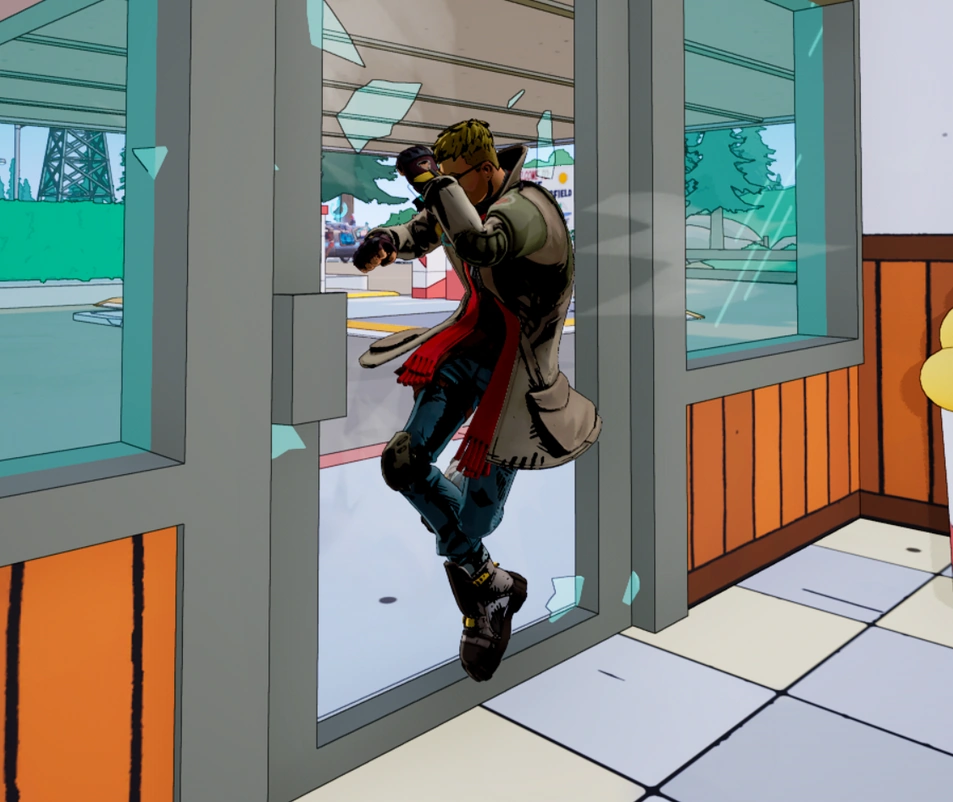
If cover is your wall, mobility is your ramp. The traversal toolkit is how you cross open ground, reach high ground, and escape bad fights without a single structure. These tools are durable parts of the mode, not season gimmicks, so they're worth drilling:
- Sprint. Hold sprint to move noticeably faster, with a stamina meter that drains and recovers. Sprint is for crossing danger zones — covering open ground between cover fast — not for cruising around. Burn it on the gaps and let it recover behind cover. Sprinting also makes noise and you can't ADS while doing it, so don't sprint into a fight you mean to win.
- Mantling. Run into a ledge, wall, or window and you'll automatically pull yourself up and over. This is your vertical traversal — it's how you climb to high ground that you used to ramp to. Mantling through a window to enter a building, or up a rock to gain elevation, is the core "I need to be up there" move.
- Slides and dashes. Sprint then crouch to slide, which makes you a faster, lower-profile target for a moment and is great for sliding into cover or down a slope under fire. When movement items or augments add dashes or extra mobility, they become escape and repositioning tools — they don't change the fundamentals, they just add range to them.
The principle that ties it together: you should almost never be standing still in the open. Movement is defense in Zero Build. A moving target with no build to hide behind is still far harder to kill than a stationary one, and good no-build players are constantly sprinting between cover, sliding around corners, and mantling to angles their opponent can't immediately follow.
Shield management wins Zero Build

Because fights last longer and you can't wall off to heal in peace, your shield and health pool is the resource that decides most fights. In Build mode you box up and chug in safety. In Zero Build, healing means finding cover good enough that nobody can shoot you for the few seconds it takes — and that's a tactical decision, not a free action.
The healing staples that are always worth carrying:
- Shield Potions — the blue ones. They restore shield, which is your effective extra health bar on top of your white HP. A full shield is the difference between winning a peek battle and losing it. Treat being below full shield as a problem to solve, not a state to ignore.
- Med-Kits and bandages — these restore white health (the bar shields don't touch). A Med-Kit fully heals health but takes a long, vulnerable channel time, so it's a behind-hard-cover, nobody-near-me item, never something you pop mid-fight in the open.
- Splash and group heals — items that heal at range or over an area let you top up without standing still as long, which is gold in a mode where standing still gets you shot.
The habit that separates good Zero Build players: heal to full between fights, not during them. The moment a fight ends, before you push the next thing or loot the box, get behind cover and get your shield back to full. Walking into a fresh engagement at 60 shield because you couldn't be bothered to top up is how you lose fights you'd otherwise win. In a mode where you can't build a wall to heal behind, the discipline of always being topped up is half the skill.
The overshield changes every fight
One Zero Build-specific wrinkle worth calling out: the mode typically gives every player a small overshield — a thin extra layer of shield that regenerates on its own when you're out of combat. It's a deliberate design choice to compensate for the lack of builds, and it changes how every fight opens.
What it means in practice:
- The first few points of damage on any opponent may just be chipping their regenerating overshield, so don't assume an enemy is low just because you tagged them once. They may have topped that layer back up while they were behind a rock.
- It rewards disengaging. If you break a fight and get to cover, that auto-regen layer comes back on its own, so retreating to reset isn't a waste — it literally restores some of your effective health for free.
- It does not replace real shields and heals. It's a thin buffer, not a full bar. You still need to drink potions; the overshield just softens the opening exchange.
Treat it as a small, free top-up that rewards patience and punishes opponents who think one early hit means you're nearly dead.
Third-partying and when to take a fight
Third-partying — jumping into a fight between two other players to clean up the survivor — is strong in every Fortnite mode, but it's especially punishing in Zero Build because the players already fighting can't wall off to recover. They're committed, low, and exposed. That's the whole opportunity, and also the whole danger, because the same logic means you get third-partied the instant you start a loud fight in the open.
How to play it sharp:
- Don't take every fight you see. A fight you win at full resources is fine. A fight you barely win, ending at 40 health with no shield in an open area, is a death sentence — the next squad heard it and is already rotating onto you. Ask "if I win this, what shape am I in, and who's nearby?" before you commit.
- Use sound. Footsteps, gunfire, and reloads are constant intel. In Zero Build, audio is your radar for who's fighting where, which tells you both where the third-party opportunities are and where you're about to get jumped.
- Win fast or break off. A drawn-out fight in the open is an invitation. Either close it quickly while you have the advantage, or break line of sight and reset rather than trading shots in a field for ten seconds with the whole lobby listening.
- When you third-party, take cover first. Don't sprint into the middle of two fighting players. Approach behind cover, let them finish chunking each other, and clean up from an angle where you're protected. The goal is to be the one shooting from safety, not the third body in the open.
The meta-level takeaway: in Zero Build, fights are expensive. Every one you take costs resources and announces your position. Pick the ones where you come out ahead in both, and you'll outlast players who swing at everything.
How Zero Build differs from Build mode
If you split your time between the two modes, keeping the differences straight stops you from playing one with the other's instincts. The big ones:
| Situation | Build mode | Zero Build |
|---|---|---|
| Taking damage with no cover | Throw up a wall, reset the fight | Sprint or slide to the nearest hard cover; the wall isn't coming |
| Getting high ground | Build a ramp up to it | Walk, mantle, or use a mobility item to reach existing high ground |
| Healing under pressure | Box up and chug in safety | Find cover good enough to channel a heal, or break the fight entirely |
| Losing a position | One ramp fixes it instantly | Positioning is sticky — a bad spot stays bad until you physically move |
| Closing distance | Build a protected path across the open | Use cover-to-cover routes and sprint to cross gaps |
The honest summary: Zero Build rewards game sense and positioning; Build mode rewards mechanical building speed on top of that. Neither is "easier" — they're different skills. A Build-mode demon who never learned to read cover gets picked apart in Zero Build by patient players, and a Zero Build veteran who can't build gets walled out of Build mode. If you want to be good at both, train them as the separate games they are.
Quick Action Checklist
The fastest way to start winning Zero Build:
- Stop expecting to wall up — retrain your "take damage" reflex to break line of sight on hard cover
- See the map as cover-to-cover routes, never open ground you stroll across
- Peek, damage, reset behind hard cover instead of standing and trading
- Use sprint to cross danger zones and let stamina recover behind cover
- Mantle to reach high ground and enter buildings — it's your replacement for ramps
- Heal to full between fights, not during them — never push at partial shield
- Remember the overshield regenerates out of combat; retreating to reset is not wasted
- Don't take every fight — ask what shape you'll be in and who's listening
- When you third-party, approach behind cover and clean up from a protected angle
Frequently Asked Questions
Is Zero Build a permanent mode in Fortnite?
How do you win Zero Build without building?
What replaces building in Fortnite Zero Build?
How does shield management work in Zero Build?
What is the difference between Zero Build and Build mode?
Why do I keep getting third-partied in Zero Build?
Keep Reading
Related Guides
Fortnite Reload Nitemare Island: Map, Loot and Rewards
Nitemare Island came back to Reload on October 8 with something the 2025 version never had: a match modifier that hands you a rival and pays out a Kado Thorne Exotic when you drop them. Here is the map, the three-map rotation it sits in, the loot you can only find there, and what the new Ranked and Map Mastery tracks pay.

Fortnite Blitz Royale Guide: How the 5-Minute Mode Works
Blitz Royale was meant to close on July 15, 2025. Fifteen months later it has its own dev team, a $1,000,000 mobile tournament and a victory emote you can only earn inside it. Here is how a match actually runs: the kit everyone lands with, what Blitz Levels pay out, where the gold loot is, how fast the storm kills, and what Epic has and has not changed this season.

Fortnite Kingdom Hearts Skins: Price, Keyblade and More
Our Chapter 7 Season 4 weapons post named the Kingdom Key and Rebecca's Guns as arrivals Epic had announced but not shipped — 'neither is in the pool yet,' it said, three weeks ago. Update v42.20 shipped both, plus a four-skin Kingdom Hearts bundle tied for the most expensive in the game's history, four new Sprites, and six new Match Overrides. Here's what actually landed, what it costs, and what Epic still hasn't published.
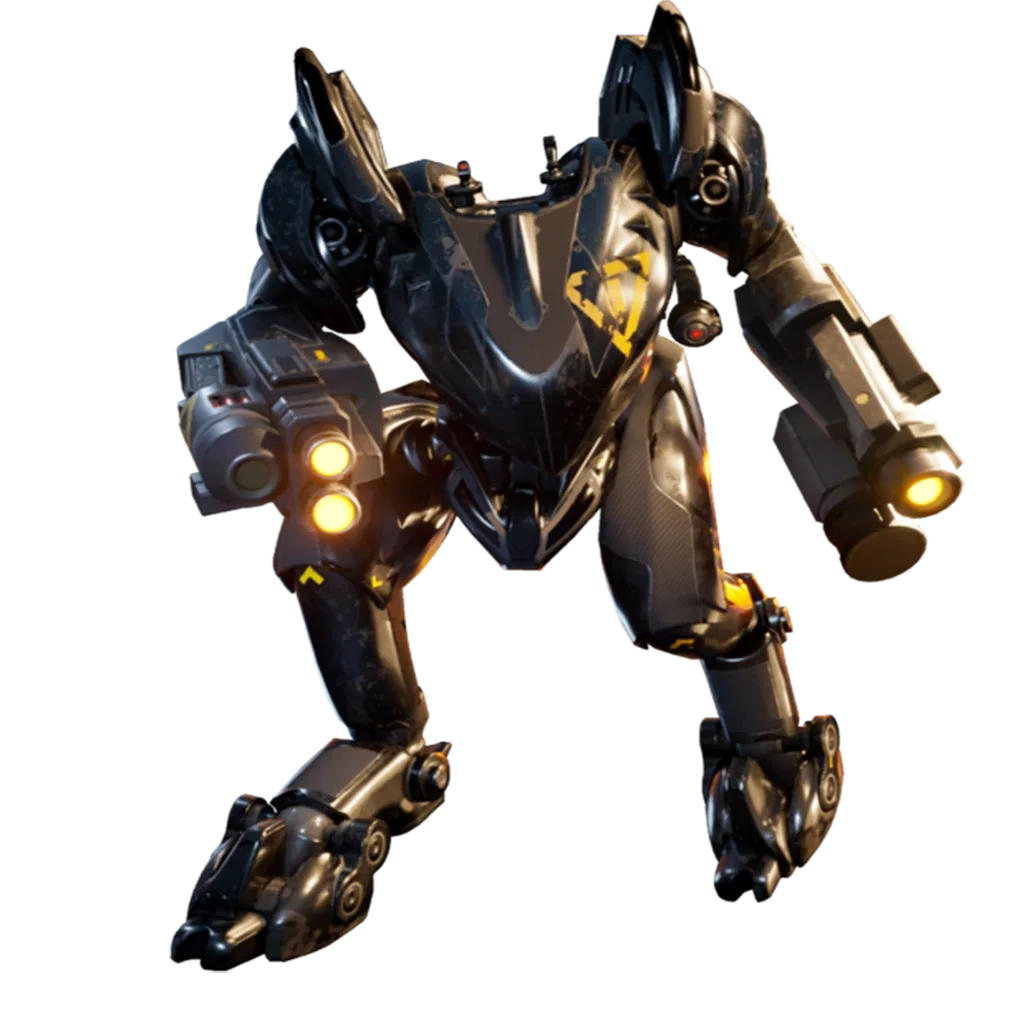
Fortnite OG Season X: The BRUTE and Rift Zones Return
Our OG mode guide explains how the permanent playlist works in general. It doesn't tell you what's live right now, because that changes every season — and on September 3, the tenth one brought back a two-person mech, a fully automatic sniper, and three Rift Zones with rules of their own.
Fortnite Weapon Tier List: How to Rank Any Loot Pool
Any Fortnite tier list is stale the second a patch drops. So instead of memorizing this season's gun names, learn how to rank weapons by class and role — the framework that's S-tier in every season.

Best Fortnite Settings for PC & Console
Half your settings menu is noise; a handful of options decide whether you can see, aim, and build. Here's what to change on PC and console, why, and the one number nobody else can pick for you.