Secrets of Strixhaven Tier List — 20 Cards That Matter
Secrets of Strixhaven shipped 270 cards. Most will never see Standard play. Here are the 20 that actually matter, the hype mythics that flopped, and what the May 18 bans changed.
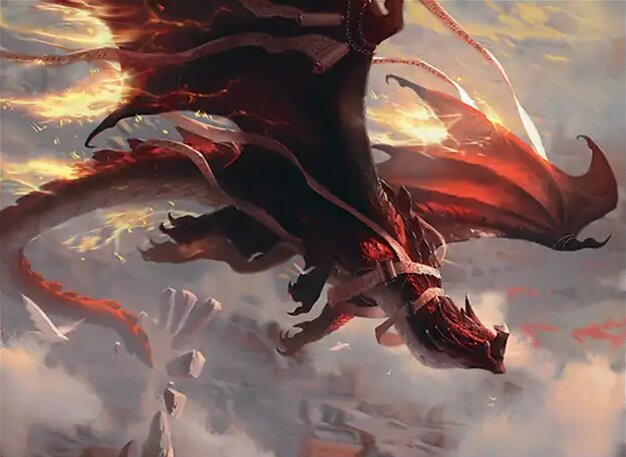
Secrets of Strixhaven shipped 270-plus cards and most of them will never touch Standard play.
The ones that will define the next year of the format are smaller and weirder than the mythic hype machine suggested. Flow State, the card that just got 34.8% representation at the Pro Tour, is an uncommon. The Elder Dragons that headlined the spoiler season are mostly midrange enablers, not actual finishers. And the card that briefly looked like the most format-warping piece of cardboard in years (Cori-Steel Cutter, which predated the set but slotted perfectly into the new Izzet shells) got banned 24 days after release.
Here is what is actually worth picking up from SSH, ranked by what the post-ban metagame says, not what the prerelease streamers said.
The five colleges, quickly
If you skipped the lore push, here is the one-paragraph version of what each college does mechanically. The set leans into two-color identities the way the original Strixhaven did, with each college getting its own Elder Dragon mythic and its own keyword mechanic.
| College | Colors | Identity | Signature Mechanic |
|---|---|---|---|
| Lorehold | R / W | Spirits, history, graveyard reuse | Flashback |
| Prismari | U / R | Big spells, copy effects, instants/sorcs | Opus |
| Quandrix | G / U | Counters, math, fractals | Increment |
| Silverquill | W / B | Token swarms, life drain, spell support | Repartee |
| Witherbloom | B / G | Sacrifice, lifegain, midrange grind | Infusion |
The mechanics matter, but most of them only really show up in dedicated college decks. Flashback lets Lorehold recur a spell out of the graveyard, Opus rewards Prismari for casting big (5-plus mana) instants and sorceries, Repartee triggers when Silverquill targets a creature with an instant or sorcery, Infusion checks whether Witherbloom gained life that turn, and Increment is the Quandrix counters mini-game. Prepare and Paradigm are both set-wide mechanics that can show up on any college's cards rather than belonging to one — Prepare spells need an earlier card prepared before they can be cast, and Paradigm is the Lessons-sorcery cycle that exiles itself on resolution so you can recast it free every turn.
The cards below are ranked on Standard relevance first, with a separate Commander section at the end for the EDH crowd.
S-tier
These are the cards that anchor or define a tier 1 deck in current Standard. If you only buy a handful of singles from SSH, buy these first.
| Card | Color | Rarity | Where it shows up |
|---|---|---|---|
| Flow State | U/R | Uncommon | Was Izzet Prowess centerpiece |
| Lorehold Elder Dragon | R/W | Mythic | 4/5C Control, Selesnya splash |
| Prismari Elder Dragon | U/R | Mythic | Jeskai Control finisher |
| Quandrix Elder Dragon | G/U | Mythic | Mono-Green / Simic ramp |
| Witherbloom Elder Dragon | B/G | Mythic | Witherbloom midrange staple |
| Dina's Guidance | B/G | Rare | Tutor for Witherbloom and BG |
Flow State stays in S-tier even after the Izzet bans. The card was in 34.8% of Pro Tour Strixhaven decks for a reason. It is a two-mana ({1}{U}) uncommon that digs three cards deep for your best spell — and pulls two of them once you have an instant and a sorcery in your graveyard — so it slots into whatever the next viable spells-matter deck is. If you cracked one at the prerelease, do not sell it.
The Elder Dragons are a more interesting story. Four of the five are genuinely Standard playable, but only the Witherbloom and Quandrix versions are seeing day-one play in tier 1 decks. The Lorehold and Prismari dragons are slow control finishers that need a deck built around them, and the Silverquill dragon (notably absent from this S-tier table) is the one that flopped hardest.
Dina's Guidance is the sleeper of the set. A creature tutor at instant speed is a rare thing in Standard, and the Witherbloom decks are abusing it to chain Elder Dragon plays in matchups where they should not have access to the right threat.
For the wider context on which control shells get to play these dragons, see the standard post-ban meta breakdown. The short version: 4/5C Control and Jeskai Control are the two homes for the Lorehold and Prismari versions respectively.
A-tier

These are the role-players. Cards that show up as four-ofs in tier 1 decks but are not the marquee S-tier pieces. They are also where the value plays live, because A-tier rares are generally a fraction of the price of the mythics above.
| Card | Color | Rarity | Role |
|---|---|---|---|
| College-aligned removal piece | Varies | Rare | Targeted removal at instant speed |
| Quandrix counter generator | G/U | Rare | Increment enabler, midrange threat |
| Lorehold spirit recursion | R/W | Rare | Flashback fuel, graveyard engine |
| Witherbloom sacrifice outlet | B/G | Rare | Aristocrats-style finisher |
| Silverquill token generator | W/B | Rare | Go-wide threat with lifegain |
| Prismari big spell payoff | U/R | Rare | Cost reducer for big Opus spells |
| Cycle dual lands (all five) | Multi | Rare | Mana fixing for tri-color builds |
The dual lands matter more than they look. With the cycle dual lands available across all five color pairs, the post-ban Standard mana bases have gotten significantly cleaner. The 4/5C Control deck would not exist as a tier 1.5 contender without these lands.
Pay attention to the Prismari big-spell payoff card. With Cori-Steel Cutter banned, Prismari is the only deck currently leaning into the old Izzet color pair, and the spell-cost-reduction package is the engine making the new Izzet Control shell feasible.
If you want a refresher on which red and blue staples these cards combine with, the best red cards in Magic: The Gathering and best blue cards in Magic: The Gathering breakdowns walk through the core color staples that still anchor every Standard deck.
B-tier
B-tier is where the fringe and budget plays live. These are cards that see occasional Standard play, are usually one or two copies in specific builds, or are the secondary engine in a sideboard plan.
The pattern across B-tier cards is that they are mostly Flashback enablers, Increment counters payoffs, and Paradigm spells that need a very specific deck to function. They are not bad cards. They are just narrow.
A few examples of the kind of card living in B-tier (paraphrased rather than naming each individual card so this list does not invent specifics):
- A two-mana Witherbloom rare that gains life and creates a token, slotted into the Aristocrats sideboard.
- A Quandrix instant that doubles +1/+1 counters on one creature, conditional payoff in counters decks.
- A Lorehold three-drop that returns a spell from your graveyard, narrow but powerful in Flashback builds.
- A Silverquill four-drop built around creating tokens, the kind of occasional sideboard tech you bring against control.
- A Prismari sorcery that copies the next instant or sorcery you cast that turn, build-around but explosive.
The thing about B-tier in a set this dense is that one card moves up to A-tier the moment someone builds the right shell around it. Watch the MTGGoldfish weekly metagame data for cards climbing the play percentage charts.
Commander-only standouts

Most of SSH's most exciting cards are Commander pieces that will never see Standard play. The set leaned into the legendary creature and college-flavor design space hard, and the EDH crowd is the biggest winner.
Highlights worth tracking:
- The five college Elder Dragons as commanders. Even the Standard-flop Silverquill dragon is a Commander-tier general because the deckbuilding constraint matters more in EDH.
- The college headmasters and lecturers cycle. Each college got at least one new legendary in the rare and mythic slots, and most of them are designed for the Commander 100-card format rather than 60-card Standard.
- Reprints in the set boosters. The reprint sheet for SSH is generous and includes a handful of staples Commander players have wanted in foil. Check Scryfall's SSH set search for the full reprint list.
- The college Lairs (lands). The cycle of college lair lands is too slow for Standard but perfect for the lower-power EDH metas.
If you only play Commander, the value play is to crack a Collector Booster box of SSH for the reprints and the legendary mythics, rather than chasing the Standard staples one at a time.
Cards that flopped
Every set has hype mythics that do not live up to the spoiler-season buzz. SSH had a louder-than-usual list of them, mostly because the Pro Tour metagame settled before the Standard meta had time to actually test the marginal cards.
The most spectacular flop is not technically an SSH card, but it defined the post-ban meta: Cori-Steel Cutter. It predates SSH but became the cornerstone of Izzet Prowess after the set launched, then got banned in Standard on May 18, 2026, 24 days after the SSH release. Anyone who paid $35-plus for a playset in the first week of release is now sitting on Modern and Pioneer pieces only (prices vary — check a current retailer).
Other notable disappointments:
- The Silverquill Elder Dragon. The hype said it was the flex play because Silverquill had the strongest token shell. The reality is the card costs one mana too much and the token decks would rather play a cheaper finisher.
- The Lorehold Flashback payoff mythic. Looked like a build-around mythic with format-defining potential. The deck never came together because the supporting cast was a tier 2 archetype.
- Two of the Prepare mythics. Prepare as a mechanic is great in theory, but the specific mythics built to headline it are too expensive to be format-defining and too narrow to be Commander staples.
- The Increment one-of-a-kind win condition mythic. Cool design, no realistic Standard deck where the math works in 60-card format.
The lesson, as always, is that first-week reviews overrate flashy mythics and underrate uncommons. Flow State at uncommon was the actual format-defining card. The mythic spotlight cards mostly faded.
You can cross-reference this with Draftsim's SSH set review for a competing tier list. The two lists agree on roughly 80% of the placements, which is a good sanity check.
How the May 18 bans reshaped which SSH cards matter
The ban announcement on May 18 reshuffled which SSH cards have value. Here is the before-and-after on the cards whose stock moved the most.
Stock up post-bans:
- Witherbloom Elder Dragon and Dina's Guidance. Witherbloom midrange became a tier 1 contender the moment Izzet stopped being the deck to beat. These two are the engine.
- Quandrix Elder Dragon. Mono-Green Landfall jumped from ~5% to ~12% of the meta and the Quandrix dragon is the natural splash piece.
- The cycle dual lands. Tri-color and 4/5C Control archetypes need fixing, and these are now the cheapest path to it.
Stock down post-bans:
- Cori-Steel Cutter. Banned. Now a $5 card in Modern and Pioneer pretending it was always meant for the older formats.
- Prismari Elder Dragon. Still playable, but the entire Izzet shell it was supposed to slot into got hollowed out.
- Spell-velocity rares. Any SSH rare that was specifically a payoff for casting a bunch of cheap spells lost most of its home with the Izzet bans.
For a deeper read on the new meta and what to actually build, the Selesnya Landfall Pro Tour winning deck breakdown covers the deck that benefited most from the post-ban shake-up.
Quick Action Checklist
- Buy Flow State playsets now. The price will not get cheaper.
- Pick up Dina's Guidance and the Witherbloom Elder Dragon for the midrange shell.
- Grab cycle dual lands across all five color pairs. They are the new mana base standard.
- Skip the Silverquill Elder Dragon unless you specifically want it for Commander.
- Do not buy Cori-Steel Cutter at Standard prices. It is a Modern card now.
- Crack one Collector Booster box of SSH for the reprints if you are a Commander player.
- Watch Magic.gg for the next round of Pro Tour and tournament results to see which B-tier cards climb.
Frequently Asked Questions
Is Flow State still good after the Cori-Steel Cutter ban?
Which Elder Dragon from Secrets of Strixhaven is the strongest in Standard?
Should I buy Cori-Steel Cutter now that it is banned?
Are the cycle dual lands from SSH worth the investment?
What is Dina's Guidance and why is it so highly rated?
How many SSH cards will actually see Standard play long-term?
Will Secrets of Strixhaven still be Standard legal next year?
Keep Reading
Related Guides
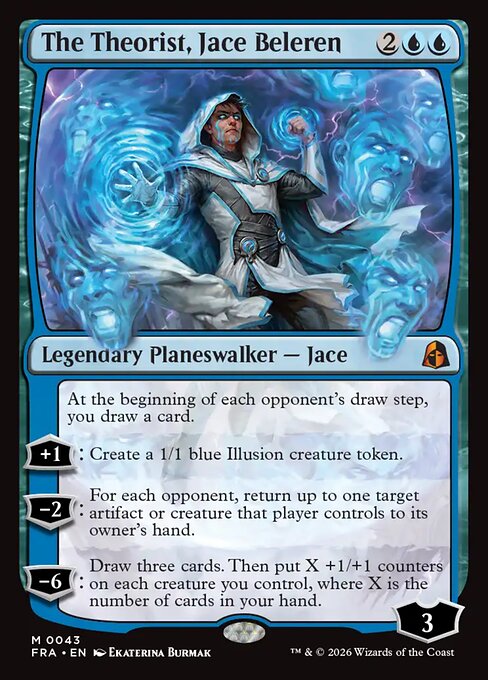
MTG Reality Fracture: Mechanics, Set Size, Prerelease
Prerelease weekend runs September 25 through October 1, and Wizards has already spoiled enough of Reality Fracture that you do not have to walk in blind. Jace becomes the villain, every deck gets a planeswalker token, and Tarmogoyf is quietly back in Standard packs. Here is the whole set, checked against Wizards' own preview articles and Scryfall.
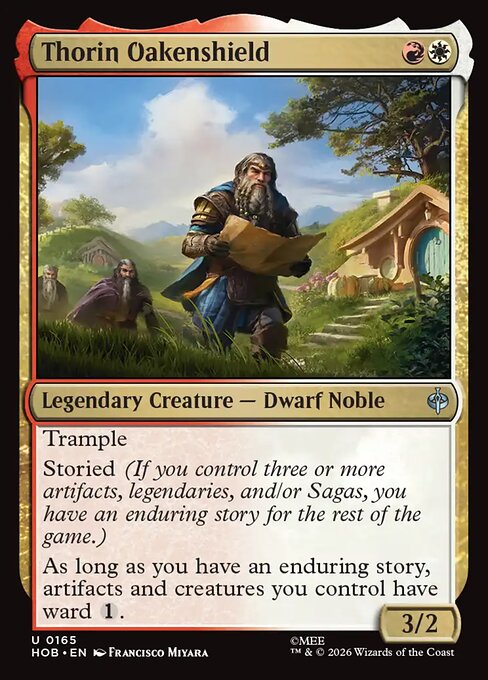
MTG The Hobbit Set Guide: Storied, Recruit, Hone Counters
The Hobbit is on shelves today with three new mechanics, no Commander decks, and a rules update that quietly turned ten older cards into slower versions of themselves. Here is the whole release, checked against Wizards' release notes and Scryfall.

MTG Universes Beyond: Which Sets Are Standard-Legal
The Hobbit printed four legendary Dragons named Smaug and one of them is illegal in Standard. That is Universes Beyond legality in one image: a simple rule with two exceptions the packaging never mentions. Here is the full set list, the Eternal sets that ship beside them, and what share of each format is now licensed crossover — all read off Scryfall.

MTG Commander Format Guide — How to Start Playing EDH (2026)
Commander is the most-played MTG format on the planet and the easiest one for new players to start in. The rules look intimidating on paper. They are not. Here is the full beginner guide.

Best Commander Staples Every Deck Wants, Ranked
There's a short list of cards that show up in basically every Commander deck regardless of theme — the silent 25 that make the splashy 75 work. Here are the staples worth a slot in almost any list, sorted by the job they do, with the legality double-checked.

How to Build a Commander Deck — The 10/10/10 Template
Most bad Commander decks fail on category balance, not card choice. Here is the 10/10/10 skeleton that fixes ramp, draw, removal, and lands in one move.