Best Tribal Commanders in MTG by Creature Type
Picking a creature type is the biggest deckbuilding decision you'll make, and most players make it with their heart instead of the card pool. Here are the best tribal commanders by creature type, the real support depth behind each one, and the typal package that works in all of them.
There are 34 Commander-legal Squirrel cards in paper Magic and 4,427 Humans. Both are creature types. Only one of them is a deck. That gap is the single most under-discussed thing in tribal deckbuilding — players pick a creature type because they like the art or they own a precon, then spend six months wondering why their pile of 22 on-type creatures and 15 off-type filler cards keeps losing to a Simic ramp deck with no theme at all.
Tribal — or typal, the community's term since Wizards retired the Tribal card type and renamed it Kindred — is a legitimately strong Commander archetype, but only when the creature type carries three things: enough playable cards to fill a 99, a commander that generates advantage instead of just handing out +1/+1, and a payoff that converts a wide board into a dead opponent. Everything below has been checked against Scryfall for mana cost, Oracle text, and Commander legality, and every card-pool number comes from a live Scryfall query on paper, Commander-legal printings.
Why tribal decks stall out at turn six
The failure mode is always the same. You cast three Elves in the first four turns, an opponent casts one Wrath of God, and you have nothing. Tribal decks concentrate their board — that's the whole point — which means they concentrate their exposure too. A generic midrange deck loses one creature to a board wipe; a tribal deck loses the deck.
The second problem is card quality. Every creature type has a hard ceiling on how many genuinely good cards exist in it, and below a certain pool size you're forced to run bad cards to hit your creature count. A Rat deck (108 Commander-legal Rats) is not choosing its 30 best Rats — it's playing nearly every Rat that has ever been printed and rated as constructed-playable, filler included. An Elf deck (653) gets to cut.
The rough threshold: under about 150 Commander-legal cards in a type, you're building around a handful of specific combos rather than a creature strategy. Over about 400, you have a real deck with real cuts to make.
The third problem is speed. Tribal decks want to go wide and swing, which puts them on a clock they don't control. If your board of eight 2/2s can't threaten lethal by turn eight, someone else's engine will resolve first. That's why the good tribal commanders are the ones that draw cards, cheat mana, or kill outside combat — not the ones that just make your creatures bigger.
Lords, payoffs, and the split that actually matters
Every typal commander falls into one of three buckets, and knowing which one you picked determines the other 99 cards.
Lords buff the type and nothing else. Sliver Hivelord ({W}{U}{B}{R}{G}, gives all your Slivers indestructible) is the pure form: no card advantage, no ramp, just a static effect that makes combat one-sided. Lord commanders need the 99 to supply everything else, which means heavy ramp and card draw.
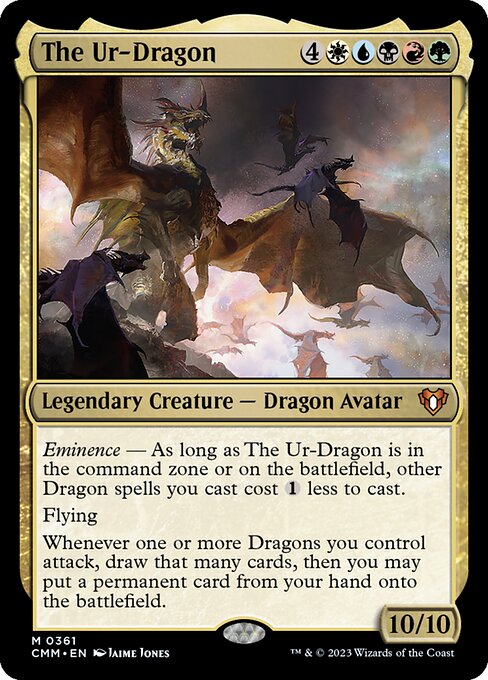
Engines convert the creature type into resources. The Ur-Dragon draws a card per attacking Dragon and lets you drop a free permanent from hand every combat. Kindred Discovery ({3}{U}{U}) does the same for any type you name. These are the commanders that don't lose to a wipe, because they refill.
Cheaters skip the mana cost entirely. Kaalia of the Vast ({1}{R}{W}{B}) puts an Angel, Demon, or Dragon from your hand onto the battlefield tapped and attacking whenever she attacks an opponent — a four-mana commander that deploys a nine-drop on turn five. Muxus, Goblin Grandee ({4}{R}{R}) reveals the top six and dumps every Goblin costing five or less straight onto the battlefield. Cheaters are the fastest tribal decks and the first ones the table kills.
Most functional tribal builds want one commander from the engine or cheater bucket and lords in the 99, not the reverse. A lord in the command zone is a repeatable target for removal that gives you nothing when it's gone.
Best tribal commanders by creature type
Card-pool numbers below are Commander-legal, non-digital cards of that creature type per Scryfall, checked August 2026. They measure how much you have to choose from, not how many are good.
| Creature type | Card pool | Best commander | Cost | What it actually does |
|---|---|---|---|---|
| Human | 4,427 | Winota, Joiner of Forces | {2}{R}{W} | Non-Humans attacking dig six for a free Human, tapped and attacking |
| Warrior | 1,233 | Najeela, the Blade-Blossom | {2}{R} | Free Warrior token per attacker; five colors of mana buys infinite combats |
| Wizard | 1,167 | Inalla, Archmage Ritualist | {2}{U}{B}{R} | Pay {1} to copy each Wizard entering; five Wizards drain for 7 |
| Soldier | 1,061 | Myrel, Shield of Argive | {3}{W} | Attacks make X Soldiers, and opponents can't respond on your turn |
| Spirit | 694 | Millicent, Restless Revenant | {5}{W}{U} | Affinity for Spirits pays her down; each Spirit that dies or connects makes a 1/1 flier |
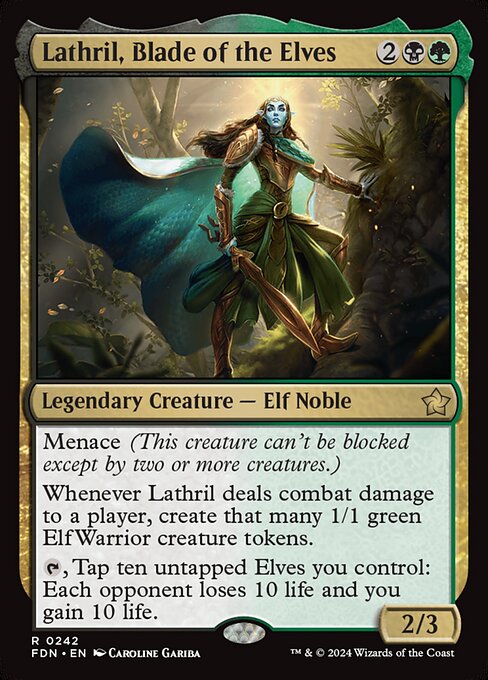
| Elf | 653 | Lathril, Blade of the Elves | {2}{B}{G} | Menace tokens, then tap ten Elves to drain each opponent for 10 |
| Zombie | 604 | Wilhelt, the Rotcleaver | {2}{U}{B} | Every Zombie death makes a decayed 2/2 and fuels card draw |
| Beast | 528 | No real typal option | — | Only 9 legal commanders mention Beasts; plays as green stompy |
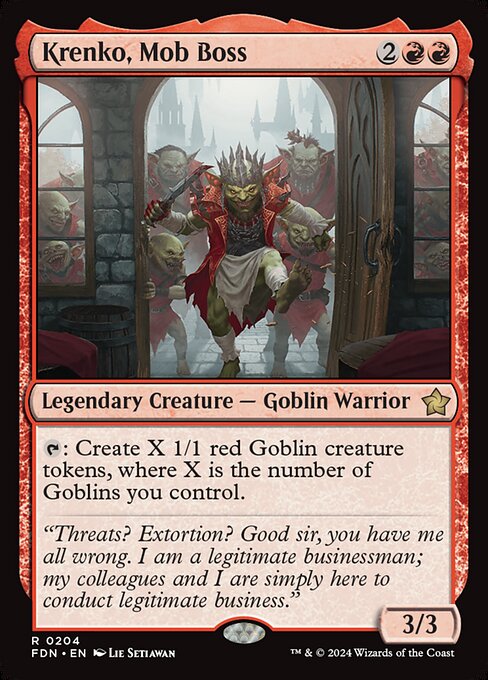
| Goblin | 507 | Krenko, Mob Boss | {2}{R}{R} | Tap to double your Goblin count; two activations is lethal |
| Knight | 494 | Syr Gwyn, Hero of Ashvale | {3}{R}{W}{B} | Equipment costs Knights {0} to equip and attacks draw cards |
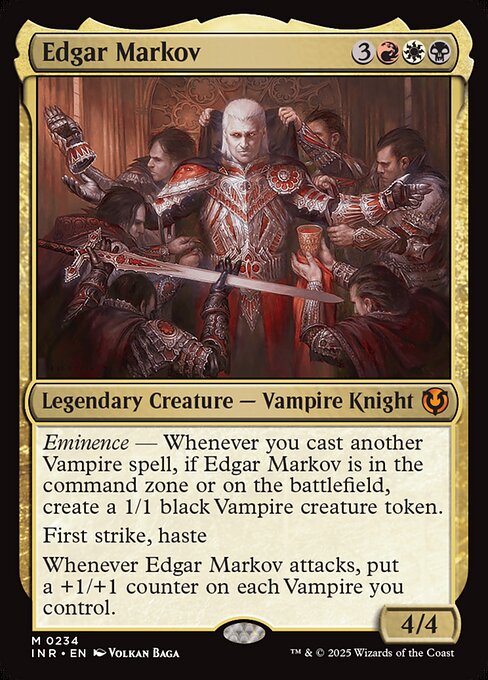
| Vampire | 431 | Edgar Markov | {3}{R}{W}{B} | Eminence token per Vampire cast, +1/+1 counters on every attack |
| Dragon | 415 | The Ur-Dragon | {4}{W}{U}{B}{R}{G} | Dragons cost {1} less, attacks draw and free-cast a permanent |
| Cat | 338 | Arahbo, Roar of the World | {3}{G}{W} | Eminence +3/+3 each combat, even from the command zone |
| Merfolk | 335 | Kumena, Tyrant of Orazca | {1}{G}{U} | Tap Merfolk to unblock, draw, or counter up the whole board |
| Angel | 261 | Giada, Font of Hope | {1}{W} | Two-mana Angel that ramps and stacks +1/+1 counters on the rest |
| Dinosaur | 212 | Gishath, Sun's Avatar | {5}{R}{G}{W} | Combat damage reveals that many cards and free-casts the Dinosaurs |
| Faerie | 170 | Alela, Artful Provocateur | {1}{W}{U}{B} | Evasive tokens and flier anthem in an artifact/enchantment shell |
| Sliver | 115 | Sliver Overlord | {W}{U}{B}{R}{G} | {3}: tutor any Sliver, repeatable, once he's on the battlefield |
| Rat | 108 | Marrow-Gnawer | {3}{B}{B} | Sac a Rat to double your Rats; all Rats have fear |
| Squirrel | 34 | Chatterfang, Squirrel General | {2}{G} | Every token you make comes with a free Squirrel |
Two rows deserve a footnote. Beast is the clearest example of a big pool with no engine — 528 creatures, but only nine Commander-legal legends whose rules text mentions Beasts at all, and most of those only in passing. A "Beast tribal" deck is a green creature deck wearing a costume. Squirrel is the opposite: 34 cards total, but Chatterfang doubles every token you produce, so the deck ignores the Squirrel pool entirely and plays generic token generators instead. Pool size predicts whether the type supports a deck; it does not predict whether the commander does.
The five strongest tribal commanders, ranked
Ranked on how fast they close a four-player game, how well they recover from a wipe, and how much they do from the command zone before you ever cast them.
- Edgar Markov — {3}{R}{W}{B}, 4/4 with first strike and haste. Eminence means every Vampire spell you cast makes a 1/1 Vampire token while Edgar sits in the command zone — you're building a board before you've spent six mana on your commander. When he does land, every attack puts a +1/+1 counter on each Vampire you control. He's the rare tribal commander that punishes removal by being irrelevant to the plan, and Mardu gives you the best removal suite of any tribal color pair.
- The Ur-Dragon — {4}{W}{U}{B}{R}{G}, 10/10 flier. Eminence discounts every other Dragon spell by {1} from the command zone, and when your Dragons attack you draw that many cards and may put a permanent from hand onto the battlefield free. Nine mana is a real cost, but five colors means every good Dragon ever printed is legal in your 99, and the attack trigger converts a stalled board into an engine.
- Najeela, the Blade-Blossom — {2}{R}, 3/2. The only three-mana commander on this list, and the one that wins outright: every attacking Warrior makes a tapped, attacking Warrior token, and {W}{U}{B}{R}{G} untaps all attackers, gives them trample, lifelink, and haste, and adds a combat phase. With five-color mana available that's an arbitrarily large number of combats. Don't read that {2}{R} as a mono-red deck, though: the {W}{U}{B}{R}{G} activation puts all five colors in her color identity, so a Najeela list is legally a five-color deck and needs a five-color manabase to function. That manabase, not the three-mana commander, is where the real cost sits.
- Krenko, Mob Boss — {2}{R}{R}, 3/3. Tap to create X 1/1 Goblins where X is your Goblin count. That's exponential: one activation with four Goblins gives you eight, the next gives you sixteen. Add a haste enabler and Krenko's first activation is usually the last one anyone lets you have. Four mana in a single color makes him the most consistently castable top-tier tribal commander.
- Lathril, Blade of the Elves — {2}{B}{G}, 2/3 with menace. Combat damage to a player makes that many 1/1 Elf tokens, and tapping ten untapped Elves drains each opponent for 10 and gains you 10. In a three-opponent pod that's 30 damage from an activated ability that dodges blockers, fogs, and damage prevention entirely. Golgari also gives Elves access to real removal, which mono-green Elf decks never have.
Sliver Overlord deserves an honorable mention purely on repeatability: once he's on the battlefield, {3} tutors any Sliver from your library to your hand, as many times as you have mana. It's a plain activated ability, not an Eminence trigger, so you do have to pay the five colored mana up front — but after that, mana turns into "the exact card I need" without a single tutor in the 99.
The typal package every deck runs, regardless of type
These cards say "choose a creature type," which makes them the most transferable slots in Magic. Build the package once, port it to whatever deck you build next.
| Card | Cost | Effect | Why it's in every list |
|---|---|---|---|
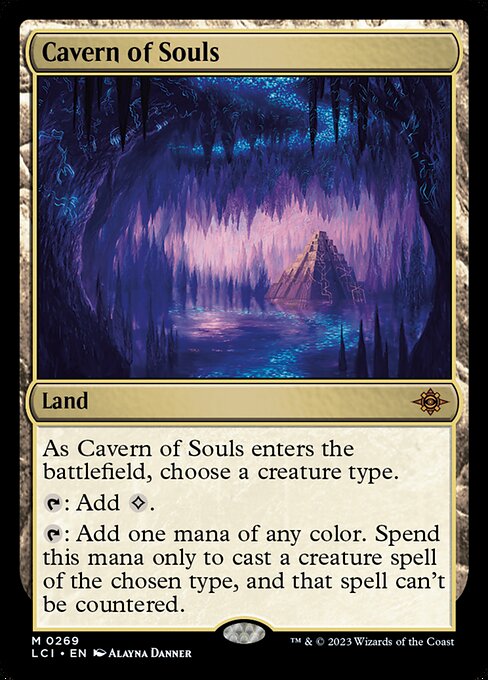
| Cavern of Souls | Land | Uncounterable mana for the chosen type | Beats counterspells on your commander and your bombs |
| Herald's Horn | {3} | Chosen type costs {1} less; upkeep card advantage | Ramp and draw stapled together for three mana |
| Urza's Incubator | {3} | Chosen creature spells cost {2} less | Biggest raw discount in the category |
| Vanquisher's Banner | {5} | +1/+1 and draw a card per chosen-type cast | The anthem that refills after a wipe |
| Kindred Discovery | {3}{U}{U} | Draw when a chosen-type creature enters or attacks | Turns a go-wide turn into six cards |
| Icon of Ancestry | {3} | +1/+1 plus a {3} dig-three for the type | The 39-cent version of the Banner |
| Door of Destinies | {4} | +1/+1 per charge counter, one per chosen-type cast | Snowballs past every anthem in the format |
| Obelisk of Urd | {6} | +2/+2, with convoke | Convoke means it costs about {2} in a real board state |
| Metallic Mimic | {2} | Chosen-type creatures enter with a +1/+1 counter | Counters survive the Mimic dying |
| Realmwalker | {2}{G} | Cast chosen-type creatures off the top of your library | Free virtual card advantage every turn |
| Patriarch's Bidding | {3}{B}{B} | Each player returns one chosen type from their graveyard | The wipe insurance: rebuild your whole board for five |
| Kindred Dominance | {5}{B}{B} | Destroy all creatures that aren't the chosen type | A completely one-sided board wipe in a tribal deck |
| Coat of Arms | {5} | Every creature gets +1/+1 per shared type on board | Enormous, but it buffs opposing tribal boards too |
| Maskwood Nexus | {4} | Your creatures are every creature type | Makes off-type good-stuff cards count as on-type |
| Path of Ancestry | Land | Any color in your identity, scry on a type match | Costs 28 cents and belongs in literally every tribal deck |
Two structural notes. Patriarch's Bidding and Kindred Dominance are the two cards that fix tribal's core weakness — the first undoes a wipe, the second is a wipe you're immune to. If your creature type has black in its colors and you're not running both, that's the first upgrade to make. And Maskwood Nexus quietly changes deckbuilding: once every creature you control is every type, your typal payoffs count cards that have nothing to do with the theme, which is how a Squirrel deck ends up running Ramp Beasts and a Sliver deck ends up caring about your commander's Wizards.
Skip Coat of Arms if anyone else at your table plays tribal. It reads "each creature," not "each creature you control" — at a pod with a Sliver deck, you are handing them a bigger buff than you're getting.
Creature types that look better than they play
Not every type deserves a deck, and the pool number is only half the story.
Beasts (528 cards) have almost no cards that reference the Beast type. You get Contested Cliffs and a couple of lords, and then you are simply playing a green creature deck. Big pool, zero synergy.
Warriors (1,233) and Soldiers (1,061) are so broad that most of your creatures are incidentally on-type, which sounds great until you realize your "tribal" payoffs are buffing a deck that wasn't built around anything. Najeela works because of her combat step, not because Warriors are a coherent strategy.
Humans (4,427) is the largest type in the game and the least focused. Human tribal effectively means Winota, and Winota decks care about non-Humans attacking — the Human count is the payoff, not the engine.
Angels (261) and Demons (211) have great individual cards and terrible curves. An Angel deck's average mana value is punishing without Giada or Kaalia doing the cheating for you, which is why both types are functionally "Kaalia decks" at higher power levels.
Slivers (115) are the format's best small pool. Every Sliver buffs every other Sliver by design, so 115 cards produce more synergy than 500 Beasts. The catch is that Slivers buff all Slivers on the battlefield, including opposing ones, and a five-color mana base is expensive — check the Commander lands guide before committing.
Budget tribal decks that hold up at bracket 3
Tribal is the cheapest competitive-feeling archetype in Commander because the payoffs are commons and uncommons. Three builds that work under about $100:
Elves with Ezuri, Renegade Leader ({1}{G}{G}) — a three-mana commander whose {2}{G}{G}{G} overrun gives all Elves +3/+3 and trample, plus {G} to regenerate an Elf through removal. Mono-green Elves is the densest mana-ramp shell in the format, and most of the good Elves are draft chaff.
Goblins with Krenko, Tin Street Kingpin ({2}{R}) — the cheaper Krenko. He puts a +1/+1 counter on himself when he attacks, then makes tokens equal to his power, so he snowballs on his own without needing a wide board first. Mono-red, three mana, and every support Goblin is a bulk rare at worst.
Angels with Giada, Font of Hope ({1}{W}) — a two-mana 2/2 flier with vigilance that taps for {W} toward Angel spells and makes every subsequent Angel enter with a +1/+1 counter per Angel you already control. Ramp and anthem on a two-drop.
Add Icon of Ancestry, Path of Ancestry, Door of Destinies, and Obelisk of Urd — under $6 combined at current market — and any of these three decks lands squarely in bracket 3 territory. The expensive tribal cards (Cavern of Souls, Urza's Incubator, Coat of Arms) are upgrades, not requirements.
The build ratio that works: 28-33 on-type creatures, 10-12 ramp pieces, 8-10 pieces of interaction, 4-6 typal payoffs from the package table, and 36-38 lands. That's tighter on creatures than a generic list and looser on card draw, which is exactly the trade tribal makes — see the full deckbuilding ratios breakdown for how that compares to non-tribal shells.
Quick Action Checklist
- Check the card pool before you commit: under ~150 Commander-legal cards in a type means you're building a combo deck, not a creature deck.
- Put an engine or a cheater in the command zone, not a lord — a lord that eats removal leaves you with nothing.
- Run Patriarch's Bidding and Kindred Dominance in any tribal deck with black; they are the answer to the archetype's one real weakness.
- Buy the under-$6 typal package first (Icon of Ancestry, Path of Ancestry, Door of Destinies, Obelisk of Urd) before touching Cavern of Souls.
- Leave Coat of Arms in the binder if another tribal deck sits at your pod — it buffs their board too.
- Aim for 28-33 on-type creatures and 8-10 interaction slots; the "all creatures, no answers" tribal list is the one that loses to a single wipe.
- Add Maskwood Nexus if your type's pool is thin — it turns every off-type good-stuff creature into an on-type payoff.
Frequently Asked Questions
What is the best tribal commander in MTG?
Is it called tribal or typal in Magic now?
Which creature type has the most cards in Commander?
What cards go in every tribal Commander deck?
What is the cheapest tribal Commander deck to build?
How many creatures should a tribal Commander deck run?
Does Coat of Arms help my opponents?
Keep Reading
Related Guides
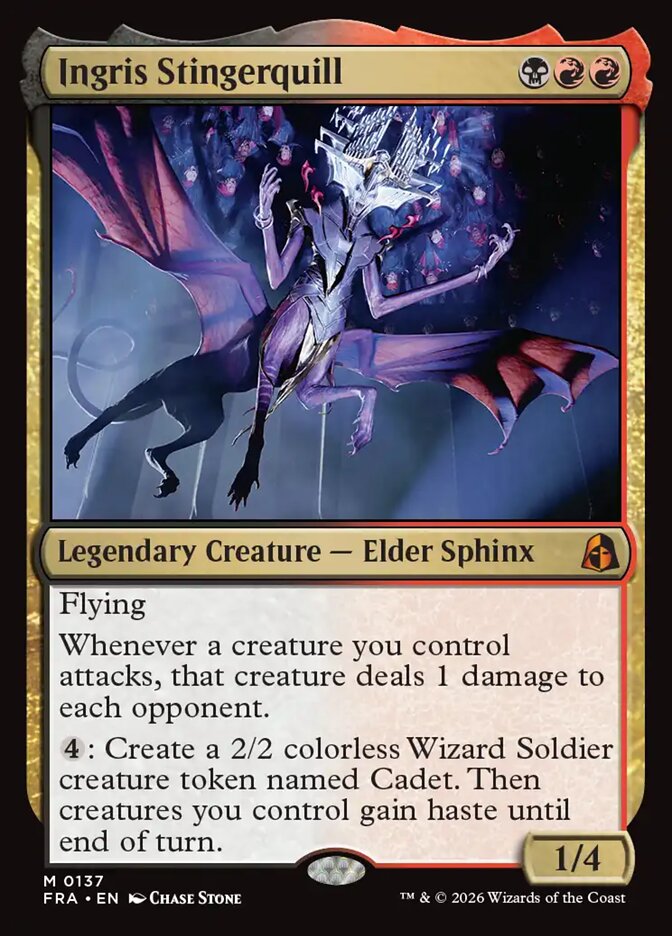
MTG Reality Fracture: The Best New Commanders
Reality Fracture ships 75 Commander-legal legendary creatures, more than Secrets of Strixhaven, Lorwyn Eclipsed, and Edge of Eternities combined. Here's which ones are actually worth the command zone, checked card by card against Scryfall's own spoiled set data.
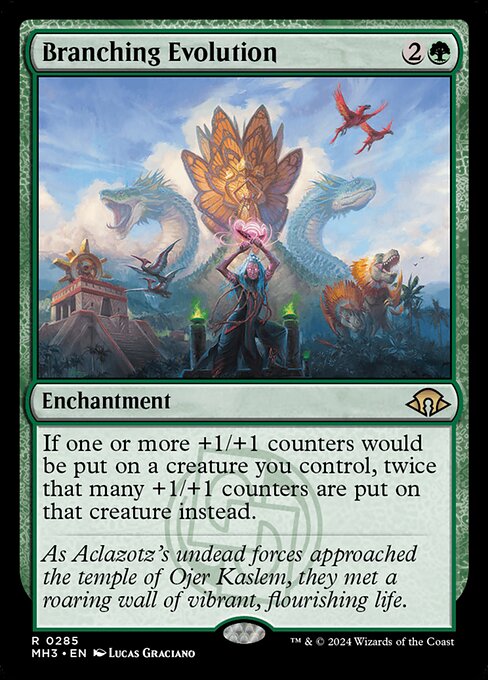
Best +1/+1 Counter Cards in MTG Commander, Ranked
Kill the anthem and the board shrinks. Kill the creature that placed a +1/+1 counter and nothing changes — the counter is already part of the creature. Here are the best +1/+1 counter payoffs and multipliers in Commander, ranked, plus the stacking order that turns one counter into eight.
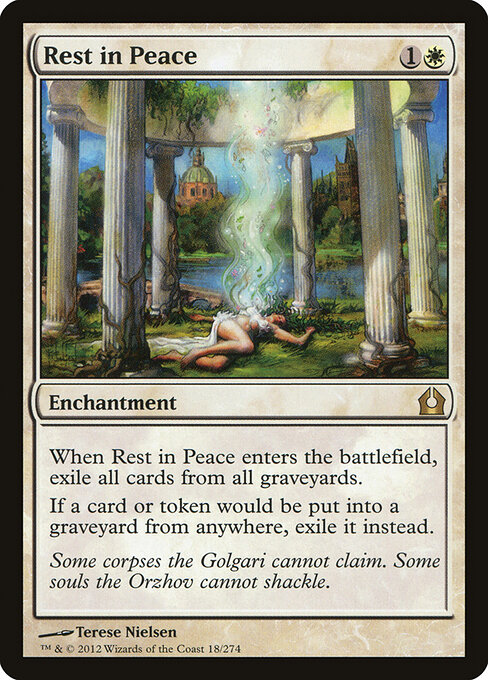
Best Graveyard Hate Cards in MTG Commander, Ranked
Every Commander pod has a reanimator deck, an aristocrats deck, and a guy whose commander says "return target creature card from your graveyard." Here is the best graveyard hate in the format, ranked — and the timing rules that separate a blowout from a wasted card.
Best Mill Cards in MTG Commander, Ranked
Milling one player out is a chore. Milling three at once, before they punch your face in, is a real deck. Here are the best mill cards in Commander, ranked — plus the doublers and win conditions that make 300 total cards of library actually beatable.
MTG Commander Format Guide — How to Start Playing EDH (2026)
Commander is the most-played MTG format on the planet and the easiest one for new players to start in. The rules look intimidating on paper. They are not. Here is the full beginner guide.

Best Commander Staples Every Deck Wants, Ranked
There's a short list of cards that show up in basically every Commander deck regardless of theme — the silent 25 that make the splashy 75 work. Here are the staples worth a slot in almost any list, sorted by the job they do, with the legality double-checked.