Mina the Hollower Weapons Guide: All 5 Weapons Ranked
Mina the Hollower opens by asking you to pick a weapon like it is a permanent build decision. It is not. Here are all five weapons, what each actually does, and which ones carry.
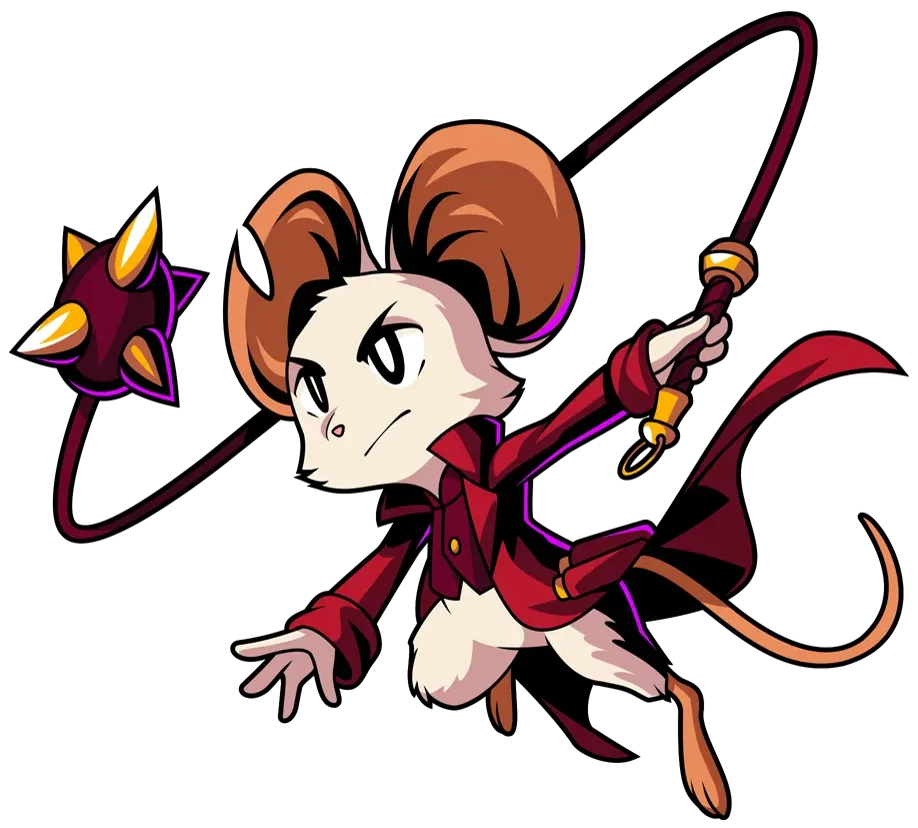
The Nightstar is on the box art, it is on the key art, it is the weapon Yacht Club put in Mina's hand for every marketing beat. It is also, in my read of the kit, not the best weapon in the game. That honor goes to a coffin on a chain that you do not get to hold for hours.
Mina the Hollower ships with five weapons. Three are offered at the start, two unlock during play, and the game is quietly generous about letting you have all of them. Here is what each one is actually for.
Why Your Opening Choice Is a Tutorial in Disguise
The opening presents a build decision: Nightstar, Whisper and Vesper, or Blaststrike Maul. It reads like a class pick in a game where respeccing costs you.
It is not. The starting area lets you test all three with no penalty, and you gain access to every weapon in the game eventually regardless of what you chose first. What looks like a commitment is a hands-on tutorial with three stations.
The practical consequence is that new players should stop overthinking it and start thinking about a different question, which is not "which weapon is best" but "which weapon is best for the room I am standing in." Swapping is a normal part of play, not a failure of planning.
How Weapons Actually Work
Four rules govern the whole system:
- One weapon equipped at a time. No hot-swapping mid-fight.
- Swaps happen at Weapon Chests or at merchants. You cannot change loadout from a pause menu in the middle of a dungeon.
- Every weapon has exactly two upgrades, obtained by purchase or by discovery in the world.
- There is no universal parry. Parrying is a property of one specific weapon, not a mechanic Mina has by default.
That last point is the one that reframes the roster. Most top-down action games give you a dodge and a block. Mina gives you a burrow that grants invincibility, and then gates blocking and parrying behind a single weapon choice. Picking that weapon changes your defensive vocabulary in a way none of the others do.
If you are still fuzzy on how burrowing, Bones, and Sparks fit together, start with the Mina the Hollower beginner guide and come back.
The Five Weapons Ranked
Ranking is opinion. The properties underneath it are not, and I have tried to keep those separable so you can disagree with my conclusions without disagreeing with my facts.
1. Guardian Casket
A coffin bound in chains, used defensively. It blocks, it repels, and it parries, and its parries can negate damage that is otherwise unavoidable. Its upgrades improve movement and burrow offense.
That "otherwise unavoidable" clause is why it tops this list. Mina the Hollower is a game with severe knockback and a lot of attacks that want to launch you into a pit. A tool that can flatly deny damage the burrow cannot dodge is not a sidegrade to the other four. It is a different answer to the game's hardest problem.
Two real limitations keep it honest: the shield can break, and it does not protect your sides or your back. This is not a weapon that lets you stop paying attention. It is a weapon that rewards facing the right way.
2. Whisper and Vesper
A pair of nimble daggers. Fast successive attacks with enhanced movement options, in exchange for short range and low damage per hit. The upgrades are movement-focused, which compounds the identity rather than patching the weakness.
I rank these second because of how the game's hitstun works. Enemies cannot hurt you while they are flashing from a hit. A weapon that lands many fast hits is a weapon that spends more of the fight holding enemies in that state. Low per-hit damage matters less when your uptime is high and your opponent spends the exchange stunned.
The cost is real: short range in a game full of pits means you are standing close to things that want to launch you. Daggers ask you to be good at spacing rather than letting the weapon handle it.
3. Nightstar
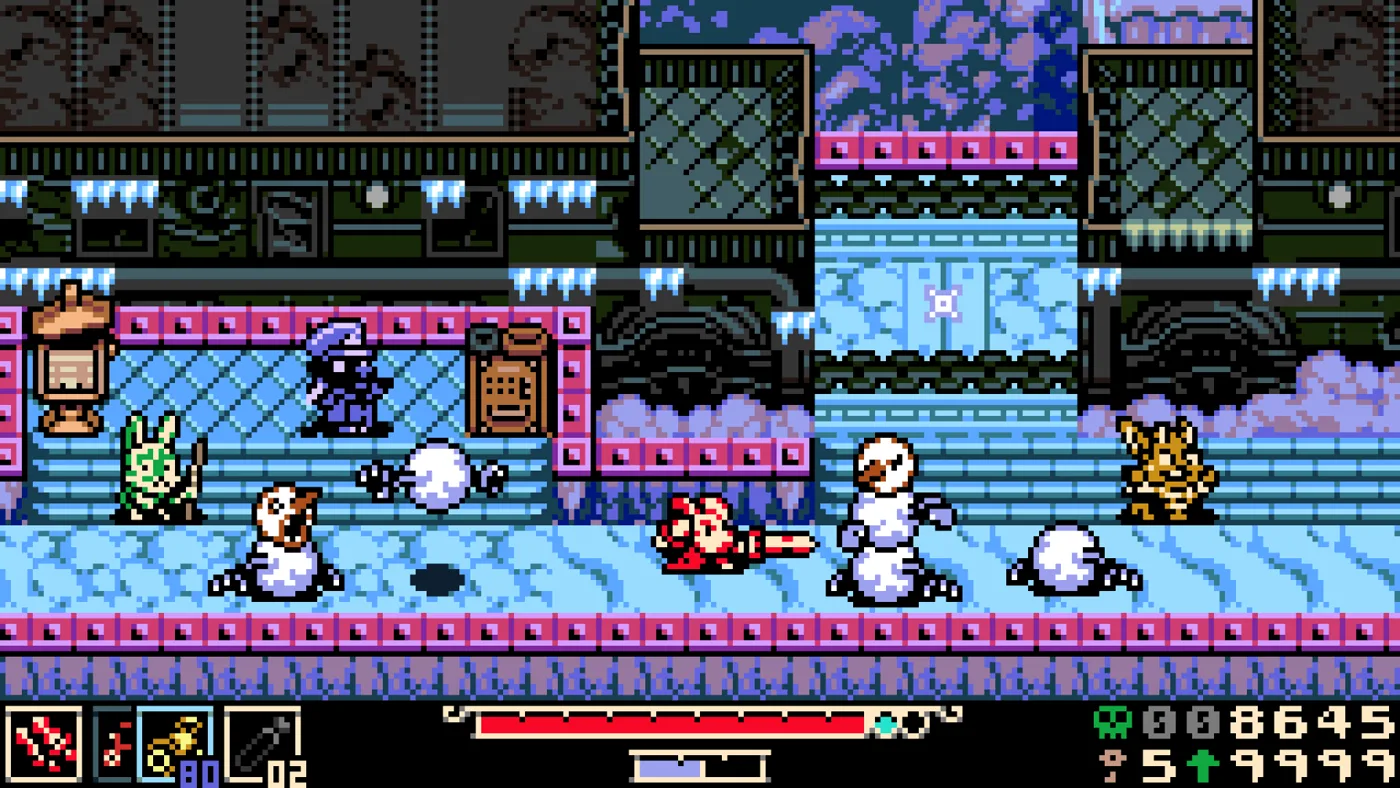
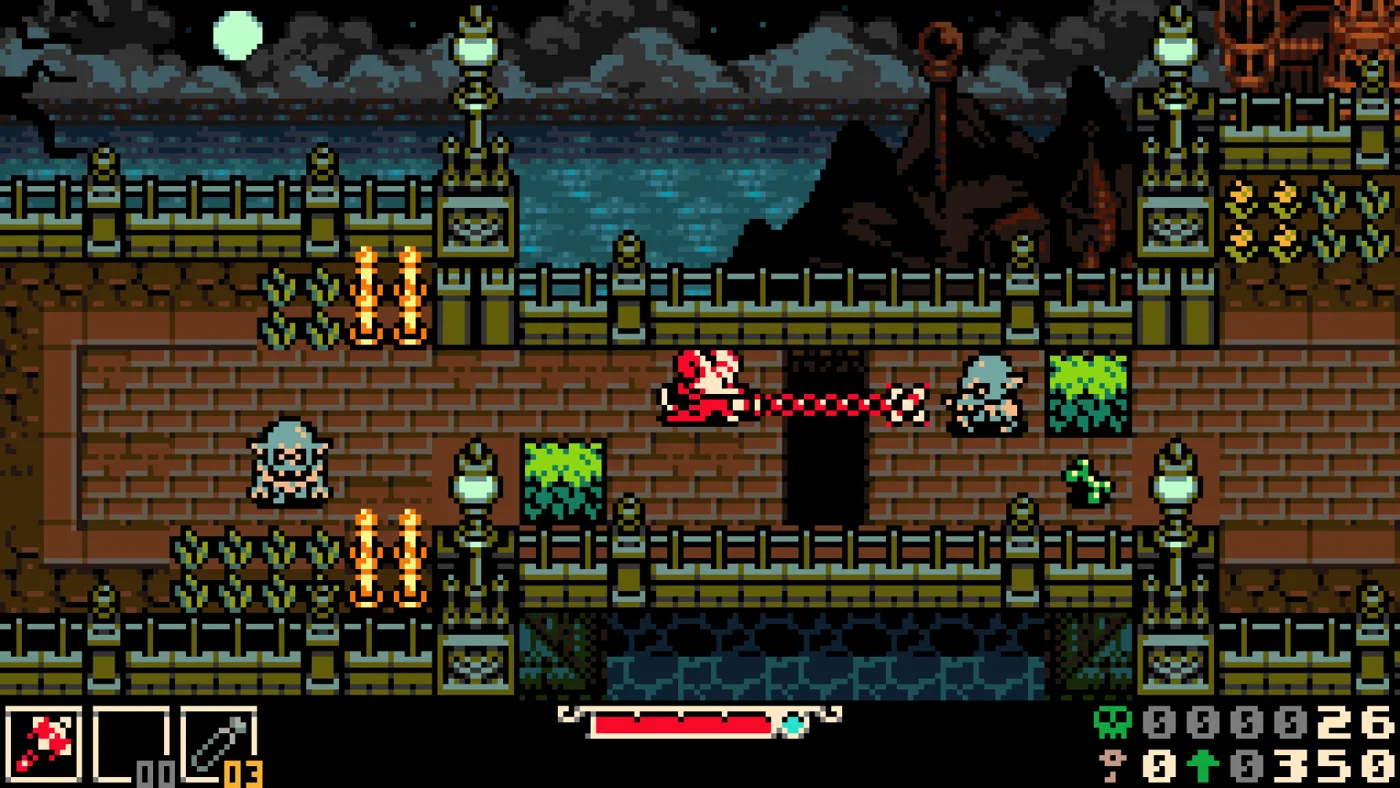
The mascot. A crushing mace affixed to a flexible chain, described as well-rounded with great range. It does not knock enemies back, and its jump attacks are slower. Its upgrades key off spacing, paying out bonus damage at range.
Third is not an insult. The Nightstar is the most generally correct weapon in the game and probably the right default for a first playthrough. Great range in a game that punishes proximity is exactly the safety net a new player wants, and the spacing-based upgrades reward the behavior you should be learning anyway.
The no-knockback property is genuinely interesting and cuts both ways. You are not shoving enemies away from you, which means they stay in your effective range and stay in hitstun, but it also means you cannot use your weapon to create space when you are getting crowded.
4. Blaststrike Maul
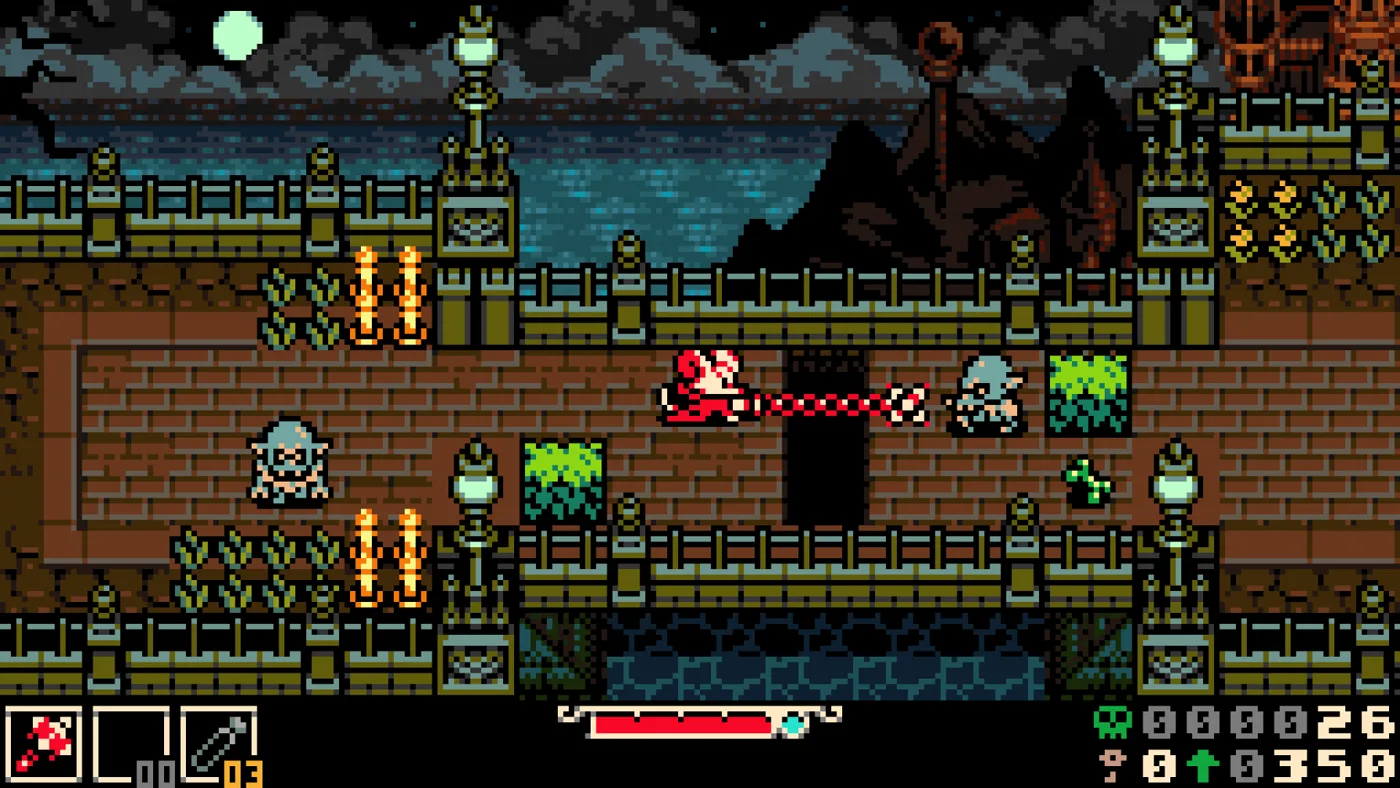
A hammer with explosive force. Highest single-hit damage in the game and good area coverage, paid for with slow charged attacks and poor range when uncharged.
The Maul is a specialist that reads like a generalist. Big damage and area effect sound like they solve crowds, and they do, but the wind-up on charged attacks is a real commitment in a game where getting hit sends you flying. Against a pack of small enemies in an open room it is fantastic. In a cramped corridor with a pit, that same charge is how you end up at the bottom of the pit.
Bring it when you know the arena. Leave it when you are exploring blind.
5. Battery Buster
The dual-mode oddity. Shot mode has the longest range in the game with limited ammo. Swing mode recharges that ammo and does decent close-range damage. Its upgrades are late-game or expensive.
Last place here is about opportunity cost, not power. Longest range in the game is a genuinely strong property, and the self-recharging loop, where you swing to refill and then shoot, is a clean little engine. But you get it late, its upgrades cost more than the alternatives, and by the time it is fully online you have probably already built comfort with something else.
If you are on a second run and want the roster to feel different, this is the weapon that changes the most about how you approach a room.
Matching Weapons to Problems
Ranked lists are less useful than a lookup table. Here is the practical version:
- Attacks you keep eating that the burrow will not dodge. Guardian Casket. Parrying otherwise-unavoidable damage is its whole pitch.
- A boss with a long, readable punish window. Blaststrike Maul. Highest single-hit damage is worth the wind-up when you know the opening is coming.
- Crowded rooms of small, fast enemies. Whisper and Vesper. Chain hits, keep them flashing, keep them harmless.
- An unfamiliar dungeon you are mapping for the first time. Nightstar. Range is safety, and safety is what exploration needs.
- Anything flying, distant, or across a hazard you do not want to cross. Battery Buster shot mode.
- You keep getting shoved into pits. Reconsider the Maul. Its charge time is the worst possible property for that specific failure.
Weapon Upgrades and Where Bones Go
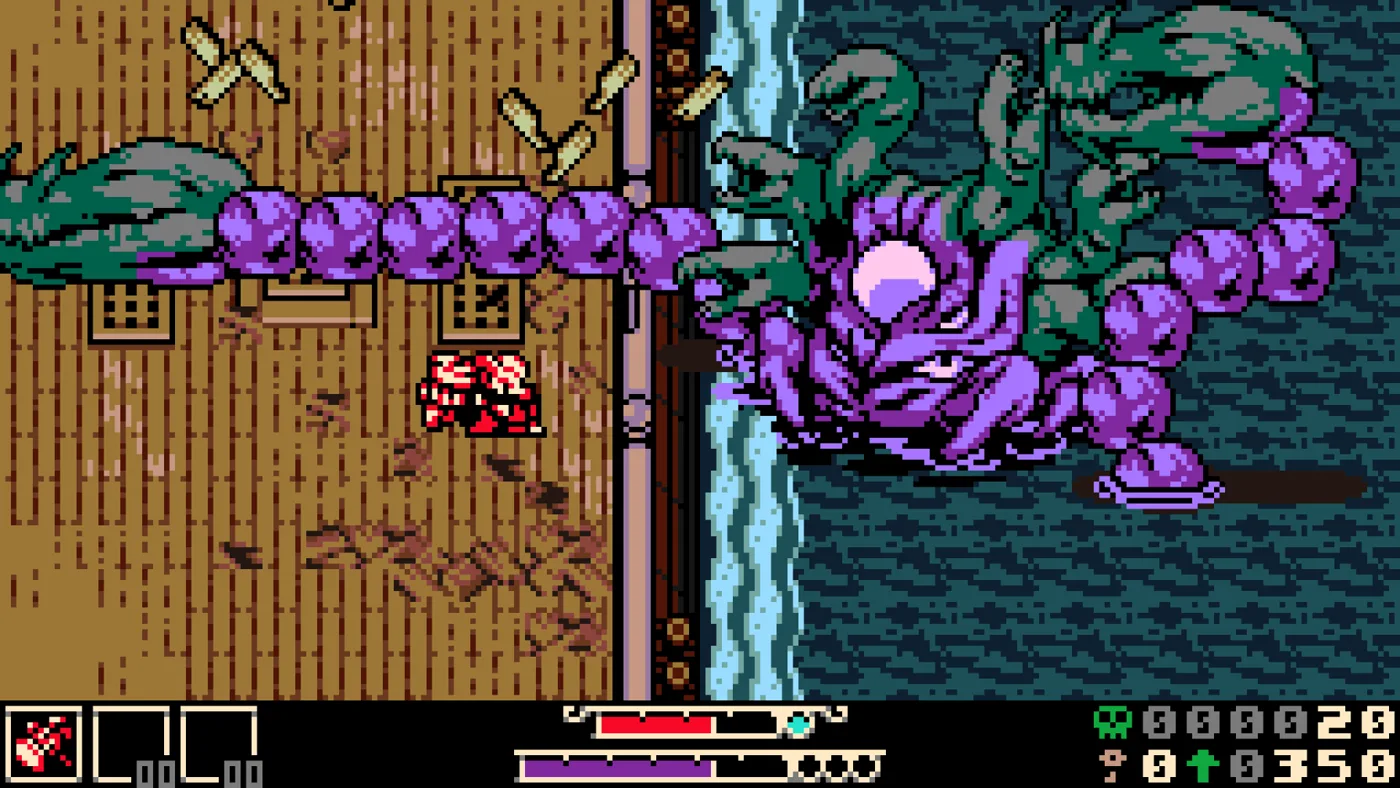
Each weapon has two upgrades, found in the world or bought. That is a small number, and it means your Bones are not being drained into a bottomless weapon tree. They are going toward a short, finite list.
The strategic read: do not spread upgrades across all five weapons. Ten upgrades exist. Buying two on a weapon you actually use beats buying one each on five weapons you rotate through out of curiosity. Pick a main, finish it, then branch.
Note also that Battery Buster upgrades are flagged as late-game or expensive. If you unlock it and immediately want to invest, be aware you are choosing a slower payoff than upgrading a weapon you have been carrying since hour one.
Bones are also your level-up currency, since earning enough triggers an automatic Bone Up where you raise Attack, Defense, or Sidearms. Weapon upgrades compete directly with that. When in doubt, remember that Boning Up also restores your health, Joules, and Sparks, which makes it a better emergency purchase than a weapon upgrade ever is.
What This Ranking Does Not Tell You
Some honesty about the limits of this list.
Nobody has published frame data for this game. There is no measured burrow duration, no verified invulnerability window count, no attack startup numbers. Everything above is built on the game's own descriptions of weapon properties plus how those properties interact with confirmed systems like enemy hitstun and knockback. If someone frame-counts the Maul's charge and it turns out to be shorter than it feels, that weapon moves up.
The other limit is that weapon strength in Mina the Hollower is entangled with trinkets and sidearms in ways a weapon-only ranking cannot capture. A dagger build with the right movement trinkets plays nothing like a bare dagger build. We covered that layer separately in the Mina the Hollower sidearms and trinkets guide.
Quick Action Checklist
- Do not agonize over the opening choice. Test all three in the starting area and know you get all five eventually.
- Default to the Nightstar for a blind first playthrough. Range is the best beginner safety net in a game this punishing.
- Grab the Guardian Casket seriously when it unlocks. It is the only weapon that parries, and it can negate otherwise unavoidable damage.
- Remember the Casket does not cover your sides or back, and its shield can break.
- Bring the Blaststrike Maul to fights you already understand, not to blind exploration.
- Use Whisper and Vesper on packs of small enemies, since fast hits keep foes locked in harmless flashing hitstun.
- Use Battery Buster shot mode for flying or distant targets, and swing mode to recharge it.
- Finish both upgrades on one main weapon before spreading Bones across the roster.
- Swap at Weapon Chests and merchants. You cannot change weapons mid-fight, so choose before you enter.
Frequently Asked Questions
How many weapons are in Mina the Hollower?
What is the best weapon in Mina the Hollower?
Can you parry in Mina the Hollower?
How do you change weapons in Mina the Hollower?
How many upgrades does each weapon have?
Keep Reading
Related Guides
Mina the Hollower Beginner Guide: Burrow, Bones, and Sparks
Mina the Hollower is not the Souls game people keep calling it. Here is what burrowing, Bones, Sparks, and sidearms really do before you lose a dungeon run to a knockback into a pit.
What Mina the Hollower Is Actually Made Of: Zelda, Castlevania, Bloodborne
"It's like Zelda" is the laziest thing you can say about Mina the Hollower, and it is only about a third true. Yacht Club has been unusually specific about what it stole and from where, so here is the actual recipe.
The Mina the Hollower Soundtrack: 96 Tracks, Free, and Koshiro Shows Up
Yacht Club let its composer release the entire Mina the Hollower soundtrack name-your-price on day one. It is 96 tracks, it runs on a Game Boy sound chip plus a Konami MSX cartridge, and Yuzo Koshiro wrote two of them.
Mina the Hollower Release Date, Platforms & What's Confirmed
The Shovel Knight studio's Game Boy Color love letter is finally here. Here is the confirmed release date, every platform, and what Yacht Club has actually said about Mina the Hollower.
Mina the Hollower Patch Notes Explained: What 1.0.1 to 1.0.6 Changed
Yacht Club has shipped six patches for Mina the Hollower. One of them quietly nerfed your healing, several retuned boss damage, and consoles are still a version behind PC. Here is the readable version.
Mina the Hollower Exploration Tips: Secrets, Gaps, and Backtracking
Half the walls in Mina the Hollower are not walls. Here is how to read Tenebrous Isle, cross gaps you thought were gated, and backtrack for the secrets that actually matter.