Pokemon TCG at Gen Con 2026: All 168 Events, Decoded
Gen Con's catalog says Pokemon TCG has 168 events this weekend, which sounds like The Pokemon Company brought a Regional to Indianapolis. It didn't. Here's what all 168 listings actually are, who runs them, and why the biggest tabletop show in North America contains exactly one real Pokemon tournament.
Gen Con's event catalog says Pokemon TCG has 168 scheduled events this weekend, which sounds like The Pokemon Company hauled a Regional Championship to Indianapolis. It did not. I pulled all 168 listings out of the convention's event database on Saturday morning - day three of four, at a show that sold out all four days before Trade Day even opened, the third straight year it has done so, with roughly 70,000 people expected downtown. The shape of that number tells you more about how The Pokemon Company thinks about conventions than any press release would.
Quick disclosure before the numbers: this is live-event coverage, written August 1 while Gen Con 2026 (July 30 - August 2) is still running. Saturday evening's events had not fired when I wrote this, Sunday had not happened at all, and no results from the weekend have been published anywhere official. Nothing below reports an outcome, because the outcomes do not exist yet.
The number is real, the shape is the story
Raw counts first, because they are a fun scoreboard. In the Gen Con 2026 event database's trading card game category, as of the Saturday 5:51 a.m. refresh: Magic: The Gathering lists 541 events, Pokemon TCG 168, Disney Lorcana 90, Star Wars: Unlimited 69, Gundam Card Game 59, and Riftbound and Flesh and Blood 52 each. Pokemon is the number-two TCG at the biggest tabletop convention in North America by event volume.
But volume is where the resemblance to Magic's program ends. Decompose the 168 and a very deliberate structure falls out: 146 of the 168 sessions run 90 minutes or shorter. 139 of them - 83 percent - are listed as requiring zero prior experience. Exactly one asks for expert-level knowledge of the game. And exactly one, in the entire catalog, carries the database's tournament flag.
That is not a competitive program with some side events attached. That is an on-ramp with a single tournament hiding in the trunk.
What the 168 events actually are
Every listing resolves to one of ten event types. Here is the full decode, straight from the catalog:
| Event | Sessions | Length | Ticket | Seats | Experience asked |
|---|---|---|---|---|---|
| Learn to Play - First Steps | 46 | 30 min | $4 | 18 | None |
| Build & Battle (prerelease-style) | 42 | 90 min | $26 | up to 36 | None |
| Pack and Raid Battle | 35 | 30 min | $6 | 15 | None |
| Pack Battle | 15 | 30 min | $6 | 18 | None |
| ex Battle Deck Clash | 14 | 2 hr | $14 | 18 | Some |
| Raid Format Battle | 7 | 1 hr | $6 | 30 | Some |
| Next Step: Beginner Deck Battle | 6 | 2 hr | $6 | 18 | Some |
| Constructed - Expanded | 1 | 2 hr | $6 | 18 | Expert |
| Retro Base-Fossil tournament | 1 | 3 hr | $6 | 24 | Some |
| Build & Battle - Deck Only Quick Game | 1 | 1 hr | $26 | 31 | None |
A few of these deserve translation.
Learn to Play - First Steps is the workhorse: 46 half-hour sessions across all four days, four dollars a seat, and per the listing you walk out owning the demo deck you learned on. If you have ever wanted to convert a friend, this is the cheapest conversion funnel in the hobby - though the core turn structure is honestly learnable in an afternoon at home too.
Build & Battle is Gen Con's version of a prerelease: a kit with four booster packs and a pre-built 40-card deck, build and play, keep everything, basic Energy provided. Forty-two 90-minute sessions plus one Sunday quick-game variant, $26 - the most expensive Pokemon ticket at the show and the only one where you are functionally buying sealed product with games attached. It is the same Limited logic that makes sealed formats such a good way to learn a card pool: nobody at the table has a tuned deck, so nobody gets run over by one.
Pack and Raid Battle and Raid Format Battle are the interesting design experiments - cooperative play against a Raid Boss, borrowed from the video games' raid structure. The 30-minute Pack version hands you a booster and has you fight the boss with whatever you opened. The one-hour version is bring-your-own-deck under Expanded rules, with loaner decks from the staff if you came empty-handed, and seats 30 people at once.
ex Battle Deck Clash at $14 gets you a 60-card deck to keep, plus three rounds against other people who just got theirs - the natural second step after a Learn to Play, and cheaper than buying the deck-building lesson the hard way.
And then there is Constructed - Expanded: the single event for people who already play this game seriously. One session, Saturday 8 p.m., eighteen seats, six dollars, bring your own 60 cards, Black & White forward minus the ban list. Out of 168 events, the entire provision for experienced competitive players is one two-hour casual constructed night. It sold out.
Who runs Pokemon at Gen Con
Here is the detail I did not expect when I started pulling listings: 167 of the 168 events name their organizing group as, simply, Pokemon. This is The Pokemon Company's own organized-play operation, headquartered at dedicated tables in Hall B of the Indiana Convention Center, and every house-run listing carries the same 51-name game-master roster - including at least one name that will make longtime TCG grinders do a double take.
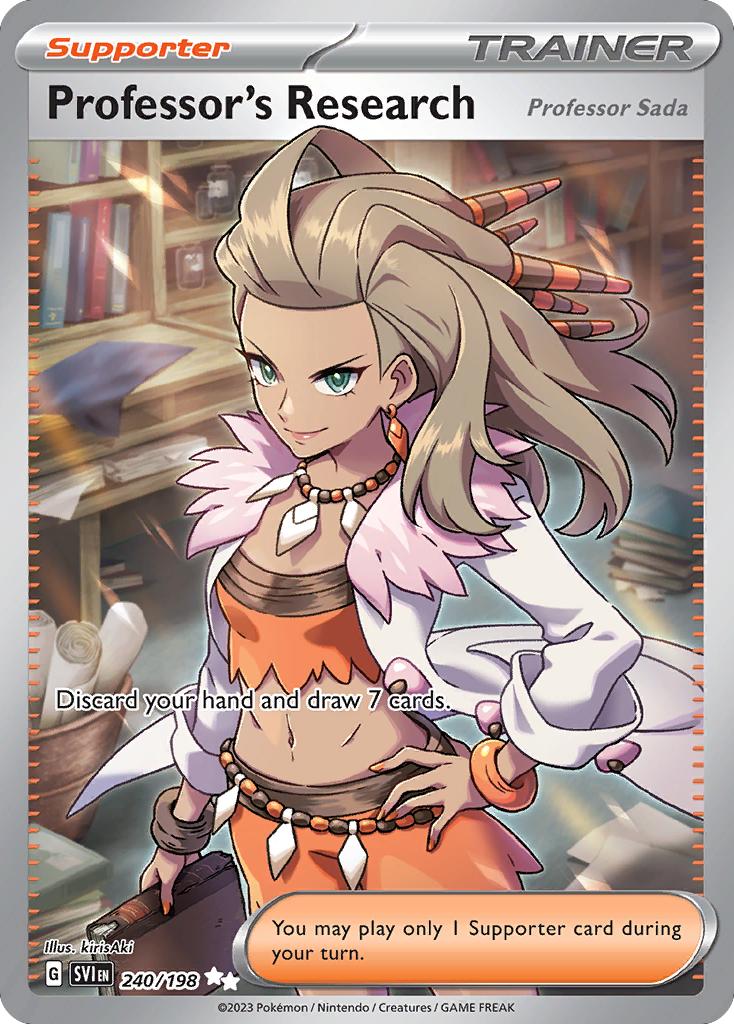
The people staffing those tables are Pokemon Professors - the Play! Pokemon Professor Program's certified volunteers, who have to be 18 or older and pass a rules-knowledge exam to wear the title. The Learn to Play listing says it outright: you work with a Pokemon Professor. It is a nice bit of brand coherence that the most-played Supporter card in the modern game is literally named after the people teaching it.
The other thing every house-run listing mentions: Prize Wall Tickets. Nearly every event pays out redeemable tickets whether you win or lose, which turns the whole Hall B setup into an arcade-economy loop - play events, accumulate tickets, trade up at the prize wall. It is a smart structure for a family show, and it neatly sidesteps the feel-bad of knockout prizing for the six-year-olds the events are rated for (everything in the program is age 6+).
The one real tournament is a time machine
The only listing in all 168 with the catalog's tournament flag set is not run by The Pokemon Company at all. The Pokemon TCG Retro - Base-Fossil tournament ran Friday 6 to 9 p.m. at Lucas Oil Stadium, organized by an individual game master, 24 seats, six dollars.
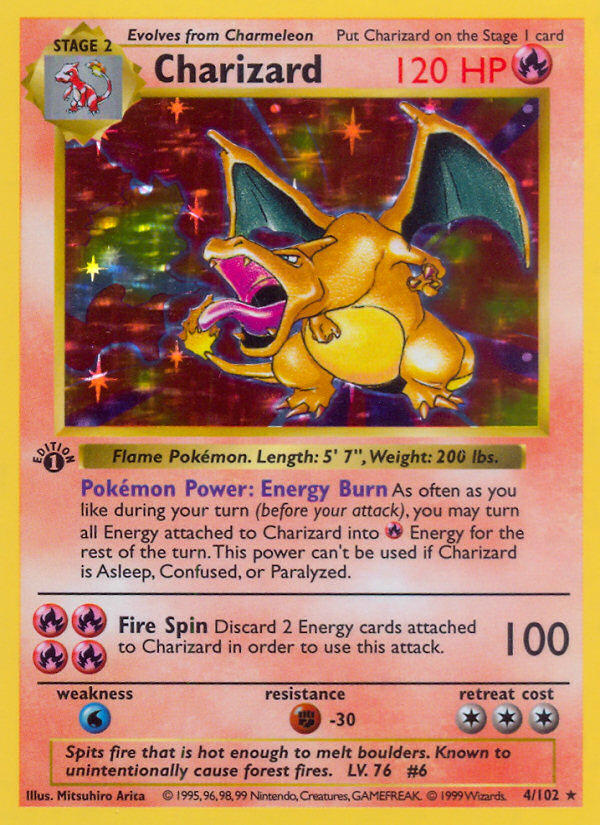
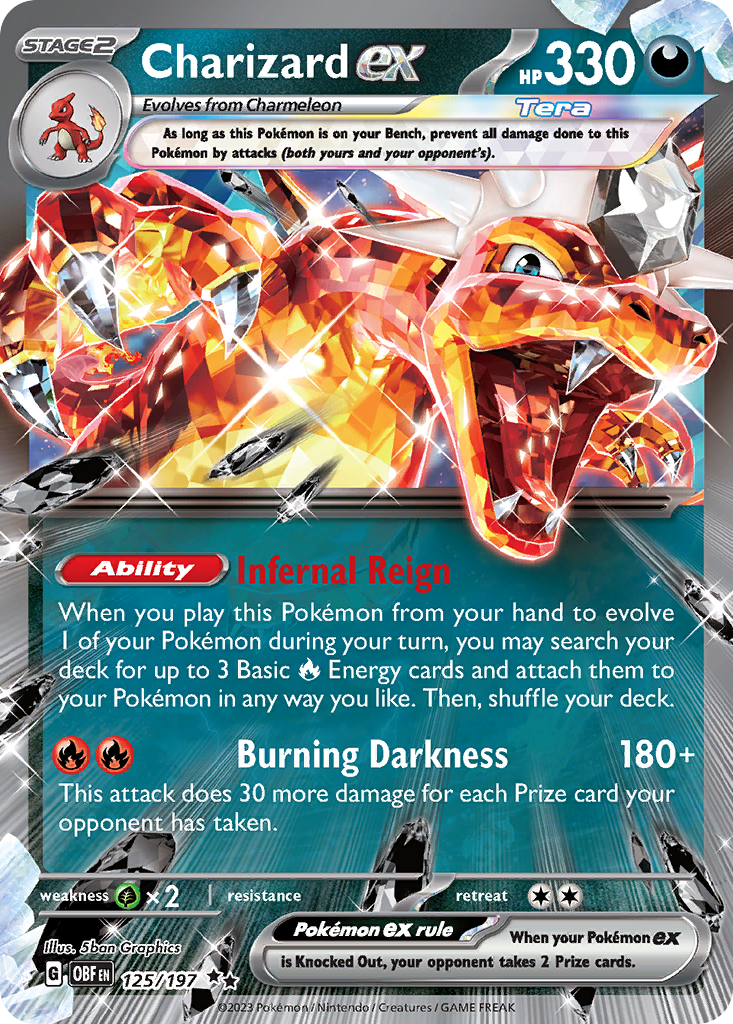
The ruleset is a lovingly specific piece of work. Legal cards: Base Set, Jungle, Fossil, and Black Star promos 1 through 15 - except promo number 11, a carve-out precise enough that there is clearly a story behind it. Reprints are legal if the rules text is identical, which the listing illustrates with Charizard: the Base Set 2, Legendary Collection, and Celebrations printings are all fine, but the XY Evolutions version is banned because its HP is different. Games use the actual 1999-era rulebook, which means the starting coin flip happens after setup and the player going first is allowed to attack - a rule modern players will find genuinely disorienting. Four Swiss rounds, 40 minutes, best of one, and the organizer had a period rulebook on hand for disputes.
It sold out, naturally. It ran Friday night, and as of this writing no results have surfaced anywhere - which is the correct amount of stakes for an event like this. If you want to feel the distance between that era's card design and now, the rarity system alone has been rebuilt several times since.
Why there are no Championship Points in the building
Search the Pokemon listings for anything sanctioned - a League Challenge, a League Cup, anything that feeds the competitive ladder - and you find nothing. No Championship Points are on offer anywhere at Gen Con 2026. That is not an oversight. The Pokemon Company runs its competitive circuit as a closed, owned pipeline: local Challenges and Cups feed Regionals, Regionals feed a points leaderboard, and the leaderboard feeds an invitation-only World Championship.
And the timing this year makes the separation impossible to miss. The 2026 Pokemon World Championships run August 28-30 in San Francisco - four weeks from this weekend - with early rounds at Moscone Center and the finals staged at Chase Center, across TCG, VGC, GO, and UNITE. It is the twenty-first TCG Worlds. Qualification comes from the season-long grind: North America's regional leaderboard alone sends 80 Masters-division players plus 20 each in Seniors and Juniors, with International Championship results carrying direct invites on top. None of that runs through Indianapolis.
Compare Wizards of the Coast, which put 541 Magic events into the same catalog and treats Gen Con - the show it has grown up alongside since the beginning - as a place where Magic is actually contested. The Pokemon Company treats Gen Con as a storefront and a classroom. Its competitive product happens in buildings it books itself, four weeks later, on the other side of the country. You can read that as standoffish or as discipline. Given that the classroom sold out, it is hard to call it wrong.
How to actually play Pokemon at a big con
Distilled from the catalog data plus the standard physics of a sold-out Gen Con:
- Book before the show, or book Sunday. At the Saturday-morning database refresh, nearly every Thursday and Friday daytime Pokemon session showed zero tickets remaining. Sunday sessions still had seats - some Learn to Play slots were showing more than half their capacity open.
- The $6 tier is the value tier. Pack Battle and Pack and Raid Battle both hand you a booster pack for a $6 ticket and give you a game to play with it. That is close to free entertainment by convention math.
- Build & Battle is the one worth planning around if you actually want to play games rather than sample them: 90 minutes, a real sealed pool, and you keep four packs plus the deck. Session capacities swing wildly - from single digits up to 36 - so specific time slots vanish unevenly.
- Bring a deck anyway. Raid Format Battle and the Next Step events accept your own deck, and the pickup-game scene in a hall with tens of thousands of card players is its own event that never appears in any catalog. Sleeves, a mat, and a working knowledge of your own Trainer cards cover you.
- Sold out is not always sold out. Gen Con's long-standing convention is that no-show seats get filled at the door with generic tickets. Showing up to a full session with generics and patience is a time-honored maneuver; it fails often and costs nothing.
- Calibrate expectations. If you came to prove something competitively, this is the wrong building - the proving ground is San Francisco at the end of the month. If you came to play a lot of low-stakes Pokemon, teach a kid, or fight a Raid Boss with strangers, this program was engineered for you specifically.
What is still bookable from the show floor
As of this writing - Saturday morning, August 1 - the practical state of play: Saturday evening still had scattered seats in the late Learn to Play, Pack Battle, and Pack and Raid slots, Sunday had the healthiest availability across every event type, and the two one-off competitive-flavored events (Friday's retro tournament, Saturday night's Expanded constructed) were already full. The final Pokemon listing of the show is Sunday's 3 p.m. Build & Battle quick game, which compresses the prerelease experience into a single hour because the hall closes at 4.
Whatever happens in those last sessions, nobody will publish standings for them, and that is the point. The Pokemon Company brought 168 events to Gen Con and made sure none of them mattered - in the best possible sense. Every seat in Hall B is for someone who wants to play this game a little more than they did yesterday. The ones who want it to matter know exactly where to be on August 28.
Frequently Asked Questions
Does Pokemon TCG at Gen Con 2026 award Championship Points?
Who runs the Pokemon TCG events at Gen Con 2026?
How much do Pokemon TCG events at Gen Con cost?
What is Pokemon Build & Battle at Gen Con?
Is there any competitive Pokemon TCG at Gen Con 2026?
Can beginners play Pokemon TCG at Gen Con without knowing the rules?
Keep Reading
Related Guides
Pokémon TCG Louisville Regional 2026: Results and Top 9
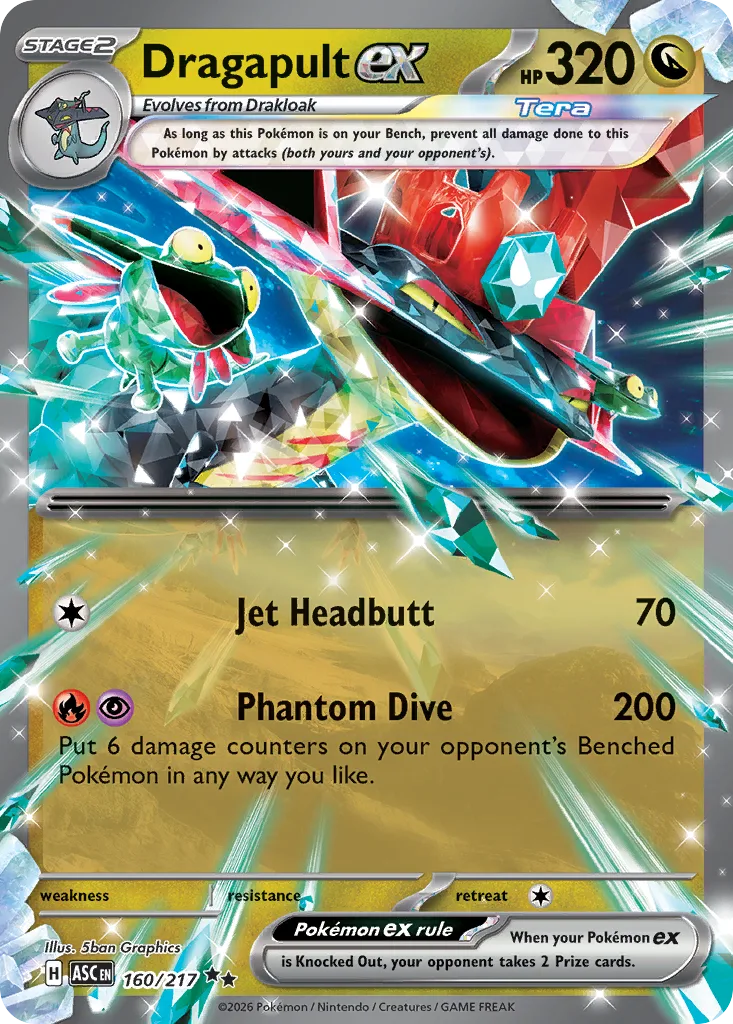
Riley McKay won the Louisville Regional Championships without losing a match, on a Dragapult ex list two cards away from the one that won Worlds. Behind him, three decks that had not reached a Regional top cut all season got there at once: Sharpedo/Toxtricity, Dhelmise and Mew Box.
Pokémon TCG Recife Regional 2026: Results and Winning Deck
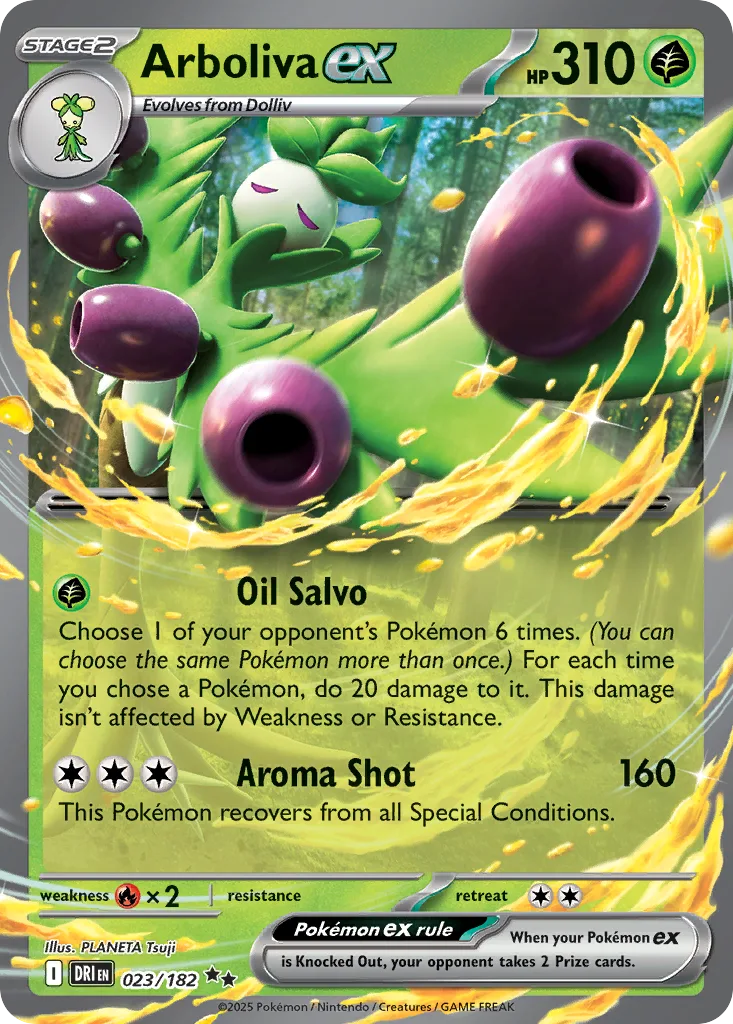
The fourth Regional of the 2027 season, and the first in Latin America, went to a deck only two of 1,074 Masters registered. Victor Carreira's Ogerpon/Meganium/Arboliva list beat three Dragapult ex players in the top cut, in a field where Dragapult builds were a bigger share than at any Regional so far this season.
Pokémon TCG Frankfurt & Brisbane Regionals 2026 Results
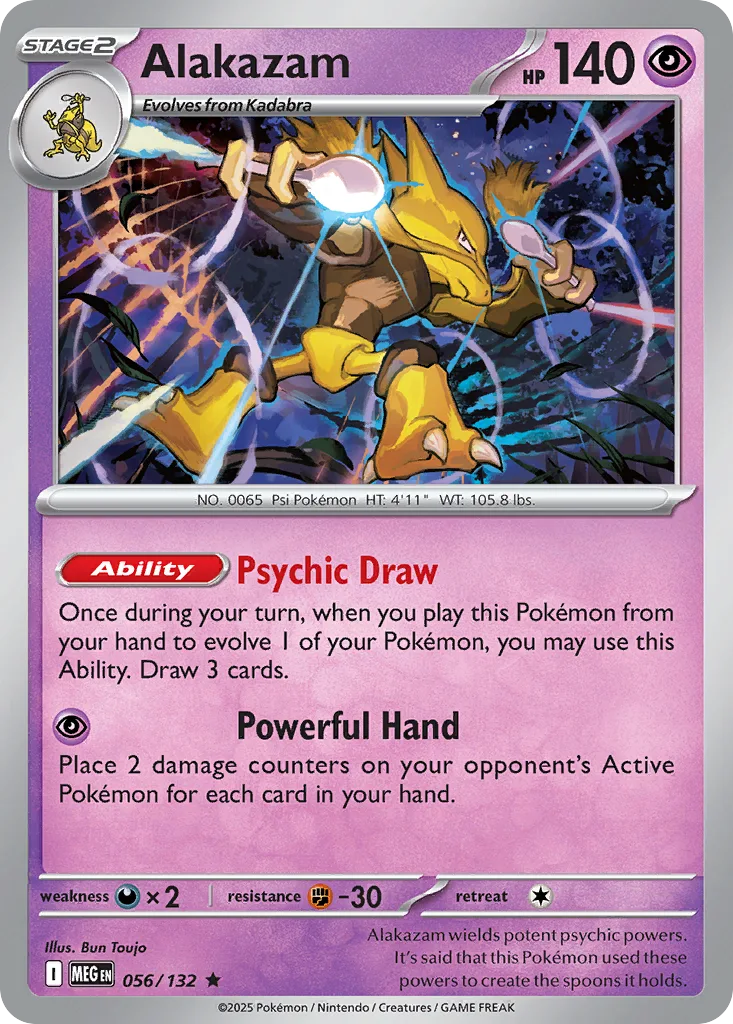
Two Regionals ran on September 26-27, 2026, and they told opposite stories. In Frankfurt, a deck only 26 of 2,793 Masters registered played itself in the final. In Brisbane, Dragapult ex took the top three places. Both were the first Regionals with 30th Celebration legal, so this is also the first real data on where Mew ex actually landed.
Pokémon TCG Baltimore Regional 2026: Basic Box Wins
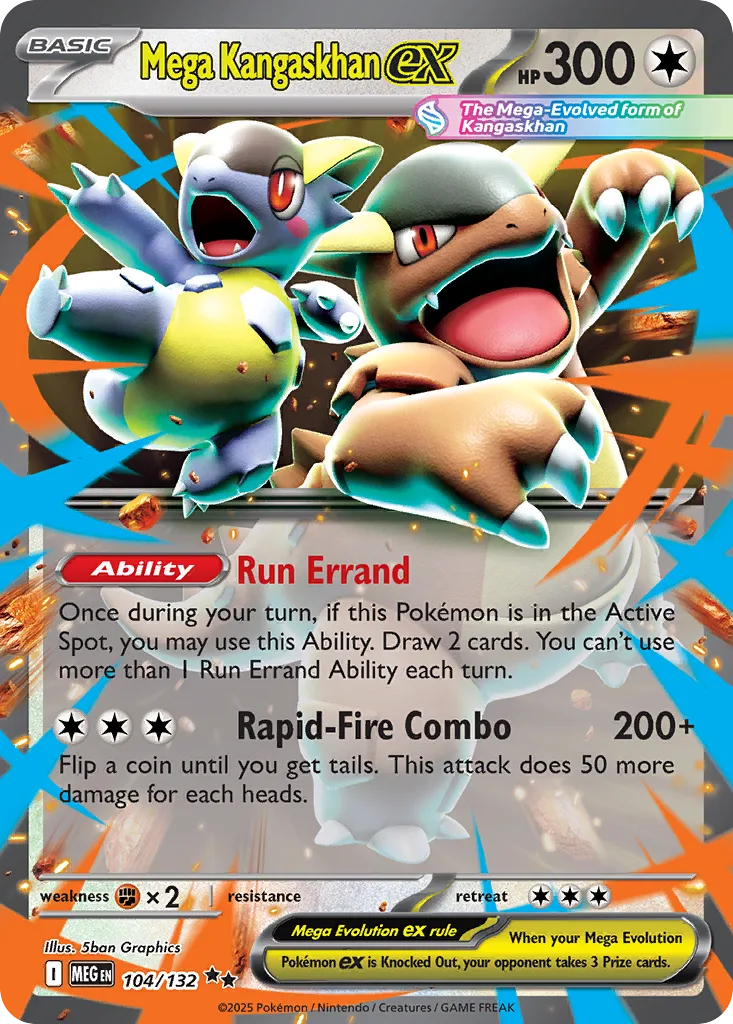
The 2027 Championship Series opened in Baltimore with the biggest Masters field a single Regional has drawn in months, and Dragapult ex — Standard's most-played deck — made up nearly a third of it. It did not win. Here is who did, the exact 60 cards that beat the format, and the Stadium card hiding in that list that quietly breaks a rule this site said had no exceptions.
How to Play the Pokémon TCG — Full Rules and Turn Structure (2026)
Two players, 60 cards each, six face-down Prize cards, and a coin flip. That is the whole skeleton of the Pokémon TCG. Here is every rule that actually matters on turn one, from setup through the three ways to win.
Pokémon TCG Championship Points: How to Qualify for Worlds
The Pokémon TCG stopped publishing a Championship Point number you have to hit. The 2027 season hands each rating zone a fixed count of World Championships invitations and lets the leaderboard sort it out — 140 Masters seats for USA and Canada, 20 for Oceania. Here is what every event tier pays, the Best Finish Limits that cap how much of it counts, and the direct invites that ignore the leaderboard completely.