PUBG Ranked Guide: How to Climb the Tiers
Ranked rewards the boring stuff: living to top 10, not your kill count. Here's how PUBG's tiers and RP really work, the playstyle that climbs, and the habits quietly tanking your rank.
Here's the thing nobody tells you about climbing PUBG Ranked: the players stuck in Gold aren't bad at shooting. A lot of them out-aim the Diamond players who keep beating them. They're stuck because Ranked doesn't reward the thing they're good at. It rewards a slower, more patient, more boring version of PUBG — and once you internalize that, the climb stops feeling like a coin flip and starts feeling like a checklist.
This is PUBG: Battlegrounds Ranked on PC and console — the dedicated competitive playlist, not Normal matches and not the casual Bots-and-randoms experience. The whole system is built to sort players by how reliably they survive and place, with kills as a secondary multiplier. If you treat it like a deathmatch, the ranking math quietly works against you. Treat it like a survival exam and the tiers open up.
What Ranked actually rewards
Ranked in PUBG is its own queue with its own ruleset, separate from Normal mode. The matchmaking is tighter — you're put against players near your own skill band — and the loot, circle timings, and ruleset are tuned toward competitive play rather than chaos. The point of the playlist is to produce an honest ladder, so the scoring is deliberately built so that consistent top-10 finishes beat flashy hot-drop wipeouts that end in a death at 60th place.
That's the mental reframe the whole guide hangs on. Your win condition in Ranked is placement first, kills second. A game where you play patient, third-party a fight, and finish 4th with two kills will almost always net you more Rank Points than a game where you drop hot, get four frags, and die in the first three minutes. The kill-hungry player feels more skilled. The placement player ranks higher. PUBG's scoring picks the second one every time.
The single biggest rank ceiling for aim-confident players is ego. You can be the best shot in your lobby and still hardstuck if you keep trading a guaranteed top-10 placement for a 50/50 fight you didn't need to take.
The tiers and how RP works
PUBG sorts you into named tiers that ascend from the bottom up: Bronze, Silver, Gold, Platinum, Diamond, Master, and a top leaderboard-based tier above Master for the highest-ranked players in the region. Most of the tiers below the top are split into sub-divisions (commonly five steps each, counting down toward promotion), so you're always chasing a near-term checkpoint rather than staring at the whole ladder.
Your position is driven by Rank Points (RP) — a hidden-then-displayed score that goes up when you place and kill well and down when you flop. A few mechanics that govern the climb:
- Provisional / placement matches. When a new ranked season starts you play a batch of placement games before you're assigned a tier. These set your starting RP, so play them like they matter — they do.
- RP is gained and lost per match, weighted by your finish, your kills/damage, and the strength of the lobby relative to your own rank. Beating players ranked above you is worth more; losing to players below you stings more.
- Seasonal resets are soft, not hard. At the start of a new season your RP is pulled back toward the middle rather than wiped to zero, so a strong previous season gives you a head start, not a free pass.
- Higher tiers can demote. Once you're past the early floors, a bad streak can drop you a division. The ladder is two-way.
The exact RP thresholds for each tier shift between seasons and PUBG tunes them regularly, so don't memorize a specific number — memorize the shape: place high consistently, beat people above your rank, and your RP trends up. Everything below is about making that trend reliable.
Placement vs kills: the math that matters
This is the section that actually moves your rank, so sit with it. PUBG's ranked scoring blends two inputs — where you finished and how much you did (kills and damage) — but they are not weighted equally, and they're not equally reliable.
Kills are high-variance. Some games you land hot and rack up five; some games the lobby spreads out and you see two people all match. You can't control how many kills are available. Placement is something you can engineer almost every single game. You can choose to rotate early, hold strong compound positions, avoid unnecessary fights, and ride the circle into the top 10 in a way you simply cannot choose to find frags.
So the climbing formula is: bank the placement points you control, and take kills only when they're cheap or necessary. A "cheap" kill is one with low risk — a knocked enemy you can finish from cover, a third-party on two squads already fighting, a clean long-range pick where you're not exposing yourself. An "expensive" kill is a coin-flip push across open ground for a frag you didn't need. Diamond-and-up players are ruthless about taking the cheap ones and declining the expensive ones. Read our movement and positioning guide for how to manufacture those cheap angles instead of charging into fair fights.
The playstyle that climbs
Climbing PUBG Ranked is a style of play more than a set of tricks. The shape of it:
- Land smart, not hot. Pick a landing zone with enough loot to gear up but light enough traffic that you're not in a 30-second coin flip off the plane. Surviving the first two minutes is free RP that hot-droppers throw away. Our best landing spots guide breaks down low-risk zones per map.
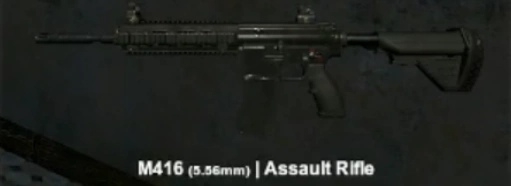
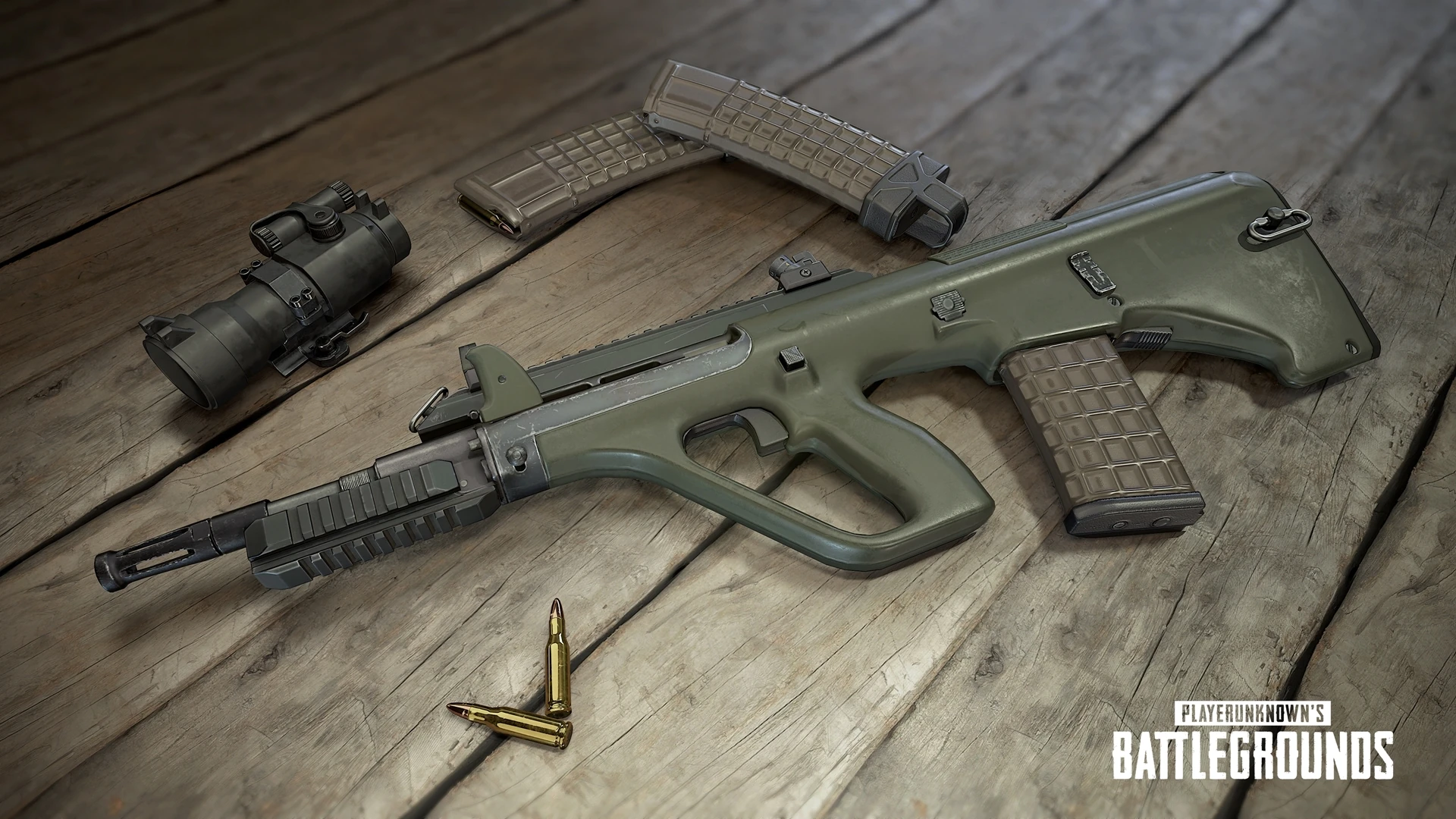
- Gear for the fights you choose. You don't need the flashiest gun, you need a controllable one you can win your chosen fights with. A kitted M416 or AUG, full armor, a stack of heals and boosts, and a couple of smokes is the ranked staple. See the loadouts and attachments guide for the build priority.
- Rotate early and into cover. The players who die to the blue or get caught crossing open ground at the last second are donating placement. Move before you have to, and move from cover to cover, not in straight lines across fields.
- Hold, don't hunt. In the mid-game, a strong defensive position inside the circle is worth more than roaming for kills. Let other squads burn each other down and inherit the lobby.
- Play the endgame like a chess match. The last few circles are where placement points are densest. Manage your utility, watch which squads are committed, and don't be the team that peeks into three of them at once. The endgame circle strategy guide goes deep here.
The throughline: you are trying to be alive when the lobby is small. Everything else is in service of that.
The mistakes that tank your rank
If you're hardstuck, you're almost certainly doing at least one of these:
- Hot-dropping every game. The thrill of an early fight costs you a placement finish four games out of five. In Ranked, that math is brutal over a season.
- Taking fair fights you don't need. Every 50/50 you take is a coin flip on your RP. Decline the ones that don't advance your position; there's no medal for "died bravely in 40th."
- Third-partying yourself. Pushing a fight without checking who else is nearby is how you win a gunfight and immediately lose the next one to a squad that watched you do it.
- Ignoring the circle until it's chasing you. Late rotations get you caught in the open and killed by people who were already set up. Plan your move a circle ahead.
- Feeding RP in lobbies above your level. Smurfing up into a harder bracket and forcing fights just bleeds points. Play your bracket cleanly and earn the promotion.
- Tilting after a bad game. RP is a long-run average. One donut game doesn't define your rank — but five tilt-queued revenge games in a row will.
Most of these share a root cause: trading guaranteed placement for uncertain kills. Fix that one habit and half this list disappears.
Squad coordination for Ranked
Squad Ranked rewards discipline that solo play lets you fake. The teams that climb do a few unglamorous things consistently:
- Land together and stay in support range. A squad split across three buildings is four solo players who happen to share a name. Land tight, share loot, and gear everyone up before moving.
- Call before you commit. No one pushes a fight the squad hasn't agreed to. The fastest way to lose three players is one teammate peeking a fight solo and getting traded before the rest can react.
- Assign ranges. One player on the long-range DMR or sniper, the rest on controllable ARs, so the squad covers every band at once. Don't all run the same range.
- Revive economy is placement. Getting a knocked teammate up is worth more than the kill you'd chase instead. A four-stack in the final circle beats a two-stack with extra frags almost every time.
- One shotcaller. Someone owns rotations and the decision to fight or hold. Democracy mid-circle gets people killed. Even a loose "I'll call rotations, you call fights" split beats four people improvising.
If you queue with randoms, you can still apply most of this by playing supportive: stick with whoever seems to have a plan, prioritize reviving, and don't be the one who hot-drops the squad into a wipe.
A realistic climbing plan
You don't out-skill your way out of a tier in a weekend; you out-discipline your way out over a few dozen games. A sane approach:
- Treat placement matches seriously. They set your floor for the season.
- Pick two maps and learn their rotations cold rather than playing all of them shallowly. Knowing the circle behavior and good compounds on a map is worth more RP than raw aim.
- Set a per-session goal of "average placement," not kills. If your average finish climbs, your RP climbs. Track the boring number.
- Queue when you're fresh, stop when you tilt. Ranked punishes autopilot and revenge-queuing harder than any single bad fight.
- Review your deaths. Most ranked deaths are positioning errors you made before the trigger pulled, not aim losses. Fixing the decision fixes the rank.
Do that and the tiers move. Not because you suddenly aim better, but because you stopped donating the placement points you were always able to keep.
Quick Action Checklist
- Play for placement first, kills second — a top-10 finish beats a four-kill death
- Take your provisional / placement matches seriously; they set your starting RP
- Land smart, not hot — survive the first two minutes for free RP
- Decline fair fights you don't need; take only cheap or necessary kills
- Rotate early, cover to cover, a circle ahead of the blue
- In squads: land together, call before committing, assign ranges, prioritize revives
- Learn two maps' rotations cold instead of playing all of them shallowly
- Stop queuing the moment you start tilting — RP is a long-run average
Frequently Asked Questions
How does PUBG Ranked work?
What are the PUBG Ranked tiers in order?
Do kills or placement matter more in PUBG Ranked?
Why am I hardstuck in PUBG Ranked even though my aim is good?
What is the best weapon loadout for PUBG Ranked?
How do RP and tier resets work between PUBG seasons?
Keep Reading
Related Guides
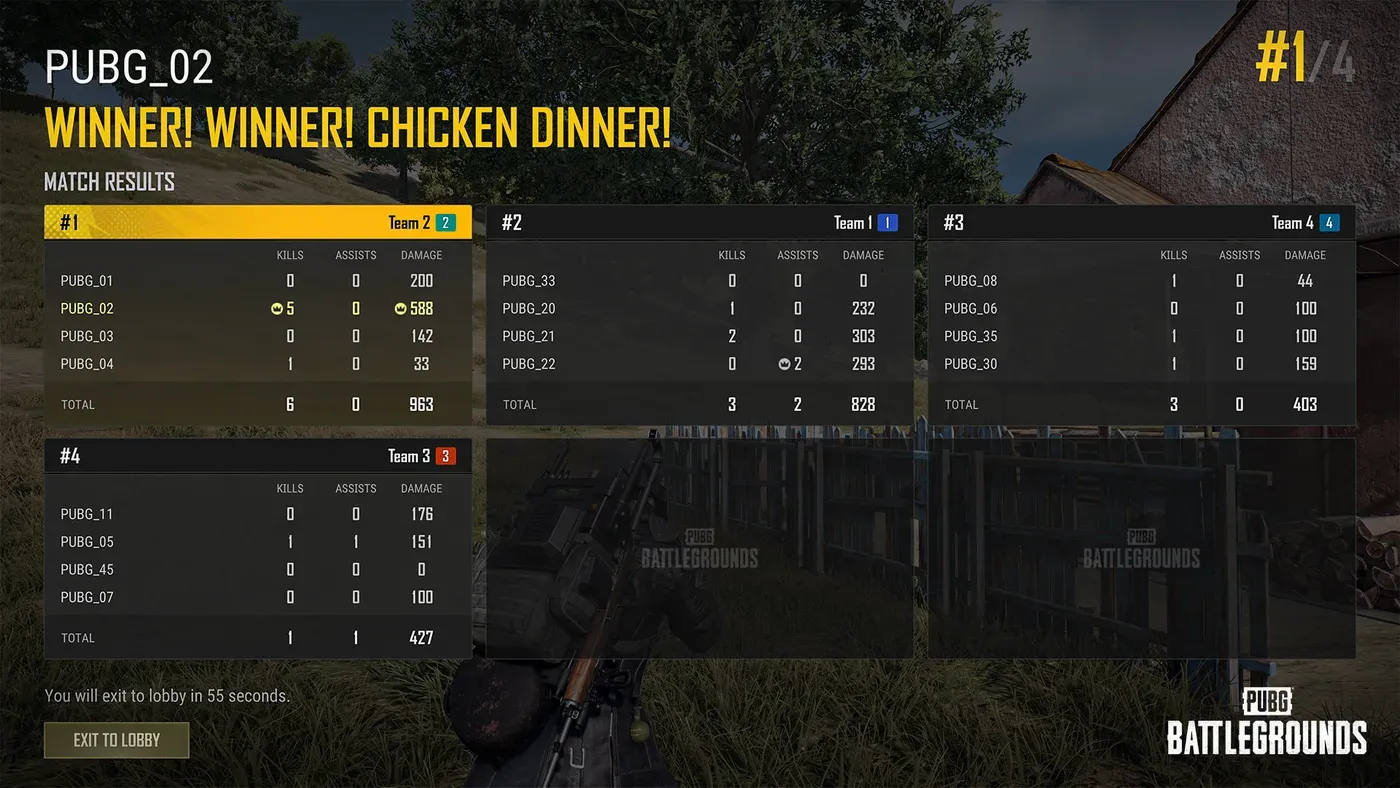
PUBG Match Results and Leaderboard, Explained
Update 43.1's patch notes buried two stat-tracking systems under headings nobody reads top to bottom: an expanded Match Results screen filed under Arcade, and an entirely new Career Leaderboard filed under its own heading with no platform tag. Here's what each one actually shows, which modes the Match Results upgrade does and doesn't cover, and how the four leaderboard categories are scored.
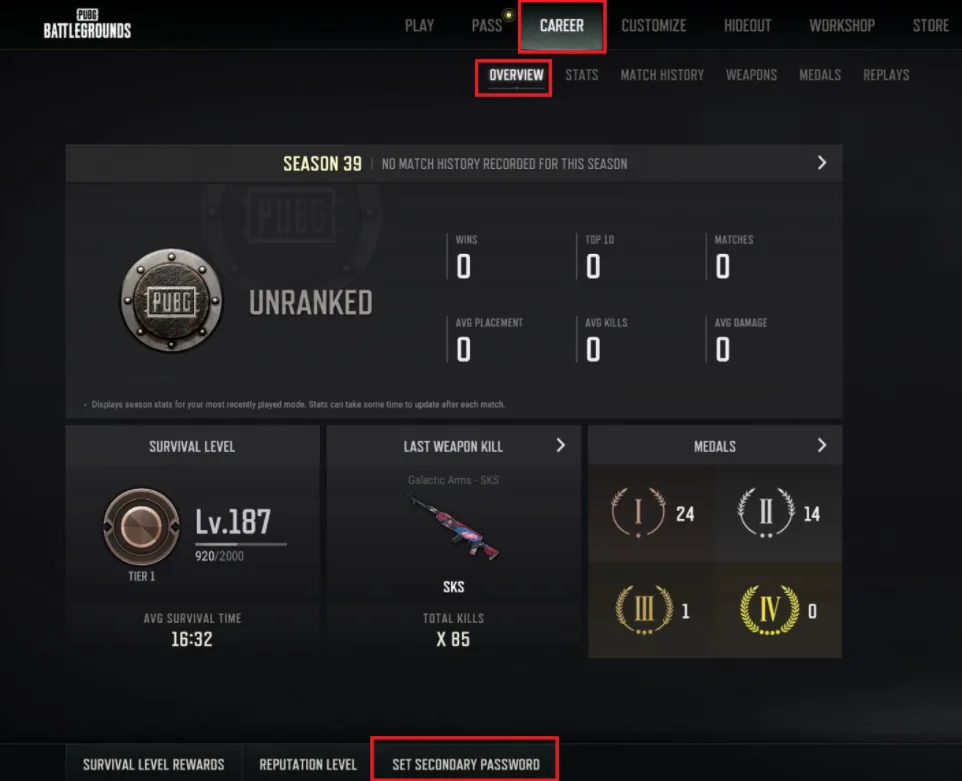
PUBG Secondary Password: How to Set It Up for Ranked
Since Update 39.2 went live on 7 January 2026, PC players cannot enter Rank Mode without a 6-8 digit secondary password tied to a real mobile number — and neither can anyone in their party. Here is the setup flow, the 24-hour re-entry rule, the SMS limits that strand people mid-setup, the reset path when the phone number is gone, and the account-theft unban allowance that having one turns from once-ever into twice a year.
PUBG Bots: Which Lobbies Have AI and How to Spot One
That 11-kill Normal match probably was not what you think it was. Here is where PUBG's bots actually live, what the AI is coded to do, and how to read the difference in about two seconds.
PUBG Callouts and Terms Glossary for Squad Play
Your squad isn't yelling random words at you — they're using a shared language, and not knowing it gets you killed. Here's every PUBG callout and term that matters, in plain English, so you can actually communicate instead of guessing.
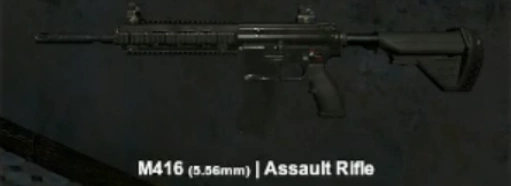
Best Weapons in PUBG: Tier List
Every PUBG tier list is out of date the moment a balance patch drops. So here's the list, ranked by role, plus the durable logic to re-tier any gun yourself when the next patch shakes things up.
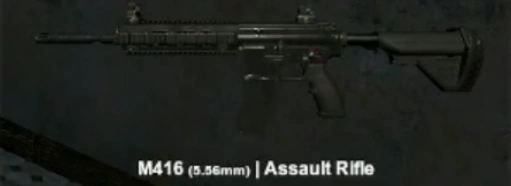
Best PUBG Loadouts & Attachments
A naked M416 and a fully kitted M416 are basically two different guns. Here's how to build the strongest two-gun loadouts in PUBG and the attachment priority that turns loot into recoil control.