PUBG Endgame Guide: How to Win the Final Circles
Reaching the top 10 is easy. Converting it into a chicken dinner is where most players choke. Here's how to read the zone, rotate before everyone else, hold real cover, and win the third-party war in the last three circles.
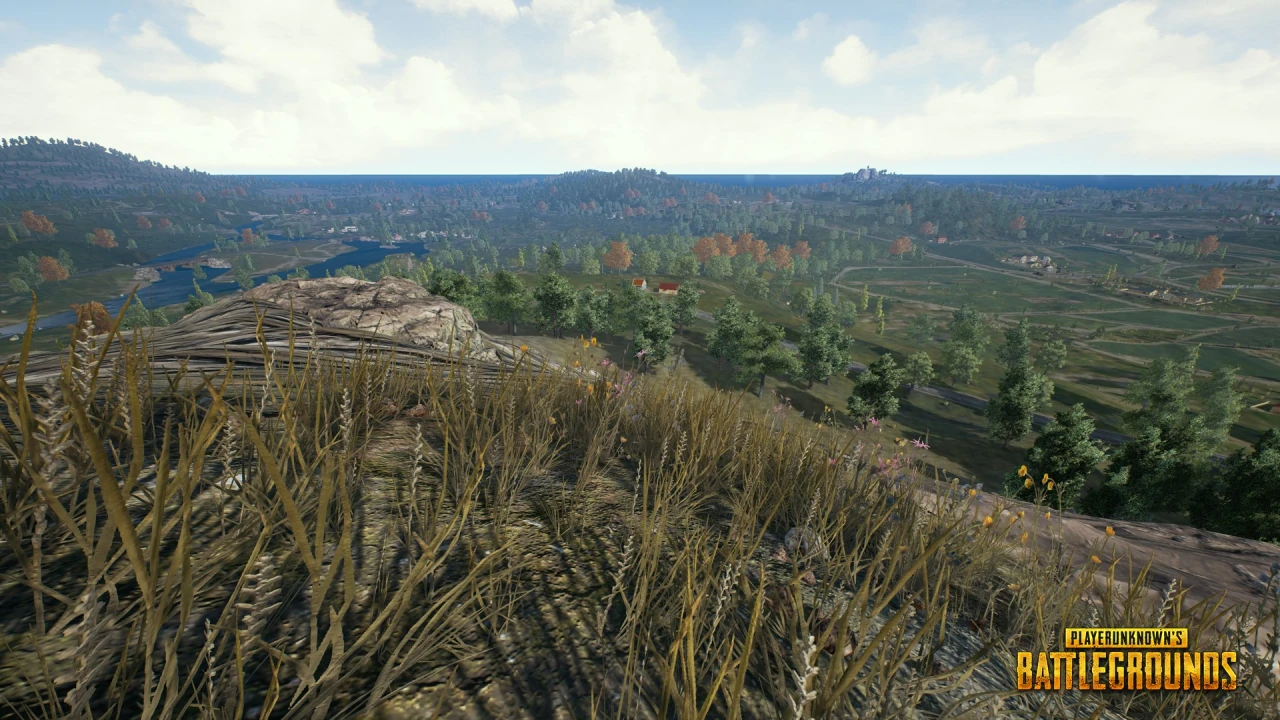
You're top 10. Eight kills, a full backpack, a kitted Beryl, and a self-AED in the bag. Then the blue eats you on a dead sprint across an open field because you waited for the circle to call before you moved, and a guy you never saw clipped you from the treeline you should have been sitting in. Sound familiar? That is the most common way good players lose winnable games.
Reaching the top 10 is genuinely the easy part — loot well, avoid dumb fights, and the lobby thins itself out. Converting a top-10 into a chicken dinner is a different skill entirely, and it's almost never about aim. It's about where you are standing when the circle closes, who can see you while you stand there, and whether you moved before or after everyone else made the same decision. This is the part of PUBG: Battlegrounds that separates the 1,800-RP plateau crowd from the people who actually win.
We'll work through zone prediction, the rotation timing that keeps you ahead of the pack, what real cover looks like, the third-party war that decides most endgames, and how the final two circles actually play out. None of this needs better mechanics than you already have.
The top-10 trap
The trap is thinking you've "made it" at top 10 and switching to passive survival mode. Passive is correct for the first half of the game. In the endgame it gets you killed, because the play area is now small enough that there is no neutral ground — every meter is contested, and standing still is a decision with consequences just like moving is.
The mental shift you need: stop reacting to the circle and start predicting it. A reactive player sees the new zone, then figures out how to get there. A proactive player has already guessed where it's going and is sitting in good ground when the timer ends. The blue closes faster and hits harder late — the final circles can outrun you on foot — so "I'll move when I see it" ends with you taking zone damage in the open while three squads watch.
Reading the zone before it reads you
You cannot predict the circle perfectly — it's partly random by design — but you can shrink the guesswork dramatically.
- The next circle is always inside the current one, and it can land anywhere within it — including hugging one edge. It will not be perfectly centered. That means the center of the current circle is not automatically safe; an edge can become the new middle.
- Watch the timer, not just the line. Know how long until the zone starts moving and how long the move takes. The late circles give you less travel time relative to the distance, which is exactly why early movement matters.
- Terrain dictates value. Before the zone even calls, ask which parts of the current circle have the high ground, the compounds, and the cover. Those spots are good no matter where the next circle lands, so drift toward them by default.
- Open ground is a trap even when it's "safe." A field that's inside the zone is still a death sentence if it has no cover and someone's holding the ridge above it.
The practical habit: from about the third circle on, every time the zone calls, immediately identify the two or three pieces of terrain inside the new ring that you'd most want to own — then move to get there before the people who are still staring at the map.
Rotate early, rotate on an edge
Rotation is just "getting from where you are to where you want to be," and almost everyone does it badly by doing it late. Two rules fix most of it.
Move early. The instant the new circle is drawn, if you have to travel, start traveling. The players who die to the blue or get caught in the open are nearly always the ones who lingered "just a bit longer" in their building. Early movers cross the dangerous open stretches while most of the lobby is still looting or holding, which means fewer eyes on them. Late movers cross the same ground when everyone is already set up and watching it. Same route, completely different risk.
Rotate on the edge, into the circle. Don't barrel through the dead center of the play area where you can be shot from every direction. Hug the inside of the blue line and push along it toward your target position. You cut your exposure roughly in half — nobody is shooting you from behind the wall of blue — and you arrive at the new zone from its outer ring, which is usually where the cover is anyway. The center is the kill box; the edge is the highway.
If you're rotating across genuinely open terrain with no path of cover, that's what your vehicle and your smokes are for — which brings us to cover.
Cover is a system, not a rock
Beginners think of cover as "the thing I hide behind." Endgame cover is a connected system — a chain of objects, folds in the terrain, and smoke that lets you move and hold without ever being exposed from more than one angle at a time.
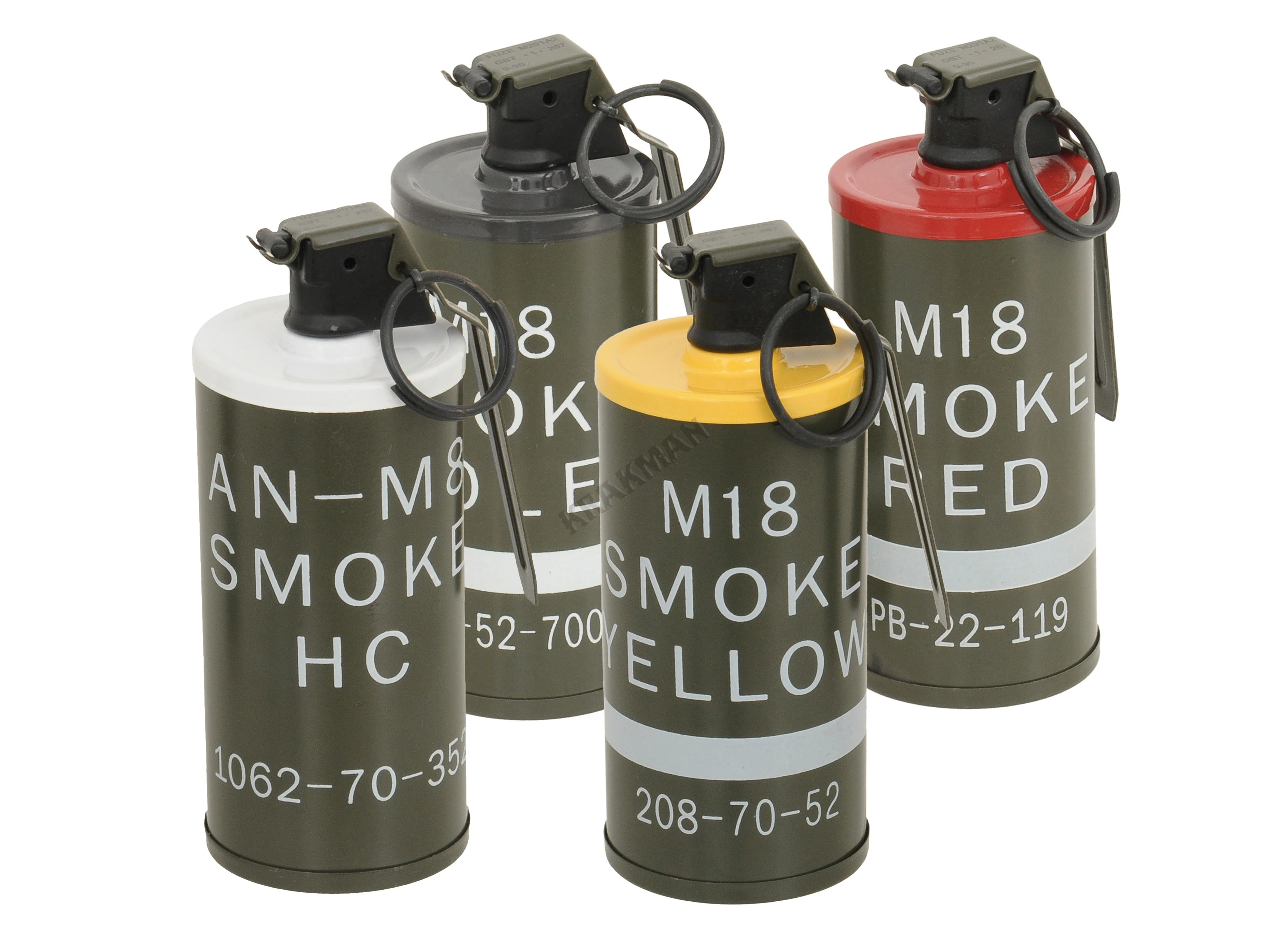
What good cover discipline looks like in the last circles:
- Hold positions where you can only be shot from one direction. A rock with a hill at your back, the inside corner of a compound wall, a ridge where the slope protects everything behind you. If you can be seen from three sides, it isn't cover, it's a stage.
- Carry smokes like they're ammo, and use them. Smoke grenades are the great equalizer of the endgame. You pop smoke to cross a road, to revive a teammate, to break line of sight when a fight goes bad, and to bait a push. Two or three smokes in the bag turns an impossible open rotation into a survivable one.
- Prone and crouch in the natural folds. Tall grass, dips, riverbanks, and reverse slopes hide a prone player shockingly well, especially at range. You don't always need a wall; sometimes you need to be three feet lower than the terrain around you.
- Pre-place yourself against the likely fight. Set up so the most dangerous direction — usually the open ground or the high ground you don't own — is the one you're already covered from.
The mistake that ends most endgames is moving from strong cover into open ground for no reason: to "get a better angle," to chase a knock, to grab a crate. The circle will force movement on its own schedule. Don't volunteer to be exposed before then.
The third-party game
Here's the truth nobody likes: in the final circles, the person who shoots first usually loses. The moment you open up on an enemy squad, you've announced your exact position to every other squad in earshot, and at least one of them will move on the gunfire while you're still committed to your fight. That's the third party, and it's the single biggest cause of "we had it won and then died."
How to win the third-party war:
- Don't take the first fight you can; take the fight you have to. If two other squads are shooting each other, let them. Sit in cover, watch, and hold your fire. The longer you stay quiet while others trade, the better your odds get as the lobby shrinks itself.
- When you do commit, commit to close it fast. A drawn-out fight is an invitation. If you can't reasonably finish a squad before a third party arrives, you probably shouldn't have started.
- Position to be the third party, not to receive one. The strongest endgame spot is one with eyes on a likely fight you're not part of — high ground over a contested compound, say — so you can clean up the survivors of someone else's gunfight instead of starting your own.
- Sound is information, both ways. You're listening for footsteps, reloads, and heals to locate enemies — and they're doing the same to you. Late game, walk instead of sprint when you're close, and think before every shot about who else just learned where you are.
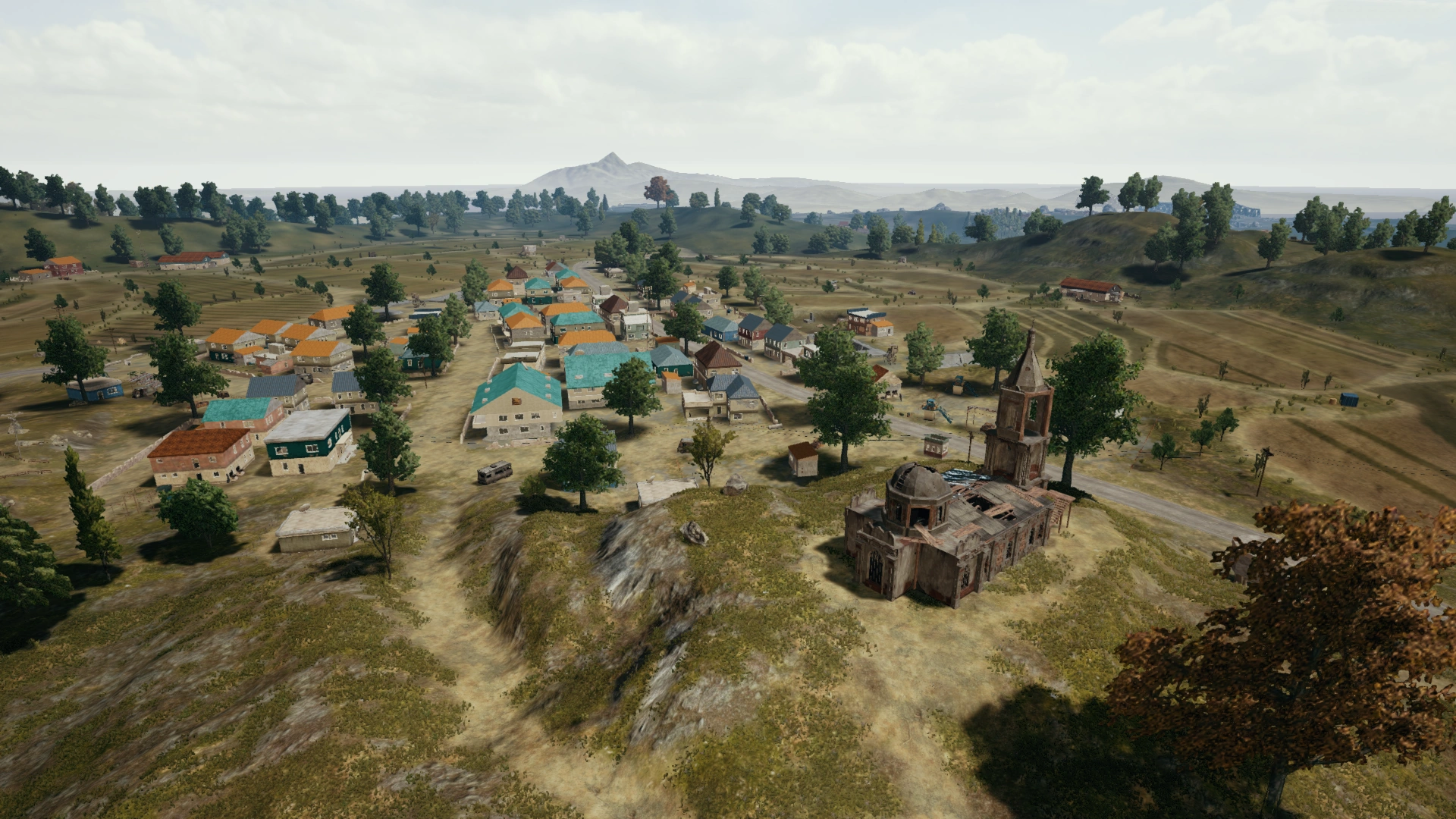
Playing the final two circles
When it's down to roughly the last two or three squads and a circle the size of a parking lot, the game changes again.
The final-circle terrain decides everything. If the last zone lands on open ground, the squad with smokes and the better prone position wins. If it lands on a compound or a hill, whoever already holds it has an enormous edge — pushing onto held high ground in the open is how you hand over the game. Read where the circle is converging a couple of rings early and try to be the one already sitting on the good ground when it gets there, rather than the one who has to take it.
Manage the blue as a weapon. In the last circles the blue does serious damage fast, so you can use a sliver of it deliberately — taking a tick of zone damage to hold an angle nobody expects, or forcing an enemy who's lower on health to break position first. Keep your health and boost (energy drinks, painkillers) topped up so the blue is a tool you control, not a clock that kills you.
The last shot is a positioning problem. Most final circles are won by the player already in the best spot when the play area collapses — prone in grass with one angle to watch, or behind the one rock on the hill — not by the flashiest flick. Get there first, get small, and make the other guy move.
Solos vs squads: what changes
The principles are identical; the execution shifts with team size.
- Solos reward patience and cover discipline above all. There's no one to revive you and no one to trade for you, so a single bad rotation ends your game. Play tighter, smoke more, and let other people make the first mistake. Every fight you start is a fight you finish alone.
- Squads turn rotations and cover into a coordination problem. Move as a unit so you can trade knocks; don't string out across open ground where one player gets picked and the rest can't reach the revive. Assign angles in the final circle so all directions are watched. On maps like Taego, comeback tools (the self-AED and Comeback BR) also change how aggressively you can play a knock.
Whatever the mode, the endgame rewards the same thing: being in good ground before you need it, staying quiet until the fight is yours to take, and never being the squad that volunteered to cross the open field first.
Quick Action Checklist
- Stop reacting to the circle — from circle three on, predict the next zone and pre-move toward the good terrain
- Start rotating the instant the new zone draws; early movers cross open ground with fewer eyes on them
- Rotate on the inside edge of the blue, not through the center kill box
- Carry 2-3 smokes and treat them like ammo — cross roads, reset fights, and revive behind smoke
- Hold positions where you can only be shot from one direction; never sit somewhere with three open angles
- Don't fire first in the endgame — let other squads trade, then be the third party instead of receiving one
- When you commit to a fight, close it fast before a third party arrives
- Win the last circle by owning the best ground early and getting prone, not by out-flicking anyone
- Keep heals and boost topped up so the blue zone is a tool, not a death timer
Frequently Asked Questions
How do you win the final circle in PUBG?
How do you predict the next circle in PUBG?
When should you rotate in PUBG?
What is third-partying in PUBG and how do you avoid it?
How do you turn a top-10 finish into a chicken dinner in PUBG?
Is high ground always best in the PUBG endgame?
Keep Reading
Related Guides
PUBG Mid-Game Guide: Own Phases 2 Through 5
You survived the drop and you'll survive the final ten — but the match is decided in the messy middle, phases two through five, where most players just react to the blue and hope. Here's how to turn the mid-game into a lead instead of a coin flip.
PUBG Duo Strategy Guide: How to Actually Win as Two
Duos is the least forgiving mode in PUBG and nobody talks about it that way. You get exactly one teammate, which means you get exactly one mistake — and the moment you're both down, the game ends instantly with no third player to clean up. Here's how two players actually win.
PUBG Flanking Guide: Win Fights From the Side
A head-on peek war between two decent players is a coin flip. A flank removes the coin. Here's how to get to an enemy's blind side, when it's worth it, and how to close the kill without handing it back.
PUBG Third-Party Guide: Avoid and Exploit the Third
The player who wins a PUBG fight and the player who wins the lobby are usually different people — and the difference is the third party. Here's how to stop getting jumped mid-fight and how to be the one doing the jumping.
Best Weapons in PUBG: Tier List
Every PUBG tier list is out of date the moment a balance patch drops. So here's the list, ranked by role, plus the durable logic to re-tier any gun yourself when the next patch shakes things up.
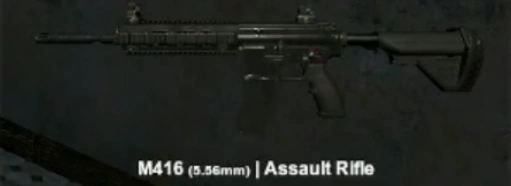
Best PUBG Loadouts & Attachments
A naked M416 and a fully kitted M416 are basically two different guns. Here's how to build the strongest two-gun loadouts in PUBG and the attachment priority that turns loot into recoil control.