PUBG Movement and Positioning Guide
Most PUBG deaths aren't aim losses — they're positioning losses you took before the trigger pulls. Here's how to lean-peek, use cover, cross open ground, hold angles, and stop walking into third-parties.
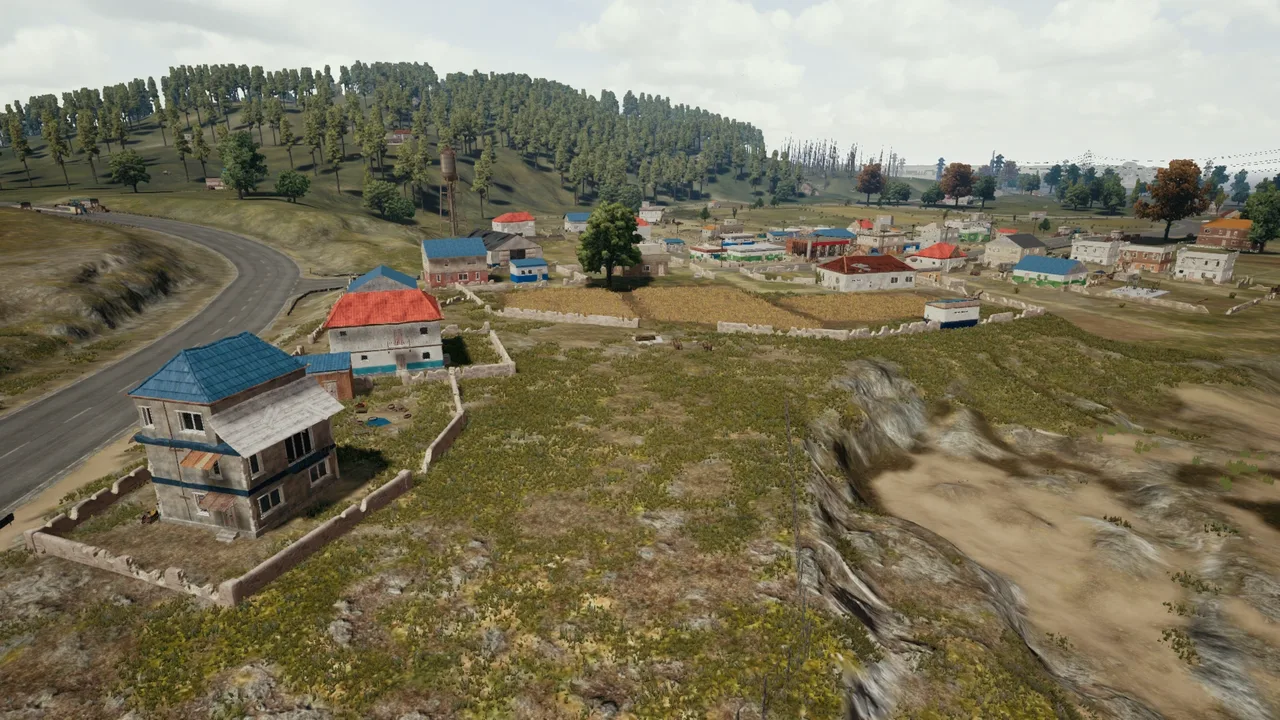
Watch any death replay where you got dropped from a direction you never checked, and you'll usually find the kill was decided ten seconds before the shot — when you crested a hill in the open, or sat in a window the enemy was already watching, or pushed a fight without clocking the third squad on the ridge. Your aim wasn't the problem. Your positioning was.
That's the uncomfortable truth about PUBG: Battlegrounds. Aim is the part everyone obsesses over because it feels like the skill, but at the mid level, the players beating you aren't necessarily out-clicking you. They're choosing fights from cover you can't shoot back into, crossing ground you'd get caught in, and refusing the engagements you keep taking. Positioning is a quieter skill than a flick headshot, but it wins more matches — and unlike raw aim, it's almost entirely learnable through a handful of repeatable habits.
This guide is those habits: how to peek, how to use cover, how to handle ridges and open ground, how to hold an angle, and how to stop dying to third-parties. None of it depends on a balance patch — these are evergreen fundamentals that have applied since the game launched and will keep applying. Pair them with your recoil control and you stop losing fights you should win.
Positioning beats aim — here's why
In a duel where both players have equal aim, the one who chose the better position wins — every time. Here's the logic, because once it clicks you'll start seeing the whole map differently:
- You decide the terms of most fights. Outside of getting ambushed, you usually choose whether to engage, from where, and at what range. A good position means you're already in cover, already pre-aimed at the angle they'll appear in, while they're caught in the open reacting to you. That advantage is worth more than a faster trigger.
- Information is a weapon. Knowing where someone is before they know where you are lets you pick the moment. Most of positioning is just buying yourself information — peeking to see without being seen, watching ridgelines, listening to gunfire — so you act and they react.
- The circle is always closing. PUBG forces movement, so "just camp a building" doesn't work for long. Good positioning is dynamic: you're constantly trading your current cover for better-positioned cover ahead of the shrinking circle, never getting caught flat-footed when the blue zone moves.
The mantra: never be somewhere you can be shot from a direction you're not watching. Every time you stop, ask which angles can see you, and either watch them or break their line of sight. Most "out of nowhere" deaths are just an angle you forgot to account for.
Lean-peeking: see without being seen
The single highest-value mechanical habit in PUBG is the lean-peek. On PC, the Q and E keys lean your character left and right while you stay mostly behind cover, letting you expose just your head and gun to look or shoot, then snap back. (Console has lean-peek bound too — check your control scheme.) Done right, you see the enemy while showing them a sliver of yourself for a fraction of a second.
The rules that make it work:
- Lean the correct way around cover. Peek a left-hand corner leaning left (Q), a right-hand corner leaning right (E), so the wall covers most of your body and only your gun side is exposed. Lean the wrong way and you swing your whole torso into the open — the most common peeking death there is.
- Right-shoulder bias matters. Your character holds the rifle on the right shoulder, so right-side peeks (E) expose less of you than left-side peeks. Where you have a choice of which side to hold an angle from, favor the one that lets you peek right.
- Jiggle-peek to bait. A quick lean-out-and-back without firing forces an enemy to reveal their position by shooting at where you were, giving you their location without trading damage. Then you peek for real, on your terms.
- Never peek the same spot twice in a row. A good player has already pre-aimed where your head popped out. Move a step, peek a different height (crouch-peek vs stand-peek), or peek a different window. Predictable peeks get punished.
Using cover the right way
Cover isn't just "a thing between you and bullets." How you use it decides whether it protects you or gets you killed.
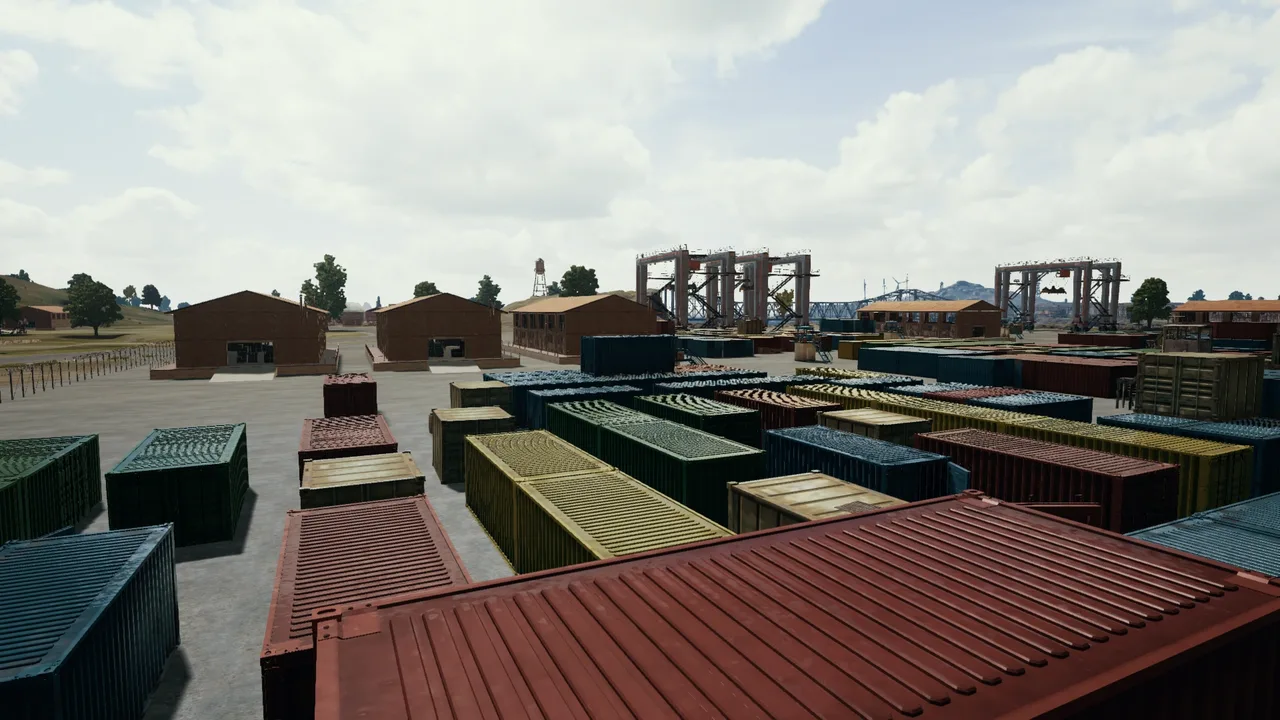
Hard cover vs soft cover. Hard cover — rocks, concrete walls, vehicles' engine blocks, the corners of buildings — actually stops bullets. Soft cover — bushes, wooden fences, tall grass, thin walls — only breaks line of sight or conceals you; rounds punch straight through. Treat concealment as "they can't see me," not "they can't hit me." If you're being shot at through a bush, that bush is doing nothing.
Keep distance off your cover. Hugging a wall feels safe but it's a trap: pressed against cover, you expose more of yourself when you peek and you have nowhere to retreat. Stand a step or two back. From there you can peek multiple angles by repositioning slightly, and you can break contact by stepping backward fully behind the cover instead of being pinned to it.
Always know your next piece of cover. Before you commit to a position, spot where you'll go next — the next rock, the next building, the next ditch. Moving cover-to-cover with a destination already chosen means you're never stranded mid-sprint deciding where to run. This is the whole game on open maps like Miramar.
Use cover to deny angles, not just hide. The best cover lets you watch the directions threats will come from while shielding the ones they won't. A rock that protects your back and flank, leaving you only one angle to watch, is worth more than a bigger rock in the open that can be shot from three sides.
Cresting ridges and skylining
Hills kill more careless players than almost anything, because of one mistake: skylining. When you walk over the top of a ridge upright, you silhouette yourself against the sky, turning into a crisp, high-contrast target visible from a kilometer away. Every experienced player scans ridgelines for exactly that silhouette.
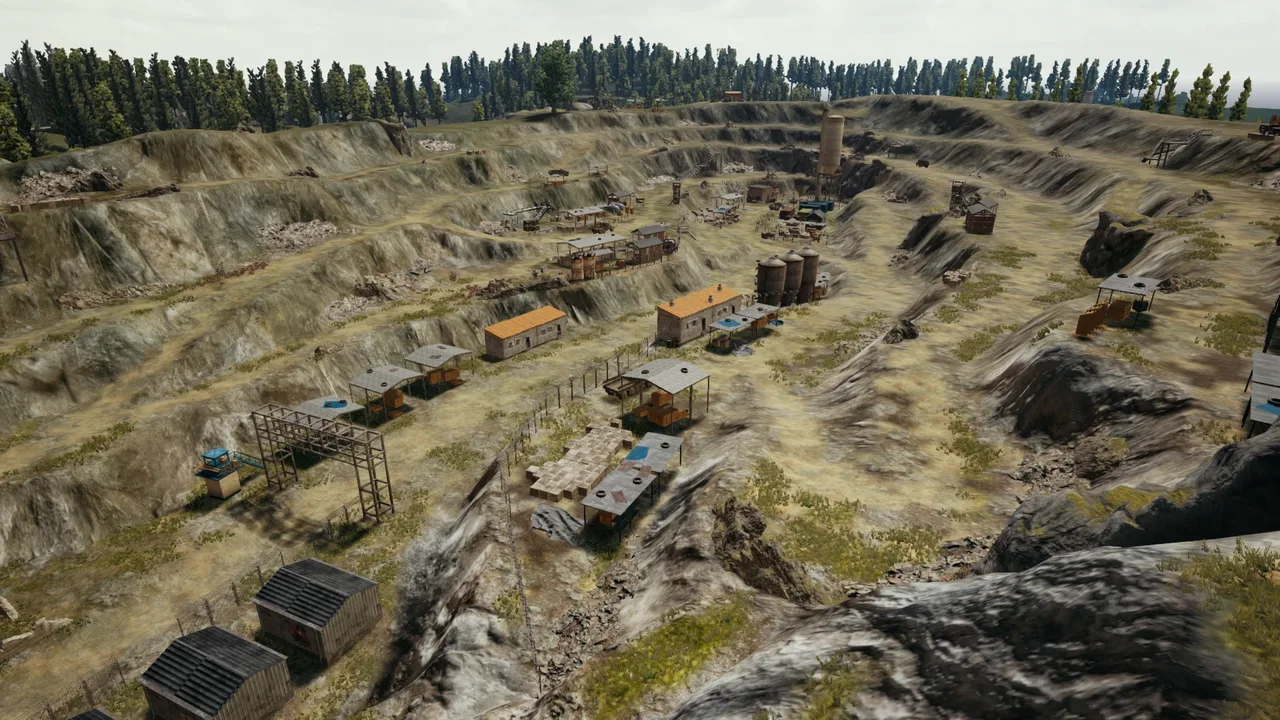
How to cross elevation without dying on the skyline:
- Crest crouched, and stop just below the top. Approach the ridge crouched or prone, ease up to just below the crest, and scan the far side before any part of you breaks the horizon. The terrain itself becomes your cover until you've cleared the view.
- Cross at the lowest point or a saddle. Don't go over the highest part of a ridge — find a dip, a saddle, or a notch where you're skylined for the shortest distance and least height.
- Cut across at an angle, don't march straight over. A diagonal crossing keeps you exposed for less time on any single watcher's sightline than a straight up-and-over.
- Beware the reverse slope. The far side of a hill is the classic ambush spot — someone sitting just below the crest on the back side waits for you to walk over and into their lap. Pre-aim down the slope as you crest, not off into the distance.
Crossing open ground
Open ground is where careful players become statistics. A field, a road, a stretch of beach — anywhere with no cover for a long run — is a kill zone, and crossing one badly is one of the most common ways to die in the open-map mid-game.
Your toolkit for getting across alive:
- Look before you leap. Before stepping into the open, stop at the edge of cover and actually scan the ridgelines, windows, and tree lines on the far side. Most open-ground deaths happen because the player never paused to check who could see the field before sprinting into it.
- Smoke is portable cover. A smoke grenade thrown across your path creates a wall of concealment to run behind. Throw it toward the threat direction, then cross behind the cloud. It won't stop bullets, but a shooter can't hit what they can't see.
- Vehicles cross fast, but they're loud. A vehicle gets you over open ground in seconds, but the engine announces you to the whole lobby and a shot-out vehicle is a death trap. Use them to cover distance early, ditch them well before you arrive, and never drive into the final circles.
- Zig-zag and serpentine. If you must run open ground on foot under fire, don't run a straight line — jink left and right unpredictably so a sniper can't lead your movement. A predictable straight sprint is an easy lead; an erratic one is a hard one.
- Move during cover noise. Cross when a firefight elsewhere, an airdrop plane, or the blue zone's hum masks your footsteps and draws eyes away. Timing your crossing to other events is free safety.
Holding angles and pre-aiming
When you're the one defending — holding a compound, watching a chokepoint, waiting out a push — the skill flips from moving to holding angles. This is where a calm defender shreds an aggressive but careless attacker.
Pre-aim where they'll appear, not where they are. Put your crosshair on the exact spot an enemy will round the corner or clear the doorway — at head height, at the edge of the cover. When they peek, you don't have to acquire the target; your shot is already there. Pre-aiming turns a reaction contest into a free first volley.
Hold one angle at a time. You can't watch four entrances at once. Position so the cover behind you removes most angles and leaves you one or two to watch, then commit to those. A defender trying to cover everything covers nothing.
Off-angle, don't hold the obvious spot. Attackers pre-aim the obvious window or the dead-center doorway. Hold from a slightly unexpected position — a back corner of the room, a window they won't clear first — so when they peek the spot they expected you in, you're shooting them from somewhere else.
Don't over-hold. A static angle is only strong until the enemy flanks it or third-parties roll in. Hold to win the immediate fight, then reposition — the moment your angle stops being an advantage, it becomes a coffin.
Third-party awareness
A third-party is when a third squad rolls in on a fight you're already in, catching both of you weakened. In PUBG, gunfire is a beacon — every shot you fire tells nearby players exactly where two distracted, low-HP targets are. Avoiding third-parties is half of staying alive in the mid-to-late game.
The habits that keep you from getting third-partied:
- Finish fights fast or disengage. The longer a fight drags, the more time you give a third squad to close in. Either commit and end it quickly, or break off — a long, noisy, indecisive fight is an invitation.
- Reposition the instant a fight ends. Don't stand over the loot crate you just earned. The squad that heard your fight is moving toward your last gunshot right now. Loot fast, then move off the spot.
- Watch your flanks during a fight, not just your target. Throw the occasional glance at the directions a new squad would arrive from. The kill you're chasing means nothing if you eat a flank while tunnel-visioned on it.
- Be the third party, not the victim. Flip it around: when you hear a fight nearby, you can move on it deliberately and clean up two weakened squads. Hold a beat, let them commit to each other, then strike the survivors. Patience here wins more matches than aggression.
- Use sound constantly. Footsteps, gunshots, vehicles, and reloads are the richest information stream in the game. Run good headphones, and treat every sound as a position update on someone you haven't seen yet. For more on reading the late game, see our endgame circle strategy.
Quick Action Checklist
- Lean-peek (Q/E) the correct way around cover so only your gun side shows; never peek the same spot twice
- Stand a step back from cover, not hugging it, so you can peek angles and retreat
- Treat bushes and grass as concealment, not protection — bullets pass straight through soft cover
- Crest ridges crouched, at the lowest point, and cut across at an angle to avoid skylining
- Pre-aim down the reverse slope as you crest — that's where ambushers wait
- Scan the far side before crossing open ground; use a smoke grenade as portable cover
- Zig-zag if you're caught crossing open ground under fire
- When holding, pre-aim where enemies will appear and hold one off-angle at a time
- After any fight, reposition immediately — your gunfire just told everyone where you are
- Listen constantly and use sound to track squads you can't see, so you're the third party, not the victim
Frequently Asked Questions
Why does positioning matter more than aim in PUBG?
How do you lean-peek in PUBG?
What is skylining in PUBG and how do I avoid it?
How do you cross open ground safely in PUBG?
What is a third-party in PUBG and how do I avoid being third-partied?
What is the difference between hard cover and soft cover in PUBG?
Keep Reading
Related Guides
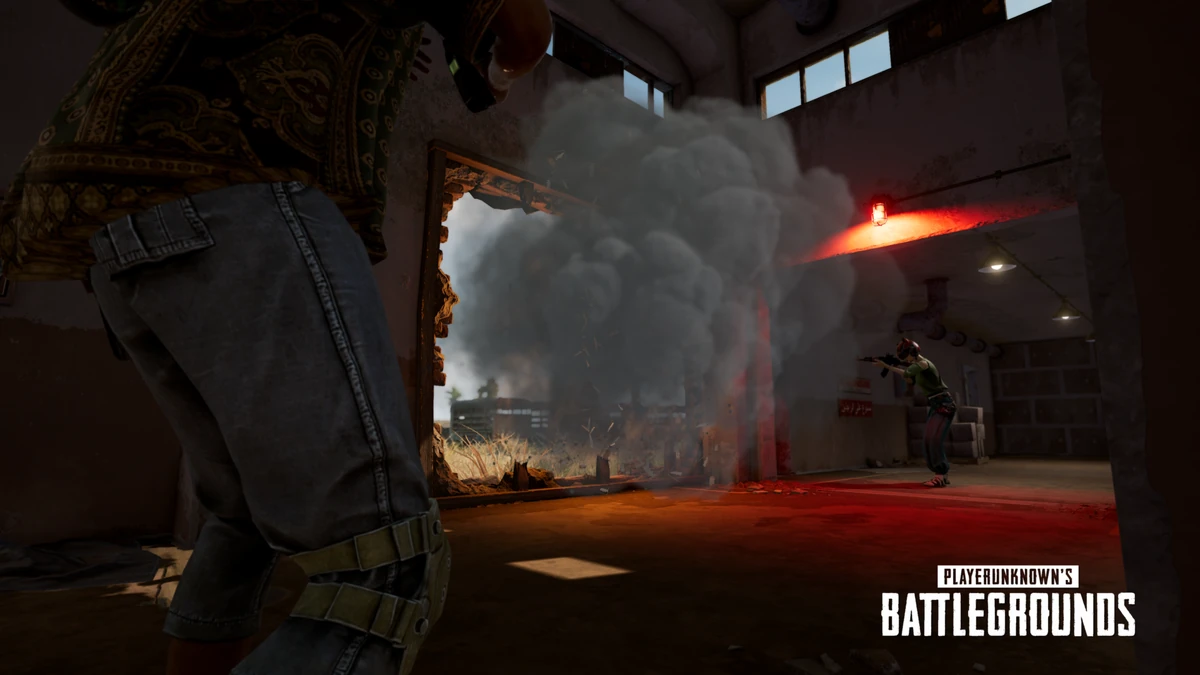
PUBG Cover Guide: What Actually Stops a Bullet
Half the deaths in PUBG happen behind something the player thought was protecting them. Bushes, grass, car doors, smoke — here's what actually stops a bullet, what only hides you, and how to use each one without getting killed while you feel safe.
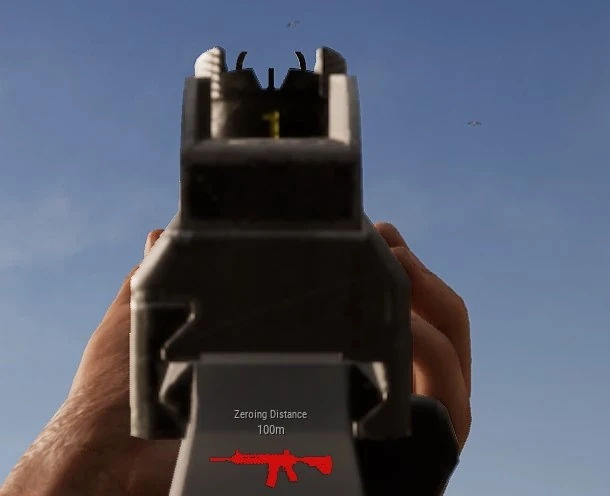
PUBG Drop Shots and Gunfight Movement Guide
The best PUBG duelists don't stand still and out-aim you — they move in ways that make your shots miss high while their own spray stays tight. Here's how drop shots, crouch-spam, and strafe-jiggling actually work, and when each one wins or loses the fight.
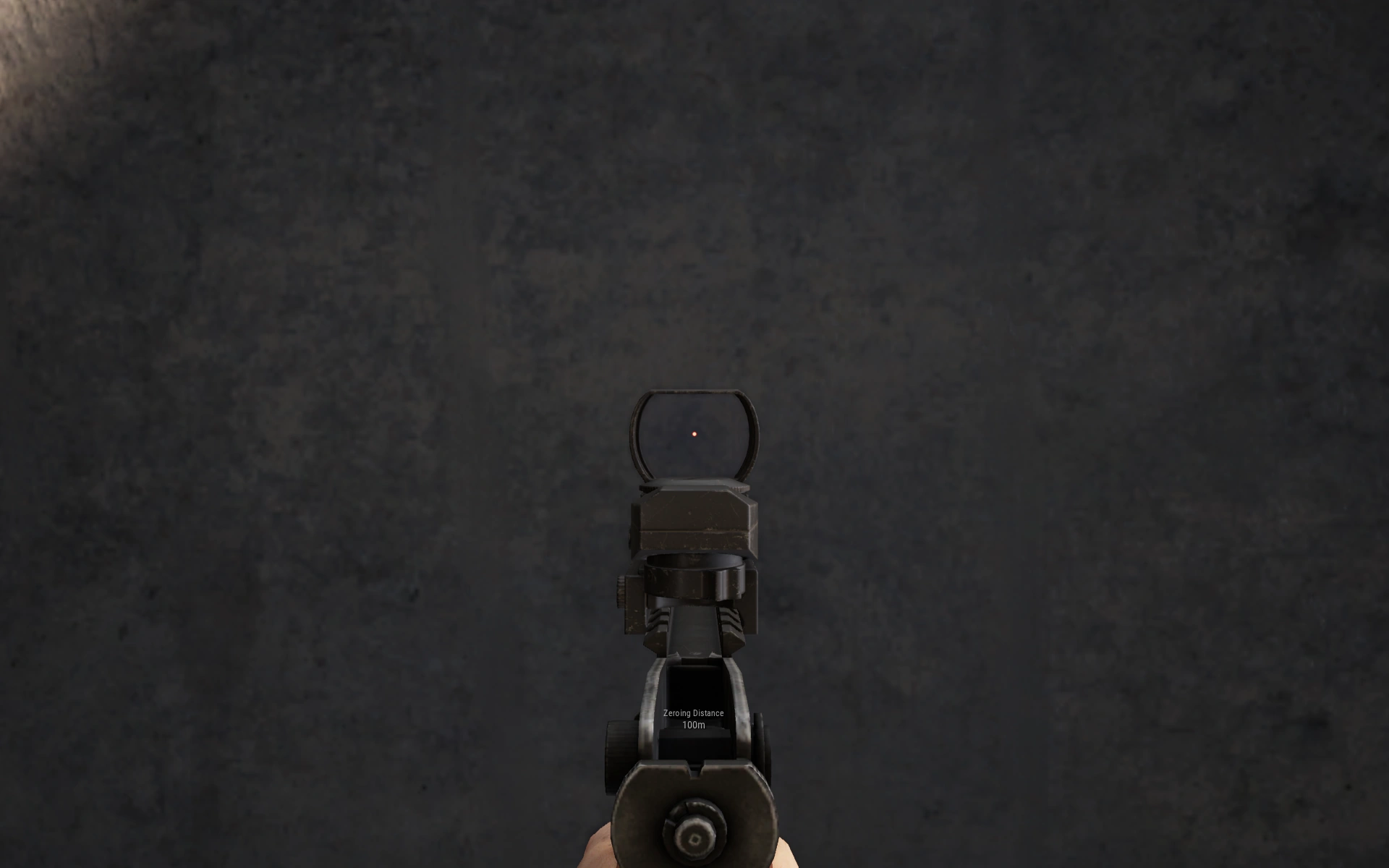
PUBG Peeking and Crosshair Placement Guide
Most PUBG fights are decided before either player fully sees the other — by who peeked smart and whose crosshair was already at head height. Here's how to lean-peek, pre-aim, jiggle-peek, and hold angles without feeding free kills.
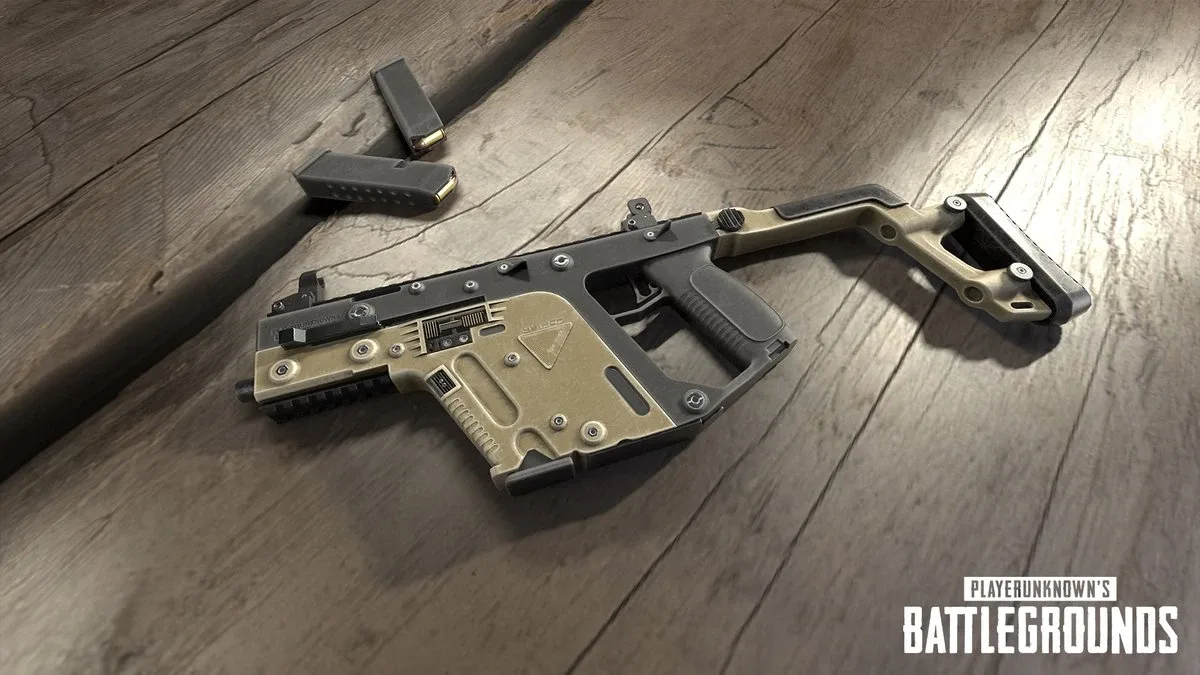
PUBG Audio Guide: How to Win Fights With Sound
Half the players you lose to heard you first. Sound in PUBG is free information — footstep direction, gunfire distance, a door you didn't open. Here's how to read all of it and turn your ears into a radar.
Best Weapons in PUBG: Tier List
Every PUBG tier list is out of date the moment a balance patch drops. So here's the list, ranked by role, plus the durable logic to re-tier any gun yourself when the next patch shakes things up.
Best PUBG Loadouts & Attachments
A naked M416 and a fully kitted M416 are basically two different guns. Here's how to build the strongest two-gun loadouts in PUBG and the attachment priority that turns loot into recoil control.