PUBG Cover Guide: What Actually Stops a Bullet
Half the deaths in PUBG happen behind something the player thought was protecting them. Bushes, grass, car doors, smoke — here's what actually stops a bullet, what only hides you, and how to use each one without getting killed while you feel safe.
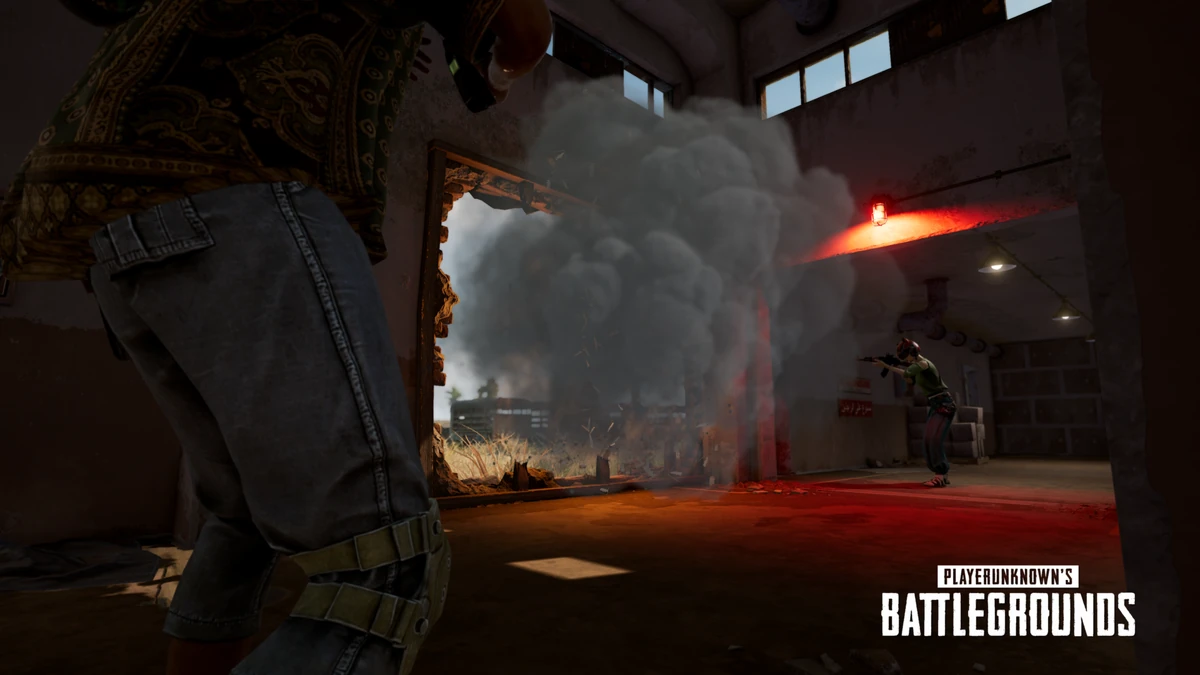
There is a very specific way to die in PUBG that feels personal. You are crossing open ground, a crack goes past your ear, you dive behind the nearest bush, and then you die anyway — staring at a screen full of leaves, genuinely confused about which part of that was your mistake. All of it. The bush was never cover. It was a curtain.
Most of the deaths that feel unfair in PUBG: Battlegrounds are not aim problems or ping problems. They are a player being shot while they believed they were protected. That belief is the actual killer, and it comes from a fuzzy mental model of what in this game stops a bullet and what only stops a pair of eyes. Sort that out and a whole class of deaths disappears from your matches.
The bush that killed you
Here is the thing about PUBG that separates it from a lot of shooters: it barely has bullet penetration at all. There is no general material system where a 7.62 round chews through drywall and a 9mm does not. With a handful of specific exceptions, an object in PUBG is either solid — bullets stop dead — or it is visual clutter that rounds fly straight through as if it were not there.
That binary is good news, because it means you never have to do maths about material thickness. It is also bad news, because your instincts are wrong. Foliage looks substantial. Wooden fences look substantial. A car door looks like the thing every action movie tells you to hide behind. None of that survives contact with how the game actually resolves a shot.
The habit to build is a one-second question every time you take a position: would this thing stop a round, or does it just stop them seeing me? Both are useful. They are useful for completely different reasons, and mixing them up is how you die at full health.
Cover versus concealment
Cover stops bullets. Rock, terrain, concrete, brick, a thick tree trunk, the body of a building. You can stand behind it and be shot at and be fine.
Concealment stops line of sight. Bushes, tall grass, smoke, darkness, a wall of dust. You can stand behind it and be shot at and die at exactly the rate you would have died standing in the open.
Concealment is not worthless — it is one of the strongest tools in the game — but it has an expiry date and a hard condition attached. It works only against someone who did not watch you get behind it. A shooter who saw you dive into that bush now knows a two-metre box that contains you, and spraying that box costs them nothing. Concealment buys you the seconds where an enemy is guessing. The instant they stop guessing, it is a decorated coffin.
So the rule is not "avoid concealment." It is: use concealment to move, use cover to fight. If you are shooting from a position, that position needs to be able to eat return fire. If you are travelling, concealment is often better than cover because it prevents the shot happening in the first place.
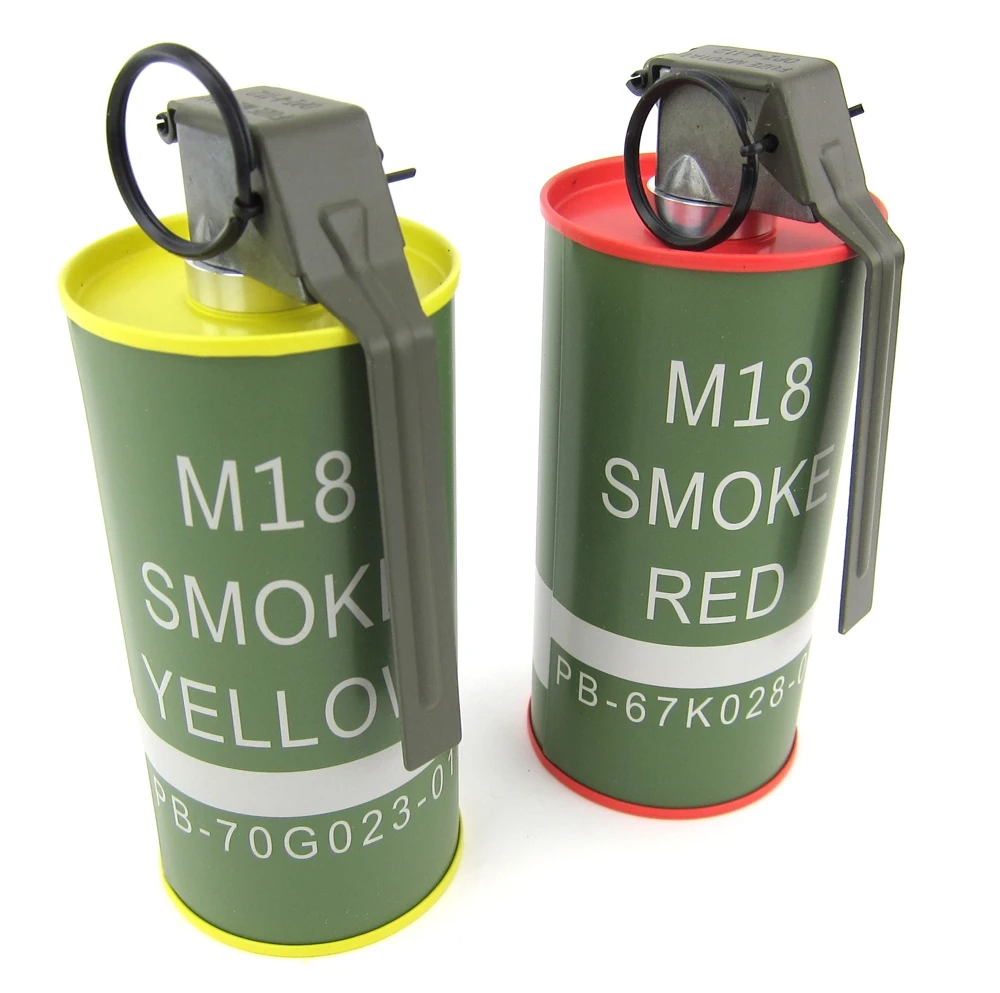
Smoke is the clean illustration. A smoke grenade is the most portable concealment in the game and it will not slow a single round. Good players use smoke as a bridge between two pieces of real cover, or to blind a held angle while they reposition. Bad players use it as a place to stand and heal, which is how you eat a blind spray from someone who watched the can land.
What actually stops a bullet
The short list of real cover, roughly in order of how much I trust it:
- Terrain. Hills, ridges, ditches, embankments, quarry walls. It is everywhere, it is free, nobody can breach it, and it never explodes. The best cover in PUBG is a fold in the ground, and it is the one most players walk straight past looking for a rock.
- Rocks and concrete. Boulders, concrete walls, jersey barriers, the corner of a building. Reliable, but finite in width, and everyone can see you are behind them.
- Buildings. Excellent protection with a catch: a building is also a box with known entrances that a squad can grenade and clear. Great for a fight, terrible as a place to be pinned.
- Thick tree trunks. Real cover against fire from one direction. Note the word thick — saplings and branches are decoration, and a standing player is wider than most trunks, so your shoulders are still out in the open.
And the list of things that will get you killed if you trust them: grass, bushes, branches, smoke, glass, and — the one that catches people constantly — wooden fences with gaps between the planks. Those fences are not being penetrated. Rounds are threading the spaces between the boards, which from the receiving end is indistinguishable from a wall that does not work. Same outcome, and it is why "I was behind a fence" is one of the most common last words in this game.
Everything else, when you are not sure, gets the pessimistic assumption: treat it as solid when you want to shoot through it, and treat it as air when you want to hide behind it. You will never be badly wrong.
The grass lie
This one is worth internalising because it is the single most confidently misplayed mechanic in PUBG: lying prone in grass does not do what you think it does at range.
PUBG locks foliage render distance so that it is the same for every player. Your graphics settings change the density and quality of grass near you, not how far away grass is drawn — that was deliberately standardised years ago so nobody could turn foliage off and hunt prone players on a bald landscape. Community testing has put that render range in the neighbourhood of 300 metres.
The consequence is brutal and most players never think it through. You always see grass around your own character. Always. So lying in a field feels identical whether the enemy is 80 metres away or 400. But past that render distance, the enemy is not looking at a grassy field with a player somewhere in it. They are looking at bare brown ground with a dark, person-shaped smudge lying on it, and their optic is doing all the work.
The practical version:
- Close range, unspotted: grass is great. Inside that render bubble, against someone who has not seen you, prone in thick foliage genuinely wins games.
- Long range: grass is nothing. If a sniper is scoping you from across a valley, you are prone on open dirt. Get behind an actual fold in the ground instead.
- You cannot tell which side of the line you are on. That is the trap. Your screen shows the same grass either way, so default to assuming that anyone shooting at you from distance can see you perfectly.
If you are being shot at from far away, the answer is never "get lower." It is "get behind terrain," and if there is no terrain, it is "keep moving unpredictably toward some," because a prone player in the open is a stationary target that has helpfully agreed to stop moving.
A car is cover with a fuse
Vehicles are the most seductive bad cover in the game. They are big, they are metal, and every instinct you have says get behind that. In PUBG, a vehicle is genuinely useful cover — for about five seconds longer than you would like.
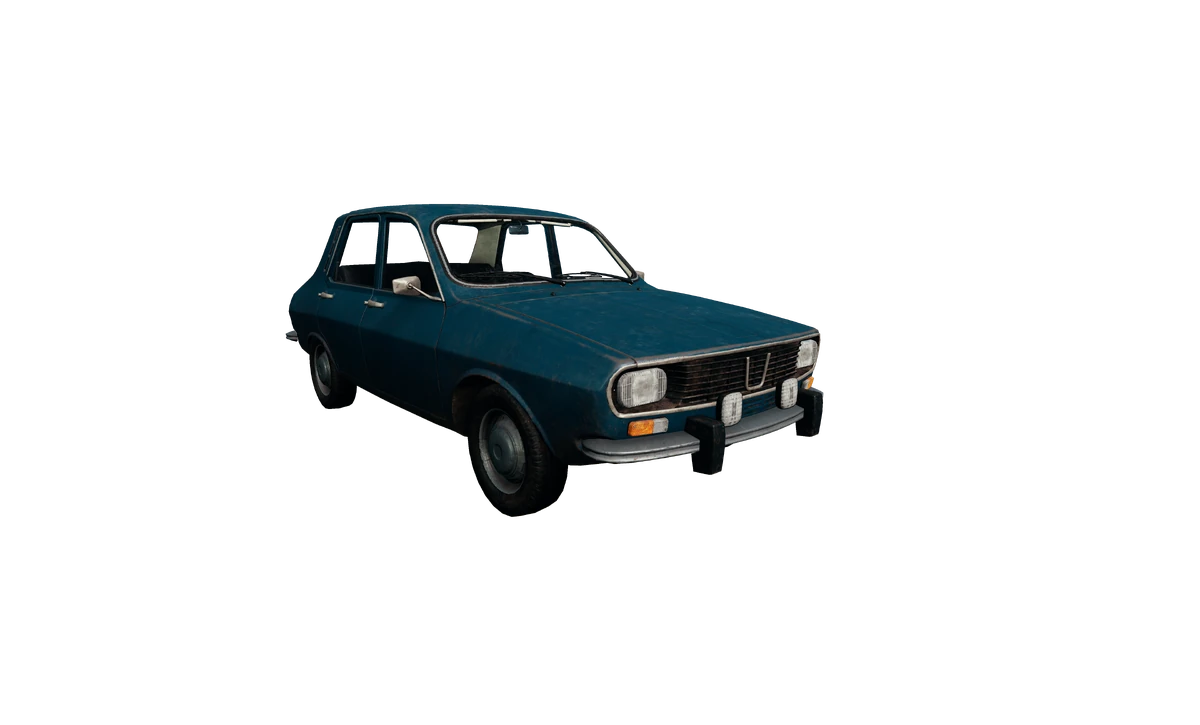
Here is the falsifiable part. A vehicle has its own health pool, and when it hits zero the engine dies, the car catches fire, and roughly five seconds later it explodes — killing the people inside it and anyone standing near it. That is not a random event; it is a timer. So the moment rounds start landing on the car you are crouched behind, you are no longer taking cover. You are sharing a foxhole with a countdown.
How to use vehicles honestly:
- As a shield for crossing, not for camping. Drive it to where you need to be, then get away from it. A vehicle is a rotation tool, not a bunker.
- Watch for fire and smoke. Once the car is burning, you have seconds. Move to real cover immediately, and do not be the guy who dies to his own transport.
- Turn it into a weapon. If enemies are hugging a vehicle, shoot the vehicle. You are not trying to shoot through it — you are trying to detonate it under them.
- Engine block over doors. If you must hold behind one, the mass of the engine and the wheels is more substantial than a door panel and a window. But this is a ranking of bad options.
Karakin, where walls are optional
Every rule above assumes walls behave. On Karakin, they do not, and it is the reason that little 2x2 map plays unlike anything else in PUBG.
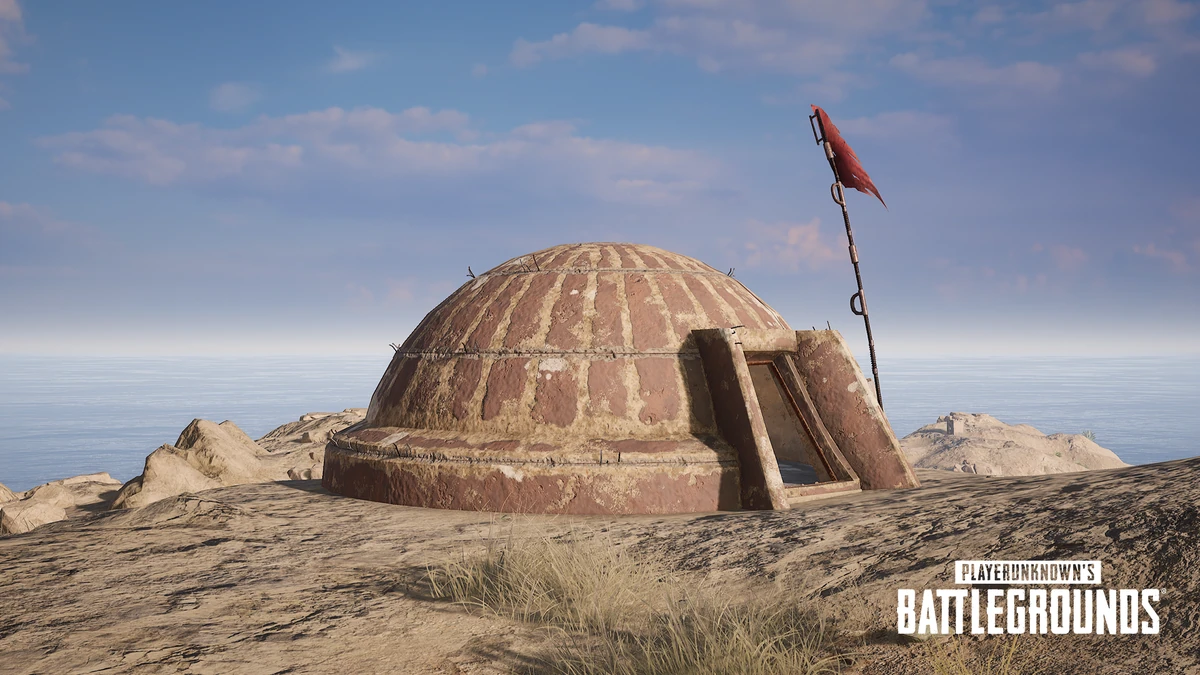
Two mechanics flip the maths. First, bullet penetration was added to the thinnest walls on Karakin, so a damaged interior wall can start leaking rounds — and glimpses of the enemy — through it. Second, Sticky Bombs breach walls and floors, converting a solid room into one with a fresh window, doorway, or hole in the ceiling. Then the Black Zone bombardment comes along and deletes entire buildings for good measure.
What that means in practice on Karakin: never treat a room as safe because it has walls, never park your whole squad in one interior space, and assume anyone holding a compound will be breached from an angle that did not exist a minute ago. It is the one map where the correct read is that cover is temporary — and it is excellent practice for holding positions loosely everywhere else.
How to hold cover without dying behind it
Having cover and using cover are different skills. The habits that matter:
- Stand off it, do not hug it. Pressing your model into a wall narrows your field of view, clips your gun through the geometry, and forces you to expose your whole body to see anything. Sitting a metre or two back gives you a wider angle on the same threat while showing less of yourself.
- Lean. Peeking with lean (Q and E) exposes a shoulder and half a head instead of a torso. If you are not leaning off hard cover, you are giving away free target area. There is a whole peeking discipline built on this.
- Cover has a direction. A rock that protects you from the squad on the ridge does nothing about the squad in the treeline behind you. Every time you settle, ask which angles this position does not solve, then either fix them with a teammate or accept the risk knowingly.
- Play the reverse slope. Sitting on the crest of a hill silhouettes you against the sky for everyone in the valley. Sit just behind the crest instead and pop up to shoot — you get the sightline without the billboard.
- Never revive in the open. A revive pins two players in place, both useless, for the better part of ten seconds. Drag the fight behind hard cover or crawl the downed player there first — that is a core part of reviving properly.
- Plan the next piece before you leave this one. Cover-to-cover movement means you already know where the next rock is before you commit. Sprinting into open ground hoping something appears is how you end up choosing a bush.
Cover mistakes that keep killing you
- Adopting the cover you happened to reach. The rock you dove behind under fire is rarely the rock you want to fight from. Once the shots stop, reposition to something that covers more angles and has an exit.
- Trusting concealment against someone who already saw you. The bush works on people who are guessing. It does nothing against someone tracking you into it.
- Standing behind a car that is being shot. See above. That is a fuse, not a wall.
- Going prone as a panic reflex in the open. Prone in a field at range makes you a stationary target who cannot see, cannot move, and is probably not even hidden.
- Fighting on a bridge or in open water. Neither has cover in any meaningful sense — bridges and swimming are commitments, not positions, so cross them on your terms or not at all.
- Letting cover make you passive. The best players use cover to enable aggression: hold it, win the trade, and move. Sitting behind a rock until the blue eats you is not cover discipline, it is just a slower death — the circle still gets a vote.
Cover is not a place to feel safe. It is a tool that decides which of you has to pay to look at the other one. Use it that way and PUBG stops feeling random.
Quick Action Checklist
- Ask one question at every new position: would this stop a bullet, or only a pair of eyes?
- Use concealment to move, and real cover to fight from
- Trust terrain first — folds in the ground are the best and most common cover in the game
- Treat bushes, grass, smoke, glass, and gapped wooden fences as zero protection
- Remember grass renders only to a fixed distance for everyone — at long range you are prone on bare dirt
- Get away from a vehicle taking fire; at zero health it burns and explodes about five seconds later
- On Karakin, assume walls are temporary — thin walls leak bullets and Sticky Bombs make new doorways
- Stand a metre off cover instead of hugging it, and lean to peek
- Check which angles your cover does not solve before you settle in
- Never revive in the open — get behind hard cover first
Frequently Asked Questions
Do bullets go through walls in PUBG?
Do bushes and grass stop bullets in PUBG?
Is it safe to hide behind a car in PUBG?
Does lying prone in grass actually hide you in PUBG?
Does smoke stop bullets in PUBG?
What is the best cover in PUBG?
Keep Reading
- Mythras blog
- PUBG: Battlegrounds coverage hub
- PUBG movement and positioning guide
- PUBG throwables and utility guide
- PUBG peeking guide
- PUBG compound clearing guide
- PUBG vehicle combat guide
- PUBG Karakin map guide
- PUBG reviving and DBNO guide
- PUBG bridge crossing guide
- PUBG water play guide
- PUBG blue zone rotation guide
Related Guides
PUBG Drop Shots and Gunfight Movement Guide
The best PUBG duelists don't stand still and out-aim you — they move in ways that make your shots miss high while their own spray stays tight. Here's how drop shots, crouch-spam, and strafe-jiggling actually work, and when each one wins or loses the fight.
PUBG Peeking and Crosshair Placement Guide
Most PUBG fights are decided before either player fully sees the other — by who peeked smart and whose crosshair was already at head height. Here's how to lean-peek, pre-aim, jiggle-peek, and hold angles without feeding free kills.
PUBG Audio Guide: How to Win Fights With Sound
Half the players you lose to heard you first. Sound in PUBG is free information — footstep direction, gunfire distance, a door you didn't open. Here's how to read all of it and turn your ears into a radar.
PUBG Movement and Positioning Guide
Most PUBG deaths aren't aim losses — they're positioning losses you took before the trigger pulls. Here's how to lean-peek, use cover, cross open ground, hold angles, and stop walking into third-parties.
Best Weapons in PUBG: Tier List
Every PUBG tier list is out of date the moment a balance patch drops. So here's the list, ranked by role, plus the durable logic to re-tier any gun yourself when the next patch shakes things up.
Best PUBG Loadouts & Attachments
A naked M416 and a fully kitted M416 are basically two different guns. Here's how to build the strongest two-gun loadouts in PUBG and the attachment priority that turns loot into recoil control.