Crimson Desert Weapons Guide: Every Weapon Type and What It Is Actually For
Crimson Desert lets you carry six things at once and then never mentions it again. Here is what each weapon category is genuinely good at, and why the sword you started with is not the problem.
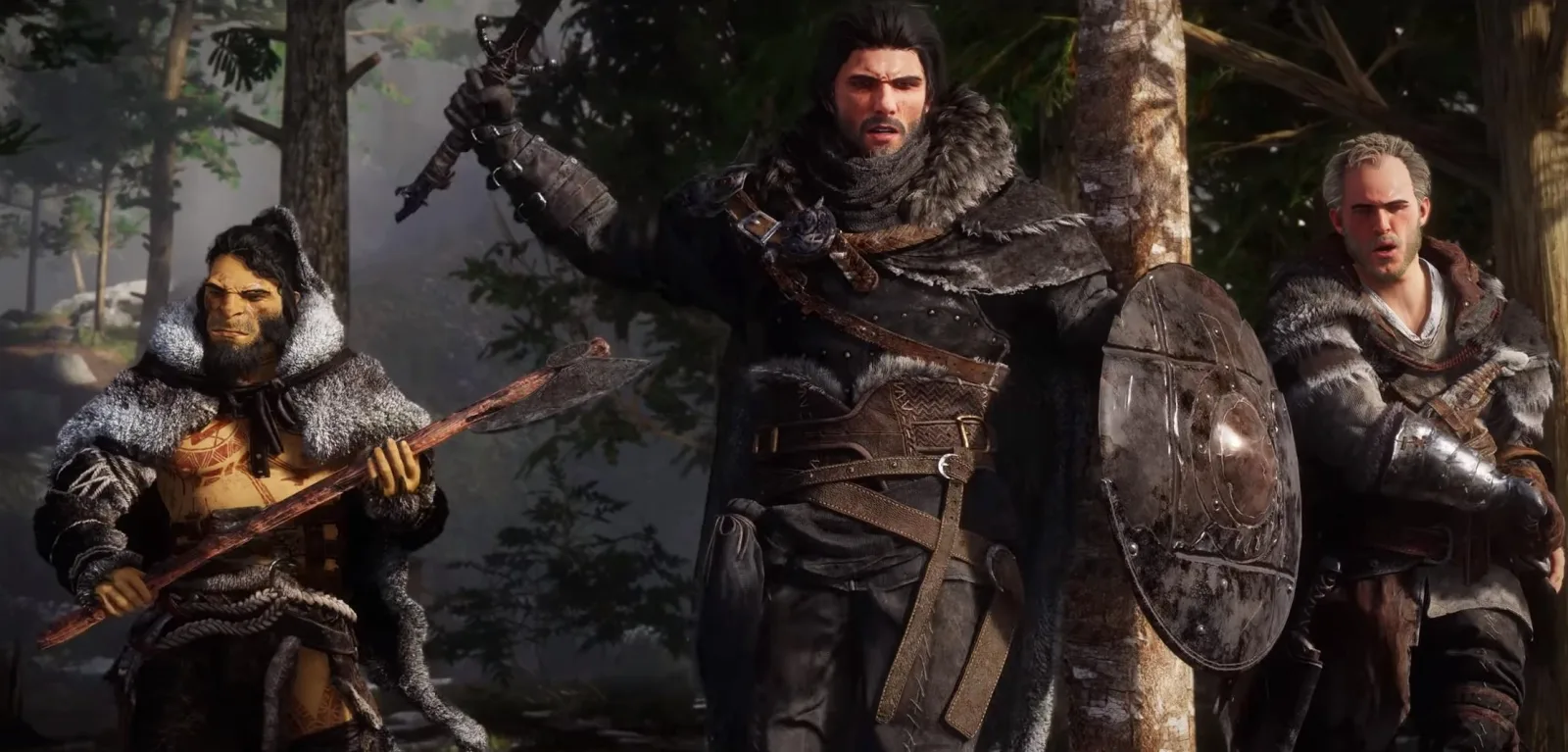
Six slots, and most people use two
Crimson Desert equips you with a two-handed weapon, two one-handers, a dagger, a ranged weapon and an ammunition stack — all at once, all live, all swappable mid-fight. Then it drops you into an open world that never once forces you to open that menu.
So people do not. I have watched players hit Chapter 6 still swinging the sword and shield from the tutorial, and then describe the combat as repetitive. The combat is repetitive if you play one weapon. That is not a design flaw, that is a loadout you never edited.
This is the guide to the other five slots.
The five categories the game actually tracks
Depending on which wiki you land on, Crimson Desert has anywhere from five weapon types to thirteen. Both numbers are right, and the confusion is worth clearing up before anything else.
The game's own tooltips recognise five categories: One-Handed, Two-Handed, Ranged, Shields and Daggers. Those are the buckets your skill tree, your equipment slots and your stat bonuses care about.
Inside those buckets sit the shapes: one-handed swords, axes, hammers, maces and rapiers; longswords, spears, halberds, greataxes, greathammers and banner pikes; bows, pistols, muskets, shotguns and hand cannons. Thirteen-ish silhouettes, five actual systems.
Why it matters: the shape changes your animations, the category changes your rules. A greataxe and a spear are both Two-Handed, so they occupy the same slot and answer to the same skill investment, but they do not feel remotely alike to swing. Pick the category for the role you want filled, then pick the shape for the moveset you enjoy.
One more thing that will save you a lot of anxiety: weapons in Crimson Desert have no durability. Nothing degrades, nothing breaks, and there is no repair economy quietly taxing you. Swing the good sword.
One-handed weapons are the flexible slot
You get two one-handed slots, and they are the most configurable part of the loadout. Swords, axes, hammers, maces and rapiers all live here, and the pitch is speed: short recovery frames, tight combo chains, and enough mobility to reposition between strings rather than committing to a haymaker and eating a counter for it.
The one-hander is also the slot that talks to your shield. Sword-and-board is the default Crimson Desert stance for a reason — it is the only configuration that gets you the full blocking, parry and counter vocabulary that the combat guide is built around.
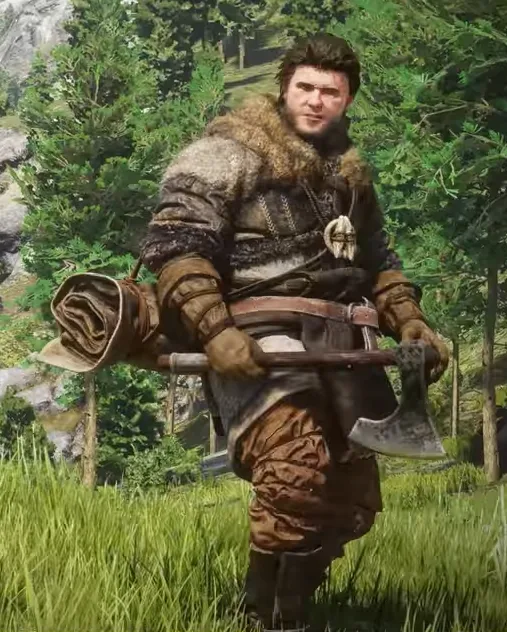
Two-handed weapons buy reach and stagger
Longswords, spears, halberds, greataxes, greathammers and banner pikes share a single slot, and they are the answer to a specific problem: enemies that do not care about your little sword.
Greatswords sweep wider arcs and carry more stagger, which is the stat that actually matters against crowds — staggered enemies are not attacking you. Spears and halberds trade some of that for reach, which is how you poke at something with a long, telegraphed swing without stepping inside it.
The trade is honest and it is the same one every action game makes. Slower startup, longer recovery, higher consequence for a mistimed input. If you are getting punished on whiffs, the problem is usually that you are treating a greataxe like a sword rather than as a thing you throw once per opening.
Ranged weapons are openers, not finishers
Bows, pistols, muskets, shotguns and hand cannons split the ranged slot, and they are the most under-used category in the game by a distance.
They are not a damage plan. They are a tempo tool. A bow opens a bandit camp with a stealth kill before the horn goes up. A pistol is quick enough to fire between dodges when you need to keep pressure on something you cannot safely stand next to. Rifles and muskets do precise long-range damage with regular and charged shots. Hand cannons fire a heavy charged shot and are for the moments when you want something to stop existing.
There is also a family of Kuku weapons — Flamespitter, Boltspitter and Frostspitter variants — which bolt elemental effects onto the ranged slot. That is a real answer to a boss with an elemental weakness, and it pairs with the resistance dishes covered in the camp guide as pre-fight prep rather than improvisation.
Shields and daggers get their own slots for a reason
Both are separate categories rather than sub-types, which is the game telling you they are not optional flavour.
Shields are the defensive backbone. Blocking, perfect parries and the counters that follow all key off the shield, and the parry timing window is the single highest-value skill in the game.
Daggers occupy their own slot, so carrying one costs you nothing. They are the stealth-execution tool, and they are also just always there when a fight collapses into knife range.
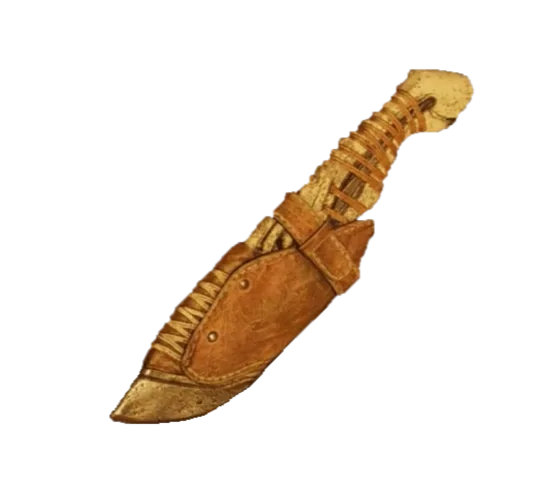
There is a sixth option the slot list does not mention: unarmed combat is a genuine system, with punches, kicks, grapples and wrestling throws that chain into weapon strings. There are even gloves built for it. It is not a novelty, it is a moveset.
Dual wielding, and the thing nobody tells you about it
Dual wielding is not a skill unlock and it is not a weapon type. You hold the radial menu — left on the D-pad, or hold F on PC — and swap your shield out for a second one-handed weapon. That is the whole ceremony. The reward is an entirely different attack set from the shield stance: faster, greedier, more strings, no block.
Here is the part worth knowing before you spend an hour optimising it. The specific combination of one-handed weapons you dual wield does not change the moveset. Sword and axe, rapier and mace, two identical swords — per Game8's dual-wield guide, the available attacks are the same either way. The stats and Abyss Gear on each weapon still matter enormously. The pairing itself does not.
So stop hunting for the magic combo. Equip your two best one-handers by numbers and modifiers and go.
While you are in that menu: Quick Swap is the skill that makes any of this usable in a fight. It unlocks at Armed Combat level 5 and lets you flip to your secondary instantly — F on PC, L1 plus L2 on PS5, LB plus LT on Xbox. Before you have it, every weapon change means holding the radial open, which is exactly why so many players never bother mid-combat. Prioritise it in the skill tree.
Refinement is where your power actually comes from
This is the section people skip and then wonder why Chapter 8 hurts.
Crimson Desert has no character level driving your damage. Your stats come from your gear, which means refining your weapons is not an optimisation, it is the progression system. A refined mid-tier sword beats an unrefined legendary you just pulled out of a chest.
Refinement happens at a smithy — look for the anvil icon, and the first one you meet is Turnali in Hernand City. The mechanics are friendlier than they look:
- It costs no silver. Refinement is paid in materials, not currency, which frees your silver for the socket costs in the Abyss Cores guide.
- Materials come from the world. Timber from logging, ore from mining, hides and bones from hunting. Clear Rhett's and Turnali's early Chapter 1 requests to get the Pickaxe and Logging Axe, and stop buying what you can chop.
- Duplicates can pay the bill. Loot two identical swords off a bandit camp and you can sacrifice one to refine the other instead of spending materials. This turns the pile of junk drops from every camp clear into an upgrade budget. Unique weapons do not get this option and must be fed raw materials.
The practical habit: when you clear a camp, do not vendor everything. Check whether any of it duplicates something you actually use.
Abyss Gear turns a weapon into a build
Weapons also carry Abyss Gear — modifier slots that hold the loadouts you configure with Elowen the Witch, who you meet through the story. This is where a weapon stops being a damage number and becomes a playstyle.
Some weapons ship with Abyss Gear already attached, which is genuinely the strongest reason to chase specific named drops rather than whatever has the biggest attack stat. The Tauria Curved Sword, a mid-game one-hander, is worth carrying largely for the Crow's Pursuit ability its Abyss Gear grants.
The full socket economy — costs, caps, what you can and cannot slot — is its own rabbit hole, and it is covered properly in the Abyss Cores guide.
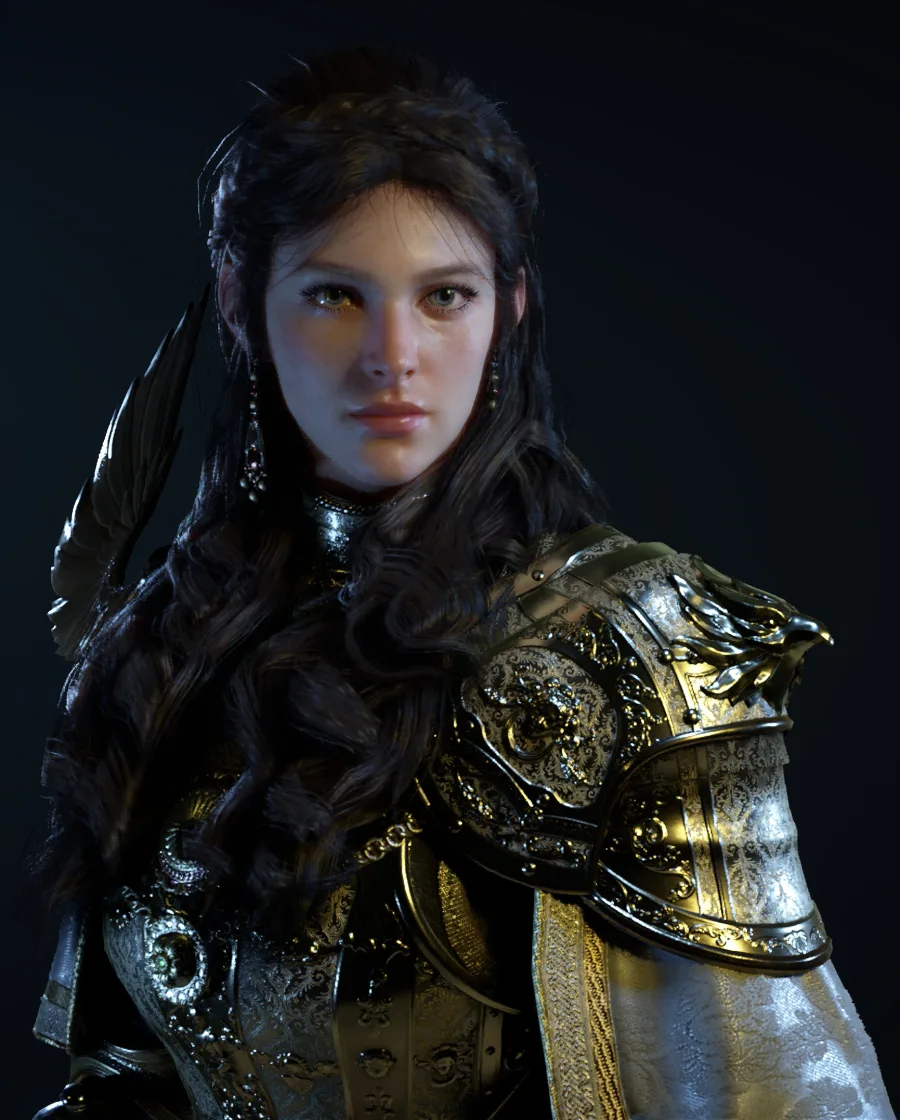
Three characters, three different best-in-slots
Worth flagging because it quietly breaks every tier list you read: Crimson Desert has three playable characters. Kliff from the start, Damiane from Chapter 3, and Oongka from Chapter 7, swapped through the character wheel at will.
They do not share a best weapon. Kliff is the generalist. Damiane is speed and precision, and the community's pick for her is a fast pistol rather than a bruiser. Oongka is the powerhouse and wants the hand cannon.
So when a guide says a weapon is "the best pistol," check which character it means. Caliburn's Mercy is the best pistol for Damiane. That qualifier is doing a lot of work.
The weapons worth a detour
A short list of named weapons that come up repeatedly in community best-of rankings, with where they live:
- Darkbringer (Two-Handed, Attack 39) — arrives with three Abyss Gears already attached, which is what pushes it past higher-attack alternatives.
- Righteous Verdict (Two-Handed, Attack 23) — lower raw damage, critical rate bonus, three Abyss Gears. A crit build's opener.
- Nobleman's Bow (Attack 34) — the standout bow for Kliff, in a treasure chest in Valgrind Tomb north of Pailune. Three unlocked Abyss Gear slots.
- Caliburn's Mercy (Pistol, Attack 36) — Damiane's pick, on the top floor of Fort Musket in Demeniss. You need a Mask to steal it.
- Volcanic Blaster (Hand Cannon, Attack 34) — Oongka's pick, from the Savage Fangs faction quest "Master of the Wetlands."
- Trumpet Shotgun (Attack 41) — highest shotgun damage, and you can simply buy it from the equipment shop in Tashkalp.
- Leofric Musket (Attack 36) — a Chapter 10 reward with strong attack speed.
- Combat God's Plate Gloves — unarmed, with Lightning Affinity baked in. Yes, the punching build is real.
Two of the strongest things on that list are a shop purchase and a chest in a tomb. You do not need to be deep in endgame to be holding a good weapon.
Quick Action Checklist
- Fill all six slots: two-handed, two one-handed, dagger, ranged, ammunition. An empty slot is a tool you decided not to have.
- Unlock Quick Swap at Armed Combat level 5 before you invest anywhere else in that tree.
- Dual wield by swapping your shield for a second one-hander in the radial menu. Any pairing gives the same moveset, so equip by stats, not by combo.
- Keep a shield equipped while you are still learning parry timing. The counters are worth more than the extra one-hander.
- Carry a dagger permanently. It has its own slot and costs you nothing.
- Treat ranged weapons as openers and tempo tools, not damage plans.
- Refine constantly at a smithy. Refinement costs materials, never silver, and your stats come from gear rather than a character level.
- Hoard duplicate drops instead of vendoring them — they pay refinement costs on non-unique weapons.
- Take the Pickaxe and Logging Axe from the early Chapter 1 requests so materials stop being a bottleneck.
- Chase weapons that ship with Abyss Gear attached over weapons with a slightly higher attack stat.
- Check which character a "best weapon" ranking is written for. Kliff, Damiane and Oongka want different things.
- Stop worrying about breakage. Weapons have no durability in Crimson Desert.
Frequently Asked Questions
How many weapon types are there in Crimson Desert?
How do you dual wield in Crimson Desert?
Does the combination of dual-wielded weapons matter in Crimson Desert?
How do you switch weapons quickly in Crimson Desert?
How do you upgrade weapons in Crimson Desert?
Do weapons break or lose durability in Crimson Desert?
What is Abyss Gear on weapons in Crimson Desert?
Do Kliff, Damiane and Oongka use different weapons?
Keep Reading
- Game8 — List of Weapons, categories, acquisition and durability
- Game8 — How to Dual Wield Weapons
- Game8 — How to Switch Weapons and the Quick Swap skill
- Game8 — Refinement Guide: How to Upgrade Equipment
- Game8 — Best Ranged Weapons
- Fextralife — Crimson Desert Weapons and equipment slots
- Pearl Abyss — official Crimson Desert site
Related Guides
Crimson Desert Armor Guide: Refinement, Sets and Stats
The weapons guide covered the six slots you swing. This covers the five you wear — with the actual Defense and Attack numbers from +0 to +10, the material bill at every step, the 30 Abyss Artifacts a full loadout quietly costs you, and why the tier badge on a piece does not predict its defence.
Crimson Desert Abyss Cores Guide: Sockets and Build Order
Crimson Desert hides its real build system behind five chapters of story. Once Elowen opens the workshop, socket costs decide your power curve — here is how to spend.
Crimson Desert Bounty Guide: Crime, Masks, Jail and Outlaws
Crimson Desert crime from both sides of the law: the mask that unlocks stealing, how a witnessed crime becomes a regional bounty, the Writ of Absolution against jail, what being wanted blocks, the nine Hernand outlaws and what each pays, and the March patch that launch-week guides still contradict.
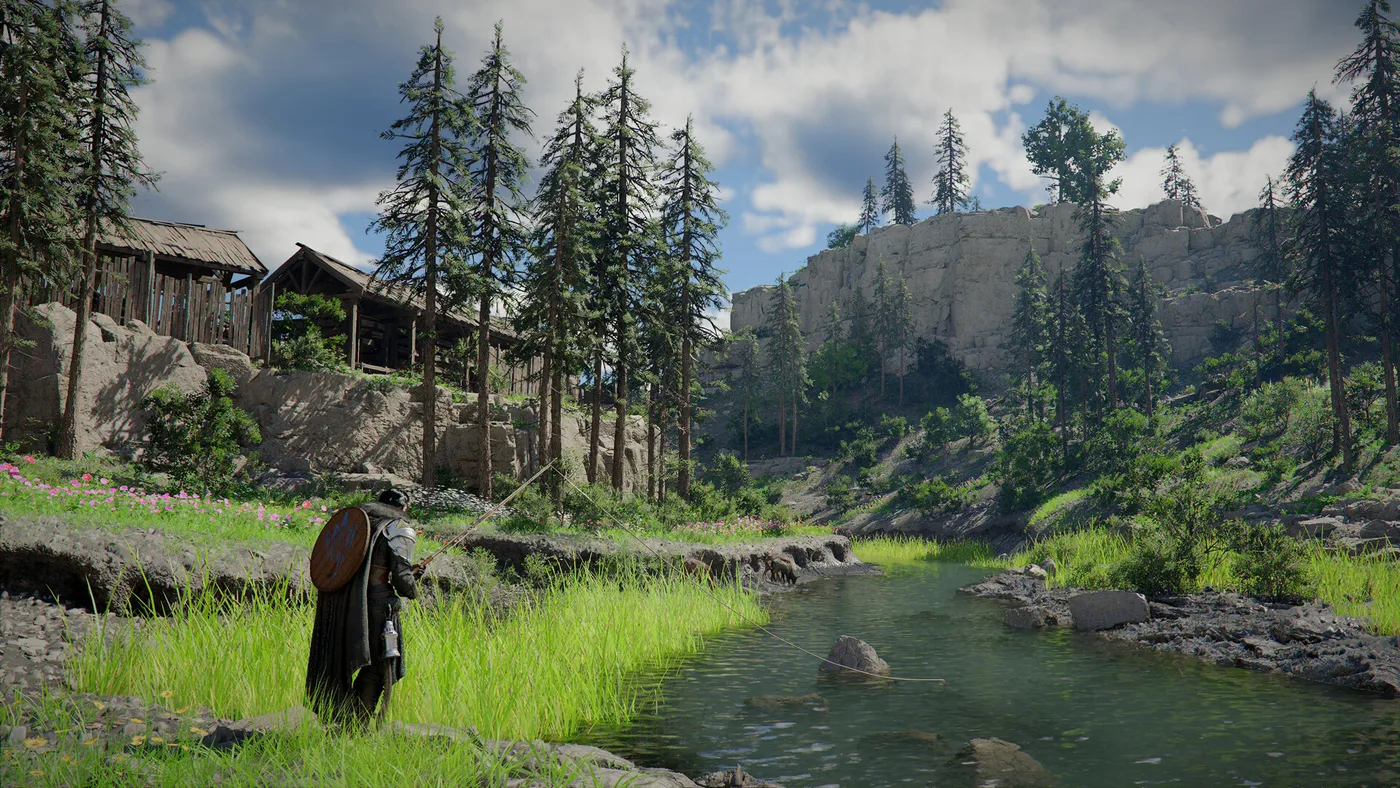
Crimson Desert Fishing Guide: Rods, Legendary Fish, Pond
Crimson Desert fishing in one place: how to learn it, the four rods and how to get each, the spots two guides agree on, all five legendary fish, the camp pond, and the May patch that made legendary fish unsellable while a March guide still lists a sell price for them.
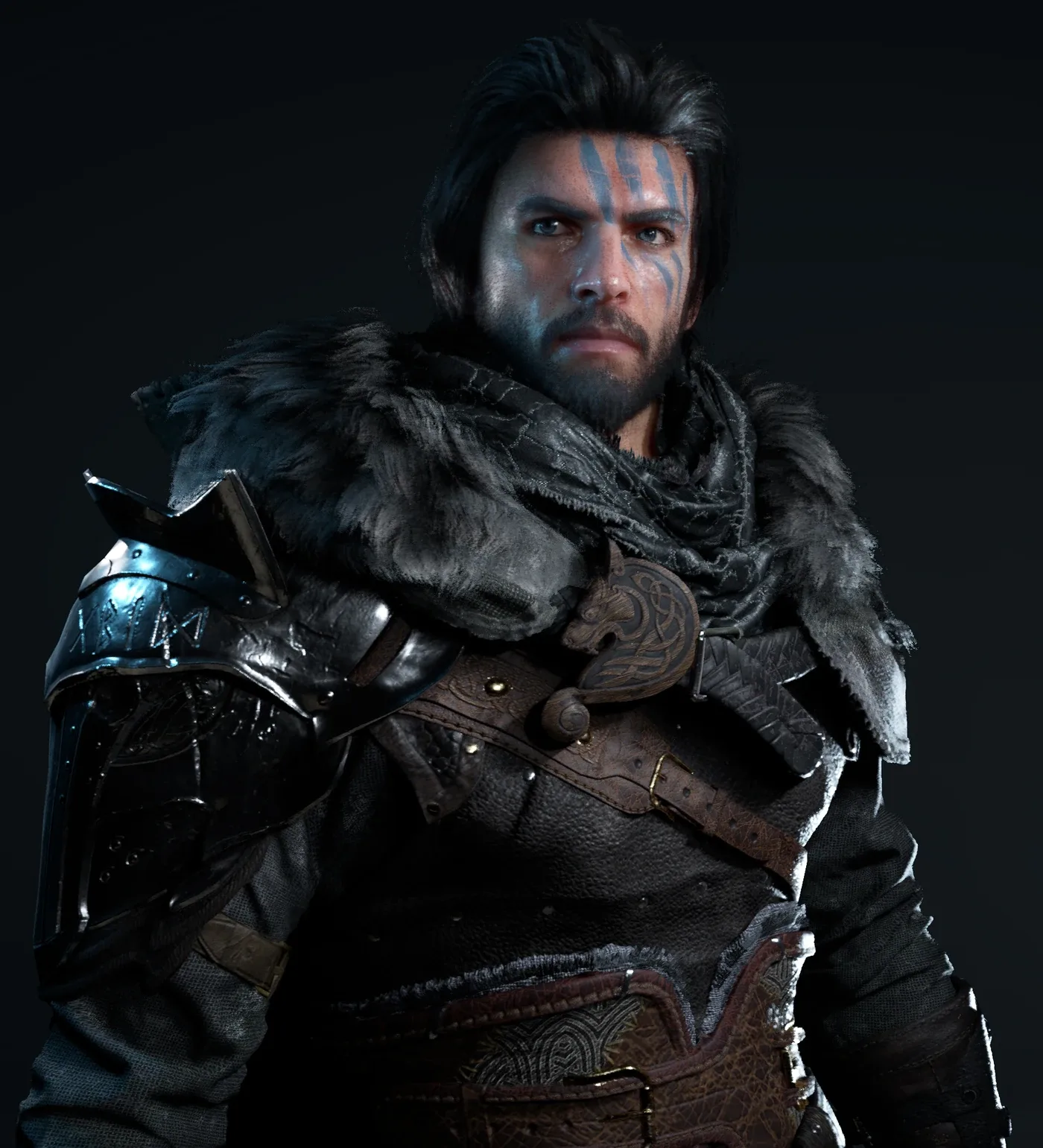
Crimson Desert Combat Guide: Parry, Counter, Watch & Learn
Crimson Desert is not a Souls game wearing a bigger map. It is closer to a fighting game, and the players bouncing off it are all making the same three mistakes.
Crimson Desert Achievements: All 34, Rarity and Missables
Five of Crimson Desert's 34 achievements come from the story and camp. The other 29 each ask for a whole family of Challenges. Here is every one with its Steam unlock rate, the Sealed Abyss Artifact rule, and the missables list rechecked against Pearl Abyss's patch notes.