Elden Ring Spirit Ashes Guide: The Summons Worth Upgrading
You get ten grades of glovewort and about forty summons to spend them on, and most of that list is filler. Here is what each tier of spirit ash actually does for you, why Mimic Tear behaves the way it does, and which ones deserve a +10.
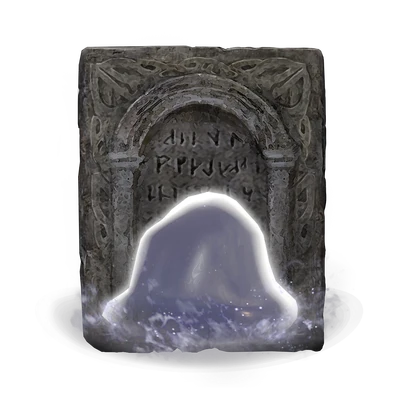
Summoning the Mimic Tear costs 660 HP. Not FP — health, straight off your bar, before the fight starts. That single design decision tells you everything about how FromSoftware thinks about spirit ashes: they are supposed to cost you something real, and the good ones cost the most.
Which is why it stings that most players pick a summon the same way they pick a starting class — vibes, a YouTube thumbnail, whatever they had equipped last boss — and then dump their entire glovewort supply into it. You have roughly forty ashes and a hard-capped upgrade currency. Let's talk about where it actually goes.
How summoning actually works
Two requirements, and both trip people up.
First, you need the Spirit Calling Bell. Renna hands it to you at the Church of Elleh at night, but only after Melina gives you the Spectral Steed Whistle — so if you sprinted past Melina, no bell. Miss Renna entirely (she vanishes once you meet Ranni at Ranni's Rise) and the Twin Maiden Husks will sell it to you at Roundtable Hold for 1,000 runes. She also throws in the Lone Wolf Ashes, which is the game quietly telling you to start using this system immediately.
Second, you need to be inside the radius of a Rebirth Monument — those small obelisks near boss arenas and dense enemy clusters. When you are in range, a monument icon appears on the left side of the screen. No icon, no summon. That is the whole gate.
Two more rules that matter: only one type of spirit at a time, and no spirit ashes during multiplayer. Call in a co-op phantom and your Mimic goes back in the bag. It is a genuine trade-off, not a bonus.
The upgrade economy nobody explains
Every ash upgrades to +10 through Roderika at Roundtable Hold — she moves there from Stormhill Shack after you talk to her and pass her message along. But there are two separate currencies, and mixing them up will strand a summon at +3 for twenty hours.
| Material | Upgrades | Where it comes from |
|---|---|---|
| Grave Glovewort | Standard ashes (wolves, jellyfish, soldiers) | Catacombs across the Lands Between |
| Ghost Glovewort | Renowned ashes (named heroes like Oleg, Tiche, Lhutel, Mimic Tear) | Catacombs, much rarer |
| Revered Spirit Ash | Shadow Realm Blessing (DLC only) | Hornsent corpses in the Realm of Shadow |
Both glovewort types come in ten grades, 1 through 9 plus a Great variant, and each grade covers a specific stretch of the upgrade path. The single biggest quality-of-life move in the whole system is hauling Glovewort Picker's Bell Bearings back to the Twin Maiden Husks: Bell Bearing 1 unlocks Gloveworts 1-3 for purchase, Bearing 2 unlocks 4-6, Bearing 3 unlocks 7-9. Once those are in, upgrading is a rune problem instead of a scavenger hunt, and rune problems are easy to solve in this game.
The practical read: Ghost Gloveworts are the bottleneck. Pick one or two renowned ashes and commit. Spreading them across five named heroes gets you five mediocre summons.
The early picks that carry Limgrave
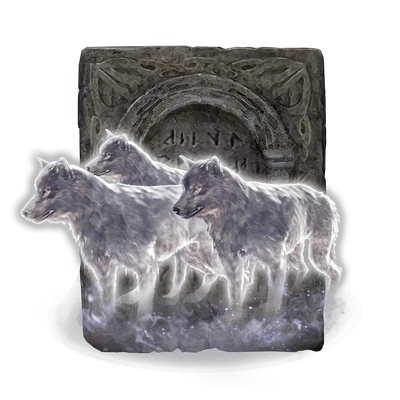
Lone Wolf Ashes summon three wolves for 55 FP and they are absurdly good for a freebie. They rush, they circle, they nip from three directions, and against low-poise enemies they stagger-lock things you would otherwise have to fight honestly. Their ceiling is low — anything they cannot stagger just kills them, and their health is tissue paper — but through Limgrave and Weeping Peninsula they are a legitimate answer to most of what you meet on the road.
Spirit Jellyfish Ashes, handed over by Roderika at Stormhill Shack, are the opposite profile: 31 FP, slow, durable, and armed with a poison jet. Aurelia will not out-damage anything, but she soaks aggro and can actually land poison buildup on Margit, which is more than most early summons contribute. Her problem is that neither her health nor her damage scales into the mid-game, so she is a temporary answer.
If you only have gloveworts for one early ash, put them in the wolves. Three bodies beats one, and staggering is worth more than chip damage at that level.
The tanks buying you openings
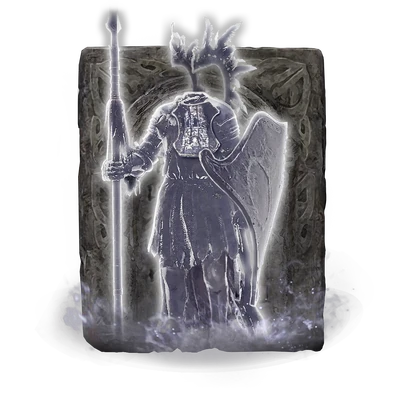
Lhutel the Headless (104 FP) drops from the Cemetery Shade in Tombsward Catacombs, in the Weeping Peninsula — which means you can own a legendary ash before you have fought Godrick. She carries a Partisan and an Eclipse Crest Greatshield, deals Pierce damage, and inflicts Death Blight buildup that will basically never matter outside the Caelid Colosseum. That is fine, because you are not summoning her for damage. She throws spectral lances to yank aggro, then hides behind a greatshield and dodges, and her push-and-pull rhythm bounces boss attention back and forth while an aggressive player build does the actual killing.
Banished Knight Oleg (100 FP), from Fringefolk Hero's Grave, is the aggressive version of the same idea. He dual-wields, he has an enormous health pool with solid defenses, and he has a Stormcaller variant that leaps around like a tornado of blades. His weakness is specific and worth knowing: he is at his best against enemies he can repeatedly stagger, because anything with the poise to interrupt his combo shuts down most of his damage.
For a first playthrough, Lhutel is the safer pick and Oleg is the more fun one. Neither is wrong.
Mimic Tear: the one everyone argues about
The Mimic Tear sits in a chest behind a Stonesword Key imp statue in Nokron, Eternal City, and it copies you — armor, talismans, weapons, spells, consumables, all of it. Patch 1.03 cut its direct damage and people have been calling it "nerfed into the ground" ever since. They are wrong, and the reason is in the fine print: the nerf only touched direct damage. Healing and status buildup were untouched. A Mimic swinging a bleed weapon still procs bleed exactly as hard as you do.
Things that are genuinely true about it, and that change how you build around it:
- A +10 Mimic has 3.3 times the HP of a +0 Mimic. No other summon rewards investment that steeply. An unupgraded Mimic is a speed bump.
- It takes roughly five seconds to become active, versus about one second for other ashes. Summon it in the fog gate, not mid-combo.
- It rolls only rarely. Equip it before summoning with something heavy and tanky, not a dex build that expects to dodge. You are choosing its playstyle when you choose your loadout.
- It cannot pick a spell to save its life. Carry one damaging spell, maybe two. Give it a full slate and it dithers.
- It has infinite uses of every consumable you carry. Raw Meat Dumplings become an unlimited heal — and it is immune to poison, so the downside is free.
- It is vulnerable to Death Blight. Deeproot Depths is not the place.
Swap your gear before you ring the bell, summon, then swap back. That is not an exploit so much as the intended interaction, and it turns the Mimic into whatever your fight needs.
Black Knife Tiche: the actual best summon
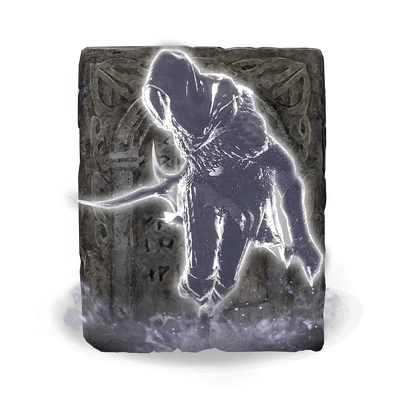
Tiche costs 132 FP — the most expensive summon in the base game — and drops from Alecto, Black Knife Ringleader in the Ringleader's Evergaol. She is the strongest ash in the game and the reasoning is boring math: her Blade of Death does percentage-based damage, which means her contribution scales with the boss's health bar instead of your build. Against the fattest health pools in the game, she is doing more work than your weapon.
Her health is low, but she dodges — genuinely dodges, not the token sidestep most spirits manage — so she survives long enough to matter. Her dagger covers Slash, Pierce and Holy damage on top of the Holy beam.
One trap: her Blade of Death does not stack with a player casting Blade of Death from their own Black Knife. If that is your build, run someone else.
The weird ones worth knowing
Redmane Knight Ogha (106 FP, from the Putrid Tree Spirit in War-Dead Catacombs) is a red-eyed spirit, which means he does not follow you. He plants himself near the summon point and shoots anything that wanders into range with a greatbow. Cursed-Blood Pots are the only reliable way to reposition him. In exchange, using any roar or cry skill — War Cry, Regal Roar — triggers his Rain of Arrows, once per summon. It is one of the few genuine player-to-spirit combos in the game.
That is the pattern worth internalizing: the interesting ashes are the ones with a rule attached. Ogha responds to your war cry. The Mimic responds to your loadout. Tiche responds to the boss's health bar. Everything else is a body.
What changes in Shadow of the Erdtree
The DLC adds a fourth currency, Revered Spirit Ash, harvested from hornsent corpses and consumed at any Site of Grace to raise the Revered Spirit Ash Blessing. It buffs both your spirits and Torrent, and it is not small — at Blessing level 10, spirits and Torrent take 42.5% less damage, with the damage-dealt multipliers climbing well past +75%.
The catch, and it is a big one: the blessing does nothing outside the Realm of Shadow. Grind it for the DLC, expect nothing from it back in the Lands Between.
Mistakes that waste your gloveworts
- Spreading Ghost Gloveworts across four renowned ashes. They are the scarce resource. Pick one, take it to +10, then start a second.
- Running an unupgraded Mimic Tear. At +0 it has under a third of the health of a +10. It is not a real summon yet.
- Summoning mid-fight. Most ashes take about a second; the Mimic takes five. Ring the bell before the boss commits to anything.
- Ignoring Bell Bearings. Turning in Glovewort Picker's Bell Bearings 1 through 3 converts the whole upgrade path from a scavenger hunt into a shopping trip.
- Expecting summons in co-op. Spirit ashes and multiplayer phantoms are mutually exclusive. Pick a lane before the fog gate.
Quick Action Checklist
- Get the bell early. Talk to Melina for the whistle, then Renna at the Church of Elleh at night — or buy it from the Twin Maiden Husks for 1,000 runes.
- Sink early Grave Gloveworts into Lone Wolf Ashes. Three staggering bodies is the best early-game value in the system.
- Detour to Tombsward Catacombs for Lhutel before Godrick. A legendary ash in the Weeping Peninsula is not a fair trade for the game.
- Commit your Ghost Gloveworts to one renowned ash. Tiche if you have her, Mimic Tear if you do not.
- Set your loadout before summoning the Mimic, not after. Heavy, tanky, one damage spell maximum.
- Turn in every Glovewort Picker's Bell Bearing you find so you can buy the upgrade path instead of farming it.
Frequently Asked Questions
How do you use spirit ashes in Elden Ring?
What is the difference between Grave Glovewort and Ghost Glovewort?
Is the Mimic Tear still good after the patch 1.03 nerf?
What is the best spirit ash in Elden Ring?
Which spirit ash should I use early in Elden Ring?
How much HP does it cost to summon the Mimic Tear?
Does the Shadow of the Erdtree spirit ash blessing work in the base game?
Keep Reading
Related Guides
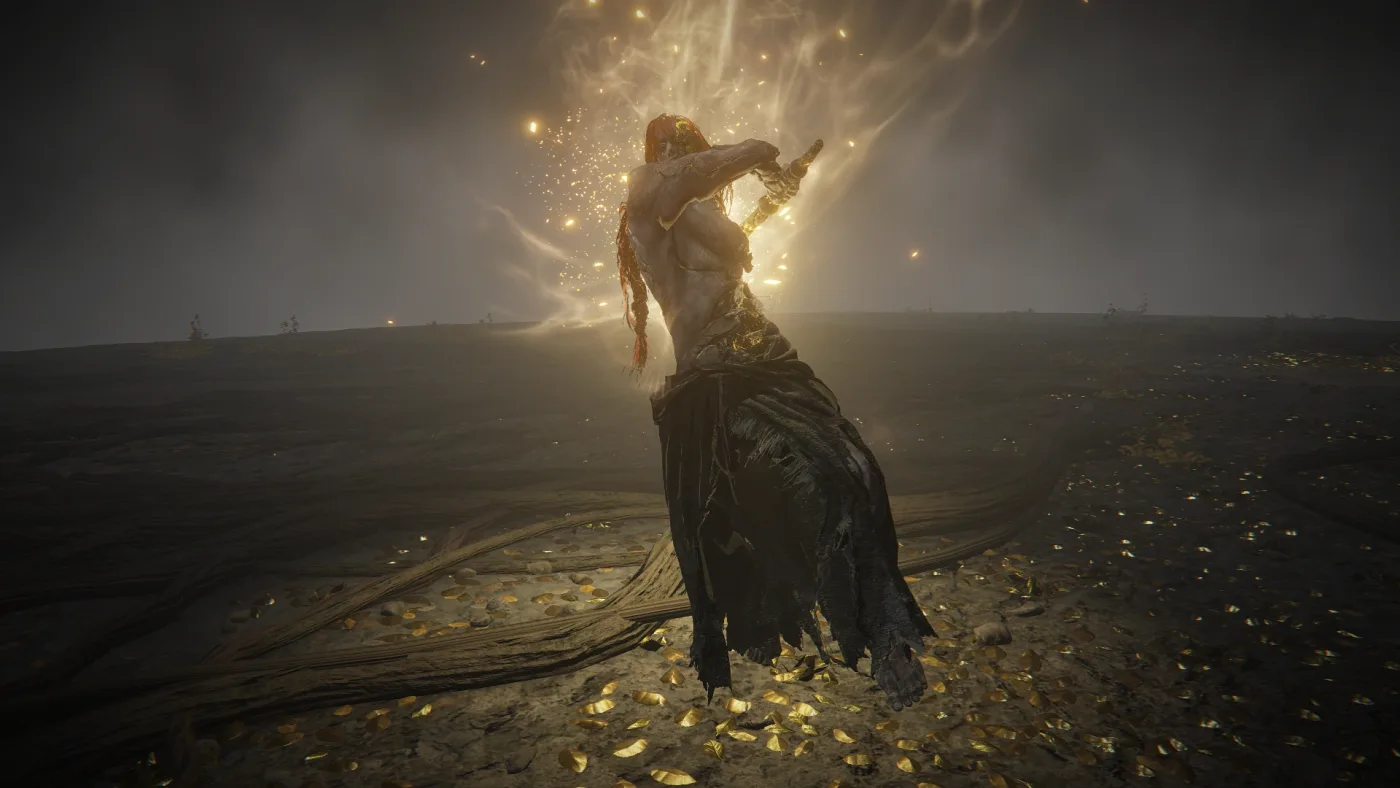
How to Beat Radagon and the Elden Beast in Elden Ring
Elden Ring's final boss is two resistance charts behind one fog gate, with no Site of Grace between them. Radagon has no fire negation at all; the Elden Beast blocks 40% of it and every status buildup. Here is what each half resists, the one damage type that works on both, the holy-defense stack they both punish you for skipping, and what the patches actually changed.
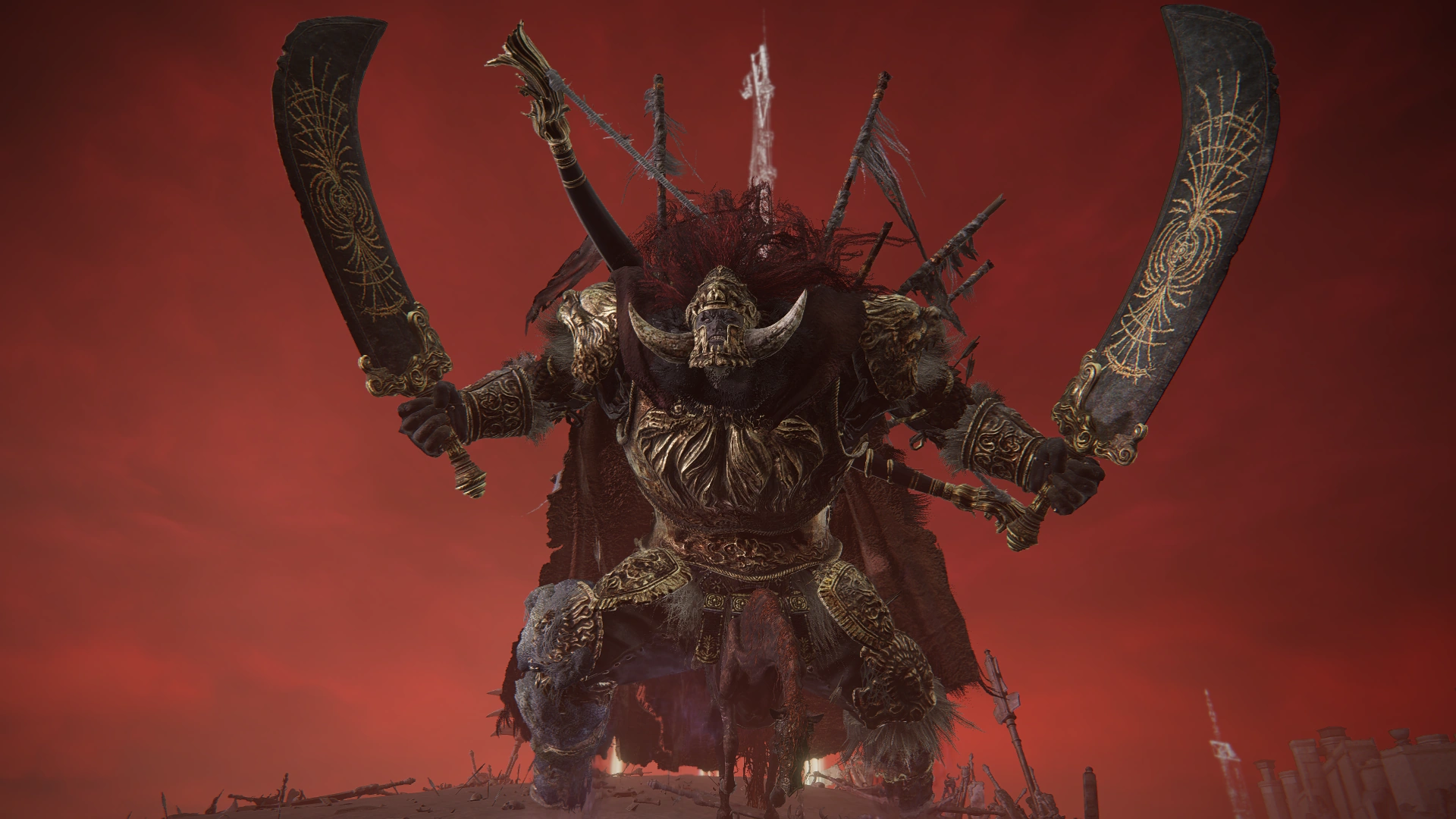
How to Beat Radahn in Elden Ring: Full Boss Guide
FromSoftware nerfed Starscourge Radahn by accident in his very first patch, then had to ship a fix just to undo it. Here is his full verified combat profile, the Radahn Festival mechanic nobody explains, and the DLC fight wearing his name that plays nothing like it.

How to Beat Mohg, Lord of Blood in Elden Ring: Full Guide
A White Mask Varré questline reward can teleport you to Mohg, Lord of Blood's fog gate straight out of Liurnia of the Lakes, hours before the game's normal pacing puts a late-game shardbearer in front of you. Here is his full verified moveset, why his own resistance data rules out the fire and frost builds his aesthetic suggests, the item built specifically to survive his Bloodboon Ritual, and the DLC access rule that still trips people up after he's already dead.
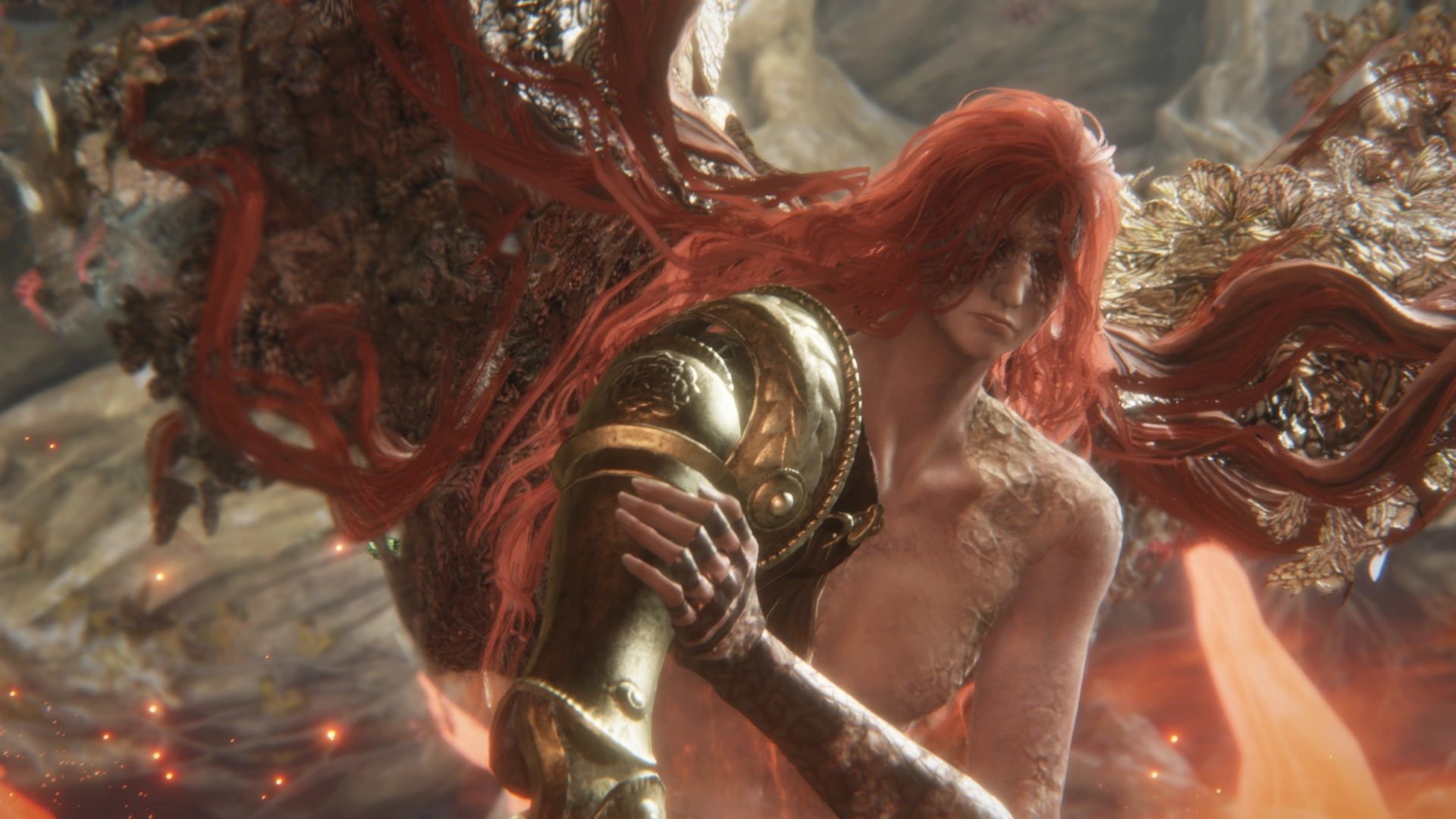
How to Beat Malenia in Elden Ring: Full Boss Guide
Bandai Namco's own anniversary infographic counted 329 million attempts against Malenia, Blade of Miquella in one year — more than any other boss the infographic broke out. The reason isn't her health bar, it's the mechanic layered on top of it: she heals off almost everything she lands. Here is her full moveset, phase by phase, the resistances that actually work, a verified damage-reduction stack, and what patches have and have not changed about the fight.

Best Elden Ring Starting Class: All 10 Origins Ranked
Every Elden Ring origin has exactly the same number of attribute points for its level — the only thing you are really choosing is where those points sit and what gear you get for free. Here is what that actually means for your first twenty hours.

Elden Ring Status Effects Guide: Bleed, Frostbite, Scarlet Rot and More
Status effects are the fastest damage in Elden Ring and the game explains almost none of the math. Here is what each proc actually does, why bleed and frostbite outclass poison, and the four hidden stats deciding whether you survive a swamp.