Fortnite Storm Surge Explained: Why You're Taking Damage
You're full health, safely inside the circle, and your shields start ticking down anyway. That's Storm Surge — the game's anti-camping mechanic punishing the players who deal the least damage. Here's exactly what triggers it, why it exists, and how to never be the one getting surged.
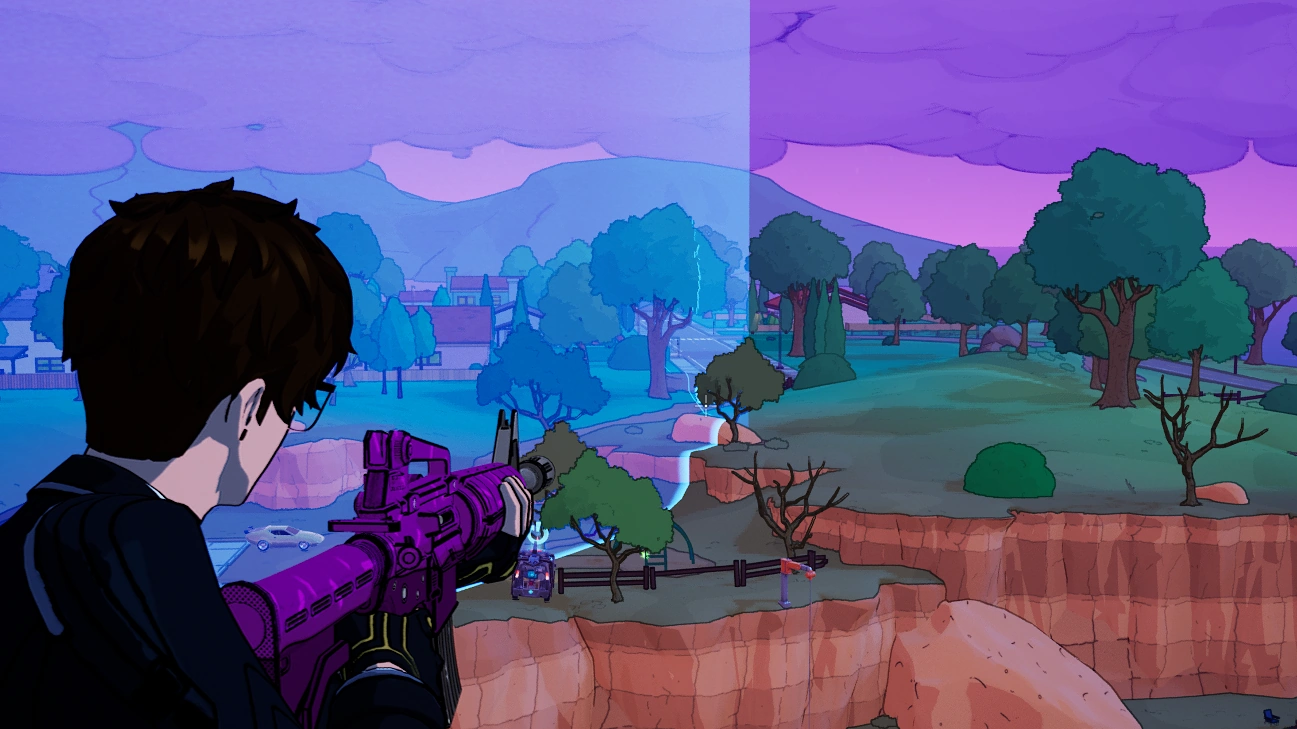
You're at full health, parked safely inside the white circle, nowhere near the storm wall — and your shield bar starts draining like something is shooting you. You spin the camera. Nothing. Then a warning flashes up: Storm Surge. Welcome to the mechanic that punishes the exact play style new players default to, which is sitting in a corner trying not to get noticed.
Storm Surge is one of Fortnite's most misunderstood systems precisely because it breaks the rule everyone learns first: stay inside the circle and you're safe. Usually true. But the game also has an anti-camping mechanic that says, in effect, "if too many of you are hiding and not fighting, we're going to start hurting the ones contributing the least." This guide explains exactly what it is, what triggers it, and — the part that actually matters — how to make sure you're never on the wrong side of it.
A note on numbers up front: the precise damage thresholds, how often the surge checks, and the tick damage all vary by mode (solo vs squads), by playlist (casual vs competitive/ranked), and Epic tunes them between updates. So this guide explains the mechanic and the strategy accurately without pinning you to exact figures that would be wrong next patch. The behavior is durable; the specific numbers are not.
You're taking damage and nobody's shooting you
The confusion is universal the first time it happens. Everything you know says the inside of the circle is the safe place — the storm is the purple wall out there, not in here. So when your health starts ticking down while you're standing in a field well inside the zone, your first instinct is that you're being shot, or that something is bugged.
Neither. The game is deliberately damaging you, and it's telling you why if you read the warning. Storm Surge is the system's way of breaking up a stalemate: when a lobby has too many players alive who are all playing passively and not dealing damage to each other, the match drags. Surge steps in, identifies the players doing the least damage, and zaps them — pushing everyone to actually engage instead of camping the timer out.
The key reframe: Storm Surge isn't random and it isn't a bug. It's a scoreboard. It looks at who's been fighting and who's been hiding, and it taxes the hiders. Once you understand that, the fix is obvious — be a fighter, or at least not the least active player in the lobby.
What Storm Surge actually is
Storm Surge is an anti-camping mechanic. Its job is to prevent matches from stalling out when a large number of players are still alive but nobody is engaging — the situation you'd get if everyone just hid in a bush or a 1x1 box waiting for others to die.
Here's the core behavior, the part that holds regardless of patch:
- It checks how much damage each surviving player has dealt. The game looks across everyone still alive at a given moment and ranks them by damage output.
- The players below a threshold get surged. If you've dealt less than the bar the game has set for that moment, you take Storm Surge damage — chip damage applied to everyone on the wrong side of the line, regardless of where they're standing inside the safe zone.
- It's about relative activity, not your location. Being deep inside the circle doesn't protect you. Surge ignores position entirely; it cares only about whether you've contributed enough damage.
- It only kicks in when too many players are alive for the stage of the game. Early on, with a full lobby, Surge isn't a factor — everyone's spread out and looting. It becomes relevant later, when the lobby should have thinned out but hasn't, because too many people are playing passively.
So the mechanic is really a forcing function: deal damage, or be flagged as a non-participant and taxed for it. It exists almost entirely to counter passive play and keep the back half of a match from turning into a hiding contest.
Why it triggers: the damage threshold
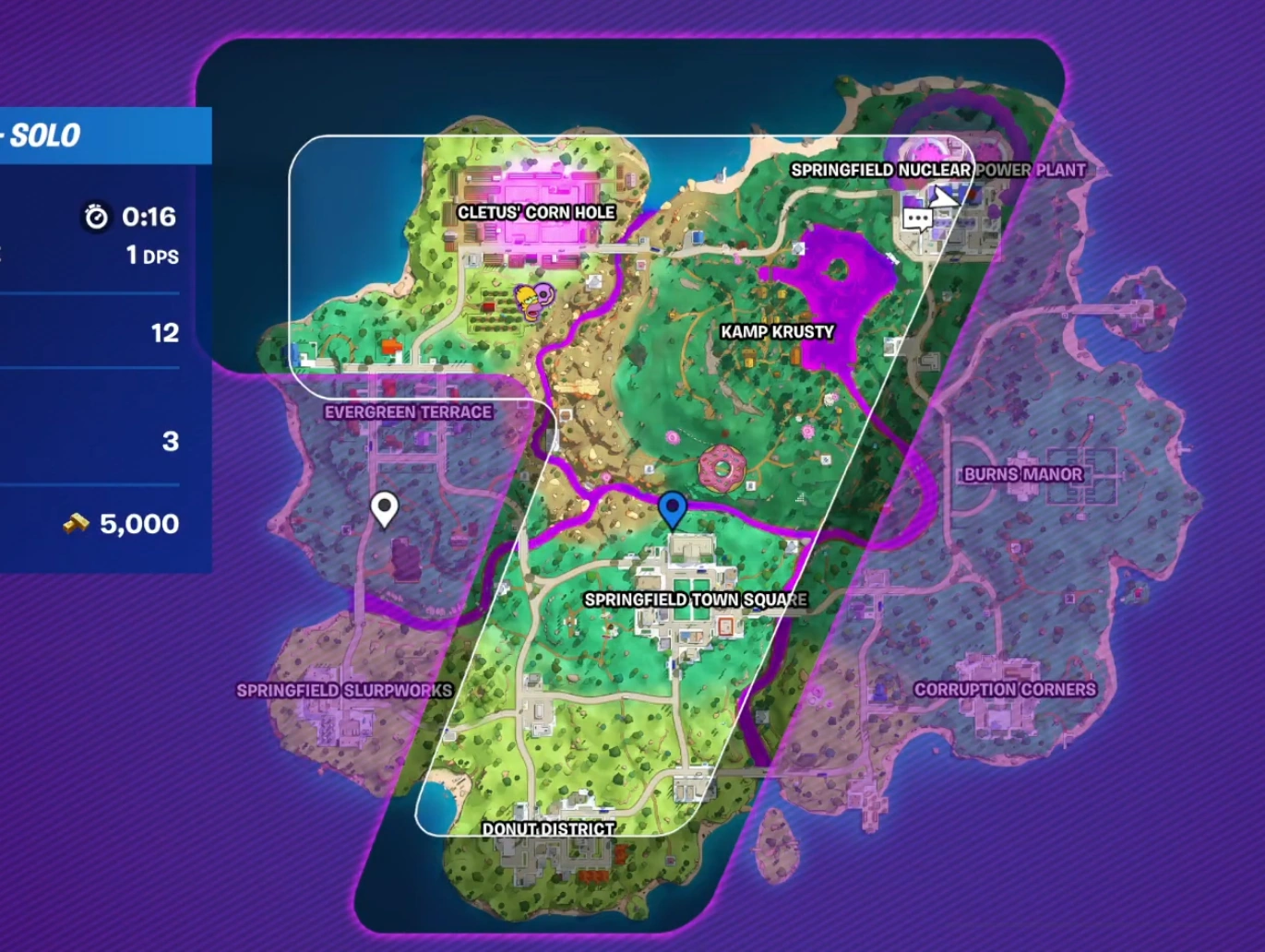
The trigger is a damage threshold, and understanding it removes all the mystery. At certain points in a match, the game sets a minimum amount of damage it expects surviving players to have dealt. Anyone under that minimum is on the surge list.
How to think about the threshold without needing exact numbers:
- It scales with how many players are alive. The more players still in the match at a stage where the game expects fewer, the more aggressive Surge gets — because the whole point is to thin out an over-full lobby.
- The bar is relative to the lobby. You don't need to top the damage charts. You need to not be in the bottom group that's dragging the match. Being middle-of-the-pack on damage is generally enough to stay clear.
- It re-checks over time. Surge isn't a one-time event. As the match goes on and the lobby stays too full, it can trigger again, and the threshold can climb. So "I dealt some damage twenty minutes ago" doesn't bank you safety forever.
- Damage dealt counts — not kills. You don't have to finish anyone. Shots that connect, builds you break, chip damage in a skirmish — it all counts toward keeping you above the line. This is why even passive-leaning players can stay safe by just participating in fights rather than winning them outright.
- Mode and playlist change the tuning. Squads, solos, casual, and ranked/competitive all dial the threshold and timing differently, and Epic adjusts it across updates. The shape stays the same; the exact bar moves.
The practical takeaway: Storm Surge is asking one question of you — "have you been fighting?" If the answer is yes, even modestly, you're fine. If you've been hiding all game, the threshold is how the game finds you.
How to avoid getting surged
Avoiding Surge is genuinely simple once you know what it measures: deal damage and stay active. You don't need to be a fragging machine — you need to not be the least-active player in the lobby. Concretely:
- Take fights you can win, especially early and mid-game. Every fight you engage banks damage. You don't need the kill; landing shots counts. Early aggression is the cheapest Surge insurance there is.
- Shoot to chip, not just to kill. Tagging an enemy across a gap, breaking someone's builds, hitting a player you can't fully push — all of it adds to your damage number. If you see a safe poke, take it.
- Don't hard-camp the whole match. The play style Surge exists to punish is sitting in one spot doing nothing. Even if you're a passive, survival-first player, you have to participate in some fighting to stay above the line.
- Track the alive count. If a lot of players are still alive deep into the match, Surge is coming — reading the lobby like this is your cue to go find damage now, before the threshold rises and your shields start draining.
- In squads, the team shares the pressure. A team that collectively isn't dealing damage gets surged. Coordinate to take fights so your squad isn't the passive one — and don't rely on one teammate to carry the damage load if the others are hiding.
The mindset that keeps you safe: treat dealing damage as a background objective you're always topping up, the same way you keep your shields full. A few fights' worth of damage across a match is usually all it takes, and it has the nice side effect of making you a better, more aggressive player anyway. Pair that with solid endgame positioning and you'll arrive at the final circles healthy and off the surge list.
Storm Surge in the endgame
Storm Surge matters most in the back half of the match, and it interacts directly with how you should play the endgame. When the lobby is still too full late — say a big cluster of players all bunkered up on high ground or in boxes refusing to commit — Surge is the tiebreaker that forces action.
What this means for your endgame:
- Passive turtling has a hard limit. You can't simply out-survive a crowded late game by hiding; the game will eventually tax you for it. At some point you have to trade damage with someone.
- The damage-dealers are insulated; the campers aren't. If you've been fighting your way through the match, you arrive at the endgame comfortably above the threshold and Surge isn't your problem — it's the problem of the players who hid. Use that. Push the passive players, because they're the ones the surge is already pressuring.
- It speeds up an over-full final zone. A clogged endgame with too many survivors resolves faster because Surge starts thinning the passive players, which opens up the fights for the active ones. Position to clean up players who are getting chipped by both you and the surge.
- Don't let Surge catch you stacking heals. If you spend the late game only healing and never shooting, you can still end up on the wrong side of the threshold. Keep poking.
Storm Surge basically rewards the same endgame habit good players already have — controlled aggression. The players punished by it are the ones trying to win by doing nothing, which was never a viable plan anyway.
Storm Surge vs the regular storm
It's worth separating the two, because they share a look and a name but work completely differently.
| The regular storm | Storm Surge | |
|---|---|---|
| What it is | The purple wall that shrinks the play area | An anti-camping damage mechanic |
| Where it hits | Anyone caught outside the safe circle | Players inside the safe zone who dealt too little damage |
| What triggers it | The zone timer shrinking the circle | Too many players alive who aren't dealing enough damage |
| How you avoid it | Stay inside the circle, rotate ahead of it | Deal damage / stay active; don't be the lowest contributor |
| When it matters | The whole match, ramping up late | Mainly the mid-to-late game when the lobby is over-full |
The regular storm is about position — be in the right place. Storm Surge is about participation — be doing the right thing. You can be perfectly positioned, dead center in the safe zone, and still get surged because you haven't fought. They're two separate checks, and a good player passes both: rotate ahead of the storm and deal enough damage to stay off the surge list. For the positioning half of that equation, our rotation guide covers reading and beating the regular storm.
Quick Action Checklist
Stay off the surge list and let it punish the campers instead:
- Understand Surge is a scoreboard, not a bug — it taxes the players dealing the least damage
- Deal damage all match — you need shots that connect, not necessarily kills
- Chip damage counts — tagging enemies and breaking builds keeps you above the threshold
- Don't hard-camp — even passive players must participate in some fights
- Watch the alive count — too many players alive late means Surge is coming; find damage now
- In squads, share the load — a passive team gets surged together
- In the endgame, push the campers — they're the ones Surge is already pressuring
- Don't only heal late — keep poking so you stay off the threshold
- Remember Surge ignores location — being deep in the safe zone does not protect you
Frequently Asked Questions
What is Storm Surge in Fortnite?
Why am I taking damage in Fortnite when I'm inside the circle?
How do you avoid Storm Surge in Fortnite?
What triggers Storm Surge?
Does Storm Surge happen in every Fortnite mode?
Is Storm Surge the same as the storm in Fortnite?
Keep Reading
Related Guides
Fortnite Reload Nitemare Island: Map, Loot and Rewards
Nitemare Island came back to Reload on October 8 with something the 2025 version never had: a match modifier that hands you a rival and pays out a Kado Thorne Exotic when you drop them. Here is the map, the three-map rotation it sits in, the loot you can only find there, and what the new Ranked and Map Mastery tracks pay.

Fortnite Blitz Royale Guide: How the 5-Minute Mode Works
Blitz Royale was meant to close on July 15, 2025. Fifteen months later it has its own dev team, a $1,000,000 mobile tournament and a victory emote you can only earn inside it. Here is how a match actually runs: the kit everyone lands with, what Blitz Levels pay out, where the gold loot is, how fast the storm kills, and what Epic has and has not changed this season.

Fortnite Kingdom Hearts Skins: Price, Keyblade and More
Our Chapter 7 Season 4 weapons post named the Kingdom Key and Rebecca's Guns as arrivals Epic had announced but not shipped — 'neither is in the pool yet,' it said, three weeks ago. Update v42.20 shipped both, plus a four-skin Kingdom Hearts bundle tied for the most expensive in the game's history, four new Sprites, and six new Match Overrides. Here's what actually landed, what it costs, and what Epic still hasn't published.

Fortnite OG Season X: The BRUTE and Rift Zones Return
Our OG mode guide explains how the permanent playlist works in general. It doesn't tell you what's live right now, because that changes every season — and on September 3, the tenth one brought back a two-person mech, a fully automatic sniper, and three Rift Zones with rules of their own.
Fortnite Weapon Tier List: How to Rank Any Loot Pool
Any Fortnite tier list is stale the second a patch drops. So instead of memorizing this season's gun names, learn how to rank weapons by class and role — the framework that's S-tier in every season.

Best Fortnite Settings for PC & Console
Half your settings menu is noise; a handful of options decide whether you can see, aim, and build. Here's what to change on PC and console, why, and the one number nobody else can pick for you.