Fortnite Game Sense Guide: Reading Fights and the Lobby
Mechanics decide who wins a fight; game sense decides which fights you take. Reading third parties, the storm, the sounds and builds around you, and the numbers left in the lobby is the skill that turns a good shot into a player who keeps reaching endgame. Here's how to train it.
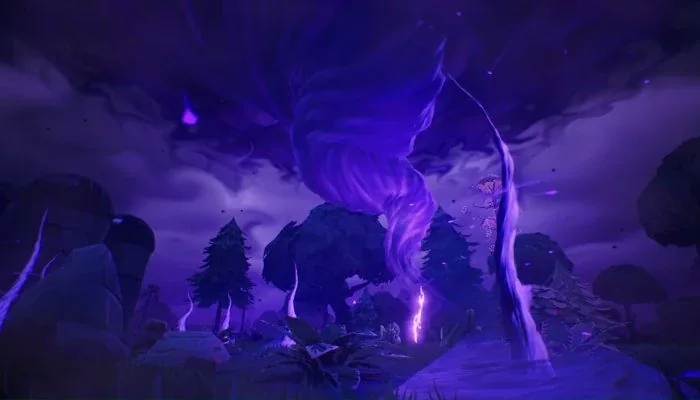
Two players have identical aim and identical builds. One dies 14th every game; the other keeps reaching the final ten. The difference isn't mechanics — it's that one of them keeps walking into fights they can't win and the other keeps fighting on their own terms. That's game sense: not how well you shoot, but how well you decide when and whether to shoot at all. It's the least flashy skill in Fortnite and the one that most reliably separates players who plateau from players who climb.
Mechanics get all the highlight clips, but game sense is what decides how often you're in a fight you should be in. This guide breaks it into the calls that actually move your placement: the fight-or-disengage decision, reading third parties before they read you, tracking the lobby and the storm, pulling information out of sounds and builds, and playing the numbers as the game shrinks. All of it is trainable, and none of it needs better aim.
What game sense actually is
Game sense is the running model in your head of what's happening around you and what's likely to happen next — and the decisions you make off that model. It's the answer to a constant stream of questions you may not even notice you're asking:
- Where are the enemies near me, and how many?
- Is this fight winnable, or am I about to get caught out?
- Who's about to hear this fight and show up?
- Where is the storm pulling me, and when do I need to leave?
- How many people are left, and how does that change what I should do?
Good players answer these almost automatically. Beginners answer them too late or not at all — which is why they get third-partied, caught in the open, or stuck in a fight they should have walked away from. The good news: every one of these is a learnable habit, not innate talent. You build game sense by playing with attention and reviewing what went wrong, the same way you build aim by drilling reps.
The core question: fight or disengage
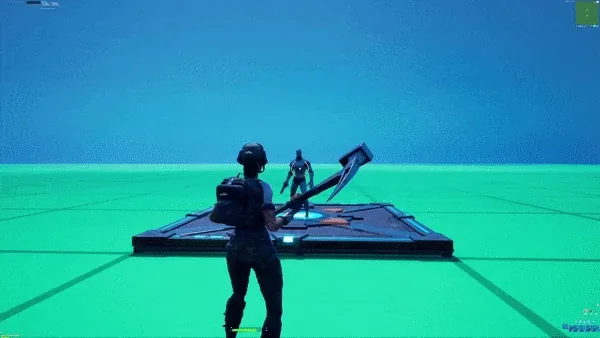
The single highest-value game-sense skill is fight selection — knowing which fights to take and which to walk away from. Most players treat every enemy they see as a fight to win. Strong players treat every enemy as a question: is this worth it right now?
Run a fast checklist before you commit:
- Do I have an advantage? Higher ground, better health/shield, more materials, a better weapon for this range, the element of surprise. If you're behind on most of these, you're taking a coin-flip at best.
- Who else can hear this? A loud fight in the open mid-game is a dinner bell. Even if you win, you might be at half health when someone else arrives.
- What do I actually gain? Early game, a fight for loot you don't need is pure risk. Late game, a kill might be necessary to win — different math.
- Can I disengage cleanly if it goes bad? If there's no exit — no mats, no mobility, no cover — a fight you start is a fight you're committed to.
Disengaging isn't cowardice; it's selecting a better fight later. Breaking off a 50/50 in the open to reset and re-engage with high ground is one of the most underrated plays in the game. The players who reach endgame consistently aren't the ones who win every fight — they're the ones who only take fights they're already winning.
Reading third parties before they read you
A third party is when a player (or team) jumps into your fight while you're already low and distracted — and in Fortnite it's how a huge share of deaths actually happen. You win the duel, you're at 40 health with no shield, and someone who heard the whole thing pushes you. Reading and managing third parties is core game sense.
How to stay ahead of it:
- Assume every fight has an audience. If you can hear a fight, others can hear yours. Plan as if a third party is coming, because often one is.
- Finish fast or break off. The longer a fight drags, the more time a third party has to arrive. A quick, decisive win (or a clean disengage) shrinks the window.
- Heal and reposition the instant a fight ends — don't stand in the open admiring your kill. The seconds right after a fight are when you're most vulnerable.
- Be the third party, on your terms. Hearing a distant fight is information: two players are busy and weakening each other. Pushing a fight late, after both sides are low, is high-value — but only if you can get there before they finish and reset.
The mindset shift is to stop thinking of fights as 1v1s. Most are 1v1-plus-whoever-heard-it, and the players who account for that survive the ones who don't.
Lobby and storm awareness
Game sense isn't only about the enemy in front of you — it's about the whole match state. Two things you should always have a rough read on: where the storm is going and how the lobby is positioned.
On the storm:
- Know the next zone before you need to move. Check the map when the new circle appears and plan your rotation early, so you're moving through cover ahead of the storm instead of sprinting across the open behind it. Getting caught mid-rotation in the open is one of the most common deaths in the game — our Fortnite rotation guide is the deep dive on this.
- Use the storm as a tool, not just a threat. It funnels everyone toward the same shrinking space, which means you can predict where fights will happen and choose whether to be there. Holding the edge of the zone, taking the storm side, or beating others to high ground are all storm-aware plays.
On the lobby: pay attention to where fights are breaking out (tracer fire, builds going up, kill feed) so you have a rough map of where players are clustered and where it's quiet. Quiet sides of the map are safer rotations; loud clusters are places to avoid — or to third-party deliberately. You don't need perfect information, just a constantly updating sense of "where is everyone and where am I relative to them."
Reading the info sounds and builds give you
Fortnite hands you a constant stream of information if you're paying attention. The two biggest free sources are audio and enemy builds.
Audio is the most underused sense-builder in the game:
- Footsteps tell you direction and distance. Headphones turn stereo sound into a directional map — you can often tell where an enemy is, and roughly how close, before you see them. Play with headphones and effects loud; it's not optional at a high level.
- Gunfire is a map of the lobby. Distant shots tell you where fights are and which directions are hot. Close shots not aimed at you mean a fight nearby you can avoid or third-party.
- Build sounds, chest dings, and footsteps after a fight all leak position. Learn to register them instead of tuning them out.
Builds are the other huge tell. How someone builds tells you how good they are and what they're about to do. A player who instantly walls and takes high ground is experienced and dangerous — respect it. A player who panic-builds a wobbly tower is rattled and probably beatable. Builds also reveal position and intent: a wall thrown up means they heard you; a ramp pushed toward you means they're committing; cones and quick edits mean they're playing the box. Reading builds is reading the opponent's plan in real time, and it tells you whether to push, hold, or leave.
Playing the numbers
How you should play changes completely depending on how many players are left, and adjusting to that is pure game sense.
- Early game (lots alive): Survival and setup matter more than kills. There's no prize for an early-game fight that leaves you weak with 80 players still around. Loot, position, and avoid unnecessary risk.
- Mid game (lobby thinning): This is where positioning starts to dominate. Rotate well, take fights only with an advantage, and start tracking where the surviving players are clustering.
- Late game / endgame (single digits): Now placement is on the line and every decision is magnified. Height, materials, and not getting third-partied matter most. Sometimes the right play is to let two other players fight and clean up the survivor; sometimes you have to take height aggressively before someone else does. Our Fortnite endgame strategy guide covers the final-circle decisions in depth.
The broad principle: the more people are alive, the more you play for survival; the fewer are left, the more each fight is worth taking. Chasing kills in the early game while ignoring placement is the single most common reason good shooters get bad results. Reaching endgame consistently teaches you more — and ranks you higher — than dying 14th with three kills every match.

How to actually train game sense
Unlike aim, you can't grind game sense on a target gallery. But it's still trainable, and these habits build it fastest:
- Play with intent, not autopilot. Pick one focus per session — "I will only take fights with an advantage," or "I will rotate before the storm, every time" — and actually hold yourself to it. Intentional matches teach decision-making; mindless queuing doesn't.
- Review your deaths. This is the big one. After a session, rewatch how you died (replays or recordings) and ask: was that fight winnable? Did I get third-partied because I lingered? Was I caught in the open because I rotated late? Naming the real cause — and spotting when it's a pattern — is how you stop repeating it. See how to get better at Fortnite for the full review loop.
- Narrate your reads. As you play, quietly state what you think is happening: "fight to my east, two players, I'll rotate around it." You'll be wrong a lot at first; being wrong out loud is how you calibrate.
- Watch better players for decisions, not mechanics. When you watch a strong player, ignore the flashy edits and ask why they made each call — why they disengaged, why they rotated when they did, why they pushed. That decision layer is the part you're trying to absorb.
Game sense compounds. Every match you play with attention and every death you actually review makes the next set of decisions a little more automatic, until reading a fight stops being a conscious effort and just becomes how you see the lobby.
Quick Action Checklist
The game-sense habits that move your placement:
- Treat every enemy as a question — only take fights where you have an advantage and a clean exit
- Disengage 50/50s in the open and reset to re-engage on your terms
- Assume every fight has an audience — finish fast, then heal and reposition immediately
- Be the third party when you hear two players weakening each other
- Plan your rotation early off the next zone; never get caught crossing the open behind the storm
- Play with headphones and loud effects — footsteps and gunfire are a live map of the lobby
- Read enemy builds — clean builds mean a dangerous player; panic builds mean a beatable one
- Play the numbers — survive and set up early, take more fights as the lobby shrinks, prize placement over early kills
- Review your deaths every session and name the pattern, then fix that one thing
Frequently Asked Questions
What is game sense in Fortnite?
How do I know when to fight or disengage in Fortnite?
How do I avoid getting third-partied in Fortnite?
How does storm and lobby awareness improve my Fortnite game sense?
What information can I get from sounds and builds in Fortnite?
How do I train game sense in Fortnite?
Keep Reading
Related Guides
Fortnite Third-Partying Guide: When to Push, When to Hold
Third-partying is the most reliable way to win a fight without earning it — you let two players gut each other, then collect. But the same logic points back at you the second you start shooting. Here's how to be the third party instead of the corpse two of them split.

Fortnite Duos & Trios Strategy: How to Win in Small Teams
Duos and Trios aren't just Squads with empty slots. With fewer guns, every knock swings the math harder, every res is riskier, and one bad split loses the game. Here's how to play 2s and 3s — roles, comms, trading, reboots, shared loot, and third-partying as a small unit.
Fortnite Weak Spots & Aiming Guide: Where to Aim
Two players land the same shots and one does way more damage. The difference isn't aim — it's where they're aiming. Here's the where: headshots and weak spots, crosshair centering, pre-aiming, tracking vs flicking, and aiming the gaps in someone's build.
Fortnite Tunneling Guide: Cross Open Ground Without Dying
Tunneling is how good players cross open ground while being shot at and live to fight in the next zone. It's the move-and-rebuild rhythm that turns a death-march across a field into a moving box nobody can crack. Here's how to actually do it.
Fortnite Weapon Tier List: How to Rank Any Loot Pool
Any Fortnite tier list is stale the second a patch drops. So instead of memorizing this season's gun names, learn how to rank weapons by class and role — the framework that's S-tier in every season.
Best Fortnite Settings for PC & Console
Half your settings menu is noise; a handful of options decide whether you can see, aim, and build. Here's what to change on PC and console, why, and the one number nobody else can pick for you.