Fortnite Crosshair Placement Guide: Aim Less, Hit More
The best aimers in Fortnite barely move their crosshair — it's already where the enemy's head is going to be. Here's how crosshair placement works, why it beats raw flick speed, and how to drill it into muscle memory.
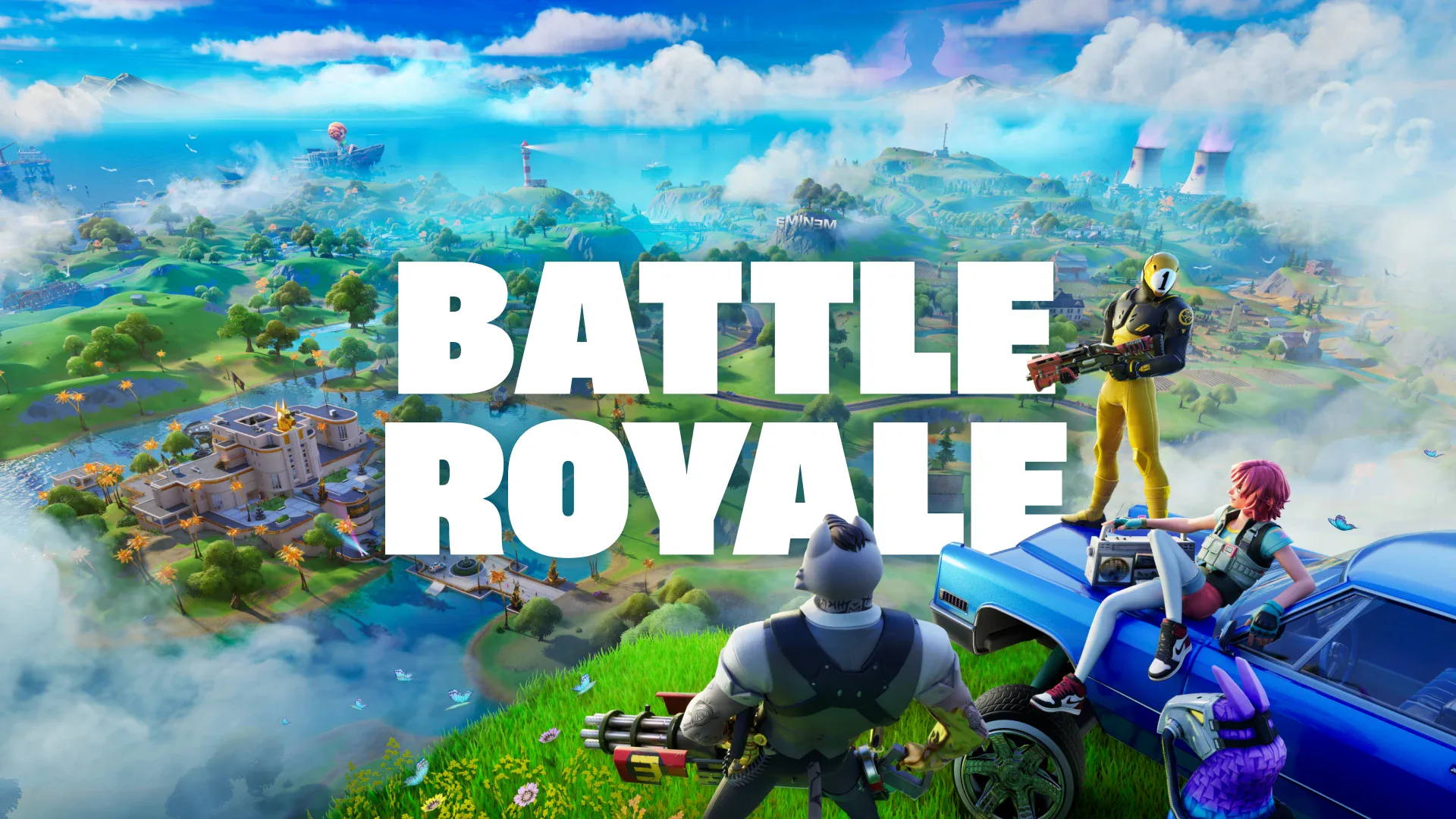
Watch a clip of a top Fortnite player and you'll notice something that looks like cheating: the enemy peeks, and they're just dead. No dramatic flick, no crosshair sweeping across the screen to find the target. The gun was already pointed at the exact spot the head appeared. That's not superhuman reaction time. That's crosshair placement, and it's the single most underrated aiming skill in the game.
Most players who want to aim better go straight to sensitivity tweaks and flick-training maps. Those matter, but they're the second thing. If your crosshair is sitting on the ground, on a wall, or floating in the sky when a fight starts, no amount of raw hand speed saves you — you're covering more distance to the target than the person who parked their aim at head height and simply pulled the trigger. Good placement means you aim less and hit more. This is the whole idea.
What crosshair placement actually is
Crosshair placement is where your aim rests before you need to shoot. It's the difference between reacting to a target and being ready for one. Every gunfight has a moment where an enemy becomes visible — cresting a hill, stepping out from a wall, dropping from a build. The question is how far your crosshair has to travel from where it was to where the head is. Great placement makes that distance almost zero.
Think of it as pre-loading the shot. Raw aim — the flicks and tracking covered in the Fortnite aim training guide — is what you use to correct once the fight is live. Placement is what you set up beforehand so the correction is tiny. The two work together: you place well so your mechanics have less work to do, and you train mechanics so the correction lands when placement isn't perfect. But placement is the cheaper skill to build and it pays off immediately, which is why it should come first.
The mental model that helps: your crosshair is a flashlight and you should always be pointing it at the most dangerous spot on screen. If you're holding an angle, the flashlight points at that corner. If you're pushing, it points at the doorway or edge the enemy is behind. It is almost never pointing at nothing.
Rule one: keep it at head level
The first and biggest fix for most players is vertical. Beginners walk around with their crosshair aimed at the floor a few feet in front of them, or drifting up at the skyline. Then a fight starts and they have to yank the aim up (or down) to the enemy's head and correct horizontally at the same time. That's two adjustments under pressure instead of one.
The fix is a habit: hold your crosshair at head height as you move. Roughly where a standing player's head would be at the range you expect to fight. When you round a corner or a build, the enemy's head is already close to your dot, so the only correction left is left-or-right. You've cut your aiming work in half before the trigger's even pulled.
This matters more in Zero Build and in open fights where players are at ground level, but it applies everywhere. The specific payoff is headshots — and headshots are the entire economy of a fight, since a head hit deals dramatically more damage than a body shot on almost every weapon. The weak spots and headshots guide breaks down the multipliers, but the short version is that head-level placement is what turns a two-second kill into a one-second kill. Keep the dot up.
Rule two: pre-aim where they will be
Head level is the vertical half. Pre-aiming is the horizontal half: aiming at the specific spot an enemy is about to appear, before they appear.
When you approach a wall you know someone is behind, don't point at the center of the wall — point at the edge they'll step out from. When you're about to swing a corner, your crosshair should already be hugging that corner as you come around it, not trailing behind your movement. When you're pushing a box, pre-aim the wall they're most likely to edit or peek. You are placing your crosshair on the future, not the present.
This is why experienced players seem to have information they shouldn't. They don't — they've just learned the handful of spots a fight tends to happen from and they aim there preemptively. A peek from a corner has maybe three plausible exit points. Pre-aim the most likely one and you win the coinflip more often than not. Get it wrong and you're still only a small correction away, because you were at least at the right height and in the right neighborhood.
The habit to drill: as you move through the map, ask "if someone shoots me right now, where are they?" and point your crosshair there. Do it constantly and it stops being a question you ask — it becomes where your aim naturally lives.
Placement changes with your weapon
The right placement isn't one fixed spot; it shifts with what's in your hands, because different weapons want different engagement distances and different levels of precision.
Assault rifles and SMGs
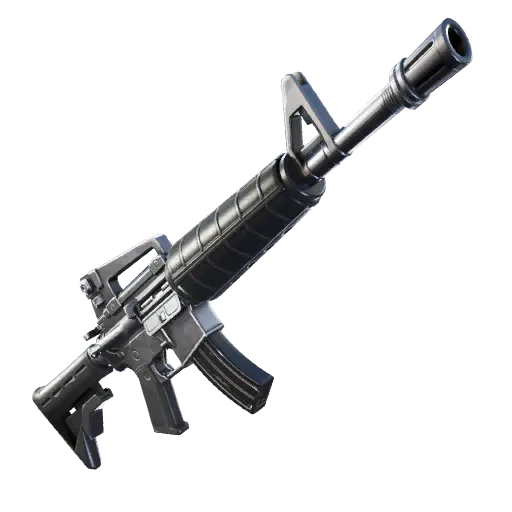
Automatic weapons are your medium-range tools and they're the most placement-dependent guns in the game. Because you're firing a stream of bullets over time, a crosshair sitting at head level lets you rip the first few rounds straight into the head and then micro-adjust as the target moves. Park the dot at head height, pre-aim the angle, and let the sustained fire do the work. SMGs up close are more forgiving on precision but reward the same discipline — head level, on the edge they'll peek, so your spray starts on target instead of climbing to it.
Shotguns and close range
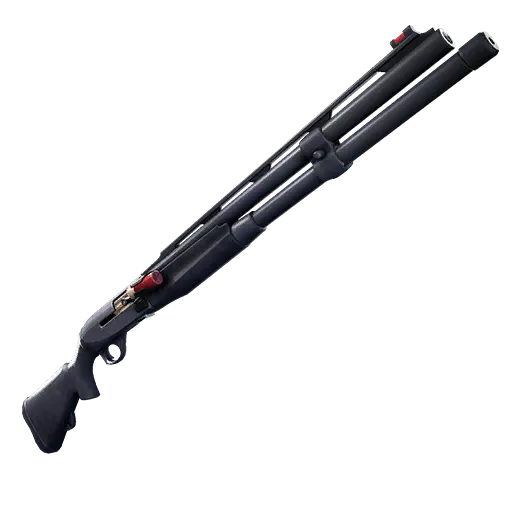
Shotguns are a different beast because they're about the single decisive shot, not sustained tracking. Close range also means the enemy's head fills more of your screen and moves faster across it, so your crosshair placement has to be tighter and more reactive. The key with shotguns is to pre-aim head level at the exact gap or edit you're pushing through — when the box opens, you want to already be looking at where their head sits, so your one shot is a max-value hit instead of a chest graze. Our shotgun guide covers the timing, but placement is the half that makes the timing matter: a perfectly timed shot aimed at someone's stomach still under-delivers.
Snipers and marksman rifles
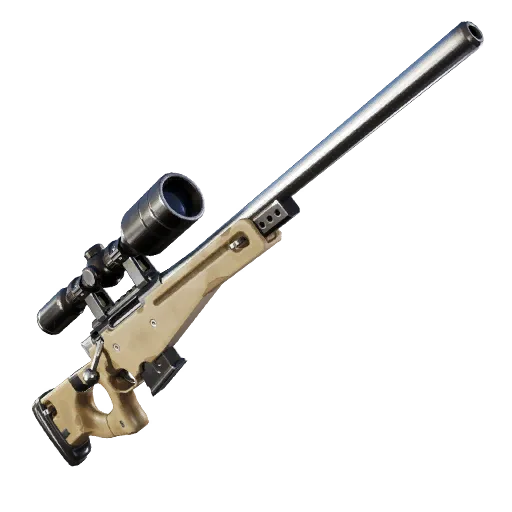
Snipers flip the priority. You're not tracking or spraying — you're waiting for a head to cross a fixed point. That makes pre-aiming everything. Before you scope, place your crosshair on the precise spot the enemy will peek — the edge of their wall, the top of their ramp — then scope in and hold. When they show, you don't move; they walk into your shot. Chasing a sniper target with your aim is how you miss. Pick the spot, pre-aim it, and let them come to the dot. This is placement in its purest form: near-zero correction, maximum reward.
Placement inside build fights
Build fights add a layer, because now the enemy is behind their own structures and the "spots they'll appear from" are edits and takes rather than natural cover. The principles are identical, they just move faster.
When you're in a box fight, your crosshair should live on the wall the opponent is most likely to edit through — usually the one between you — at head height, so the instant they open an edit you're already looking at their head. When you take a wall with piece control, pre-aim the space behind it before you place, because the moment your wall replaces theirs you may have a shot on an exposed enemy. When someone's retaking high ground on you, aim the seam where their ramp meets their wall — that's where their body peeks as they climb.
The mistake in build fights is letting your crosshair follow your building instead of the threat. Your off-hand throws up walls and ramps; your aim should stay glued to where the enemy is, not drift to the piece you're placing. Decoupling those two — building with one part of your brain while your crosshair independently tracks the opponent — is one of the real skill jumps in Build mode.
The mistakes that wreck your crosshair
A short list of the placement errors that quietly cost people fights:
- Crosshair on the ground. The most common one. You walk around aiming at your own feet and every fight starts with a panicked flick upward. Fix the vertical first; it's the highest-value change you can make.
- Aiming at cover instead of the edge. Pointing at the middle of a wall someone's hiding behind does nothing. Point at the corner they'll actually step out from.
- Following your movement, not leading it. If your crosshair trails behind you as you swing a corner, you're always late. Lead with the aim so the corner is covered before your body clears it.
- Sensitivity too high to hold a spot. If you physically can't keep the dot steady on a head-level point, your sens is fighting you. Dial it into a range where placement is stable — the best Fortnite settings guide covers finding that number.
- Over-aiming after a miss. Miss a shot and the instinct is to whip the crosshair around hunting for the target. Reset to the likely spot and re-pre-aim instead of spraying your aim everywhere.
Drills that make it automatic
Placement is a habit, and habits are built by repetition, not by reading. A few ways to actually train it:
- The head-level walk. Load any map — even just running around a normal match's early game — and consciously hold your crosshair at head height the entire time you move. It feels unnatural for a session and then it becomes your default. This one drill fixes the biggest placement leak on its own.
- Corner pre-aim reps. In Creative or against bots, practice swinging corners with your crosshair already hugging the edge before you clear it. Do it slow until the aim leads automatically, then speed up.
- Sniper hold drills. Pick a spot on a wall, scope in, and hold dead still, resisting the urge to move. Have a friend or bot peek it. Train the patience of letting the target come to a fixed crosshair.
- Box-fight edit-watching. In a 1v1 or box-fight map, drill keeping your crosshair on the shared wall at head level while you build and reposition. The goal is for your aim to stay locked on the threat while your hands do the building independently.
- VOD-check your placement. Watch your own replays and pause the instant before each fight. Where was your crosshair? If the answer is "the floor" or "nowhere useful" more often than not, you've found free wins.
Ten focused minutes a day of the head-level walk plus corner reps will change your aim faster than an hour of flick-training maps, because you're fixing where the fight starts instead of grinding the part that only matters after it's already going badly. Placement first, mechanics second — that's the order that actually makes you hit more.
Quick Action Checklist
- Hold your crosshair at head height whenever you move — this is the biggest single fix
- Pre-aim the edge an enemy will peek, not the cover they're behind
- Lead your aim into corners as you swing, don't let it trail your movement
- With ARs/SMGs, park the dot at head level so your spray starts on target
- With shotguns, pre-aim the exact gap you push so your one shot is a head hit
- With snipers, pick the spot, scope, and hold — let them walk into it
- In build fights, keep your crosshair on the threat, not on the piece you're placing
- Drop your sensitivity into a range where you can hold a head-level point steady
- Drill the head-level walk and corner pre-aim ten minutes a day
Frequently Asked Questions
What is crosshair placement in Fortnite?
Why is head-level crosshair placement so important?
What does pre-aiming mean in Fortnite?
Does crosshair placement change depending on my weapon?
How is crosshair placement different from aim training?
How do I keep my crosshair on the enemy while building?
What is the best drill to improve crosshair placement?
Keep Reading
Related Guides
Fortnite Reload Nitemare Island: Map, Loot and Rewards
Nitemare Island came back to Reload on October 8 with something the 2025 version never had: a match modifier that hands you a rival and pays out a Kado Thorne Exotic when you drop them. Here is the map, the three-map rotation it sits in, the loot you can only find there, and what the new Ranked and Map Mastery tracks pay.
Fortnite Blitz Royale Guide: How the 5-Minute Mode Works
Blitz Royale was meant to close on July 15, 2025. Fifteen months later it has its own dev team, a $1,000,000 mobile tournament and a victory emote you can only earn inside it. Here is how a match actually runs: the kit everyone lands with, what Blitz Levels pay out, where the gold loot is, how fast the storm kills, and what Epic has and has not changed this season.
Fortnite Kingdom Hearts Skins: Price, Keyblade and More
Our Chapter 7 Season 4 weapons post named the Kingdom Key and Rebecca's Guns as arrivals Epic had announced but not shipped — 'neither is in the pool yet,' it said, three weeks ago. Update v42.20 shipped both, plus a four-skin Kingdom Hearts bundle tied for the most expensive in the game's history, four new Sprites, and six new Match Overrides. Here's what actually landed, what it costs, and what Epic still hasn't published.
Fortnite OG Season X: The BRUTE and Rift Zones Return
Our OG mode guide explains how the permanent playlist works in general. It doesn't tell you what's live right now, because that changes every season — and on September 3, the tenth one brought back a two-person mech, a fully automatic sniper, and three Rift Zones with rules of their own.
Fortnite Weapon Tier List: How to Rank Any Loot Pool
Any Fortnite tier list is stale the second a patch drops. So instead of memorizing this season's gun names, learn how to rank weapons by class and role — the framework that's S-tier in every season.
Best Fortnite Settings for PC & Console
Half your settings menu is noise; a handful of options decide whether you can see, aim, and build. Here's what to change on PC and console, why, and the one number nobody else can pick for you.