Best Cantrips in MTG, Ranked: Cheap Card Selection
A cantrip replaces itself and fixes your next few draws for one mana. That is the quiet engine under every consistent blue deck. Here are the best cantrips in Magic, ranked — and the trap of running them in a deck that does not want them.
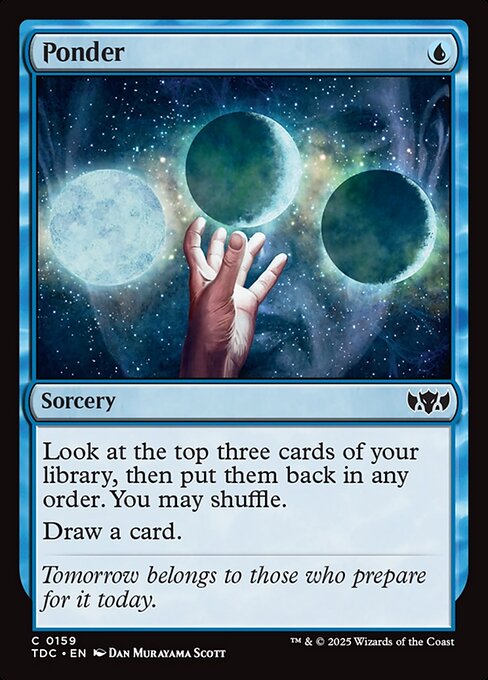
Every consistent blue deck you have ever lost to was quietly running eight to twelve cards that did nothing on the board. No creatures, no removal, no impact you can point at in the replay. They just drew a card, fixed the next few draws, and moved on. That is a cantrip, and it is the least flashy, most format-defining card type in Magic. A cantrip does not win the game. It makes sure you draw the cards that do.
The word is old slang — a cheap spell that replaces itself. In practice a cantrip is any spell that costs one or two mana, does something small, and draws you a card so it does not cost you a card. The best ones do more than replace themselves: they let you sculpt what you draw next, which is worth far more than the raw card. This is a ranked list of the best cantrips in Magic, every card checked against Scryfall for cost, text, and Commander legality, split into the premium blue selection spells, the solid supporting cast, and the off-color and free options that show up in specific shells. If you want the bigger-ticket draw that refills your whole hand, our best card draw in Commander guide covers the engines; this list is about the cheap smoothing that keeps a deck from stumbling.
What a cantrip actually does
Here is the part people underrate: a cantrip's value is not the card it draws. It is the consistency it buys.
A 100-card Commander deck or a 60-card Constructed deck is a probability machine. Some draws are a dream, some are a fistful of lands and nothing to do with them. A cantrip smooths that curve. Ponder, for one blue mana, looks at your top three cards, lets you order them however you want, and then draws one. You are not just drawing a card — you are choosing which of your next several draws you see and in what order, and you can bin a bad top-of-library with a shuffle. That is the difference between a hand that functions and a hand that flatlines.
The math backs it up. A deck running a healthy package of cheap selection spells effectively behaves like a smaller, more consistent deck — you dig to your key pieces faster and you mulligan less because the cantrips fix keepable-but-clunky hands. Combo decks live and die on this. If your deck needs to assemble two specific cards, cantrips are how you find them turn after turn, which is exactly why they cluster in the same lists as our best Commander combos and best tutors guides.
Card selection vs card advantage
Two terms get muddled here, and the distinction decides which cantrips are good.
Card advantage is ending up with more cards than you started with. Drawing three off one spell is card advantage. Most cantrips do not do this — they replace themselves one-for-one, so your card count stays flat.
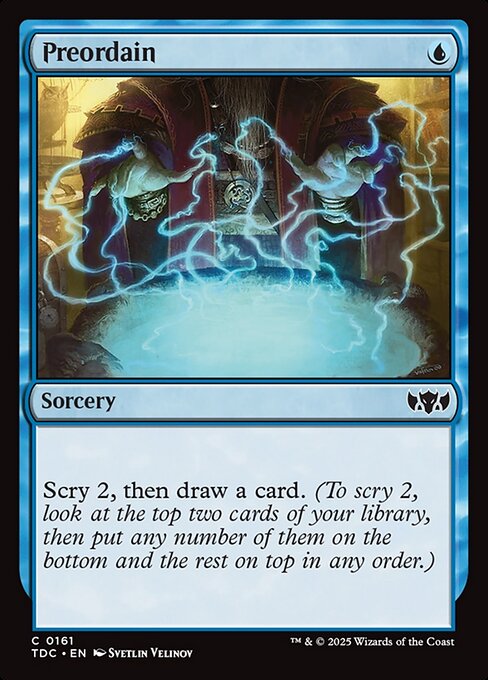
Card selection is improving the quality of the cards you have without necessarily gaining any. A cantrip that scrys or reorders your library before drawing is pure selection: same number of cards, better cards. This is the entire point of the premium cantrips. Preordain does not net you a card — you spend one, you draw one. What it buys is a scry 2 first, so the card you draw is one you chose from the top three, and the two you did not want are gone.
The reason selection beats raw advantage at one mana is efficiency. A one-mana cantrip that improves your next two draws costs you almost nothing in tempo and pays off every single game. A big draw spell is stronger in a vacuum but costs real mana you would rather spend developing. In a low-curve deck — combo, tempo, control — cheap selection is the correct tool, and it pairs naturally with the cheap interaction in our best counterspells rundown.
The best cantrips, ranked
Ranked on how much they smooth your draws per mana, how flexible the timing is, and how universally they slot into the decks that want cantrips. Every card here is Commander-legal as of this writing.
The blue gold standard
- Ponder — U. Look at the top three, put them back in any order, then draw a card — and you may shuffle first. That optional shuffle is the hidden power: if the top three are all bad, you shuffle them away and draw off a fresh library. It is the most flexible one-mana selection spell in the game and the default best cantrip.
- Preordain — U. Scry 2, then draw a card. You look at the top two, bin any number to the bottom, then draw. No shuffle, but the bin-to-bottom is cleaner than Ponder's reorder in a deck without shuffle effects — you get rid of the duds permanently. Neck-and-neck with Ponder and better in some builds.
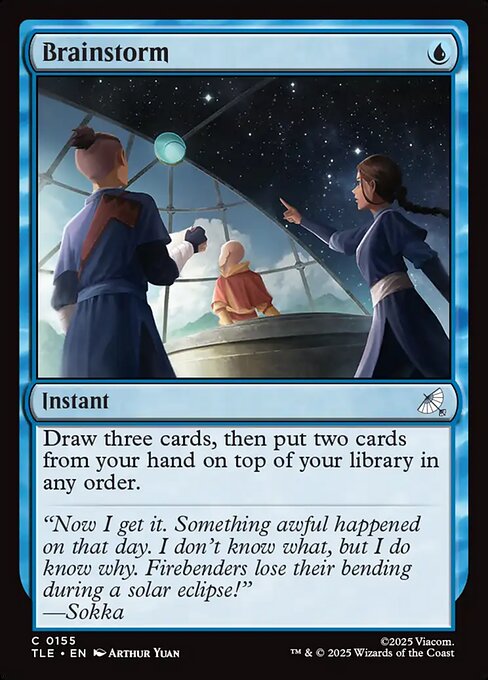
- Brainstorm — U. Draw three, then put two back on top in any order. At instant speed. The ceiling here is the highest of any cantrip — you can hide cards from discard, set up your next two draws perfectly, and dig three deep — but the floor is a trap. Those two cards go back on top, so without a way to shuffle them away you will draw them again. More on that below.
- Serum Visions — U. Draw a card, then scry 2. The inverse order of Preordain — you draw first, then fix the next two draws. Slightly weaker than Preordain because you commit the draw before you see the scry, but a premium one-mana sorcery-speed cantrip and a staple wherever the format allows.
The supporting cast
- Opt — U. Scry 1, then draw a card, at instant speed. The most modest of the premium blue one-drops — only one card of selection — but instant speed and the lowest possible cost make it a fine filler in tempo and control decks that want cantrip density without overcommitting card slots.
- Consider — U. Look at the top card; you may put it into your graveyard; then draw a card. At instant speed. A one-card scry that can choose to mill a card into the yard — which is upside, not downside, in any deck that wants graveyard fuel. A quietly excellent modern cantrip.
- Sleight of Hand — U. Look at the top two cards, put one in your hand and the other on the bottom. It is a draw-plus-select that bottoms the card you skip, which is genuinely strong selection — comparable to Preordain in a shuffle-light deck — held back only by being sorcery speed.
- Frantic Search — 2U. Draw two, discard two, untap up to three lands. It costs three mana but untaps up to three, so it is functionally free to cast — a card-neutral loot that filters two cards and effectively costs zero net mana. Absurd in graveyard and combo decks that want the discards and the free spell trigger.
The off-color and free cantrips
- Faithless Looting — R. Draw two, then discard two. Red's premier cantrip-adjacent looter. It does not gain selection so much as dig — you see two cards and dump two, which is exactly what a graveyard or reanimator deck wants. Not true selection, but the best red has in this slot.
- Gitaxian Probe — U/P. Look at target player's hand, draw a card — and the cost can be paid with two life instead of the blue mana. A functionally free cantrip: you pay life, replace the card, and get information. In storm and combo decks it is a zero-mana library-thinner that also fuels prowess and spell-count payoffs.
- Mishra's Bauble — 0. A zero-cost artifact: sacrifice it to look at the top card of a library and draw a card at the beginning of the next turn's upkeep. Free to cast, replaces itself, and thins your deck by one — a staple free cantrip in any deck that cares about spell count or wants a costless library-thinner.
Beyond the top eleven, the pool runs deep: Sleight of Hand's cousins like Impulse and Anticipate (dig several, take one), Night's Whisper and Sign in Blood on the black side (pay life to draw two — technically card advantage, not a one-for-one cantrip, but the same cheap-smoothing role), and set-specific one-drops that rotate in and out of the premium list. When in doubt, check the current printing and legality on Scryfall before you build.
Brainstorm is a trap without shuffles
Brainstorm is the most misunderstood card on this list, so it earns its own section. On paper it is the best cantrip in Magic — draw three, put two back, at instant speed, for one mana. In the right deck it is exactly that.
The catch is those two cards go back on top of your library. If you have no way to shuffle them away, your next two draws are locked to whatever you put back. Cast Brainstorm with two lands you do not want, put them back, and you just guaranteed you draw two lands. That is Brainstorm turning into a downgrade — you paid a card and a mana to see three and got stuck with the worst two.
Brainstorm is elite only when your deck can shuffle. Fetchlands are the classic enabler — crack a fetch after Brainstorm and the two bad cards on top get shuffled into oblivion, replaced by fresh draws. Any shuffle effect works: Ponder's optional shuffle, a tutor that shuffles, a shuffle land. In a deck with a healthy fetch or shuffle count, Brainstorm is a top-three cantrip. In a deck with none, it is a worse Opt that occasionally strands you. Know which deck you have before you sleeve it up. For the fixing side of that equation, our best lands in Commander guide covers the fetch and shuffle lands that make Brainstorm sing.
How many cantrips to run
The count scales with how much your deck cares about consistency and how low your curve is.
Combo and storm: as many as you can fit. These decks need to find and assemble specific cards, and every cantrip digs and thins toward the pieces while fueling spell-count payoffs. Eight to twelve cheap selection spells is normal, and the free ones (Gitaxian Probe, Mishra's Bauble, Frantic Search) are close to strictly-positive includes.
Control and tempo: a healthy package. Six to ten cantrips keep your interaction live and your draws smooth, letting you hit land drops while holding up answers. Prioritize the instant-speed ones (Brainstorm with shuffles, Opt, Consider) so you can cantrip on the opponent's turn when you have no better play.
Midrange and battlecruiser Commander: a light touch. A few selection spells help any deck function, but a battlecruiser deck that wins on raw power wants impactful cards, not eight one-drops that do nothing to the board. Two to four of the best (Ponder, Preordain) as consistency glue, then spend the rest of your slots on threats and answers. In these decks, lean on the bigger refills from our best card draw in Commander guide instead.
The through-line: cantrips are consistency, not power. They make a focused deck more reliable and a combo deck actually functional, but they do nothing on the board, so a deck that wins on board presence should run few of them. Match your cantrip count to how much you need to find specific cards, not to how blue your deck is.
Quick Action Checklist
Apply this when adding cantrips to a deck:
- Ponder and Preordain are the default best cantrips — run them in almost any blue deck
- Value selection (scry, reorder, bottom the duds) over raw draw at one mana
- Only run Brainstorm if your deck can shuffle — fetches or shuffle effects, or it strands you
- Free cantrips (Gitaxian Probe, Mishra's Bauble, Frantic Search) are near-auto-includes in combo and storm
- Instant-speed cantrips (Opt, Consider, Brainstorm) let control decks cantrip on the opponent's turn
- Load up (8–12) in combo and storm; run a light touch (2–4) in battlecruiser decks
- Remember cantrips are consistency, not board impact — don't over-slot them in a power-based deck
- Check current printings and Commander legality on Scryfall before building
Frequently Asked Questions
What is a cantrip in Magic: The Gathering?
What is the best cantrip in MTG?
What is the difference between card selection and card advantage?
Why is Brainstorm bad without fetchlands?
How many cantrips should I run in a Commander deck?
Keep Reading
Related Guides
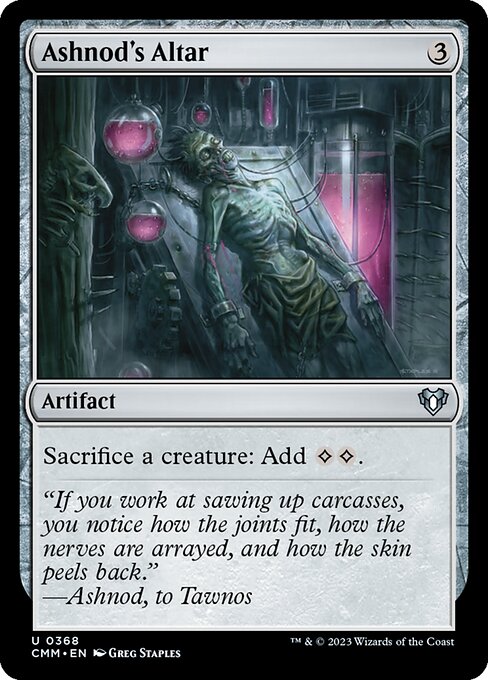
Best Free Sacrifice Outlets in MTG Commander, Ranked
A sacrifice outlet is only as good as the price on the trigger, and the best ones cost nothing. Here are the free sac outlets ranked — the altars, the one-drops, and the engines that turn every creature you control into mana, cards, and combo fuel.
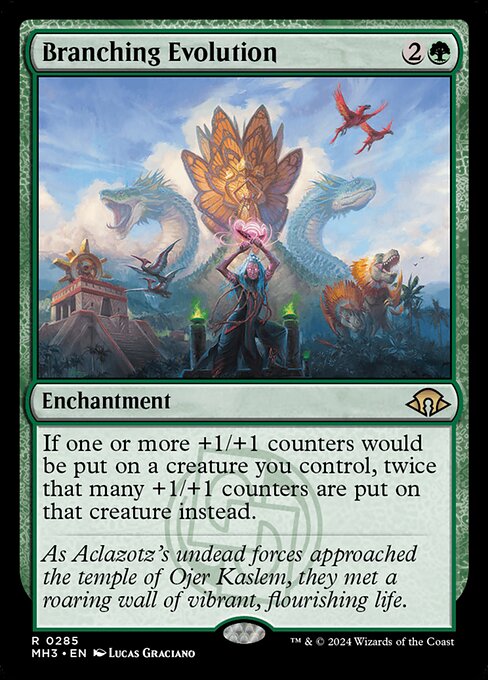
Best +1/+1 Counter Cards in MTG Commander, Ranked
Kill the anthem and the board shrinks. Kill the creature that placed a +1/+1 counter and nothing changes — the counter is already part of the creature. Here are the best +1/+1 counter payoffs and multipliers in Commander, ranked, plus the stacking order that turns one counter into eight.
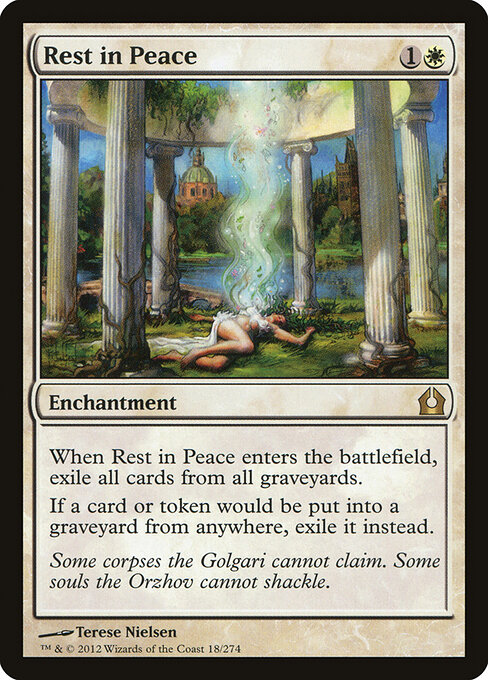
Best Graveyard Hate Cards in MTG Commander, Ranked
Every Commander pod has a reanimator deck, an aristocrats deck, and a guy whose commander says "return target creature card from your graveyard." Here is the best graveyard hate in the format, ranked — and the timing rules that separate a blowout from a wasted card.
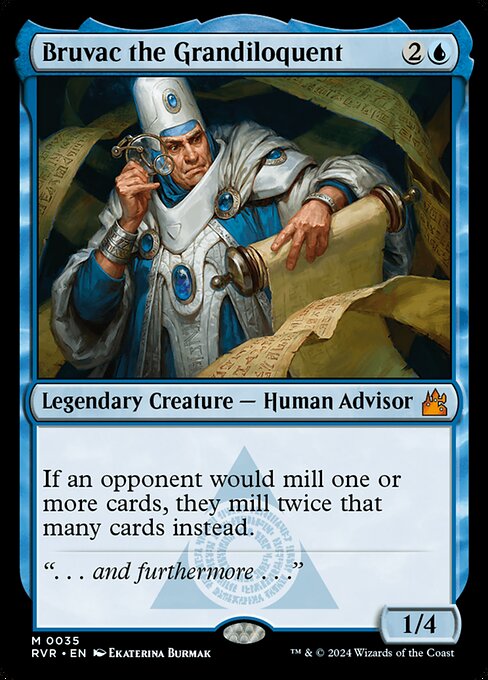
Best Mill Cards in MTG Commander, Ranked
Milling one player out is a chore. Milling three at once, before they punch your face in, is a real deck. Here are the best mill cards in Commander, ranked — plus the doublers and win conditions that make 300 total cards of library actually beatable.
MTG Commander Format Guide — How to Start Playing EDH (2026)
Commander is the most-played MTG format on the planet and the easiest one for new players to start in. The rules look intimidating on paper. They are not. Here is the full beginner guide.

Best Commander Staples Every Deck Wants, Ranked
There's a short list of cards that show up in basically every Commander deck regardless of theme — the silent 25 that make the splashy 75 work. Here are the staples worth a slot in almost any list, sorted by the job they do, with the legality double-checked.