Minecraft Bees & Honey Guide: Hives, Farms & Uses
Bees look like a cute side-feature and then quietly become one of the best renewable resources in the game. Here is how they actually work — pollination, hives, the campfire trick that stops the stinging, and what honey and honeycomb are really for.
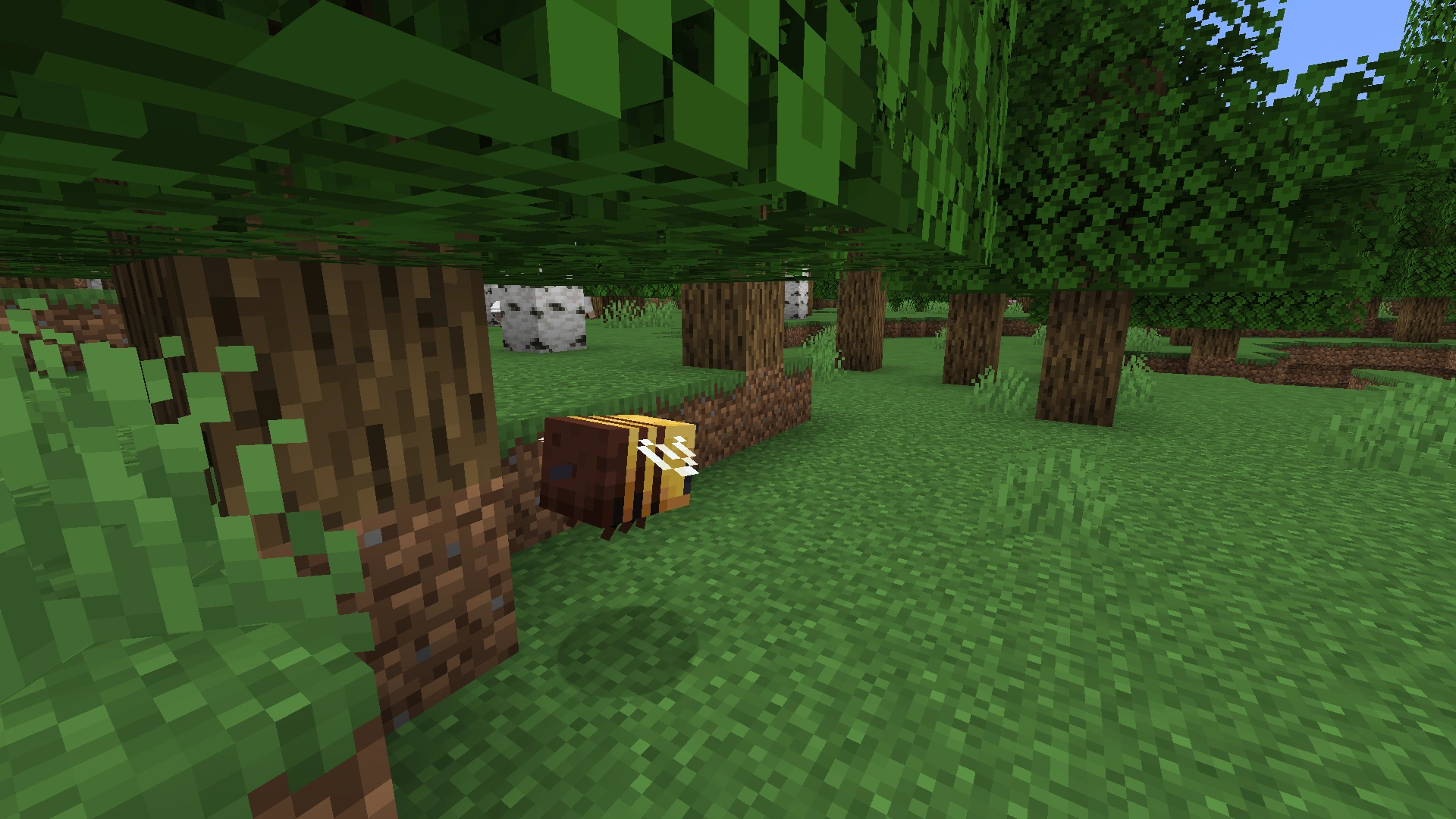
Bees look like a decorative mob — fuzzy, harmless, vibing around flowers — and then you realize they quietly run a renewable honey and honeycomb supply that you never have to chase. The catch is that the entire system is built on one rule most players learn the hard way: harvest a hive wrong and the whole colony comes for your face. This guide is the version that saves you the stings.
We will go through how bees behave, the difference between the nests you find and the hives you build, how to find and breed them, the actual farm layout, the campfire trick that lets you harvest safely, and what honey, honeycomb, and honey blocks are genuinely good for. Everything is checked against the Minecraft Wiki, because there is a lot of confidently wrong honey advice out there.
How bees actually behave
A bee is a passive, flying mob that minds its own business until you provoke it. During the day it flies out to find flowers, circles one for about 20 seconds to collect nectar, and then heads home. While carrying nectar it drops particles that pollinate crops below it — wheat, potatoes, carrots, and similar plants advance a growth stage, basically free bone meal if you route flight paths over your farm.
Three things make bees angry, and when one bee is angry, the whole nearby colony turns hostile at once:
- Attacking a bee.
- Breaking a nest or hive without Silk Touch.
- Harvesting honey or honeycomb from a hive without campfire protection (the part everyone forgets).
An angry bee stings you for damage and applies poison, then dies shortly after because it loses its stinger — so a swarm is a one-time mistake that punishes you and thins the colony. The whole game with bees is keeping them calm, which the campfire trick handles. We will get there.
Bee nests vs beehives
These are functionally identical once populated, but you get them two different ways:
- Bee nests generate naturally. They spawn on trees in flower forests, plains, meadows, and similar biomes, and on the occasional flowering azalea or mangrove. A fresh world bee nest already comes with 2–3 bees inside. This is where every colony starts.
- Beehives are crafted: 6 wood planks + 3 honeycomb (planks on the top and bottom rows, honeycomb across the middle). A hive is empty until bees move into it, and it is how you expand a colony on purpose instead of hunting for more nests.
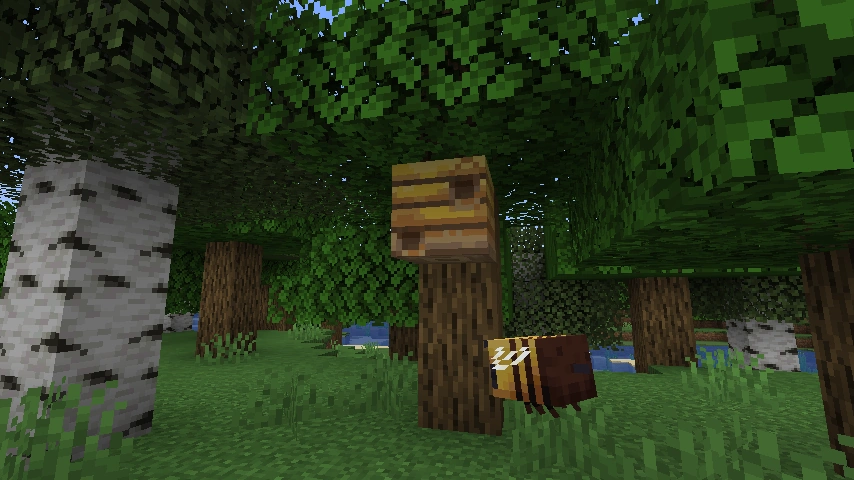
Both house up to 3 bees and both fill with honey the same way: each time a bee returns from pollinating and re-enters, the hive's honey level ticks up by one, until it reaches honey level 5, at which point it visibly drips honey and is ready to harvest. The only real difference is that nests can only be moved (with bees inside) using Silk Touch, while you build hives wherever you want them.
Finding and relocating bees
Your first move is finding a natural nest. Head to a flower forest, plains, sunflower plains, or meadow and look up at the oak and birch trees — a bee nest is a tan, hexagon-patterned block hanging on the trunk, usually with a couple of bees buzzing around it.
To bring the colony home, you have two clean options:
- Lead them with a flower. Hold any flower they like and bees will follow you, slowly, back toward where you want them. Tedious over distance but zero risk.
- Mine the nest with Silk Touch (after making sure the bees are inside — they go in at night, during rain, or you can wait for them). A Silk Touch nest keeps its bees, and you replace it at home and they pop right back out. Without Silk Touch, the nest breaks into nothing and the bees turn hostile.
Move the bees near a flower bed and they will settle in, pollinate, and start producing honey. From there you breed up a proper colony.
How to breed bees
Breeding bees is simple and gives you XP on top of more bees. Hold a flower near two bees and they enter love mode, producing one baby bee and granting 1–7 experience per breed. Almost any flower works — the only exceptions are the golden-petaled dandelion variants and closed eyeblossoms.
A few practical notes:
- Parent bees have a five-minute cooldown before they can breed again, so stockpile flowers and breed in batches.
- Baby bees take a few minutes to grow up; you can speed it slightly by feeding them more flowers.
- Because each nest or hive caps at 3 residents, scaling a colony means building more hives (6 planks + 3 honeycomb each) so the extra bees have somewhere to live. For a broader look at which mobs are worth raising, see our taming and breeding guide.
Building a bee farm
A working bee farm is one of the lower-effort renewable setups in the game. The minimum viable build:
- A hive or relocated nest at a comfortable working height (eye level is convenient).
- A flower bed within range so bees always have something to pollinate — a 5×5 patch of any flowers does the job. Bone-meal grass to spawn flowers fast.
- A lit campfire directly below the hive (within 5 blocks), with a trapdoor or carpet over it so you do not set fire to anything or take damage when you walk past. This is the safety layer — keep reading.
- Optionally, dispensers loaded with glass bottles or shears aimed at the hive for fully hands-free harvesting (more on that below).
The bees pollinate, return, fill the hive to level 5, and you collect. Because it is renewable and passive, a bee farm pairs well with the rest of your base automation — see the best Minecraft farms to build first for where it fits in the priority order, and our survival guide for beginners if you are still setting up a home base.
Harvesting honey and honeycomb safely
This is the section that matters most, so here is the rule in one line: never harvest a hive without smoke under it, or the whole colony attacks you.
When a nest or hive hits honey level 5 (it drips honey), you collect in one of two ways:
- Glass bottle on the hive → one honey bottle (and resets the hive to level 0).
- Shears on the hive → 3 honeycomb (and resets to level 0).
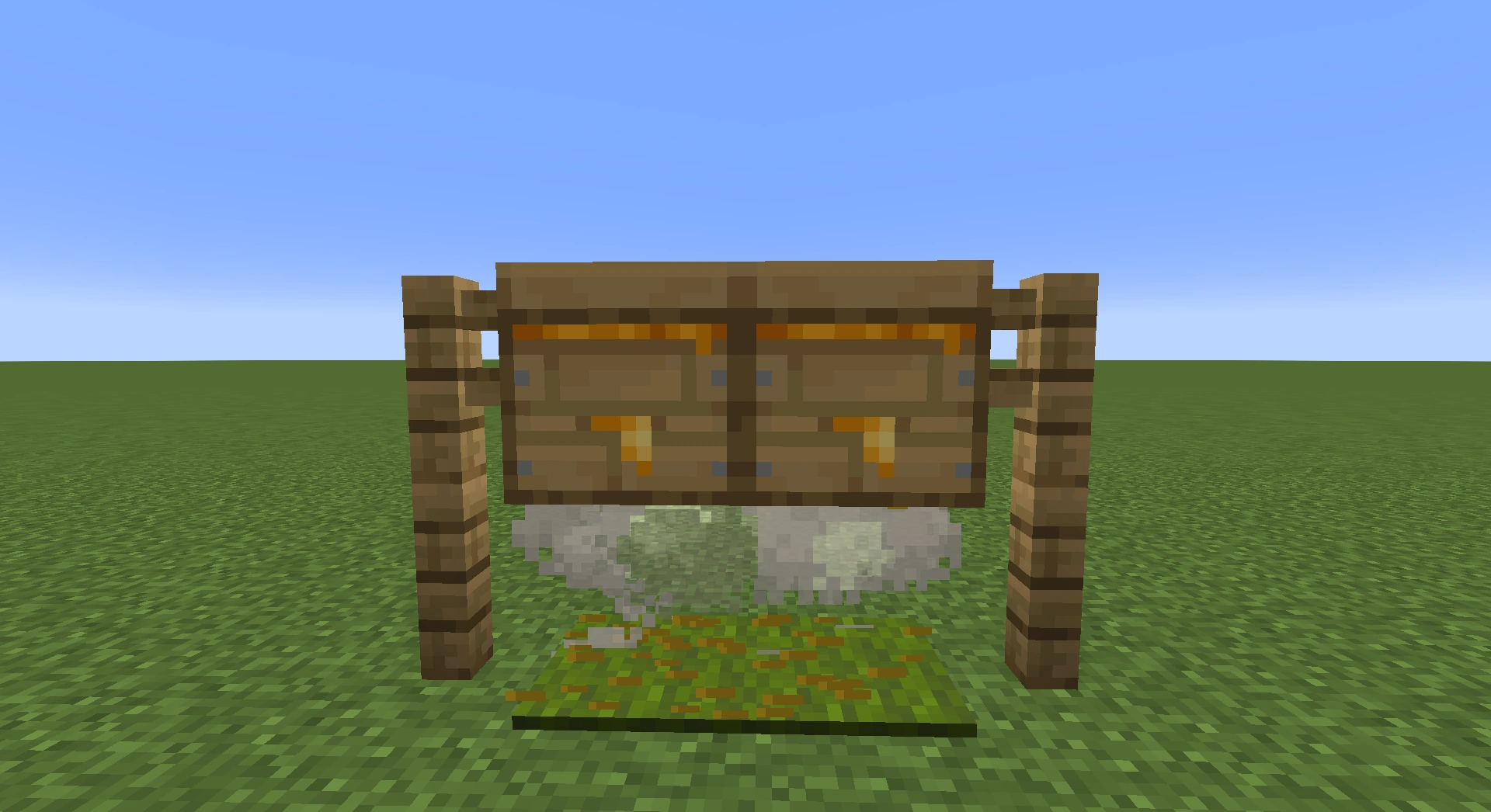
Both of those normally enrage every bee in the hive. The fix is smoke: place a lit campfire within 5 blocks directly below the hive so the smoke drifts up through it. With smoke present, you can bottle or shear all you want and the bees stay completely calm. Cover the campfire with a trapdoor (or, in Java, a carpet) so the flame does not burn you or your wooden hive.
For a truly automated farm, point a dispenser loaded with shears or glass bottles at the hive and trigger it with a redstone clock or an observer that detects the honey-dripping state. Dispenser harvesting does not anger the bees even without a campfire, which is why automatic honey farms are safe by design — though most builders add the campfire anyway as insurance.
What honey and honeycomb are for
Honey and honeycomb are two separate products with different jobs.
Honey bottle:
- Restores hunger (6 hunger points) and is one of the few items that cures the poison status effect when you drink it — genuinely useful in a fight against bees, cave spiders, or a poison potion.
- Crafts into sugar (1 bottle → 3 sugar) and combines into honey blocks.
Honeycomb is the more valuable one:
- Waxing copper. Apply honeycomb to a copper block or any copper variant to stop it oxidizing, locking in whatever stage of green you like. Essential if you build with copper.
- Crafting beehives (6 planks + 3 honeycomb) to expand your colony.
- Honeycomb blocks, a decorative honey-colored block (4 honeycomb).
- Candles (1 honeycomb + 1 string) for lighting and decoration, including the ones you stick on cakes.
- Sealing signs. Use honeycomb on a sign or hanging sign to lock its text so it cannot be edited.
If you only remember one use, remember waxing copper — it is the reason serious builders keep a honeycomb stockpile.
Honey blocks, the weird useful one
Honey blocks are a craft from 4 honey bottles, and they behave unlike almost anything else in the game:
- They slow you down (about a 60% movement reduction) and kill your jump height (around 85% lower) while you stand on them. Annoying as flooring, brilliant as a deliberate slowdown trap or a player-stopper.
- They reduce fall damage by 80%, the same as a hay bale, so they make a great landing pad at the bottom of a drop.
- Entities touching the side of a honey block slide slowly down it without taking fall damage — perfect for controlled descents and a staple of parkour and farm builds.
- In redstone contraptions they act like a sticky block for pistons: they drag adjacent blocks when pushed or pulled, and crucially they do not stick to slime blocks, which lets you build flying machines and complex piston doors that slime alone cannot. (In Java, honey blocks also do not conduct redstone, unlike slime.)
So the honey block is a slowdown surface, a soft landing, a slide, and a redstone component all at once. For where it fits into contraptions, our redstone basics guide covers piston behavior.
Java vs Bedrock bee notes
The bee and honey systems are nearly identical across editions, with small differences:
- Campfire cover. In Java you can place a carpet directly on the campfire under a hive and still get the calming smoke; on Bedrock use a trapdoor or leave the fire exposed at a safe distance. The smoke-within-5-blocks rule is the same on both.
- Honey block redstone conduction. In Java, honey blocks do not conduct redstone signals; Bedrock behaves slightly differently, so test piston/redstone builds in your own edition.
- Pollination and crop growth from bees work the same on both editions.
- Harvest amounts are the same: 1 honey bottle from a glass bottle, 3 honeycomb from shears, at honey level 5.
Quick Action Checklist
- Find a bee nest in a flower forest, plains, or meadow (look on oak/birch trunks)
- Relocate bees by leading with a flower, or mine the nest with Silk Touch (bees inside)
- Breed bees with almost any flower — 1–7 XP each, 5-minute cooldown
- Build extra beehives (6 planks + 3 honeycomb) since each home caps at 3 bees
- Keep a flower bed within range so bees always have something to pollinate
- Put a lit campfire within 5 blocks below the hive, covered by a trapdoor/carpet
- Harvest at honey level 5: glass bottle = 1 honey bottle, shears = 3 honeycomb
- Never harvest without smoke (or use a dispenser) or the whole colony attacks
- Save honeycomb for waxing copper; drink honey bottles to cure poison
- Use honey blocks for soft landings, slow-slides, and slime-free piston machines
Frequently Asked Questions
How do you get honey in Minecraft without getting stung?
What is the difference between a bee nest and a beehive?
How do you breed bees in Minecraft?
What is honeycomb used for in Minecraft?
What are honey blocks good for?
Do bees help your farm in Minecraft?
Keep Reading
Related Guides
Minecraft Mob Spawning: Light Levels, Caps, Spawn-Proofing
The "keep it above light level 7" rule everyone still repeats died in 1.18. Here is the ruleset the game actually runs: what it checks before a mob appears, how far one torch really reaches, why your farm is capped, and the Java-versus-Bedrock differences that quietly break cross-play builds.
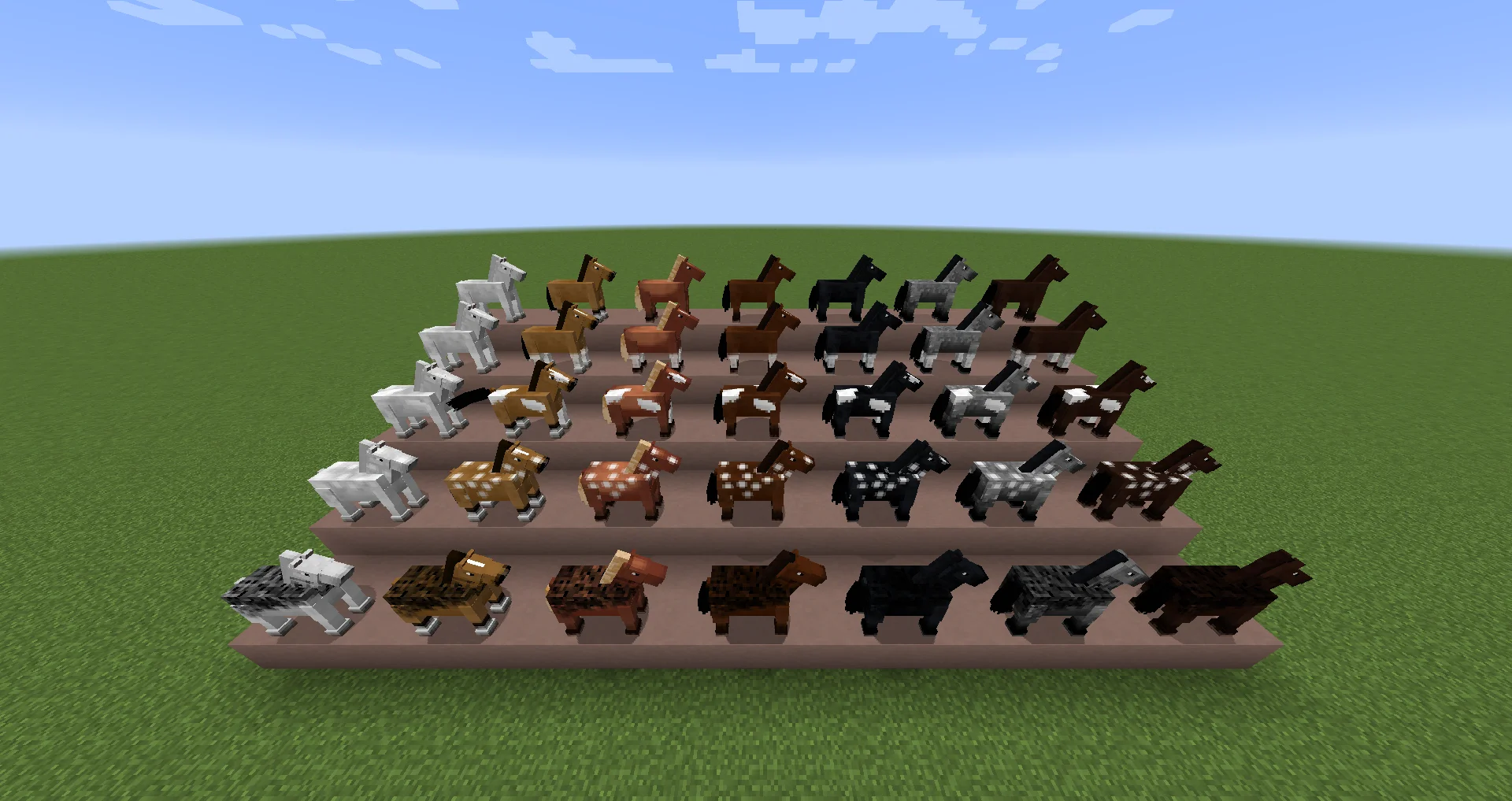
Minecraft Horses & Mounts Guide: Every Rideable Animal
Every rideable mob in Minecraft does one job better than the rest — horses for speed and fences, llamas for caravans, striders for lava, camels for two-up desert travel. Here is how to tame each one, what its real stats are, and how to breed a horse that actually clears a five-block wall.

Minecraft Redstone Contraptions Guide: Builds That Work
You learned what a repeater does. Now build something with it. This is the jump from 'I made a lamp blink' to piston doors, item sorters, auto-farms, and flying machines — the contraptions that change how you play.
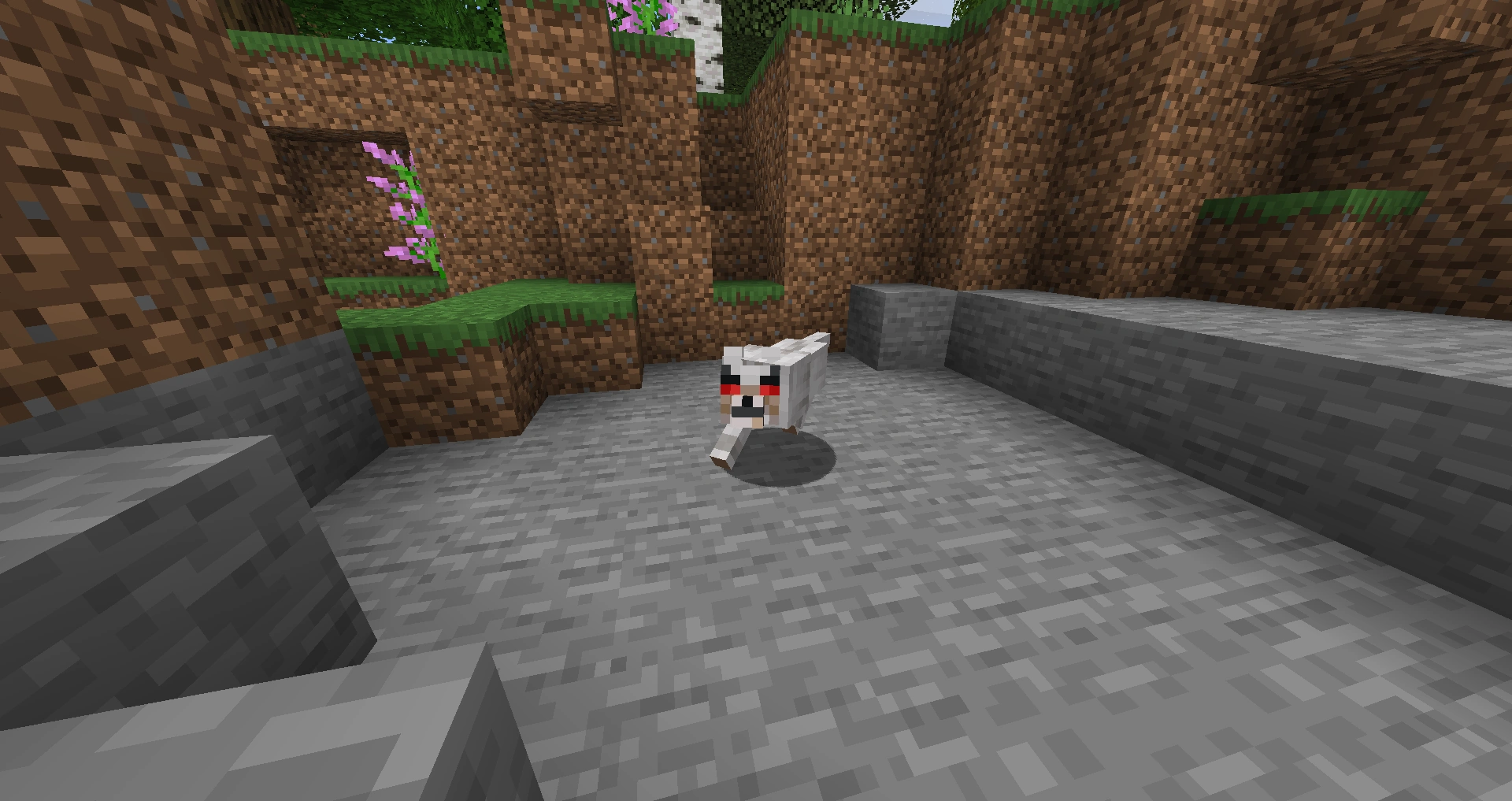
How to Tame and Breed Every Animal in Minecraft
Taming and breeding are two different systems, and confusing them is why people keep shoving wheat at a wolf. Here is every tameable and breedable mob, the exact food each one wants, and whether the payoff is worth your time.
Minecraft Survival Guide for Beginners: Your First Days
You have about ten minutes of daylight before the sun sets and the world tries to kill you. Here is exactly what to do with them — punch a tree, build a tool chain, and get a roof over your head before the zombies arrive.
Best Minecraft Enchantments, Ranked — The Ones Worth Your XP
Mending is the enchantment that ends the grind — gear that repairs itself forever. Everything else is a fight over your XP and anvil uses. Here is what actually earns a slot, ranked, with the real max levels.