Pokopia Resource Guide: Materials, Life Coins, and Dream Islands
Pokopia never makes you grind, but it will let you run dry mid-build. Almost everything you need is already on the ground — the rare stuff comes from Dream Islands, the system the game barely explains. Here is the whole supply chain.
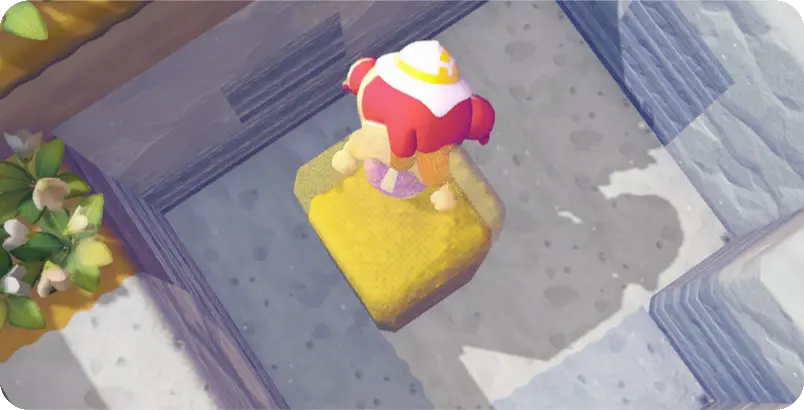
Pokopia never makes you grind for materials in the traditional sense, but it will absolutely let you run dry mid-build if you treat gathering as an afterthought. The good news is that almost everything you need is already lying on the ground, and the stuff that is not comes from a system the game barely explains: Dream Islands. Get both loops running and you stop crafting around what you happen to have and start building whatever you actually want.
This is the resource side of the game — where materials come from, how to refine them without doing the work yourself, how Life Coins really flow, and why Drifloon is the most important Pokemon on your beach.
Every screen has loot on it
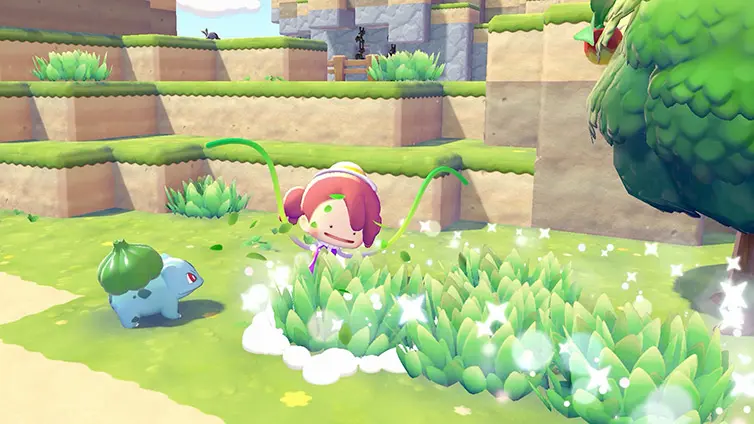
The core habit is boring and it is everything: pick up everything you walk past. Sturdy sticks, stones, leaves, and small logs are scattered across every region from the opening hour, and you grab them by pressing Y. Hold Y instead of tapping and Ditto inhales items continuously, which turns a field of debris into one smooth pass instead of forty button presses. If your thumb hurts, you are playing it wrong.
Foraging is only half of it, though. Your Ditto transformations are also harvesting tools. Cut pulls sturdy sticks off wooden objects and leaves off grass and vines. Rock Smash breaks stone out of natural blocks. Small logs come from cutting down worn lumber and trees. So the same skills you use to reshape terrain double as your material pipeline — every tree you clear to make room is also wood in the bank.
The four materials you will never stop needing
Four foundation materials do the heavy lifting, and you want a healthy stack of each at all times:
- Sturdy Stick — foraged anywhere, or from Cut on wooden objects. Structural glue for early furniture.
- Stone — foraged, or Rock Smashed out of natural blocks. Walls, paths, foundations.
- Leaf — foraged, or Cut from grass and vines. Cheap filler in a surprising number of recipes.
- Small Log — from cutting down worn lumber and trees. Your raw wood, and the input for refined lumber.
None of these are rare. The mistake is assuming that means you can ignore them — a single house eats far more sticks and stone than you expect, and running out mid-build sends you back across the island instead of finishing the thought. Keep a floor stock and top it up passively as you move.
Let Pokemon do the refining
Here is the part the tutorial skims. Raw materials become better materials when a Pokemon with the right specialty processes them, and you request that at the workbench rather than grinding it out by hand.
- Chop — Scyther, or anything with the Chop specialty, turns small lumber into Lumber, the refined wood most furniture actually asks for.
- Burn — converts squishy clay into Brick.
- Crush — grinds berries into paint colors, which is how you recolor and theme a build.
- Recycle — turns wastepaper into Paper.
There is also the Litter specialty: Rock, Bug, and Ground-type residents that have it drop useful processed materials right inside their own habitats. In other words, a well-populated island passively generates materials while you do other things, which is one more reason attracting and housing more Pokemon is the real engine of the game rather than a side activity.

The practical version: keep a five-Pokemon crew with complementary specialties following you, since the cap is five and most players never fill it. Use the Pokedex search on the Plus button to line up whoever has the specialty you need before a trip, instead of walking all the way home to fetch them.
Life Coins are a resource too
Materials build things; Life Coins buy the things you cannot craft. Life Coins are Pokopia's main currency, and you spend them at the Shop through the Pokemon Center PC on furniture, recipes, seeds, and building kits. Recipes and seeds in particular gate what you are able to make at all, so coins are not optional pocket money — they are progression.
The main tap is Challenges, on that same PC. There are regular Challenges that stay available and daily Challenges that refresh at 5:00 AM, and completing one does not pay you automatically — you have to return to the PC to claim. Raising your Environment Level unlocks more Challenges, so the comfort work you put into habitats quietly feeds your coin income too.
Two more streams worth knowing:
- Stamp Rally. The PC hands you a stamp card and one stamp each day, and the card redeems for Life Coins every Friday — Basic stamps pay 50, Evolved 100, Legendary 200, Mew 1,000, with 1,500 extra for filling all five. Checking the PCs on friends' islands earns stamps too, so four visits can fill a card in a day. Dream Island Pokemon Centers have their own stamp PCs, so a farming run doubles as stamp progress.
- Selling items. Surplus materials and duplicates convert straight to coins. Do not hoard 400 stones you will never place — turn the overflow into currency.
Dream Islands are the actual farm
Everything above keeps you topped up on basics. The advanced and rare materials come from Dream Islands, and they are the single best resource system in the game because they cost you nothing back home — the islands are separate instances, so nothing you dig up there touches your own town's terrain. It is the safe way to strip-mine.
You unlock them in the Withered Wasteland by befriending Drifloon, a Ghost-type hanging around the beach. After that, Drifloon ferries you to a Dream Island in exchange for a doll, and the doll you bring decides which island you get.
One rule governs the whole system: you can only visit one type of Dream Island per day, but you can revisit that same island as many times as you like within that day. Whatever you gather does not respawn until the next daily reset, so the optimal play is to clear a single island completely each day rather than hopping around. Pick the island that matches what you are short on, and empty it.
Dream Islands are also the only place to find Stardust, and a few of them stage potential Legendary encounters, so they are worth a visit even on days you are not desperate for ore.
Which island for which material
Each island is tied to a doll and a material set:
| Island | Doll | What you farm there |
|---|---|---|
| Wasteland | Eevee | Leppa Berries, Vine Rope, Glowing Mushrooms |
| Ocean | Pikachu | Twine, Sea Glass Fragments, Seashells |
| Rock Peak | Clefairy | Cave Mushrooms, Copper Ore, Limestone |
| Volcanic | Arcanine | Iron Ore, Gold Ore, Glowing Stone |
| Sky | Dragonite | Wastepaper, Pokemetal Fragments, Crystal Fragments |
The Ditto Doll and the Substitute Doll send you to a random island, which is handy when you just want variety or are chasing Stardust rather than a specific ore. If you are building anything that needs metal — most late-game appliances and powered furniture — the Volcanic island via the Arcanine Doll is your ore mine, and the Sky island is where Pokemetal Fragments come from.
Stop your bag from being the bottleneck
You can farm perfectly and still stall out because your bag is full and your storage is a mess. Two fixes, both cheap:
- Buy Packing Tips and Handy Bag from the Shop early. They expand carrying capacity, and they pay off on every single run. This is a better first purchase than any piece of furniture.
- Place storage boxes right next to your workbench. Adjacent boxes automatically feed materials into crafting, so you never have to pull items out and hold them to build. It is the most quietly important layout decision in the game, and it is covered in full in the beginner guide.
Sort with X in the bag, split material types across separate boxes, and your farming runs stop turning into inventory-management chores.
A resource routine that compounds
Five focused minutes a day keeps you permanently stocked:
- Claim your daily Challenges at the Pokemon Center PC for Life Coins.
- Run one Dream Island to completion, chosen by what you are short on, and grab the stamp while you are there.
- Forage on the way — hold Y, and Cut or Rock Smash anything in your path for sticks, leaves, and stone.
- Bank the surplus into labeled storage boxes by your workbench, and sell true junk for coins.
- On Fridays, redeem your Stamp Rally card. On Sundays, do a longer foraging session, since shiny spots appear more often and it is the natural day to stockpile.
Keep vegetables growing on Rototiller-tilled plots too, because cooking runs on them and cooking is your PP economy. Materials, coins, food, and PP are really one interlocking supply chain — feed all four and Pokopia stops being about scarcity and starts being about what you feel like building next.
Quick Action Checklist
- Hold Y to vacuum sticks, stones, leaves, and small logs off every screen.
- Use Cut and Rock Smash as harvesting tools, not just terraforming.
- Refine at the workbench with specialty Pokemon: Chop for Lumber, Burn for Brick, Crush for paint, Recycle for Paper.
- Travel with a five-Pokemon crew of complementary specialties; find them via Pokedex search on Plus.
- Claim daily Challenges at the Pokemon Center PC for Life Coins, and return to the PC to collect.
- Collect your daily PC stamp; the Stamp Rally card redeems for coins every Friday, with a 1,500-coin bonus for all five.
- Befriend Drifloon to unlock Dream Islands; bring the doll that matches the island you need.
- Clear one Dream Island fully per day — materials do not respawn until the reset.
- Farm Volcanic (Arcanine) for Iron and Gold ore, Sky (Dragonite) for Pokemetal.
- Buy Packing Tips and Handy Bag before furniture, and park storage boxes next to the workbench.
Frequently Asked Questions
How do you get materials in Pokemon Pokopia?
How do you earn Life Coins in Pokopia?
How do you unlock Dream Islands in Pokemon Pokopia?
How many Dream Islands can you visit per day in Pokopia?
Where do you farm ore and metal in Pokopia?
How do Pokemon specialties help with resources in Pokopia?
Keep Reading
Related Guides

Pokopia Paint Guide: All 18 Colors, Patterns and Smearguru
Pokopia's paint system runs through Smearguru, a Pokemon the story never makes you meet. Here is how to unlock it, which berry makes which paint, the recipe for all 18 colors, and where every one of the 116 patterns comes from.

Pokopia Halloween Event: Pumpkaboo's Sweet Surprises Guide
Pokopia's first Halloween event adds Pumpkaboo and Gourgeist from October 17 to November 1, 2026, and it has a gate the Feebas event did not: you need Camouflage from Zorua. Here is the confirmed schedule, the checklist to clear before it opens, and what is still unannounced.
Pokopia Team Initiation Challenge: All 9 Steps and Badges
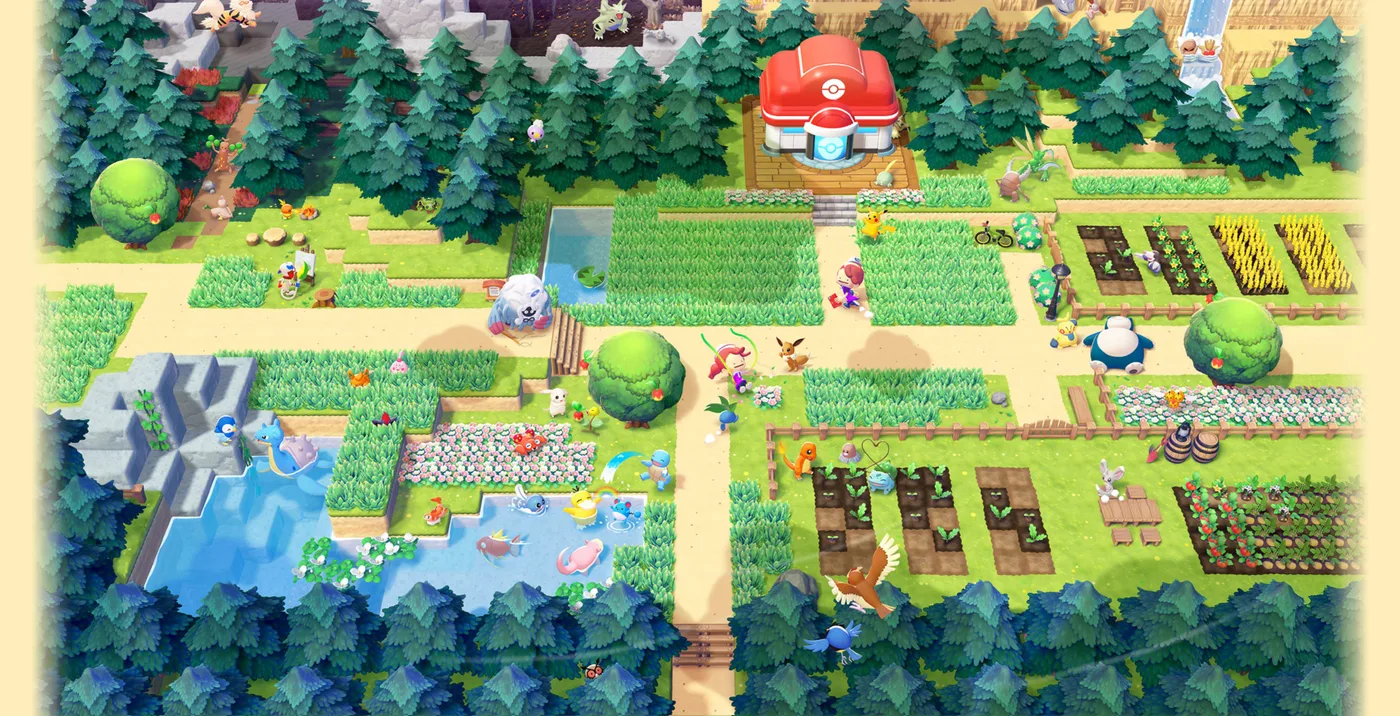
The sand-covered tower on the Withered Wasteland beach runs a nine-step request, and it is the last one before the credits. Here is each delivery it asks for, where each item actually comes from, and the combined bill so you can stockpile once instead of nine times.
Pokopia's Jump Rope Contest Returns: First Repeat Event
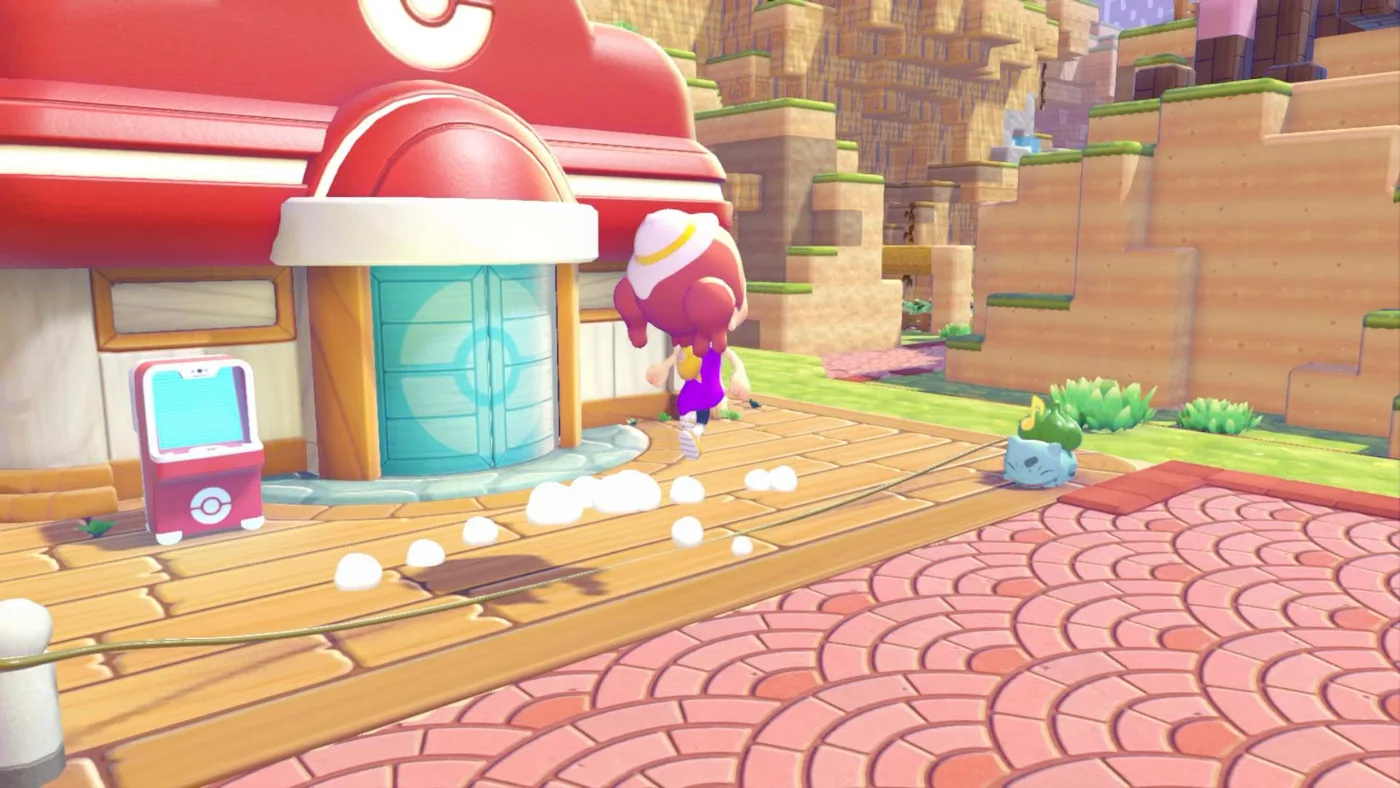
Every Pokopia event so far has been a one-and-done window. Bulbasaur's Jump Rope Contest just broke that pattern, running a second time five months after its April debut. Here is what changed, what did not, and how many days you actually have left.

Pokemon Pokopia Beginner Guide: What To Do In Your First Hours
Pokopia does not punish you for playing badly. It punishes you for building beautifully in the wrong place before you have the tools to move it. Here is the early-game order of operations that saves you a teardown.

Pokopia CDs Guide: Every Song and How DJ Rotom Works
Pokopia never puts its soundtrack in a menu. Every track beyond the default ambience is a physical CD, hidden in glowing blocks and Dream Islands with no in-game checklist to work from. Here is the full list, where the CDs come from, and why DJ Rotom is worth more than a CD player.