Is Pokemon Pokopia Just Animal Crossing With Pokemon?
Everyone called it Pokemon Animal Crossing thirty seconds into the reveal trailer. The surface read is fair. The second you pick up a block, it falls apart. Here is what actually separates the two, using only what Nintendo and the developers have confirmed.
The September 2025 Direct had not finished playing before half the internet had settled on the same three words: Pokemon Animal Crossing. Pastel island, chunky little avatar wandering around, a clock that runs on real time, cute creatures who talk at you while you rearrange furniture. The reflex is understandable.
It is also wrong in the specific way that matters. Pokopia and Animal Crossing: New Horizons share a vibe and almost nothing structural. One of them is a slow-burn social sim with no ending. The other is a block-based construction game with a completion target, made largely by the studio behind Dragon Quest Builders 2. Below is the honest split, restricted to what Nintendo, The Pokemon Company, and the developers have actually confirmed.
Where the comparison is actually fair
Give the comparison its due first, because it is not made of nothing:
- Both run on a real-time day and night cycle tied to your system clock, so evening in the game is evening where you are sitting.
- Neither one has combat as its core verb. You gather, craft, place, and decorate; the creatures react to what you made.
- Both are built on readable, low-pressure art that invites twenty-minute sessions.
- Both cap local and online visits at four players.
- Both shipped a paid post-launch expansion. New Horizons had Happy Home Paradise; Pokopia has a confirmed three-part Expansion Pass, with Part 1 "Bubbly Basin" dated for August 2026.
So the surface read is not stupid. It just stops being useful the moment you pick up a block.
The building system is the real dividing line
New Horizons is a placement game. Houses are prefabs you upgrade by paying Nook. Furniture comes out of a catalog. The Island Designer app — the terraforming toolkit that lets you carve cliffs, reroute rivers and lay paths — does not even unlock until you have hit a three-star island rating and run the K.K. Slider concert. Even then, you are shaping the ground and setting objects on top of it. You never actually build the building.
Pokopia is a construction game. It uses block-based building and terraforming that sits much closer to Dragon Quest Builders and Minecraft than to anything Nintendo has shipped in the Animal Crossing line. Critics kept reaching for the same shorthand at launch — Minecraft plus Viva Pinata plus Animal Crossing — and the Minecraft part of that sentence is the load-bearing one.
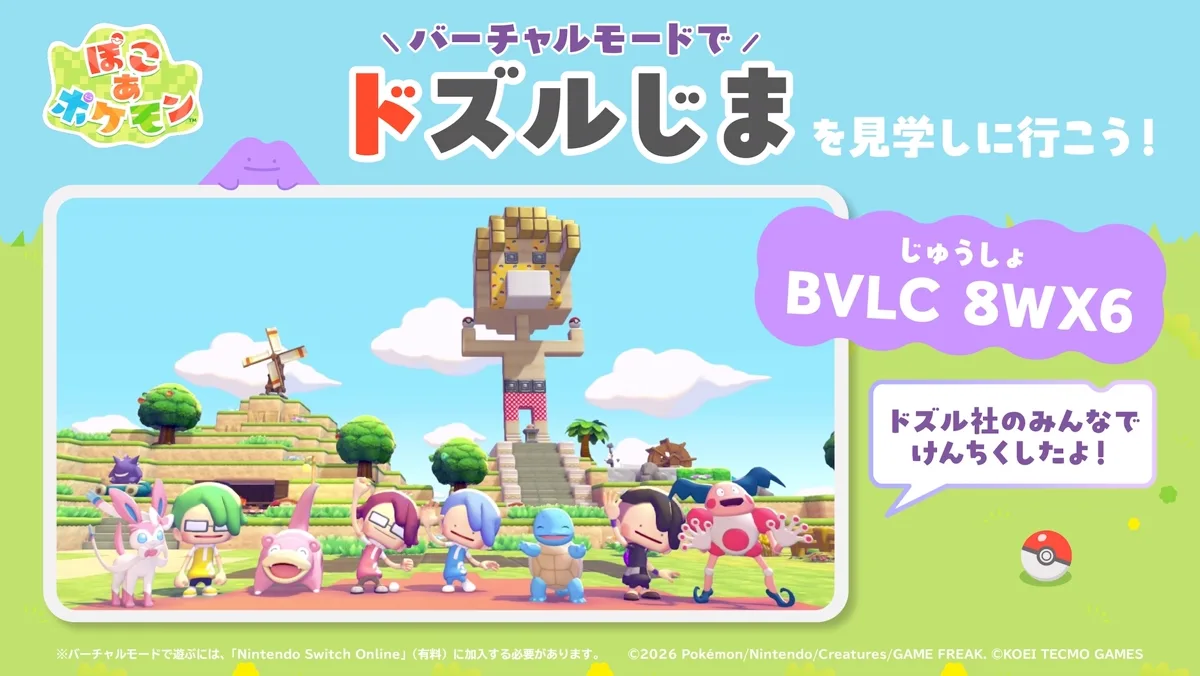
The practical difference is easy to see. Look at the hero image on this post: that is a multi-story voxel Ditto statue standing over a player-made island. There is no star rating, no DLC, and no amount of Nook Miles that lets you produce that in New Horizons, because New Horizons does not give you the primitive to do it.
Why Omega Force is the reason it plays differently
This is the detail that explains the whole design, and it is fully on the record.
The concept came from Shigeru Ohmori, director of Pokemon Scarlet and Violet, who started sketching it during that game's development because he wanted players to cultivate their own Pokemon habitats. Game Freak, however, had no sandbox track record whatsoever. On The Pokemon Company's recommendation, Koei Tecmo's Omega Force was brought in to co-develop — the team most people know for Dynasty Warriors, but the relevant credit here is Dragon Quest Builders 2.
The split of labour is confirmed: Game Freak handled supervision, concept, and the Pokemon design work; Omega Force handled the sandbox and slow-life systems, the technical implementation, multiplayer, and art direction. The two studios spent three to four months aligning on a shared vision before full production started. Omega Force director Takuto Edagawa has said Pokopia involved the largest team in the division's history, though he declined to put a number on it.
Once you know that, the game stops looking like an Animal Crossing homage and starts looking like what it is: a Koei Tecmo builder with Game Freak supervising the creatures. It runs on Koei Tecmo's Katana Engine, not on anything Game Freak built.
Pokopia hands you a checklist
New Horizons' defining structural choice is that it has no ending. You can roll credits on the K.K. concert, but the game is explicitly designed to be a place you keep returning to with no completion state.
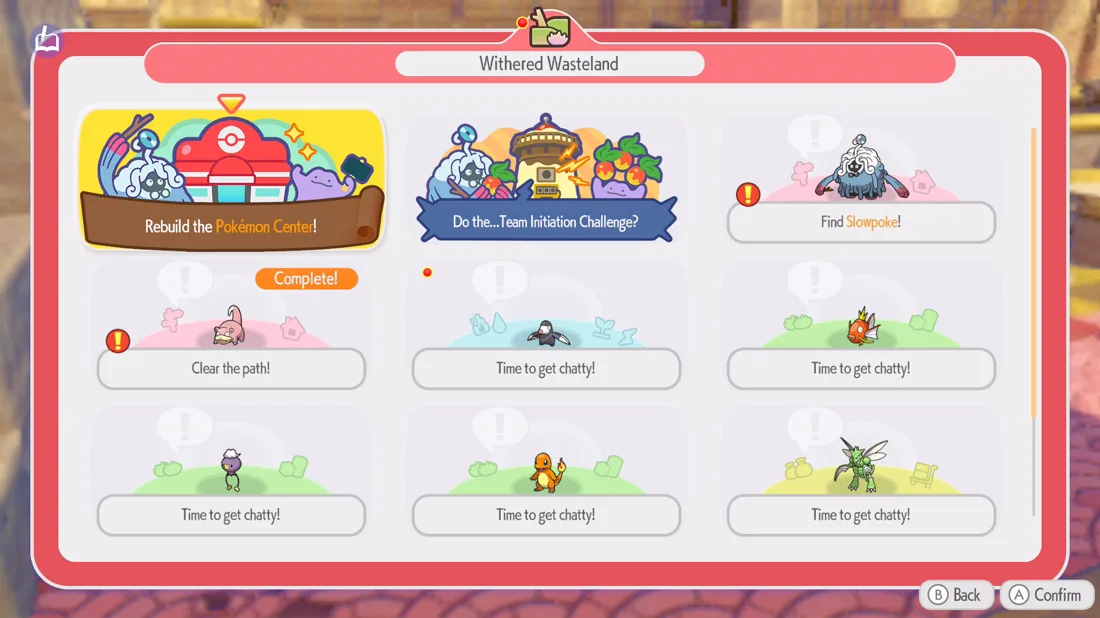
Pokopia is the opposite. You are a Ditto in human form restoring a Kanto that people have abandoned, and the regions are named for the damage: Withered Wasteland (what is left of Fuchsia City), Bleak Beach (Vermilion), Rocky Ridges (Pewter), Sparkling Skylands (Saffron), with Palette Town as your base. Each one is a job.
Look at the request board below. Withered Wasteland's headline task is "Rebuild the Pokemon Center!", with a grid of smaller jobs underneath it — find a Slowpoke, clear the path, and a run of "Time to get chatty!" prompts pointing you at specific Pokemon. That screen is doing something New Horizons deliberately refuses to do: telling you what to work on next.
The progression systems point the same direction. Befriending Pokemon teaches your Ditto moves you use as tools — Leafage from Bulbasaur to grow grass, Water Gun from Squirtle to revive dried-up plants — which makes the roster of 300 species across Generations I through IX a genuine tech tree rather than a museum sidequest. New Horizons gates tools behind crafting recipes and Nook Miles; Pokopia gates them behind who you have befriended. Our Ditto transformations guide covers that order of operations in detail.
Multiplayer works nothing like island hopping
New Horizons multiplayer is a visit. You fly to a friend's island through Dodo Airlines, the host has to be online and present, and when they leave, so does the island.
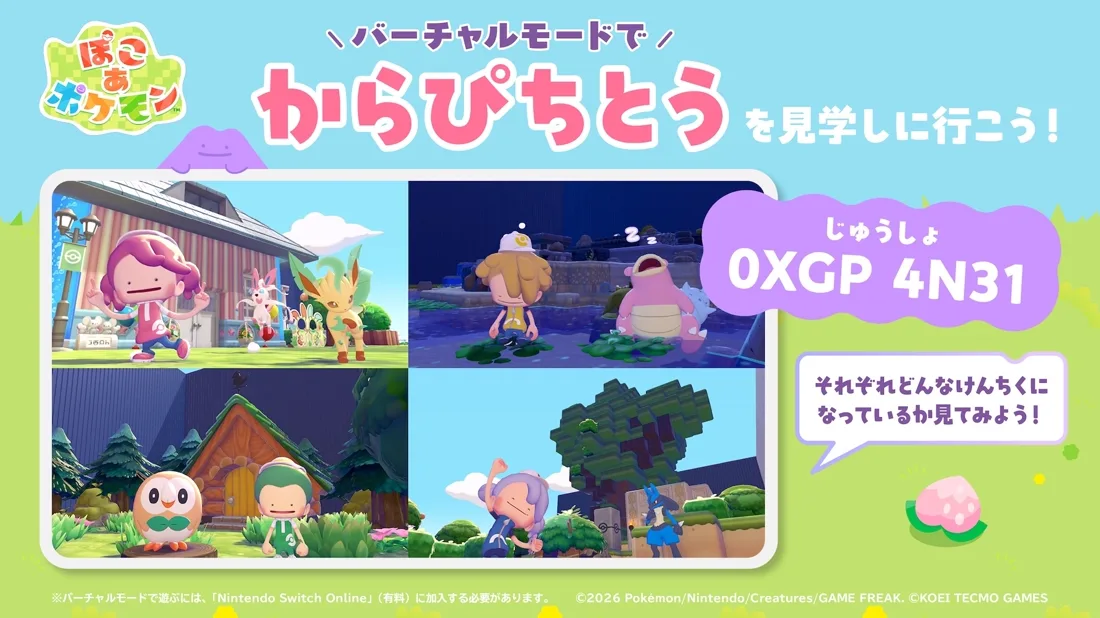
Pokopia has that mode — up to three friends can join your town with a Link Code — and then it has Cloud Islands, which are a different thing entirely. A Cloud Island is a shared build space that persists whether or not the host is around, so people can come and go freely. Each one keeps its own Pokedex that everyone visiting fills in together, and rewards and challenges from the Pokemon Center PC are shared across the group.
There are real rules attached. You cannot carry items in your bag between your own town and a Cloud Island in either direction, so a Cloud Island build is not a place to launder resources. What you can do is the smartest borrowing mechanic in the game: photograph an item in someone else's town with the in-game camera, go home, and recreate it on a Pokemon Center's 3D printer if you have the materials. That is a direct answer to years of Animal Crossing players begging strangers to hand over a DIY recipe card.
The hardware terms are stricter than New Horizons, though. Online play needs a Nintendo Switch Online membership and a Nintendo Account. Local wireless needs everyone in the same room with their own system and their own copy. GameShare works locally between a Switch 2 and an original Switch, but online GameShare is Switch 2 to Switch 2 only, and the shared copy stops working the moment the session ends.
What Animal Crossing still does better
Two things, and they are not small.
Villagers. New Horizons' animals have birthdays, personality types, they mail you letters, they get sick, and they move out and genuinely bum you out for a day. Pokopia's cast is Pokemon, and Pokemon do not carry inner lives on those terms. A Legendary complimenting your party decorations reads as strange in a way an ill-tempered cranky villager never does. Some critics called this out directly.
Six years of calendar. New Horizons has accumulated real-world seasonal events, hemisphere-specific seasons, and bug and fish availability windows that roll across a full twelve months. Pokopia launched in March 2026. It has a day and night cycle and weather, but it has not had time to build that kind of annual rhythm yet.
There is also a hardware reality: New Horizons runs on the original Switch and has sold north of 47 million copies, making it one of the best-selling games on the platform. Pokopia is a Switch 2 exclusive with no cross-generation version. If you have not upgraded, this entire comparison is academic — see our release date and confirmed facts post for the platform details.
The dissenting review worth reading
The consensus on Pokopia is loud and real: 89 on Metacritic from 110 reviews, a 98 percent OpenCritic recommend rate from 100 critics, a 39 out of 40 from Famitsu including three perfect tens, and nines from IGN, GameSpot and Game Informer. That is the highest-rated Pokemon game Metacritic has ever tracked.
But TheGamer ran a 3 out of 5, and the complaints in it are specific enough to be worth weighing before you spend money. The reviewer found the Pokemon underwritten, sharing soundbites and generic animations. Inventory management across multiple storage boxes was described as a slog. Building placement was called more restrictive than it looks in trailers. And quest progress gets time-gated to the next day more often than the pacing wants.
If the thing you love about Animal Crossing is characters with personality rather than a construction toolkit, that review is aimed squarely at you, and the 89 is not going to change your experience.
Which one should you actually buy
- You want to build things. Pokopia, and it is not close. Block-based construction is a different genre from prefab placement.
- You want to get attached to a cast. New Horizons. Pokopia's Pokemon are collaborators, not characters.
- You want a finite goal. Pokopia. Regions to restore, 300 species to befriend, a story that ends.
- You want something with no endpoint you can dip into forever. New Horizons.
- You want co-op that survives the host logging off. Pokopia's Cloud Islands do exactly that; Dodo Airlines does not.
- You do not own a Switch 2. New Horizons, by default.
The honest answer is that they are complements, not competitors. If you burned out on New Horizons because the terraforming ceiling was too low and the goals ran out, Pokopia is built to fix precisely that. If you burned out because you missed your villagers, it will not.
Confirmed differences recap
- Building: Pokopia is block-based construction closer to Dragon Quest Builders and Minecraft; New Horizons is prefab placement plus Island Designer terraforming unlocked after a three-star rating.
- Developer: Pokopia is co-developed by Game Freak and Koei Tecmo's Omega Force, the Dragon Quest Builders 2 team, on the Katana Engine. Concept by Shigeru Ohmori; Omega Force's largest team ever per director Takuto Edagawa.
- Structure: Pokopia has named restoration regions, a request board, and 300 Pokemon across Gens I to IX. New Horizons has no ending.
- Progression: Pokopia unlocks tools by befriending Pokemon and learning their moves. New Horizons unlocks tools via recipes and Nook Miles.
- Multiplayer: Both cap at four players. Only Pokopia has Cloud Islands, which persist without the host, keep a separate shared Pokedex, and block item transfers to and from your town.
- Platform: Pokopia is Switch 2 exclusive. New Horizons runs on the original Switch and has sold over 47 million copies.
- Reception: Pokopia sits at 89 on Metacritic with a notable 3 out of 5 dissent from TheGamer over shallow Pokemon writing and inventory friction.
Frequently Asked Questions
Is Pokemon Pokopia just Animal Crossing with Pokemon?
Which has better building, Pokopia or Animal Crossing?
Why does Pokopia play so differently from other Pokemon games?
How is Pokopia multiplayer different from visiting an Animal Crossing island?
Should I buy Pokopia if I loved Animal Crossing: New Horizons?
Keep Reading
Related Guides
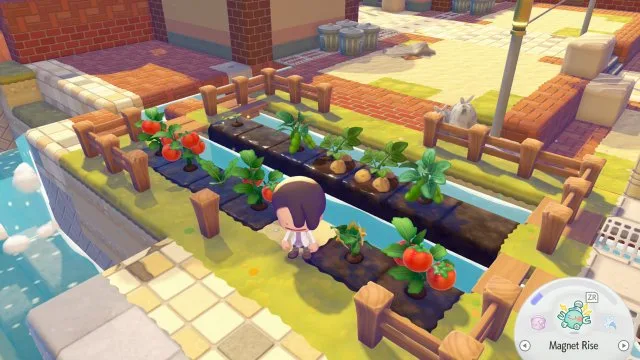
Pokopia Farming Guide: How to Grow All 5 Crops
A Pokopia crop is planted once: harvest it, water it and it grows back. Here is how Rototiller works, where the seeds for all five crops come from (and where the wikis disagree), the stage-a-day growth rule, and the 31 Pokemon with the Grow specialty.
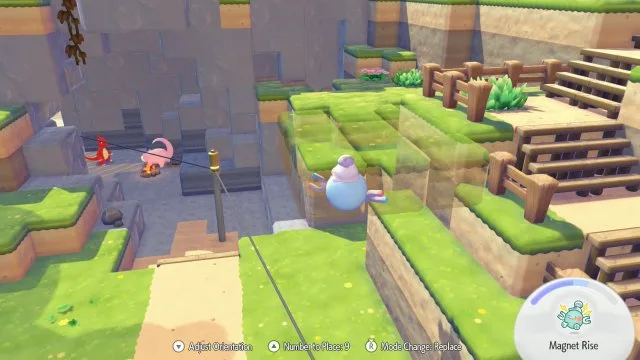
Pokopia Magnet Rise: How to Unlock It and What It Can Move
Magnet Rise is the Ditto transformation Serebii ties to the post-game, and the one that lets you pick up trees, boulders and ore deposits whole. Here is the Factory Storage unlock, the controls, Replace mode, and the 102 trees, deposits, boulders and ruins Serebii lists as Magnet Rise pickups.
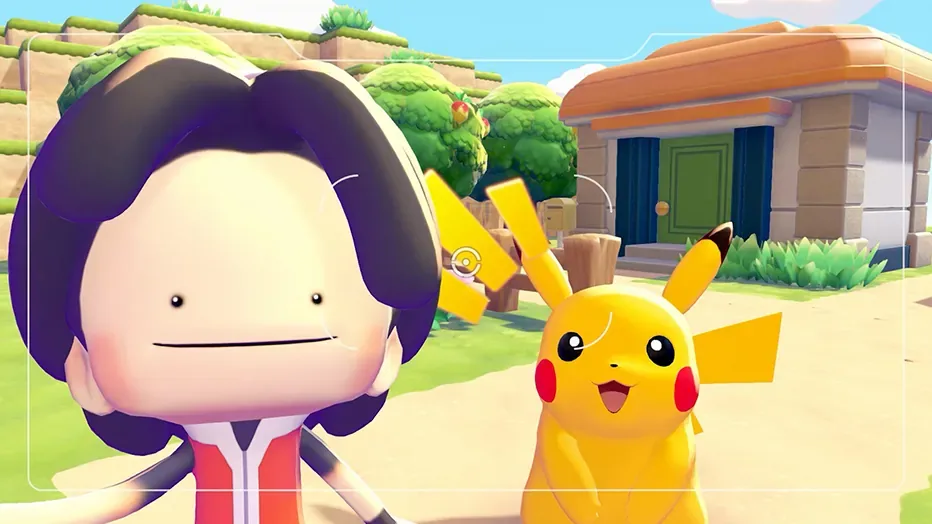
Pokopia Photo Ops: All 50 Highlight Reel Shots and Frames
Pokopia's Highlight Reel is a 50-shot photo checklist, and it is where most of the game's photo frames come from. Here is every photo op, the Pokemon and prop each one needs, the 15 that pay a frame, and where Serebii and Bulbapedia disagree on the setup.
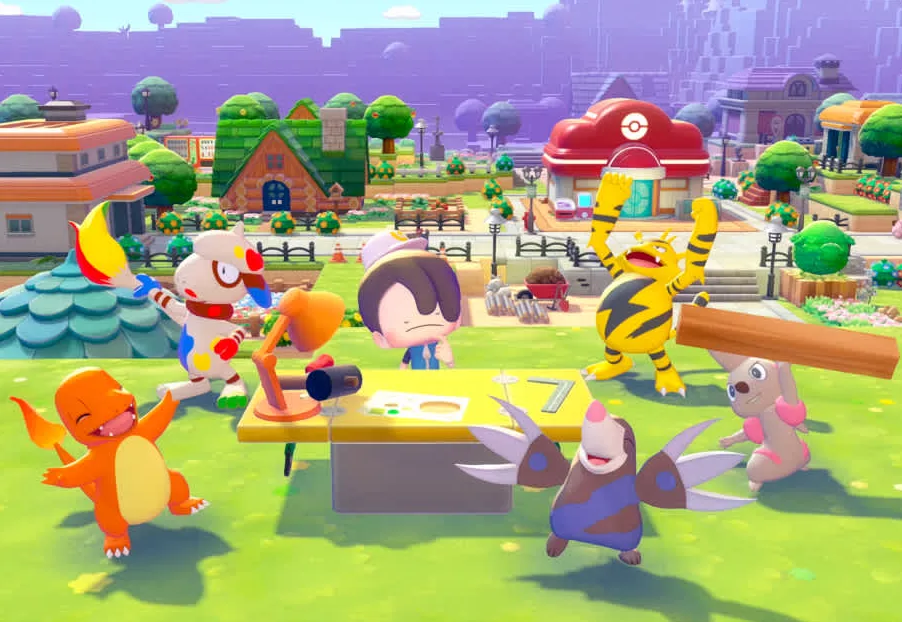
Pokopia Paint Guide: All 18 Colors, Patterns and Smearguru
Pokopia's paint system runs through Smearguru, a Pokemon the story never makes you meet. Here is how to unlock it, which berry makes which paint, the recipe for all 18 colors, and where every one of the 116 patterns comes from.
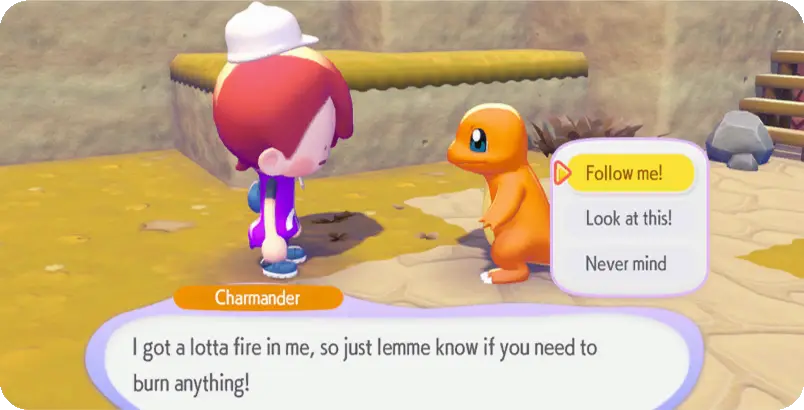
Pokemon Pokopia Beginner Guide: What To Do In Your First Hours
Pokopia does not punish you for playing badly. It punishes you for building beautifully in the wrong place before you have the tools to move it. Here is the early-game order of operations that saves you a teardown.
Pokopia Halloween Event: Pumpkaboo's Sweet Surprises Guide
Pokopia's first Halloween event adds Pumpkaboo and Gourgeist from October 17 to November 1, 2026, and it has a gate the Feebas event did not: you need Camouflage from Zorua. Here is the confirmed schedule, the checklist to clear before it opens, and what is still unannounced.