PUBG Squad Strategy: How to Win More Games as a Team
A squad of four randoms loses to a coordinated duo more often than anyone wants to admit. The difference is never aim — it's roles, comms, and moving as one unit. Here's how to actually play PUBG as a team instead of four solos in the same lobby.
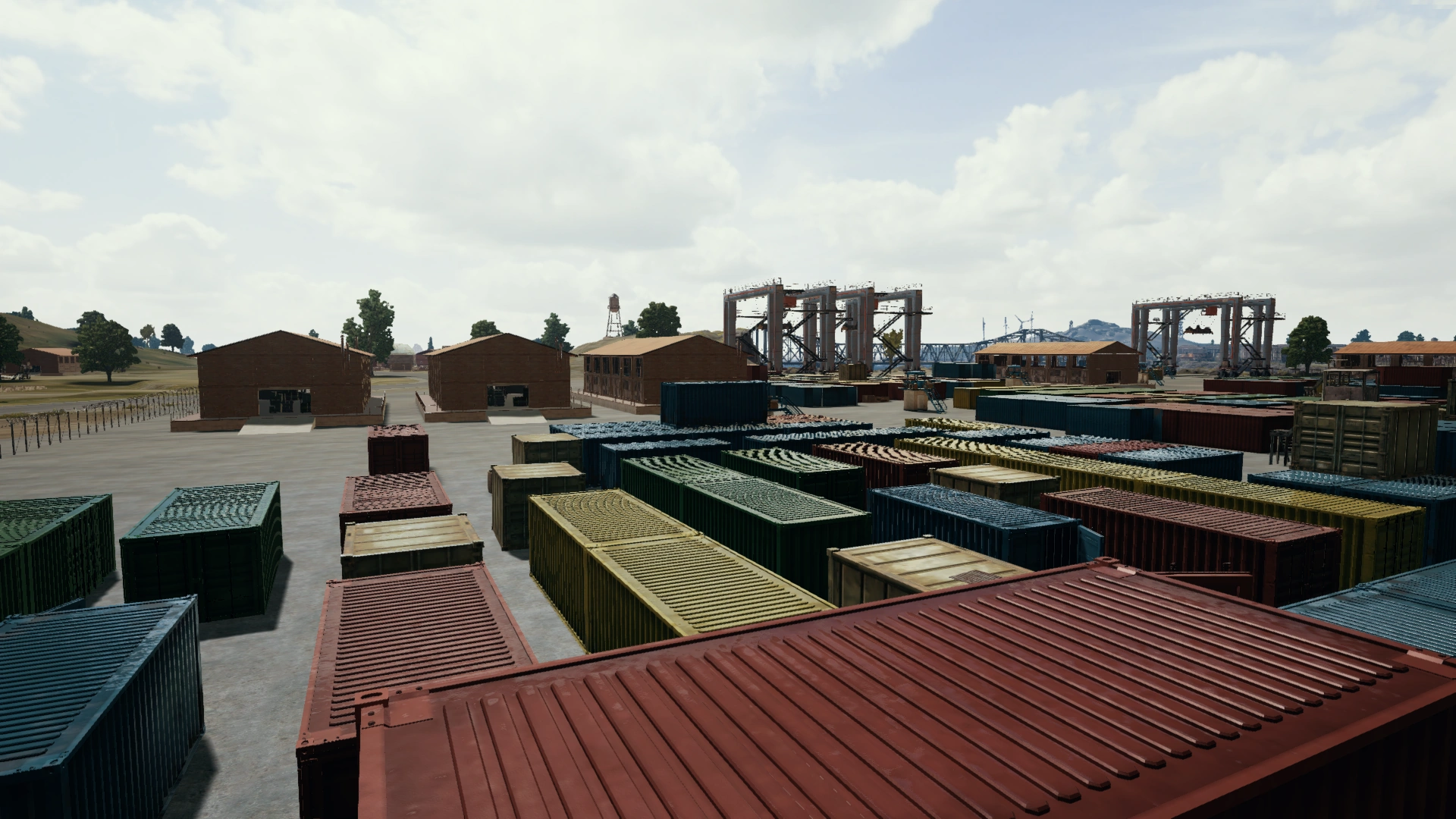
Four randoms drop hot, scatter across three buildings, and call out "help" from four different rooftops while a coordinated duo cleans them up one at a time. If you've played PUBG: Battlegrounds squads with strangers, you've lived this. The brutal truth is that a squad of four decent players who don't work together loses to two players who do — not sometimes, routinely — and it has nothing to do with whose aim is better.
A real squad is not four people in the same lobby. It's one unit with four guns, moving together, watching different angles, and trading hits so that losing a player is a setback instead of the end. That coordination is a skill you can install fast, because most of it is decisions and communication, not mechanics. This guide covers the parts that actually move your win rate: roles, comms, the drop, trading and reviving, crossfires, and how four players play the circle as one.
Four solos in a squad lose to a real duo
The core problem with uncoordinated squads is that four people make four different decisions at every moment. One wants to push, one wants to loot, one's already rotating, one's still arguing about it — and the enemy gets to fight each of you alone, in sequence, with a 4v1 advantage every single time. That's how a full squad gets wiped by two players: the two-stack always brought more guns to each individual gunfight, even though they were outnumbered on paper.
The fix is the opposite habit: make decisions as a group and execute them together. Where are we landing? Are we pushing this knock or holding? Which way are we rotating, and who's driving? When all four players are committed to the same plan at the same time, you stop handing the enemy free 4v1s and start being the squad that brings the numbers advantage to every fight. Everything below is just the specific machinery for doing that.
Give everyone a role
You don't need rigid esports roles, but a squad runs better when each player has a default job. Loose roles stop the "everybody does everything badly" problem.
- The shot-caller (IGL). One person makes the final call on rotations, pushes, and disengages. Not a dictator — they take input — but when it's time to move, somebody says "we're going now" and the squad goes. Indecision kills more squads than bad decisions. A made-up mind beats four half-opinions.
- The fragger / entry. Your most confident gunfighter takes the first angle into a fight and the hardest peeks. They get the aggressive attachments and the close-range weapon. Their job is to open the fight; everyone else's job is to support the opening.
- The support / medic. Watches the fragger's flank, carries extra heals and smokes, and prioritizes getting to downed teammates. In a fight, the support's first instinct is "can I revive or trade?" not "can I get a kill?"
- The sniper / spotter. Holds the long angle, calls out enemies they can see, and covers rotations from range with a DMR or bolt-action. They're the eyes — often the person who spots the third party before it arrives.
These roles flex. The point isn't to lock people into boxes, it's that when a fight starts, nobody's wondering "is that my job?" The fragger pushes, the support follows to trade, the spotter watches the flank and the long angle. Four jobs, zero overlap, no gaps.
Comms: the callout that actually helps
Voice comms are the single biggest force multiplier in squads, and most players use them badly. "He's over there!" tells your team nothing. A good callout is direction, distance, and what they're doing, in that order, fast.
The format that works: compass bearing or a clear landmark, range, status. "Two enemies, north, 80 meters, behind the rock, one knocked." Use the in-game compass at the top of the screen — it's there specifically so "north" means the same thing to all four of you. Reference shared landmarks ("the red barn," "the school," "left of the gas station") instead of vague gestures nobody else can see.
- Call what matters, drop the noise. During a fight, the only things worth saying are enemy locations, your status (reloading, healing, knocked), and the plan ("pushing left," "fall back to the rock"). Save the storytelling for the lobby.
- One person talks during the push. When four people call contacts at once, nobody hears anything. In a hot moment, the shot-caller or the person in the fight gets priority; everyone else feeds info in the gaps.
- Call your own status loudly. "I'm reloading," "I'm out of position," "I'm knocked, enemy west" — your teammates can't help with information you didn't give them. The knocked player who calls the enemy's exact location turns their own down into a trade.
- Mark it on the map. Pinging contacts, loot, and rotation targets cuts comms in half. A marker everyone can see beats a sentence everyone has to interpret.
Sound works both directions, so stay aware that loud comms don't leak to the enemy — but your gunfire and footsteps do. Good callouts also mean listening: the spotter who hears a distant vehicle and calls "car, east, incoming" just bought the squad ten seconds to set up.
Drop coordination: land as a unit
The squad that wins the early game usually won it the moment they marked the plane. Drop coordination is the most overlooked team skill.
The principles:
- Pick the drop together and commit. The shot-caller marks a spot; the squad confirms before anyone jumps. Splitting on a contested drop because two players free-styled is how you end up fighting your own teammates' fight from across the map.
- Land tight, not scattered. On a hot drop you want everyone within a building or two of each other so you can trade and revive immediately. Four players spread across a whole town get picked off solo — exactly the 4v1 problem again, just at the start of the game.
- Assign buildings on the way down. "I've got the two-story, you take the warehouse next to it." Calling it mid-glide means you spread to loot efficiently without leaving anyone isolated, and you know instantly where your teammates are if a fight breaks out.
- Gun up before you grab gear. Everyone's first priority on landing is a weapon, not a backpack. A squad with four guns and no helmets beats a squad with four backpacks and no guns every time in the first thirty seconds.
If you're contesting a hot drop, the squad that lands tightest and arms fastest wins, because they hit the floor as a 4-stack while the other team is still finding their first pistol.
Trading and reviving: the math of a knock
This is the mechanic that separates squads from solos, and the one most teams waste. When an enemy goes down, they're knocked, not dead — a teammate can revive them. The same is true for you. That single fact should reshape how you fight.
Trading means that the instant an enemy knocks your teammate, you punish the enemy who's now exposed from the act of shooting. A knock is information: it tells you exactly where an enemy is and that they're committed. If your fragger goes down, the support trades the knocker immediately rather than backing off — now it's even, and you've still got a teammate to pick up. A squad that trades every knock turns "we lost a guy" into "we lost a guy and so did they, and we get ours back."
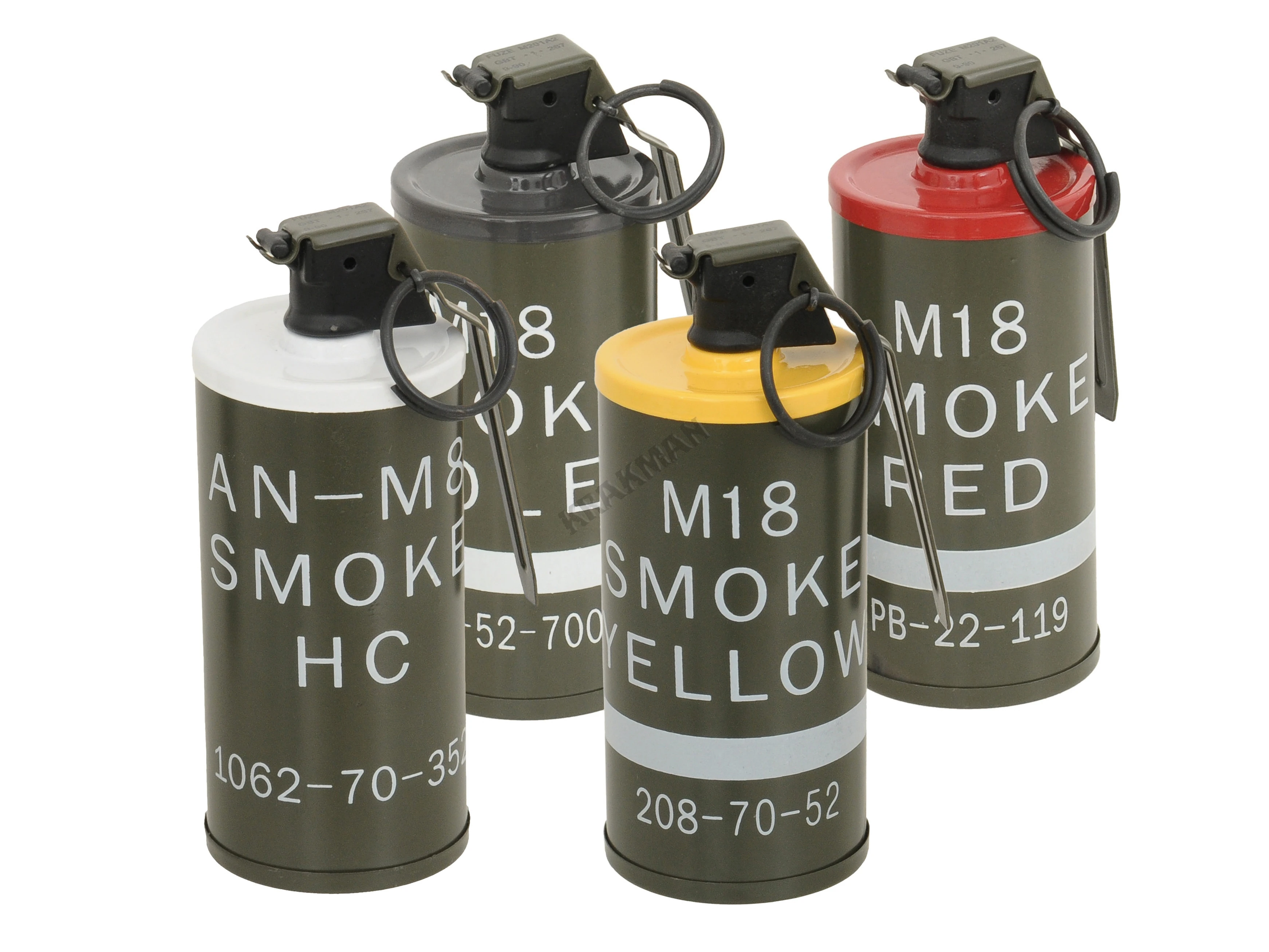
The reviving rules that keep you from throwing the game:
- Don't revive into a losing fight. Picking up a teammate locks you in a slow animation, exposed and unable to shoot. If the enemy still has the angle, you'll just feed them a second knock. Win or neutralize the fight first, then revive.
- Smoke the revive. A smoke grenade between you and the threat turns a suicidal pickup into a safe one. Carry smokes specifically for this. (More on smokes in our throwables guide.)
- A knocked player is still useful. Crawl to cover, keep calling enemy positions, and self-revive if your mode allows it. Don't just lie there typing in chat.
- Grab the Blue Chip / loot box if you can't pick up. If a teammate dies fully, on some maps you can recall them later via the Blue Chip Transmitter (Erangel, Miramar, Deston) — collect their Blue Chip and bring them back in a later zone phase. On Taego, the self-AED and Comeback BR let players return on their own. Know which comeback tools your map has, because they change how aggressively you can spend a knock.
The mental model: every fight is a trading contest. The squad that converts knocks into trades and gets its players back up wins the attrition war, and squad PUBG is mostly an attrition war.
Crossfires win fights, lines lose them
How four players are positioned relative to the enemy decides most squad fights before a shot lands. The losing shape is a line — all four of you stacked behind the same wall, shooting down the same lane. The enemy only has to watch one angle, and one well-thrown frag hits your whole squad.
The winning shape is a crossfire: two angles on the same enemy from different directions, so that when they turn to face one of you, they expose their back or flank to the other. A team caught in a crossfire has no safe direction to face — every piece of cover that protects them from one of you opens them up to the other.
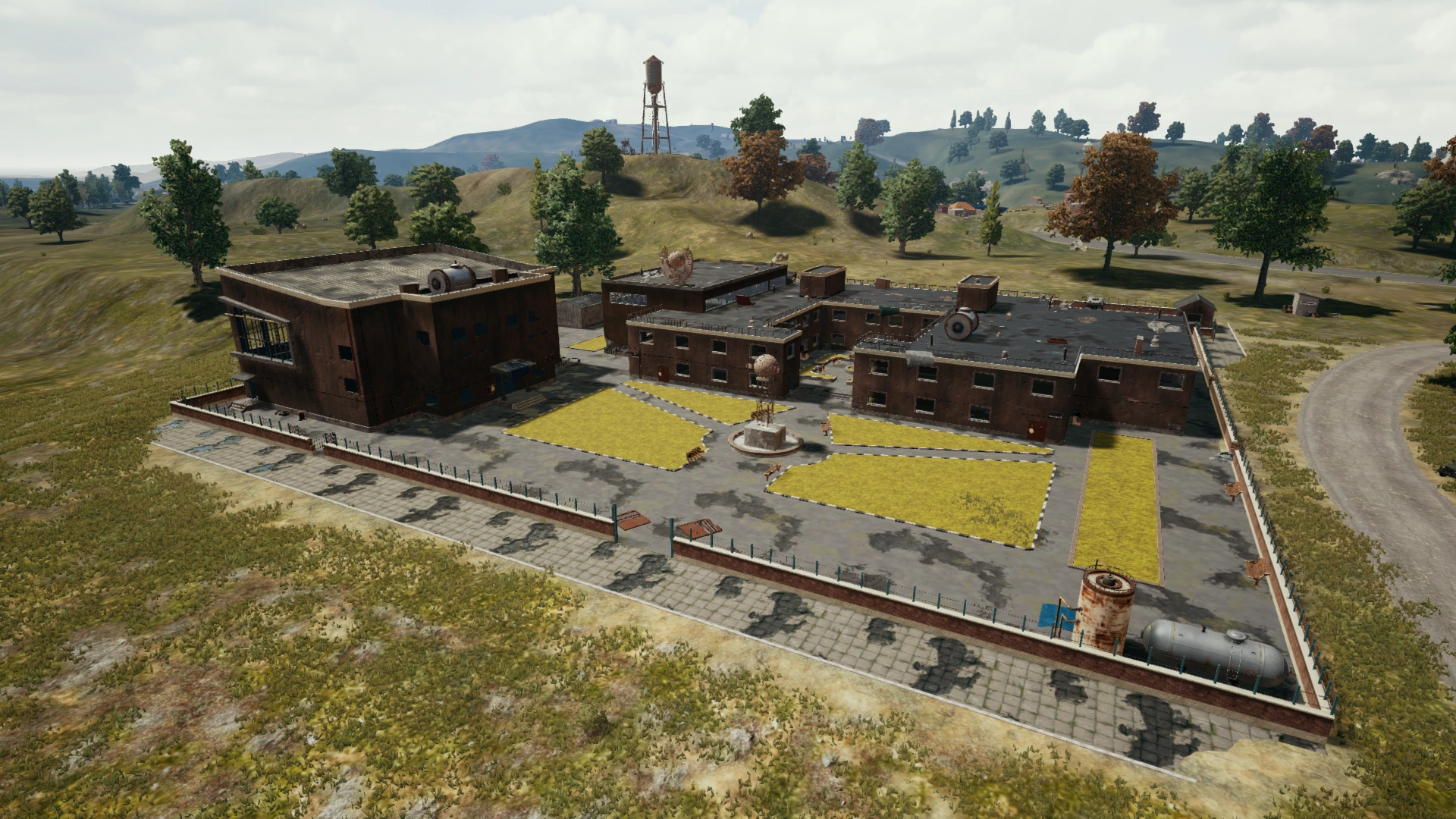
How to actually run crossfires without dying to them:
- Spread your angles, not your distance. You want two or three firing positions covering the same enemy, but close enough that you can still trade and revive each other. A crossfire where your teammates are 200 meters apart isn't support, it's four solos again.
- Don't crossfire yourselves. The danger of two angles on one target is that your teammate is now downrange of your spray. Call your position, watch your lanes, and don't dump bullets through the spot you know a teammate is pushing.
- Pinch, don't chase. When you've got a squad pinned, hold both angles and make them move into one of you — don't both sprint in from the same side and collapse your crossfire into a line.
- Use high ground plus a flank. The strongest squad shape is one player holding the elevated long angle while the rest pressure from a different direction. Now the enemy is choosing which death to face.
The single biggest squad-fight upgrade for most teams: stop stacking on one wall. Take two angles, communicate them, and let the enemy beat themselves trying to face both.
Playing the circle as four
Everything that matters in the endgame — rotations, cover, the third-party game — gets harder with four bodies to move, and a squad that ignores that strings itself out and dies in the open. Our PUBG endgame guide covers zone reading in depth; here's what changes specifically because you're a team.
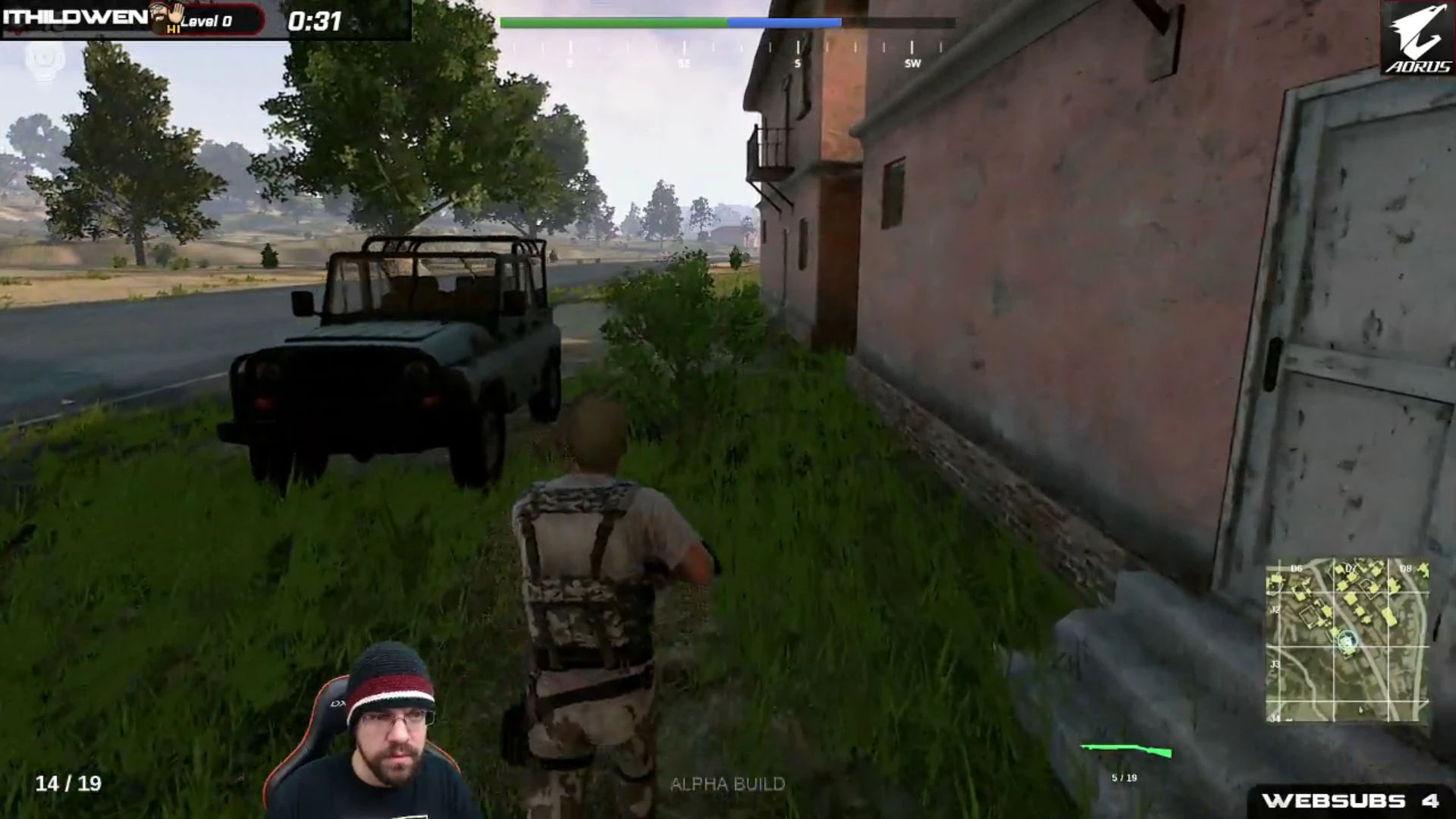
- Rotate as one, in one vehicle when you can. A four-seat vehicle like the UAZ keeps the squad together across open ground instead of having players strung out on foot getting picked one at a time. Park behind cover before the fight, then dismount as a unit. Our best PUBG vehicles guide breaks down which rotators carry a full squad.
- Move early, move together. The instant the new circle draws, the shot-caller calls the route and the squad goes. Late, scattered rotations are where squads lose a player to the blue or a flank before the real fight even starts.
- Assign angles when you set up. In a tight late circle, each player covers a direction so all of them are watched. The fastest way to lose a winnable final circle is for two players to stare at the same hill while a fourth squad walks in from the open side nobody had.
- Don't all peek the same fight. When the squad opens up, one or two players engage while the others watch the flanks for the inevitable third party. A squad that commits all four guns to one enemy gets cleaned up by the squad that was watching.
- Hold the trade discipline to the end. In the final circles, a knock you can trade and revive behind smoke is worth more than a kill you chase into the open. Patience plus crossfires plus comms is the whole endgame.
Fixing the squad that keeps dying
If your squad loses the same way every game, it's almost always one of these, and all of them are free to fix:
- You're playing as four solos. Make decisions together and execute together. This is the whole ballgame.
- Comms are noise or silence. Switch to direction-distance-status callouts and let one person talk during pushes.
- You don't trade. When a teammate gets knocked, punish the knocker immediately instead of backing off. Stop treating knocks as "we lost a guy" and start treating them as "the enemy just told us where they are."
- You stack on one wall. Take two angles. Crossfires win.
- You scatter on rotations. One vehicle, one route, move early, arrive together.
None of that needs better aim. It needs four people agreeing to be one squad instead of four players who happened to queue together.
Quick Action Checklist
- Assign loose roles: shot-caller, fragger, support/medic, sniper/spotter
- Make decisions as a group and execute them together — stop handing the enemy free 4v1s
- Use direction-distance-status callouts with the in-game compass; one person talks during a push
- Drop tight, assign buildings on the way down, and grab a gun before gear
- Trade every knock — punish the enemy who just exposed themselves instead of backing off
- Win or smoke the fight before you revive; never pick up into a losing angle
- Fight in crossfires, not lines — take two angles and let the enemy beat themselves
- Rotate as one unit in a four-seat vehicle, move early, and assign angles in the final circle
- Know your map's comeback tools (Blue Chip Transmitter, Taego self-AED) so you can spend knocks wisely
Frequently Asked Questions
How do you win more games in PUBG squads?
What is trading in PUBG and why does it matter?
How should you communicate in PUBG squads?
What is a crossfire in PUBG and how do you set one up?
When should you revive a teammate in PUBG?
How should a squad drop in PUBG?
Keep Reading
Related Guides
PUBG Recall Guide: Blue Chips and Towers
A dead teammate in PUBG isn't a dead teammate. Grab the Blue Chip out of their deathbox, register it at a tower, and they parachute back in. Here's the full Recall system — flight timings, phase cutoffs, what you come back with, and how to deny the enemy the same favour.
PUBG Mid-Game Guide: Own Phases 2 Through 5
You survived the drop and you'll survive the final ten — but the match is decided in the messy middle, phases two through five, where most players just react to the blue and hope. Here's how to turn the mid-game into a lead instead of a coin flip.
PUBG Duo Strategy Guide: How to Actually Win as Two
Duos is the least forgiving mode in PUBG and nobody talks about it that way. You get exactly one teammate, which means you get exactly one mistake — and the moment you're both down, the game ends instantly with no third player to clean up. Here's how two players actually win.
PUBG Team Communication Guide: Comms That Win Fights
Most squads don't lose fights because they got out-aimed — they lose because four people were playing four different games. Here's how to build comms that actually win fights: callout structure, info discipline, who talks when, and how to IGL without being insufferable.
Best Weapons in PUBG: Tier List
Every PUBG tier list is out of date the moment a balance patch drops. So here's the list, ranked by role, plus the durable logic to re-tier any gun yourself when the next patch shakes things up.
Best PUBG Loadouts & Attachments
A naked M416 and a fully kitted M416 are basically two different guns. Here's how to build the strongest two-gun loadouts in PUBG and the attachment priority that turns loot into recoil control.