PUBG Flanking Guide: Win Fights From the Side
A head-on peek war between two decent players is a coin flip. A flank removes the coin. Here's how to get to an enemy's blind side, when it's worth it, and how to close the kill without handing it back.
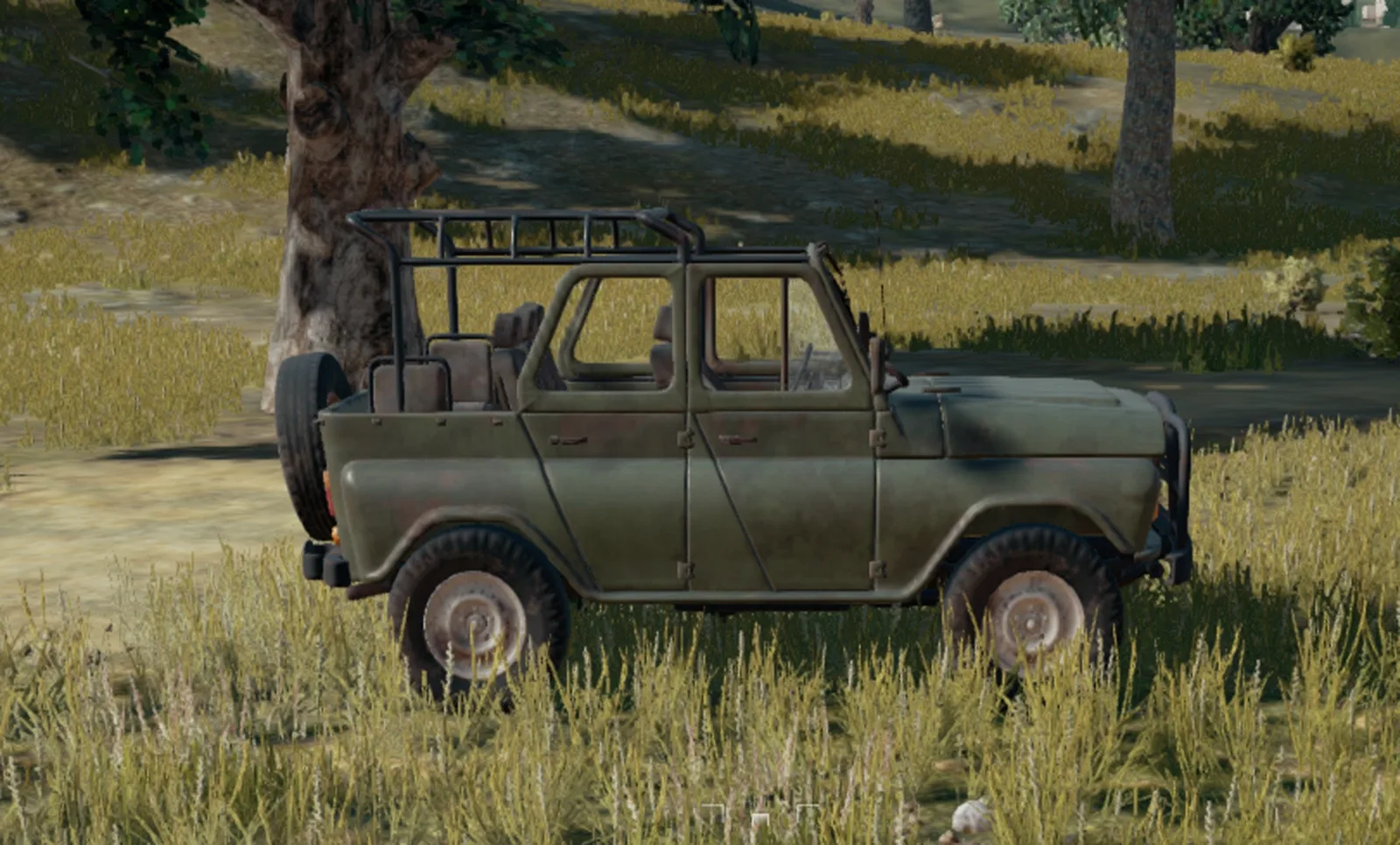
Every PUBG player has the same death replay burned into their memory: you're mid-fight with someone across a field, you've got them one-clipped, and then a burst rips into your back from a direction you never checked. You didn't lose to the guy in front of you. You lost to the guy who flanked. Flanking is the difference between fighting on your terms and gambling on a head-on coin flip — and it's the most reliable way to win a fight you had no business winning.
Here's the uncomfortable part: a head-on peek war between two decent players is mostly a wash. Same guns, same cover, whoever pre-aimed better wins the toss. A flank removes the toss. You come from where they aren't looking, you shoot a stationary target that has to find you before it can shoot back, and by the time they've swung around they're already two-thirds of the way to dead. This guide is about how to reach that blind side without dying on the way, when the flank is actually worth taking, and how to close it out without handing the kill back.
What flanking actually buys you
A flank isn't just "attack from the side" — it's a trade you're making, and it's worth understanding what you're buying. When you flank, you spend time and map distance to buy three concrete advantages:
- First-shot initiative. They're watching a threat that isn't you. Your opening burst lands before they've even registered a new direction of fire.
- A stationary target. A player holding an angle or dueling someone else is planted. You're shooting a still target while they have to relocate their whole aim to answer you.
- A broken position. Even if you don't kill them outright, a flank forces them off their cover and out into the open, which is exactly where the rest of the map — or your squad — punishes them.
The cost is that flanking is slow and it exposes you while you move. Every second you spend rotating wide is a second you're not in cover and not watching your own back. That trade is only worth it under the right conditions, which is the next question.
When to flank (and when it's a trap)
Flanking a fight you should just leave alone is how good players hand themselves to a third party. Take the flank when:
- The enemy is committed and looking the other way — pinned in a duel, holding a window toward someone else, or reviving a teammate. A distracted target is the whole point.
- You have cover or concealment to reach the angle. A rotation across a tree line, a ridge, or a compound wall is a flank. A rotation across a bare field in the open is a suicide jog.
- You have time. The blue zone isn't about to eat your rotation and the fight won't be over before you arrive.
Skip the flank — or don't start one — when the circle is closing on your path, when reaching the angle means crossing open ground with no smoke, or when you're the one already being watched. And be honest about the biggest trap of all: if you can flank the fight in front of you, so can someone else flank you while you're focused on it. That's the core lesson of the third-party guide — the map is full of players doing to you exactly what you're trying to do to them.
Reading the rotation: where to come from
The best flank angle is usually decided before you move, by reading where people have to go. PUBG's shrinking circle does half your work for you: it forces every player to rotate toward the next zone, which means their backs turn to whoever's already sitting in it. Get to the inside edge of the circle early and the flanks come to you.
To pick your angle, ask three questions:
- Where is their attention pointed? Come from 90 degrees off their front — the side or rear — not from the direction they're already shooting.
- What's the covered path to get there? Trace a route along hard cover and dead ground (dips, gullies, reverse slopes) that keeps you out of their sightline the whole way. If you can't draw that line, it's not a flank.
- What are they going to do next? A squad that just won a fight will loot the bodies — heads down, backs exposed, for a good ten seconds. That's your window. Time the flank to their vulnerable moment, the same read that drives good movement and positioning.
The quiet flank: sound discipline
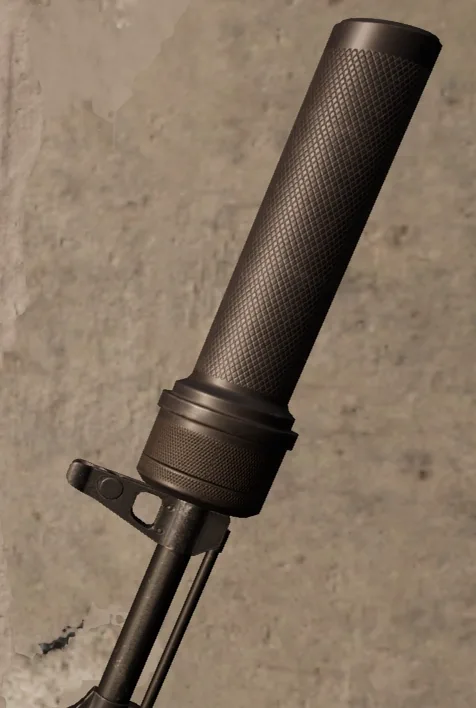
A flank lives and dies on sound, because PUBG's audio is precise enough that a careless step gives away your whole angle. The enemy is listening for exactly the thing you're doing — moving. Your job is to move without narrating it:
- Walk, don't sprint, near the target. Sprinting and hard footfalls carry. Ease off the stick or hold walk (default Left Alt with a bind, or just feather your movement) when you're inside earshot.
- Mind the surface. Concrete, metal, and water are loud; grass and dirt are quiet. Route your flank across soft ground where you can.
- A suppressor keeps the flank secret. A suppressor cuts how far your gunshots carry and hides your muzzle flash, so when you do open up, the rest of the lobby can't instantly triangulate you — and neither can the guy you're shooting until it's too late.
- Use their noise as cover. The loudest moment on the map is an active gunfight. Move while they're shooting; freeze when they stop. If you want the full breakdown of what carries how far, the audio guide is the companion read.
Crossing open ground on a flank
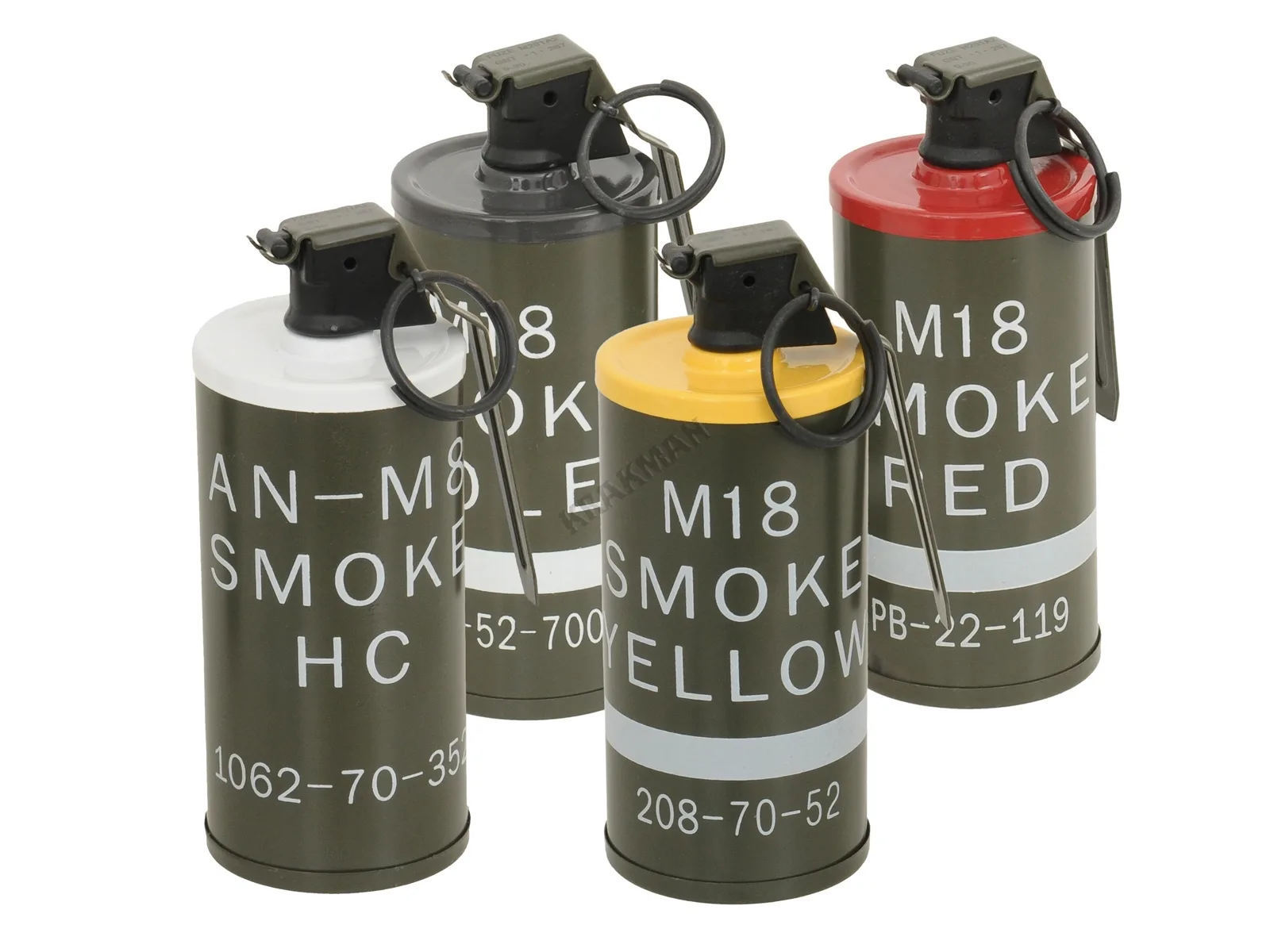
Sooner or later a flank route has a gap with no cover, and this is where most flanks die. You do not sprint a bare 80-meter field in a straight line and hope. Options, best to worst:
- Smoke the gap. A smoke grenade thrown across the open stretch gives you a moving wall to cross behind. Throw it, wait for it to bloom, then move — don't sprint out the instant it lands.
- Wait for their eyes to be elsewhere. Cross while they're reloading, repositioning, or trading fire with someone else. Patience beats a bold dash almost every time.
- Zig, don't line. If you must cross exposed, break your path — a moving target that changes direction is far harder to track and lead than one running a predictable straight line.
- Cross prone or crouched at the edges. Lowering your profile buys you a beat if someone's scanning that ground, and it keeps you off the skyline on a ridge.
The honest rule: if the only way to the angle is a naked sprint across open ground in someone's sightline, that's not a flank, that's a donation. Re-route or wait.
Vehicle flanks and fast repositioning
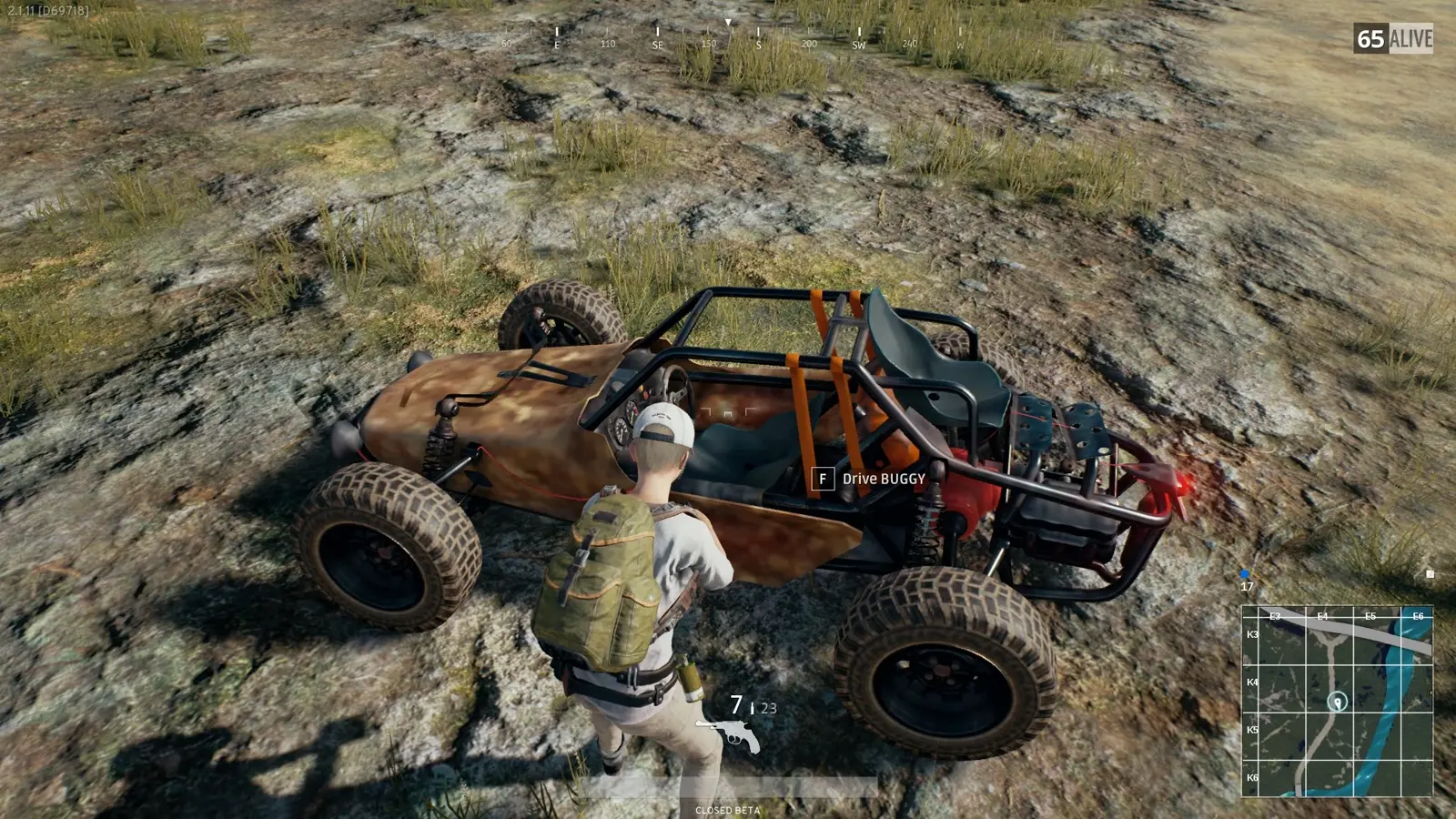
Vehicles are the best flanking tool in the game and the easiest to misuse. They let you rotate a huge distance around a fight to hit it from a direction nobody's watching — but an engine broadcasts your position for hundreds of meters, so the vehicle gets you near the flank, never into it.
The method:
- Ride wide, dismount early. Take the long way around, well outside the fight, and get off the vehicle a few hundred meters out. Cover the last stretch on foot and quiet.
- Park where it won't rat you out. Leave the vehicle behind cover, not skylined on a hill where its silhouette announces "someone rotated here."
- Never drive straight at the fight. A vehicle charging a held position is a loud, slow, giant target — you'll get shredded before you're in range. That's a different skill set entirely, covered in the vehicle combat guide.
Used right, a vehicle turns a flank that would take three minutes on foot into a thirty-second rotation. Used wrong, it's a klaxon telling the enemy exactly where to point.
Squad flanks: the pincer
Solo flanking is powerful; a coordinated squad flank is a death sentence for whoever's on the receiving end. The play is the pincer: part of your squad holds the enemy's attention from the front while the rest swings around to hit them from the side or rear.
How to run it cleanly:
- Anchor and mover. One or two players pin the enemy — trade shots, hold the angle, keep their heads down and their aim forward. The rest quietly take the flank.
- Call the timing. The anchor keeps the pressure on until the flankers are in position, then everyone commits at once. A flank that fires early just warns the enemy before your teammates are set. Clean comms are the backbone here — see the squad strategy guide.
- Don't crossfire your own team. The whole danger of a pincer is that the two halves are shooting toward each other. Know where your flankers are and check your target before you spray, especially when you're clearing into a building — the discipline from compound clearing applies double.
A pincer works because it makes the enemy's cover useless: whichever way they turn to answer one threat, they expose their back to the other. There's no correct direction to face, and that's the point.
Committing without giving it back
The flank isn't done when you reach the angle — it's done when they're dead and you're still alive, and plenty of good flanks fall apart at the finish. When you commit:
- Open from cover, not from the open. Reaching the blind side doesn't mean standing in a field to shoot. Post up on a wall, a tree, or a rock and peek the flank the same way you'd peek any angle — crosshair up, minimal exposure, per the peeking guide.
- Take the free damage, then reset if it turns. If your opener doesn't drop them and they spin on you with a read, don't stand there trading — pull back behind cover, let them lose track, and re-peek from a slightly different spot.
- Check your own flank the instant it's over. You just did to them what someone can do to you. The second the fight ends, stop looting for a beat and scan the directions you weren't watching. The kill you never see coming comes from the side — don't become the replay.
Quick Action Checklist
- Only flank a distracted, committed enemy — never one who's already watching you
- Trace a covered path to the angle before you move; if it's a bare-field sprint, don't
- Come from 90 degrees off their front, using the closing circle to turn their backs to you
- Walk near the target, route across soft ground, and run a suppressor to keep the flank quiet
- Smoke any open gap and cross behind it — or wait until their eyes are elsewhere
- Ride vehicles wide and dismount a few hundred meters out; the engine gives you away
- Run the pincer in squads: anchor pins the front, movers hit the side, everyone fires on the call
- Open from cover, reset if it turns, and check your own flank the second the fight ends
Frequently Asked Questions
How do you flank in PUBG?
When should you flank versus fight head-on in PUBG?
How do you flank without being heard in PUBG?
How do you flank across open ground in PUBG?
What is a pincer flank in PUBG squads?
Keep Reading
Related Guides
PUBG Mid-Game Guide: Own Phases 2 Through 5
You survived the drop and you'll survive the final ten — but the match is decided in the messy middle, phases two through five, where most players just react to the blue and hope. Here's how to turn the mid-game into a lead instead of a coin flip.
PUBG Duo Strategy Guide: How to Actually Win as Two
Duos is the least forgiving mode in PUBG and nobody talks about it that way. You get exactly one teammate, which means you get exactly one mistake — and the moment you're both down, the game ends instantly with no third player to clean up. Here's how two players actually win.
PUBG Third-Party Guide: Avoid and Exploit the Third
The player who wins a PUBG fight and the player who wins the lobby are usually different people — and the difference is the third party. Here's how to stop getting jumped mid-fight and how to be the one doing the jumping.
PUBG Solo Strategy Guide: How to Survive and Win Alone
Solo PUBG is a different game from squads, and most people play it like they still have backup. There's no revive, no trade, no one to call the flank — every fight you take is a coin flip you don't have to flip. Here's how to actually survive solo queue and solos-vs-squads.
Best Weapons in PUBG: Tier List
Every PUBG tier list is out of date the moment a balance patch drops. So here's the list, ranked by role, plus the durable logic to re-tier any gun yourself when the next patch shakes things up.
Best PUBG Loadouts & Attachments
A naked M416 and a fully kitted M416 are basically two different guns. Here's how to build the strongest two-gun loadouts in PUBG and the attachment priority that turns loot into recoil control.