Ocarina of Time Fishing Pond Guide: Golden Scale, Sinking Lure, and the Hylian Loach
The Fishing Pond looks like a throwaway 20-Rupee diversion, but it gates a required-adjacent item, hides an illegal lure with four spawn points, and stocks a secret fish most players never see. Here is the actual record math, every lure spot, and the Hylian Loach recipe.
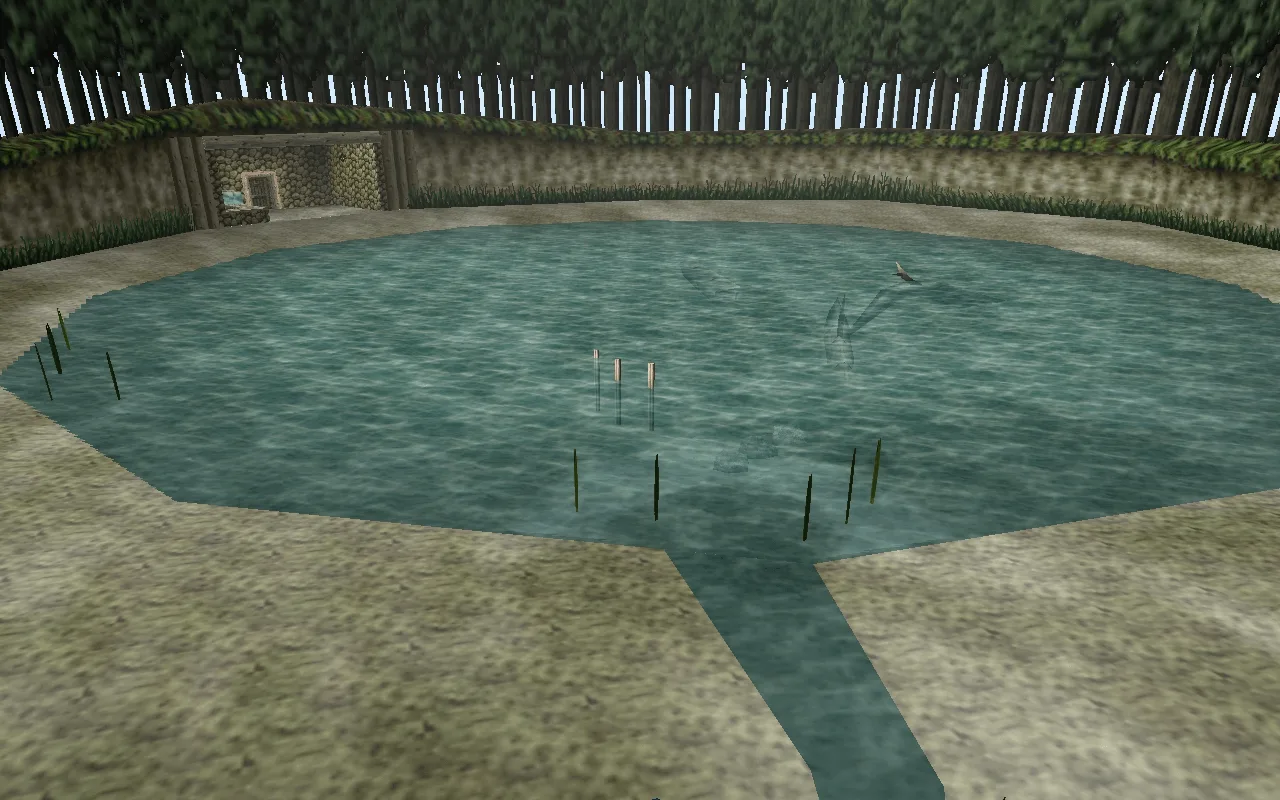
Ocarina of Time shipped with a full fishing sim hiding on an island in Lake Hylia, and it is better than half the standalone fishing games of its era. It is also not optional the way people think it is. One of the pond's two prizes is the Golden Scale, and if you want every Piece of Heart in the game, you are coming here as an adult whether you like fishing or not.
Most players wander in, pay their 20 Rupees, drag a five-pounder to the counter, and get politely stiffed. That is because the pond does not pay out for catching a fish — it pays out for beating a posted record by a specific margin, and the game never spells out the numbers. Here is the actual math, the four places the illegal lure spawns, and how to meet the giant fish the pond quietly stocks and almost nobody catches.
What 20 Rupees actually buys you
The Fishing Pond sits on the island in the middle of Lake Hylia, behind its own door. The owner charges 20 Rupees flat, rod included, and the session has no timer — he tells you outright that you can fish for as long as you want. In a game that charges you 10 Rupees for thirty seconds of Bombchu bowling, this is the best entertainment value in Hyrule.
The pond has posted rules, and they matter because breaking the first one voids your prize:
- No sinking lures.
- No littering.
- No running.
- No casting at anyone.
That last one is more of a guideline, as we will get to in the hat section. The pond exists in both eras, and the fish physically grow across the seven-year gap — the stock you leave behind as a kid is bigger when you come back as an adult, which is why each era has its own prize and its own realistic record range.
The record math behind both prizes
Here is the part the game hides: the pond tracks a standing record, and the prize only triggers when you beat that record by at least four pounds. Beat it by less and the owner logs your fish, updates the record, and hands you a consolation payout — 5 Rupees as a child, 20 as an adult — which as an adult means you literally broke even on the entry fee for a new record. Generous guy.
Child era: the Piece of Heart
The default record as child Link is a six-pound fish. Four pounds over that means you need a ten-pounder to trigger the prize: a Piece of Heart, one of the four at Lake Hylia counted in our full Heart Piece rundown. A ten-pound fish as a child is a genuine fight — the biggest fish in the child-era pond are lurking in the same two structure spots covered below, and they will run on you repeatedly before they tire.
Adult era: the Golden Scale
The adult default record is seven pounds, so an eleven-pounder clears the four-pound margin and wins the Golden Scale. This is the pond's real reason to exist. The Golden Scale extends your dive beyond what the Silver Scale allows, and it is the only way to reach the bottom of the Lakeside Laboratory pool next door, where another Piece of Heart is waiting. If you are doing a 100% file, this catch is mandatory — there is no alternate source for the Golden Scale anywhere in the game.
Eleven pounds is the floor, not the target. The adult pond holds fish well into the teens at the two structure spots, so aim big and you will clear the margin without sweating the scale.
Where the big fish live
The pond is not uniformly stocked. The lunkers hold in two specific places:
- The log on the west side — the half-submerged log you can actually stand on. Cast past it and work the lure back along its edge.
- The three poles on the east side — the trio of wooden posts sticking out of the water. The biggest shadows in the pond patrol this cluster.
Timing matters too. Fish bite more aggressively at sunrise, sunset, and while it rains — the pond has its own weather, and a rainy session is noticeably hotter than a midday one.
On the hook, the technique that actually lands big fish is reading the fight: when the fish turns, push the Control Stick in the same direction it is turning while you hold reel. Fighting a big one head-on with pure reeling is how lines go slack and ten-pounders swim off with your dignity. Let it run, steer with its turns, and take up line when it tires.
The Sinking Lure: all four spawn spots
After you win an era's prize — the Piece of Heart as a child, the Golden Scale as an adult — a Sinking Lure starts spawning somewhere in the pond. It does exactly what the name says: instead of floating on the surface, it sinks and drags along the bottom where the biggest fish actually feed. It is comically effective. It is also rule number one on the sign.
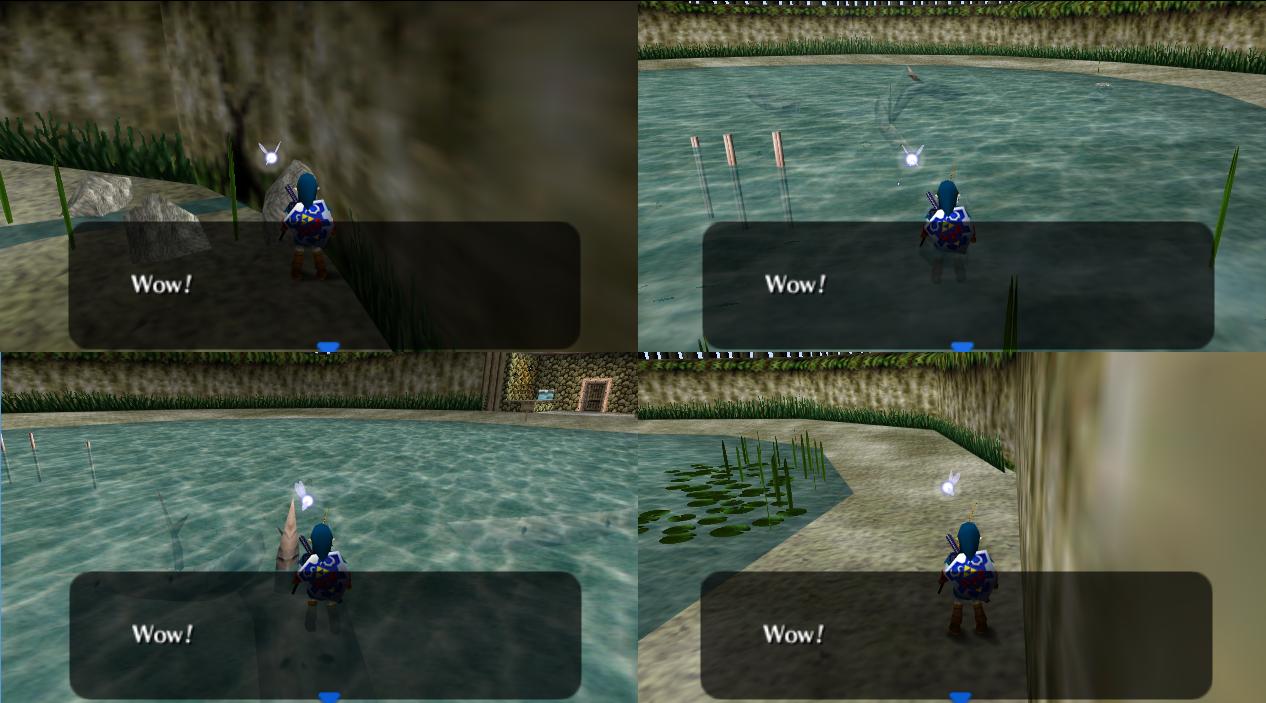
The lure appears in one of four spots, and the spot can change between visits:
- On the big underwater rock by the stream that feeds the pond.
- Hidden in an underwater rock near the three poles on the east side.
- On the arched log on the west side.
- In the grass along the northern wall of the pond.
Walk the perimeter checking those four and you will find it. Two catches, though. First, the lure does not persist — leave the pond and you have to find it again next session. Second, and this is the one that burns people: record fish caught on the Sinking Lure do not win prizes. The owner will log the catch with a note that it was taken on an illegal lure, look you dead in the eye, and tell you "That sinking lure is in violation of the rules!" No Golden Scale, no Piece of Heart, no appeal.
There is a half-exception: if you walk up and show him the lure honestly instead of just using it, he shrugs and permits you to fish with it — but permitted is not the same as prize-eligible, and your record catches with it still pay nothing. Treat the Sinking Lure as a victory lap toy for after you have banked the era's prize on a legal lure, not as a shortcut to it.
The Hylian Loach: the pond's secret boss
The pond stocks exactly one Hylian Loach, a huge eel-looking thing that dwarfs everything else in the water, and the game never once tells you it exists. As a child it runs 15 to 18 pounds — nearly double the prize threshold — and as an adult it balloons to 29 to 35 pounds, roughly triple the weight of a Golden Scale fish.
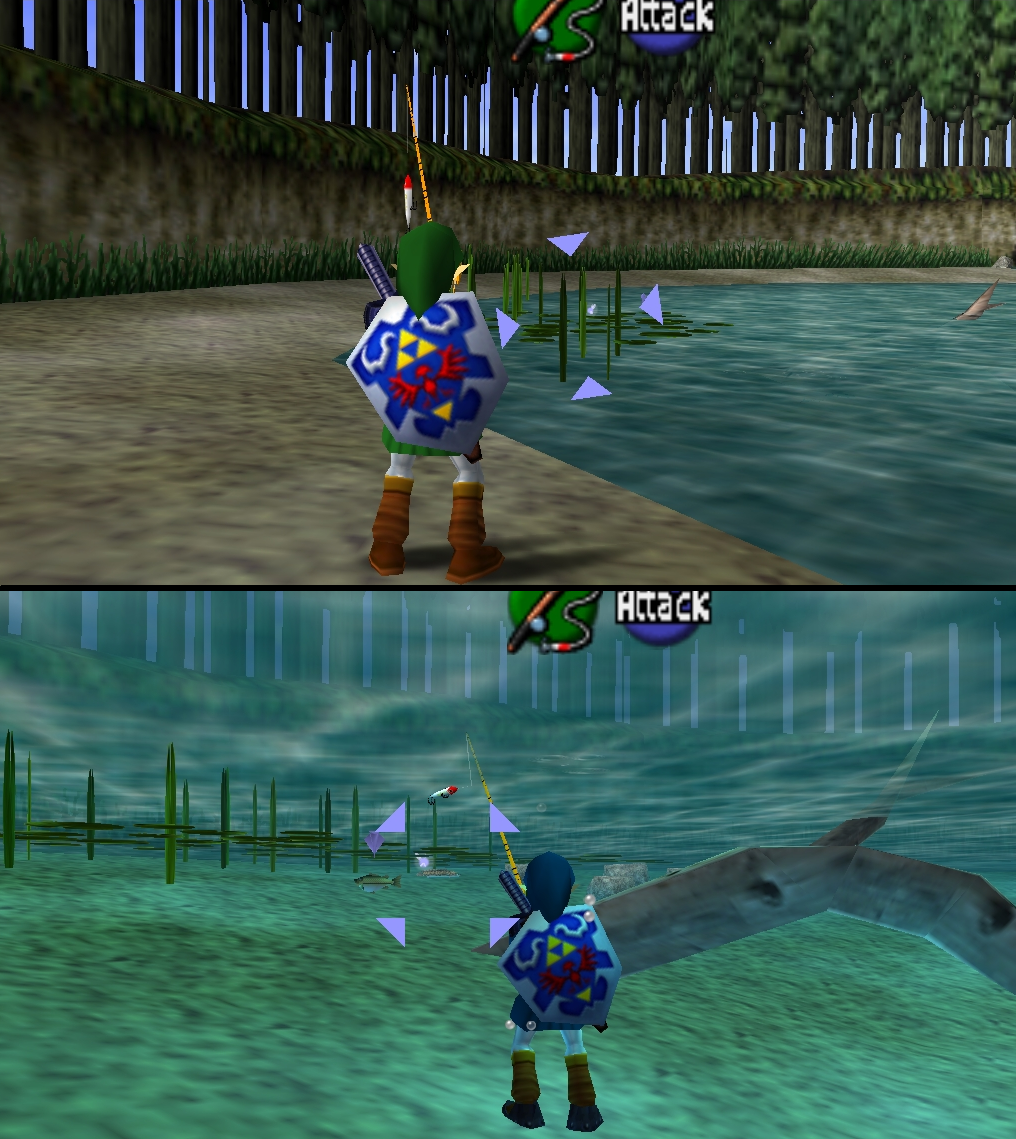
The Loach does not just show up. The recipe documented on Zelda Wiki is a consecutive-visit trick: pay the 20 Rupee fee, quit, and walk out — three times in a row — and on the fourth consecutive paid visit the Loach appears, hanging around the lily pads on the west side of the pond. It only bites while it is in the lily pads or while it is swimming back toward them, so cast to that patch and be patient. Both the Sinking Lure and the regular lure can hook it, and since the Loach is about bragging rights rather than the record board, this is the one fish where breaking out the illegal lure costs you nothing.
Land it and the owner gets sentimental: the species is endangered, so he releases your trophy back into the pond and pays you 50 Rupees for the privilege. That is the entire material reward — a purple Rupee for the hardest catch in the game. You are doing this one for the story, not the payout.
The hat incident
The pond owner spends both eras scratching his armpit and insisting he is serious, and as an adult he wears a hat he very much was not wearing seven years earlier. The rules say no casting at anyone. Cast at him anyway.
Hook the hat and it comes clean off his head, revealing exactly why he started wearing one, and you can reel it around the pond like the world's saddest lure. Fair warning: if you dump the hat in the water and lose it, he fines you 50 Rupees — precisely what the Loach pays out, which feels like the game balancing its books. He will also grumble, if you talk to him as an adult, that you were basically his only customer and the seven-year gap nearly put him out of business. Hyrule fell to Ganondorf and this man's chief complaint is foot traffic.
N64 vs 3DS differences
Mechanically, the pond survives the jump to Ocarina of Time 3D intact — same 20 Rupee fee, same two-era prize structure, same illegal lure, same Loach. Zelda Wiki documents no rule changes between versions, and the record math works the same way on both.
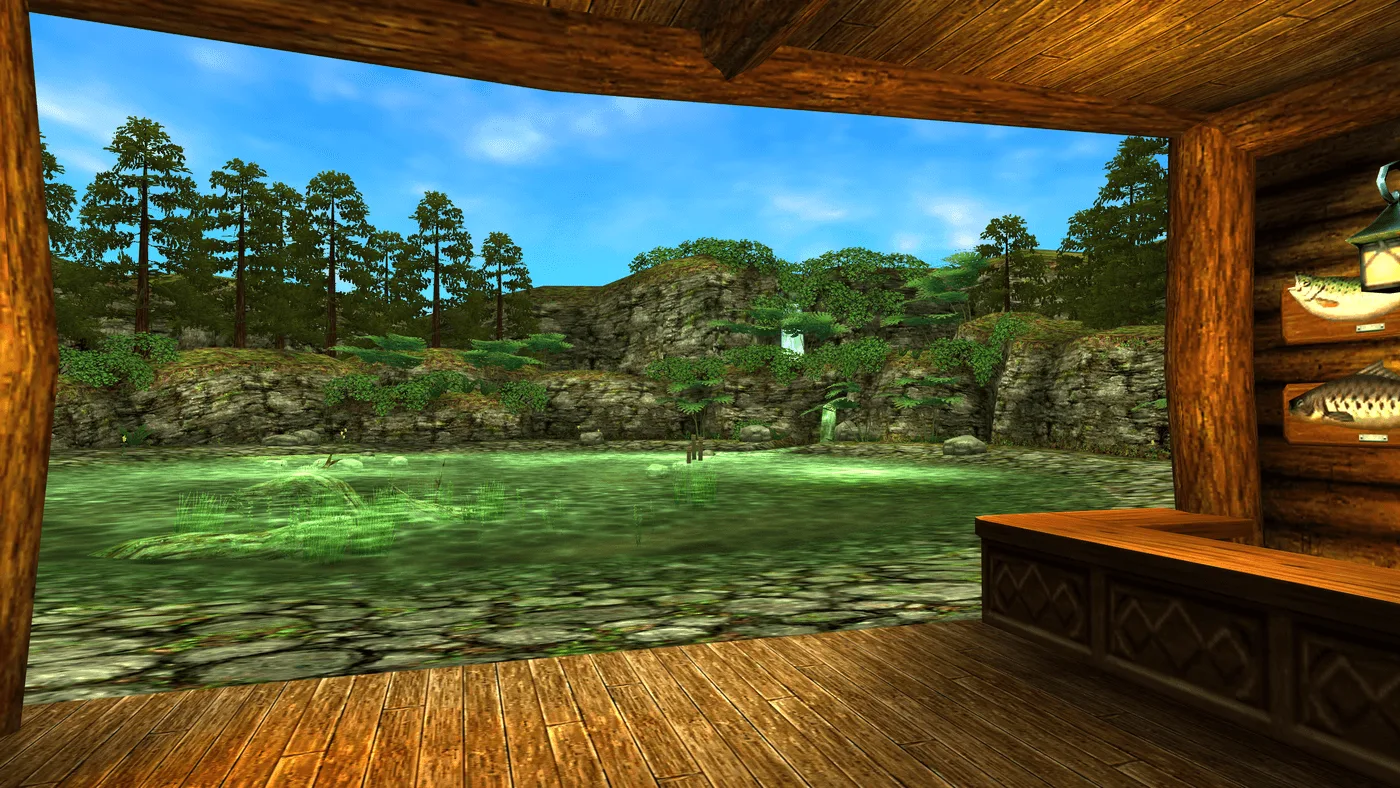
What did change is the scenery. The 3DS remake rebuilds the pond area completely — proper trees, rock walls with waterfalls, a detailed log cabin office with mounted trophy fish on the wall — where the N64 original is a green circle inside a wooden fence. If the pond is your favorite part of the game, the remake treats it as well as anything else that got the 3D facelift. Play whichever version you like; the fish do not care.
Quick Action Checklist
- Pay the 20 Rupees — the session is untimed, so never rush a fight.
- Child era: beat the six-pound default record by four pounds — land a ten-pounder for the Piece of Heart.
- Adult era: beat the seven-pound default record by four pounds — land an eleven-pounder for the Golden Scale (mandatory for 100%, gates the Lakeside Laboratory dive).
- Target the west log and the three east poles; fish bite hardest at sunrise, sunset, and in rain.
- In a fight, push the stick with the fish's turns while reeling — do not tug head-on.
- After winning a prize, hunt the Sinking Lure at its four spots (stream rock, poles rock, arched log, north-wall grass) — but remember prize catches on it do not count.
- For the Hylian Loach: pay-and-quit three visits in a row, then look in the west lily pads on the fourth. It pays 50 Rupees and gets released.
- Cast at the owner's hat once. Do not drop it in the pond unless you have 50 Rupees to burn.
Frequently Asked Questions
How do you get the Golden Scale in Ocarina of Time?
How big a fish do you need for the fishing Piece of Heart?
Where is the Sinking Lure in Ocarina of Time?
Do fish caught with the Sinking Lure count?
How do you catch the Hylian Loach?
Is the fishing pond different in Ocarina of Time 3D?
Keep Reading
Related Guides
Ocarina of Time Masks: The Full Trading Sequence
The Happy Mask Shop does not sell you anything — it loans you stock and expects the money back, and one of the four masks is a guaranteed loss. Here is the full chain, every buyer, and the flag bug that quietly deletes a capacity upgrade from your file.
Ocarina of Time Bottle Locations: All 4 Empty Bottles and What to Put in Them
Most players finish Ocarina of Time with two bottles because two of the four are handed out by farm animals. Here is every bottle location, the full Big Poe spawn list, what belongs in each slot, and the sell prices that turn a bottle into a money printer.

Ocarina of Time Heart Pieces Guide (All 36 & How to Reach 20 Hearts)
Ocarina of Time caps Link at 20 hearts, and the math behind that number is cleaner than anyone tells you: 3 to start, 8 from bosses, 9 built out of 36 Pieces of Heart. Here is where every piece clusters, which ones are pure RNG, and the upgrade that beats all of them.

Ocarina of Time Gold Skulltulas Guide (All 100 & Key Rewards)
There are 100 Gold Skulltulas in Ocarina of Time, and here is the part nobody tells you: every reward that actually matters is locked in by token 50. This is the full breakdown — the six prizes, the exact thresholds, and how to hunt efficiently across both timelines.
Ocarina of Time Dungeon Order: The Full Route, Explained
Ocarina of Time looks like an open adventure and plays like a corridor. Eight required dungeons, three side dungeons, and exactly one place where the game genuinely lets you pick. Here is the whole route with the reasons behind each lock.
Ocarina of Time Biggoron's Sword Guide: The Full Trade Quest, Timers and All
The Biggoron's Sword is the strongest blade in Ocarina of Time, and getting it means running an eleven-step trading gauntlet with two real timers hiding in the back half. Here is the whole chain, in order, with the traps that fail people.