Ocarina of Time Remake vs N64 vs 3DS: Key Differences
Three versions of Ocarina of Time, one table. The N64 original, the 2011 3DS remake and the 2026 Switch 2 remake compared row by row on controls, songs, items, hints, collectibles, dungeons, boss rematches, Master Quest and voice acting, plus the story scenes, characters and names the Switch 2 version changed.
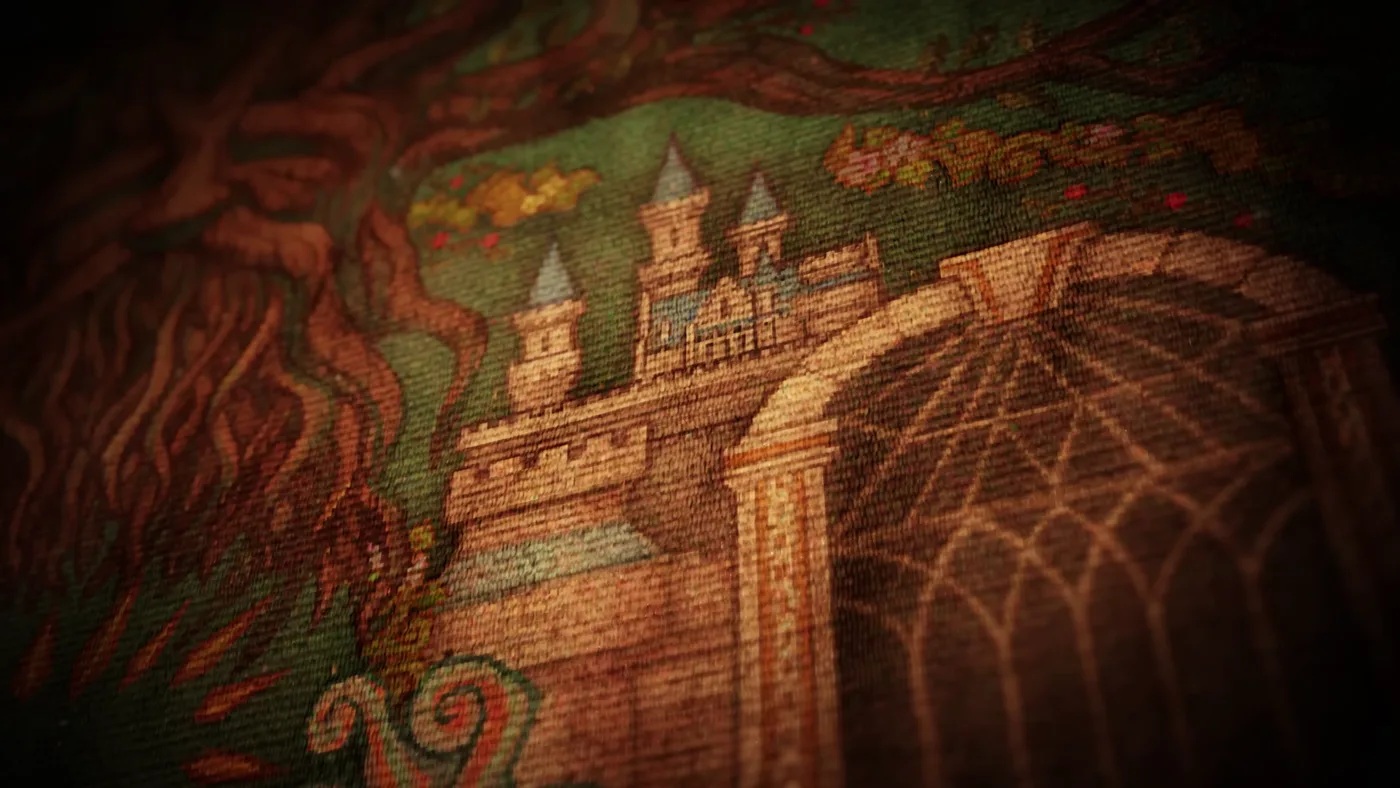
There are three Ocarina of Times now, and our own 3D vs N64 guide only puts two of them side by side. That matters more than it sounds, because "the original" is not one game. The 3DS version already put the Iron Boots on a button, added hint videos and shipped a mirrored Master Quest, so some of what reads as new in 2026 was new in 2011, and some of what the 3DS added is gone again.
So this post puts all three side by side. The table comes first. After it, one or two sentences per area, with links to the posts on this site that go deeper, and then the part none of our other posts covers: what the Switch 2 version changed about the story, the characters, the dialogue and the names. I have not played the Switch 2 remake. The Switch 2 column comes from Zelda Wiki's article on the released game and its item and character pages as they read on November 10, 2026, plus Nintendo's store page and its Ask the Developer interview. Where none of them says anything, the cell says "Not documented" rather than a guess.
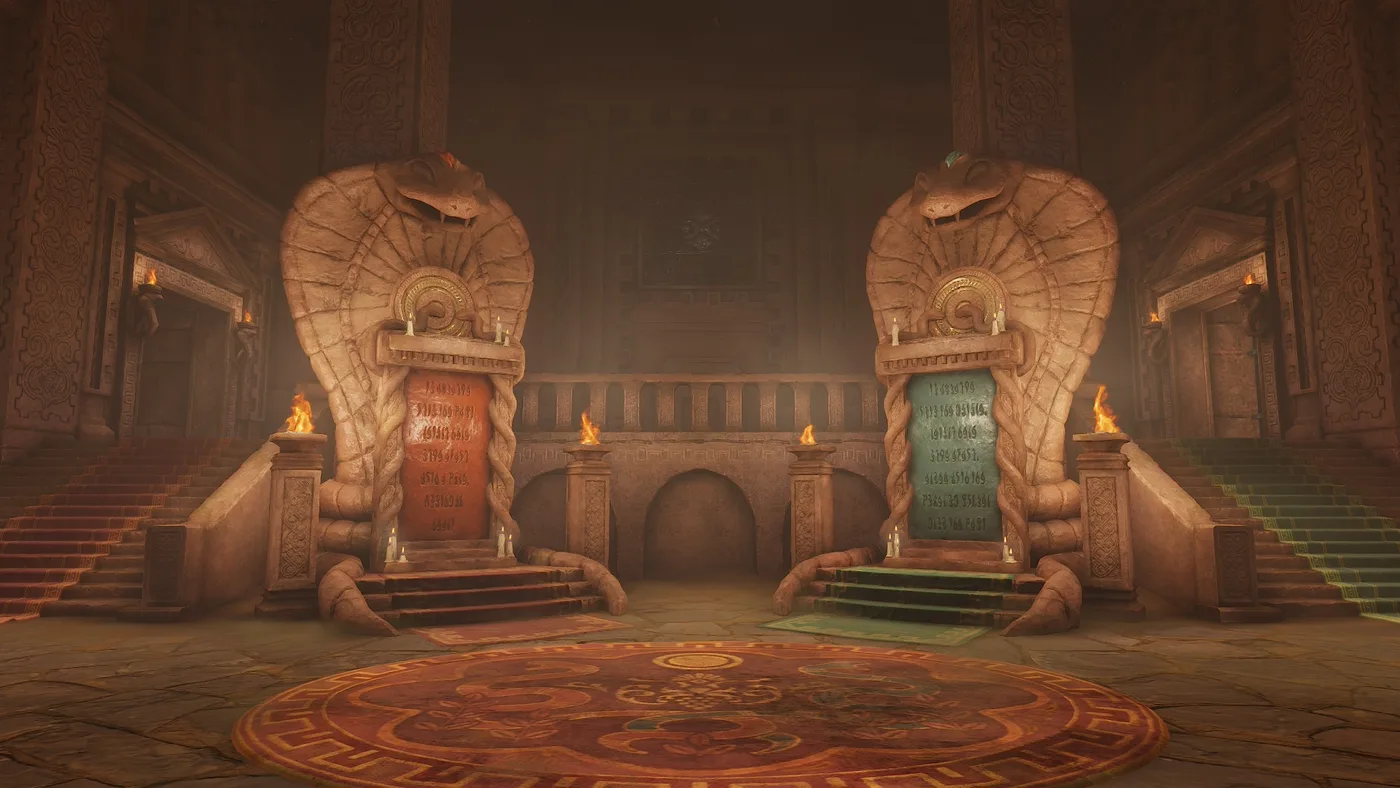
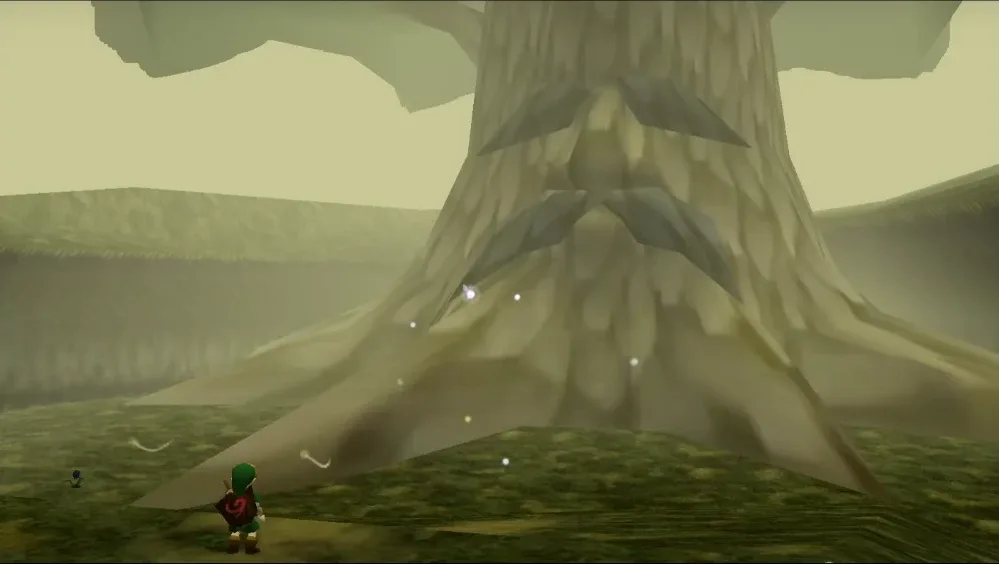
That is a frame from the remake's opening, which Zelda Wiki says now plays as a voiced narration over a tapestry. More on that under the story changes.
The three-way table
| Area | Nintendo 64 (1998) | Nintendo 3DS (2011) | Nintendo Switch 2 (2026) |
|---|---|---|---|
| How it was made | The original game | The first version to recreate the graphics instead of porting the N64 ones (Zelda Wiki) | Recreated "from scratch", per Nintendo's interview, on the Tears of the Kingdom engine (Zelda Wiki) |
| Frame rate | 20 fps (Zelda Wiki) | 30 fps (Zelda Wiki) | Not documented. Nintendo's store page lists HDR and VRR output on compatible TVs |
| Camera | Fixed angles in places; a few areas use pre-rendered backgrounds | Pre-rendered areas rebuilt in 3D; a view mode you can steer by moving the 3DS | Fully controllable on the Right Stick; all of Hyrule Castle Town is one free-camera map |
| Jumping | Automatic at ledges, no jump button | Not changed in Zelda Wiki's 3DS change list | Jump button; automatic jump removed; X climbs small ledges; hold A to dash |
| Targeting | Z button | L button | ZL, which also raises the shield automatically when locked on |
| Item buttons | Three C-buttons (C-Left, C-Down, C-Right); C-Up is first-person view and Navi | X and Y, plus touch-screen slots I and II | One slot on ZR; L or R opens a horizontal item menu |
| Boots and gear | Iron and Hover Boots are Equipment, swapped in the menu | Iron and Hover Boots become Items you can put on a button | D-pad: Up for headgear, Down for footwear; you choose which boots sit on Down in the Equipment menu |
| Song input | A plus the four C-buttons | L, R, Y, X, A, or the touch-screen ocarina | L, R, A, Y, X by default, a second "Classic" layout in settings, or hum or play a real instrument into the console's microphone |
| Hints | Navi, on C-Up | Navi, plus two Sheikah Stones with Vision clips | No Sheikah Stones. Threads of Time lists objectives; Fairy Thoughts give advice; Navi is on D-pad Right |
| Secret detector (20 tokens) | Stone of Agony: rumbles a Rumble Pak near Secret Grottos | Shard of Agony: a ping and a flashing icon near Secret Grottos | Echo Gem: Equipment that signals nearby Gold Skulltulas; grottos are now visible |
| Silver Rupees | Collected to open doors; worth 5 Rupees each | Same as N64 | Removed; silver gems fly into slots in the door lock |
| Wallets and prices | 99 / 200 / 500 Rupees; Gerudo Training Ground costs 10 | 99 / 200 / 500; Training Ground costs 10 | 200 / 500 / 1,000; shops generally pricier; Great Fairies ask for rising donations; the Proving Grounds cost 30 |
| Dungeon layouts | The originals | Water Temple gets color-coded routes to its water switches; some Crystal Switches moved or replaced | Water Temple loses a Small Key and its door and gains lattice walls; Forest Temple's first door is locked; Jabu-Jabu's first floor streamlined |
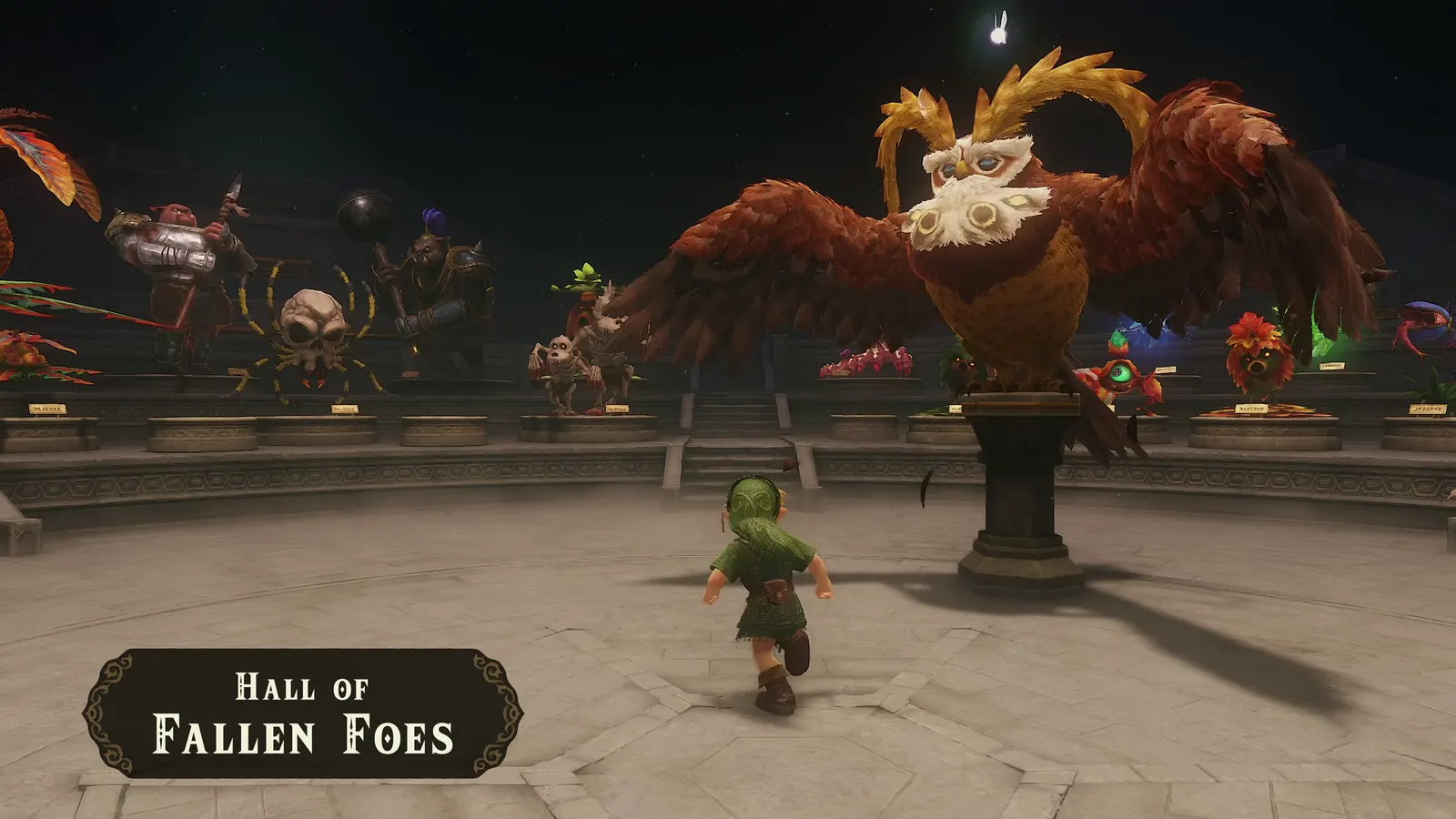
| Boss rematches | None | Boss Challenge from Link's bed, plus an eight-boss Gauntlet | Hall of Fallen Foes, entered from beds and sleeping rolls; timed rematches and boss gauntlets |
| Master Quest | Not on the cartridge; released on a GameCube bonus disc | Unlocks after the main quest: mirrored, double damage, no Visions | Not documented |
| Day and night | Time stands still in towns and at Lon Lon Ranch | Not documented as changed | A much longer cycle that keeps running in settlements; beds change the time |
| Saving | Restart at Link's house or the Temple of Time | Same restart points (the Sheikah Stones sit at both) | One save per user profile, no naming Link, resume where you saved |
| Voices | Text dialogue; Navi is among the few voices using English words | Text dialogue; some Ganondorf voice files changed | Fully voiced cutscenes in English, Japanese, Spanish (Spain and Latin America), Portuguese, Italian, French and German |
| Extras | Rumble Pak support | Gyro aiming in view mode; touch-screen inventory and map | ZELDA NOTES app features; amiibo; microphone songs |
Sources for every row are listed at the bottom of the post. The N64 and 3DS columns come mainly from Zelda Wiki's pages on Ocarina of Time 3D, the Stone and Shard of Agony, Boss Challenge, Master Quest, the Wallet, the Gerudo Proving Grounds and the N64 controller buttons. The 20 fps figure is Zelda Wiki's, and the N64 Z and 3DS L targeting buttons are from Wikipedia's article on the original.
What the table means, area by area
Controls. The jump is the change that touches the most. Nintendo's interview says the team removed auto-jump because modern players would ask why Link could jump in one spot and not another, and that young and adult Link jump slightly different distances. The jump attack works both as jump-then-attack and as a single press, added after one developer found the two-step version less satisfying than the original's. Our Switch 2 remake overview has the full control list.
Songs. Three versions, three button layouts. The Switch 2 default puts three notes back where the N64's C-buttons sat, which our songs guide and the overview's Zelda's Lullaby comparison spell out. Zelda Wiki adds that the microphone reads the relative pitch between notes, so you do not have to hum in tune, and that the Switch 2 ocarina is now right-handed with ten holes instead of seven.
Items. The 3DS turned boots into button items. The Switch 2 does something different: they stay Equipment but get their own D-pad button. Our 3D vs N64 guide covers why that mattered in the Water Temple, and our equipment upgrades guide covers the N64 gear itself.
Hints. The 3DS added an optional walkthrough in a rock. The Switch 2 removed it and spread the help around instead: an objective tracker, Fairy Thoughts, and dialogue that Zelda Wiki says was rewritten with "a great deal of new dialogue and guidance". Nintendo's interview says the goal was letting players work out what to do next inside the game rather than from a strategy guide.
Collectibles and money. The Echo Gem, the bigger wallets, the fifth bottle, the Silver Rupee replacement and the Great Fairy swap are all in our remake collectibles guide. The short version: the Switch 2 wallets are twice the size or more, and the game gives you more to spend them on.
Dungeons and bosses. Nintendo says the dungeon mechanisms were kept and the layouts adjusted. Room-level detail is in our remake dungeon changes guide, and the rematch mode is in our Hall of Fallen Foes guide. Note the 3DS column of the dungeon row: some of what an N64 player will see as new in the Switch 2 Water Temple, like the colored routes to its switches, was a 3DS change that Zelda Wiki says the remake "largely retained".
Master Quest. Zelda Wiki's Master Quest page lists two platforms, GameCube and 3DS. Neither Nintendo's Switch 2 pages nor Zelda Wiki's remake article mentions it. If you want the remixed dungeons, that still means the 3DS version or the GameCube disc.
Character and story changes
This is the part of the remake none of our other Ocarina posts covers. The 3DS version made smaller scene and character edits (listed below). The Switch 2 version adds whole new story scenes.
New and expanded story scenes
Zelda Wiki's remake article says several key moments were "changed or expanded" through new voiced scenes. The ones it lists:
- The opening. A voiced narration over a tapestry of the Great Deku Tree, with Link sleeping in its branches and Kokiri going about their tasks with their fairies.
- The Crest of Courage on Link's hand. As the opening shifts to Link's nightmare, the mark of the Triforce of Courage appears on his hand. In the original, Zelda Wiki notes, that mark only appeared after the Triforce split, which happens later in the story. Kaepora Gaebora is also seen flying outside Link's house during the nightmare, per the wiki's Kaepora Gaebora page.
- The Deku Tree's death. His wilted leaves fall over the whole forest, the Kokiri react, and no background music plays in Kokiri Forest until Link leaves.
- Drawing the Master Sword. Link uses the sword to open a spectral path to the Sacred Realm, then is frozen in place while Ganondorf walks past him, gloating, to claim the Triforce.
- Leaving the Temple of Time as an adult. Link and Navi turn to look at Hyrule Castle and react to Ganondorf's Castle standing in its place.
- Zora Domain thaws after Morpha. Zelda Wiki calls this a fix for a logical inconsistency: in the original, Lake Hylia refilled while the Zoras upstream stayed frozen.
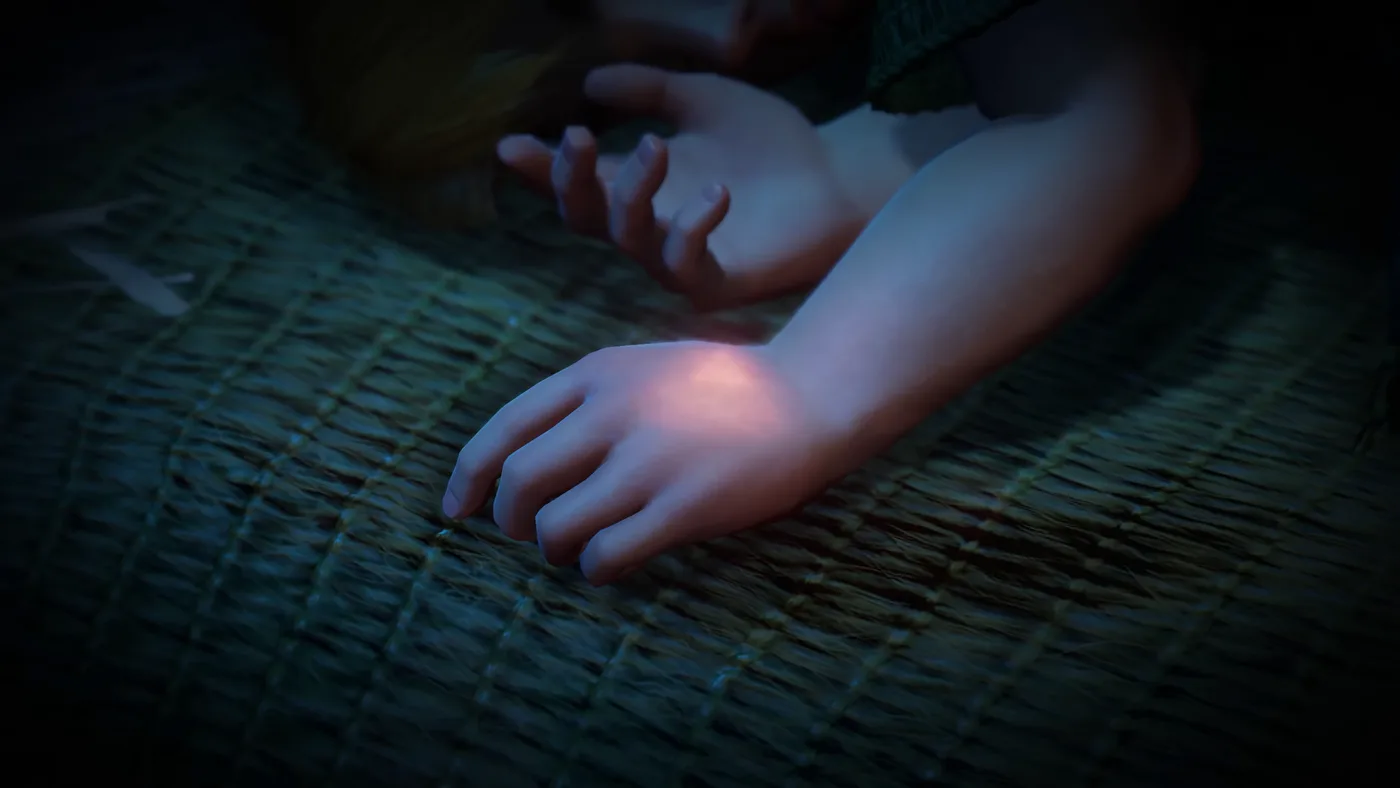
That is Zelda Wiki's screenshot of the Crest of Courage moment: a glow on young Link's hand during the nightmare.
Two quieter story changes sit in the world rather than in cutscenes. The inscription in front of the Door of Time now reads the same in both eras; the adult-era text describing how the Hero of Time opened the door seven years earlier is gone. And the Mask of Truth now reads the inner thoughts of NPCs, with Zelda Wiki saying almost every NPC has new, unique dialogue for it. Masks can also be worn as an adult now.
Characters who changed
| Character | Switch 2 change, per Zelda Wiki |
|---|---|
| Navi | Always accompanies Link instead of disappearing after a while or being put away. Her Japanese voice actor, Kaori Mizuhashi, returned for the role |
| Sheik | Carries the wakizashi seen in the original game's artwork |
| Kaepora Gaebora | Seen outside Link's house in the opening nightmare; Link wears a feather like his on his hat; meeting him unlocks the Hall of Fallen Foes |
| Ganondorf | Title changed from "Great King of Evil" to "Great Demon King" |
| Jo (formerly Joelle) | Renamed to match Majora's Mask, with a deep red color scheme and flame instead of orange |
| Meg | Each phase of the fight has a different tell for the real Meg |
| Ingo and Malon | React if you escape Lon Lon Ranch without Epona and come back |
| Hyrule's NPCs | Follow daily schedules, react more to Link and to each other, have time-of-day dialogue, and many go indoors to sleep at night. Several new NPCs were added to Castle Town |
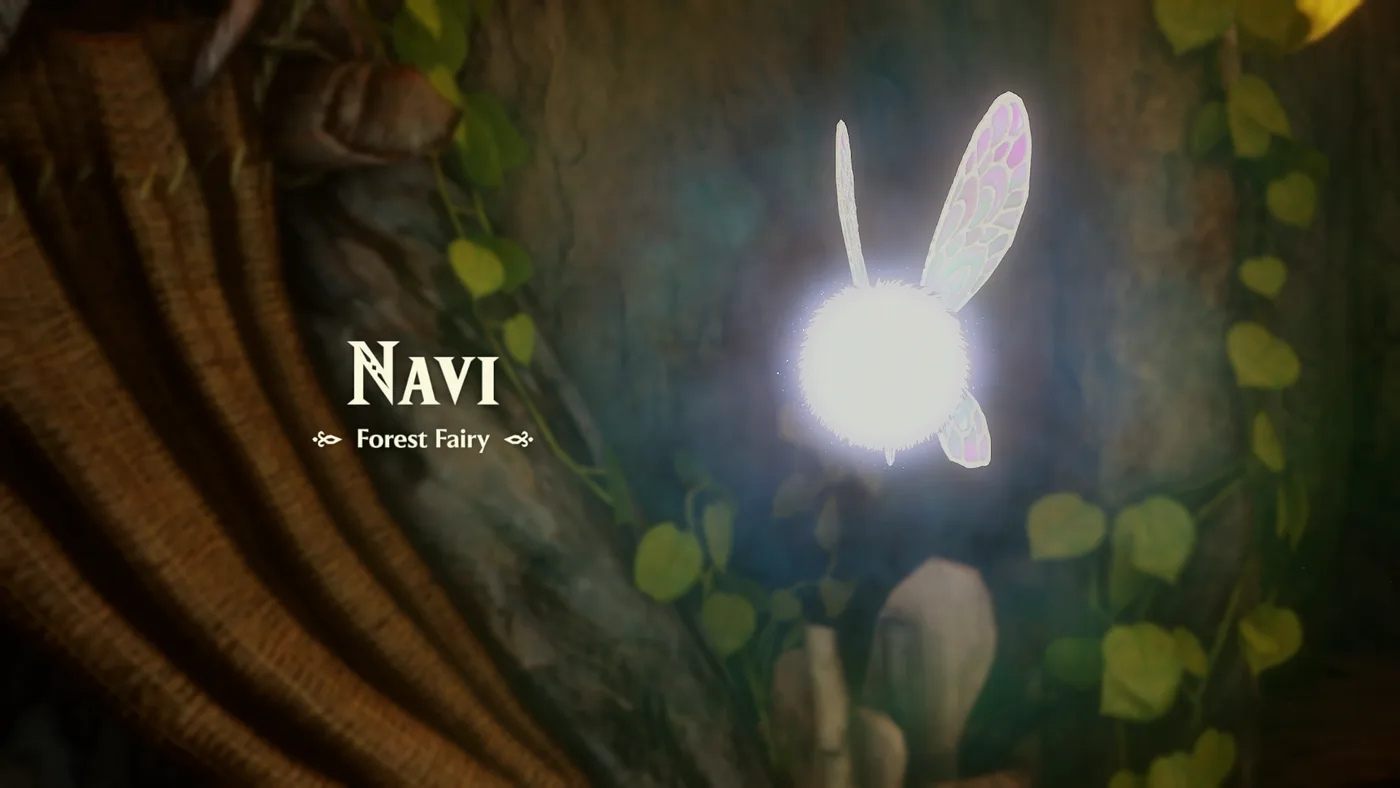
Navi's change is the one that matters for how the game feels. Nintendo's interview says the team treated her "Listen!" as something it "absolutely didn't want to change", ran blind auditions to find voices closest to the originals, and found out afterwards that one of the Japanese actors it picked had voiced the same character on the N64. Zelda Wiki's Navi page identifies that actor as Navi's.
Characters get introduction cards with titles, as in the screenshot above. Zelda Wiki records Navi's as "Forest Fairy" and Sheik's as "Survivor of the Sheikah".
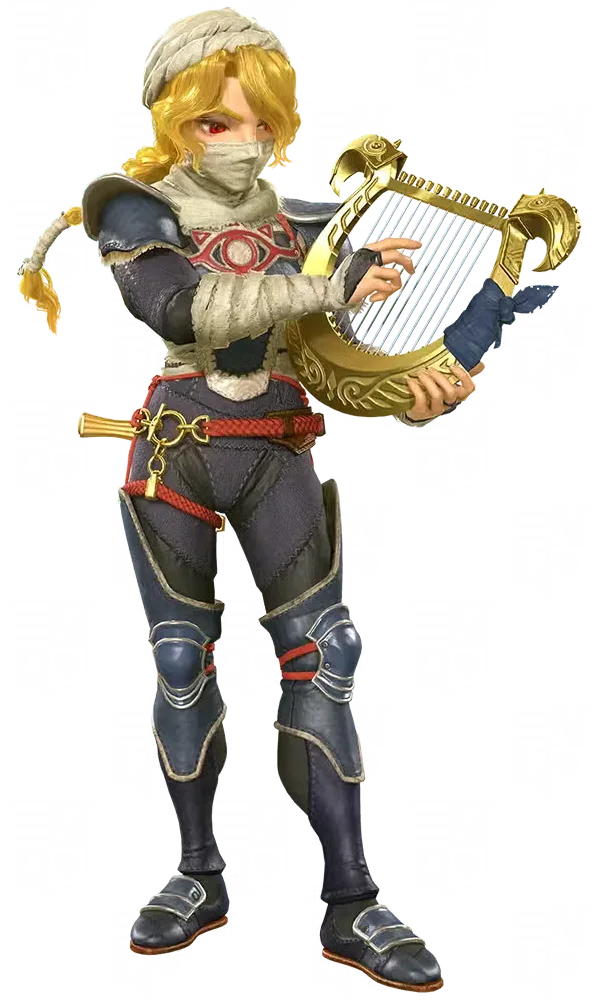
Sheik's render shows the short blade at the hip that Zelda Wiki identifies as the wakizashi from the original game's artwork.
What the 3DS changed, for comparison
The 3DS version was not story-neutral either, and its changes are why "the original" is ambiguous. Per Zelda Wiki's 3DS article: Sheik's model became more curved and feminine; Princess Ruto got fins on her torso so she reads as less naked; Impa's standing pose changed; Navi started reminding you to take a break every hour and suggesting a Sheikah Stone if you seemed to be having trouble in a dungeon; some of Ganondorf's voice files changed; and the final blow to Ganon moved from his mouth to his forehead. The 3DS also kept the content changes from the GameCube release: the Fire Temple's chanting replaced with a synthesized choir, Ganondorf's blood green, and a redrawn Gerudo symbol. Zelda Wiki's remake article does not say whether the Switch 2 version keeps those three.
Dialogue, voices and localization
The N64 and 3DS versions are text games with voice clips. The Switch 2 version voices its cutscenes in seven language variants (the table above), and Zelda Wiki says the script was "entirely rewritten". Most NPCs now have several variations of the same line if you talk to them again in a row, some Gossip Stones reveal different secrets than in the original, and many new Gossip Stones were added. Zelda Wiki also says the remake is the first game in the series localized into Polish, in text only, and Nintendo's store page lists Polish among its supported languages.
The 3DS rewrote less, mostly to fit its controls. Zelda Wiki's example is a Kokiri line changed from "he or she will die" to "we will die". The European and Australian 3DS release also used British English.
Nintendo's interview adds that the remake has more than 150 pieces of background music, recorded with a full orchestra but with simpler pieces given smaller instrumentation, and that some sounds were recreated using the original N64 sound source as a reference. Inside Link's house, the interview says, sounds from the N64 era are mixed into the music.
Renamed places, enemies, items and songs
If a name in an older guide does not match what is on your screen, this is probably why. Every row is from Zelda Wiki's remake article. The left column is the name Zelda Wiki files the thing under, which is usually the N64 name.
| Earlier name | Switch 2 name |
|---|---|
| Inside the Deku Tree | Great Deku Tree |
| Sacred Forest Meadow | Sacred Grove |
| Medicine Shop | Potion Shop |
| Treasure Chest Game | Treasure-Chest Shop |
| Dodongo's Cavern | Dodongo Cavern |
| Zora's Domain | Zora Domain |
| Zora's Fountain | Zora Fountain |
| Inside Jabu-Jabu's Belly | Lord Jabu-Jabu's Belly |
| Gerudo's Fortress | Gerudo Fortress |
| Gerudo Training Grounds | Gerudo Proving Grounds |
| Haunted Wasteland | Mirage Desert |
| Desert Colossus | Evil Desert Colossus |
| Ganon's Castle | Ganondorf's Castle |
| Club Moblin | Great Moblin |
| Joelle | Jo |
| Ganondorf, "Great King of Evil" | Ganondorf, "Great Demon King" |
| Barinade, "Bio-Electric Anemone" | Barinade, "Bioelectric Anemone" |
| Wallet | Kokiri Wallet |
| Bottle | Empty Bottle |
| Bottled Bug | Bug |
| Lon Lon Milk (Half) | Half-Full Lon Lon Milk |
| Cucco | Wake-Up Cucco |
| Goron's Bracelet | Goron Bracelet |
| Magic Bean | Magic Beans |
| Lens of Truth | Lenses of Truth |
| Kokiri Tunic (adult era) | Hero's Clothes |
| Gerudo Token | Gerudo Pass |
| Odd Potion | Odd Poultice |
| Broken Goron's Sword | Broken Goron Sword |
| Claim Check | Biggoron Receipt |
| World's Finest Eyedrops | Specialty Eyedrops |
| Biggoron's Sword | Biggoron Sword |
| Minuet of Forest | Minuet of the Forest |
| Scarecrow's Song | Scarecrow Song |
Two of those have a three-version history. The Gerudo pass was the Gerudo's Membership Card on N64, the Gerudo Token on 3DS, and is the Gerudo Pass on Switch 2. The Odd Potion became the Odd Poultice on 3DS, and Zelda Wiki says the Switch 2 name matches the 3DS one. Our older guides use the N64 names; the Biggoron Sword guide, for example, is built around the Claim Check that the remake calls the Biggoron Receipt.
What is still not documented
- Frame rate and resolution for the Switch 2 version. Nintendo's store page lists HDR and VRR on compatible TVs and nothing more.
- Master Quest on Switch 2. No mention in Nintendo's pages or Zelda Wiki's remake article.
- The GameCube-era content changes (Fire Temple chant, blood color, Gerudo symbol) in the Switch 2 version.
- Whether the 3DS changed the day/night cycle. Zelda Wiki's 3DS change list does not mention it.
- The rest of the rewritten script. Zelda Wiki lists the story scenes above, but none of our sources has a line-by-line comparison.
Quick Action Checklist
- Coming from N64: expect a jump button, a free camera, one item slot on ZR, boots on D-pad Down, and fully voiced cutscenes.
- Coming from 3DS: expect no Sheikah Stones, no Shard of Agony (the Echo Gem finds Gold Skulltulas instead), and boots that are Equipment again, just on their own button.
- Want Master Quest? It is documented on GameCube and 3DS only.
- Using an older guide? Check the renamed table above before assuming a place or item is missing.
- Try the Mask of Truth on NPCs; Zelda Wiki says almost all of them have new lines for it.
- Watch for the new story beats: the Crest of Courage in the opening, the Master Sword scene with Ganondorf, and Zora Domain thawing after Morpha.
Frequently Asked Questions
What is the difference between the Ocarina of Time remake and the original?
Is the Ocarina of Time Switch 2 remake different from Ocarina of Time 3D?
Did the story change in the Ocarina of Time remake?
Is Navi voiced in the Ocarina of Time remake?
What was renamed in the Ocarina of Time remake?
What frame rate does the Ocarina of Time remake run at?
Keep Reading
- Mythras blog
- Ocarina of Time coverage hub
- Ocarina of Time Switch 2 remake overview
- Ocarina of Time 3D vs N64 differences
- Ocarina of Time remake collectibles changes
- Ocarina of Time remake dungeon changes
- Ocarina of Time Hall of Fallen Foes guide
- Ocarina of Time songs guide
- Ocarina of Time equipment upgrades guide
- Ocarina of Time Biggoron Sword guide
- Zelda Wiki — Ocarina of Time (Nintendo Switch 2): Presentation, Story, Controls, Item System, World, New Features, Localization (rename lists) and Characters change lists (read 2026-11-10)
- Zelda Wiki — Ocarina of Time 3D: 30 fps vs 20 fps, item system, view mode, Visions and Sheikah Stones, character, dialogue and censorship changes, Master Quest (read 2026-11-10)
- Nintendo — Ask the Developer Vol. 24, Part 3: rebuilt from scratch, why auto-jump was removed, two jump-attack schemes, dashing, Threads of Time
- Nintendo — Ask the Developer Vol. 24, Part 4: 150+ music tracks, N64 sound source, voice casting by blind audition, Navi's "Listen!", hints inside the game
- Nintendo Store — Ocarina of Time (Nintendo Switch 2): supported languages including Polish, HDR and VRR output, surround sound, amiibo, tapestry image description (read 2026-11-10)
- Zelda Wiki — Ocarina of Time (item): N64, 3DS and Switch 2 note buttons, Normal and Classic schemes, microphone input (read 2026-11-10)
- Zelda Wiki — Controller Buttons: N64 C-buttons (C-Up view and Navi, three item buttons) (read 2026-11-10)
- Zelda Wiki — Iron Boots: changed from equipment to an item in Ocarina of Time 3D; Equipment in the Switch 2 version (read 2026-11-10)
- Zelda Wiki — Stone of Agony: Rumble Pak vibration near Secret Grottos (read 2026-11-10)
- Zelda Wiki — Shard of Agony: pinging sound and flashing icon near Secret Grottos (read 2026-11-10)
- Zelda Wiki — Echo Gem: 20-token reward that detects Gold Skulltulas (read 2026-11-10)
- Zelda Wiki — Sheikah Stone: the two Ocarina of Time 3D stones at Link's House and the Temple of Time (read 2026-11-10)
- Zelda Wiki — Silver Rupee: worth five Rupees in Ocarina of Time, replaced in the Switch 2 version (read 2026-11-10)
- Zelda Wiki — Wallet: N64, 3DS and Switch 2 capacities (read 2026-11-10)
- Zelda Wiki — Gerudo Proving Grounds: 10-Rupee fee on N64 and 3DS, 30 on Switch 2 (read 2026-11-10)
- Zelda Wiki — Water Temple (Ocarina of Time): 3DS colored paths to the water-level locations, largely retained on Switch 2 with added lattice walls (read 2026-11-10)
- Zelda Wiki — Boss Challenge: Ocarina of Time 3D boss rematches and the eight-boss Gauntlet (read 2026-11-10)
- Zelda Wiki — Master Quest: GameCube and Nintendo 3DS releases, mirroring and double damage on 3DS (read 2026-11-10)
- Zelda Wiki — Time: in Ocarina of Time, time does not flow in towns, dungeons or Lon Lon Ranch (read 2026-11-10)
- Zelda Wiki — Navi: English voice clips, and Kaori Mizuhashi's return in the Switch 2 version (read 2026-11-10)
- Zelda Wiki — Kaepora Gaebora: seen outside Link's house in the Switch 2 opening, feather on Link's hat (read 2026-11-10)
- Zelda Wiki — Sheik: "Survivor of the Sheikah" title card in the Switch 2 version (read 2026-11-10)
- Wikipedia — The Legend of Zelda: Ocarina of Time: pre-rendered backgrounds, Z-targeting (L on 3DS)
Related Guides
Ocarina of Time Remake Dungeon Changes: What's Different
Nintendo says the Switch 2 Ocarina of Time keeps the original dungeon mechanisms but changes the layout in places. Zelda Wiki now documents where: a Water Temple key and its door are gone, the Forest Temple's first door is locked, Dark Link no longer takes damage from Din's Fire, and you can leave Lon Lon Ranch without Epona. Here are the documented changes, dungeon by dungeon, and what it breaks in an N64 walkthrough.
Ocarina of Time Remake Collectibles: What Changed
A collectible checklist written for the N64 or 3DS Ocarina of Time is now wrong in places for the Switch 2 remake. Wallets hold at least twice as much, the 20-token Skulltula reward is a new item, there is a fifth bottle, the Poe Collector pays out at five Big Poes, two Heart Pieces moved and two Great Fairies swapped jobs. Here is the list, sourced to Zelda Wiki.
Ocarina of Time Hall of Fallen Foes: Unlock and Rematches
The Switch 2 remake replaces the 3DS Boss Challenge with the Hall of Fallen Foes, a dream-world gallery of statues. Here is how Zelda Wiki says you unlock it, what the statues do, which bosses get one, and what it changed from the 3DS mode.
Ocarina of Time Remake: Switch 2 Release Date and Changes
The 1998 original never gave you a jump button. The Switch 2 remake, released November 5, puts jumping on one, adds an item menu on ZR, fully voices its cutscenes and lets you hum Zelda's Lullaby into the console. Here is what the release includes, what it costs, the editions and amiibo, and what is still unclear.
Ocarina of Time Dungeon Order: The Full Route, Explained
Ocarina of Time looks like an open adventure and plays like a corridor. Eight required dungeons, three side dungeons, and only a couple of places where the game genuinely lets you pick. Here is the whole route with the reasons behind each lock.
Ocarina of Time 3D vs N64: Every Difference That Matters
Ocarina of Time 3D is not a texture pack with a price tag. Grezzo raised the frame rate from 20fps to 30fps, put the Iron Boots on a button, signposted the Water Temple, and shipped a mirrored double-damage Master Quest. Here is every difference that changes how you actually play — and the one thing the N64 version still does better.