Baldur's Gate 3 Honour Mode Tips: How to Survive the One Save
Honour Mode is not just Tactician with a scary save file. Bosses get Legendary Actions, enemies hit +2 harder, and one party wipe deletes the run. Here is how to actually finish it.
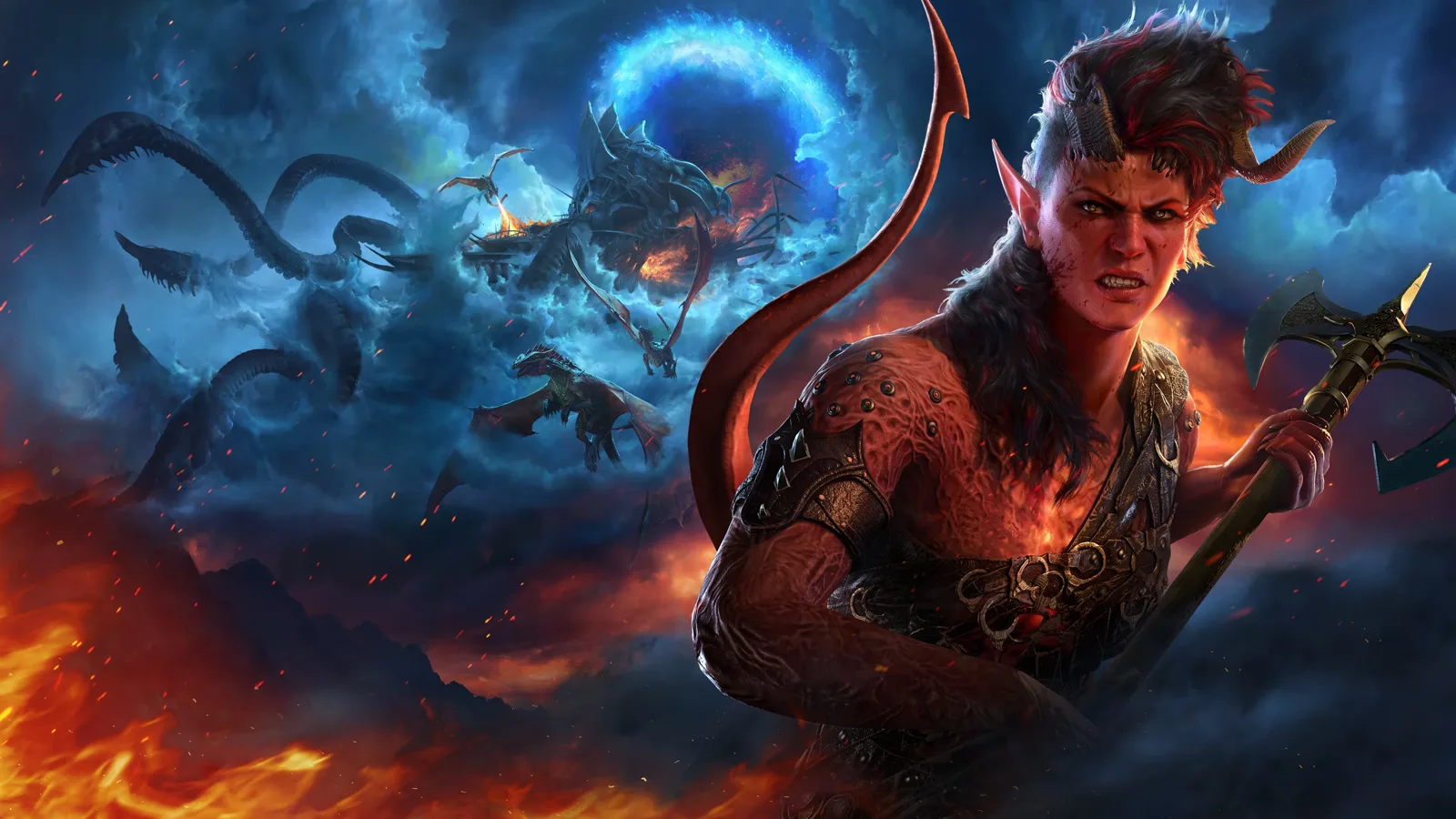
Most Honour Mode runs do not die to Raphael or Myrkul. They die to a bad turn in Act 1 — a failed Hold Person, a spellcaster left in the open, a devourer of a gnoll pack that rolled hot — and because there is only one save, that turn is the whole run. That is the thing to understand before you press start: Honour Mode is not a harder version of the game so much as a game where mistakes are permanent and the enemy AI is actively trying to create them.
The reward for finishing is the golden D20 skin ("Shining Honour") and the Foehammer achievement, which is why every BG3 player eventually gets the itch to try it. The good news is that Honour Mode is beatable by anyone who plays methodically. The bad news is that "methodically" is doing a lot of work in that sentence. Here is the actual playbook.
What Honour Mode actually is
Honour Mode runs on the Tactician ruleset with a stack of extra rules bolted on. So everything true of Tactician is true here: enemies have roughly 20–30% more maximum HP (bosses get bigger boosts), every enemy gets +2 to attack rolls and +2 to the save DCs of their spells and abilities, a Long Rest costs 80 Camp Supplies instead of 40, and the AI plays for keeps — it prioritises your squishy casters and moves to finish off downed party members instead of politely attacking your tank.
On top of that baseline, Honour Mode adds the two things that define it: a single save file and Legendary Actions on around 30 boss fights. Everything in this guide is a response to one of those two facts.
If you have never touched the higher difficulties, read our beginner guide first — Honour Mode assumes you already know how advantage, height, and Camp Supplies work, and it punishes you for the gaps.
The single save is the real boss
The scariest number in Honour Mode is one. One save file, for the entire campaign. The game overwrites it constantly — when you return to the main menu, quit, Alt+F4, quicksave, or autosave — and you cannot load it from inside a session. There is no reloading a fight that went sideways. There is no scumming a dialogue check.
When your whole party goes down, the game gives you exactly two options: continue in Custom mode, which permanently ends the Honour attempt and forfeits the golden dice, or delete the save and start over. That is it. A single unlucky encounter can erase eighty hours.
This changes how you play in one enormous way: you stop treating combat as recoverable and start treating it as something to win before it starts. Scout every area in turn-based mode (toggle it with the button near your portraits) so you approach fights on your terms. Never walk a full party into a fog-of-war room. And because you cannot save-scum a Charisma check anymore, the dialogue-prep habits from the beginner guide — leading with your face character, casting Guidance, spending Inspiration to reroll — go from "nice to have" to load-bearing.
What it stacks on top of Tactician
Legendary Actions rewrite the boss fights
This is the mechanical heart of Honour Mode. Roughly 30 boss encounters are re-tuned to give the boss Legendary Actions — extra actions the boss takes at the end of another creature's turn, outside the normal one-action-per-round economy. A boss with a Legendary Action can teleport, summon adds, unleash an AoE, or heal itself on your turn, not just its own.
The practical consequence: bosses now have far more effective action economy than they used to, which flips the math on the "just out-damage it" strategy that carries you through Balanced. You cannot trade blows evenly with something that acts three or four times per round. You have to either burst it down before the Legendary Actions matter or shut the actions off — many Legendary Actions can be denied by knocking the boss prone, stunning it, or stripping its concentration. A held or paralysed boss is not taking Legendary Actions.
Smarter, deadlier enemy AI
The +2 to enemy attack rolls sounds small until you remember how many attacks land per fight. Across a long encounter it is a huge cumulative swing, and it stacks with the AI's habit of dogpiling your Wizard. Rank-and-file enemies also finish off downed characters rather than moving on, so a party member at 0 HP is not "stable and fine," it is a target with a countdown.
The counter is positional discipline. Keep casters out of line-of-sight until they act, hold chokepoints so enemies can only approach a few at a time, and pick up downed allies immediately — a thrown healing potion or a Cleric's bonus-action Healing Word is often worth more than another attack.
Control beats damage in every fight
If you take one strategic idea into Honour Mode, make it this: a condition that removes an enemy from the fight is worth more than any burst of damage. Damage kills one creature. Control neutralises a group and hands your whole party advantage while it does.
The workhorses:
- Hold Person (humanoids) and Hold Monster (anything) paralyse the target. Paralysis is the single most broken condition in the game because any melee attack against a paralysed creature within range is an automatic critical hit. Land Hold Person on a boss, walk your Fighter up, and the fight is effectively over.
- Command is a first-level spell that can make an enemy drop prone, halt, or drop its weapon for a turn — obscene value for the slot.
- Grease, Web, and Hunger of Hadar carpet an area in a condition that costs enemies their turn or their footing, and prone enemies hand your melee advantage.
- Reverberation and Radiating Orb gear lets martial characters stack debuffs that shred enemy accuracy and eventually knock them prone just by hitting them — a way for non-casters to contribute control.
A Cleric or Druid is the backbone of a control party, which is exactly why we rate them so highly in our best beginner classes ranking. They bring the crowd control, the pre-fight buffs, and the ability to yank a downed ally back up without burning a Scroll of Revivify.
The buffs that carry a run
Honour Mode is where consumables and pre-fight setup stop being optional. The margins are thin enough that a single buff decides encounters.
- Bless adds 1d4 to attack rolls and saving throws for up to three allies. It quietly cancels most of the enemy's +2 attack advantage and helps you pass the saves that Legendary Action AoEs throw at you. Have a Cleric or Paladin open big fights with it.
- Elixirs of Giant Strength set your Strength to a fixed high number (Cloud Giant sets it to 27), turning any martial character into a wrecking ball for the price of a drink. You can down one every morning after a Long Rest.
- Elixir of Bloodlust grants 5 temporary hit points and an extra Action once per turn when you kill a foe — snowball fuel for a character who can reliably drop enemies. One important Honour Mode footnote: that bonus Action does not benefit from Extra Attack here, so a martial only gets a single extra swing from it rather than a full attack sequence. Still excellent, just not the infinite-turn engine it is on lower difficulties.
- Arrows, grenades, and coatings are your emergency buttons. An Arrow of Many Targets or a well-placed alchemist's fire can rescue a turn that positioning alone cannot.
Stack these before you walk in. Buffing mid-fight costs actions you cannot spare.
Squeeze every drop of action economy
Because bosses now cheat the action economy with Legendary Actions, you have to win the economy war everywhere else.
- Spend your bonus action every single turn. Off-hand attacks, Shove (a bonus action here, and shoving an enemy off a ledge deals scaling fall damage), Jump to high ground, thrown potions, a Rogue's Cunning Action. A wasted bonus action is a wasted 30% of the turn.
- Tavern Brawler is the strongest feat in the game for the right build. It adds your Strength modifier to attack and damage rolls a second time for unarmed strikes, thrown weapons, and improvised weapons. On a Throwing Barbarian or an Open Hand Monk, paired with an Elixir of Giant Strength, it produces damage numbers that trivialise Honour Mode's inflated enemy HP.
- Great Weapon Master and Sharpshooter trade -5 to hit for +10 damage. In a run where you can stack Bless, advantage from height, and Faerie Fire, that accuracy penalty gets erased and the +10 stays.
- Concentration is your budget. You get one concentration spell at a time and taking damage forces a Constitution save to keep it. Protect the character holding your Hold Person or your Bless — losing concentration mid-fight is how good runs unravel.
Two well-timed level dips can also multiply your action economy; our multiclassing guide breaks down which combinations are worth the delay, and note that Honour Mode allows multiclassing by default where Explorer disables it.
Play around the permadeath
You cannot reload, but you can build a safety net.
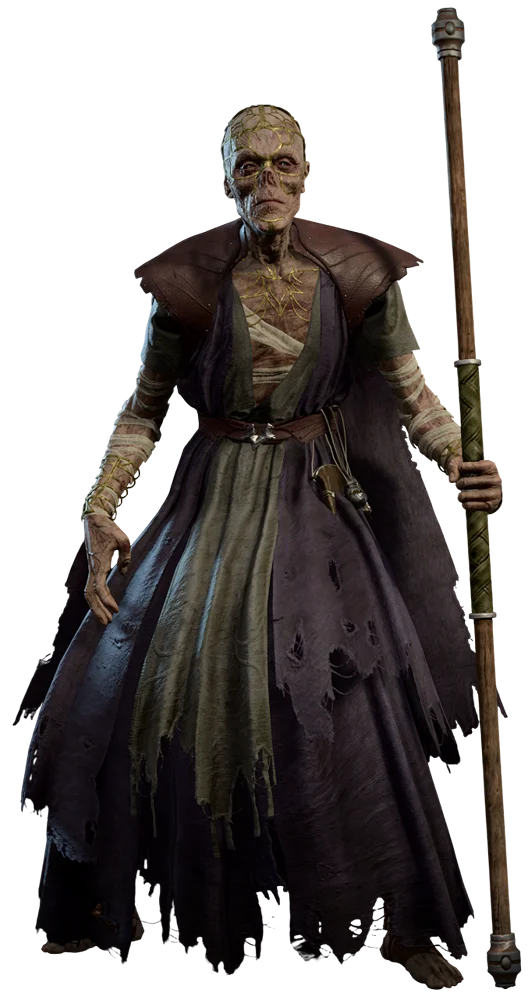
Recruit Withers immediately — the skeletal figure in the Dank Crypt near the starting beach. In an Honour run he is not a convenience, he is insurance. Respec costs 100 gold, resurrection costs 200 gold per fallen companion, and both are trivial sums by mid-Act 1. If a character dies but the fight is won, Withers undoes it. Keep at least one Scroll of Revivify on every party member so a mid-fight death does not become a party wipe.
A few more survival habits:
- Split before you approach. Send one scout ahead in turn-based mode to trigger dialogue or spot the ambush, with the rest of the party positioned to open with an alpha strike.
- Keep an escape plan. Misty Step, the Dash action, and simple retreat are legitimate tools. There is no shame in pulling back, healing, and re-engaging on better ground — the AI's aggression can be baited.
- Long Rest generously. Yes, it costs 80 supplies, but a Partial Rest that leaves you at half resources is how you lose the next fight. You will end Act 1 swimming in food if you loot casually. Rest to full before anything that looks like a boss arena.
The fights that actually end runs
The Legendary Action encounters are the ones people remember — Raphael in the House of Hope, the Netherbrain finale, Myrkul and the Apostle in Act 2 — and they deserve full buffs, full resources, and a control-first plan. But the encounters that actually end most runs are the early, scrappy ones before your build comes online: the goblin camp if you fight all three leaders at once, the Phase Spider Matriarch over the chasm, the gnoll pack at the Risen Road, the Grym forge-golem if you do not use the hammer trap.
The pattern is the same every time: those fights punish overextension and reward patience. Break line of sight, take the high ground, open with control, and never commit your whole party until you know what is in the room. Do that, keep Withers stocked with resurrection gold, and the golden dice are yours.
Quick Honour Mode Checklist
- One save, no reloads. Scout in turn-based mode and win fights before they start; a wipe ends the run.
- It is Tactician-plus. Enemies have +20–30% HP, +2 to hit and +2 spell DC, hunt your casters, and finish off downed allies.
- Bosses get Legendary Actions (~30 fights). Burst them fast or lock them down — a paralysed boss takes no Legendary Actions.
- Control over damage. Hold Person/Monster, Command, Grease, and Web decide fights; paralysis makes melee hits auto-crit.
- Buff before you enter. Bless cancels the enemy +2, Elixirs of Giant Strength and Bloodlust carry martials — but Bloodlust's bonus Action skips Extra Attack in Honour Mode.
- Win the action economy. Spend every bonus action; Tavern Brawler and the -5/+10 feats push damage past inflated HP.
- Protect concentration. One spell at a time, and damage can break it — guard the character holding your control spell.
- Recruit Withers first. Respec is 100 gold, resurrection 200; keep Revivify scrolls on everyone.
- Long Rest to full before boss arenas even though it costs 80 supplies — a Partial Rest loses the next fight.
- The early game is the killer. Most runs die in Act 1, not to the famous bosses. Play patient until your build comes online.
Frequently Asked Questions
Is Honour Mode harder than Tactician in Baldur's Gate 3?
What do you get for beating Honour Mode?
What happens if my party dies in Honour Mode?
What are Legendary Actions in BG3 Honour Mode?
What are the best builds for Honour Mode?
Why is control more important than damage in Honour Mode?
Can you change the difficulty during an Honour Mode run?
Should I do Honour Mode on my first playthrough?
Keep Reading
Related Guides
Baldur's Gate 3 Initiative and Surprise: How to Go First
Tabletop D&D rolls initiative on a d20. Baldur's Gate 3 rolls it on a d4, which turns a +5 from Alert from a nudge into something close to a guarantee. Here is how turn order is built, what Surprised takes away, and the line-of-sight rule that decides whether your ambush gets a surprise round at all.

Baldur's Gate 3 Wild Shape: It Can Kill You With No Save
An Owlbear form shows 65 hit points on a bar that looks nothing like your character sheet. That number is a mask, not a shield — bg3.wiki's own Wild Shape page spells out exactly what happens when it runs out, and it is not a knockdown. Here is the charge economy, what carries over and what shuts off, and the overflow rule that can end a character with no down-and-dying phase at all.
Baldur's Gate 3 Critical Hits: What Actually Doubles
A natural 20 doubles your damage in Baldur's Gate 3 — but "doubled" hides real nuance: which half of that number actually doubles, which of the game's dozen crit-threshold sources stack together, and how "immune to critical hits" still lets a natural 20 miss outright. bg3.wiki's own combat-log breakdown settles all three.
Baldur's Gate 3 High Ground: It's Not Advantage
The standard beginner tip in this game is "take the high ground" — and it leaves it there, as if it works the same way a Prone target or an unseen attacker does. It does not. High ground is a flat, separately tracked +2 or -2 bolted onto the attack roll, and bg3.wiki's own numbers show it does things the "it's advantage" version of the rule never predicted.
Baldur's Gate 3 Beginner Guide: What Nobody Tells You
The tutorial teaches you to move and attack. It does not teach you that advantage is worth more than any weapon you will find in Act 1, or that Withers will rebuild your entire character for 100 gold. Here is the actual onboarding.
Baldur's Gate 3 Karmic Dice: What It's Secretly Fixing
There is a setting on by default in every new Baldur's Gate 3 save that changes the odds of your next roll based on how badly the last one went, and the game never tells you it exists. Here is the formula bg3.wiki has worked out, the three roll types it can and cannot touch, and the two documented bugs sitting on top of it.