Cookie Run: Braverse Deck Archetypes Explained: Aggro, Control, Combo & More
Every Braverse deck is chasing one of five game plans. Here's what Aggro, Control, Ramp, Combo, and Disruption each want, how to pilot them, and how they beat (and lose to) each other.

Once you've played a handful of Cookie Run: Braverse games, you stop thinking about individual cards and start thinking about plans. That plan is your archetype - the overall strategy your deck is built to execute. Braverse's five colors map cleanly onto five classic TCG archetypes, which makes the format easy to reason about: if you know what your opponent's deck wants to do, you know how to beat it.
This guide explains each archetype, how its color tends to express it, how to pilot it, and - the part that makes you actually win - how the archetypes beat and lose to each other. If you're newer, read the five colors explained first; this is the strategic layer on top of it.
What "archetype" means in Braverse
An archetype answers one question: how does this deck plan to win? In Braverse, almost every win comes from filling the opponent's Break Area to a combined Cookie Level of 10, but the route to that 10 is what separates the archetypes:
- Aggro gets there fast, before you stabilize.
- Control gets there slowly, after grinding you out.
- Ramp gets there by out-resourcing you in the midgame.
- Combo gets there in a sudden burst from a set-up turn.
- Disruption gets there by making sure your plan never comes together.
Color and archetype aren't a perfect one-to-one lock - decks can blend, and multicolor builds mix elements - but each color has a clear "home" archetype, so we'll use that as the map.
| Archetype | Home color | Win route | Skill floor |
|---|---|---|---|
| Aggro | Red | Fast damage before opponent stabilizes | Low |
| Control | Yellow | Grind and out-value the long game | High |
| Ramp | Green | Out-resource the midgame | Medium |
| Combo | Blue | Explosive set-up turn | High |
| Disruption | Purple | Deny and dismantle the opponent's plan | Medium-high |
Aggro (Red)
The plan: flood the board with cheap, hard-hitting Cookies and start filling the opponent's Break Area immediately. Because Braverse resources ramp one Support card per turn, the deck that's already attacking on turns two and three has a real head start.
How to pilot it: prioritize tempo over everything. Play your cheapest impactful Cookies first, attack proactively, and make trades that keep you ahead on the Break Area race even if you "lose" cards. Your worst enemy is durdling - every turn you don't apply pressure, a slower deck catches up. Mulligan for a low curve.
Loses to: a Control deck that survives your opening and stabilizes. If you can't close before they reach their good cards, you fizzle.
Control (Yellow)
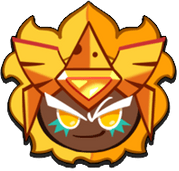
The plan: survive the early game, trade efficiently, manipulate the Break Area, and win the long game with stronger late Cookies (including Level-3 finishers). Control is happy to be behind on board early because it intends to be ahead on value later.
How to pilot it: play reactively. Make favorable trades, don't overcommit into open Traps or FLIP, and treat your removal and answers as precious - spend them on the threats that actually matter. Patience is the whole game. The classic control mistake is panicking and trading badly against aggro; the classic control win is calmly reaching a board the opponent simply can't beat.
Loses to: a fast clock it can't answer in time, and sometimes to Combo decks that go over the top of its grind.
Ramp (Green)
The plan: build and manage resources faster than the opponent, then snowball a midgame where you're simply doing more every turn. Ramp is the engine archetype.
How to pilot it: sequence carefully. The turns you spend developing your engine are your vulnerable turns, so know when you can afford to build versus when you must defend. Once you're ahead on resources, convert that lead into board presence and start closing - don't ramp forever with no payoff.
Loses to: Aggro punishing your setup turns. If you greedily build while a Red deck attacks, you can die before your engine matters.
Combo (Blue)

The plan: draw deep, cycle and manipulate your hand, and assemble an explosive turn that does far more than your resources should allow. Combo turns downside (discarding, cycling) into payoff.
How to pilot it: know your deck cold. Combo is the highest-skill archetype because your big turns require precise sequencing, and a misfire leaves you with nothing. Protect your key pieces, dig for what you need, and pick the right moment to "go off." Don't tip your hand early.
Loses to: Aggro (too fast - you die before you set up) and Disruption (your pieces get stripped before they connect).
Disruption (Purple)

The plan: deny resources, recur your own threats, and make the opponent's plan fall apart while yours keeps coming back. Purple values Cookie skills over raw stats and lives in "trash-based" recursion strategies (the Dark Cacao Awakening deck is the headline example). The Awakening name is well-established, but its exact rules are worth confirming against the official rulebook before a sanctioned event.
How to pilot it: identify the opponent's plan and break the piece that matters. Against Combo, strip their setup; against Ramp, deny their engine; against Control, grind back every answer they spend. Disruption is a "know thy enemy" archetype - it's strongest when you understand what you're disrupting, which is why it ranks higher on the skill curve.
Loses to: decks fast or resilient enough that disruption alone doesn't buy enough time - you still need a clock to actually win.
The matchup triangle
Here's the part that wins games: archetypes form a rough rock-paper-scissors. This is general TCG theory applied to Braverse's archetypes, not a claim about specific tournament win rates - but it's a reliable mental model:
- Aggro beats Ramp and Combo (it's faster than their setup) but loses to Control (which stabilizes and out-values it).
- Control beats Aggro and Ramp (it grinds them out) but loses to Combo (which goes over the top of its grind).
- Combo beats Control (one big turn ignores the grind) but loses to Aggro and Disruption (too slow, too fragile).
- Ramp beats Control's midrange plans but loses to Aggro (punished on setup turns).
- Disruption preys on Combo and Ramp (it breaks their setups) but struggles against fast, resilient Aggro if it can't find a clock.
The practical takeaway: when you sit down, identify your opponent's archetype fast, and adjust. If you're Aggro into Control, race harder and don't trade into their value. If you're Control into Aggro, prioritize survival and clean trades. Reading the matchup is often worth more than any single card.
What the competitive meta looks like
A careful caveat first: the best public competitive data for Braverse is community-tracked and largely from Southeast Asian events, not official global standings, and the English-language scene is young. So treat everything in this section as a trend, not a verdict.
With that said, community reporting from 2025 SEA tournaments has frequently shown Control (Yellow) as one of the strongest and most-played archetypes, with some regional finals skewing heavily Yellow, while other regions (such as Indonesia) showed a more diverse field with Purple well-represented. The meta shifts with each new set, so check current competitive standings and any North American results before treating this as settled.
What this means for you: a grindy, value-oriented metagame rewards clean play and punishes greed - which is good news, because those are skills that transfer to every archetype. As more high-level tournament results emerge, we'll fold confirmed findings into our coverage as they're verified. For the product side of meta shifts, see our set release timeline.
Picking an archetype to main
If you want to commit to one strategy and get good at it:
- Want to win fast and learn quickly? Main Aggro (Red). Lowest skill floor, fastest feedback.
- Enjoy outplaying people in long games? Main Control (Yellow). It'll make you a sharper player overall.
- Like building engines? Main Ramp (Green). Satisfying and forgiving.
- Love puzzles and big turns? Main Combo (Blue) - but expect a climb.
- Like dismantling other people's plans? Main Disruption (Purple) once you know the format.
Whichever you pick, getting genuinely good at one archetype beats being mediocre at all five. You'll learn its lines, its mulligans, and its matchups - and that depth wins more games than variety. When you're ready to tune your list, deck-building basics covers ratios and curves, and the five colors explained is the primer underneath it all.
Frequently Asked Questions
What are the deck archetypes in Cookie Run: Braverse?
What is the best archetype for beginners in Braverse?
How do Braverse archetypes beat each other?
What is the current Braverse meta?
Should I play one archetype or many in Braverse?
Keep Reading
Related Guides
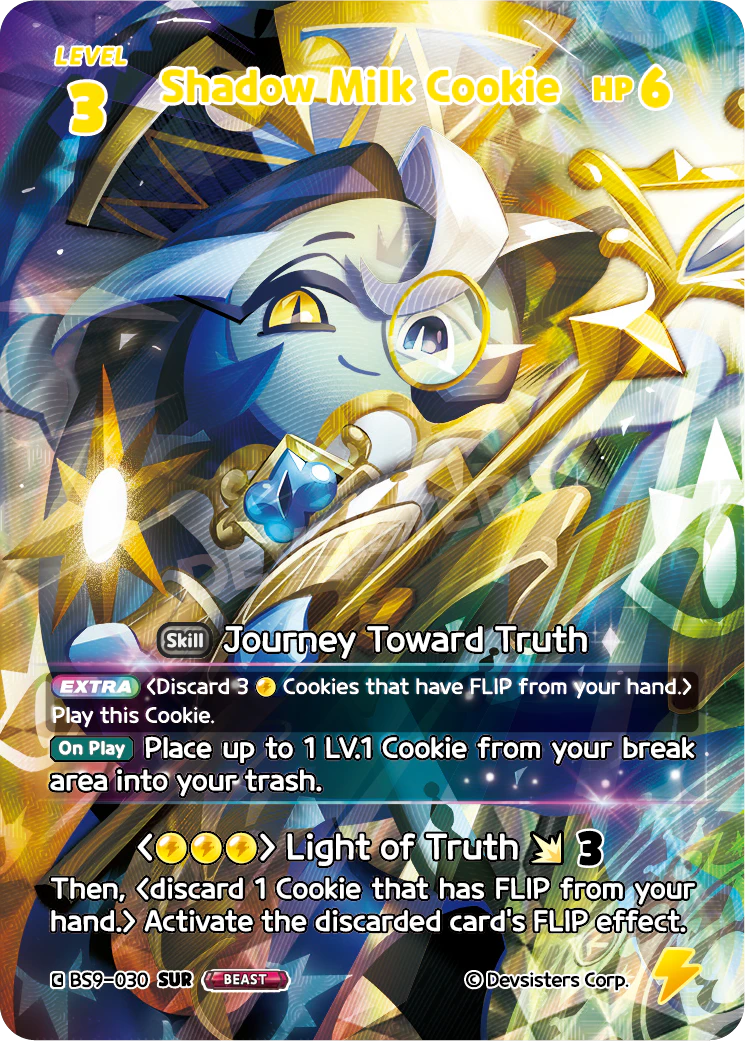
Cookie Run: Braverse Combos and Synergies Guide
A single good card rarely wins a Braverse game - a synergy does. Here's how the real engines fit together: Ancient and Beast tribal lines, FLIP payoffs, Soul Jam mounts, and trash engines, with actual card pairings from the official database.
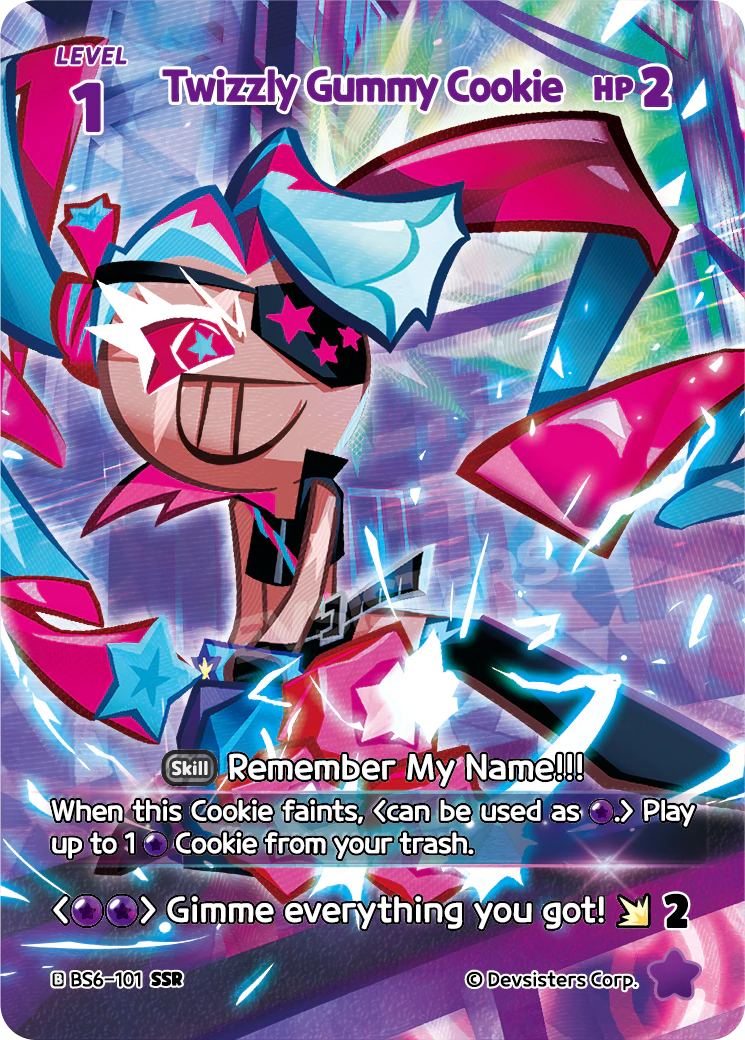
Cookie Run: Braverse Combo Deck Guide (Build & Pilot Purple Recursion)
Combo in Braverse isn't a one-card instant-kill - it's a Purple value engine that replays Cookies out of your trash until the opponent runs out of answers. Here's the real decklist, the loop, and how to pilot it without bricking.
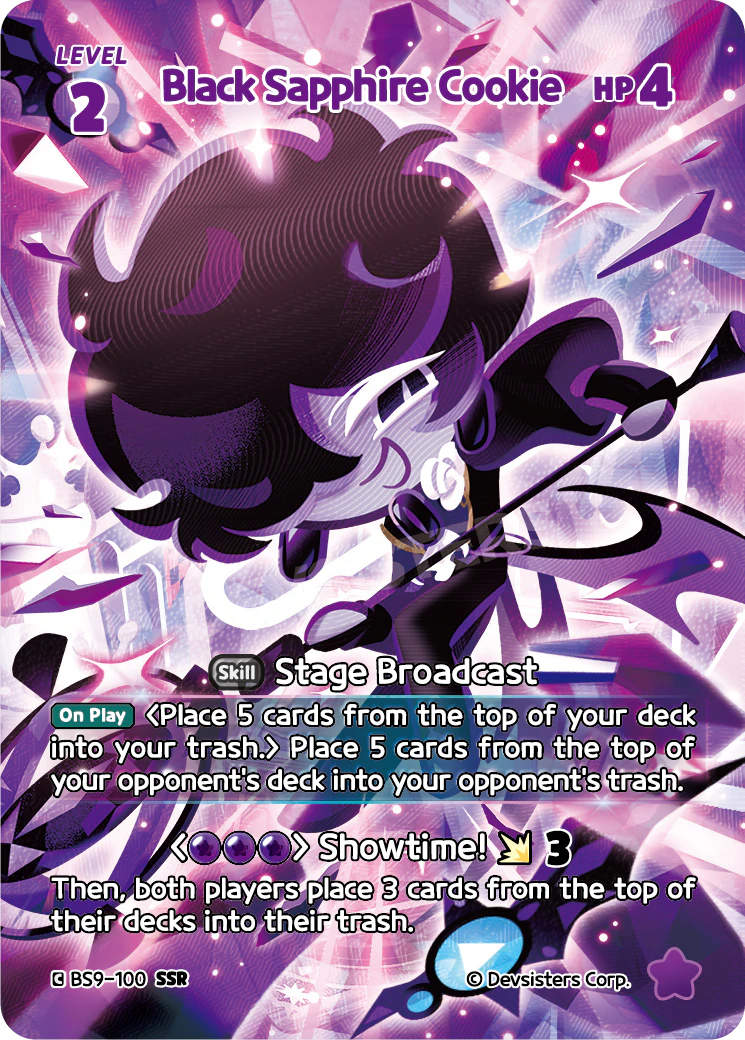
Cookie Run: Braverse Mill Deck Guide (Build & Pilot Purple Deck-Out)
Mill in Braverse won't deck someone to zero for an instant win - the game doesn't work that way. But a Purple deck-out shell weaponizes the opponent's trash, fuels its own payoffs, and starves their Cookie supply. Here's the real list.

Cookie Run: Braverse Control Deck Guide (Build & Pilot Blue/Purple Control)
Control is the deck that says "go ahead, swing" and then makes you regret it. Here's how to build a reactive Blue/Purple control shell in Cookie Run: Braverse, a real 60-card list of cards you can actually buy, and how to pilot it without drowning in your own clever answers.
How to Play Cookie Run: Braverse - A Complete Beginner Guide
Cookie Run: Braverse is the rare TCG you can teach in a single match. This guide covers everything a first-time player needs: card types, setup, turn structure, how you pay for cards, the FLIP mechanic, and how to win.
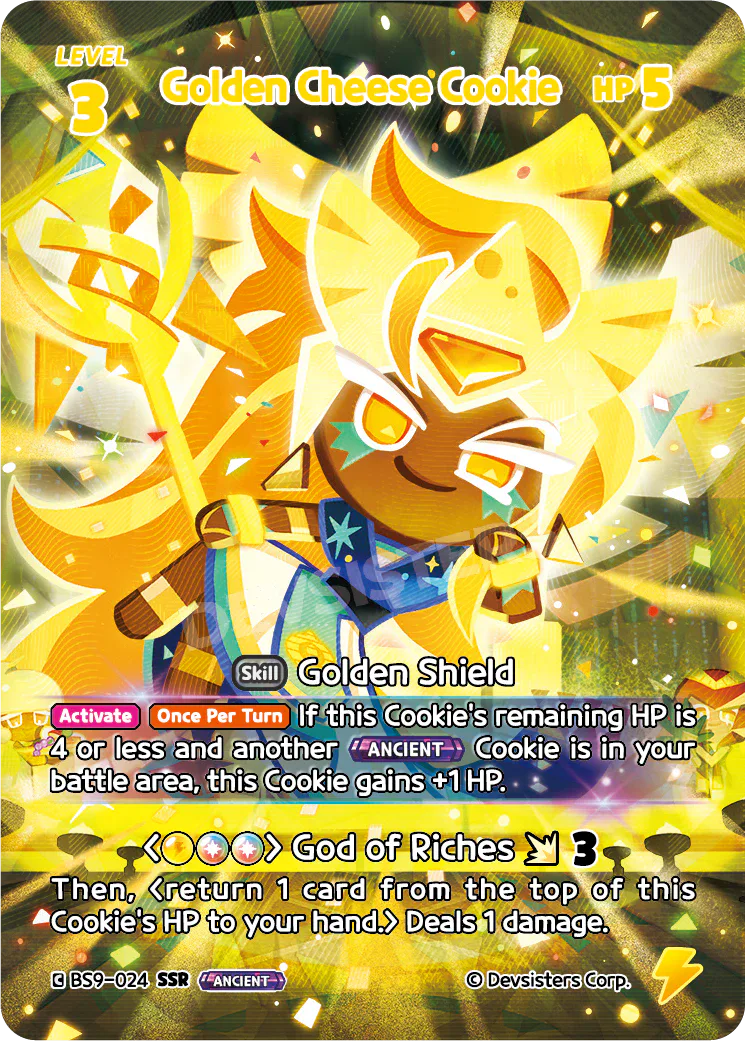
Cookie Run: Braverse Meta Tier List — Best Decks & Archetypes Ranked
Which Cookie Run: Braverse decks are actually carrying right now? Here's a meta tier list of the strongest archetypes - the real cards that anchor each one, why they rank where they do, and what's overrated.