Cookie Run: Braverse Colors Explained: What Red, Yellow, Green, Blue & Purple Do
Color is the first real decision in Cookie Run: Braverse. Here's what each of the five colors wants to do, the playstyle behind it, and how to pick the one that fits how you like to win.

If you've played any other trading card game, you already know the drill: the color (or faction, or clan) you pick shapes how every single game feels. Cookie Run: Braverse is no different. Its five colors aren't just paint on the card frame - each one is a complete playstyle with its own win plan, its own rhythm, and its own kind of "gotcha."
This guide breaks down what Red, Yellow, Green, Blue, and Purple actually want to do, with example Cookies you'll see in the current card pool, so you can pick the color that matches how you like to win. If you haven't read the rules yet, start with how to play Braverse and come back - this guide assumes you know what the Battle Area, Support Area, and Break Area are.
Why color is the first big decision
Every Starter Deck is built around a single color, and that's on purpose. Your color decides:
- How you spend resources. Aggressive colors want to dump cards onto the board fast; slower colors want to bank resources and win later.
- What your Cookies are good at. Some colors push raw attack; others lean on skills, disruption, or recursion.
- Which win condition you lean toward. Most decks aim to fill the opponent's Break Area to a Level total of 10, but how they get there differs wildly by color.
Pick a color that matches your temperament and you'll enjoy the game more and play it better. A patient player handed an all-in aggro deck tends to play it badly, and vice versa.
How color works in Braverse
A quick mechanical note before the breakdowns. In Braverse you pay for cards by resting cards in your Support Area rather than spending mana, and you only add one Support card per turn, so your resources grow slowly and steadily. That single fact is why color identities feel so distinct: an aggro color is trying to make every early resource count, while a control color is happy to fall behind on board early and cash in its advantage later. One detail community guides describe inconsistently is whether costs require matching-color Support, so confirm the exact color-cost rules against the official rulebook before a sanctioned event.
Here's the five-color cheat sheet, then we'll go one at a time.
| Color | Identity | Plays like | Patience level |
|---|---|---|---|
| Red | Aggro | Fast damage, board pressure | Low |
| Yellow | Control | Grind, Break Area math, late game | High |
| Green | Ramp | Build resources, snowball | Medium |
| Blue | Combo | Draw, cycle, explosive turns | Medium-high |
| Purple | Disruption | Deny, recur, frustrate | Medium |
Red: aggro and fast damage
Red is the beginner's best friend and the impatient player's dream. It's the aggression color: cheap Cookies, hard hits, and a game plan that asks one simple question every turn - "can I attack?"
Red wants to get Cookies into the Battle Area early and start chipping the opponent's Break Area total before they've stabilized. Because Braverse resources ramp slowly, being the deck that's already attacking on turn two or three is a real edge. Red decks tend to feature low-cost, high-attack Cookies and effects that push extra damage or remove blockers.
Example Cookies in the current pool include GingerBrave, the classic one-cost Red aggressor, alongside heavier Red hitters like Jalapeño Cookie and Pitaya Dragon Cookie.
Play Red if you like dictating the pace, you'd rather make your opponent react than react to them, and you don't mind the occasional game where you run out of gas. Red's weakness is the long game: if a control deck survives your opening, you can fizzle.
Yellow: control and the long game

Yellow is the patient counter-puncher. Where Red wants the game over fast, Yellow is happy to trade, grind, and win on turn fifteen. It leans on Break Area manipulation and strong late-game Cookies (including Level-3 heavy hitters) to out-value the opponent over a long match.
Yellow's edge is math. The deck is built to make favorable trades, control the tempo of who's attacking, and then close once it has the board it wants. In community-tracked tournament data from Southeast Asian events, Yellow has frequently shown up as one of the most-played and most successful colors - though that data is community-reported and region-specific, so treat it as a trend, not gospel, and check current competitive standings before drawing conclusions. See our deck archetypes guide for the broader meta picture.
Play Yellow if you like grindy games, you enjoy doing the Break Area arithmetic in your head, and you're comfortable being behind early because you know your late game is better. Yellow's weakness is a fast clock: a Red deck that ends the game before your late game comes online can steal it.
Green: ramp and resources

Green is the engine-builder. Its whole identity is growing and managing resources - getting ahead on your Support Area and Cookies so that, by midgame, you're simply doing more than your opponent every turn.
Green decks tend to play a strong foundation early and then snowball: once a Green player is ramped, their Cookies and effects start to overwhelm. Example Cookies in the current pool include Pudding à la Mode Cookie and Longan Dragon Cookie.
Play Green if you like the satisfaction of building a machine and then watching it run. Green rewards good sequencing and punishes opponents who can't close before your engine comes online. Its weakness is the same as any ramp strategy: a fast aggro deck can punish the turns you spend building instead of defending.
Blue: draw and combo

Blue is the brain color. It's about card cycling, hand manipulation, and explosive combo turns - drawing deep, setting up, and then unleashing a sequence that does far more than the resources should allow.
Blue often turns a downside into an upside: effects that discard or cycle cards feed combo payoffs rather than just costing you. The reward for piloting it well is the occasional turn where everything lines up and the game flips in a single sequence. Example Cookies in the current pool include Cream Soda Cookie and Lotus Dragon Cookie.
Play Blue if you like puzzles, you enjoy holding the perfect hand, and you don't mind a higher skill floor. Blue is the least beginner-friendly color precisely because its payoff turns require you to know your deck cold. Misfire the combo and you've spent your resources on nothing.
Purple: disruption and recursion

Purple is the spoiler. It values Cookie skills over raw stats and wins by denying resources and recurring threats - making your opponent's plan fall apart while yours keeps coming back. Purple is the home of "trash-based" strategies that turn used and discarded cards into fuel.
The headline example is Dark Cacao Cookie, a trash-based Awakening payoff. The Awakening name is well-established, but its exact rules are worth confirming against the official rulebook before a sanctioned event.
Play Purple if you enjoy frustrating your opponent, you like grindy attrition games, and you find recursion (getting your good cards back) more satisfying than raw aggression. Purple's weakness is speed and consistency: disruption is great, but you still need a clock to actually win.
Which color should you start with
If you're brand new, here's the honest ranking by ease of learning:
- Red - the most forgiving. Clear plan, fewest "did I sequence that right?" moments.
- Green - rewards good habits without demanding combo precision.
- Yellow - a great teacher of trades and tempo, but you have to be patient.
- Purple - fun, but disruption decks ask you to know what to disrupt.
- Blue - the highest skill floor; come back once you know the game.
There's no wrong answer - pick the color whose fantasy excites you, because you'll play your favorite deck more, and reps beat theory every time. Our best starter deck guide ranks the actual products if you want a buying recommendation, and deck-building basics shows how to push a single-color deck further.
Going multicolor
Braverse allows multicolor decks, and once you're comfortable you'll want to experiment. The trade-off is the classic one: more colors means more powerful options but a less consistent resource base, since your Support cards have to fuel more demands. The exact multicolor cost rules are worth confirming against the official rulebook before you commit to a splash in a tournament.
Our advice: learn the game in one color first. Single-color decks teach you the clean version of a game plan. Once you understand what your color is missing, you'll splash a second color for the right reasons instead of just jamming your favorite cards together. We break down how colors combine into full strategies in deck archetypes explained.
Frequently Asked Questions
How many colors are in Cookie Run: Braverse?
What is the best Braverse color for beginners?
Can you play more than one color in a Cookie Run: Braverse deck?
Which Braverse color is the best competitively?
What does each Braverse color do?
Keep Reading
Related Guides
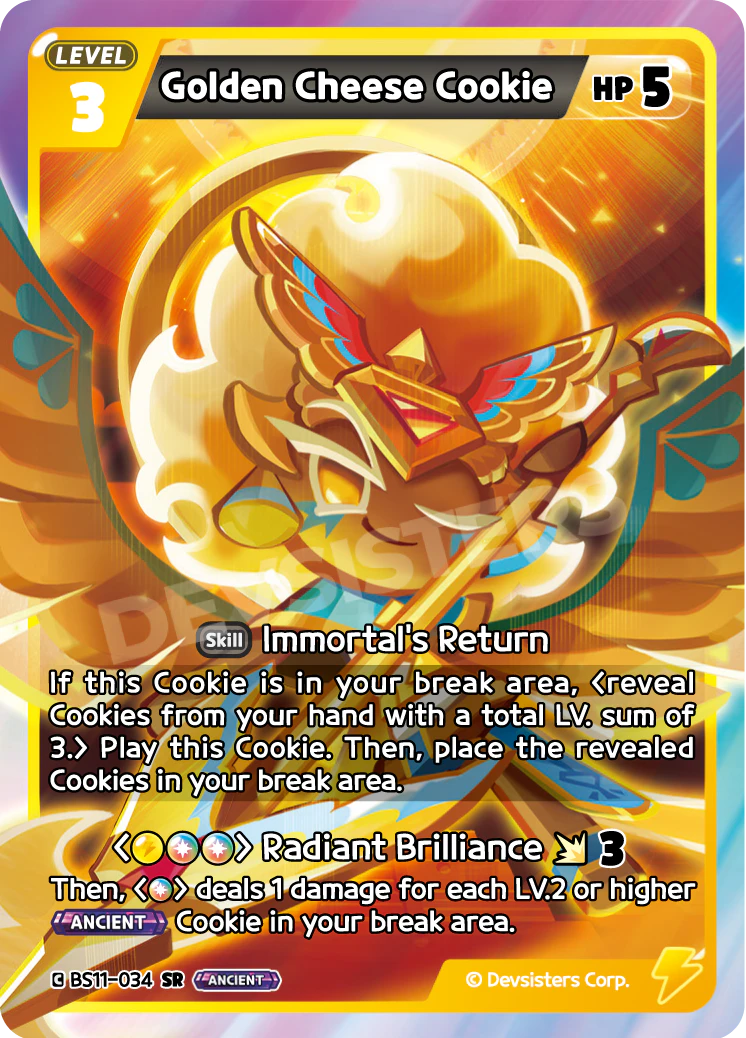
How to Read a Cookie Run: Braverse Card
Almost every element printed on a Braverse card face maps to a field in the official database. Here is the whole card decoded - the Level badge, the colored keyword pills, the attack line, the regulation letter - checked against all 2,093 entries.

Cookie Run: Braverse Glossary: Every Term Explained
Every Cookie Run: Braverse term in one place, defined plainly and consistently with our rules guides. Play areas, the card types, FLIP, the five colors, energy, Level, rarities, and keywords like Arena, Ancient, Beast, and Dragon.
Cookie Run: Braverse FAQ: Common Questions Answered
Everything a new player actually asks about Cookie Run: Braverse, answered straight: how you win, deck size and copy limits, where to buy, whether it's like MTG or Pokemon, how FLIP works, how many colors there are, and whether it's pay-to-win.
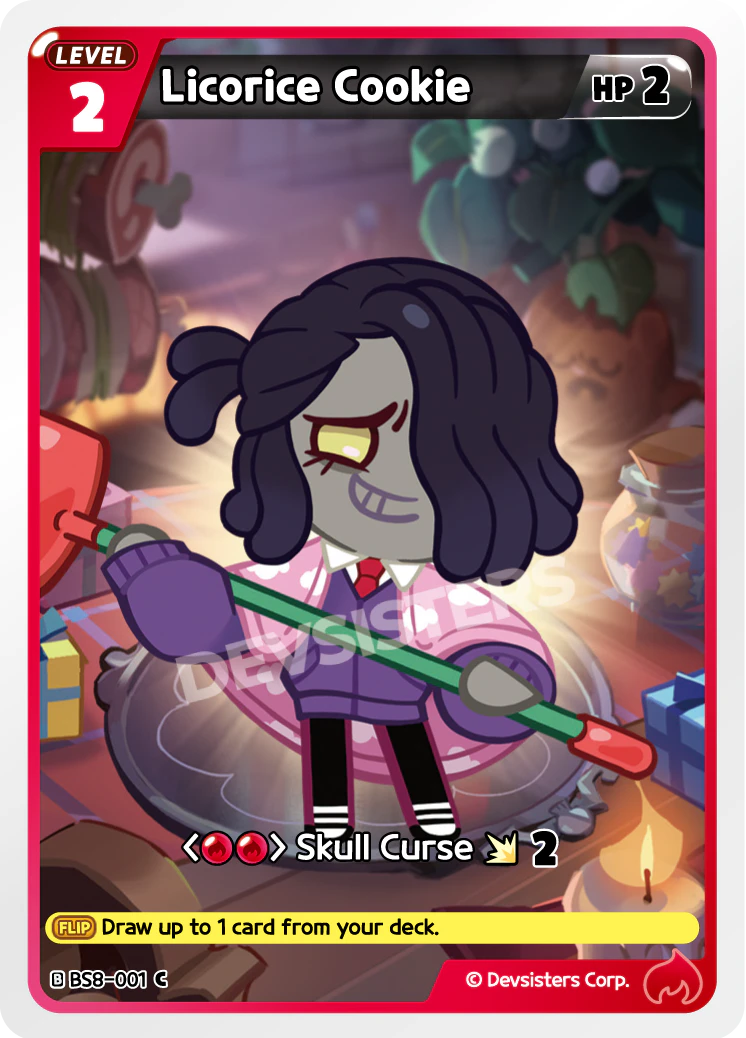
The FLIP Mechanic in Cookie Run: Braverse, Explained
FLIP is the mechanic that makes Braverse feel unlike any other TCG: a Cookie's HP can fight back. Here's exactly what FLIP is, when it triggers, and the misplays that lose games.
How to Play Cookie Run: Braverse - A Complete Beginner Guide
Cookie Run: Braverse is the rare TCG you can teach in a single match. This guide covers everything a first-time player needs: card types, setup, turn structure, how you pay for cards, the FLIP mechanic, and how to win.
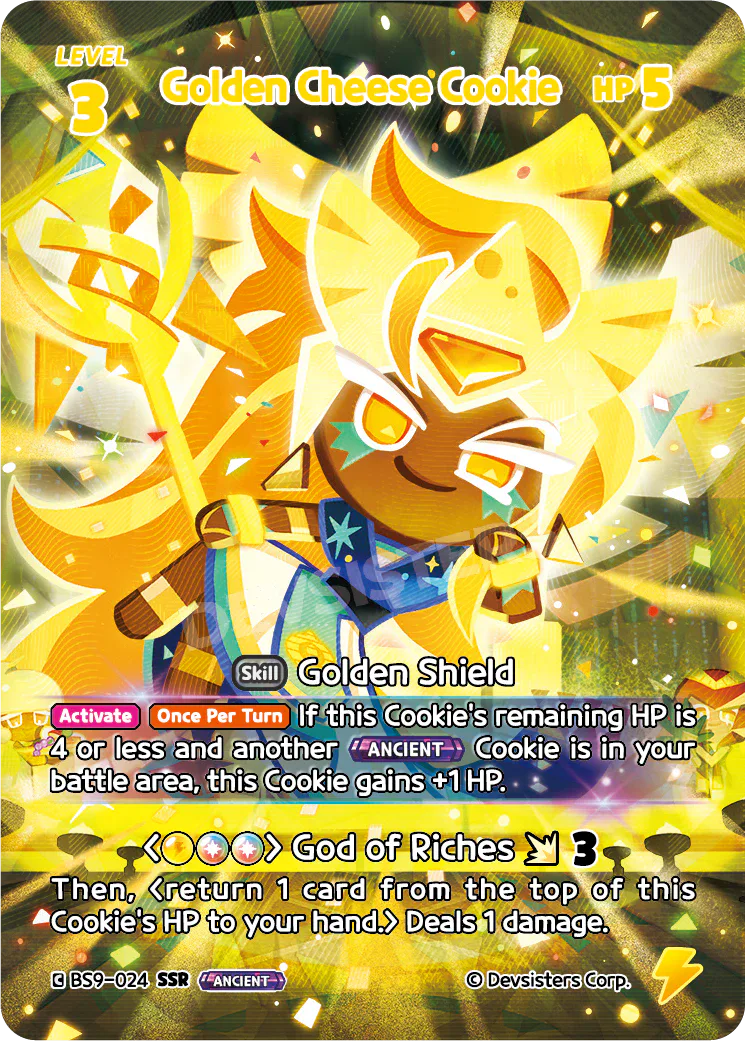
Cookie Run: Braverse Meta Tier List — Best Decks & Archetypes Ranked
Which Cookie Run: Braverse decks are actually carrying right now? Here's a meta tier list of the strongest archetypes - the real cards that anchor each one, why they rank where they do, and what's overrated.