Fortnite Aim Assist: Settings & How It Actually Works
Aim assist isn't an aimbot and it isn't cheating — it's a slowdown magnet that only bites when your inputs are clean. Here's the mechanic behind it, the one strength slider worth knowing, and how to feed it so it actually fires.
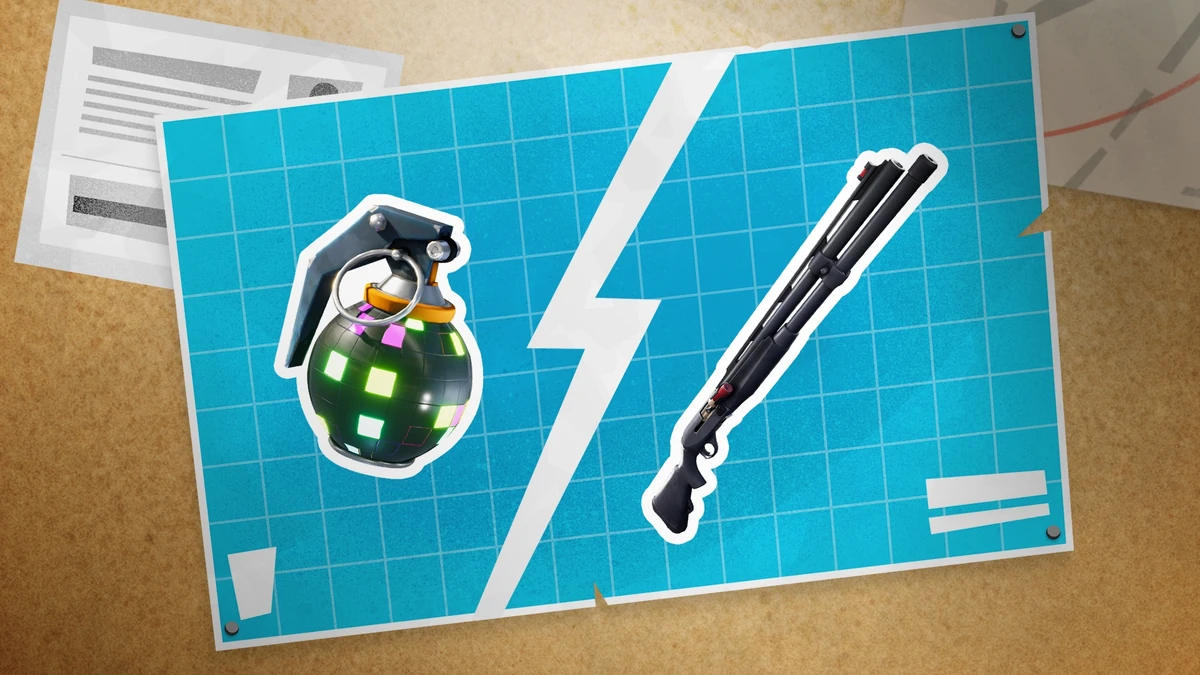
Every few months the controller-versus-mouse argument reignites, and both sides say the same wrong thing: that aim assist "aims for you." It doesn't. If you've ever watched a controller player miss a wide-open shotgun blast point-blank, you've watched aim assist fail to do the one thing people swear it does. Aim assist is real, it's powerful, and it changes fights — but it's a system with rules, and most players never learn them. They just leave it on, assume the magnet is doing the work, and then wonder why their aim feels streaky.
This guide is about the mechanic, not a copied sensitivity list. If you want deadzones, response curves, and Builder Pro binds, that's our best Fortnite controller settings guide. Here we're going one level down: what aim assist actually does frame to frame, the single setting that governs how strong it is, how to hand it clean inputs so it triggers, and why the same feature that feels like an aimbot up close does almost nothing on a sniper. Standing caveat before we start — Fortnite renames menu options and re-tunes values between patches, so treat every exact label as a starting point you confirm in your own settings, not scripture. The behavior underneath is what's stable.
Aim assist is not the thing you think it is
Aim assist on controller is a correction layer sitting between your thumbstick and the crosshair. It reads where your reticle is relative to an enemy's hitbox and nudges the math in your favor. Crucially, it only acts when an enemy is near your crosshair — it has no idea where players are across the map, and it will never swing your aim onto someone you can't already almost see. It's a magnet with a very short range, not a targeting computer.
The reason this matters: aim assist amplifies your input, it doesn't replace it. Give it a clean, deliberate stick movement toward a target and it rewards you generously. Give it a jerky over-correction or a stick that's barely moving, and it has nothing to grab. That's why two controller players on identical settings can have wildly different aim — one is feeding the system, the other is fighting it. The skill on controller isn't "having" aim assist. Everyone on a pad has it. The skill is knowing what turns it on.
The two jobs aim assist actually does
Strip it down and Fortnite's aim assist does two separate things. Understanding that they're separate is most of the battle.
- Slowdown (friction). As your crosshair passes over or near an enemy, your turn speed drops. The reticle gets "sticky" around the target so you don't sail straight past them. This is the part you feel most — that little bit of drag when you sweep across someone. It's not moving your aim for you; it's giving you extra time to stop on the target. Fight the drag by yanking through it and you throw the help away.
- Rotational / tracking aid. When you're already close to a moving enemy and you hold a stick input, aim assist helps your crosshair rotate with them — dragging along as they strafe. This is the piece that makes close-range tracking feel magnetic. And here's the catch nobody mentions: rotational aid needs you to be moving too. If you stand still and wait for it, it barely engages. It's a partnership — your movement plus their movement is what switches it on.
Slowdown helps you stop on a target. Rotational aid helps you stay on a moving one. Once you can feel which is happening, you stop feeling like aim assist is random.
The one slider worth knowing: Aim Assist Strength
Fortnite gives controller players an Aim Assist Strength setting, expressed as a percentage from 0 to 100, and it ships at 100 by default. That number scales how aggressively the slowdown and rotational aid apply. And the advice here is refreshingly simple: leave it at 100. There is essentially no competitive reason to lower it — you'd be voluntarily weakening the exact system this whole guide is about. The setting exists mostly for accessibility and personal comfort, not as a hidden tuning knob pros secretly dial down.
So why bring it up at all? Two reasons. First, if aim assist genuinely feels dead to you, this is the first thing to check — a strength slider that got knocked down (by a controller preset, a profile import, or a menu you clicked through too fast) will make everything else in this guide fall flat. Confirm it's at 100 before you blame your sensitivity. Second, understanding that strength is a single global multiplier kills the fantasy that there's some "pro aim assist config" you're missing. There isn't. The pros run it at 100 like everyone else; what they've mastered is the input side, not a secret value.
The real gains are never in this slider. They're in the deadzone and response-curve work that decide whether your stick even hands aim assist clean movements to act on — which is the entire reason those settings matter more than most people realize.
How to feed it so it actually fires
This is the part that turns theory into hit markers. Aim assist responds to your inputs, so the goal is to constantly give it something to work with.
- Never stop moving your stick in a fight. Small, continuous look inputs keep the slowdown and rotational aid live. The dead-worst instinct is to freeze your stick and wait for the magnet to grab — a still stick gives the system almost nothing. Micro-adjust constantly, even when your crosshair looks parked on target.
- Strafe, and mirror their strafe. When you move left-right and match the enemy's movement, rotational aid drags your crosshair along with them. So strafing in a duel isn't only about dodging bullets — it's literally the switch that activates tracking assist. Standing statue-still to "aim better" does the opposite.
- Aim down sights at range, hip-fire up close. ADS tightens your accuracy and lets slowdown work on a smaller, more precise scale for medium and long shots. Up close in a shotgun or SMG scramble, hip-fire keeps your turn speed high so you can whip onto a flanker. Match the tool to the range.
- Get your deadzone low first. A too-large stick deadzone swallows the tiny inputs aim assist feeds on, so it feels weak no matter what the strength slider says. This is the single most common reason players think their aim assist is "broken." Our controller settings guide walks through dialing it in.
Aim assist by weapon: where it helps and where it doesn't
Aim assist is not a flat bonus across your loadout. It scales hard with range and weapon type, and knowing where it's strongest tells you which fights to pick on controller.
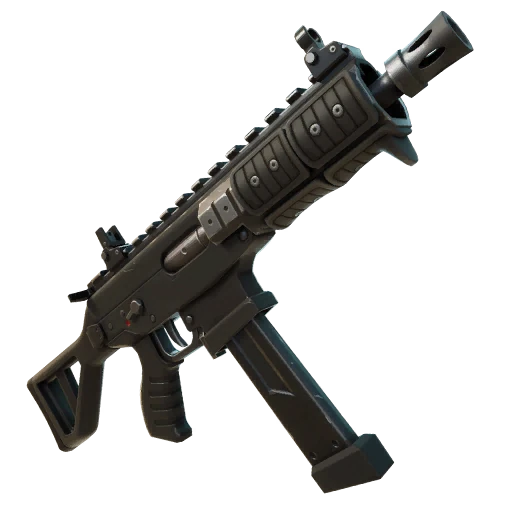
- SMGs and close-range ARs — maximum benefit. Fast-firing, close-range tracking is exactly what rotational aid was built for. When you and an enemy are strafing at box-fight distance, aim assist is doing real work every frame. This is why controller thrives in the up-close chaos of build and box fights.
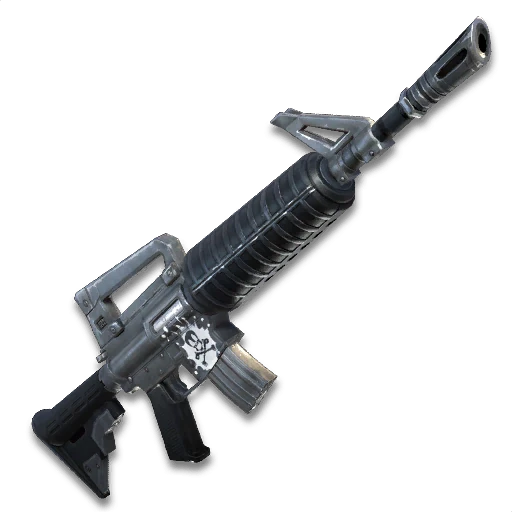
- Assault rifles at medium range — strong slowdown, less rotation. At mid range you lean on the slowdown to settle bursts onto a target. Tap or burst rather than holding the trigger, and let the friction help you re-settle between shots.
- Shotguns — help, but it won't save a bad flick. Slowdown gives you a slightly stickier reticle in a close duel, but shotguns reward a clean, deliberate flick to the target's center. Aim assist buys you time; it does not guarantee the pellets connect. That wide-open point-blank miss? Aim assist can't fix a panicked yank.
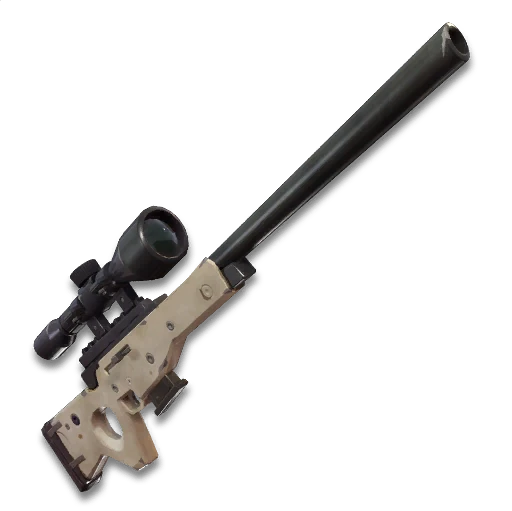
- Snipers and long range — nearly zero help. This is the big one people miss. At sniper distance the target is a tiny fraction of your screen, and aim assist's short-range magnet effectively doesn't reach. Long-range shots are raw stick control and lead, full stop. If you've ever wondered why controller players who shred up close whiff cross-map snipes, this is why — the assist simply isn't there at that range.
The takeaway: on controller, force fights into aim assist's wheelhouse. Close the distance, get into the box, make it a tracking fight. That's where the system does the most for you.
Controller on console vs PC, and the KBM question
Aim assist follows the input device, not the platform. Plug a controller into a PC and you get the same aim assist a console player gets — it's tied to the gamepad, not the box it's running on. This is the entire reason "controller on PC" is a popular competitive setup: you pair aim assist with a high frame rate. Our controller vs keyboard breakdown digs into that trade-off.
And the question that fuels every forum war: keyboard and mouse gets no aim assist. None. A mouse is a direct 1:1 input — where you move it is where the crosshair goes — so there's nothing for a slowdown-and-rotation system to correct. Mouse players trade the magnet for raw precision and flick potential. That's the actual core of the controller-vs-mouse debate: assisted tracking on one side, unassisted precision on the other. Neither is "free wins," despite what the losing side of any given fight will tell you.
Myths that need to die
- "Aim assist is aimbot." No. It slows and nudges near a target you're already close to; it never acquires or snaps onto enemies you can't see. A missed shot is proof enough.
- "Pros lower their aim assist strength for control." No. It ships at 100 and staying there is correct. The control they have comes from deadzone and curve tuning, not a secret slider value.
- "You aim better by holding still." Backwards. Standing still starves rotational aid. Movement — yours and theirs — is what activates tracking.
- "Aim assist works the same at every range." It's strongest up close and effectively gone at sniper range. Play to where it lives.
- "Controller is just easy mode." It's a different skill set. Feeding aim assist, strafing to trigger tracking, and building with your thumbs off the sticks are their own learning curves.
Quick Action Checklist
The aim-assist knowledge that actually changes fights:
- Confirm Aim Assist Strength is at 100 — the default; lower only weakens you
- Never freeze your stick in a fight — constant small inputs keep slowdown and rotation live
- Strafe and mirror the enemy to switch rotational tracking on
- Get your look deadzone low so aim assist has clean small inputs to read
- Hip-fire up close, ADS at range to match assist behavior to the fight
- Force close-range and box fights where aim assist is strongest
- Treat sniping as raw stick control — expect no help at long range
- Stop believing it aims for you — it amplifies good inputs, it doesn't replace them
Frequently Asked Questions
How does aim assist work in Fortnite?
What should my Aim Assist Strength be set to in Fortnite?
Does keyboard and mouse have aim assist in Fortnite?
Why does my aim assist feel weak in Fortnite?
Does aim assist help with sniping in Fortnite?
Is aim assist the same as an aimbot?
Keep Reading
Related Guides
Fortnite Reload Nitemare Island: Map, Loot and Rewards
Nitemare Island came back to Reload on October 8 with something the 2025 version never had: a match modifier that hands you a rival and pays out a Kado Thorne Exotic when you drop them. Here is the map, the three-map rotation it sits in, the loot you can only find there, and what the new Ranked and Map Mastery tracks pay.
Fortnite Blitz Royale Guide: How the 5-Minute Mode Works
Blitz Royale was meant to close on July 15, 2025. Fifteen months later it has its own dev team, a $1,000,000 mobile tournament and a victory emote you can only earn inside it. Here is how a match actually runs: the kit everyone lands with, what Blitz Levels pay out, where the gold loot is, how fast the storm kills, and what Epic has and has not changed this season.
Fortnite Kingdom Hearts Skins: Price, Keyblade and More
Our Chapter 7 Season 4 weapons post named the Kingdom Key and Rebecca's Guns as arrivals Epic had announced but not shipped — 'neither is in the pool yet,' it said, three weeks ago. Update v42.20 shipped both, plus a four-skin Kingdom Hearts bundle tied for the most expensive in the game's history, four new Sprites, and six new Match Overrides. Here's what actually landed, what it costs, and what Epic still hasn't published.
Fortnite OG Season X: The BRUTE and Rift Zones Return
Our OG mode guide explains how the permanent playlist works in general. It doesn't tell you what's live right now, because that changes every season — and on September 3, the tenth one brought back a two-person mech, a fully automatic sniper, and three Rift Zones with rules of their own.
Fortnite Weapon Tier List: How to Rank Any Loot Pool
Any Fortnite tier list is stale the second a patch drops. So instead of memorizing this season's gun names, learn how to rank weapons by class and role — the framework that's S-tier in every season.
Best Fortnite Settings for PC & Console
Half your settings menu is noise; a handful of options decide whether you can see, aim, and build. Here's what to change on PC and console, why, and the one number nobody else can pick for you.