Fortnite Game Modes Explained: BR, Zero Build, Reload & More
Fortnite stopped being one game years ago. Today it's a launcher hiding a shooter, a rhythm game, a survival-crafter, and a creator-built universe behind one login. Here's each major permanent mode, what it actually is, and who should be playing it.
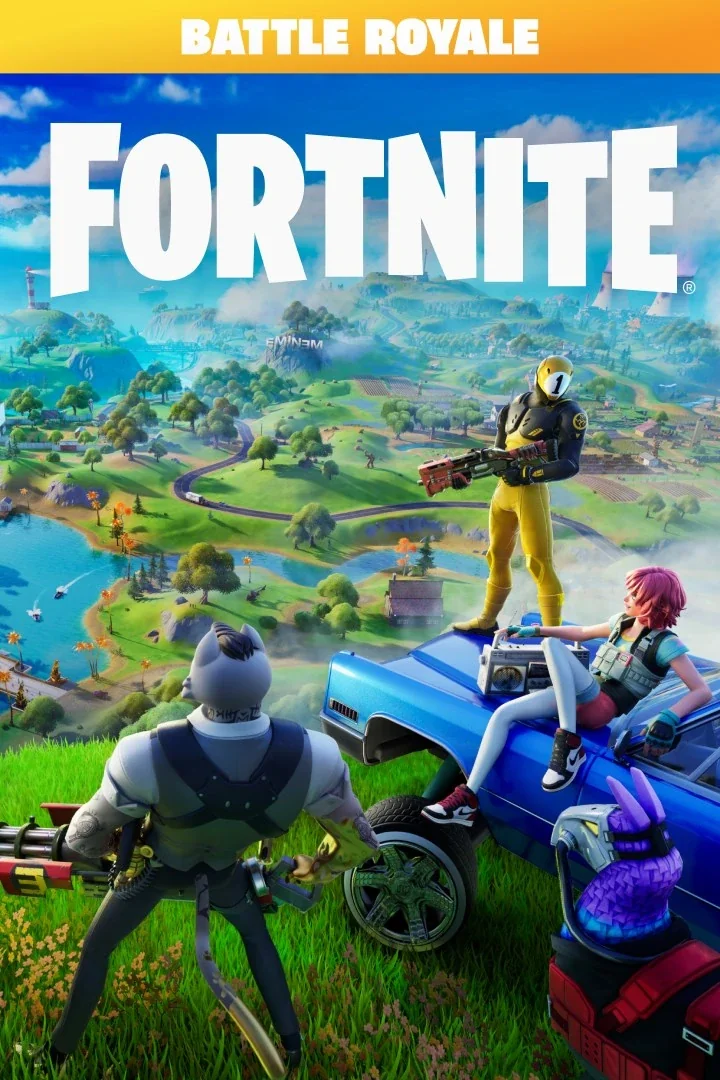
If you haven't opened Fortnite in a few years and someone tells you it's "just a battle royale," they're describing a game that stopped existing around 2023. Open the app today and the first screen isn't a match — it's a menu. Battle Royale is one tile. Next to it sit a rhythm game with a real licensed song catalog, a survival-crafting game with LEGO bricks, and a creator-built universe with millions of islands. Epic quietly turned Fortnite from a game into a platform, and the login screen is the front door to all of it.
That's great if you know what you're looking at and genuinely confusing if you don't. This is a plain-English map of the main permanent modes Fortnite ships today — what each one actually is, how it plays, and who it's for — so you can stop guessing which tile to click. We're sticking to the durable, always-available stuff and skipping the limited-time event playlists that rotate in and out, because those are gone by the time most people read about them.
Fortnite is a launcher, not a game
The mental model that makes everything else click: Fortnite is closer to a storefront like Steam than to a single game. When you launch it, you pick a "mode," and several of those modes are entirely different genres built on the same engine, sharing one account, one set of cosmetics, and one battle pass system. The skin you bought for Battle Royale shows up in LEGO Fortnite. Progress in one can feed shared rewards. But the actual gameplay of Festival has nothing in common with the gameplay of Battle Royale beyond the menu they share.
That matters because "I'm bad at Fortnite" usually means "I'm bad at Battle Royale building," which says nothing about whether you'd love the rhythm game or the survival-crafter. The modes split roughly into two families:
- Epic's main first-party modes — Battle Royale, Zero Build, Reload, OG, Festival, and LEGO Fortnite. These are made by Epic (and partners like Harmonix and the LEGO Group) and are the "official" Fortnite experiences.
- Creative and UEFN — community-built islands, from deathrun maps to full original games, plus the professional toolset (Unreal Editor for Fortnite) that powers them.
Once you stop thinking of it as one game with weird side stuff and start thinking of it as a launcher, picking the right tile gets a lot easier.
Battle Royale (Build): the flagship
This is the original and still the headliner: up to 100 players drop onto an island, loot weapons, and fight until one player or squad is left, while a shrinking storm circle forces everyone together. The defining Fortnite twist is building — you harvest wood, stone, and metal and instantly construct walls, ramps, floors, and pyramids to make cover, gain high ground, and reposition mid-fight. Nothing else in the genre plays like it.
Build mode's skill ceiling is the highest in all of Fortnite, and it's the reason the game has a reputation for being hard. The top players build and edit structures faster than most people can aim. That's thrilling to watch and brutal to learn cold, which is exactly why Epic eventually split off a no-build version (next section). You can queue Solo, Duos, Trios, or Squads, and there's a full ranked ladder for players who want the climb.
Who it's for: anyone who wants the "real," competitive Fortnite, and specifically anyone willing to put in the reps to learn building. If the mechanical skill curve is the appeal rather than the obstacle, this is your mode. If you want the deeper end of it, our Fortnite endgame strategy guide covers the part where matches are actually won.
Zero Build: the shooter without walls
Zero Build is Battle Royale with building removed entirely — and it is not just "Build mode with the walls turned off." It's a permanent, always-on mode with its own ranked queue and its own meta. Because nobody can throw up an instant wall, the map's natural cover becomes the whole game: you fight from rocks, buildings, and ridgelines, you use sprint and mantling for mobility instead of ramps, and the mode hands every player a small regenerating overshield to compensate for the lack of instant cover.
This is the single most beginner-friendly way into the battle royale experience, because it removes the highest-skill mechanic and rewards positioning and aim — skills that transfer from every other shooter you've ever played. It's also genuinely popular with veterans who'd rather have a gunfight than a building contest. The two share an island and a loot pool but play like different games.
Who it's for: newcomers intimidated by building, players coming from other shooters, and anyone who finds build-fights exhausting. It's the mode I point every new player toward first. Our full Fortnite Zero Build guide breaks down the cover-and-mobility meta in detail.
Reload: the respawn brawler
Reload is a faster, scrappier take on battle royale built around automatic reboots. The map is a fraction of the size of the main BR island, the lobby is smaller, and — crucially — getting eliminated is not the end. There are no reboot cards and no Reboot Vans in Reload. When you're eliminated, your own reboot timer starts, and as long as one teammate is still alive you rift back into the match when it runs out — nobody has to carry anything anywhere. Your surviving teammates shorten that timer by downing, eliminating and wiping opponents, and if you get knocked you can skip waiting for a revive and start your reboot timer straight away. Late in the match reboots switch off for good, and a full team wipe is game over.
That one change rewrites the whole risk calculation. Because a single death is usually recoverable, the mode rewards aggression: you push fights, take trades you'd never take in standard BR, and keep momentum instead of hiding. The smaller map means constant contact and shorter matches, so it's the mode to load when you want action immediately instead of a long, slow build toward a final circle. It runs in both Build and Zero Build flavors, in Solo, Duos and Squads, with a Ranked queue too. Solo swaps the team rule for a reboot count: you start with two reboots (three lives in all), and since July 2026 you can earn a spent reboot back by dealing enough damage to opponents before reboots switch off.
Who it's for: players who find standard BR too slow or too punishing, squads who want fast, repeatable team fights, and anyone with limited time who wants a shorter match than standard BR. The Fortnite Reload mode guide digs into the reboot system and the aggressive playstyle that wins it.
Fortnite OG: the throwback loop
Fortnite OG is the nostalgia mode: it brings back the original Chapter 1 map, weapons, and loot pool — the locations and items that defined early Fortnite. It started as a wildly successful limited event, and Epic brought it back as its own dedicated, recurring experience because the demand was enormous.
The appeal is straightforward. Veterans get the map they have muscle-memory for and the simpler, slower loot meta from before the game piled on mechanics. Newer players get a look at what made Fortnite explode in the first place. It plays like Battle Royale because it is Battle Royale — just the classic-era version of it, distinct from the current chapter's map and arsenal.
Who it's for: returning players chasing the version they remember, and curious newcomers who want the "where it all started" experience. If you bounced off Fortnite years ago and want to see the map that hooked everyone, this is the tile.
Fortnite Festival: the rhythm game
Festival is a full rhythm game living inside Fortnite — think the Guitar Hero / Rock Band lineage, which makes sense because it's made by Harmonix, the studio behind those series. You hit notes in time with real licensed songs across instrument tracks, climbing a score multiplier and chasing leaderboard positions. There's a Main Stage for the core note-matching gameplay and a Jam Stage sandbox for mixing and remixing tracks freely.
It is not a side minigame; it's a real rhythm title with a rotating catalog of licensed music and its own seasonal progression. If you came up on Rock Band, the muscle memory is right there. It has nothing to do with shooting or building — it just happens to share your Fortnite account and your skins.
Who it's for: rhythm-game fans, anyone who misses the plastic-instrument era, and players who want something to do in the Fortnite app that has zero to do with combat. It's also a low-stress mode to play with friends of wildly different shooter skill levels.
LEGO Fortnite: the survival-crafter
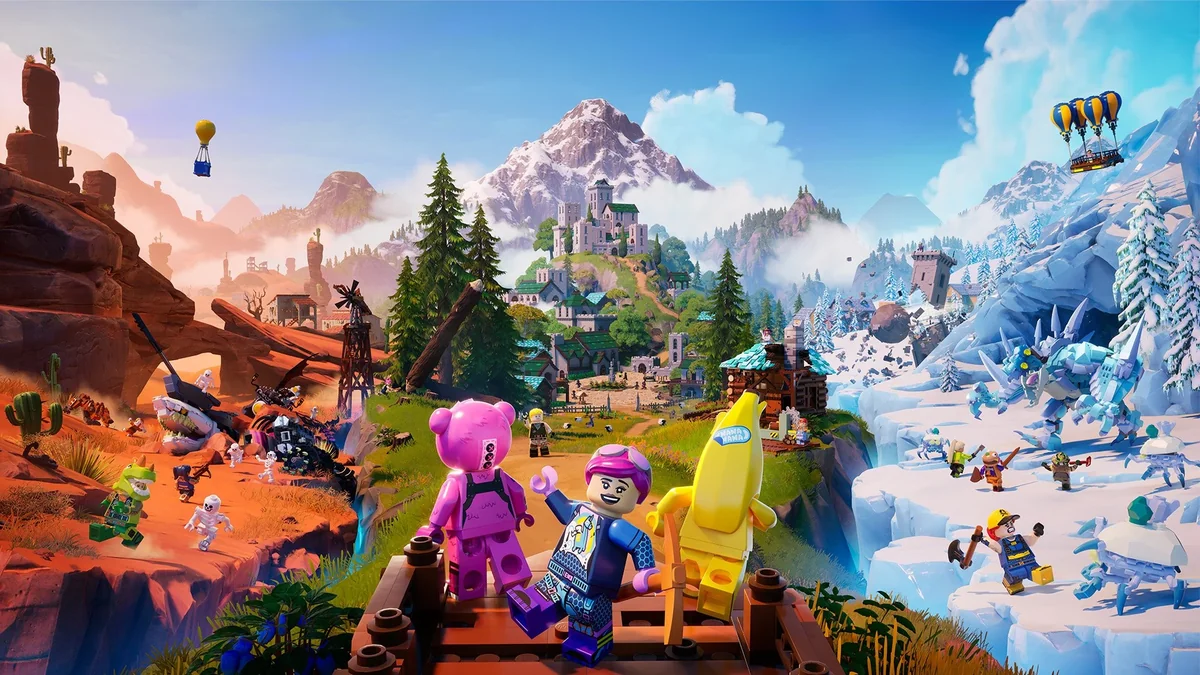
LEGO Fortnite is a full open-world survival-crafting game in the vein of Minecraft or Valheim, rendered entirely in LEGO bricks. You gather resources, craft tools and gear, build bases brick by brick, manage hunger and temperature, recruit villagers, and explore biomes with their own threats. It launched as a genuinely deep survival game, not a quick tie-in, and it's received a steady stream of expansions adding vehicles, new regions, and gameplay systems.
This is the mode for people who don't want a battle royale at all. It's cooperative and creative rather than competitive — you can play it solo or with friends, build elaborate worlds, and treat it as your chill, long-session game. If your reaction to "Fortnite" has always been "I don't want to get sweated on by 12-year-olds," LEGO Fortnite is the answer hiding in the same app.
Who it's for: Minecraft and survival-crafting fans, players who want a cooperative building sandbox, and anyone looking for a low-pressure, no-PvP corner of Fortnite.
Creative and UEFN: the everything else
Creative is the player-made universe: an enormous, ever-growing library of islands built by the community, accessed by map codes or the discovery menu. It spans deathruns, parkour, box-fight and zone-wars practice arenas, prop hunt, tycoon games, horror maps, and full original games that barely resemble Fortnite at all. Many of the most-played "Fortnite" experiences on any given day are actually Creative islands, not Epic's own modes.
Powering the high end of it is UEFN (Unreal Editor for Fortnite), the professional-grade toolset that lets creators build islands with real Unreal Engine tools and scripting. UEFN is why Creative islands have gotten so much more sophisticated — studios and solo developers ship genuine games inside Fortnite and earn a share of engagement-based payouts for it.
For competitive Battle Royale players, Creative is also the practice gym: free-build islands, aim trainers, edit courses, and 1v1 arenas are where people drill the mechanics they can't grind out in real matches. Our Fortnite warm-up and practice routine leans heavily on Creative maps for exactly this.
Who it's for: everyone, eventually. Casual players find party games and minigames; competitive players find practice tools; and tinkerers find a full game engine. It's the deepest rabbit hole in the whole app.
Rocket Racing: retired in October 2026
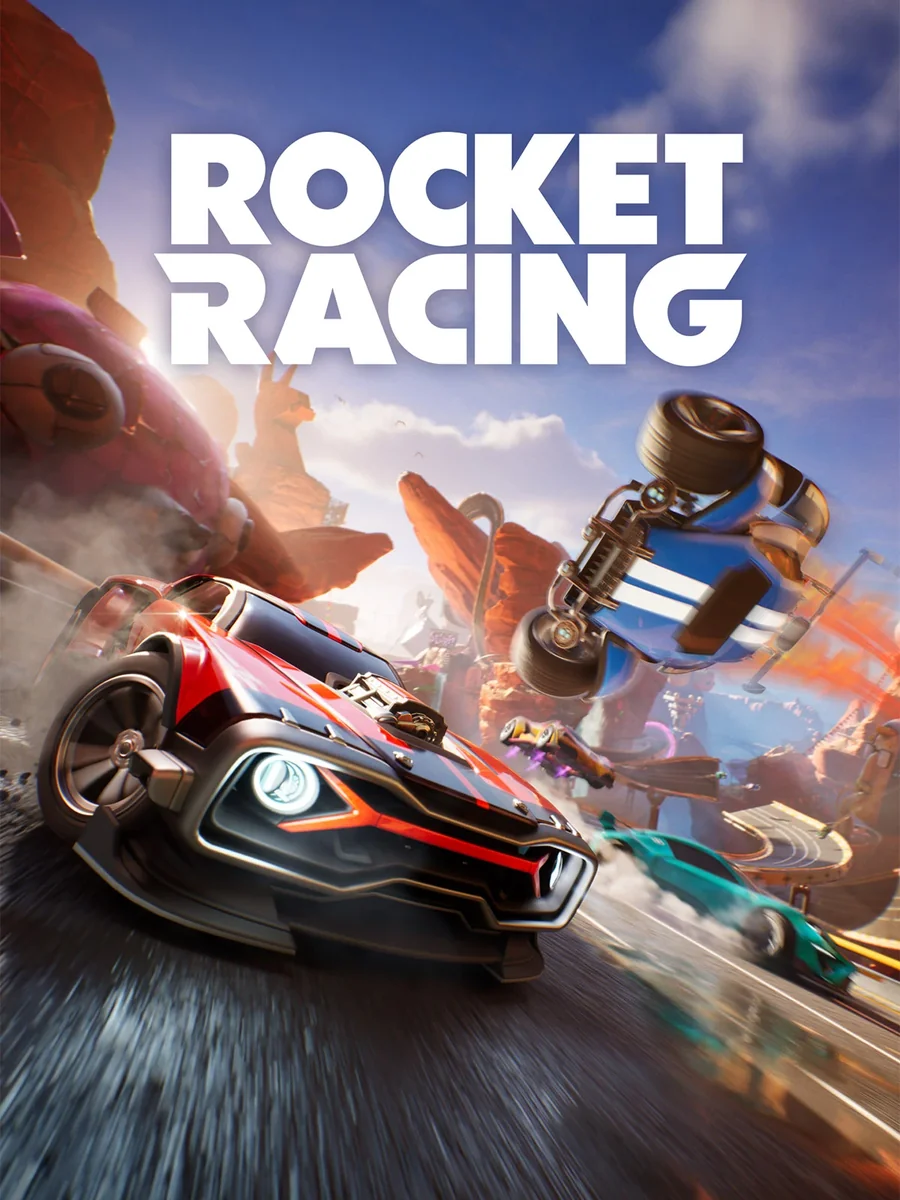
If you're looking for the arcade racer, it's gone. Rocket Racing was a Psyonix-built racer with Rocket League-style handling — drifting, boosting, flying and wall-driving — and its own ranked ladder. Epic announced its shutdown on 24 March 2026 alongside a round of layoffs and the retirement of Ballistic and Festival Battle Stage, saying that in some cases it had "failed to build something awesome enough to attract and retain a large player base." Epic's support article scheduled the removal for October 2026, and the Fortnite Wiki logs it as removed on 1 October 2026 with update v42.30. Your Vehicle Locker is unaffected — customised cars carry on working elsewhere in Fortnite. Full detail in what Epic cut and why.
Which mode should you actually play
If the menu is overwhelming, here's the short version of where to start based on what you actually want:
| If you want... | Play this mode |
|---|---|
| The classic competitive Fortnite, building and all | Battle Royale (Build) |
| A battle royale without the building skill wall | Zero Build |
| Fast matches with respawns and constant action | Reload |
| The original Chapter 1 map and loot | Fortnite OG |
| A rhythm game with real licensed songs | Fortnite Festival |
| A cooperative survival-crafting sandbox, no PvP | LEGO Fortnite |
| Party games, practice arenas, or community-made games | Creative / UEFN |
The honest takeaway: there is no single "Fortnite" anymore, so "is Fortnite fun?" is the wrong question. The right one is which of these games you're in the mood for. A lot of people who think they don't like Fortnite have only ever tried Build-mode Battle Royale, bounced off the building, and never realized a rhythm game and a survival-crafter were one tile away the whole time. Try a few tiles before you decide.
Frequently Asked Questions
What are all the main Fortnite game modes?
What is the difference between Fortnite Build and Zero Build?
Is LEGO Fortnite a separate game?
Which Fortnite mode is best for beginners?
What is Fortnite Festival?
Are Festival, LEGO Fortnite and the other modes included for free?
Keep Reading
- Fortnite — official site and mode list
- Fortnite Wiki — game modes overview
- Fortnite Wiki — LEGO Fortnite
- Epic Games — Squad Up for Fortnite Reload (reboot timer rules)
- Fortnite Wiki — Fortnite: Reload (team sizes and elimination rules)
- Epic Games Support — Why are Rocket Racing, Ballistic, and Festival Battle Stage being removed from Fortnite?
- Fortnite Wiki — Rocket Racing (removal date)
Related Guides
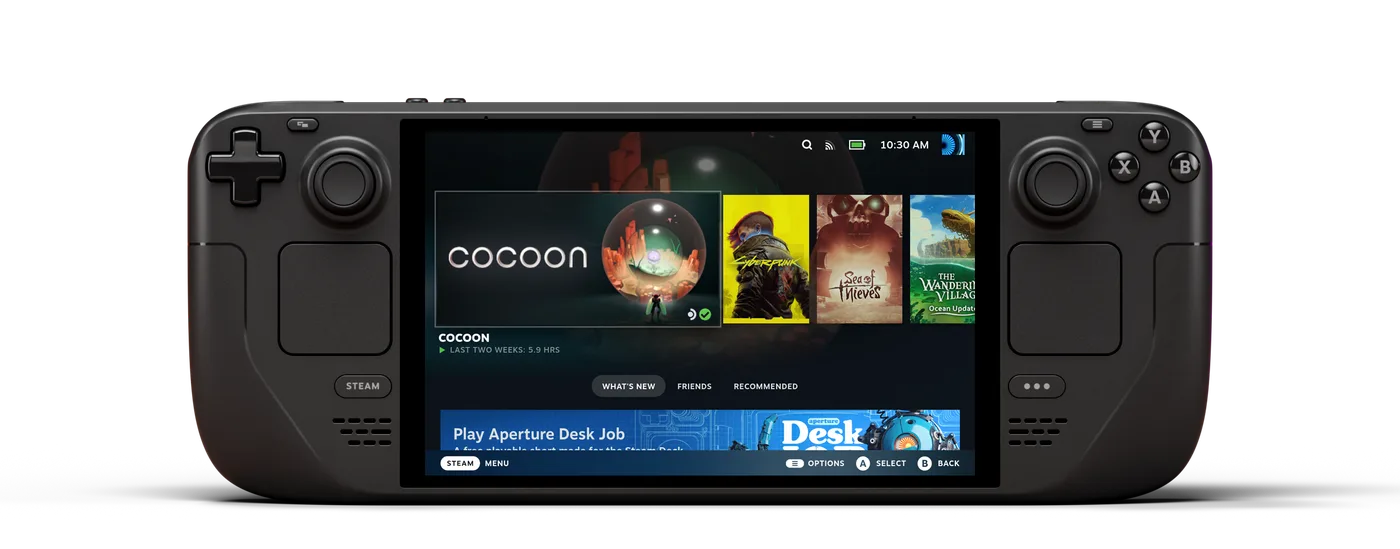
Can You Play Fortnite on Steam Deck?
Our mobile guide covers where Fortnite installs on a phone. It says nothing about the handheld a lot of those same readers also own, because a Steam Deck isn't a phone and Epic doesn't treat it like one. The short version: it's Epic's call, not a hardware limit, and the fix depends on which handheld is actually in your hands.
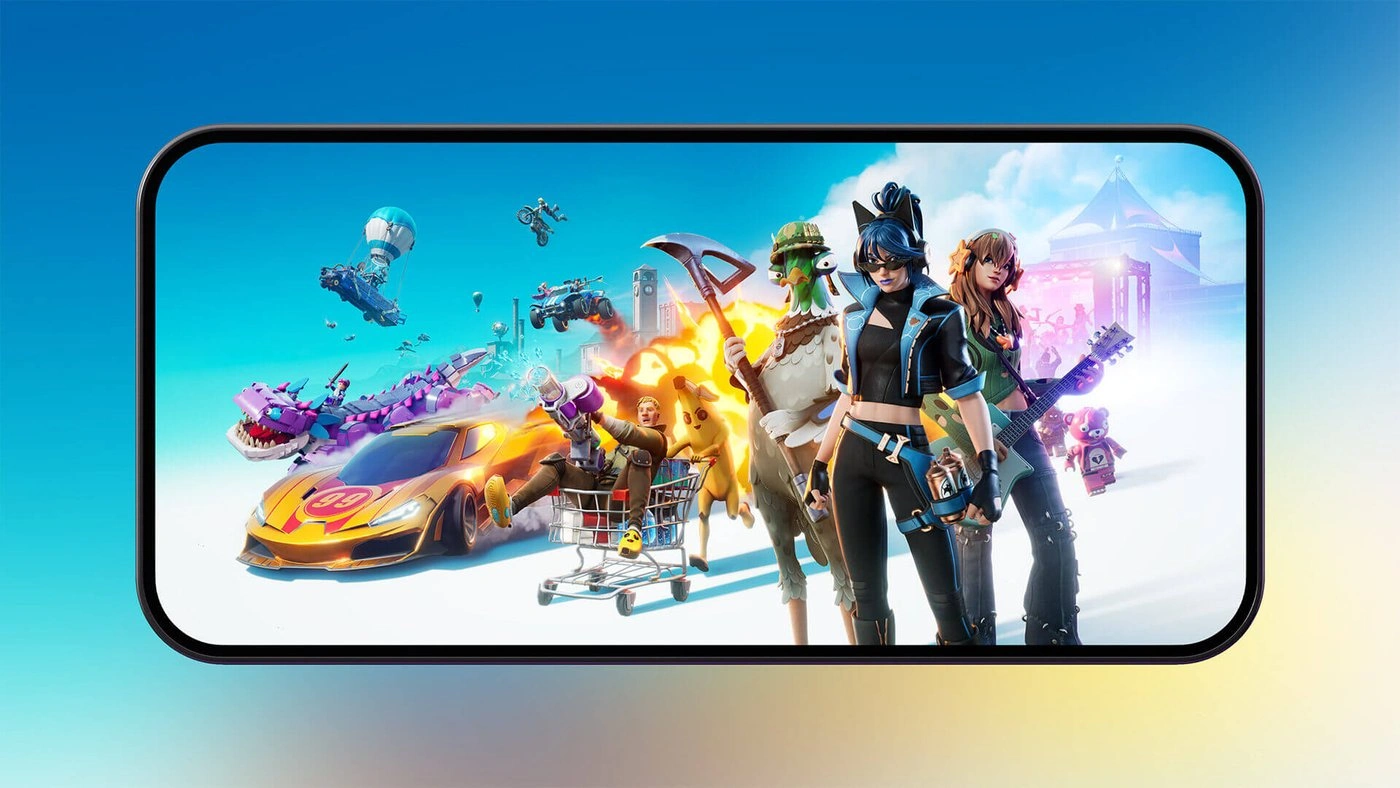
Fortnite Mobile: How to Install on iPhone and Android
Fortnite is back on both phone stores — the App Store worldwide since 19 May 2026, Google Play since 19 March 2026 — and Australia is the one country still locked out. Here is the install route for your device, the exact hardware floor, and the two things the mobile build does not have.
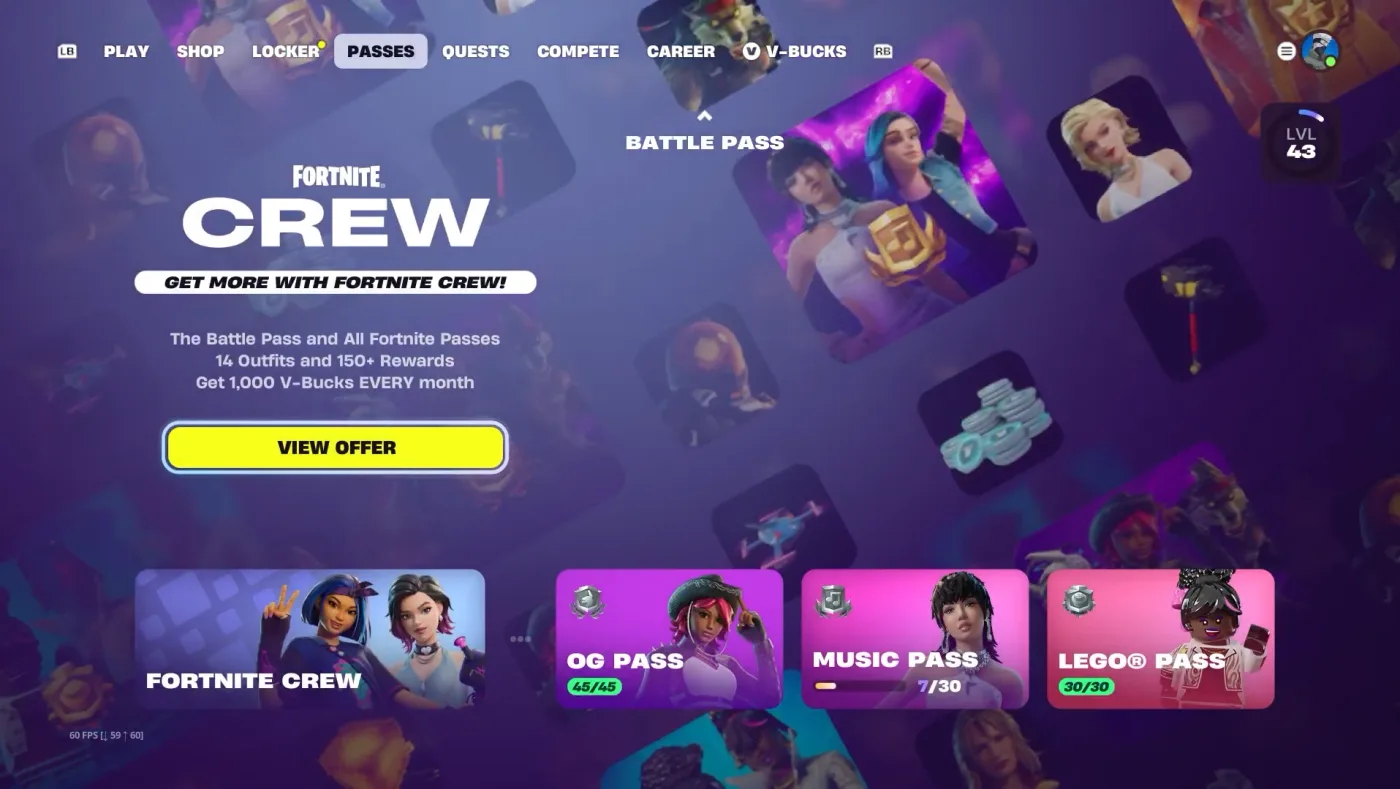
Fortnite Crew Guide: What You Get and Is It Worth It
Fortnite Crew got quietly worse in June 2026 — the monthly V-Bucks dropped from 1,000 to 800 at the same $11.99 — and the math still leans in its favor, because it bundles five passes and a skin you cannot buy any other way. Here's the full contents list and the honest math.
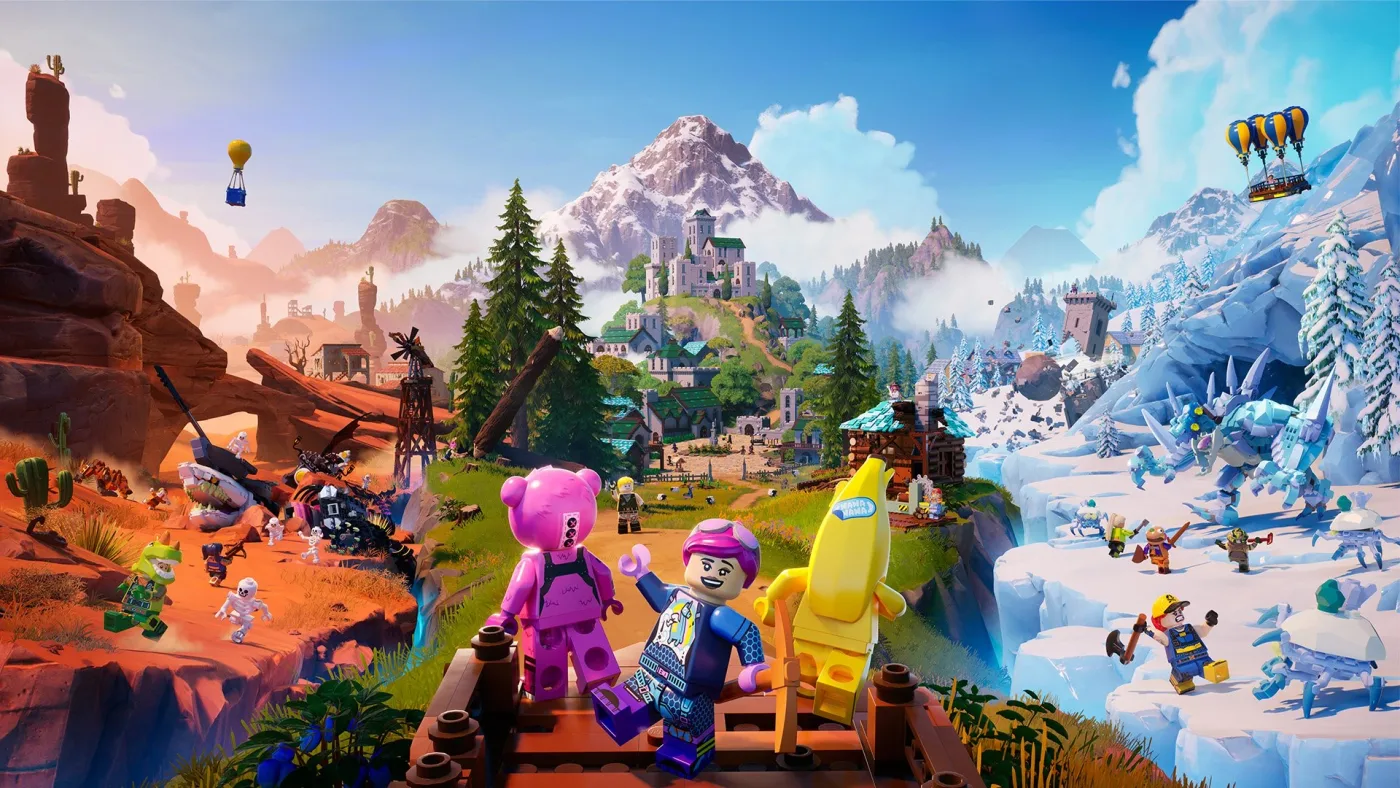
LEGO Fortnite Odyssey Guide: The Survival Game, Explained
Odyssey is a 95-square-kilometre survival-crafting game sitting three tiles over from Battle Royale, and it has changed more since launch than any other part of Fortnite. Hunger is gone. Bench upgrades are gone. Here's the version that's actually live.
Fortnite Weapon Tier List: How to Rank Any Loot Pool
Any Fortnite tier list is stale the second a patch drops. So instead of memorizing this season's gun names, learn how to rank weapons by class and role — the framework that's S-tier in every season.
Best Fortnite Settings for PC & Console
Half your settings menu is noise; a handful of options decide whether you can see, aim, and build. Here's what to change on PC and console, why, and the one number nobody else can pick for you.