Fortnite Save the World Guide: The PvE Mode Is Finally Free
Save the World spent nearly nine years behind a paywall while the battle royale it spawned ate the world. As of April 16, 2026, the original Fortnite is free. Here's what the PvE mode actually is, how its progression works, and whether it deserves a slot in your rotation.
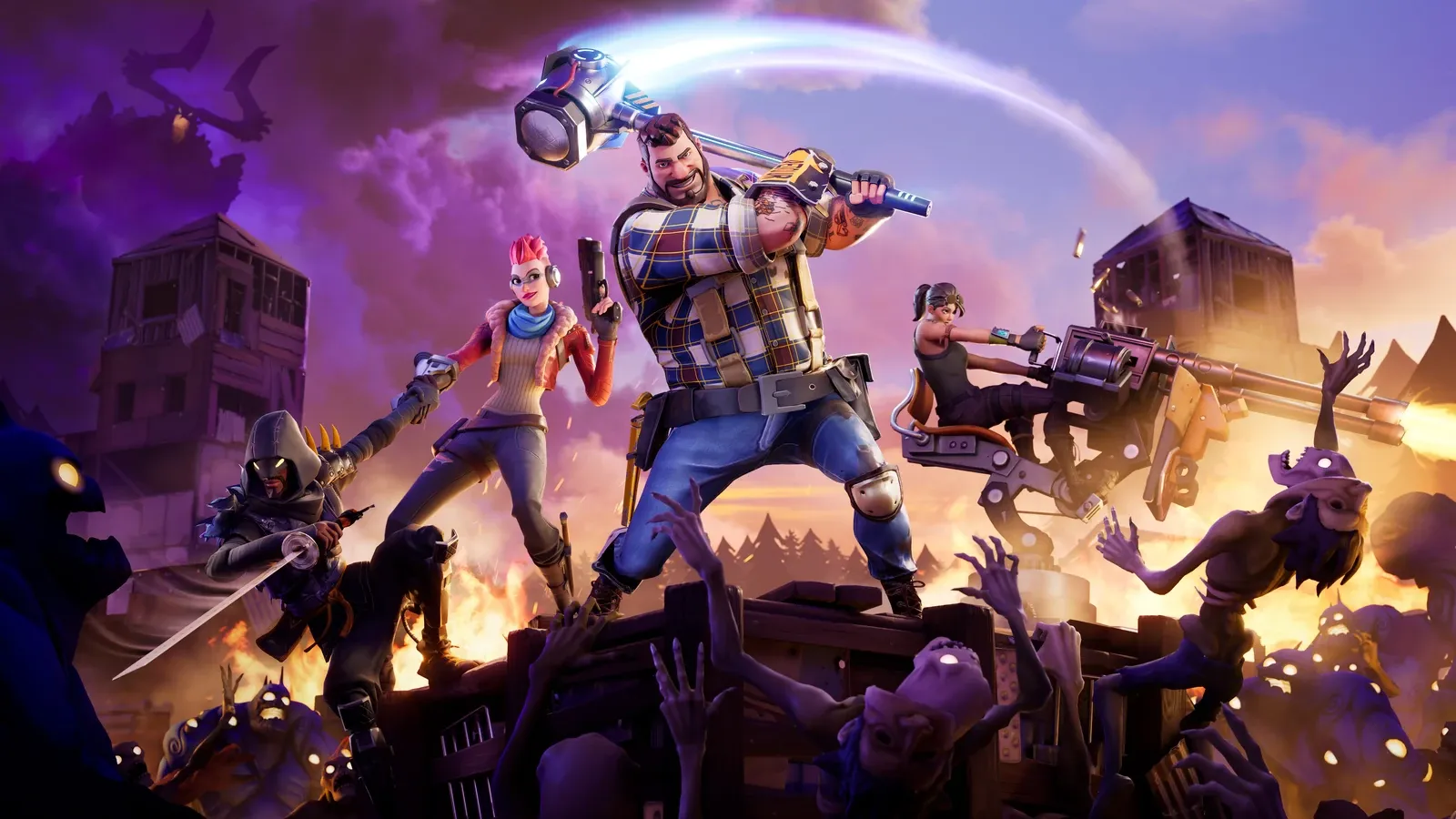
Epic finally did the thing it teased for the better part of a decade: on April 16, 2026, Save the World went free-to-play. The mode that launched alongside Fortnite on July 25, 2017 — the one the phrase "Fortnite" originally referred to, before Battle Royale swallowed the brand — spent almost nine years as the paid tile in a free game. That's over. If you have a Fortnite account, you now own the PvE campaign.
Which means millions of battle royale players are about to click a tile they've ignored since 2017 and land in a co-op tower-defense looter with hero collections, weapon durability, survivor squads, and a progression system deep enough to get lost in. This guide is the map: what Save the World is, how its systems actually connect, what changed at the free-to-play launch, and an honest read on whether it's worth your hours in 2026. Our Fortnite modes overview covers the rest of the launcher; this is the deep dive on the tile it skipped.
The paywall is gone after nine years
The short version of the history: from launch in 2017 until June 29, 2020, the only way in was a paid Founder's Pack — that date matters later, because Founders keep a unique perk. From mid-2020 until March 2026, access came through rotating Save the World Starter Packs in the item shop, usually bundled with an outfit and pickaxe. Then Epic announced the free-to-play switch on March 11, 2026, flipped it on April 16, and thanked the veterans for, in its words, holding down the fort for nine years.
The launch came with actual loot, not just a press release:
- Pre-registration rewards. Players who signed up before April 16 earned community-unlock cosmetics, capped by Snowstrike, a Hero whose North Star perk throws stars that slow — and at higher tiers freeze — enemies.
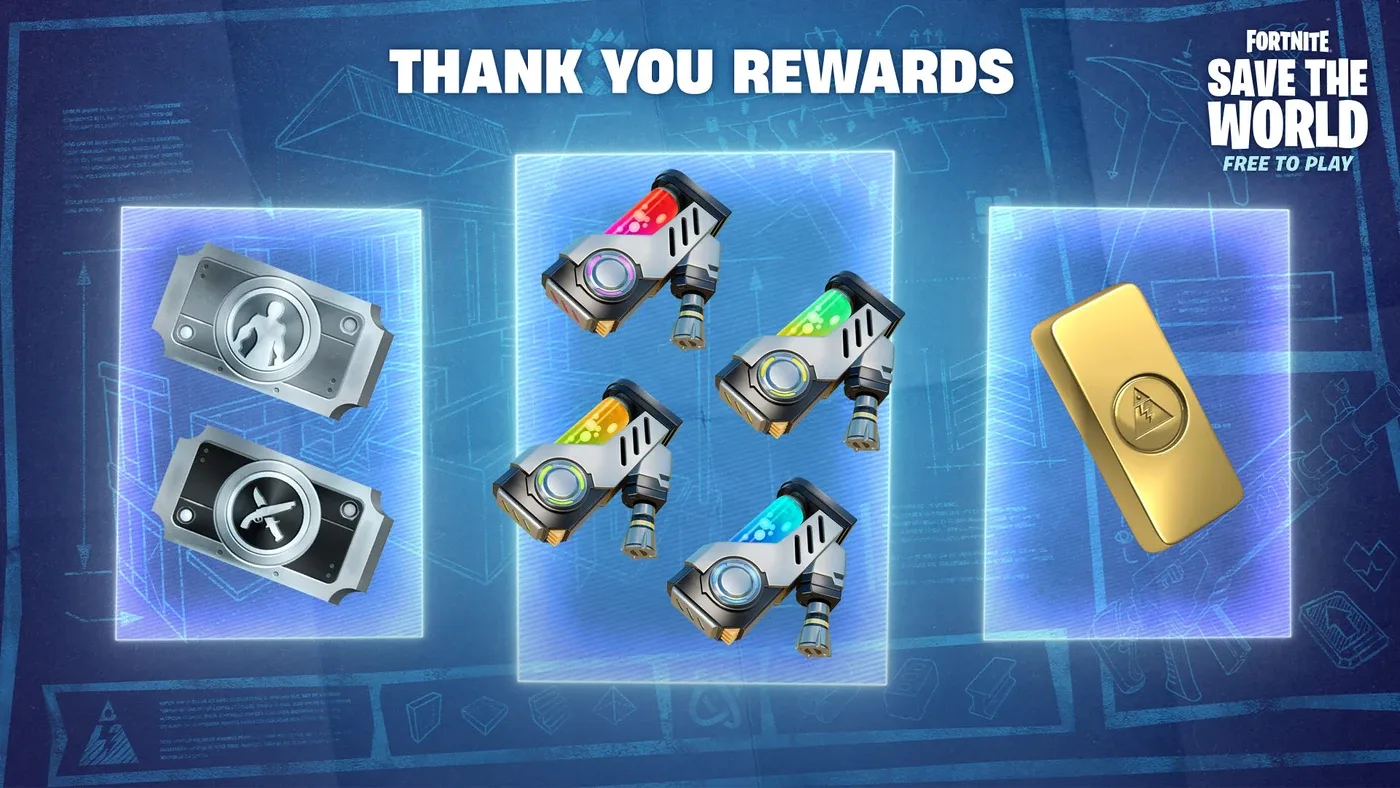
- Thank-you rewards for existing owners. Anyone who'd paid for the mode got a package on April 16: 1x Hero Supercharger, 1x Weapon Supercharger, 1x Trap Supercharger, 5x Survivor Superchargers, a Hero Recruitment Voucher, a Weapon Research Voucher, and 10,000 Gold for the Event Store. If you bought a Starter Pack years ago and forgot, log in — that's sitting there.
One platform catch before you get excited: Save the World runs on PC, PS4/PS5, Xbox, and cloud streaming with a controller or mouse — but on Nintendo hardware it's Switch 2 only, and there's no mobile or Mac version at all. Original Switch owners are the one group the free-to-play party skipped.
What Save the World actually is
Strip away nine years of systems and the core is this: a 1-4 player co-op PvE game where you build a fort around an objective and defend it against waves of zombies. The Storm wiped out 98% of the world's population; you play the Commander of Homebase, the last organized resistance, with a chipper robot named Ray in your ear and a roster of heroes at your disposal. You drop into a mission, scavenge the map for materials and loot, build walls and trap corridors around the objective, then survive the assault.
The enemies — husks — are Fortnite's zombies, and if you've ever wondered why the battle royale's default skins fight husk-themed monsters in trailers, this mode is why. They come in three broad flavors:
- Basic husks — melee and ranged chaff that attacks in clusters. Individually harmless, collectively a wall-eating tide.
- Mist Monsters — the purple-hued elites. Smashers charge through walls, Takers dive at you, and every one of them is a "deal with this NOW" problem mid-defense.
- Mini-bosses and the Storm King — amped-up monsters with modifiers, plus two true bosses: the Storm King at the end of Canny Valley's questline and his nastier Mythic version in Twine Peaks, which is a legitimate raid-style fight that will humble a fresh account.
The building system is the same wall-ramp-floor-pyramid kit the battle royale inherited, but used completely differently: here you're pre-building kill boxes and trap tunnels before a timer runs out, closer to a tower defense game than a build fight. If you've read our building basics guide, the muscle memory transfers — the strategy doesn't.
Heroes, classes, and your loadout
Instead of one character, you collect Heroes across four classes, and the class you pick changes how missions feel:
| Class | Focus | Playstyle |
|---|---|---|
| Soldier | Ability + Health | Straightforward gunplay with grenades and warcries — the shooter class |
| Constructor | Health + Shields | The fort specialist — beefy, with base-reinforcing kit that makes defenses cheaper and tougher |
| Ninja | Ability + Shields | Melee, double jumps, and swords — fast, fragile, and the most fun to move around with |
| Outlander | All three stats | The loot class — better at finding materials and resources, weaker in a straight fight |
The loadout system is where it gets deeper than "pick a skin." You field one Commander Hero — the character you actually play, whose Commander Perk and abilities are active — plus six Support Heroes who sit in the loadout contributing passive perks and a share of health and shields. Building a loadout where the supports amplify the commander's gimmick is the closest thing Fortnite has to deck-building, and it's most of the mode's theorycrafting.
In the field you carry three weapons and your pickaxe. Weapons come from schematics — blueprints you own permanently — and are crafted from harvested materials. Crafted weapons have durability and break, which sounds annoying (and early on, is) until the economy clicks and you're crafting replacements without thinking about it.
The campaign: four zones and a storm shield
The campaign — the Stand and Fight storyline — runs through four zones of escalating difficulty: Stonewood, Plankerton, Canny Valley, and Twine Peaks. The first three carry the main questline, including the Storm King showdown that caps Canny Valley; Twine Peaks is the endgame zone where the power curve keeps climbing after the story thins out. Progress between zones is gated by Launch the Rocket missions, so you can't skip ahead on day one.
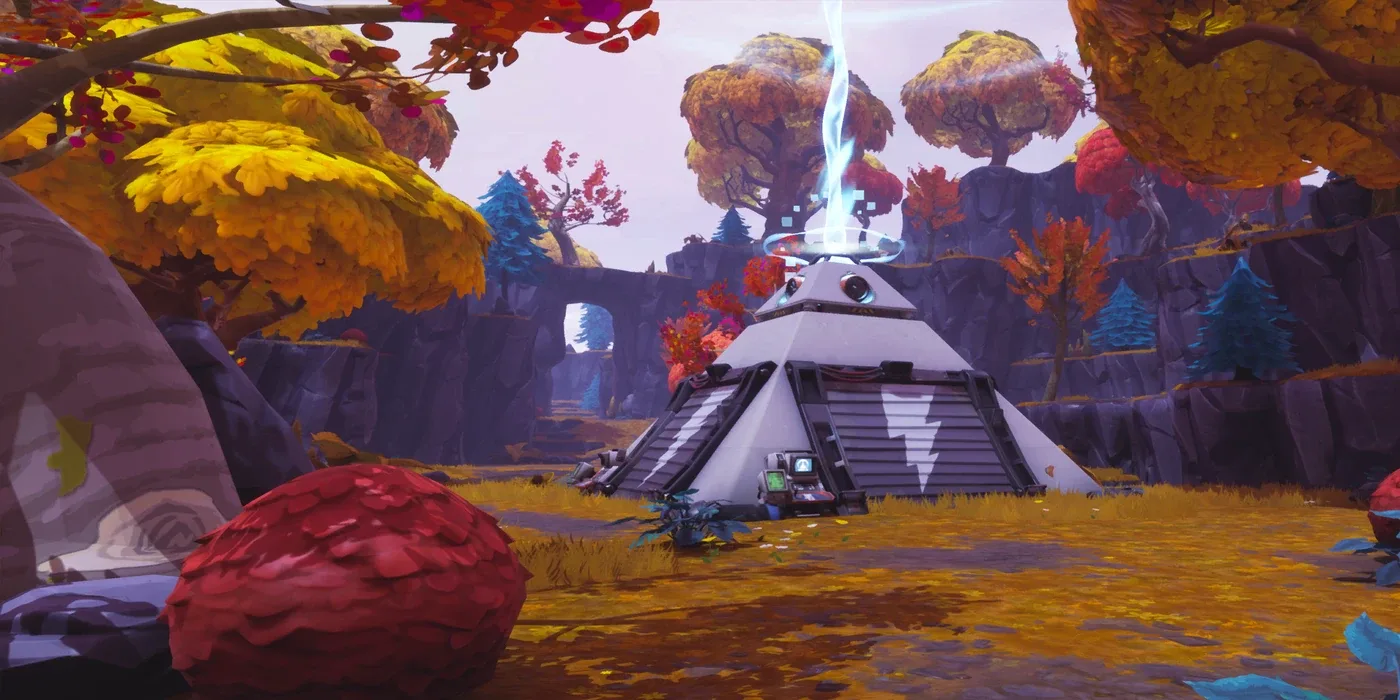
Each zone also gives you a storm shield: a persistent home base built around a shield generator, and the one place in the game where your building survives between sessions. Periodically you'll run Storm Shield Defense missions — install a new amplifier, extend the shield's coverage, then defend the expanded perimeter against a scripted assault. These are the mode's signature missions for two reasons. First, they gate zone progression, so you can't ignore them. Second, your defenses accumulate: the trap tunnels you build in Stonewood week one are still there when you come back to defend again, which makes your storm shield the closest thing Fortnite has to a Minecraft base.
A warning every veteran gives every newcomer, so I'll pass it on: don't over-build your early storm shields. Later defenses spawn bigger waves from more directions, and a sprawling mess of week-one walls becomes a liability you'll tear down anyway. Compact kill boxes beat castles.
Progression: power level, schematics, survivors
Save the World's power system has real RPG bones, and understanding one fact early will save you weeks: most of your account power comes from Survivors, not from your guns.
- Power Level is your headline number, computed from your F.O.R.T. stats (Fortitude, Offense, Resistance, Tech). It gates which missions you can queue and scales the difficulty of everything.
- Survivor Squads are the main source of those F.O.R.T. stats. You collect survivors like loot, slot them into eight squads, and match their personalities and bonuses for extra power. It's a menu game, it's unglamorous, and it matters more than any single weapon you'll ever craft.
- Commander Level rises as you play and unlocks research and upgrade capacity along the way.
- Schematics and heroes evolve. Rarity caps evolution: Common items stop at Tier 2, Uncommon at 3, Rare at 4, and Epic through Mythic reach Tier 5. At Tier 4, weapon schematics fork into an Ore path (sturdier, cheaper materials) or a Crystal path (more damage, at the cost of fire rate and durability) — the mode's version of a final ascension choice.
- Superchargers push individual items past their Level 50 cap, and they're deliberately scarce — which is the segue to Ventures.
Ventures: the seasonal reset that keeps it alive

Since July 2020, Save the World's live content has run through Ventures: seasonal zones, roughly ten weeks each, where everyone starts from scratch. Your main-campaign arsenal stays home — you enter at Venture Level 1, weapon crafting is disabled, and you gear up from vending machines stocked with the season's loot pool, keeping guns alive at repair benches. Each season layers on a gameplay modifier (mini-boss swarms, ability-focused mutators, that kind of thing), and climbing the 50 Venture Levels unlocks progressively higher-power missions — the ladder tops out around Power Level 130 content.
The zones rotate through a fixed cast with seasonal themes: Flannel Falls, Scurvy Shoals, Blasted Badlands, Hexsylvania around Halloween, Frozen Fjords for the holidays, each with its own limited-time mode like Frostnite or Dungeons attached. If you've played a battle royale season, the shape is familiar — it's a battle pass structure wearing PvE clothes.
Here's why endgame players actually grind it: Ventures is where Superchargers live. The seasonal reward track pays out the Superchargers that push heroes, weapons, and survivors past Level 50, and that's the only meaningful account-power progression left once your survivor squads are full. Skip Ventures and your account plateaus; grind it and you inch past the cap every season. It's a clean design solution to a game that stopped getting big content drops — the treadmill resets quarterly, and the carrot is permanent.
V-Bucks, X-Ray Tickets, and the founder divide
Let's kill the myth before it costs you money: free-to-play Save the World does not earn you V-Bucks. The fabled "STW pays for your battle passes" era belongs to Founders — players who bought a Founder's Pack before June 29, 2020 — and Epic confirmed at the free-to-play launch that Founders specifically will keep earning V-Bucks from daily quests, mission alerts, and storm shield defenses. Founder's Packs were discontinued six years ago. You cannot become one. Anyone claiming otherwise is selling something.
What everyone else earns is X-Ray Tickets, the mode's llama currency:
- Daily quests: 100 tickets for easy ones, 150 for the time-consuming ones
- Mission alerts: 50 tickets a pop, appearing randomly across the map
- Storm Shield Defenses: 100 tickets each for defenses 1-9 in a zone, 150 for the tenth
- Challenge questlines like Hold the Door: 50 per stage across 20 stages
X-Ray Tickets buy loot llamas — the mode's hero/schematic/survivor packs — from the in-game Llama Shop, and since they're earned at a steady clip just by playing, the collection grind is genuinely self-sustaining without spending. If you're tracking Fortnite's wider economy, our V-Bucks and item shop guide covers where real money actually goes; the clean summary here is that STW's internal economy runs on tickets and gold, not V-Bucks.
Should you actually play it in 2026
Honest assessment, both barrels.
The case for: it's a genuinely good co-op game that now costs nothing. The building-plus-tower-defense loop still doesn't exist anywhere else at this quality, trap tunnel engineering is deeply satisfying, and the hero/loadout system has real theorycrafting meat. It's also the best "play Fortnite with a friend who hates PvP" option that isn't LEGO Fortnite — and unlike LEGO's survival loop, this one is combat-first. With the free-to-play influx, mission lobbies are the fullest they've been in years.
The case against: this is visibly a 2017 game that stopped receiving major new campaign content years ago — Epic's own developers drifted to Battle Royale and Creative long ago, the Twine Peaks storyline was never properly finished, and the live cadence is Ventures reruns with event questlines rotating back through. The menus are dense to the point of hostility for new players; expect to alt-tab to a wiki within your first three hours. And husk-bashing, for all its trap-tunnel charm, gets repetitive in long sessions.
My actual verdict: as a free pickup, it's an easy recommendation for anyone who likes co-op PvE — the campaign runs four full zones deep, each with a storm shield you can build out across ten defenses, and the fact that it was a paid product for nine years shows in the density of its systems. Just go in knowing you're exploring a finished (if never quite completed) game with a seasonal treadmill, not a live game with a roadmap. Treat it like a deep back-catalog title that happens to live inside your Fortnite launcher.
Quick-start tips for new commanders
The stuff I wish someone had told me before the menus swallowed me whole:
- Slot survivors immediately and always. Every new survivor into a squad, every session. It's the biggest power lever in the game and the easiest to forget.
- Don't rush zones. Out-leveling your missions makes everything a slog; Power Level gates exist because under-leveled Twine Peaks is misery.
- Play the storyline for free heroes and tickets — Stonewood's main quests were buffed specifically to shower new players with X-Ray Tickets.
- Keep your storm shield compact. Kill boxes and trap corridors, not castles — future defenses punish sprawl.
- Don't spend Superchargers casually. They're the long-term progression currency; park them until you know which hero and weapon you actually main.
- Recycle, don't hoard. Spare weapons and low-rarity schematics recycle into crafting materials you always need.
- Jump into the current Ventures season early — the reward track is time-limited each season, and the Superchargers at the top are the whole point.
- Claim your thank-you rewards if you ever bought a Starter or Founder's Pack — the 10,000 Gold alone buys real Event Store loot.
And if the PvE bug doesn't bite, no harm done — the rest of the launcher isn't going anywhere. But for the first time since 2017, finding out costs exactly nothing.
Frequently Asked Questions
Is Fortnite Save the World free now?
Can you still earn V-Bucks in Save the World?
What kind of game is Save the World?
What are Ventures in Save the World?
What did existing Save the World owners get when it went free?
Is Save the World worth playing in 2026?
Keep Reading
Related Guides
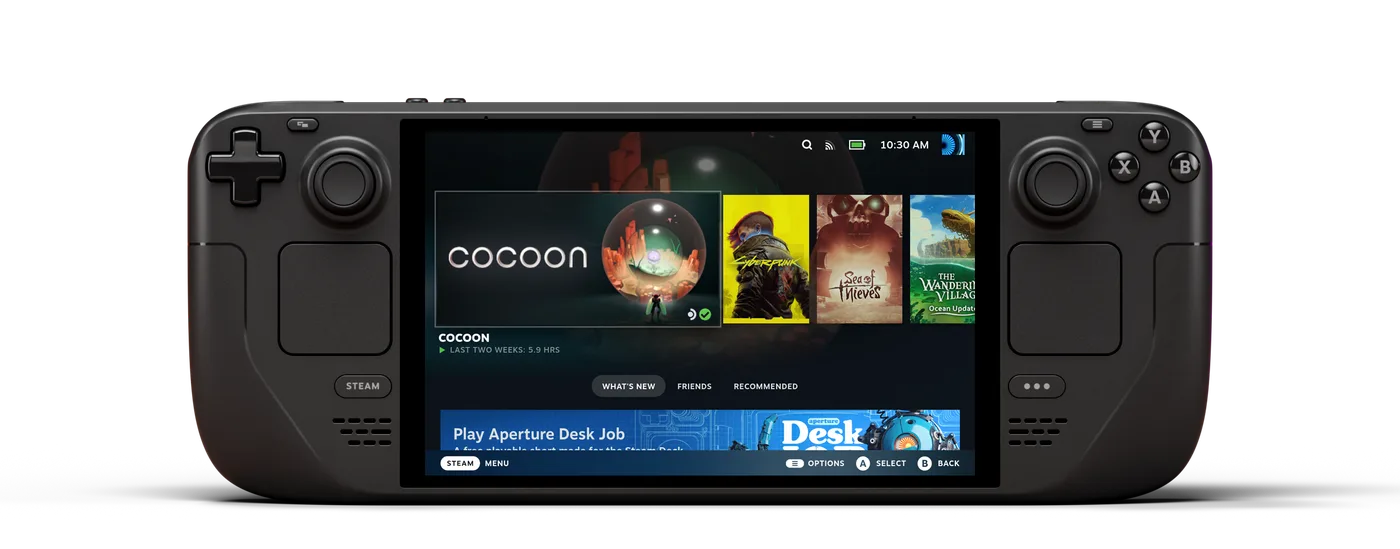
Can You Play Fortnite on Steam Deck?
Our mobile guide covers where Fortnite installs on a phone. It says nothing about the handheld a lot of those same readers also own, because a Steam Deck isn't a phone and Epic doesn't treat it like one. The short version: it's Epic's call, not a hardware limit, and the fix depends on which handheld is actually in your hands.

Fortnite Mobile: How to Install on iPhone and Android
Fortnite is back on both phone stores — the App Store worldwide since 19 May 2026, Google Play since 19 March 2026 — and Australia is the one country still locked out. Here is the install route for your device, the exact hardware floor, and the two things the mobile build does not have.
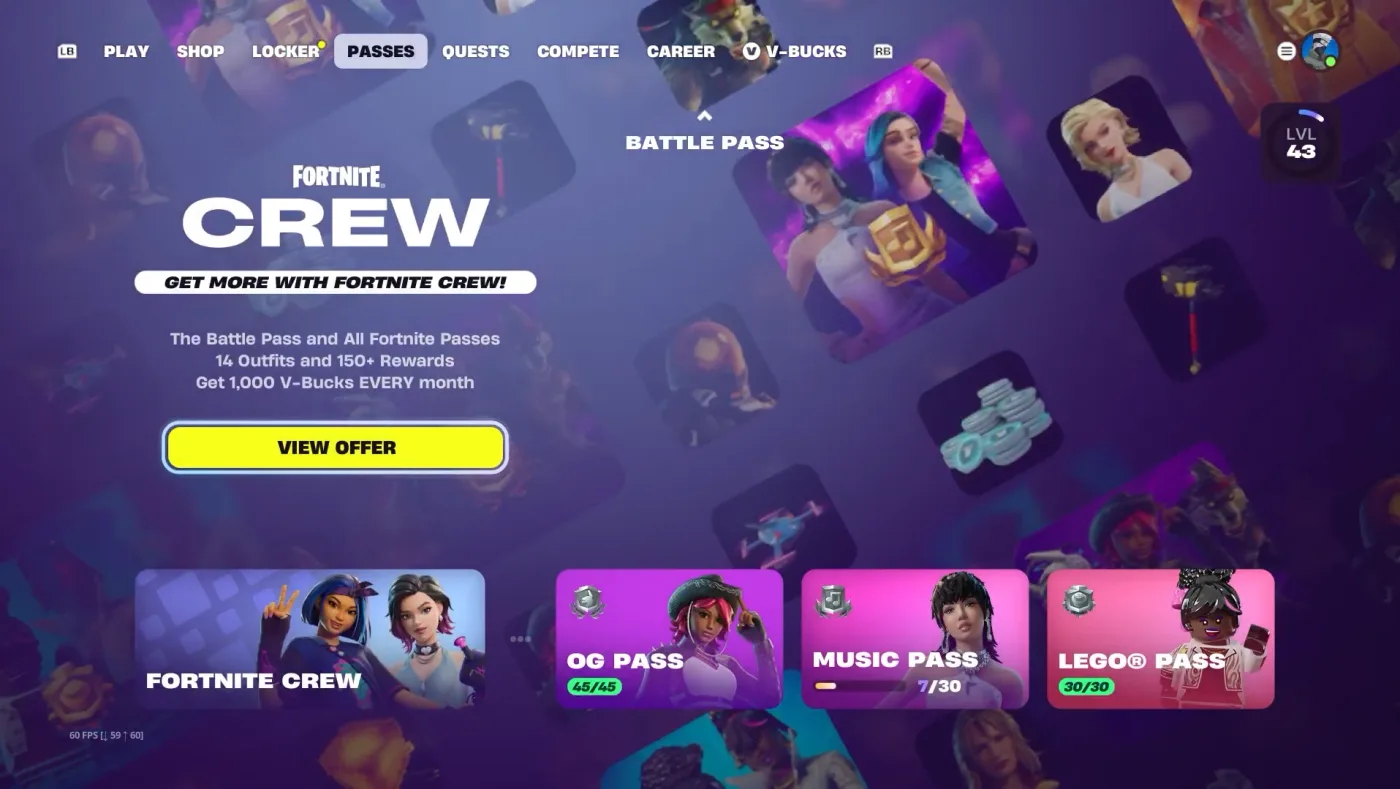
Fortnite Crew Guide: What You Get and Is It Worth It
Fortnite Crew got quietly worse in June 2026 — the monthly V-Bucks dropped from 1,000 to 800 at the same $11.99 — and the math still leans in its favor, because it bundles five passes and a skin you cannot buy any other way. Here's the full contents list and the honest math.
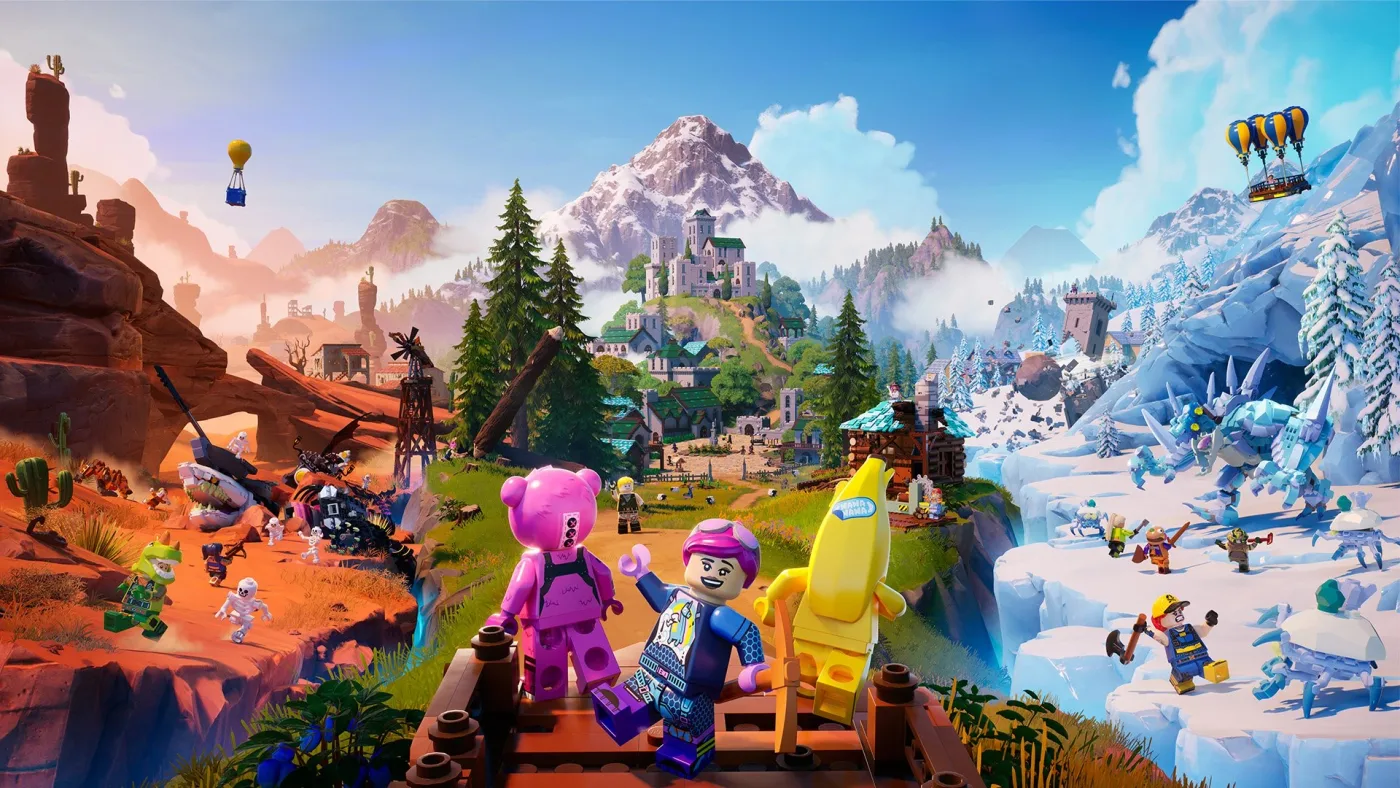
LEGO Fortnite Odyssey Guide: The Survival Game, Explained
Odyssey is a 95-square-kilometre survival-crafting game sitting three tiles over from Battle Royale, and it has changed more since launch than any other part of Fortnite. Hunger is gone. Bench upgrades are gone. Here's the version that's actually live.
Fortnite Weapon Tier List: How to Rank Any Loot Pool
Any Fortnite tier list is stale the second a patch drops. So instead of memorizing this season's gun names, learn how to rank weapons by class and role — the framework that's S-tier in every season.
Best Fortnite Settings for PC & Console
Half your settings menu is noise; a handful of options decide whether you can see, aim, and build. Here's what to change on PC and console, why, and the one number nobody else can pick for you.