Fortnite Reload Mode Guide: Fast Respawns, Faster Wins
Reload isn't Battle Royale on a small map — it's a respawn brawler where dying once is barely a setback. You reboot automatically while a teammate is still standing, and the players who play scared lose to the players who play loud. Here's how the mode actually works and how to win it.
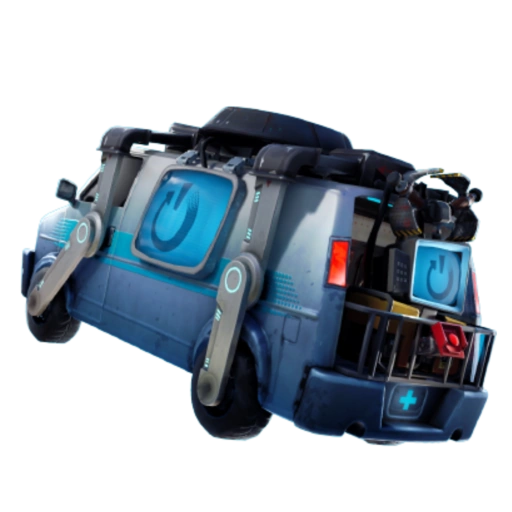
Updated 10 October 2026: An earlier version of this guide said Reload brings eliminated teammates back by carrying their reboot card to a Reboot Van. That was wrong. Reload has no reboot cards and no Reboot Vans: you reboot automatically on a timer as long as one teammate is still alive, and reboots switch off near the end of the match. The mechanics sections below have been rewritten to match Epic's rules.
Reload is the mode that punishes you for playing scared. In normal Battle Royale, dying is expensive — you're usually out of the fight unless a teammate can get your Reboot Card to a van — so the smart play is often patience: third-party, avoid coin-flips, survive. Reload flips that math on its head. When you're eliminated, you reboot automatically as long as a teammate is still in the match, the map is a fraction of the size, and the whole match is a churning series of respawning fights instead of one careful build toward a final circle. The players who keep playing Reload like it's BR — hiding, hesitating, refusing fights they'd actually win — lose to the players who understood the mode rewards aggression.
This guide is Reload from the ground up: how the reboot system works, why the compact map changes your decision-making, the aggressive playstyle the mode is built around, and exactly where its rules diverge from standard Battle Royale. The map and the loot pool rotate constantly, so we're staying on the durable stuff — the respawn rules and the pace — which is what actually decides who wins.
Reload is a respawn brawler, not Battle Royale
The single most important thing to internalize: in Reload, getting eliminated is usually a temporary setback, not the end of your match. In Duos and Squads, as long as at least one teammate is still alive, you reboot automatically when your personal timer runs out and rift back down into the match. Nobody has to pick anything up or carry anything anywhere to bring you back. That one fact rewrites every risk calculation in the game.
What that does to the pace:
- Fights are constant. With a small map and respawning players, you're never far from the next engagement. There's no long, quiet looting phase where nothing happens — the match is basically one extended team fight that resets over and over.
- Trading is fine. In BR, trading your life for an elimination is a bad deal, because you're usually out of the fight until a teammate gets your Reboot Card to a van, if they can. In Reload, if you're eliminated but your teammate finishes the kill, you came out ahead — you removed an enemy, and that elimination knocks time off your reboot timer.
- Momentum matters more than survival. A squad that keeps respawning and pushing keeps the pressure on. A squad that turtles up gives the enemy free time to heal, reposition, and reset for the next push.
If you came to Reload from Battle Royale, the instinct to preserve your life at all costs is exactly the habit that's holding you back. Your life is a renewable resource here — right up until the endgame, when reboots stop. Spend it on fights that matter.
How the reboot system actually works
The respawn loop is the heart of the mode, and it's simpler than Battle Royale's, because nobody has to go anywhere to run it. Here's how it works, per Epic's own Reload rules:
- There are no reboot cards and no Reboot Vans. Those belong to Battle Royale and Zero Build team modes. Epic's rule for Reload is that squad members reboot as long as one member of the team remains; the in-game playlist card calls them Reboot Rifts.
- Elimination starts your personal reboot timer. When it hits zero, you rift back down from the sky into the match. Epic's launch rules put the Squads timer at 30 seconds, rising to 40 later in the match, and the Duos timer at 12 seconds, rising to 16. Epic said the Duos values could change, and it shortened the Duos reboot timings soon after Duos launched, so treat the exact seconds as launch figures rather than current ones.
- Your surviving teammates' fights shorten your timer. In Squads at launch, a teammate downing an opponent cut 2 seconds, eliminating one cut 4, and wiping a whole squad cut 10; Duos launched with 2, 3 and 5. That's how teammates speed up a reboot — there's nothing to channel and nothing to interact with.
- Downed isn't eliminated. A knocked player can still be revived the normal way, or can choose to start their reboot timer right away instead of waiting for the revive.
- A full team wipe is game over. If the last player still standing is eliminated while the rest of the team is waiting on their timers, nobody is left to keep the reboots coming and your match ends.
- Reboots switch off near the end of the match. After that point, eliminated players stay out. A timer that was already counting down when reboots switched off still finishes.
- Solo has a life limit. Reload Solo gives you three lives in total. When Solo launched in November 2024, Epic also turned each unused life into 50 extra non-regenerating Overshield (up to 100) once the respawn window closed. Since the v41.30 update in July 2026, a Solo player who has used a reboot can earn it back by dealing enough damage to opponents.
- What you come back with depends on timing. An early reboot drops you in with a common Assault Rifle and not much else. Since the v41.00 update went live on June 6, 2026, reboots in the mid and late stages of the match come with stronger starting gear.
The practical takeaway: as long as one of you is alive, your team isn't out. That makes the last player standing the most important player on your team — their job is to stay alive and keep fighting, because every opponent they knock or eliminate brings their teammates back sooner. It also means that to knock an enemy team out before reboots switch off, you have to catch every member down at once: eliminate the last one standing while the rest are still waiting on their timers.
The classic Reload blunder: the last player alive panics, takes a hopeless 1v3, and gets eliminated while the rest of the squad is still on the timer — game over. When you're the last one standing, survive first. Your team comes back if you do.
The smaller map changes everything
Reload runs on a much smaller map than standard Battle Royale, with a smaller lobby to match. That compression is not cosmetic — it changes the entire flow of a match:
- Rotations are short. You're never far from the next zone, so the long cross-map treks of BR don't exist. Less time walking means more time fighting.
- You can't hide. On a big map, a cautious squad can avoid contact for ages. On a compact one, the circle squeezes you into enemies fast and often. Avoidance isn't a strategy here; it just delays the fight you were going to have anyway.
- The storm closes faster and the match is shorter. The whole thing is built for quick, high-intensity sessions, not 20-minute survival marathons. Plan for a sprint, not a marathon.
- Loot is closer and denser. Because the playable space is small, you gear up quickly and re-gear quickly after a respawn. A rebooted teammate can usually find a workable loadout fast.
Because the map and named locations rotate over time, don't memorize specific drop spots and expect them to stick. Instead, internalize the principle: small map, fast circles, constant contact. Whatever the current map looks like, those properties hold, and they're what you plan around.
Play aggressive because dying is cheap
Here's the mindset the whole mode is built to reward: take fights you'd normally avoid in Battle Royale. Because a single death is recoverable, the downside of an aggressive push is far smaller, while the upside — eliminations, map control, momentum — is just as big.
How to actually play aggressive without throwing:
- Push downed players and unfinished fights. When you knock someone, finish them before their team can revive them. Remember that until reboots switch off, an eliminated enemy is only gone until their reboot timer runs out, as long as one of their teammates survives — the way to take a team out for good is to eliminate the last one standing while the others are still waiting to reboot.
- Take the trade when it's worth it. Going down to remove an enemy from a fight your team then wins is a good trade in Reload — every knock and elimination your teammates score while they finish the fight takes time off your reboot timer, and if they wipe the rest of that team, the enemy you traded with doesn't come back at all.
- Don't over-loot. Hunting for the perfect inventory wastes the short match. Grab a workable loadout — something for close range, something for range, shields, a mobility option — and go fight. You can upgrade off the people you beat.
- Keep the pressure on. A squad that pushes relentlessly forces the enemy to play reactive and defensive, which is exactly where you want them. Hesitation lets them heal and reset; aggression keeps them off balance.
The line to walk: aggressive is not the same as reckless. Pushing into a 1v4 with no heals and no plan still loses — and if you're your team's last player alive, it can end the match for all of you. But between "play it safe" and "send it," Reload wants you much closer to "send it" than Battle Royale ever does.
Shields and heals on a faster clock
Healing still wins fights, but the rhythm is different because the fights come so much faster. You don't get long, quiet stretches to set up a comfortable heal — you get brief windows between near-constant engagements.
The heal habits that matter in Reload:
- Top up in the gaps, fast. The moment a fight ends, get your shield and health back up before the next one — and in Reload the next one is close. Favor quick heals you can use on the move or in a short lull over long, vulnerable channels you rarely have time for.
- Carry shields you can actually use. Shield Potions give you that effective extra health bar on top of your white HP, and full shield is the difference between winning and losing a peek battle. Treat being below full as a problem to fix, not a state to live in — the same shield and heal management discipline applies, just on a faster clock.
- Re-gear includes re-stocking heals. When you respawn or loot a kill, grab heals as a priority, not an afterthought. An early-match reboot brings you back with little more than a rifle, so find shields before you take the next fight.
- Don't heal in the open. Even on a fast clock, channeling a heal where you can be shot is a death sentence. Break line of sight first, then top up.
The general principle holds from BR — walk into fights full — but Reload compresses the timeline, so the skill is healing efficiently in small windows rather than leisurely between rare fights.
Teamwork wins Duos and Squads
In Duos and Squads, Reload is a team game, and the squads that communicate beat the squads that don't, even with worse aim. The reboot rules specifically reward playing together:
- Keep one player alive, always. Your team keeps rebooting only while someone is still standing, so the last survivor's job is to stay alive, not to win a hopeless fight. Epic's own launch post makes the same point: when the rest of the team is down, staying in the game depends on the lone survivor.
- Call out who's down and who's on a timer. Knowing which teammates are about to rift back in tells you whether to hold or re-engage. Saying it out loud — "I'm on my timer, hold until I'm back" — keeps the last player standing from taking a fight alone.
- Don't all die in the same spot. If the whole squad pushes into the same angle and gets eliminated together, nobody is left to keep the reboots coming, and a full team wipe is game over. Stagger your pushes and keep at least one player in a safer position.
- Focus fire. A small map and constant fights mean target priority matters. Everyone shooting the same enemy drops them before they can be revived, and every knock and elimination your team scores takes time off your fallen teammates' reboot timers. Everyone shooting different targets lets the enemy squad survive and recover.
- Rotate as a unit. Because the map is small and the circle is fast, getting split up is easy and deadly. Move together so you can trade, revive, and focus as a team rather than feeding the enemy a string of 1v4s.
The meta-level point: in a mode where respawns are the whole gimmick, the team that always keeps someone alive — and catches enemy teams with everyone down at once — wins. That's a coordination problem, not an aim problem.
How Reload differs from Battle Royale
If you bounce between Reload and standard Battle Royale, keeping the differences straight stops you from playing one with the other's instincts:
| Situation | Battle Royale | Reload |
|---|---|---|
| Getting eliminated | Usually out, unless a teammate in a team mode carries your Reboot Card to a Reboot Van | You reboot automatically on a timer while a teammate is alive, until reboots switch off near the end |
| Map size and pace | Large map, long rotations, slow build to endgame | Compact map, short rotations, constant fights |
| Risk of a fight | High — a loss can end your game | Lower — a recoverable death makes aggression pay |
| Looting | Worth taking time to find a strong loadout | Grab a workable kit fast and fight; over-looting wastes the short match |
| Best playstyle | Patient, positional, avoid bad coin-flips | Aggressive, push fights, keep momentum |
| Healing rhythm | Long lulls to set up comfortable heals | Brief windows — heal fast and efficiently between near-constant fights |
The honest summary: Reload rewards aggression and team coordination; Battle Royale rewards patience and positioning. Neither is "easier" — they're different games sharing an engine. A BR demon who plays Reload cautiously gets steamrolled by squads that push; a Reload aggressor who never learned restraint gets punished in BR's longer, less forgiving format. Treat them as the separate modes they are.
Quick Action Checklist
The fastest way to start winning Reload:
- Drop the BR survival instinct — in Reload, dying once is a recoverable setback, so play loud
- If you're the last one alive, survive first — your team keeps rebooting only while someone is standing
- Knock and eliminate to speed up reboots — your team's downs and kills shorten your fallen teammates' timers
- Expect constant fights on a small map — don't waste the short match avoiding contact
- Grab a workable loadout fast (close, range, shields, mobility) and go fight; skip the perfect-inventory hunt
- Take trades that win the fight — your team's knocks and kills shorten your timer, and a full wipe ends their match
- Heal fast in the gaps and never push a fresh fight at partial shield
- Focus fire to wipe whole teams — a team with one player left keeps coming back
- Play the endgame like BR — reboots switch off near the end of the match, so an elimination then is final
- Rotate as a unit so you can trade and revive instead of feeding solo deaths
Frequently Asked Questions
How does Fortnite Reload work?
Does Fortnite Reload use reboot cards?
How do you win in Fortnite Reload?
What is the difference between Fortnite Reload and Battle Royale?
Should I play aggressive in Fortnite Reload?
Why does the smaller map matter in Reload?
Keep Reading
- Epic Games — Squad Up for Fortnite Reload (automatic reboots, Squads timers, reboot cutoff)
- Epic Games — Fortnite Reload Adds Duos (Duos reboot timers)
- VideoGamer — Epic shortens Reload Duos reboot timings after launch
- Epic Games — Chapter 2 Remix news: Reload Desert Drop and Reload Solo rules
- Epic Games Community — v41.00 Reload update notes (Progressive Reboot Loadouts)
- Fortnite Wiki — Fortnite: Reload (elimination and reboot rules, team sizes, Solo reboots)
- Fortnite Wiki — Rebooting (Battle Royale cards and vans; not present in Reload)
Related Guides
Fortnite Reload Nitemare Island: Map, Loot and Rewards
Nitemare Island came back to Reload on October 8 with something the 2025 version never had: a match modifier that hands you a rival and pays out a Kado Thorne Exotic when you drop them. Here is the map, the three-map rotation it sits in, the loot you can only find there, and what the new Ranked and Map Mastery tracks pay.
Fortnite Blitz Royale Guide: How the 5-Minute Mode Works
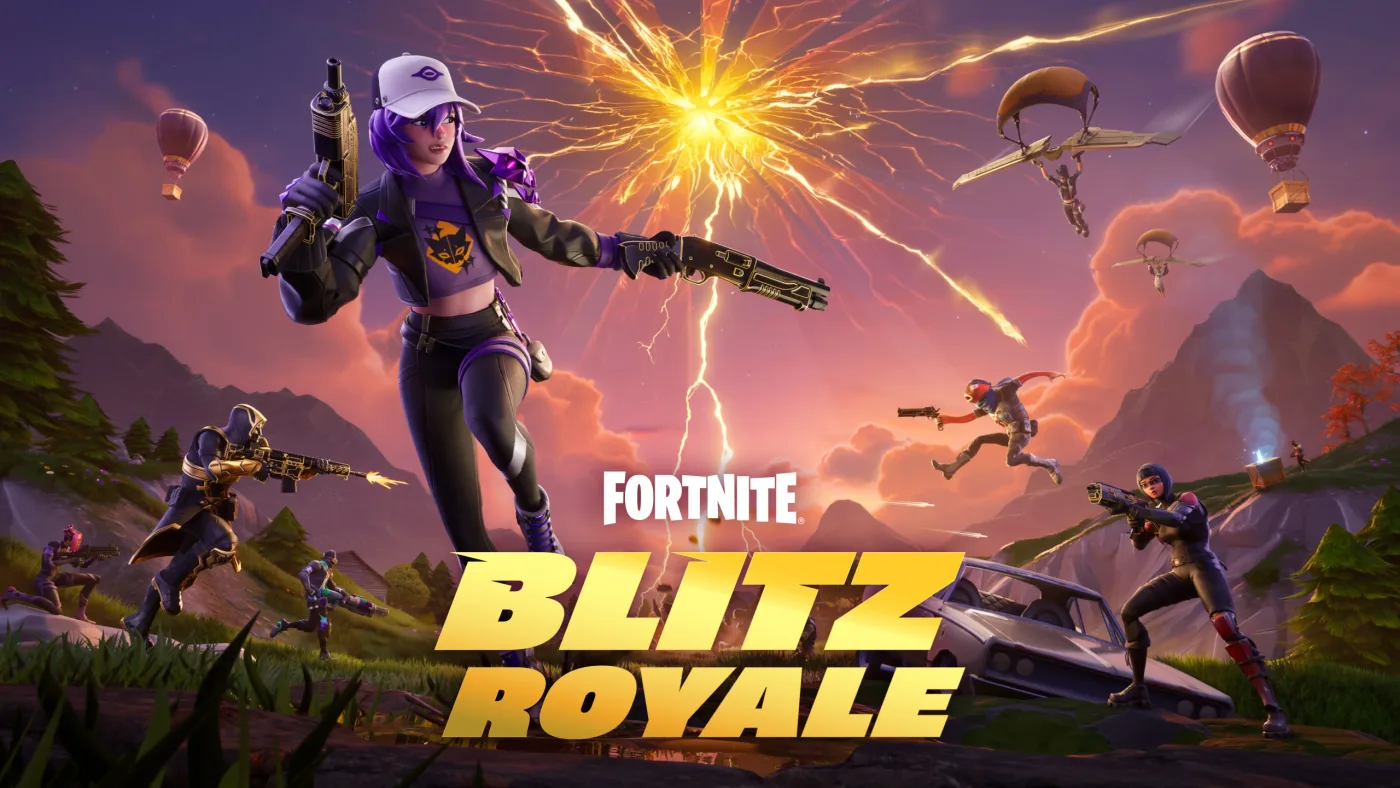
Blitz Royale was meant to close on July 15, 2025. Fifteen months later it has its own dev team, a $1,000,000 mobile tournament and a victory emote you can only earn inside it. Here is how a match actually runs: the kit everyone lands with, what Blitz Levels pay out, where the gold loot is, how fast the storm kills, and what Epic has and has not changed this season.

Fortnite Kingdom Hearts Skins: Price, Keyblade and More
Our Chapter 7 Season 4 weapons post named the Kingdom Key and Rebecca's Guns as arrivals Epic had announced but not shipped — 'neither is in the pool yet,' it said, three weeks ago. Update v42.20 shipped both, plus a four-skin Kingdom Hearts bundle tied for the most expensive in the game's history, four new Sprites, and six new Match Overrides. Here's what actually landed, what it costs, and what Epic still hasn't published.
Fortnite OG Season X: The BRUTE and Rift Zones Return
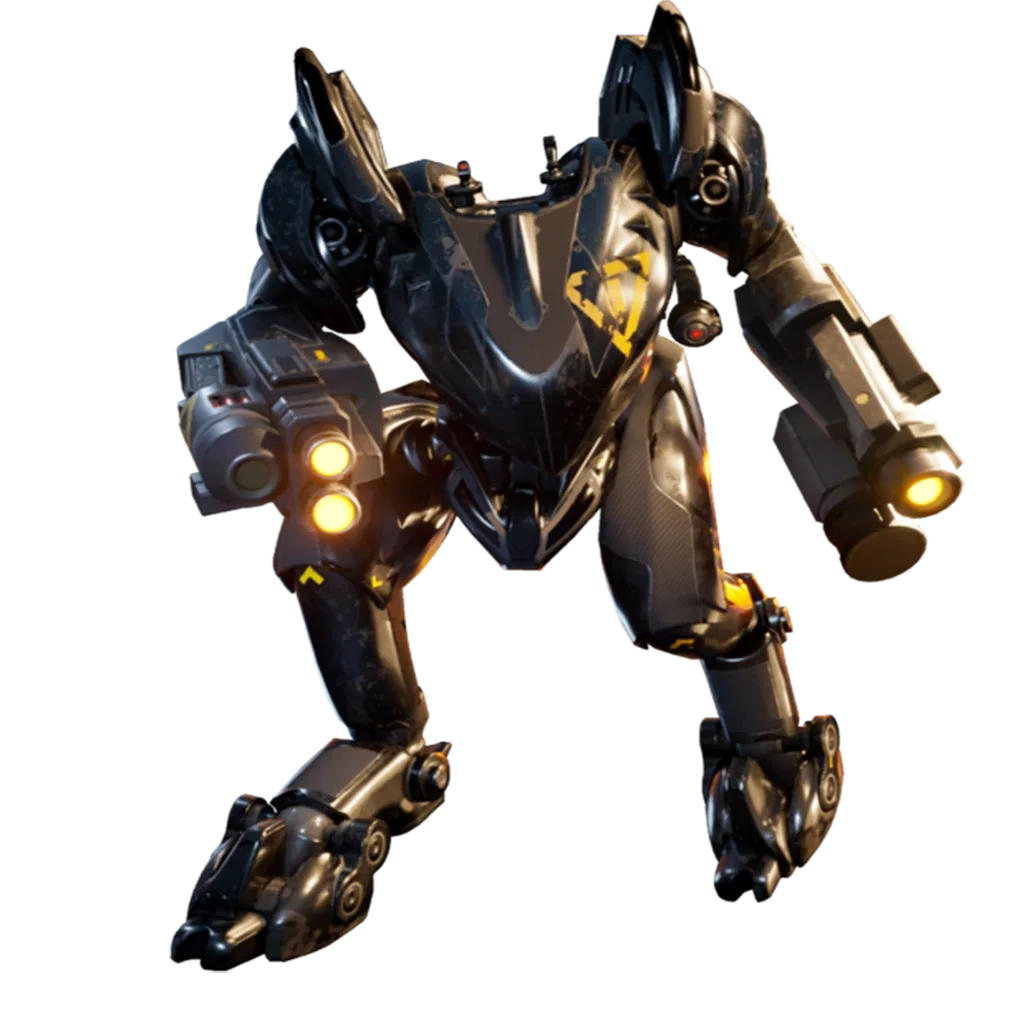
Our OG mode guide explains how the permanent playlist works in general. It doesn't tell you what's live right now, because that changes every season — and on September 3, the tenth one brought back a two-person mech, a fully automatic sniper, and three Rift Zones with rules of their own.
Fortnite Weapon Tier List: How to Rank Any Loot Pool
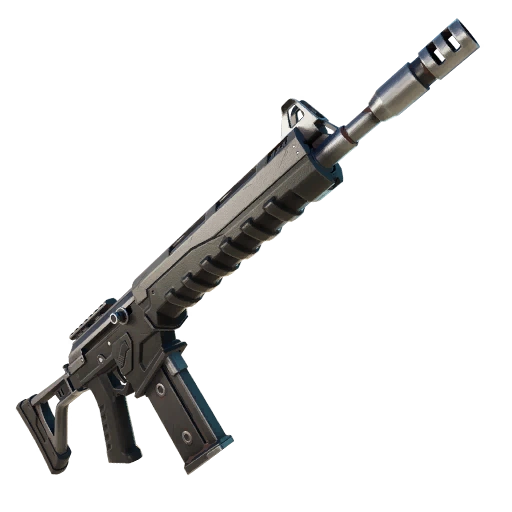
Any Fortnite tier list is stale the second a patch drops. So instead of memorizing this season's gun names, learn how to rank weapons by class and role — the framework that's S-tier in every season.
Best Fortnite Settings for PC & Console
Half your settings menu is noise; a handful of options decide whether you can see, aim, and build. Here's what to change on PC and console, why, and the one number nobody else can pick for you.